
REVIEW · AUSTRALIAN CAMP AND DHAMPUS TREKS
1 N 2 Days easy Dhampus,Australian camp trek from Pokhara
A small trek can deliver big mountain views. I like the quick two-day format and the chance to see both a traditional Gurung village and the Annapurna range without committing to a long Himalayan route. I also like the private guide service, especially the patient pacing praised by guests who walked with Amrit, Biru, Milan, and Armit. The main caution is simple: the trail may be called easy, but stone steps can feel tough, and clouds may hide the mountains entirely.
You start from Pokhara, drive to Kande, and walk toward Australian Camp, usually in about two hours. You spend the night in a guesthouse, rise for sunrise, then hike down toward Dhampus Phedi before driving back. At $86 per person, the package offers strong value if you want transport, a guide, accommodation, and a short taste of trekking in one neatly arranged trip.
In This Review
- Key Points at a Glance
- Why This Short Nepal Trek Works So Well
- Leaving Pokhara for Kande
- The Stone Steps to Australian Camp
- Australian Camp at Around 2,100 Meters
- Sunset, Weather, and the Value of Waiting
- Dhampus and Its Gurung Character
- Sunrise Before Breakfast
- Returning to Pokhara by Private Transport
- What the $86 Price Really Buys
- Who Should Book This Trek?
- Should You Book It?
- FAQ
- How long does the Dhampus and Australian Camp trek take?
- Where does the trek begin?
- How long is the walk to Australian Camp?
- What mountains might I see?
- Is food included in the price?
- What languages can the guide speak?
- What is the best season for this trek?
Key Points at a Glance
- A two-hour climb to Australian Camp: The first walking section is short, but stone steps make it more demanding than the word easy suggests.
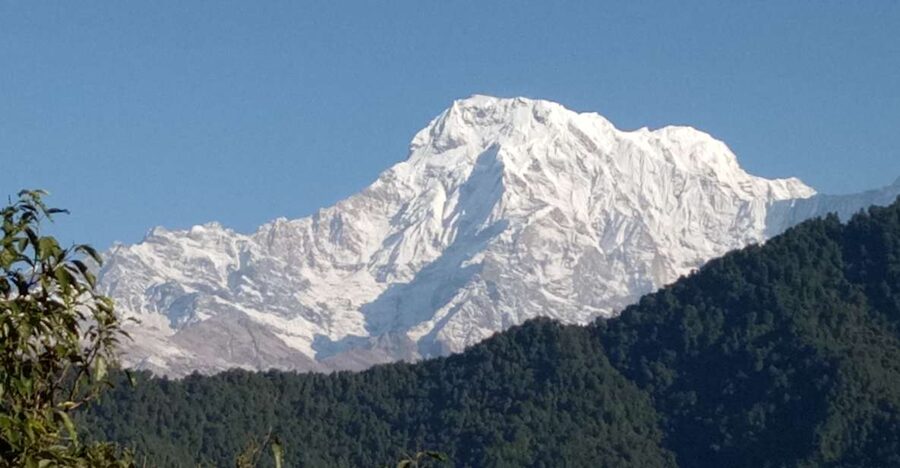
- Sunrise and sunset over Annapurna: Clear weather can reveal Annapurna, Machhapuchhre, Dhaulagiri, and other high peaks.
- Dhampus adds village life: Traditional Gurung homes, terraced fields, narrow lanes, and local hospitality give the trek more character than a simple viewpoint walk.
- Private guiding makes the pace flexible: Guides such as Amrit and Biru have adjusted walking speed, rest stops, and plans to suit individual needs.
- Strong value at $86: Hotel pickup, private transport, an English-speaking guide, a guesthouse night, official documents, and a first-aid kit are included.
- Best conditions come in spring and autumn: March to May and September to December offer the best chance of clear mountain views.
Why This Short Nepal Trek Works So Well
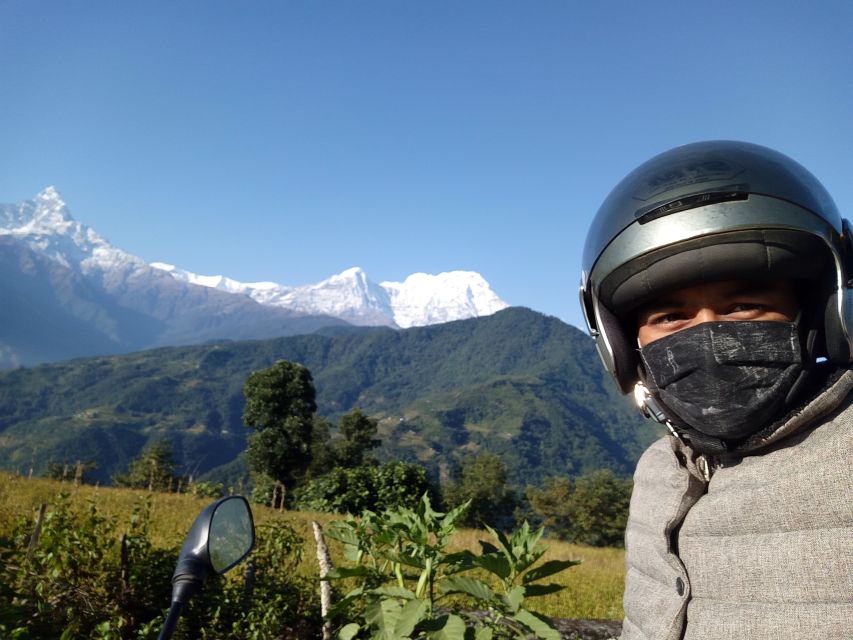
I see this trip as a gentle introduction to Nepal’s mountain routes, not as a substitute for the Annapurna Base Camp trek or a longer circuit. In two days, you get a mountain road transfer, a forest and staircase walk, an overnight stay, a sunrise, and contact with village life.
That combination matters. A short viewpoint outing can feel thin if you simply drive up, take photographs, and return. Here, you spend the night above Pokhara. You have time to watch the light change, eat at a lodge, wake before breakfast, and walk through the hills rather than only looking at them through a vehicle window.
The private format is another real advantage. You are not tied to the speed of a large group. If you walk slowly, your guide can adjust. If you feel unwell, the day can be softened. If the clouds roll in, the route can be reconsidered.
The trip has earned a 4.9 rating from 10 posted bookings, and the praise centers on the same practical qualities: kind guides, careful walking support, good communication, and flexibility. Amrit was especially praised for matching walking speed and explaining Nepal along the way. Biru was noted for watching safety, pointing out local culture, and giving people quiet time when they wanted it.
Still, you should keep your expectations sensible. The mountain view is weather dependent. Several departures had fog or cloud, and one person described the stone stairway as quite hard despite the trek being advertised as easy. You may enjoy the walk even if the peaks disappear, but you should not book this only for guaranteed photographs.
More short treks to Australian Camp and Dhampus:
- 2-Day Private Trekking Tour to Australian Camp & Dhampus
★ 5.0 · 42 reviews - 1-Day Private Dhampus Trekking Tour
★ 5.0 · 35 reviews - Pokhara: Easy Day Hike to Australian Camp & Dhampus Village
★ 5.0 · 24 reviews
Leaving Pokhara for Kande
The day begins with an early pickup at your hotel in Pokhara. From there, private transport takes you toward Kande, the trail starting point. The drive is included, which saves you the trouble of arranging a taxi and finding the right trailhead yourself.
An early start is useful for two reasons. You have more time on the trail, and you give yourself a better chance of reaching the overnight stop before evening. The schedule also leaves room for a sunset view if the sky cooperates.
Your guide should help you settle into the walking pace early. This is where the private setup earns its keep. You do not need to match a stranger’s speed, and you can ask for a break without holding up a larger party.
The tour provides an English-speaking guide, with Hindi and Nepali also available. Guides have been praised for speaking slowly and clearly, which is helpful if English is not your first language. You should still tell your guide at the beginning if you have knee trouble, low fitness, or concerns about stairs.
The Stone Steps to Australian Camp
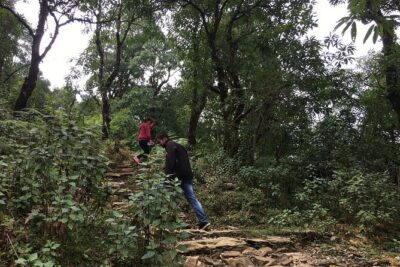
The walk from Kande to Australian Camp is usually described as about two hours. That sounds modest, and the distance is manageable for many people, but the surface makes the effort uneven. You should expect stone steps, uphill sections, and trail spots where careful footing matters.
One person found the steps particularly demanding, while another person with low fitness completed the walk with steady encouragement and help carrying a bag. That is useful context. You do not need to be an experienced trekker, but you should be comfortable walking uphill for a couple of hours.
Wear shoes with a firm sole. Comfortable shoes are listed as essential, and this is not the place for smooth-soled casual footwear. A small day bag is also easier than a heavy pack, especially since the tour includes only a short overnight stay.
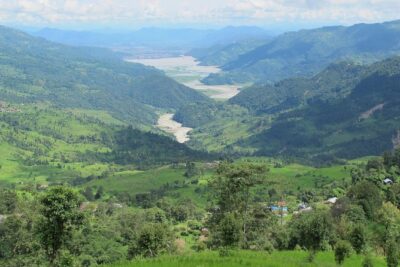
The route gives you more than a physical challenge. You walk through forests, near terraced farmland, and into the high country above Pokhara. Rhododendron flowers may add color in season, though the main reward is the change from city streets to quiet hill paths.
Your guide can point out the safer line on slippery sections. Armit was praised for warning about places where the trail could cause a slip, and other guides encouraged people to slow down rather than push. That approach is exactly right here. The goal is not to win a race against the staircase.
Australian Camp at Around 2,100 Meters
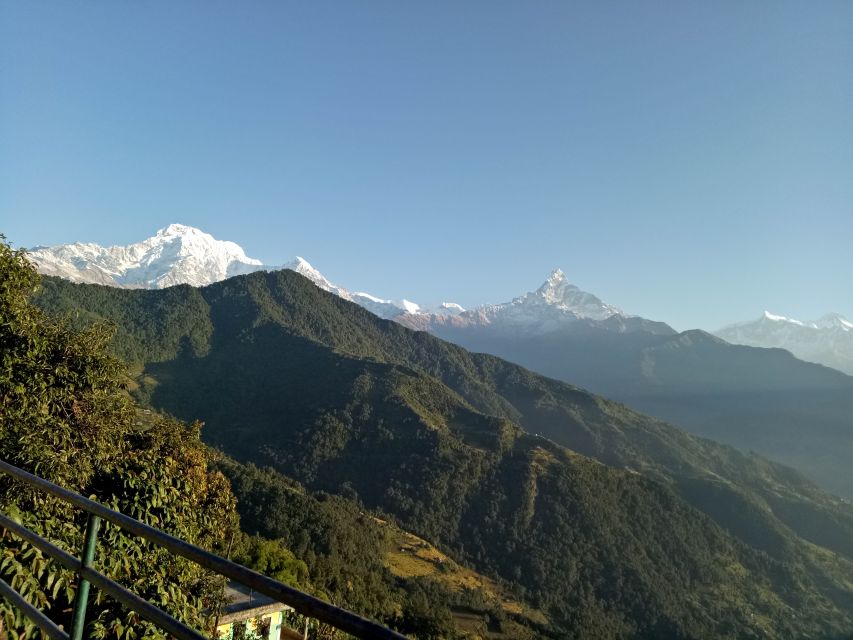
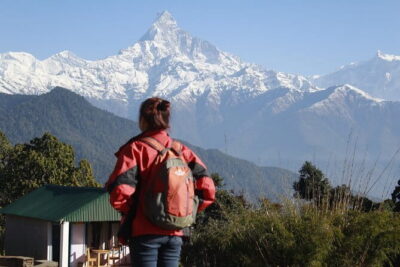
Australian Camp, also called Thulo Kharka, sits at roughly 2,100 meters. It is known for broad views toward the Annapurna and Dhaulagiri ranges, and on a clear day you can get a wide sweep of snowy summits.
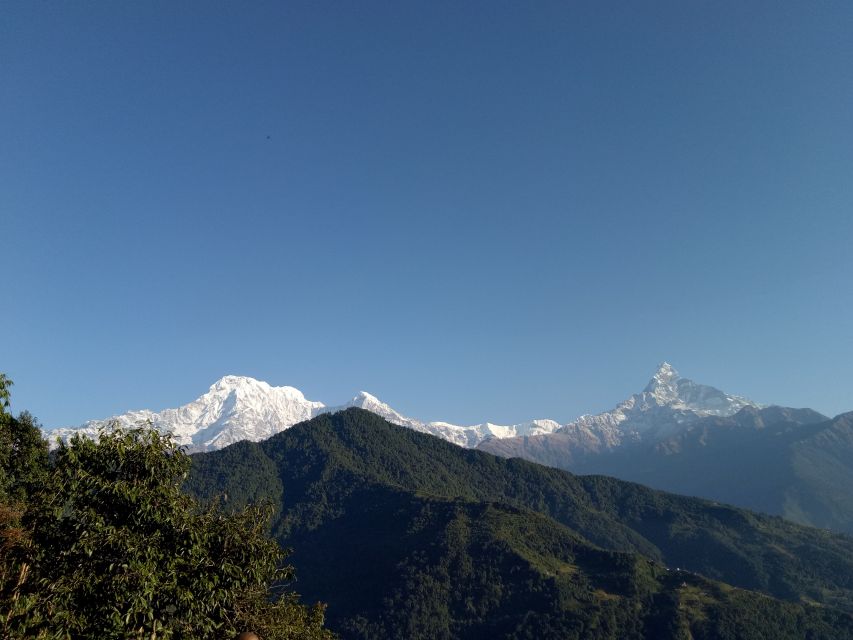
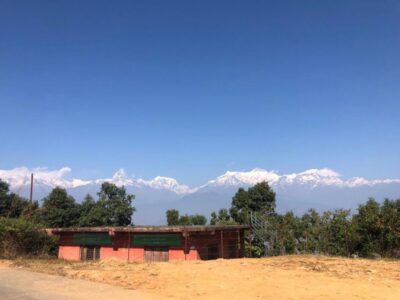
The advertised highlight is a 180-degree panorama. That description depends heavily on visibility, but the viewpoint is well suited to open mountain views when the clouds lift. Annapurna and Machhapuchhre, the famous Fishtail peak, are among the mountains you may see.
The camp is also a place to stop moving. You can rest at the lodge, take photographs, and watch the surroundings change as afternoon turns toward evening. For many people, the overnight stay is more valuable than the walking distance. You are not forced to hurry back to Pokhara just as the light improves.
The name Australian Camp comes from its popularity with Australian trekkers. You do not need to attach too much importance to the name, but it is a useful marker for what the stop offers: a simple mountain viewpoint with guesthouse accommodation and a clear emphasis on scenery.
The lodge is not a luxury hotel. The accommodation is described as a guesthouse or lodge, with food available for purchase. One booking described the guesthouse as comfortable and the food as decent. You should expect practical mountain lodging rather than polished city comforts.
More walking in the hills of Pokhara:
- Poon hill Trek 3 days
★ 5.0 · 176 reviews - Trekking in Annapurna/Langtang/Everest/Upper Mustang regions
★ 5.0 · 161 reviews - Pokhara: 4-Day Ghorepani, Poonhill & Ghandruk Mountain Trek
★ 5.0 · 132 reviews - Ghorepani – Poon Hill Trek 3N-4D
★ 5.0 · 125 reviews
Sunset, Weather, and the Value of Waiting
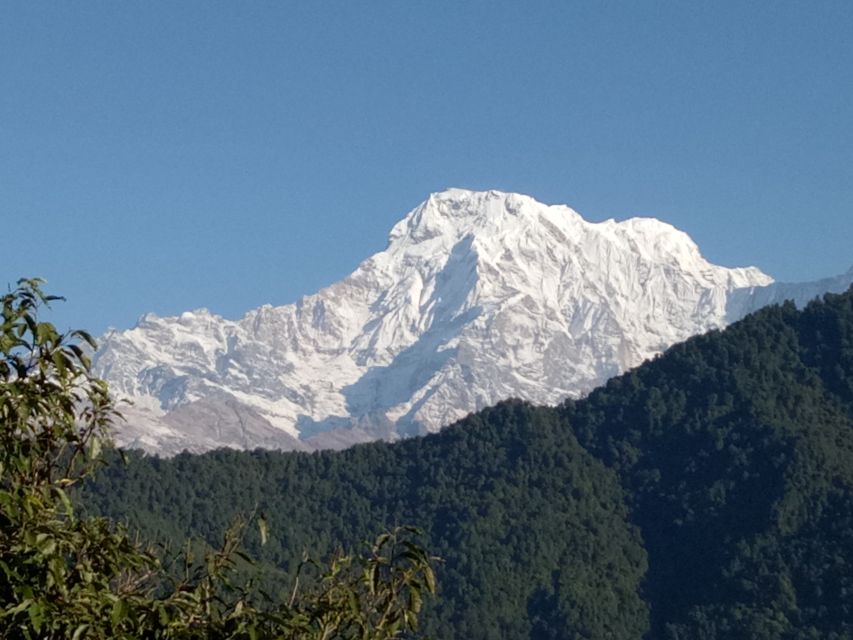
Sunset is one of the strongest reasons to stay overnight. If the clouds break, the late light can bring out the shape of Machhapuchhre and the Annapurna peaks in a way that midday often does not.
The weather may not follow your plan. One departure began under poor conditions, with little view of the mountains. The guide changed the overnight arrangement and moved the group to Dhampus, where the clouds cleared later and produced a fine sunset.
That kind of adjustment is worth noticing. A fixed itinerary is easy to print, but mountain weather rewards flexible decisions. Your guide may recommend Dhampus instead of Australian Camp if conditions, timing, or comfort make it a better choice. You should view that as practical trip management, not a failure to follow the plan.
Fog can also remain until the next morning. One person had clear enough conditions on arrival to glimpse the range, then woke to mist. Another saw no mountains at all but still enjoyed the walk. You should bring patience along with your camera.
Dhampus and Its Gurung Character
Dhampus sits at about 1,700 meters and is known as a traditional Gurung village. Compared with Australian Camp, it offers more visible daily life. You may walk among stone houses, narrow lanes, terraced fields, and local shops rather than spending most of your time at a single viewpoint.
This is the cultural part of the trek. The mountains are the headline, but Dhampus gives you a sense of how people live in the hills. You can look across farmland, notice the structure of village homes, and enjoy the welcome offered by local residents and lodge owners.
Dhampus may also become your overnight stop if your guide changes the plan. That happened when weather made the original arrangement less useful. Staying there can reduce the next day’s walking and give you more time to enjoy the village at an unhurried pace.
There is a small photographic tradeoff. Some parts of the village include electrical wires, so you may need to walk around a little to find a clean frame. That is not a serious problem, and it may lead you to notice more of the village instead of treating it as a single postcard view.
The village can be especially memorable during an informal local gathering. One New Year’s Eve stay led to music and dancing with Nepali people staying at the same guesthouse. That was not a scheduled performance, which is precisely why it felt genuine. You should not expect this event on every departure, but it shows how a village overnight can create moments that a quick viewpoint stop cannot.
Sunrise Before Breakfast
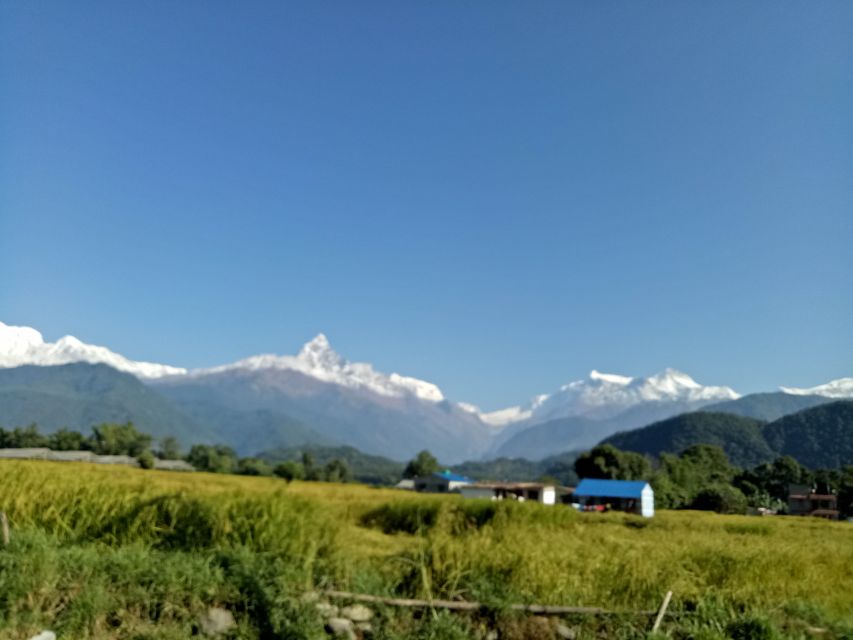
The second morning begins early. You get up for sunrise and the view across the Annapurna range, then return for breakfast at the lodge.
This timing is sensible. Morning often gives you the best chance of seeing the peaks before clouds build, though no guide can control the weather. The quiet also changes the mood of the trip. You can watch the first light, take photographs, and start the day without immediately rushing onto a vehicle.
One of the most consistent strengths of this experience is the guides’ attitude toward time. Amrit and Biru were praised for letting people set a comfortable rhythm, and one guide repeatedly encouraged a slow pace and time to enjoy the moment. That matters during sunrise, when the best part may be sitting quietly rather than checking off a viewpoint.
After breakfast, you hike down toward Dhampus Phedi. Downhill walking is not automatically easier. Stone steps can press on your knees, and wet sections require care. Use your guide’s advice, keep your footing steady, and do not hurry simply because the route points downward.
Returning to Pokhara by Private Transport
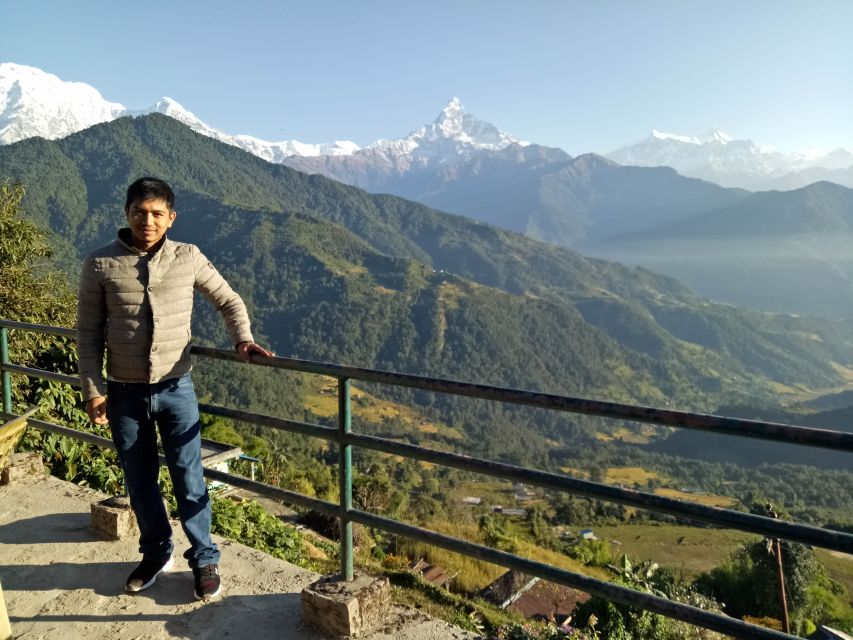
At Dhampus Phedi, private transport takes you back to your Pokhara hotel. The return transfer is included, so you do not need to arrange a separate ride from the trail.
This is a compact trip, and that is both its appeal and its limit. You get a real overnight trek, but you also return to Pokhara quickly. That makes it useful for a short Nepal itinerary, especially if you have other plans in the Annapurna region or need to stay near Pokhara.
The private vehicle also makes the experience easier for people who want a straightforward start and finish. You are collected at your hotel and returned there after the walk, rather than piecing together local transport.
What the $86 Price Really Buys
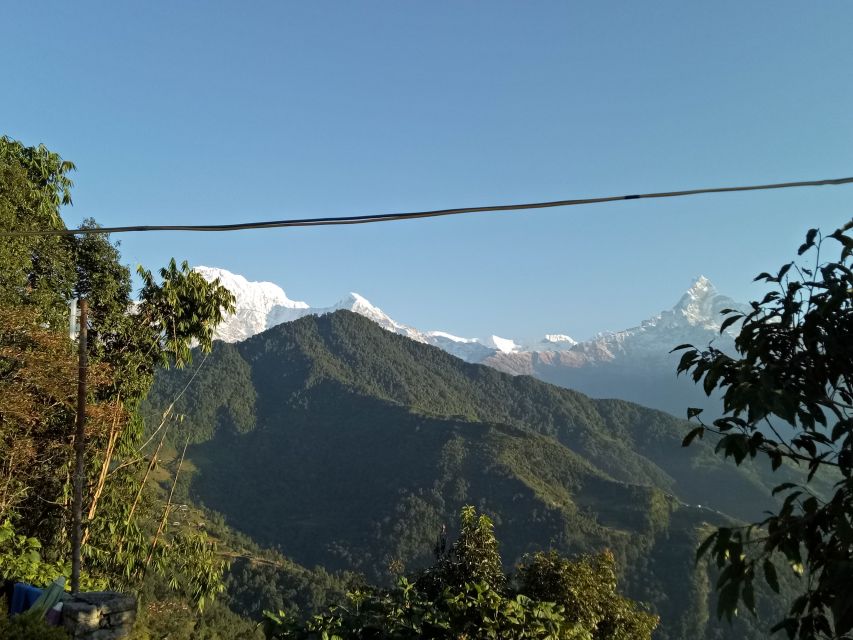
At $86 per person, the price is good for a private two-day trip if you value convenience. It includes hotel pickup and drop-off, round-trip private transport, a professional English-speaking trekking guide, one guesthouse night, an emergency first-aid kit, official documents, and a private group arrangement.
Food and drinks are not included, although they are available to buy. You should budget separately for meals and beverages at the lodge. This is the main extra cost clearly identified in the package.
The value is strongest for solo visitors and couples who do not want to arrange a guide, vehicle, and overnight room separately. A solo person may also appreciate the help with pacing and carrying a bag if needed. A couple gets the privacy of a dedicated guide rather than joining a larger party.
The package is less attractive if you only want the shortest possible viewpoint visit. The walk to Australian Camp itself may take about one to two hours, and a longer route through Dhampus can be added. If you do not care about sunrise, village life, or sleeping in the hills, a shorter day outing may suit you better.
Who Should Book This Trek?
I would recommend it to you if you want a first taste of Nepal trekking without spending a week on a trail. It suits people who enjoy mountain views, simple guesthouse stays, short hikes, and a flexible guide.
It can also work well for less confident walkers, provided you understand that the stairs can be strenuous. The guide support is a major help, but the tour is not wheelchair suitable and is not recommended for pregnant women.
You should bring your passport or ID card and comfortable walking shoes. Pets are not allowed. The best travel periods are March to May and September to December, when conditions are generally most favorable for mountain views.
The trip is private, and guides speak English, Hindi, or Nepali. You can cancel up to 24 hours before departure for a full refund, and reserve now while paying later, which gives you useful flexibility when your Pokhara plans are still shifting.
Should You Book It?
Book this trek if you want a manageable Himalayan introduction with real overnight character, not a guaranteed mountain photograph. The strongest parts are the private transport, attentive guides, flexible pacing, Gurung village experience, and the chance to see both sunset and sunrise.
I would choose it in March to May or September to December, carry light luggage, and prepare for stairs. Ask for a guide such as Amrit, Biru, Milan, or Armit if available, since their patient, safety-minded approach has made a clear difference.
Skip it if you need fully accessible terrain, dislike basic lodge accommodation, or would be disappointed by clouds. For everyone else, $86 buys a practical little adventure that brings you from Pokhara into the hills without demanding a long expedition.
FAQ
How long does the Dhampus and Australian Camp trek take?
The experience lasts two days and includes one night in a guesthouse or lodge.
Where does the trek begin?
Your guide picks you up from your hotel in Pokhara, and private transport takes you to Kande, also called Kande Naudanda, where the walk begins.
How long is the walk to Australian Camp?
The walk from Kande to Australian Camp takes about two hours, although the stone steps can make it feel physically demanding.
What mountains might I see?
On a clear day, you may see Annapurna, Machhapuchhre, also called Fishtail, Dhaulagiri, and other peaks in the Annapurna range.
Is food included in the price?
No. Food and drinks are not included, but they are available for purchase at the lodge or guesthouse.
What languages can the guide speak?
The available guide languages are English, Hindi, and Nepali.
What is the best season for this trek?
The recommended seasons are March to May and September to December. These periods generally offer the best conditions for mountain views.
New in the Pokhara listings
- Pokhara: Pokhara Highlights Tour by Bus★ 3.6 · 10 reviews
- Discover Pokhara in Style: Private Vehicle Service with Driver★ 5.0 · 5 reviews
- Multi-Day Tour from Pokhara, Poon Hill and Mulde Trek★ 5.0 · 1 review
- Pokhara in 5 Hours: Lake, Museum, Cave, Falls & Pagoda Hill★ 4.5 · 16 reviews
- Private 4 Day Poon Hill Trek from Pokhara★ 5.0 · 16 reviews
- 4 Day Mardi Himal Base Camp Trek from Pokhara★ 5.0 · 18 reviews
- From Pokhara Full Day Entire Pokhara Tour with Guide★ 5.0 · 1 review
- 7-Day Trek to Annapurna Base Camp from Pokhara★ 5.0 · 12 reviews
Australian Camp and Dhampus Treks, compared.
2-Day Private Trekking Tour to Australian Camp & Dhampus
Read our review →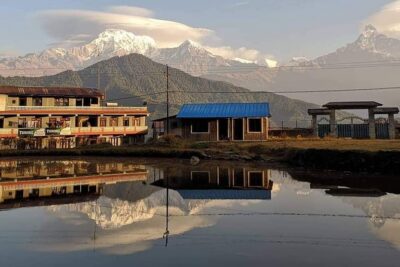
1-Day Scenic Australian Camp & Dhampus Guided Hike
Read our review →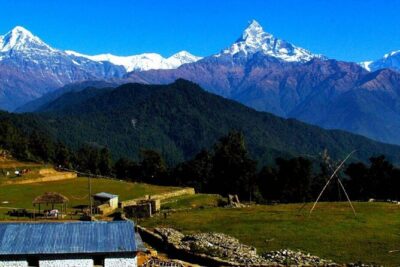
Easy Day Hike to Australian Camp & Dhampus Village
Read our review →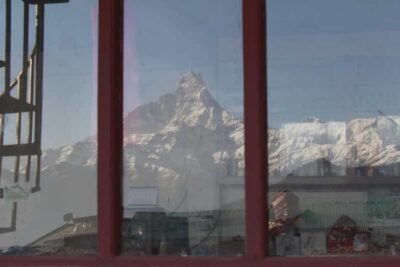
Easy Day Hiking to Australian Camp from Pokhara
Read our review →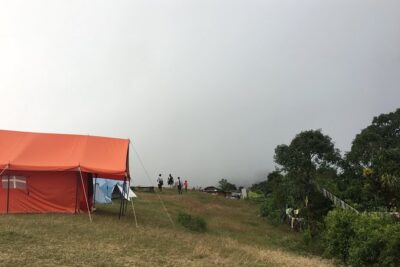
Browse the lists this tour appears in