

REVIEW · MARDI HIMAL TREKS
4 Day Mardi Himal Base Camp Trek from Pokhara
Four days can take you remarkably far. This trek packs forest paths, mountain villages, alpine meadows, and Himalayan views into a short route from Pokhara. I like the direct access from the city and the chance to reach Mardi Himal Base Camp without committing to a long Annapurna expedition.
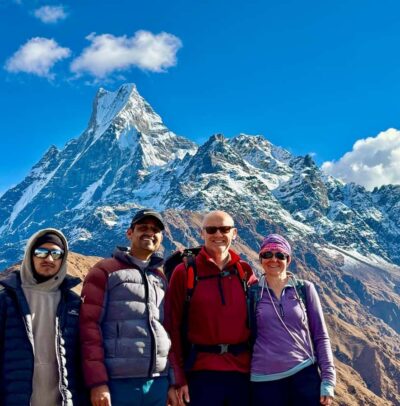
I also like the private-tour format, which lets your group walk at its own pace, and the guide support provided by CAN Travels. Guides named Krishna, Biru, and Birendra receive especially warm praise for their care, trail skills, and friendly manner. The main caution is the physical demand: several days involve six to eight hours of walking, with steep sections and a high point that can feel tough in a short schedule.
In This Review
- Five things to know before you book
- Why this short Mardi Himal route works
- Day 1: Pokhara to Kande and Forest Camp
- Day 2: Forest Camp toward High Camp
- Day 3: High Camp to Mardi Himal Base Camp
- Day 4: Descent to Siding and return to Pokhara
- What the $290 price really includes
- Accommodation, guides, and the private format
- The main drawbacks to consider
- Who should book this Mardi Himal trek?
- FAQ
- How long is the Mardi Himal trek from Pokhara?
- What is included in the $290 price?
- Are food and drinks included?
- Is this a private tour?
- How difficult is the trek?
- What is the cancellation policy?
- Should you book it?
Five things to know before you book
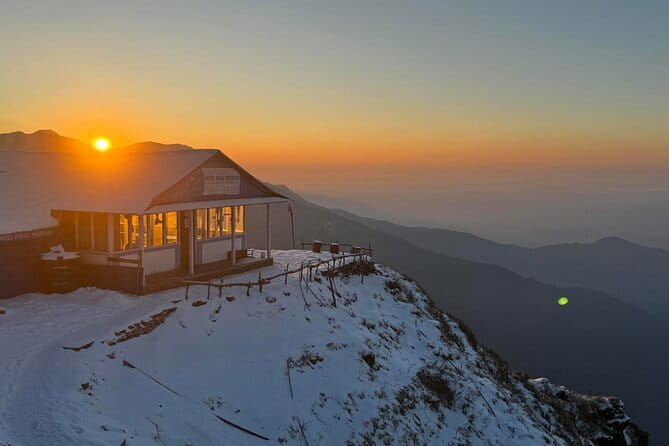
- Kande is the trailhead: A drive of about one hour from Pokhara starts the walking portion of the trip.
- Forest Camp and High Camp are overnight milestones: You climb steadily through woodland before reaching open ground and mountain views.
- Mardi Himal Base Camp requires an early, hard push: The climb from High Camp takes roughly three to four hours and is the most demanding part.
- The return includes a long descent and a drive: You walk to Siding Village, then take another two to three hours by road to Pokhara.
- The $290 price covers the framework of the trek: Permits, documents, guide, lodging, transport, entrance fees, and hotel transfers are included, but meals and drinks cost extra.
Why this short Mardi Himal route works
Mardi Himal is a good choice if you want a real Himalayan trek but have only a few days in Nepal. The route begins near Pokhara, so you avoid a long transfer to a distant trailhead. That saves time and gives you more hours on foot.
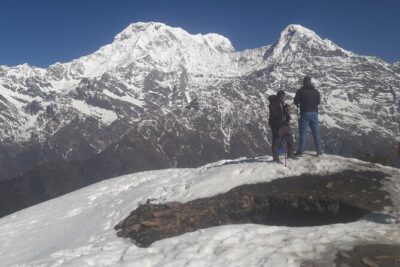
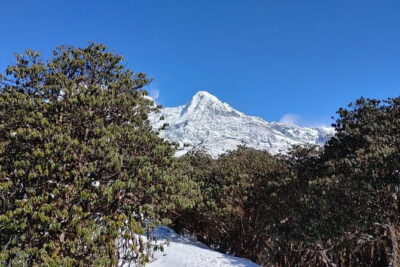
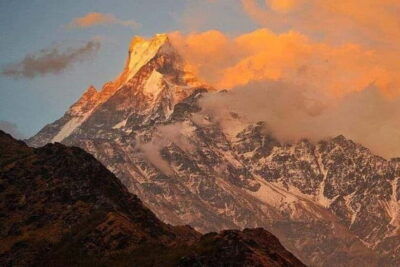
The appeal is the change in scenery. You start among lush rhododendron forests and villages, then climb toward open meadows and high ridges. As you gain height, Machhapuchhre, Annapurna, and Hiunchuli become the main show. The route does not rely on one famous viewpoint alone. Its pleasure comes from watching the surroundings change each day.
The four-day schedule is efficient, but it is not lazy. The itinerary describes six hours of walking on the first day, six to seven hours on the second, up to eight hours on the third, and another eight-hour day on the return. You should arrive with a moderate level of fitness and be comfortable walking uphill for long stretches.
This is not a gentle sightseeing outing with a few short walks. It is a compact mountain trek.
More Mardi Himal treks:
- Pokhara: 4-Day Mardi Himal Trek
★ 4.9 · 59 reviews - Private Mardi Himal Trek
★ 5.0 · 42 reviews - From Pokhara: 4-Day Mardi Himal Base Camp Trek
★ 4.9 · 31 reviews
Day 1: Pokhara to Kande and Forest Camp
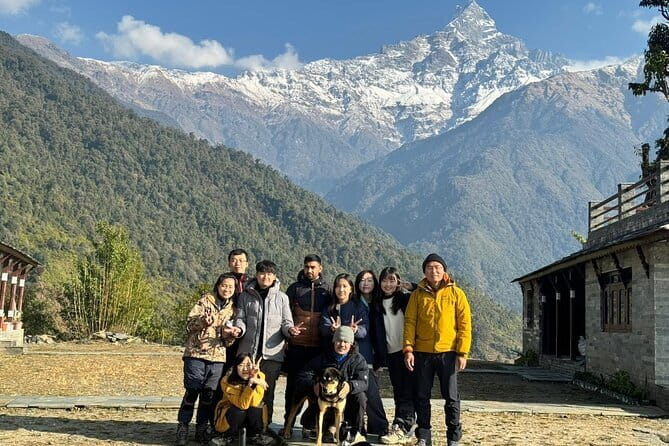
The first transfer takes about an hour from Pokhara to Kande by shared bus or jeep, according to the plan for your group. From Kande, the trail rises through forest and village areas toward Forest Camp.
The first day takes about five to six hours on foot. Some sections are steep, so do not treat the drive from Pokhara as the start of a relaxed day. You begin climbing soon after leaving Kande.
I like this opening because it introduces the quieter side of the Annapurna region quickly. The forest gives the route shade and a sense of distance from Pokhara. Village sections add a look at daily life, while the trail gives you an immediate taste of the work required.
Forest Camp is a practical first overnight stop. Accommodation is in a tourist-standard guest house, generally the kind of simple tea-house lodging associated with short Himalayan treks. The included room gives you a place to rest, but food and drinks are not part of the $290 price. Budget for meals, tea, water, and other purchases along the route.
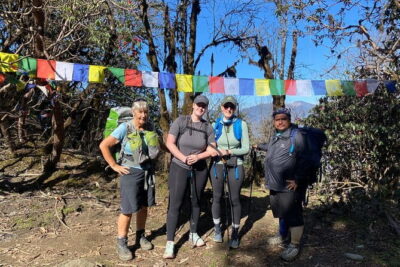
Your guide matters most on this day. A private group can adjust its rhythm more easily than a large mixed party, but you still need to keep moving to reach camp in daylight. Guides such as Krishna, Biru, and Birendra have been praised for setting a comfortable pace and checking on basic needs during the walk.
Day 2: Forest Camp toward High Camp
The second day starts with a gradual climb through forest. The trees still shape much of the walk at first, but the route begins to open as you gain height. Mountain views become more frequent, and the promise of High Camp gives the day a clear goal.
The stated walking time is about six to seven hours. The description calls the trail relatively easy compared with the next day, but that does not mean effortless. After the first day’s climb, the steady ascent can still test your legs.
This section is valuable because it gives you time to settle into trekking mode. You learn how quickly your group walks, how much water you need, and how to manage breaks. The private format helps here. If you want more time for photographs or need to slow down, your guide can respond within the limits of the day’s route.
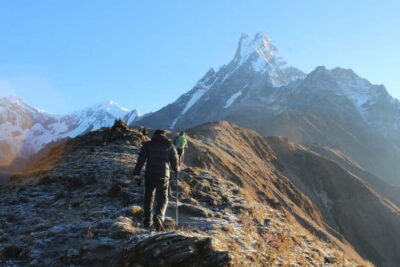
The higher you go, the more the mountain views become the focus. Machhapuchhre, often recognized by its distinctive double summit, is among the major peaks visible from the route. Annapurna and Hiunchuli also form part of the wider view. Weather will affect what you see, so keep your expectations flexible.
High Camp is a key staging point for Base Camp. You spend the night in guest-house accommodation before the hardest climb. The rooms are described as tourist standard, and several comments praise the quality of the available accommodation. Still, this is a mountain stop, not a city hotel. Simple rooms and limited services are part of the bargain.
Day 3: High Camp to Mardi Himal Base Camp
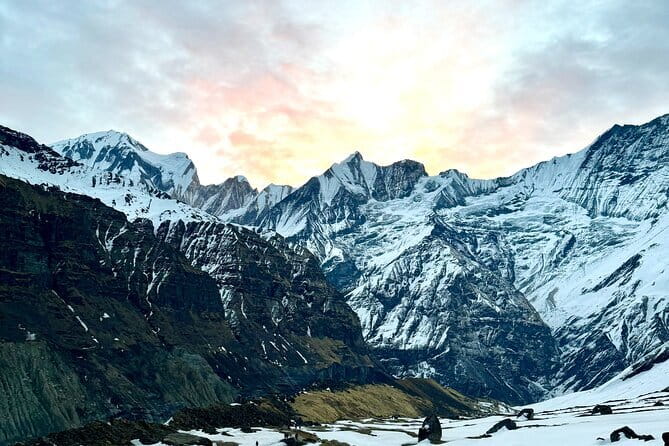
This is the central day of the trek. The path from High Camp to Mardi Himal Base Camp becomes steeper and more challenging, with about three to four hours of walking to reach the destination. The full day is listed at around eight hours, so the return to High Camp and the time spent taking in the views make this a long outing.
The reward is a broad view of the surrounding peaks and the valley below. The route reaches the point that gives the trek its name, and the mountain setting feels much more dramatic after the forested approach of the first two days.
You should approach this morning with a steady pace. The short distance can be misleading because the climb is harder than the earlier sections. Take the guide’s advice, keep your breathing controlled, and avoid racing ahead simply because Base Camp seems close.
This is also the day when weather becomes especially important. The tour promises panoramic mountain views, but clouds can change the scene quickly. You might find clear views of Machhapuchhre, Annapurna, and Hiunchuli, or you may have a more limited view. The effort remains substantial even when the peaks are partly hidden, so book this trek for the walking as well as the photographs.
The guide support is a major part of the value here. Krishna, Biru, and Birendra are names associated with particularly positive comments about kindness, trail management, and attention to comfort. A good guide can help you manage the pace, explain local surroundings, and make the hardest section feel more orderly.
More walking in the hills of Pokhara:
- Poon hill Trek 3 days
★ 5.0 · 176 reviews - Trekking in Annapurna/Langtang/Everest/Upper Mustang regions
★ 5.0 · 161 reviews - Pokhara: 4-Day Ghorepani, Poonhill & Ghandruk Mountain Trek
★ 5.0 · 132 reviews - Ghorepani – Poon Hill Trek 3N-4D
★ 5.0 · 125 reviews
Day 4: Descent to Siding and return to Pokhara
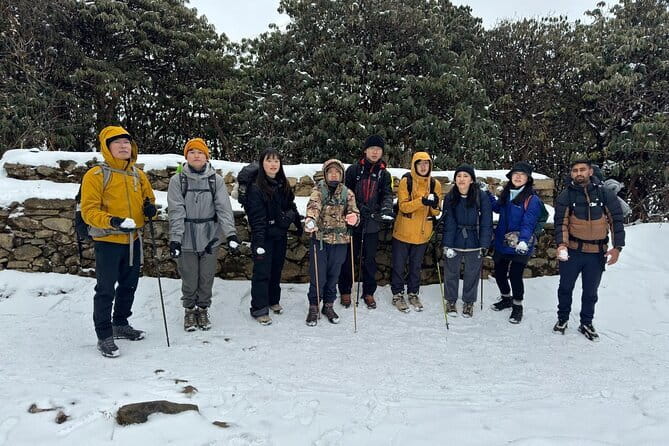
The final day reverses the direction of travel. You descend through forest and villages toward Siding Village, with traditional Nepalese houses and terraced fields along the way.
The walk to Siding takes about five to six hours. Descending can seem easier than climbing, but it brings its own strain, especially after the previous day’s long excursion. Uneven ground and tired legs require care. Trekking poles, if you use them, can be useful, though the supplied information does not state that they are provided.
From Siding, the drive back to Pokhara takes another two to three hours. This makes the final day an eight-hour schedule overall. You return to Pokhara Lakeside, where the contrast between mountain quiet and city comfort is part of the experience.
The descent also gives the trip a satisfying visual change. You leave the high mountain setting, pass back through wooded slopes, and see more signs of settled rural life. Terraced fields and houses make the route feel connected to local communities rather than like a climb through empty wilderness.
What the $290 price really includes
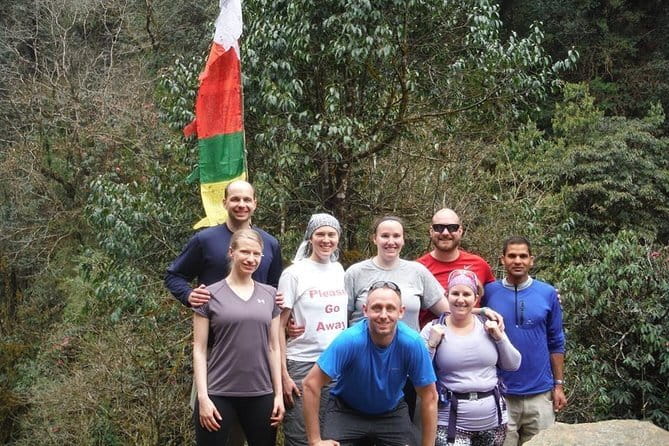
At $290 per person, the cost is reasonable if you use the services included. The package covers the trekking permit, official documents, an English-speaking guide, accommodation in tourist-standard guest houses, transport according to the itinerary, entrance fees, a basic emergency first-aid kit, and hotel pickup and drop-off.
The private-tour arrangement adds value for a small group. You are not simply paying for a seat on a bus and a marked path. You receive planning, documents, transport coordination, and guide support throughout a demanding route.
The important limit is food. Meals and drinks are available to buy but are not included. You should allow extra money for breakfast, lunch, dinner, snacks, hot drinks, and water. Gratuities are optional, so you can decide what feels appropriate after considering the guide’s service.
Transport may be by shared bus or jeep, depending on the itinerary. This keeps the package practical, but you should not expect a luxury transfer. The main benefit is that road transport is arranged for the trailhead and return, saving you from organizing those connections yourself.
Accommodation, guides, and the private format
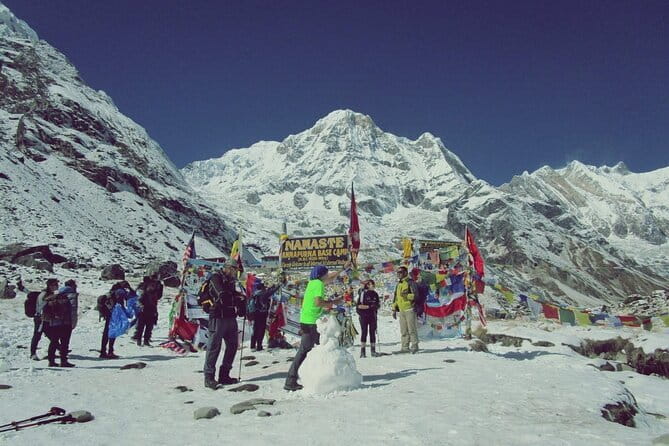
The lodging is described as tourist standard guest-house accommodation. This is suitable for a short trek where location and access matter more than hotel facilities. The strongest practical praise for the tour centers on smooth arrangements, comfortable available rooms, and guides who remain attentive from start to finish.
The guide can make or break a four-day trek. You spend long hours together, and the schedule leaves little room for confusion. Krishna is praised for being humble, helpful, and informed about the route. Biru is praised for friendly service, good trail management, and checking that the group is comfortable. Birendra is also singled out for strong support.
These comments do not remove the need for preparation. A guide can manage the route and help with pace, but you still need to arrive ready for extended uphill and downhill walking.
A private group is especially useful for couples, families with fit older children, or friends who want to move together. It may be less suitable if you prefer the social energy of a large group or want a slower itinerary with more rest days.
The main drawbacks to consider
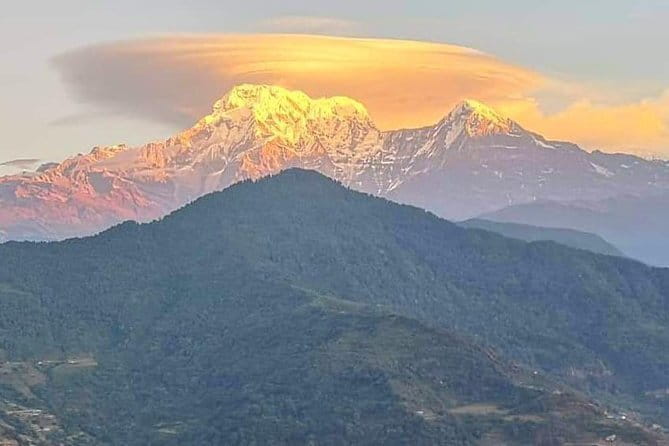
The short duration is both the strength and weakness of this trip. You reach Base Camp quickly, but the schedule is compressed. The third day is long, and the fourth day combines a substantial descent with a road journey back to Pokhara.
The itinerary also contains a timing detail worth confirming. The stated start time is 7:15 pm, which does not match the normal sense of a morning trail departure and the listed walking schedule. Ask CAN Travels to confirm the exact pickup time before you go.
Food is another cost to plan for. Since meals and drinks are excluded, the headline price is not the final amount you will spend. This is not a criticism of the package, but it is an important budgeting point.
Finally, views depend on conditions. The route offers the chance to see major Himalayan peaks, but no mountain trek can guarantee clear weather. You should value the forests, villages, and changing elevation as well as the final panorama.
Who should book this Mardi Himal trek?
I would recommend it to someone who wants a short but serious Himalayan walk from Pokhara. It suits people with moderate fitness who can handle six to eight hours of walking and do not mind steep sections.
It is also a good fit if you value logistics. Hotel transfers, transport, permits, a guide, accommodation, and entrance fees are arranged in one package. That can remove a lot of planning from a first trek in Nepal.
You may want a longer itinerary if you prefer leisurely mornings, extra acclimatization time, or more flexibility for bad weather. Four days gives you a strong taste of the route, but it leaves little spare time.
Book at least 24 hours before the start if you want the stated full-refund option. Cancellation at least 24 hours ahead receives a full refund. Cancellations or changes within 24 hours are not accepted for a refund, based on local time.
FAQ
How long is the Mardi Himal trek from Pokhara?
The experience lasts approximately four days. Walking times range from about five to eight hours per day, with a drive from Pokhara to Kande at the start and a drive from Siding back to Pokhara at the end.
What is included in the $290 price?
The price includes trekking permits and official documents, an English-speaking guide, round-trip transport according to the itinerary, tourist-standard guest-house accommodation, private-tour service, a basic emergency first-aid kit, entrance fees, and hotel pickup and drop-off.
Are food and drinks included?
No. Food and drinks are available to purchase during the trek but are not included in the tour price.
Is this a private tour?
Yes. Only your group participates in the activity, and the tour is described as a private experience.
How difficult is the trek?
A moderate level of physical fitness is required. The route includes steep sections, six to eight hours of walking on several days, and a particularly challenging climb from High Camp to Mardi Himal Base Camp.
What is the cancellation policy?
You can receive a full refund if you cancel at least 24 hours before the experience start time. Cancellations or changes made less than 24 hours before the start are not accepted for a refund.
Should you book it?
Book this trek if you want mountain views, village paths, and a genuine four-day walking challenge without leaving Pokhara for a distant starting point. The price offers solid value when you count the guide, permits, lodging, transport, and transfers.
I would book it for a fit visitor with limited time, especially someone who wants a private group and practical support. I would skip it only if you dislike long walking days, need a relaxed pace, or want meals included in the advertised price. Confirm the start time, budget separately for food, and prepare for the steep Base Camp day. With those points clear, Mardi Himal is a compact and rewarding choice in the Annapurna region.
New in the Pokhara listings
- Pokhara: Pokhara Highlights Tour by Bus★ 3.6 · 10 reviews
- Discover Pokhara in Style: Private Vehicle Service with Driver★ 5.0 · 5 reviews
- Multi-Day Tour from Pokhara, Poon Hill and Mulde Trek★ 5.0 · 1 review
- Pokhara in 5 Hours: Lake, Museum, Cave, Falls & Pagoda Hill★ 4.5 · 16 reviews
- Private 4 Day Poon Hill Trek from Pokhara★ 5.0 · 16 reviews
- From Pokhara Full Day Entire Pokhara Tour with Guide★ 5.0 · 1 review
- Ultralight Flight: Into The Heart Of The Mountains (90 min)★ 5.0 · 1 review
- Things to do at Pokhara World Peace Stupa tour with Guide★ 5.0 · 2 reviews
Mardi Himal Treks, compared.
Browse the lists this tour appears in