REVIEW · 3-DAY EXPERIENCES
3 Day Kapuche Glacier Lake Trek with Siklesh from Pokhara
Quiet trails reward patient walkers. This three-day trek pairs the calm of Kapuche Glacier Lake with time in Sikles, a traditional Gurung village away from Nepal’s busiest routes. I like the unusual setting, since Kapuche is known as Nepal’s lowest glacier lake, and I like the chance to spend time around Gurung culture rather than simply passing through mountain scenery.
The main consideration is physical effort. You should have a moderate fitness level for long trekking days, including up to about seven hours on the first and third days. The price of $195 per person is fair for a private trip with transport, a guide, permits, and guesthouse accommodation, but meals cost extra at about $25 per person per day.
In This Review
- Key Things To Know Before You Book
- Why This Route Feels Different From Pokhara’s Main Treks
- Day One: The Road From Pokhara To Sikles
- Sikles Village And Gurung Culture
- Day Two: Forests, Bridges, Rivers, And Kapuche
- Day Three: A Final Village Morning And The Return To Pokhara
- What The $195 Price Really Covers
- Guide Service And The Private Group Advantage
- Who Should Choose This Kapuche Trek?
- Practical Details Before You Set Out
- Should You Book The Kapuche Glacier Lake Trek?
- FAQ
- How long is the Kapuche Glacier Lake Trek?
- Where does the trek begin and end?
- Is transport included?
- Is the trek private?
- Are meals included in the price?
- Is accommodation included?
- Are permits included?
- How fit should I be for this trek?
Key Things To Know Before You Book
- Kapuche is Nepal’s lowest glacier lake: The lake gives this route a clear purpose and a rare natural setting.
- Sikles adds cultural interest: You spend time in a Gurung village and have the chance to eat local food.
- The trek takes three days: Expect long walking days, especially on the first and third days.
- Transport starts and ends in Pokhara: Hotel pickup, drop-off, and shared jeep transfers are included.
- Your group remains private: You trek with your own party and an English-speaking guide, although the road transfer uses a sharing jeep.
- Meals are not included: Budget around $25 per person per day if you buy food during the trip.
Why This Route Feels Different From Pokhara’s Main Treks
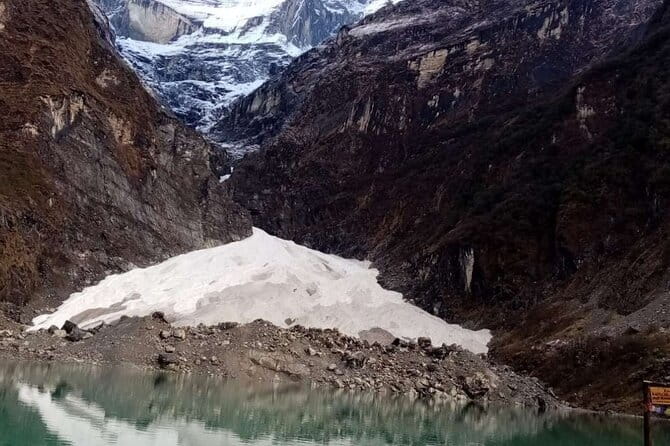
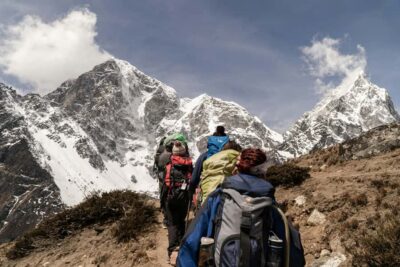
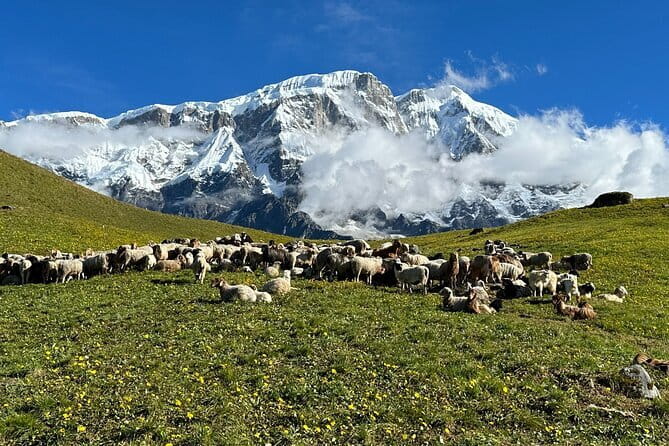
Pokhara is a starting point for many popular mountain trips, but Kapuche offers a quieter alternative. The route leads you toward Sikles and then on to a glacial lake, with forests, terraced fields, rivers, suspension bridges, alpine meadows, and mountain views changing as you walk.
I like this combination because the lake is not the only attraction. You get a village stay, a road journey, forest walking, and a high mountain destination in a short trip. That makes the route useful if you have only a few days in Nepal but want more than a standard viewpoint excursion.
The cultural side also matters. Sikles is a Gurung village with its own traditional way of life, and the experience is designed to give you time with the local community. You can learn about local customs and try Gurung food, though the exact meals available depend on what you purchase at the guesthouse.
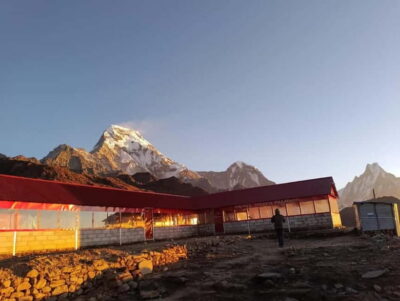
The route is not presented as a luxury trek. Accommodation is in a guesthouse, and the road portion uses a sharing jeep. You should expect simple facilities and a practical approach rather than polished resort service.
More walking in the hills of Pokhara:
- Poon hill Trek 3 days
★ 5.0 · 176 reviews - Trekking in Annapurna/Langtang/Everest/Upper Mustang regions
★ 5.0 · 161 reviews - Pokhara: 4-Day Ghorepani, Poonhill & Ghandruk Mountain Trek
★ 5.0 · 132 reviews
Day One: The Road From Pokhara To Sikles
Your first day begins with hotel pickup in Pokhara and a drive of roughly two to three hours toward Sikles. The road journey is part of the experience, not just a transfer. You move from the city and lakeside setting into a traditional mountain village, with changing views along the way.
After reaching the area, you begin the trek toward Sikles. The full first day is listed at about seven hours, so you should not think of this as a short village walk after breakfast. The timing may include the road transfer and walking schedule, but you should still prepare for a demanding opening day.
Sikles is the first major reward. Rather than sleeping in an anonymous roadside stop, you stay in a place with a strong Gurung identity. The village gives you a chance to observe local architecture, village routines, and mountain life at a slower pace.
I would use the evening to rest and keep expectations simple. You may have time to walk around the village, take photographs, and speak with local people through your guide. The village visit is especially valuable if your interest in Nepal includes culture as well as scenery.
The main drawback is that the day may feel long. A two to three hour drive followed by trekking can be tiring, particularly if you have just arrived in Pokhara or are not used to walking on uneven mountain paths. Good walking shoes, a light daypack, water, and a sensible pace will help.
Sikles Village And Gurung Culture
Sikles gives the trip a human center. The lake is the visual highlight, but the village helps explain how people live in the area before the route climbs into more remote surroundings.
Your guide can help you understand the Gurung way of life and interpret what you see. This is one reason a private trip can be useful. You can ask questions, stop for photographs, and spend more time on subjects that interest your group instead of following a large party’s fixed rhythm.
Food is another part of the village experience. Authentic Gurung cuisine is available, but meals are not part of the tour price. You should set aside roughly $25 per person per day for food across the trek. That figure is an estimate, so your actual spending may vary depending on what you order.
The village portion will suit you if you value contact with local communities and prefer a quieter evening to a busy tourist center. If your only goal is to reach the lake as quickly as possible, the cultural stop may feel like extra time. I think it earns its place, especially on a three-day route.
Day Two: Forests, Bridges, Rivers, And Kapuche
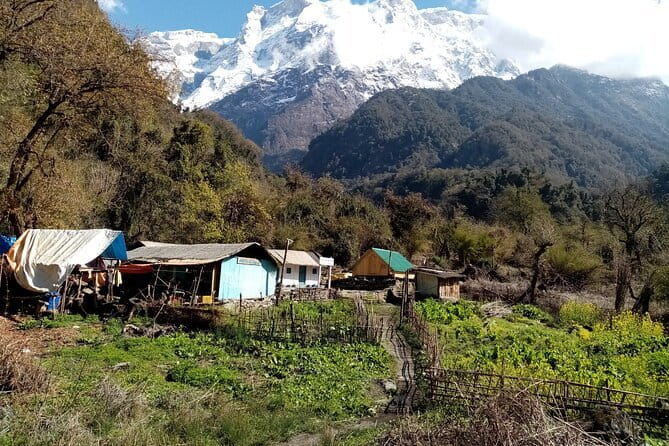
Day two starts early. That is sensible because the main walk to Kapuche Glacier Lake takes about six hours, followed by roughly two hours returning toward Hugu. You need enough daylight for the route and enough time at the lake to appreciate the setting.
The trail passes through dense forest, crosses suspension bridges, and follows rivers. These details make the walk varied. You are not staring at the same type of path for hours, and the sound of running water adds to the sense that you are moving farther from the road and village.
The forest section may also be the most physically demanding part for some people. The route includes changing ground and natural obstacles, and the presence of bridges means you should be comfortable with exposed crossings. The information provided does not give an exact elevation gain, trail grade, or seasonal condition, so you should ask the operator for current trail advice before departure.
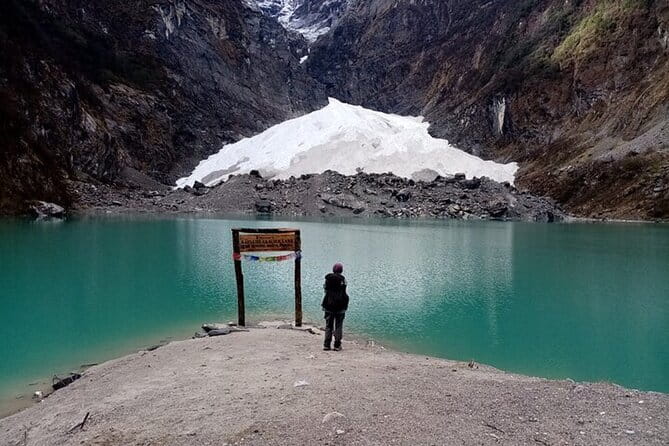
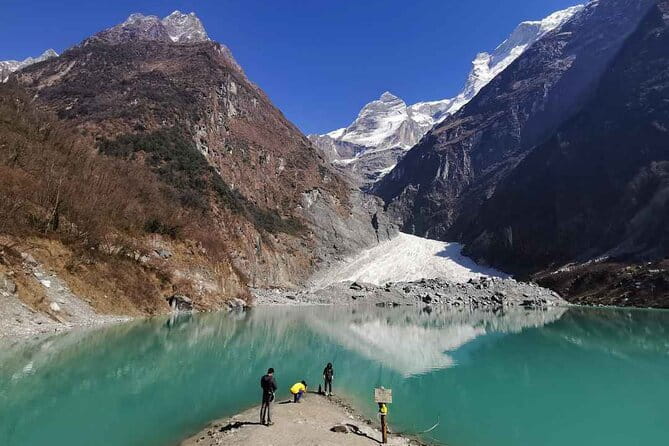
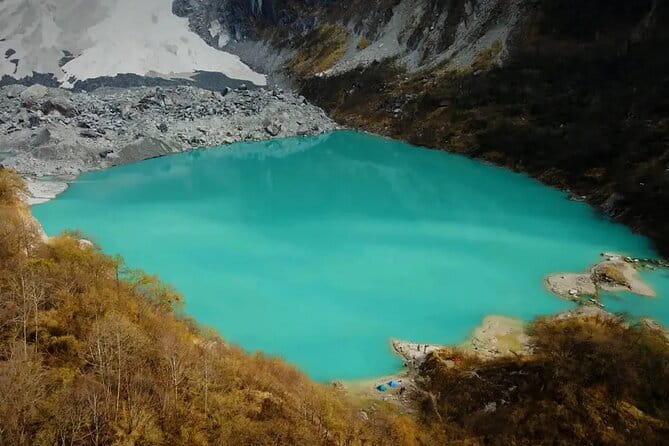
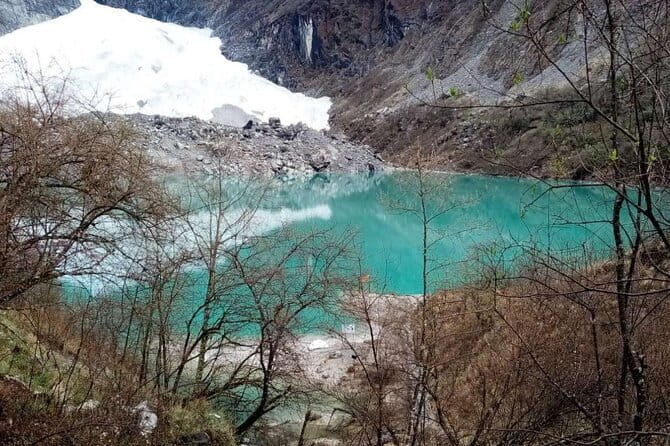
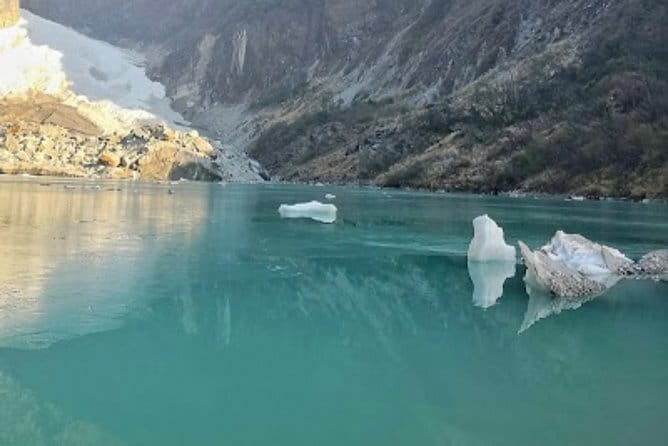
Kapuche Glacier Lake is the day’s clear goal. It is known as the lowest glacier lake in Nepal, which gives it a special place among the country’s mountain destinations. Its appeal comes from the contrast between the quiet water, the surrounding high country, and the effort required to reach it.
I like that the schedule allows time at the lake rather than treating it as a quick photograph stop. You can pause, take in the setting, and enjoy the stillness before returning along the trail. The return walk gives you different views of the route, even though the terrain is familiar.
The visit is also a good test of your expectations. This is not a city attraction with paved paths, shops, and short queues. It is a trekking destination reached through forest, river country, and mountain terrain. The reward is a quieter setting, but the cost is physical effort and basic infrastructure.
After the lake, you trek back toward Hugu and then rest at the guesthouse in Sikles. The schedule describes this as about two hours of return trekking, followed by an evening at the guesthouse. You will probably appreciate a hot meal and an early night more than a packed evening program.
A short list of alternatives around Pokhara
- ZipFlyer Nepal – The World’s Steepest Zip-line
★ 5.0 · 608 reviews - Bungee Pokhara by HighGround Adventures
★ 5.0 · 366 reviews - From Pokhara: Sarangkot Sunrise Himalayas Tour
★ 4.7 · 218 reviews - ATV Adventure Tour in Pokhara, Nepal
★ 5.0 · 194 reviews
Day Three: A Final Village Morning And The Return To Pokhara
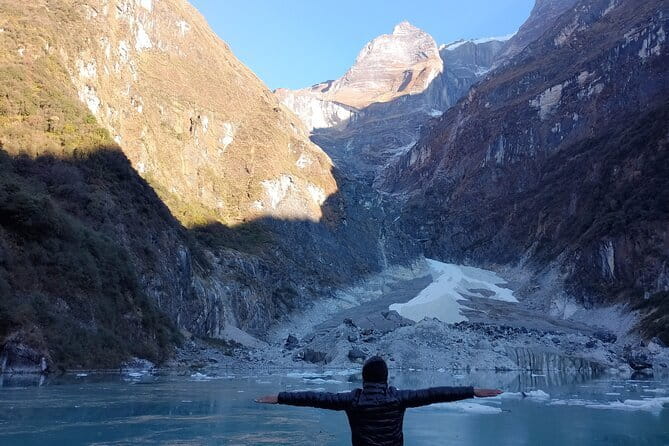
The final day begins at a more relaxed pace. You have time to take in the village atmosphere and mountain views before starting the descent toward the trek’s road connection.
The day is listed at about seven hours, so the slower morning does not mean an easy day overall. You still need to walk to the pickup point, and the schedule then includes the drive back to Pokhara. The final descent can be hard on your knees, especially after the previous day’s long outing.
A private guide is helpful here because your group can set a reasonable rhythm. If someone in your party is tired, you can discuss breaks and pacing directly rather than trying to match a larger group. The private format does not remove the physical demands, but it can make the day feel more manageable.
The return drive completes the loop with hotel drop-off in Pokhara. Having pickup and drop-off included simplifies the practical side of the trip. You do not need to arrange a separate vehicle to the trailhead or negotiate your return transport after three days on foot.
What The $195 Price Really Covers
At $195 per person, this is a moderately priced private trek rather than a bare-bones walking package. The price includes:
- Hotel pickup and drop-off
- Round-trip sharing jeep transport according to the schedule
- Trekking permit and TIMS card
- An English-speaking trekking guide
- Guesthouse accommodation
- A private trip for your group
That list gives the price real value. Permits and transport can be annoying to arrange independently, and a guide is particularly useful on a less familiar route with forest paths, rivers, bridges, and village stops.
The word private needs a small explanation. Your trekking activity is for your own group, but the jeep transfer is shared. If you want an entirely private vehicle, confirm that before booking, since the included transport is described as a sharing jeep.
Meals are the biggest extra cost. The estimate is about $25 per person per day, which could bring the total food cost to roughly $75 per person for the three days. Gratitude for the guide is optional, but you may wish to budget for it if the service is helpful.
Group discounts are offered, which may improve the value for families or groups of friends. Since the trip is private, a larger group can also make the base cost feel more reasonable per person, subject to the operator’s discount terms.
Guide Service And The Private Group Advantage
The guide is an important part of this trip. Feedback about the service has been consistently positive, with particular praise for helpfulness and clear explanations. One person also described the vehicle condition as very good, while another found the guide’s explanations easy to understand.
No guide name is provided, so you should not expect to request a particular person based on the available information. You can, however, confirm the guide’s language ability, meeting time, and current trail conditions before setting off.
I see the guide’s role as more than route finding. You will be moving through a Gurung village, forest, river corridors, and a glacial setting. A good guide can help connect those places and make the walk more meaningful, while also helping with pacing and practical questions.
The private format is a strong choice for families and friends. It lets you share the trip without being tied to strangers’ walking speeds. It also suits solo participants who want a supported trek without joining a large group. One piece of feedback described the experience as a welcome mental reset, which suggests the quiet setting can be a real benefit for someone needing time away from routine.
Who Should Choose This Kapuche Trek?
I would recommend this trip to you if you want:
- A short Himalayan trek from Pokhara
- A less crowded alternative to better-known routes
- A combination of village culture and mountain scenery
- A private experience with an English-speaking guide
- A destination with a distinct natural feature
- Time with family or friends in a quiet setting
Families can enjoy the shared experience, but every member should be ready for moderate trekking. The schedule includes long days, and the provider does not describe it as suitable for people with low fitness.
It is also a good fit for photographers. The route offers terraced fields, forests, bridges, rivers, meadows, village scenes, and glacial water, so you will have plenty of changing subjects. Bring a camera, but do not let photography slow the group too much on the longer walking days.
I would hesitate to recommend it if you want guaranteed comfort, private road transport, or a short and easy walk. The accommodation is in a guesthouse, meals are extra, and the trail involves long days. You should also avoid booking it as a casual one-day outing, despite one piece of feedback using that description. The advertised program is three days, and the schedule supports that longer format.
Practical Details Before You Set Out
Confirmation is provided when you book, and mobile tickets are available. Hotel pickup is offered in Pokhara, but you should provide accurate accommodation details so the meeting arrangement is clear.
Pack light, since you will be walking for several hours and moving between accommodation and transport. Useful basics include sturdy walking shoes, warm layers, rain protection, a water bottle, sun protection, and a small personal first-aid kit. The supplied information does not specify luggage limits, so ask the operator what can remain in the vehicle and what you should carry.
The trek requires a moderate level of physical fitness. That is the most important practical warning. A regular walker may find the route manageable, but the seven-hour days can feel serious if you rarely walk on uneven ground.
You can cancel for a full refund if you do so at least 24 hours before the local start time. Changes or cancellations made inside that 24-hour period are not accepted for a refund. That policy gives you some flexibility, but it is still wise to check weather, health, and transport plans before the final day.
Should You Book The Kapuche Glacier Lake Trek?
I think you should book this trek if you want a compact, scenic trip with genuine village contact and a clear natural goal. The combination of Sikles, Gurung culture, forest trails, rivers, suspension bridges, and Kapuche Glacier Lake gives the three days a satisfying rhythm.
The $195 price is reasonable because it includes transport, permits, a guide, accommodation, and hotel transfers. Add the estimated meal cost, and remember that the jeep is shared even though the trekking group is private.
My advice is simple: choose it for quiet scenery, cultural contact, and a moderate physical challenge. Skip it if you need an easy excursion or hotel-level comfort. For a fit family, pair of friends, or solo walker who wants support without a large group, this route offers a strong use of three days from Pokhara.
FAQ
How long is the Kapuche Glacier Lake Trek?
The experience lasts approximately three days. The first and third days are listed at about seven hours, while the main walk to Kapuche Glacier Lake on day two takes about six hours, followed by about two hours returning toward Hugu.
Where does the trek begin and end?
The trip begins with pickup in Pokhara and a drive toward Sikles. After the trek, you are driven back to Pokhara with hotel drop-off included.
Is transport included?
Yes. Hotel pickup and drop-off are included, along with round-trip transfer by sharing jeep according to the schedule.
Is the trek private?
Yes. The trekking activity is private, meaning only your group participates. The road transfer is described as a sharing jeep, so the vehicle may include other passengers.
Are meals included in the price?
No. Meals are not included. They are available for purchase, with an estimated cost of about $25 per person per day.
Is accommodation included?
Yes. Guesthouse accommodation is included in the tour price.
Are permits included?
Yes. The trekking permit and TIMS card are included.
How fit should I be for this trek?
You should have a moderate level of physical fitness. The schedule includes long walking days, including approximately seven hours on the first and third days.
New in the Pokhara listings
- Pokhara: Pokhara Highlights Tour by Bus★ 3.6 · 10 reviews
- Discover Pokhara in Style: Private Vehicle Service with Driver★ 5.0 · 5 reviews
- Pokhara in 5 Hours: Lake, Museum, Cave, Falls & Pagoda Hill★ 4.5 · 16 reviews
- Private 4 Day Poon Hill Trek from Pokhara★ 5.0 · 16 reviews
- Multi-Day Tour from Pokhara, Poon Hill and Mulde Trek★ 5.0 · 1 review
- 4 Day Mardi Himal Base Camp Trek from Pokhara★ 5.0 · 18 reviews
- From Pokhara Full Day Entire Pokhara Tour with Guide★ 5.0 · 1 review
- Ultralight Flight: Into The Heart Of The Mountains (90 min)★ 5.0 · 1 review
3-Day Experiences, compared.
Jungle Towernight Stay In Chitwan National Park ,nepal-2 Nights 3 Days Package
Read our review →
3-Day Chitwan National Park Jungle Safari Tour Package with Pick Up
Read our review →
From Kathmandu/Pokhara: 3-Day All-Inclusive Chitwan Safari
Read our review →
3-Day Chitwan Safari Tour with Hotel Transfers
Read our review →
Kathmandu/Pokhara: 3 Day Chitwan Jungle Safari Tour
Read our review →