
REVIEW · POON HILL TREKS
From Pokhara: 3-Day Ghorepani Poon Hill Trek with Guide
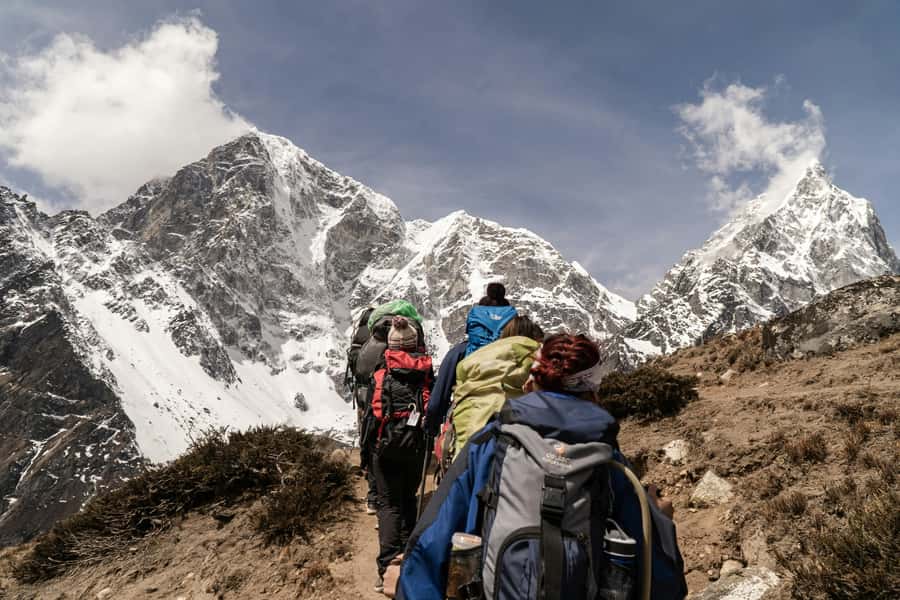
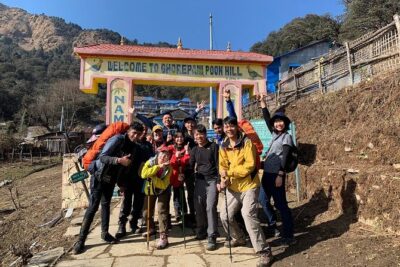
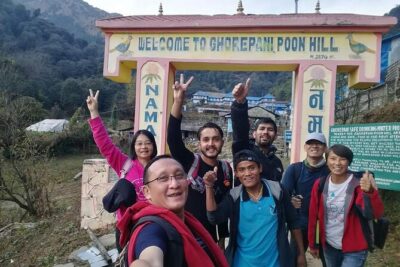
The sunrise is worth the early alarm. This compact trek gives you wide Annapurna and Dhaulagiri views without asking you to spend a week in the mountains, and I like the mix of forest paths, stone stairways, and Gurung villages. I also like that the tour is private, with a guide who can adjust the pace and handle permits, rooms, and transport.
The catch is simple: short does not mean easy. The first two days include roughly 2,000 meters of ascent, much of it on stairs. For Nepal, this route is considered moderate and beginner-friendly, but if you rarely hike, your legs will notice every step.
In This Review
- Key things to know before booking
- Why this short Himalayan trek works
- Day 1: Pokhara to Ulleri by road and stairs
- Day 2: Ulleri to Ghorepani through forest and villages
- Day 3: Poon Hill sunrise, then the long descent
- Guides are the strongest part of the experience
- Accommodation, meals, and porter choices
- What $162 gets you
- Who should choose this trek?
- Should you book the Ghorepani Poon Hill trek?
- FAQ
- How long is the Ghorepani Poon Hill trek?
- Where does the trek begin?
- What is the hardest part of the trek?
- Are meals included?
- Is a porter included?
- What should I bring?
Key things to know before booking
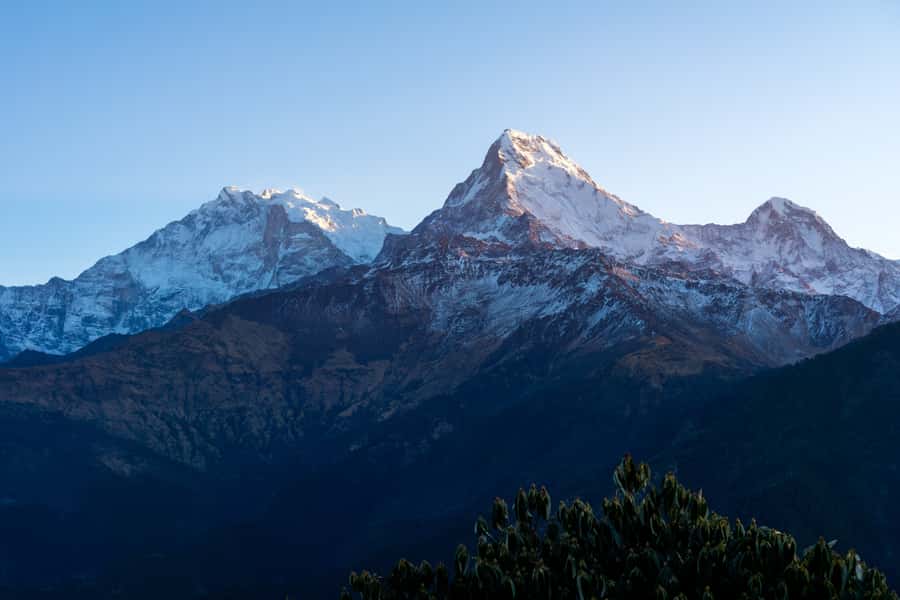
- Poon Hill sunrise is the main event: An early climb leads to broad views of the Annapurna and Dhaulagiri ranges.
- The route is compact but demanding: Three days and two nights work well for a tight schedule, though the uphill sections are serious.
- You get a private group: Your guide can set a pace that suits your group rather than a fixed public-tour rhythm.
- Guide quality matters here: Guides such as Bidur, Paras, Dipak, Santosh, Sandesh, and Ram have been praised for patience, local insight, and careful pacing.
- Standard and premium options differ: Standard bookings require you to buy meals and allow you to add a porter for $15 per day. Premium bookings include meals and a porter.
- The price covers useful essentials: At $162 per person, the tour includes transport, lodging, permits, a guide, trekking gear, and luggage storage in Pokhara.
Why this short Himalayan trek works
The Ghorepani Poon Hill route is one of the better choices if you have only a few days in Nepal. You leave Pokhara, reach the mountain villages, climb to a famous sunrise viewpoint, and return in three days. You do not get the long, gradual rhythm of a bigger Himalayan trek, but you do get a genuine taste of mountain walking.
I like the variety packed into the route. One hour you may be walking beneath forest cover, and later you are passing homes, tea houses, and village paths with mountain views opening ahead. The scenery changes often enough that the stair climbing does not feel like one endless workout, though your knees may disagree on the way down.
The cultural side is also important. The route passes through villages associated with the Gurung people, and your guide can help explain local life, customs, and the names of the peaks. Guides are not just there to point out the path. They can help you choose rest stops, manage the timing, and keep a slower hiker from feeling rushed.
The private format is a real advantage. Reports of guides including Bidur, Paras, Dipak, Santosh, Sandesh, Milan, and Ram Tamang describe patient pacing, encouragement, and help with practical matters such as accommodation, food, breaks, and photographs. That kind of support can make the difference between a hard but rewarding day and a miserable one.
More Poon Hill treks:
- Poon hill Trek 3 days
★ 5.0 · 176 reviews - Pokhara: 4-Day Ghorepani, Poonhill & Ghandruk Mountain Trek
★ 5.0 · 132 reviews - Ghorepani – Poon Hill Trek 3N-4D
★ 5.0 · 125 reviews
Day 1: Pokhara to Ulleri by road and stairs
The first day begins with hotel pickup in Pokhara. The drive to Nayapul takes roughly one to two hours, followed by the start of the trek toward Tikhedhunga. From there, the route continues uphill to Ulleri, with the full walking day listed at about five to seven hours.
This is where you should set realistic expectations. The first day is not a gentle warm-up. One detailed account describes about 2,000 meters of gain over the first two days, with many stone stairs. The route is suitable for people without serious trekking experience, but you still need reasonable fitness and the willingness to walk uphill for several hours.
Your guide should help you use a steady pace rather than rushing the first climb. A useful phrase heard on the trail is bistarai jam, meaning go slowly. It is good advice here. Take regular pauses, drink water, and enjoy the village stops instead of treating the day as a race to Ulleri.
Tikhedhunga gives the route its first proper village feel, while Ulleri is the overnight stop. You will stay in private accommodation in standard mountain lodging. This is not a luxury hotel, but the basic tea-house style arrangement is part of what makes the trek practical and local.
The exact room facilities can vary. Some people have reported rooms with private toilets and showers, while the general booking information promises standard accommodation rather than a fixed level of comfort. If a private bathroom matters to you, ask before departure rather than assuming every night will match the best example.
Day 2: Ulleri to Ghorepani through forest and villages
Day two runs from Ulleri to Ghorepani and takes roughly five to six hours. It is another uphill day, but the route offers a strong visual payoff as you move through forest, village areas, and mountain viewpoints.
This section is often the heart of the trek. The forest gives you shade and a change of mood after the exposed stairs, while the villages provide places to pause for refreshments. Your guide will generally help select tea houses and rest stops, which is useful when you are tired and do not want to compare every menu or lodging option yourself.
The approach to Ghorepani brings the Annapurna and Dhaulagiri ranges into focus. Mountain visibility depends on conditions, so you should not treat a clear sunrise as guaranteed. Still, the route is scenic even when clouds soften the peaks, and one person described having a special experience despite cloudy weather.
Ghorepani is more than a place to sleep. It is your launch point for the pre-dawn climb to Poon Hill. Try to organize your clothes, shoes, water, and camera before bed. The early start can feel much easier when you are not searching for gloves in the dark.
The altitude gain and short schedule make day two tiring. You have not had much time to recover from the first day, and the next morning begins early. I would choose this trip only if you are comfortable with two consecutive uphill days and a final descent that can also be hard on the legs.
Day 3: Poon Hill sunrise, then the long descent
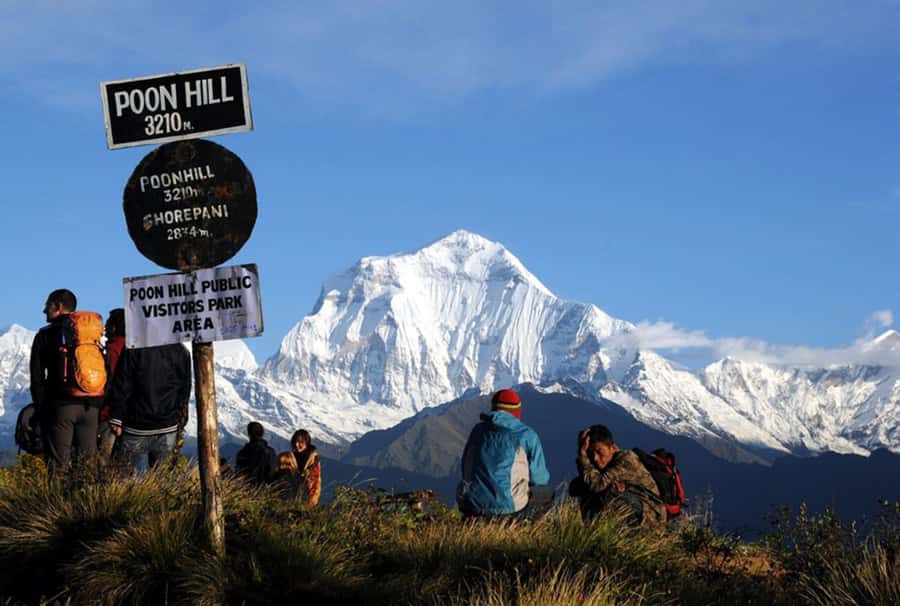
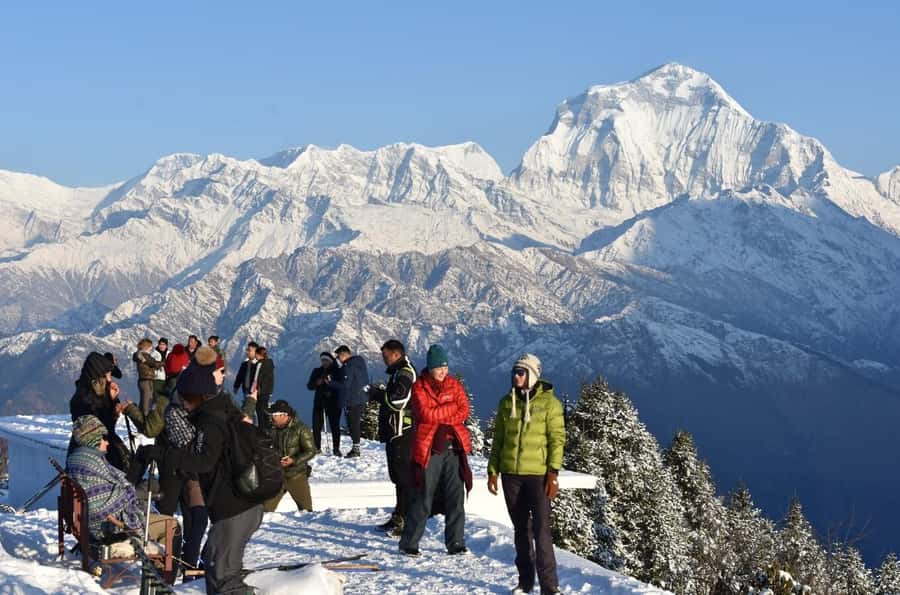
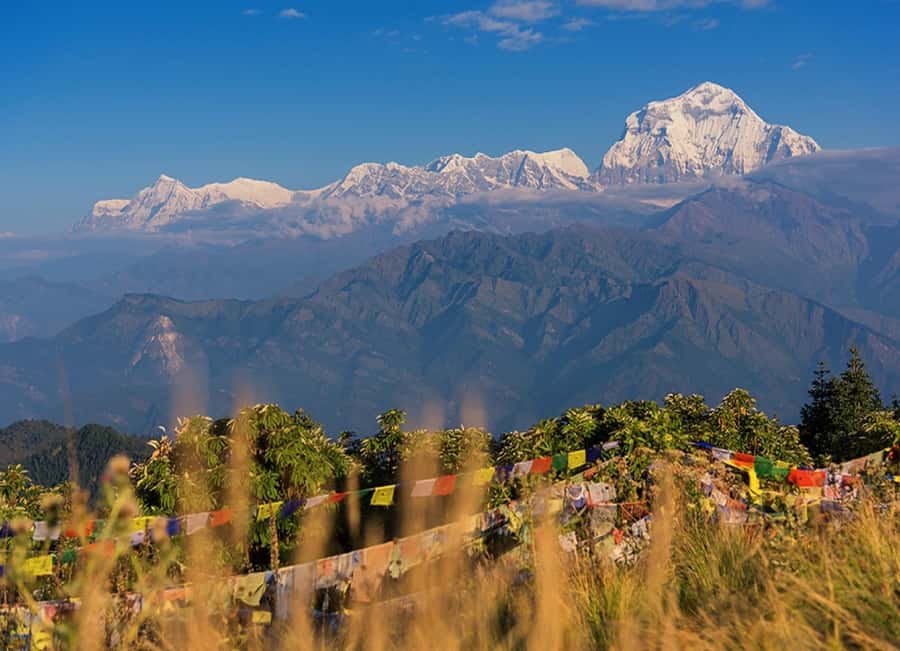
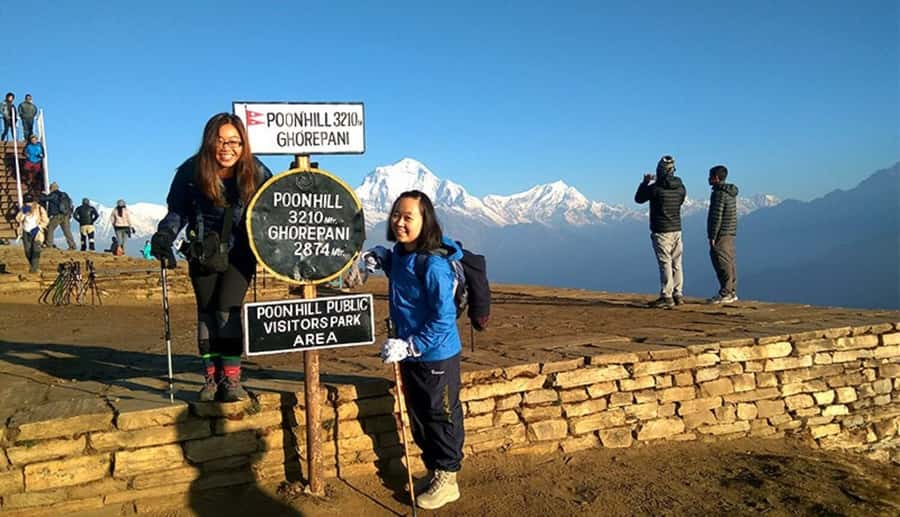
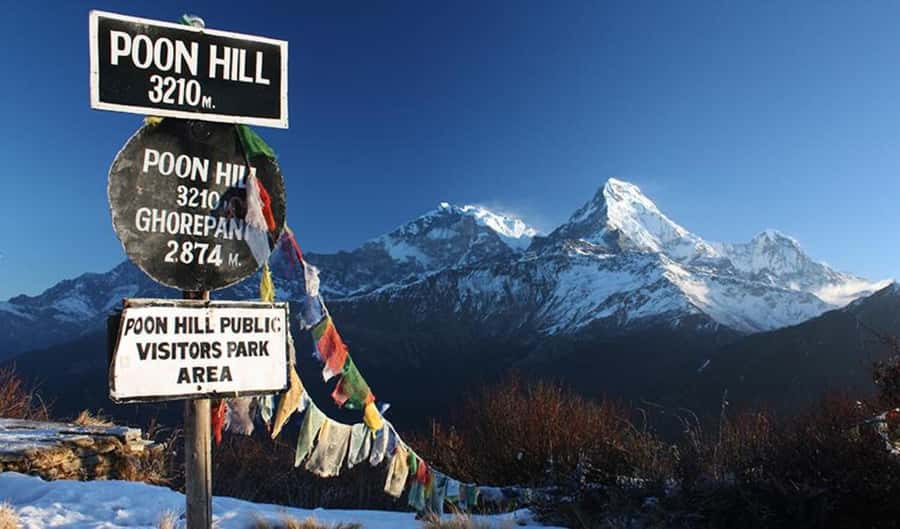
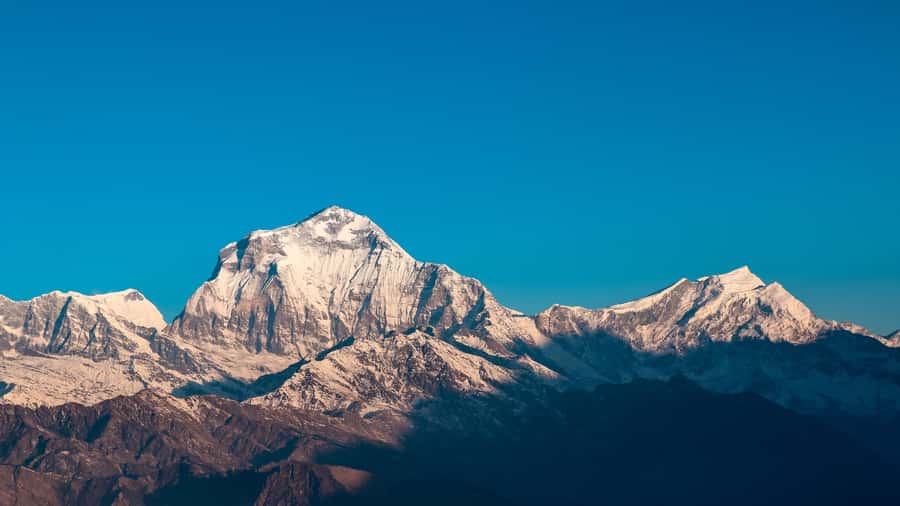
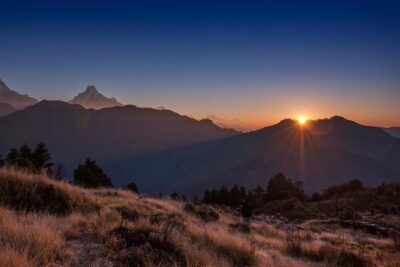
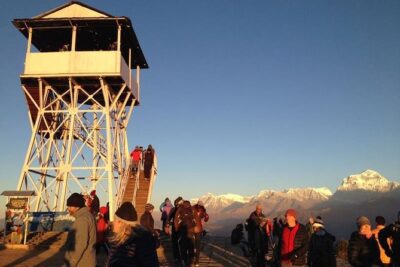
The third day begins before sunrise with a one to two-hour hike from Ghorepani to Poon Hill. This is the reason most people choose the route. From the viewpoint, you may see the morning light spread across the Annapurna and Dhaulagiri ranges, creating the broad Himalayan panorama promised by the tour.
The climb is short on paper but demanding because of the darkness, cold, and early hour. Wear warm clothing and proper hiking shoes. A headlamp is not listed among the required items, so confirm what is provided or bring your own if you have one. That is practical advice rather than a promise that equipment will be supplied.
Once you reach the viewpoint, give yourself time to look beyond the camera screen. The appeal of Poon Hill is not just a single peak. It is the changing light across a chain of high mountains, with the valleys and lower hills below. Clear weather makes the moment exceptional, but the climb still has value when clouds partly block the view.
After returning to Ghorepani, you have breakfast before beginning the descent toward Nayapul. The walk down is listed at roughly four to five hours, followed by a one to two-hour drive back to Pokhara. Downhill walking may sound easier, but steep steps can be tougher on knees and thighs than the ascent.
The full final day can be long when you include the sunrise hike, breakfast, descent, and road transfer. You should avoid booking an important flight immediately afterward unless you have plenty of spare time. The tour returns to Pokhara, but mountain roads and trekking schedules do not always run with city-level precision.
More walking in the hills of Pokhara:
- Trekking in Annapurna/Langtang/Everest/Upper Mustang regions
★ 5.0 · 161 reviews - Pokhara: Annapurna Foothills Day Hike with Transfers
★ 5.0 · 100 reviews - Kathmandu/Pokhara: 5-Day Annapurna Base Camp (ABC) Trek
★ 4.9 · 72 reviews - Pokhara: 4-Day Mardi Himal Trek
★ 4.9 · 59 reviews
Guides are the strongest part of the experience
A good guide adds far more than route-finding. On this trek, the best guides help you keep a workable pace, explain the villages and mountains, arrange your room, and notice when you need a break.
Bidur receives especially warm praise for his care, humor, teaching, and ability to manage groups with different fitness levels. Paras is described as friendly, relaxed, and good at matching a walking pace. Dipak is praised for clear organization and local information, while Santosh is noted for patience, especially when people stop often for photographs.
Sandesh has helped beginners who had no prior multi-day trekking experience, adapting the schedule to their abilities and taking care of accommodation and transport. Guides including Ram Tamang, Milan, Pujan Thapa, and Mukunda are also praised for kindness, encouragement, and practical support.
You cannot request a specific guide with certainty from the details provided, but you can ask the operator about guide assignment before setting off. The repeated praise for individual guides suggests that the human side of the tour is a major part of its value.
Accommodation, meals, and porter choices
The standard package includes private accommodation in basic lodging. Expect the sort of mountain stay designed for rest and shelter, not polished resort comfort. Tea houses along the route provide places to eat and pause, and some accommodation has been described as having toilets and showers.
Meals depend on the package you choose. The premium option includes all meals, while the standard option allows you to purchase food during the trek. That makes the standard booking less all-inclusive than the headline price might first suggest, but it also gives you more control over what and where you eat.
A porter is included only with the premium option. On the standard option, you can purchase porter service for $15 per day. If you are carrying a heavy bag, this is worth considering. The route has long stair sections, and keeping your daypack light can make the climb much more comfortable.
The tour includes a duffel bag and trekking pole, along with first aid kits. Luggage storage in Pokhara is also included, which is useful because you will not need to carry everything from your city hotel into the mountains.
What $162 gets you
At $162 per person, the value is good if you want a private, organized trek rather than arranging each part yourself. The price includes hotel pickup and drop-off, roundtrip transport, a guide, standard accommodation, the Annapurna Conservation Area permit, other required trekking permits, a duffel bag, a trekking pole, first aid support, and luggage storage.
The price needs a small footnote. The standard option does not include meals, and a porter costs extra unless you select the premium package. Personal expenses are also excluded. Before booking, compare the final cost of the standard option plus food and porter service with the premium price.
You are also paying for reduced planning work. The guide and operator handle the route structure, transport, permits, and accommodation, leaving you to focus on walking. For a first Nepal trek, that can be worth more than a small saving.
The private group setup adds value for couples, solo visitors, or families with different walking speeds. You are not tied to a large group’s timetable, and the guide can stop for photos or allow a slower person to recover. That flexibility is one reason the tour receives such strong marks.
Who should choose this trek?
I would recommend it to you if you want mountain views but have only three days available from Pokhara. It also fits first-time trekkers who are willing to train a little beforehand and accept that beginner-friendly does not mean flat or effortless.
It suits solo visitors particularly well because the private guide provides company and practical help without requiring you to join a large group. It also works for couples and small groups who want to set their own pace.
You should think twice if you dislike stairs, have limited mobility, or want relaxed walking days. The itinerary is tight, the first two days climb sharply, and the final day combines an early morning ascent with a long descent. This is a real trek, not a sightseeing drive with a short viewpoint walk.
Before leaving, bring your passport or identification, warm clothing, and hiking shoes. You should also tell the operator about your preferred pace, meal needs, porter plans, and any wish to adjust transport arrangements. The tour offers free cancellation up to 24 hours in advance and allows you to reserve now and pay later, which helps if your Pokhara plans are still moving.
Should you book the Ghorepani Poon Hill trek?
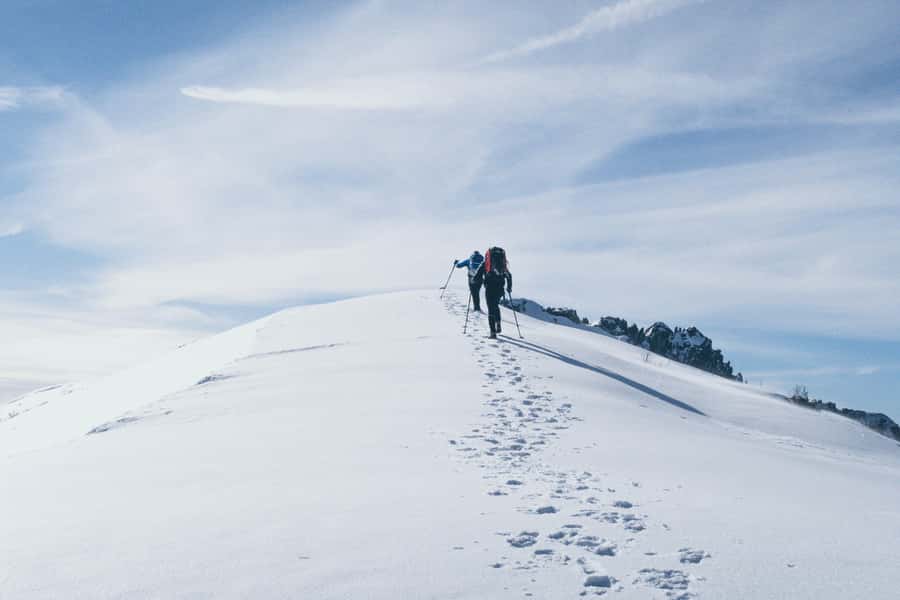
Book it if you want an efficient first taste of the Annapurna region, strong mountain scenery, village life, and a private guide at a fair starting price. The Poon Hill sunrise is the clear reward, but the forest paths, Gurung communities, and changing views make the whole route worthwhile.
Do not book it simply because it lasts three days. You need to be ready for long stair climbs, early mornings, and basic lodging. If you accept that tradeoff, this is a well-organized way to reach one of Nepal’s most famous short-trek viewpoints, with helpful guides and useful equipment included.
FAQ
How long is the Ghorepani Poon Hill trek?
The experience lasts three days and includes two nights in mountain accommodation.
Where does the trek begin?
The tour provides pickup in Pokhara, followed by a drive of about one to two hours to Nayapul. The walking route begins from Nayapul.
What is the hardest part of the trek?
The first two days involve substantial elevation gain and many stairs. The final day also includes a four to five-hour descent after the early morning walk to Poon Hill.
Are meals included?
Meals are included if you select the premium option. With the standard option, you purchase meals during the trek.
Is a porter included?
A porter is included with the premium option. With the standard option, you may hire one for $15 per day.
What should I bring?
Bring a passport or identification, warm clothing, and hiking shoes. The tour also provides a duffel bag and trekking pole.
New in the Pokhara listings
- Pokhara: Pokhara Highlights Tour by Bus★ 3.6 · 10 reviews
- Discover Pokhara in Style: Private Vehicle Service with Driver★ 5.0 · 5 reviews
- Multi-Day Tour from Pokhara, Poon Hill and Mulde Trek★ 5.0 · 1 review
- Pokhara in 5 Hours: Lake, Museum, Cave, Falls & Pagoda Hill★ 4.5 · 16 reviews
- Private 4 Day Poon Hill Trek from Pokhara★ 5.0 · 16 reviews
- 4 Day Mardi Himal Base Camp Trek from Pokhara★ 5.0 · 18 reviews
- From Pokhara Full Day Entire Pokhara Tour with Guide★ 5.0 · 1 review
- Ultralight Flight: Into The Heart Of The Mountains (90 min)★ 5.0 · 1 review
Poon Hill Treks, compared.
4-Day Ghorepani, Poonhill & Ghandruk Mountain Trek
Read our review →
Browse the lists this tour appears in