REVIEW · POKHARA TOURS
Annapurna Express Trekking
Mountains, hot springs, and a very tight schedule. The Annapurna Express Trek gives you a fast route from Pokhara to Annapurna Base Camp at 4,130 meters, with Gurung villages, rhododendron forests, waterfalls, and mountain views along the way. I like the short five-day format and the chance to relax in Jhinu Danda’s natural hot spring at the end. I also like that meals, private transport, lodging, permits, and a guide are included in the $465 price.
The main consideration is the pace. You will hike for about five to seven hours on most days, with a steep climb to high altitude and a long return day. This is not a gentle sightseeing outing, even though the schedule is designed for people with limited time.
In This Review
- Key Points Before You Book
- What the Annapurna Express Route Really Offers
- Day One: Pokhara to Jhinu Danda and Chhomrong
- Day Two: Chhomrong to Himalaya Through Bamboo
- Day Three: Himalaya to Annapurna Base Camp
- Day Four: Sunrise at ABC and the Long Descent
- Day Five: Sinuwa, Jhinu Danda, and the Hot Spring
- Forests, Waterfalls, and Gurung Culture
- Lodging, Food, and What You Pay Extra For
- Guides, Group Size, and the Pace of the Trip
- Who Should Choose This Trek?
- My Take: Should You Book It?
- FAQ
- How long is the Annapurna Express Trek?
- What is the highest point on the trek?
- How many hours will I hike each day?
- Is transportation included?
- Are meals included?
- Is accommodation included?
- Is a trekking guide included?
- What is the cancellation policy?
Key Points Before You Book
- Reach Annapurna Base Camp in five days: The route takes you from Pokhara to 4,130 meters and back without requiring a longer two-week trek.
- Sleep inside the Annapurna Sanctuary: Overnight stops include Chhomrong, Himalaya, Annapurna Base Camp, and Sinuwa.
- See Machhapuchhre up close: The sacred mountain, also called Fishtail, appears near Machhapuchhre Base Camp at 3,700 meters.
- Finish with a hot spring: Jhinu Danda gives you time for a natural hot bath before the return drive to Pokhara.
- Stay connected to local culture: Gurung communities, village lodges, forest paths, and local hospitality form a major part of the route.
- Small-group structure: The maximum group size is 15, with private transportation and a trekking guide included.
What the Annapurna Express Route Really Offers
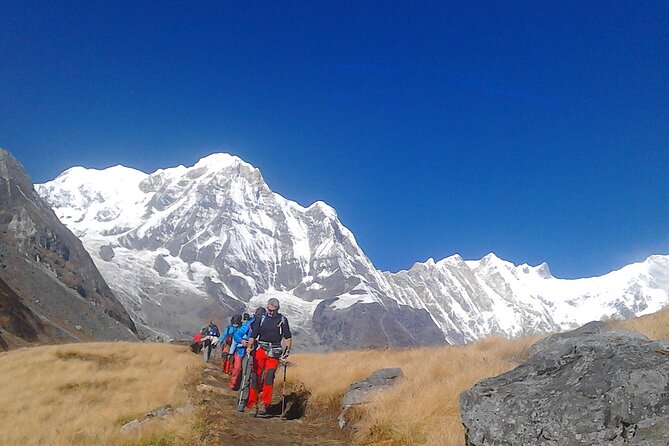
This trek is built around one goal: reaching Annapurna Base Camp quickly. You begin near Pokhara, drive into the hills, and then walk through the Annapurna region over four nights. The route reaches 4,130 meters before turning back toward the road.
That compressed schedule makes the tour appealing for you if your time in Nepal is short. You still get the main ingredients of a classic Annapurna trek: mountain villages, stone paths, forest, waterfalls, high-altitude lodges, and a sunrise near the base camp.
I would not confuse speed with ease. Five to seven hours of hiking each day requires moderate physical fitness, and the altitude adds another challenge. The tour description says the trek is suitable for people who are mentally and physically prepared. Take that seriously. You need to be comfortable with long walking days and a quick rise in elevation.
The price is $465 per person. That is a useful value when you consider what is covered: four nights of accommodation, four breakfasts, five lunches, four dinners, private transportation, a guide, the Annapurna Conservation Area permit, trekking permits, government taxes, and service charges. You still pay separately for drinks, hot showers, hot water, equipment, a porter if you want one, tips, and donations.
More walking in the hills of Pokhara:
- Poon hill Trek 3 days
★ 5.0 · 176 reviews - Trekking in Annapurna/Langtang/Everest/Upper Mustang regions
★ 5.0 · 161 reviews - Pokhara: 4-Day Ghorepani, Poonhill & Ghandruk Mountain Trek
★ 5.0 · 132 reviews
Day One: Pokhara to Jhinu Danda and Chhomrong
The day begins with an 8:15 am meeting in Pokhara. A private vehicle takes you to Jhinu Danda, at 1,730 meters. The drive takes about three to four hours, followed by lunch in Jhinu Danda.
This first transfer is practical rather than scenic sightseeing, but it saves valuable time. A public transport arrangement could make the start slower and less predictable, so private transportation is a useful part of the package. It also means you begin walking from a higher point instead of spending the first day on a longer approach.
After lunch, you hike for about two hours to Chhomrong, at 2,030 meters. The route introduces you to the village side of the Annapurna region, where Gurung culture and local hospitality are part of the experience. Chhomrong is an important stop on the way to the sanctuary, and the overnight stay at Panoram Guest House gives you a first night in the hills rather than back in Pokhara.
This is a fairly manageable opening day compared with what follows. Still, the transport and hike together make it a full day. If you prefer a slow start, the early meeting time and same-day climb may feel brisk.
Day Two: Chhomrong to Himalaya Through Bamboo
From Chhomrong, the route continues to Himalaya at 2,920 meters. The walk takes six to seven hours, with lunch on the way at Bamboo.
This is where the trek begins to feel serious. You gain close to 900 meters from Chhomrong to Himalaya, and the walking time is much longer than on day one. Forest scenery becomes a major part of the route. The area is known for large rhododendrons, flowers, waterfalls, and shaded paths, giving you a changing view even when the mountain peaks are not visible.
Bamboo is listed as the lunch stop, while the night is spent at Himalayan Guest House. These simple lodge stops are part of the appeal for hikers who want a direct connection with the route. You are not returning to a city hotel each evening. You eat, sleep, and recover close to the trail.
The drawback is limited choice outside the package basics. Coffee, tea, hot and cold drinks, hot showers, and hot water are not included. You should budget for these extras if they matter to you, and you should bring personal hiking equipment suited to a long day on foot.
Day Three: Himalaya to Annapurna Base Camp
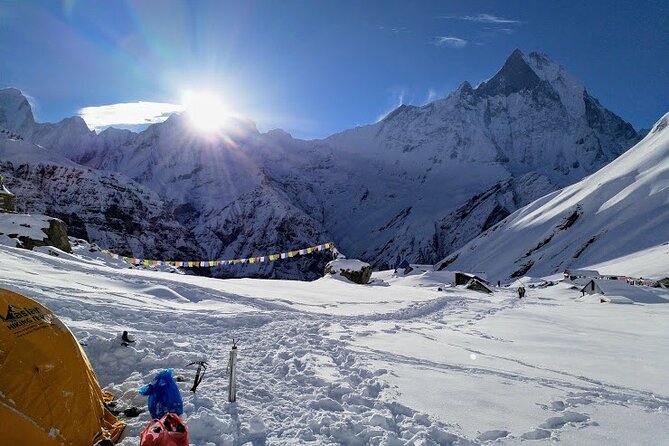
Day three is the high point of the trek, both literally and emotionally. You walk from Himalaya to Machhapuchhre Base Camp at 3,700 meters, then continue to Annapurna Base Camp at 4,130 meters. The hiking time is about five hours, with lunch at Machhapuchhre Base Camp.
Machhapuchhre, or Fishtail, is one of Nepal’s most recognizable mountains. It is regarded as a holy mountain, and the route brings you into its high mountain setting before you continue toward the Annapurna Sanctuary. The shift from forest to open mountain surroundings makes this day especially memorable.
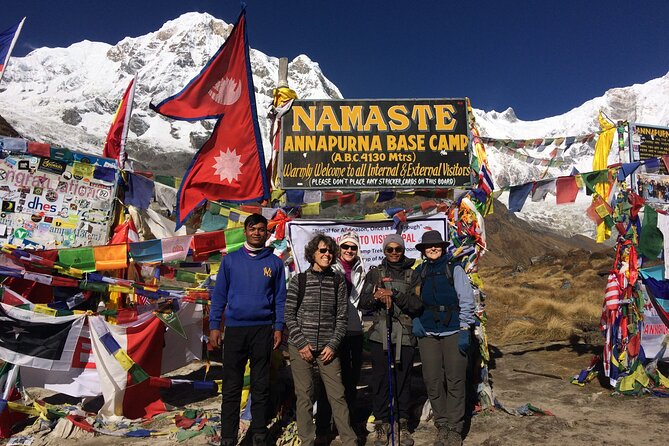
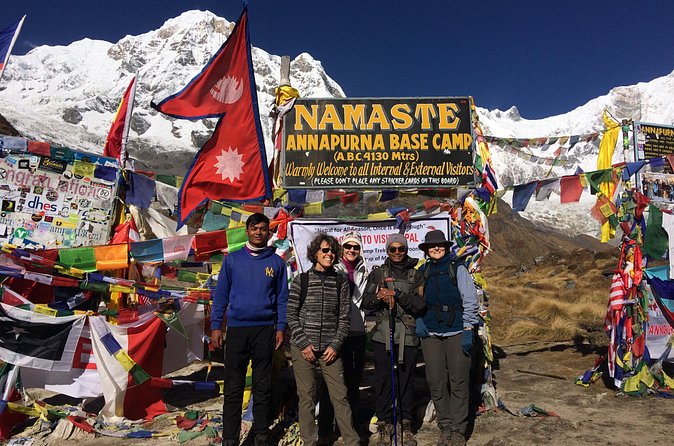
The final destination is Annapurna Base Camp. At 4,130 meters, it is the highest point on this itinerary. You spend the night at Annapurna Sanctuary Guest House, which means you do not have to hurry back down on the same afternoon.
That overnight stay is one of the best features of the plan. It gives you a chance to see the base camp area in the evening and again at sunrise on day four. The schedule does not promise any particular weather, of course, but having a morning at ABC gives you a better chance to enjoy the mountain views than a quick arrival and immediate descent.
This is also the day when you need to pay the closest attention to how you feel. The itinerary rises from 2,920 meters to 4,130 meters in a short period. The route is designed for people with moderate fitness who are prepared for the trek, but the schedule leaves little spare time. Your guide is important here. One published account specifically praises Suman’s planning and describes the guides as attentive. The same account credits a porter with offering steady encouragement, which can make a real difference on a demanding climb.
A short list of alternatives around Pokhara
- ZipFlyer Nepal – The World’s Steepest Zip-line
★ 5.0 · 608 reviews - Bungee Pokhara by HighGround Adventures
★ 5.0 · 366 reviews - From Pokhara: Sarangkot Sunrise Himalayas Tour
★ 4.7 · 218 reviews - ATV Adventure Tour in Pokhara, Nepal
★ 5.0 · 194 reviews
Day Four: Sunrise at ABC and the Long Descent
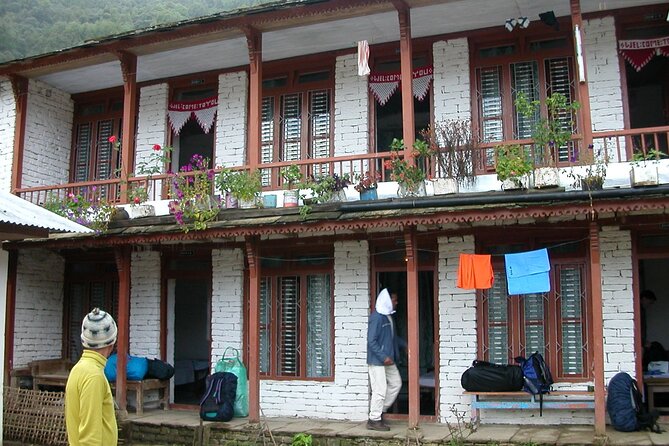
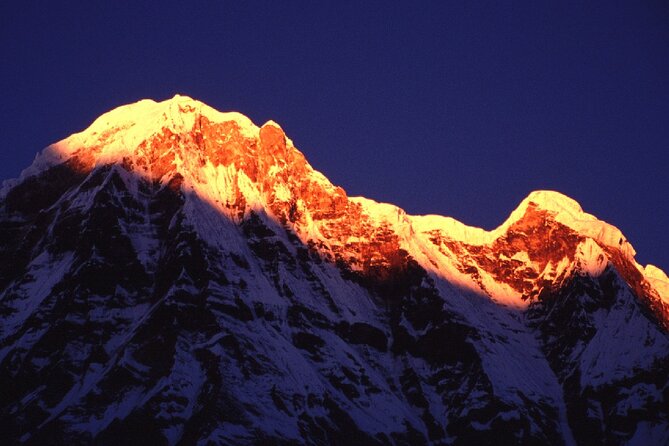
The fourth day begins with time to explore Annapurna Base Camp and catch the sunrise. This is the part of the schedule worth protecting. The early light can change the appearance of the peaks, and you will have a quieter moment at the destination before beginning the return walk.
After ABC, you descend toward Sinuwa, at 2,410 meters. The day takes six to seven hours. Lunch is planned around Himalaya or Dovan, followed by the continuation through Bamboo to Sinuwa.
The route back is not simply a short walk downhill. Six to seven hours is still a full hiking day, and the repeated stone steps can test your legs after the climb to base camp. The reward is the gradual return to lower altitude and thicker forest. You will notice the air and surroundings change as the trail moves away from the sanctuary.
Overnight accommodation is at Sinuwa Guest House. This stop breaks up the return journey and keeps the final day reasonable. Without it, the descent to the road and the drive back toward Pokhara would be far too compressed for the five-day format.
Day Five: Sinuwa, Jhinu Danda, and the Hot Spring
The last walking day takes you from Sinuwa to Jhinu Danda, a three-to-four-hour hike. After lunch, you visit the natural hot spring and have time for a hot bath before returning to the hotel and driving onward to Pokhara.
This is a smart finish. After several long hiking days, the hot spring gives you a chance to relax before the final road journey. It also makes Jhinu Danda more than just a transport point. The spring is one of the route’s most practical pleasures, especially if your legs are tired.
From Jhinu Danda, the vehicle continues to Nayapul and then Pokhara. The itinerary does not give an exact arrival time, so do not plan an important evening flight or fixed appointment without allowing plenty of room.
The final day combines walking, lunch, bathing, and two road sections. It is easier than the high-altitude days, but it is not a free morning in Pokhara. Think of it as the end of the trek, not a full sightseeing day.
Forests, Waterfalls, and Gurung Culture
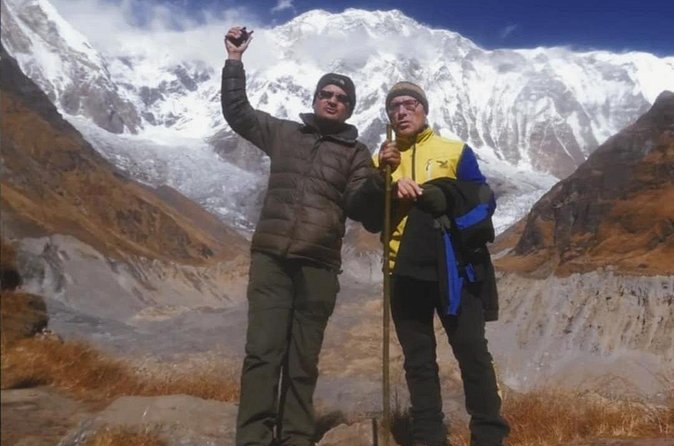
The Annapurna Express route is not only about the base camp. The lower section gives you contact with villages and Gurung culture, including local people, traditions, and hospitality. That makes the walk feel more connected to daily life than a simple mountain transfer.
The forest is another major attraction. Large rhododendrons and other flowers add color to the route, while waterfalls provide sound and movement along the trail. Exact seasonal conditions are not given, so the number of flowers and the volume of water will vary.
Pokhara also plays a role in the package, although the itinerary does not provide a separate list of city stops. The tour description refers to natural sightseeing around Pokhara, and the trek begins and ends there. I would treat Pokhara as your base for the mountain journey rather than expect a detailed city tour within these five days.
Lodging, Food, and What You Pay Extra For
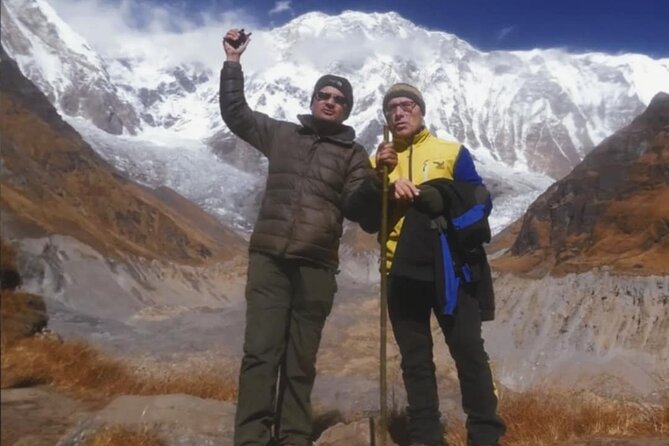
Four nights of accommodation are included, with overnight stops at:
- Panoram Guest House in Chhomrong
- Himalayan Guest House
- Annapurna Sanctuary Guest House
- Sinuwa Guest House
The information does not give room types or bathroom arrangements, so you should ask the operator if those details matter to you. The listed stays are mountain guest houses, and the package is designed around the route rather than luxury comforts.
Food coverage is clear: four breakfasts, five lunches, and four dinners. Lunch is included on every trekking day and on the first day in Jhinu Danda. This makes the $465 cost easier to assess because several daily expenses are already handled.
You pay extra for coffee and tea, hot and cold drinks, hot showers, hot water, personal trekking equipment, a porter if needed, tips, and donations. The porter charge is especially important if you do not want to carry your own bag. A porter is not included, but the positive account of the trip points to a porter providing encouragement during the trek.
Permits and government charges are included, as are service fees and taxes. You also receive private transportation and a guide. That combination gives the package solid practical value, particularly for someone who wants a short, organized trek without arranging each part separately.
Guides, Group Size, and the Pace of the Trip
The maximum group size is 15 people. That is not a private trek, but it is small enough for the guide to keep track of the group more easily than on a large coach-style outing.
The guide is one of the most important parts of this experience. The available feedback praises Suman’s planning and describes the trek as worry-free, with experienced and attentive guides. I would still confirm the guide’s name and role before departure if that matters to you, since the listing identifies Suman through the feedback but does not give a full staff roster.
The route works best when you follow the guide’s pace rather than trying to race ahead. Day three reaches 4,130 meters, and day four combines sunrise viewing with a long descent. A guide who watches the group and offers encouragement is not just a pleasant extra here. It is central to making the schedule work.
Personal equipment is not supplied. The data does not list a required packing list, so ask Asian Hiking Team what they expect you to bring. At minimum, you should clarify clothing, footwear, and overnight-bag arrangements before setting out, rather than discovering on the first morning that something important is missing.
Who Should Choose This Trek?
I would recommend the Annapurna Express Trek to you if you have only five days available and want a genuine route to Annapurna Base Camp. It suits people who prefer an organized plan, included meals, private road transport, and a guide who handles the route details.
It may also suit you if a standard longer trek is not possible because of work or a limited Nepal itinerary. The tour gives you a concentrated taste of the Annapurna region without requiring a long stay in the mountains.
I would be cautious if you want leisurely walking days, extra rest time, or a broad range of hotel comforts. The schedule has little flexibility. You also need moderate physical fitness and mental preparation for five to seven hours of hiking, along with the quick climb to 4,130 meters.
At $465, the tour offers good value for a tightly organized five-day trip. The price is less attractive if you already have transport, lodging, a guide, and permits arranged separately. For a first Himalayan trek, though, the included services reduce the number of details you must manage yourself.
My Take: Should You Book It?
Book this trek if reaching Annapurna Base Camp is your main goal and you can handle a fast schedule. The strongest features are the efficient five-day design, the included essentials, the sunrise at ABC, and the hot spring stop at Jhinu Danda.
I would ask Asian Hiking Team two questions before paying: what personal equipment is required, and what porter options are available. I would also confirm the lodging arrangements and your guide’s name. If you want a short route with real mountain walking rather than a quick viewpoint visit, this is a sensible choice. If you want comfort and a slow pace, choose a longer itinerary instead.
Free cancellation is available when you cancel at least 24 hours before the 8:15 am start time. Changes or cancellations made less than 24 hours in advance are not accepted for a refund.
FAQ
How long is the Annapurna Express Trek?
The trek lasts approximately five days, including the drive from Pokhara to Jhinu Danda and the return drive from the trekking area to Pokhara.
What is the highest point on the trek?
The highest point is Annapurna Base Camp, at 4,130 meters.
How many hours will I hike each day?
Most days involve about five to seven hours of hiking. Day one takes about two hours after the drive, and day five takes about three to four hours before the hot spring visit and return transportation.
Is transportation included?
Yes. Private transportation is included for the drive from Pokhara to Jhinu Danda and for the return journey through Nayapul to Pokhara.
Are meals included?
Yes. The package includes four breakfasts, five lunches, and four dinners.
Is accommodation included?
Yes. Four nights of accommodation are included at mountain guest houses along the route.
Is a trekking guide included?
Yes. One trekking guide is included. A porter is available only if you arrange and pay for one separately.
What is the cancellation policy?
You can receive a full refund if you cancel at least 24 hours before the experience start time. Cancellations or changes made less than 24 hours before the start are not accepted for a refund.
New in the Pokhara listings
- Pokhara: Pokhara Highlights Tour by Bus★ 3.6 · 10 reviews
- Discover Pokhara in Style: Private Vehicle Service with Driver★ 5.0 · 5 reviews
- Pokhara in 5 Hours: Lake, Museum, Cave, Falls & Pagoda Hill★ 4.5 · 16 reviews
- Private 4 Day Poon Hill Trek from Pokhara★ 5.0 · 16 reviews
- Multi-Day Tour from Pokhara, Poon Hill and Mulde Trek★ 5.0 · 1 review
- 4 Day Mardi Himal Base Camp Trek from Pokhara★ 5.0 · 18 reviews
- From Pokhara Full Day Entire Pokhara Tour with Guide★ 5.0 · 1 review
- Ultralight Flight: Into The Heart Of The Mountains (90 min)★ 5.0 · 1 review
Pokhara Tours, compared.
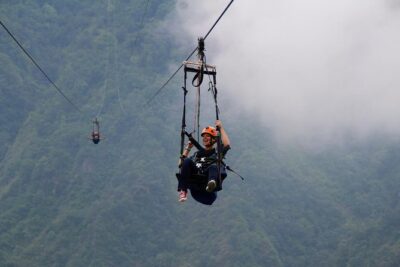
ZipFlyer Nepal – The World’s Steepest Zip-line
Read our review →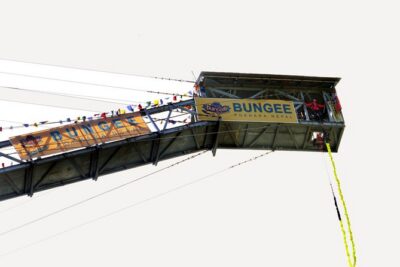
Full-Day Tibetan Cultural Tour to Tibetan Settlements Pokhara
Read our review →
Full-Day Sharing Bus Tour on 7 Iconic Destination
Read our review →
Trekking in Annapurna/Langtang/Everest/Upper Mustang regions
Read our review →