
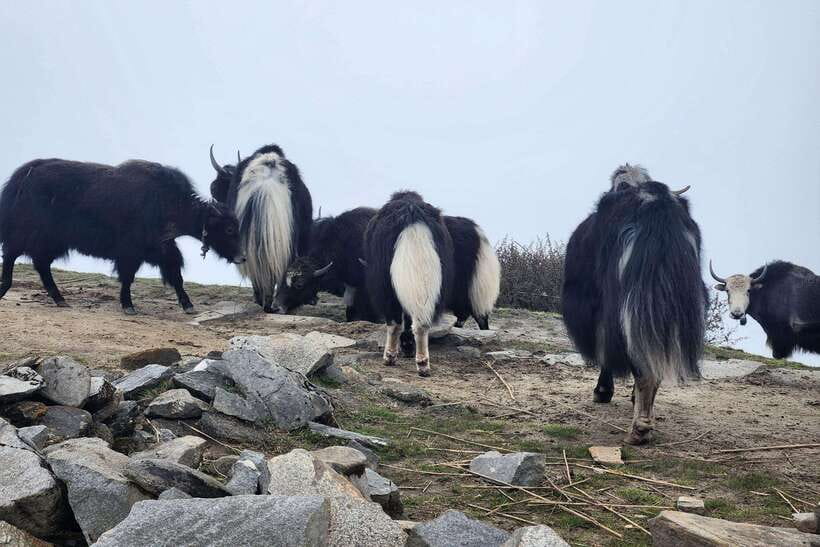
REVIEW · MARDI HIMAL TREKS
Pokhara: 4-Day Mardi Himal Trek
The sunrise is worth the stairs. This four-day Mardi Himal trek gives you close views of Machhapuchhre and Annapurna without requiring technical climbing, and I like the way it moves from Pokhara’s fields into rhododendron forest, alpine meadows, and high mountain paths. I also like the personal service from MTA Trekking guides such as Ramit, Kaji, Prabit, and Lalit, who are praised for adjusting the pace and checking trekkers’ health.
The main catch is the schedule. Four days is a fast version of this route, with long uphill sections and an early morning hike to the viewpoint. The standard package also does not include meals, and the accommodation cost should be confirmed before you set off.
In This Review
- Why this Mardi Himal trek deserves a place on your Nepal plan
- What you are really signing up for
- Day 1: Pokhara to Kande, then five hours to Forest Camp
- Day 2: Forest Camp to High Camp through rhododendron forest
- Day 3: The 4:00 am sunrise walk to Mardi Himal Viewpoint
- Day 4: Forest Camp or Low Camp to Kalimati and Pokhara
- The guide service is a major part of the value
- What the $139 price includes, and what it does not
- The best months, and the months to think twice
- What to pack for comfort and safety
- Who should book this four-day version
- Should you book the Mardi Himal trek?
- FAQ
- How long is the Mardi Himal trek?
- What is the highest point reached?
- Is the trek suitable for beginners?
- Are meals included in the $139 price?
- Is accommodation included?
- Is a guide included?
- What happens if the weather is bad near Base Camp?
Why this Mardi Himal trek deserves a place on your Nepal plan
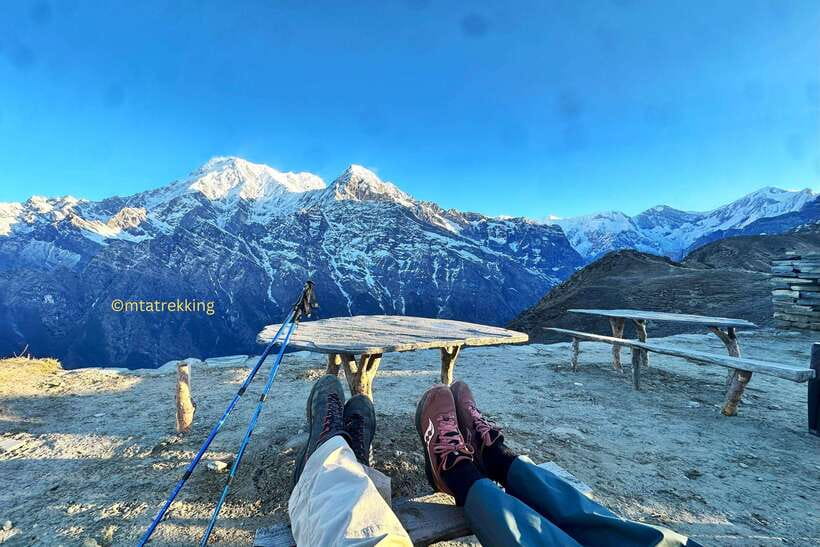
- A dramatic 4,200 to 4,300-meter viewpoint: Sunrise reveals Machhapuchhre, Annapurna South, Mardi Himal, and nearby peaks.
- A changing trail in only four days: You walk through terraced fields, villages, dense forest, waterfalls, bridges, and open high-country paths.
- A private group with pickup in Pokhara: Hotel pickup and drop-off are included, with several Lakeside and Baidam meeting points.
- Helpful local guiding: Guides including Ramit, Kaji, Prabit, Lalit, Shishir, Jiban, and Jeevan receive strong praise for care, pacing, food advice, and logistics.
- A possible Base Camp extension: If snow and weather allow, you may continue from the viewpoint to Mardi Himal Base Camp at about 4,500 meters.
- Good value at $139: Permits, TIMS fees, transport, guide services, trekking gear, staff costs, and accommodation are included, but package details about meals and room charges need careful checking.
What you are really signing up for
Mardi Himal is often described as a moderate trek, and that is fair if you have some basic fitness. It is not a technical mountaineering trip. You do not need climbing skills, but you do need to handle long days, many stone steps, steep uphill sections, and a rapid gain in altitude.
The route begins near Pokhara, one of Nepal’s main bases for Annapurna trekking. The first hours feel rural and green, with fields, forest, villages, and views toward the mountains. Higher up, the trees thin out and the reward becomes more direct: Machhapuchhre, also called Fishtail, takes center stage, with Annapurna peaks behind it.
This is a good choice if you have limited time and want a real Himalayan walk rather than a short viewpoint excursion. It is less suited to anyone hoping for a leisurely four-day holiday. The route is compact, and the third day begins around 4:00 am.
The altitude deserves respect. The viewpoint is listed around 4,200 to 4,300 meters, while Base Camp is about 4,500 meters. Those figures are high enough for cold, wind, headaches, and altitude sickness. Your guide should decide on the Base Camp section based on snow and weather, not on a promise made at booking time.
More Mardi Himal treks:
- Private Mardi Himal Trek
★ 5.0 · 42 reviews - From Pokhara: 4-Day Mardi Himal Base Camp Trek
★ 4.9 · 31 reviews - Mardi Himal Trek
★ 5.0 · 30 reviews
Day 1: Pokhara to Kande, then five hours to Forest Camp
Pickup is available from Baidam, Pokhara, Pokhara Lakeside, Pame, Lakeside Road, and Lakeside. The day begins at about 8:00 am, followed by a roughly 1.5-hour drive to Kande.
The drive gives you a gentle start. You pass green fields, forest, the Seti River, hillside scenery, and mountain views. A tea-house stop around midday breaks up the ride before you begin walking.
From Kande, expect about five hours on foot to Forest Camp. The trail enters forest and climbs steadily. This is not the day to burn all your energy for the sake of speed. The gain in height begins here, and a steady pace will help you later.
Forest Camp, also called Kokar in some route descriptions, is a simple overnight stop surrounded by trees. Accommodation is in a tea house or similar mountain lodge. You should expect a practical room rather than hotel comfort, and you may need the supplied sleeping bag, especially in colder months.
The forest section is one of the trek’s pleasures. Depending on the season, you might spot birds, butterflies, and other mountain wildlife. In wetter months, bring care for leeches and mosquitoes in the lower forest areas.
Day 2: Forest Camp to High Camp through rhododendron forest
After breakfast, you walk for about five hours toward Mardi Himal High Camp. The route continues through dense woodland before opening into higher ground.
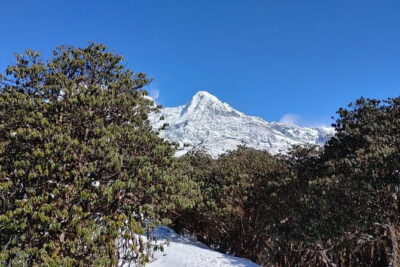
The changing vegetation gives this day its appeal. Lower sections can feel damp and enclosed, while higher paths offer broader views of Fishtail and Annapurna South. Fog may roll through the rhododendron forest, then lift suddenly to reveal the peaks. Keep your camera ready, but do not let it slow your walking rhythm.
This is also the day when the trek becomes physically demanding. The route includes many steps, and the altitude begins to affect breathing. One direct account of the walk described the trek as nontechnical but full of endless stairs. That is a useful way to think about it: the challenge is effort and altitude, not rope work or scrambling.
The High Camp elevation needs clarification. The trip information gives both about 3,550 meters and about 4,000 meters in different places. Ask MTA Trekking to confirm the exact overnight stop and elevation for your departure date. The distinction matters because the higher the sleeping point, the more important pacing and hydration become.
High Camp is the key overnight stay before the sunrise walk. Conditions are basic. You may find limited shower facilities, weak or absent phone service, and limited toilet paper. Bring your own small supply and treat the lodge as a warm, useful shelter rather than a comfortable mountain resort.
Some of the strongest praise for the guides concerns this part of the route. Ramit, Kaji, Prabit, and Lalit are described as attentive to food, water, rest stops, and pace. Lalit was especially careful when a companion developed altitude symptoms, while Kaji advised avoiding junk and frozen food at high elevation in favor of fresh vegetables and rice.
Day 3: The 4:00 am sunrise walk to Mardi Himal Viewpoint
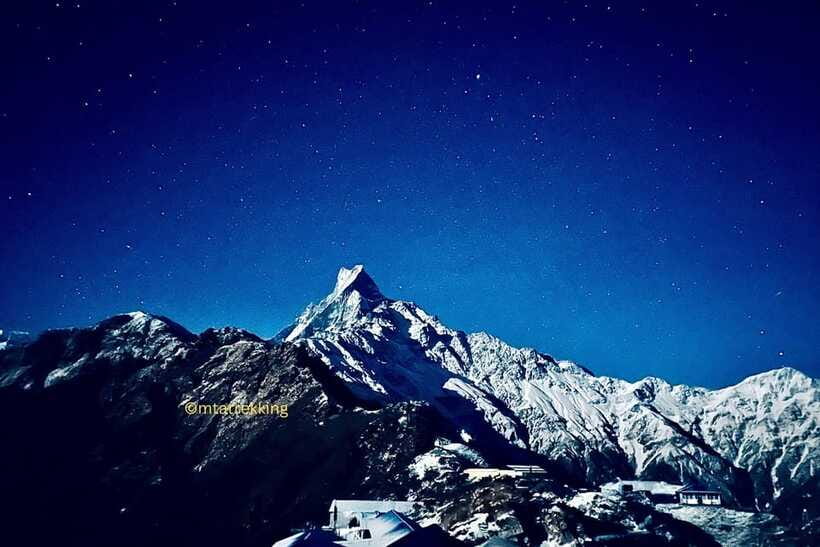
You wake around 4:00 am for the trek’s defining moment. The climb from High Camp to the sunrise viewpoint takes about 1.5 to 2 hours, although the broader itinerary gives roughly three hours for hiking and sunrise time combined.
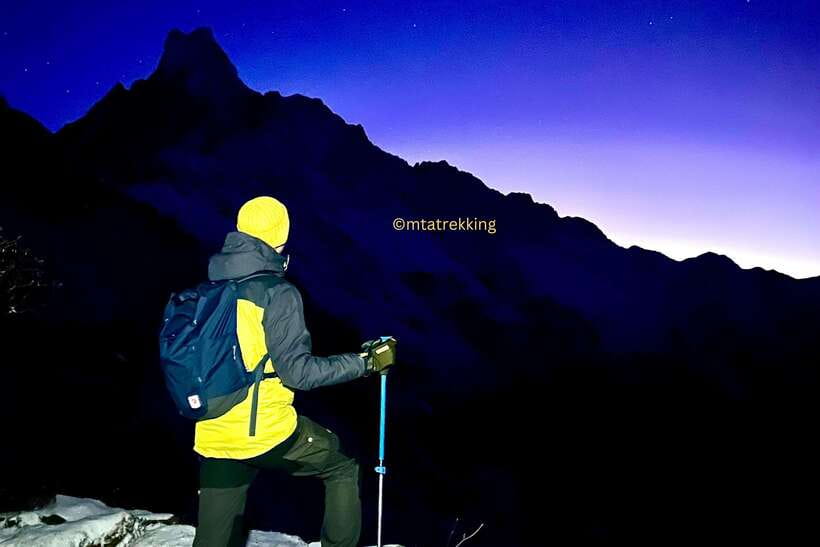
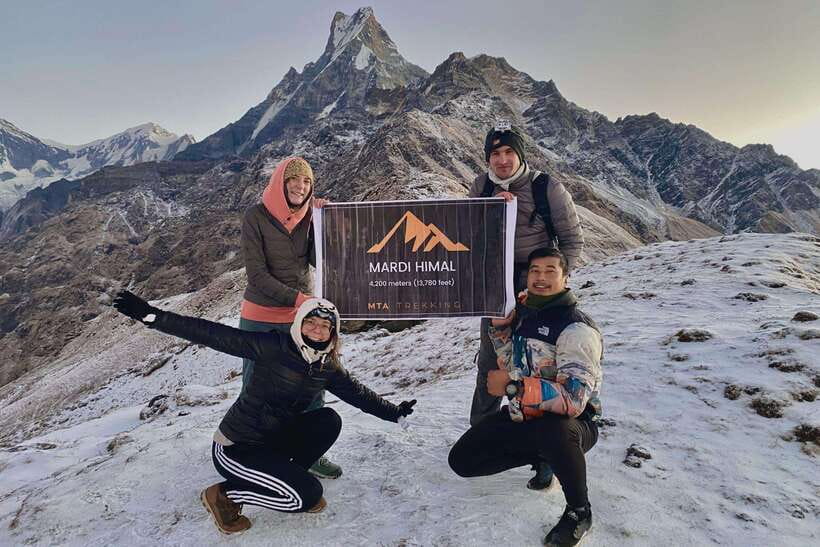
This is a cold, dark start, so a flashlight is essential. Wear warm layers, gloves if you have them, a hat, and footwear with good grip. The trail can be snowy in January and February, and the section above the viewpoint may require crampons and extra caution.
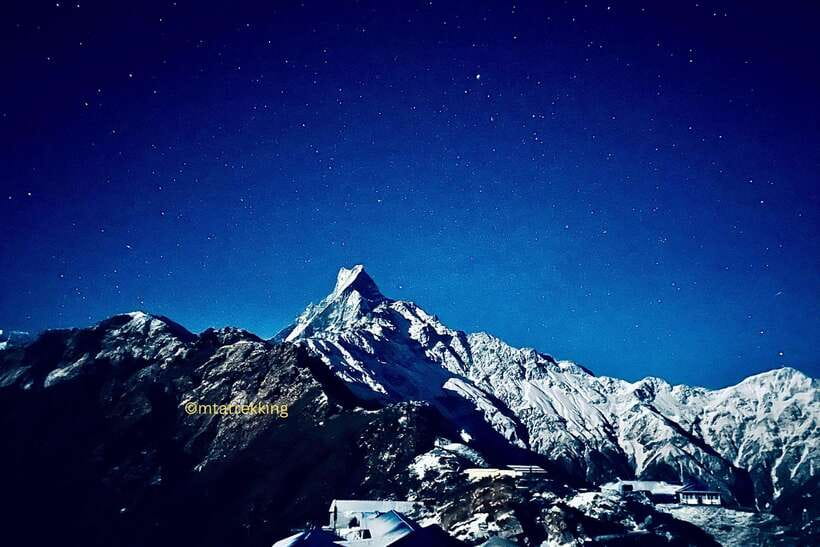
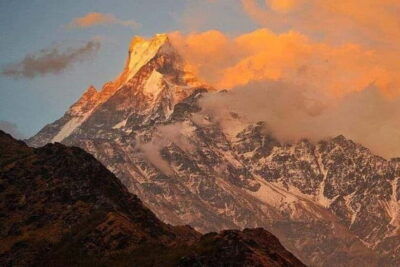
At approximately 4,200 to 4,300 meters, you watch the sun reach Machhapuchhre and the Annapurna range. The view is the reason to accept the early alarm and the steep steps. Fishtail’s distinctive shape gives the scene a clear focal point, while Mardi Himal and the surrounding peaks fill the wider view.
The Base Camp extension is optional. If the weather is clear and the trail is safe, you may continue to about 4,500 meters. Do not treat this as a guaranteed extra. In winter, heavy snow can make the route difficult, and during monsoon conditions the trail beyond the viewpoint can be steep, slippery, and without much safety infrastructure.
After breakfast, the route descends. The supplied schedule mentions Mardi Himal Base Camp, a hotel called Trekkers Paradise, Low Camp, and an overnight stay at Low Camp, while the day-by-day description says you return to Forest Camp. This suggests the exact descent and overnight point may vary with the selected package, weather, and group pace.
Confirm the night’s accommodation before departure. It will help you understand the actual walking hours and avoid surprise on a day that already starts before dawn.
More walking in the hills of Pokhara:
- Poon hill Trek 3 days
★ 5.0 · 176 reviews - Trekking in Annapurna/Langtang/Everest/Upper Mustang regions
★ 5.0 · 161 reviews - Pokhara: 4-Day Ghorepani, Poonhill & Ghandruk Mountain Trek
★ 5.0 · 132 reviews - Ghorepani – Poon Hill Trek 3N-4D
★ 5.0 · 125 reviews
Day 4: Forest Camp or Low Camp to Kalimati and Pokhara
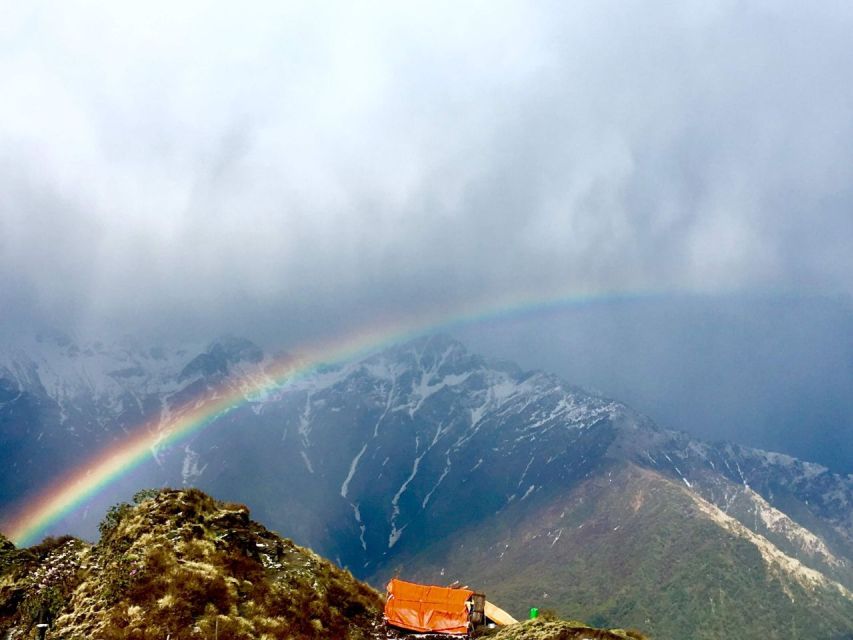
The final day takes you downhill through forest toward Kalimati. The description places Kalimati around 1,800 meters and the wider return area around Lumle at about 1,650 meters.
This is a calmer section after the high-point effort. Expect birds, small waterfalls, bridges, and lush paths. Machhapuchhre remains visible as you descend, giving the return walk a strong visual finish.
From Kalimati or the designated road point, you board a jeep or SUV for roughly 1.5 to 2 hours back to Pokhara. Drop-off is available in Pokhara, Baidam, and Lakeside.
The drive is practical rather than scenic entertainment, but it saves you from a much longer walk and road journey. If your trip continues after Mardi Himal, the included hotel drop-off and luggage storage can make the transition easier.
The guide service is a major part of the value
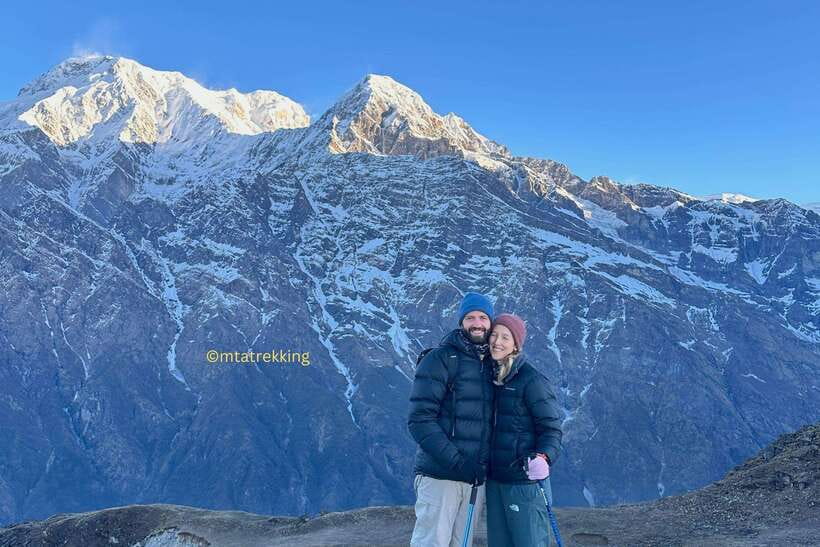
The strongest feature of this trip is not just the mountain view. It is the guide support.
MTA Trekking provides a licensed English-speaking guide, with Hindi also available. The group is private, so you are not locked into the pace of a large mixed party. That matters on a route where one person may need more rest at altitude while another wants to keep moving.
Guides named in the supplied material include Ramit, Kaji, Prabit, Lalit, Shishir, Gobinda, Jiban, Jeevan, Santosh, Binod, and Lalit. The most consistent praise goes to their kindness, organization, and attention to health. Guides have arranged tea-house stays, suggested suitable food, adjusted walking speed, checked comfort, and helped with photographs.
Gobinda and porter Ricky are praised for being especially helpful. Shishir is described as good company and willing to adjust the pace. Prabit receives credit for handling transport, accommodation, meals, and daily planning calmly. These details matter because mountain logistics can otherwise eat up your attention.
A guide cannot remove the physical demands of Mardi Himal. What a good guide can do is recognize when you are moving too fast, help you choose sensible food, and advise against continuing above the viewpoint when conditions are poor.
What the $139 price includes, and what it does not
At $139 per person, this is attractive for a private four-day trek. The price includes Pokhara pickup and drop-off, a licensed guide, permits, TIMS fees, government taxes, transport during the trek, trekking equipment such as poles and a sleeping bag, and tea-house accommodation under the standard package.
It also covers staff salaries, meals, accommodation, insurance, equipment, and transport for the trekking team. Complimentary luggage storage is available if you need it.
The important catch is the package wording. Meals are included only in the Full Package. The Standard Package does not include breakfast, lunch, or dinner. Also, one direct account had understood tea-house room charges to be included, then found that extra money was needed. Ask for a written breakdown covering room costs, meals, and any change to the overnight route.
Porter service costs $20 per day and is not included. Drinks, boiled water, toiletries, laundry, phone calls, personal purchases, and travel or rescue insurance are also extra.
Bring enough Nepalese rupees or other accepted cash for mountain food, drinks, and personal needs. Card payment and phone service may not be dependable at High Camp.
The best months, and the months to think twice
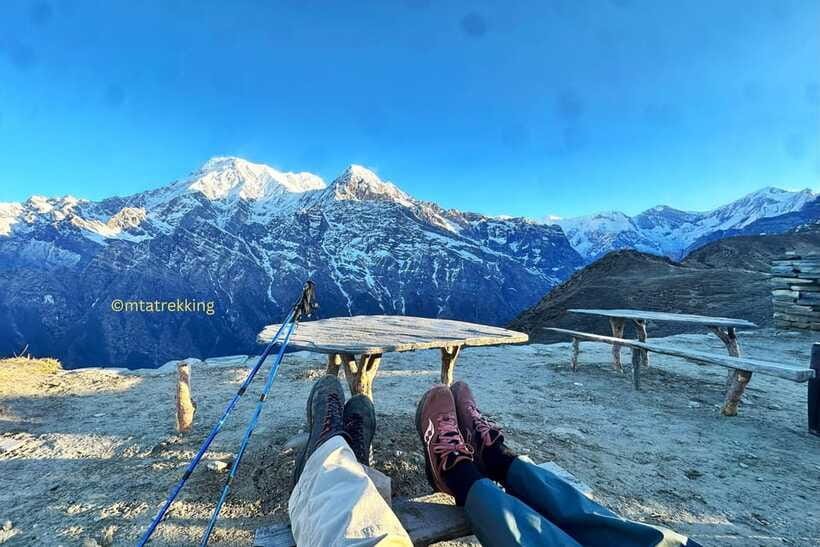
March through May and September through November are the preferred periods. These months generally offer more stable conditions and the best chance of clear mountain views.
Spring brings forest color and a good chance of open mountain scenery. Autumn is often favored for crisp views after the monsoon, though conditions can still change quickly at high altitude.
The monsoon months can bring cloud, rain, slippery paths, leeches, and poor visibility. One August departure had pleasant walking but limited mountain views because of weather. A September trip also lost much of the summit scenery to cloud.
Winter can be beautiful and quieter, but snow changes the difficulty above the viewpoint. January and February may require crampons for the Base Camp section. If you choose winter, ask about current snow depth and trail conditions before agreeing to the upper extension.
What to pack for comfort and safety
Keep your pack light, but do not cut the essentials. Bring:
- Warm clothing and several layers
- Sunglasses, a sun hat, and sunscreen
- A flashlight or headlamp
- Sturdy walking shoes with good grip
- Personal toiletries and toilet paper
- Basic first-aid supplies
- Cash for drinks, food, and personal expenses
- A sleeping bag, if you prefer extra warmth and a cleaner sleeping layer
Trekking poles are supplied, along with other gear such as a sleeping bag. Confirm what will be issued before packing so you do not carry duplicate equipment.
Do not count on a hot shower, reliable phone signal, or plentiful toilet paper at High Camp. Those are small details at sea level, but useful comforts after a long uphill day.
Who should book this four-day version
I would recommend this trek to people who have limited time in Pokhara, want high mountain views, and are comfortable with long walking days. It can suit beginners who are fit, prepared, and willing to move steadily.
I would not choose it if you want a slow introduction to trekking or if you dislike early starts, basic tea houses, or steep steps. A five or six-day version may be more comfortable, especially for anyone worried about altitude or walking speed.
The route is not suitable for pregnant women, people with altitude sickness, or people over 70. Travel and rescue insurance is not included, so arrange suitable cover before departure.
Free cancellation is available up to 24 hours before the start, and you can reserve now and pay later. Those policies add flexibility, but they do not replace checking the route details, package type, and weather plan.
Should you book the Mardi Himal trek?
Book it if the viewpoint is your priority, you have four days, and you accept that the itinerary is compact and physically serious. The sunrise over Fishtail and Annapurna can be extraordinary, and the move from Pokhara’s green foothills to high mountain paths gives you a lot in a short time.
Before paying, confirm three things with MTA Trekking: the exact High Camp elevation, whether your $139 package includes meals and room charges, and where you will sleep after the viewpoint descent. If those points are clear, the permit handling, transport, private guiding, supplied equipment, and strong guide support make this good value.
FAQ
How long is the Mardi Himal trek?
The experience lasts four days, including transport from Pokhara and the return drive. Walking times range from about three to five hours on the listed days, with the sunrise hike on Day 3 beginning around 4:00 am.
What is the highest point reached?
The Mardi Himal Viewpoint is listed at about 4,200 to 4,300 meters. Mardi Himal Base Camp is around 4,500 meters and is optional, depending on weather and snow conditions.
Is the trek suitable for beginners?
It can suit fit beginners because it is described as a moderate, nontechnical trek. However, the route includes many steps, steep sections, long walking days, and rapid altitude gain, so basic fitness is important.
Are meals included in the $139 price?
Meals are included only with the Full Package. The Standard Package does not include meals, so confirm which package you are buying.
Is accommodation included?
Tea-house or similar accommodation is included for the Standard Package, but room-sharing may be required for solo participants during busy periods. Confirm whether any room charges apply separately before departure.
Is a guide included?
Yes. The trip includes a licensed English-speaking guide, and Hindi-speaking support is also available. The group is private.
What happens if the weather is bad near Base Camp?
The guide and company decide whether to continue to Base Camp based on weather and snow conditions. In winter or monsoon conditions, the trail above the viewpoint can be steep, slippery, and lacking safety infrastructure.
New in the Pokhara listings
- Pokhara: Pokhara Highlights Tour by Bus★ 3.6 · 10 reviews
- Discover Pokhara in Style: Private Vehicle Service with Driver★ 5.0 · 5 reviews
- Multi-Day Tour from Pokhara, Poon Hill and Mulde Trek★ 5.0 · 1 review
- Pokhara in 5 Hours: Lake, Museum, Cave, Falls & Pagoda Hill★ 4.5 · 16 reviews
- Private 4 Day Poon Hill Trek from Pokhara★ 5.0 · 16 reviews
- 4 Day Mardi Himal Base Camp Trek from Pokhara★ 5.0 · 18 reviews
- From Pokhara Full Day Entire Pokhara Tour with Guide★ 5.0 · 1 review
- Things to do at Pokhara World Peace Stupa tour with Guide★ 5.0 · 2 reviews
Mardi Himal Treks, compared.

Browse the lists this tour appears in