
REVIEW · POON HILL TREKS
From Pokhara: 4-Day Annapurna and Poon Hill Himalayan Trek
Sunrise rewards the early climb. This four-day trek from Pokhara combines Poon Hill sunrise views with forest paths, mountain villages, and a soak in Jhinu’s natural hot springs. I like the private guide, included permits, hotel transport, and simple tea-house lodging. I also like that the route gives you both big Annapurna views and a closer look at Gurung village life.
The main caution is that mountain roads and trail plans can change quickly. A landslide recently forced a starting point farther down the mountain, costing one participant a planned stop and part of a day. That kind of change is understandable in Nepal, but you should confirm road and trail conditions before setting out.
In This Review
- Key points at a glance
- What this four-day trek is really like
- Day 1: Pokhara to Ulleri, then uphill to Ghorepani
- Day 2: Poon Hill sunrise and the forest route to Tadapani
- Day 3: Tadapani to Jhinu, then on to Ghandruk
- Day 4: Ghandruk to Nayapul and back to Pokhara
- Views, forests, and village life
- Guide support and communication
- What the $287 price includes, and what it does not
- Who should choose this Poon Hill route?
- Should you book it?
- FAQ
- How long is the trek?
- Where does the trek start?
- Where does the trek finish?
- Is hotel pickup included?
- Is accommodation included?
- Are meals and drinks included?
- Is a guide included?
- Do I need to provide passport details?
- Can I cancel for a full refund?
Key points at a glance
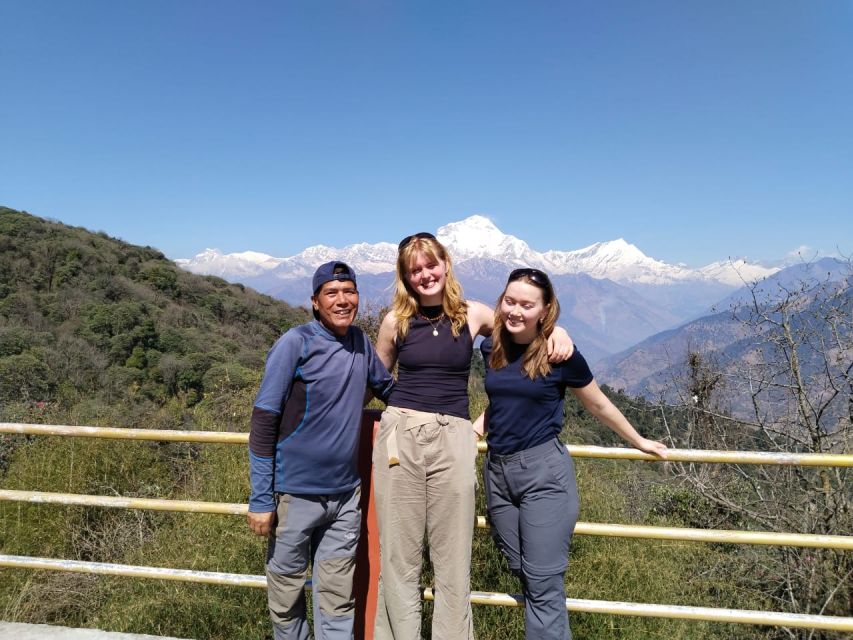
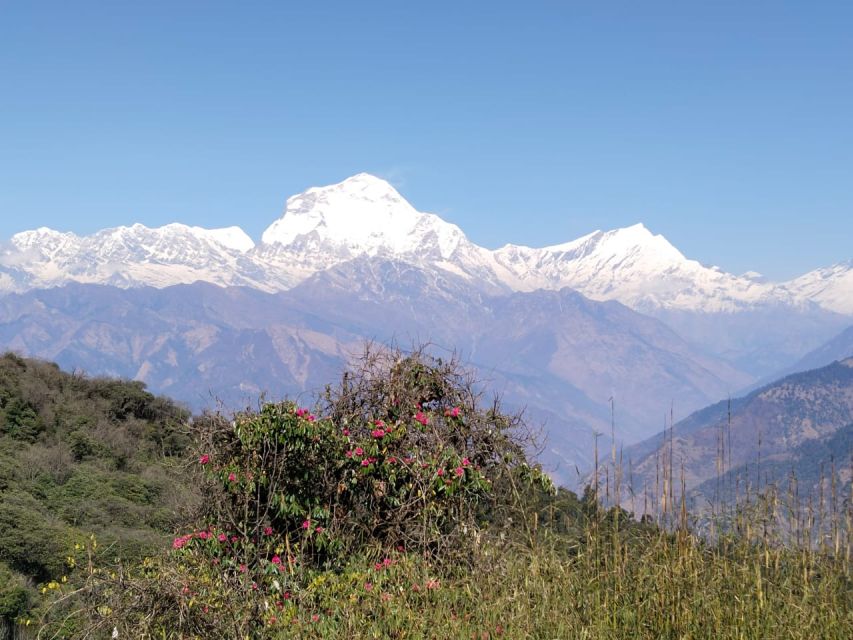
- Poon Hill sunrise: An early one-hour climb leads to the trek’s biggest view of the Annapurna Range.
- Four days from Pokhara: Hotel pickup, private road transport, and return drop-off make this a compact introduction to the Himalayas.
- Lower Himalayan forests: The route moves through wooded paths rather than only exposed high ground.
- Jhinu hot springs: A natural hot-water bath breaks up the walking and gives Day 3 a welcome change of pace.
- Gurung culture: Ghandruk offers a close look at traditional village architecture and mountain life.
- Guide quality matters: Guides such as Gobinda and Muku have helped make the trek comfortable, but communication about route changes and weather deserves attention.
What this four-day trek is really like
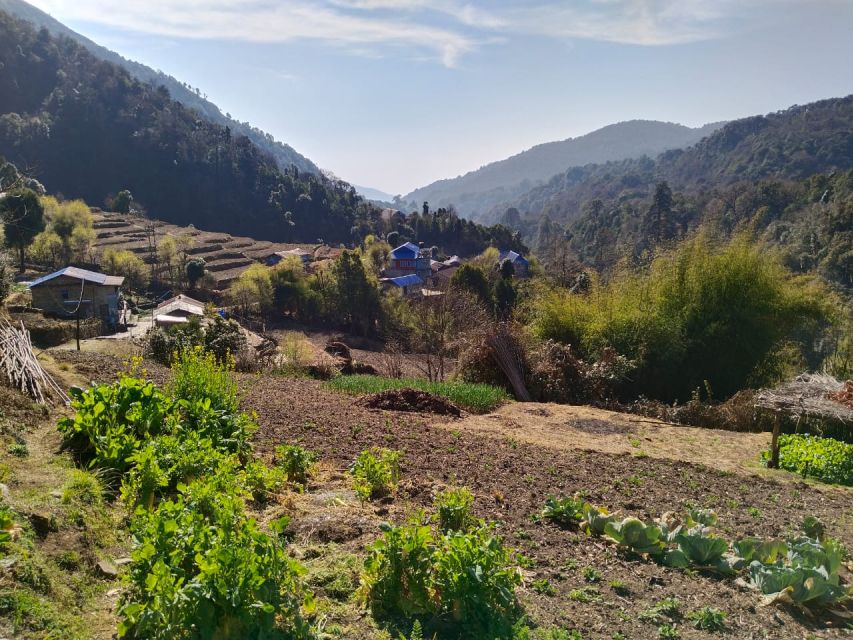
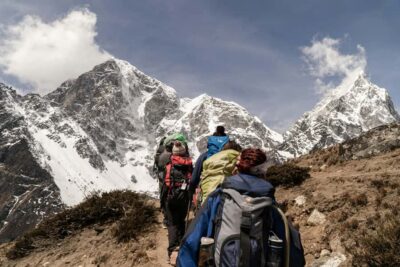
This is a short Himalayan trek, but it is not a casual sightseeing walk. You spend four days moving on foot between Ulleri, Ghorepani, Poon Hill, Tadapani, Jhinu, Ghandruk, and Nayapul. The walking times range from about five to seven hours a day, with an early start for the Poon Hill sunrise.
I see the appeal in the route’s mix. You get a major mountain viewpoint without committing to a long expedition, yet the trip still includes overnight stays in tea houses and guest houses. You are not simply driven to a lookout, taking a photograph, and returning to Pokhara. You sleep along the trail and pass through rural Himalayan settlements.
The price is $287 per person. That includes private hotel transport, permits, tea-house or guest-house accommodation, an English-speaking licensed guide, and the guide’s expenses. Food and drinks cost extra, so the final bill will be higher than the advertised price. Even so, the package offers reasonable value if you want a guided route with transport and permits handled for you.
The four-day schedule is fairly tight. It works best for someone with enough fitness for repeated uphill and downhill walking, but not enough time for a longer Annapurna trek. It is not suitable for pregnant women or people with mobility impairments.
More Poon Hill treks:
- Poon hill Trek 3 days
★ 5.0 · 176 reviews - Pokhara: 4-Day Ghorepani, Poonhill & Ghandruk Mountain Trek
★ 5.0 · 132 reviews - Ghorepani – Poon Hill Trek 3N-4D
★ 5.0 · 125 reviews
Day 1: Pokhara to Ulleri, then uphill to Ghorepani
Your guide is scheduled to collect you early from your hotel in Pokhara. From there, a private car or jeep takes you toward Ulleri, the trail starting point described for the trip. The road transfer is important because it cuts out a longer approach on foot and lets you spend your limited time on the main mountain route.
From Ulleri, you hike uphill toward Ghorepani. The planned walking time is about five hours. This is a useful first test of your pace, since the route begins with sustained climbing rather than a gentle warm-up.
The setting changes as you gain height. You walk through lower Himalayan forest and toward the mountain settlement of Ghorepani. The forest is one of the quiet pleasures of this trip. It gives you shade, bird sounds, and a sense of distance from Pokhara before the wide views arrive.
Ghorepani is your first overnight stop in a tea house. Tea houses are basic mountain lodgings, not full-service hotels. Your room and meals are separate parts of the budget, and food is not included in the tour price. Ask your guide early about meal timing, especially if you want to be in bed quickly before the next morning’s pre-sunrise walk.
A practical warning belongs here. Road conditions in the Annapurna region can change after landslides. One recent trip had its start moved farther down the mountain because a road was damaged, and a planned point of interest was removed. You should ask the provider to confirm the current road access and exact starting point before departure.
Day 2: Poon Hill sunrise and the forest route to Tadapani
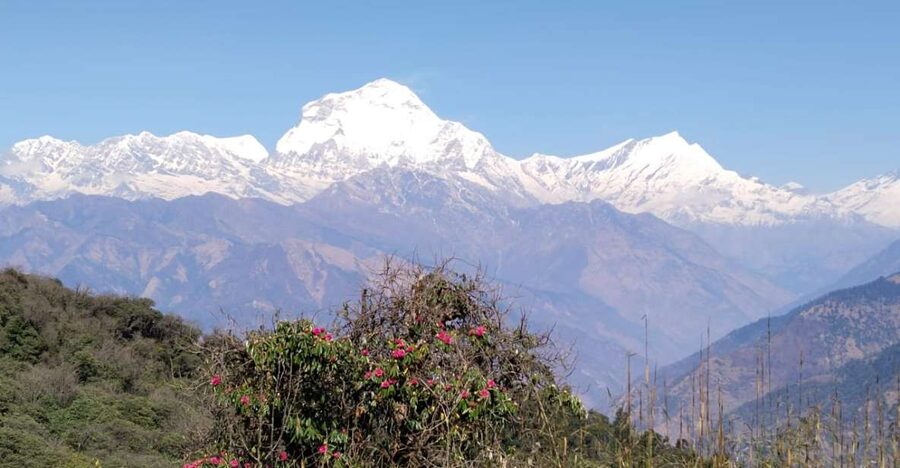
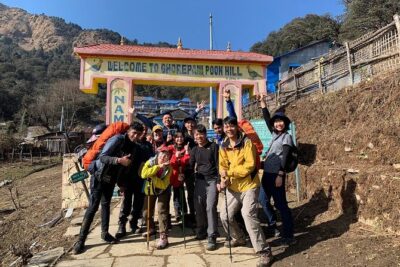
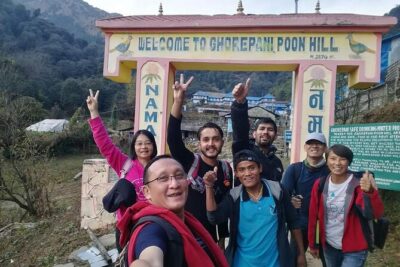
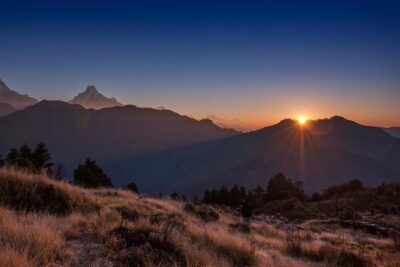
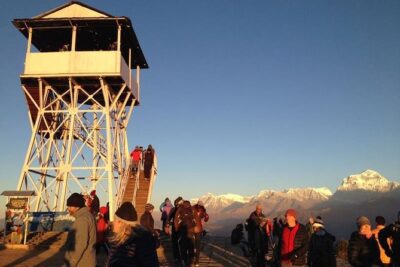
Day 2 begins early. From Ghorepani, you walk for about an hour to Poon Hill to watch the sun rise over the Annapurna Range. This is the central reason many people choose this trek, and the schedule gives it proper priority.
At the viewpoint, you can expect the reward to depend on the weather. On a clear morning, the Annapurna peaks appear in broad view, making this the strongest photographic moment of the four days. If clouds settle over the range, the climb still gives you a memorable high point, but the famous panorama may be limited.
After the sunrise, you return to Ghorepani for breakfast. Then the longer walking day continues toward Tadapani, with a planned total of about six hours of trekking. This combination makes Day 2 the most important day to manage well. The Poon Hill climb comes first, but the trail does not end when the sun rises.
I would keep your breakfast practical and your pack light. The trip information does not specify a packing service or porter, so you should be prepared to carry your own necessary belongings unless the local provider confirms another arrangement. Bring enough clothing for a cool early morning, but do not overload yourself for a four-day route.
Tadapani is the second overnight stop. The attraction here is not a separate scheduled activity, but its position on the route between Ghorepani and the southern villages. After the early start and several hours of walking, the overnight stay breaks the journey into manageable sections.
One point worth discussing with your guide is the weather forecast. A recent participant felt the guide should have watched weather conditions more closely instead of relying on luck. You cannot control mountain weather, but better timing and clear advice can help you get the most from the Poon Hill viewpoint.
Day 3: Tadapani to Jhinu, then on to Ghandruk
Day 3 combines the trek’s most relaxing stop with one of its most interesting cultural stops. You walk toward Jhinu, where natural hot springs offer a chance to bathe in hot water described as therapeutic. After two long walking days, this is a welcome break for tired legs.
The hot springs are not a replacement for medical treatment, and the tour does not promise any medical benefit. Think of them as a natural bathing stop in a remarkable setting. Your time there is described as short, followed by more walking, so do not expect a full spa afternoon.
The route then continues to Ghandruk, with a planned walking time of six to seven hours for the day. That is a substantial distance after the hot-spring stop. The bath may feel restorative, but you still need enough energy for the final section.
Ghandruk is more than a place to sleep. It is a Gurung village and an opportunity to see how Gurung communities have adapted to life in the Himalayan region. The village is noted for its traditional architecture, which gives the trek a human focus after the large mountain views of Poon Hill.
I like this pairing of Jhinu and Ghandruk because it keeps the third day from becoming just another long walk. You get a physical pause, then a place where settlement, architecture, and local life become part of the experience. Still, the six to seven-hour estimate means you should treat Day 3 as a serious hiking day.
You stay overnight in Ghandruk. As with the other nights, the accommodation is in a tea house or guest house, and the cost of food and drinks is not included. Carry cash suitable for trail purchases if your guide advises it, since the package does not cover meals or refreshments.
More walking in the hills of Pokhara:
- Trekking in Annapurna/Langtang/Everest/Upper Mustang regions
★ 5.0 · 161 reviews - Pokhara: Annapurna Foothills Day Hike with Transfers
★ 5.0 · 100 reviews - Kathmandu/Pokhara: 5-Day Annapurna Base Camp (ABC) Trek
★ 4.9 · 72 reviews - From Pokhara: 3-Day Ghorepani Poon Hill Trek with Guide
★ 4.9 · 68 reviews
Day 4: Ghandruk to Nayapul and back to Pokhara
The final day takes you downhill to Nayapul. The provided schedule does not give a precise walking time for this section, so you should ask your guide for the expected departure and arrival times.
At Nayapul, private transport takes you back to Pokhara and drops you at your hotel. This makes the trek easy to finish without arranging a separate return vehicle. The tour ends after that hotel drop-off.
The return drive is part of the value here. A four-day trek can become awkward if you must arrange your own transport from the trailhead, negotiate a local vehicle, and coordinate the hotel return. With pickup and drop-off included, you have fewer moving parts to manage.
The trade-off is that the return day is not presented as a sightseeing day. It is mainly a walk to Nayapul followed by the drive back. If you want more time in Ghandruk or a slower final morning, ask whether the schedule can be adjusted before booking.
Views, forests, and village life
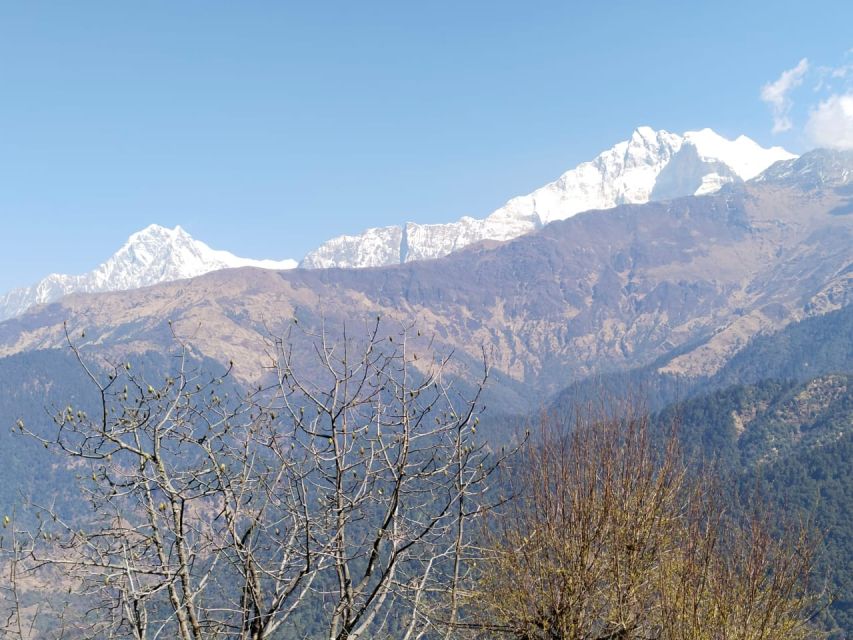
Poon Hill is the headline attraction, and rightly so. The viewpoint gives you the chance to see the Annapurna Range in one broad display, especially when the sunrise weather cooperates. The early start is not a minor detail. You climb in the dark or near-dark so you can be at the top for the changing light.
The forests provide a different kind of pleasure. The route passes through lower Himalayan woodland, so the trek is not only about distant white peaks. You get stretches of shaded walking, changing plant life, and a more enclosed feeling before the route opens around villages and viewpoints.
The villages make the trek feel grounded. Ghorepani and Tadapani serve as overnight stops, while Ghandruk gives you a stronger cultural focus. The Gurung architecture and mountain adaptation described for Ghandruk are worth paying attention to, especially if you prefer meeting places and communities rather than collecting viewpoints.
Jhinu adds a simple, physical pleasure. A hot-water bath on a mountain route is memorable because it interrupts the normal rhythm of walking, eating, sleeping, and walking again. It also gives you a reason to value the route as a whole, rather than treating Poon Hill as the only worthwhile stop.
Guide support and communication
A licensed English-speaking guide is included, along with the guide’s expenses. That matters on a route with changing road conditions, weather concerns, and several trail sections. Your guide can also help you keep to the schedule and manage the transition between transport and walking.
The experience can depend heavily on the individual guide. Gobinda was praised for being kind, helpful, and good at making the trek comfortable. Another guide, Muku, was described as good overall, though the handling of weather forecasts and route communication could have been stronger.
I would contact the provider before the trek and ask three direct questions:
- Is the road still open to the planned starting point near Ulleri?
- Has the walking schedule changed because of landslides or trail conditions?
- How will the guide handle a poor sunrise forecast?
The provider is Fewa Trail Treks and Expedition Pvt Ltd. Communication has been quick and efficient in at least one booking, but quick replies are not enough if major route changes are not explained clearly. Ask for the current plan in writing, especially if Poon Hill sunrise is your main goal.
What the $287 price includes, and what it does not
At $287 per person, the trip is priced as a guided package rather than a bare trail arrangement. You receive private hotel pickup and drop-off in a car or jeep, necessary permits, accommodation in tea houses or guest houses, a licensed English-speaking guide, and guide expenses.
The key omission is food and drinks. Four days of trekking means you should plan for meals, snacks, and beverages as separate expenses. The exact food prices are not provided, so do not assume the $287 covers a full daily meal plan.
The package has good value for a first Himalayan trek if you want transport, permits, lodging, and a guide organized in advance. It has less value if you already know the route, prefer independent hiking, or want complete control over the pace and overnight stops.
The private vehicle is another useful part of the deal. It avoids the uncertainty of arranging trailhead transport yourself, though a private car cannot overcome a road damaged by a landslide. That is why current conditions matter more than the advertised schedule.
Who should choose this Poon Hill route?
I would recommend this trek to you if you want:
- A short introduction to the Annapurna region
- A strong sunrise viewpoint as the main goal
- A guided trip with permits and transport arranged
- Tea-house nights rather than resort-style lodging
- A mix of mountain views, forests, villages, and hot springs
- A four-day schedule starting and ending in Pokhara
You should think twice if you need a relaxed pace. Several days involve five to seven hours of walking, and Day 3 may reach seven hours even after the hot-spring stop. You should also reconsider if you have mobility limitations, are pregnant, or want guaranteed access to every listed stop.
The route is also less suitable if you dislike schedule changes. Nepal’s mountain roads and trails can be affected by landslides and weather, and one recent itinerary had to be adjusted. The provider should communicate those changes better, but you still need to accept some uncertainty.
Should you book it?
Book this trek if Poon Hill sunrise is your priority and you want a compact, guided route from Pokhara with the added rewards of Jhinu’s hot springs and Ghandruk’s Gurung village setting. The strong points are clear: beautiful mountain views, a kind and helpful guide when the match is right, private transport, and a route that offers more than one attraction.
Before paying, confirm the current starting point, road condition, walking times, guide assignment, and food arrangements. If the provider gives clear answers and you are comfortable with long walking days, $287 is a sensible price for a four-day introduction to the Annapurna region. If you need a fixed schedule or a slower trek, look for a more flexible private itinerary.
FAQ
How long is the trek?
The activity lasts four days. Planned walking times are about five hours on Day 1, six hours on Day 2, six to seven hours on Day 3, and an unspecified walking time on Day 4.
Where does the trek start?
The guide collects you from your hotel in Pokhara, and private transport takes you toward Ulleri before the hike to Ghorepani.
Where does the trek finish?
You walk to Nayapul on Day 4. From there, private transport takes you back to your hotel in Pokhara.
Is hotel pickup included?
Yes. Hotel pickup and drop-off in a private car or jeep are included.
Is accommodation included?
Yes. Overnight stays in tea houses or guest houses are included.
Are meals and drinks included?
No. Food and drinks are not included, but they are available for purchase.
Is a guide included?
Yes. A licensed English-speaking guide is included, as are the guide’s expenses.
Do I need to provide passport details?
Yes. You must provide passport details at least 24 hours before the tour so permits and other arrangements can be prepared. A passport copy is accepted for bringing with you.
Can I cancel for a full refund?
Yes. You can cancel up to 24 hours in advance for a full refund. You can also reserve now and pay later, according to the booking terms provided.
New in the Pokhara listings
- Pokhara: Pokhara Highlights Tour by Bus★ 3.6 · 10 reviews
- Discover Pokhara in Style: Private Vehicle Service with Driver★ 5.0 · 5 reviews
- Multi-Day Tour from Pokhara, Poon Hill and Mulde Trek★ 5.0 · 1 review
- Pokhara in 5 Hours: Lake, Museum, Cave, Falls & Pagoda Hill★ 4.5 · 16 reviews
- Private 4 Day Poon Hill Trek from Pokhara★ 5.0 · 16 reviews
- 4 Day Mardi Himal Base Camp Trek from Pokhara★ 5.0 · 18 reviews
- From Pokhara Full Day Entire Pokhara Tour with Guide★ 5.0 · 1 review
- Things to do at Pokhara World Peace Stupa tour with Guide★ 5.0 · 2 reviews
Poon Hill Treks, compared.
4-Day Ghorepani, Poonhill & Ghandruk Mountain Trek
Read our review →
Browse the lists this tour appears in