
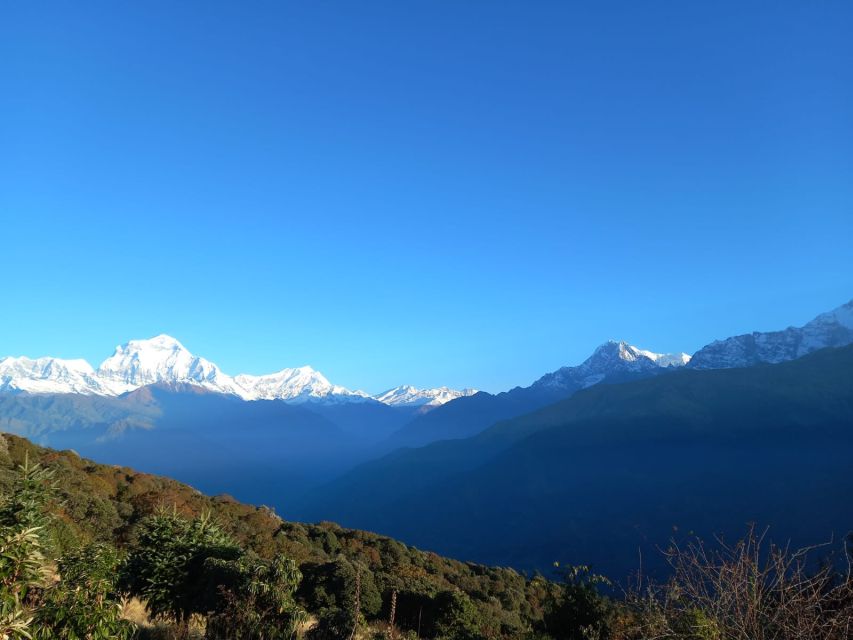
REVIEW · AUSTRALIAN CAMP AND DHAMPUS TREKS
From Pokhara: Australian Camp & Dhampus 1, or 2-Day Trek
Big views arrive sooner than expected. This short trek from Pokhara reaches Australian Camp at 2,060 meters, where you can look across a broad sweep of the Annapurna range without committing to a long mountain journey. I especially like the excellent effort-to-view ratio and the chance to walk through Gurung villages instead of staying only on a lookout platform.
The 2-day version adds the best hours of the mountain day: sunset, a night in a lodge, and sunrise. I also like that the trip works well for beginners, families, and photographers. The main consideration is that the mountain accommodation is basic. One guest found the room perfectly adequate but noted there were no towels or toilet paper, so pack those small comforts yourself.
In This Review
- Key points before you choose
- Why this short trek works from Pokhara
- The 1-day route from Kande to Phedi
- The 2-day version and its better mountain hours
- Dhampus, Pothana, and the human side of the route
- What the walking feels like at 2,060 meters
- The guides make a practical difference
- Equipment, meals, and what to pack
- Value, flexibility, and the small compromises
- Should you book the Australian Camp trek?
- FAQ
- How long is the Australian Camp and Dhampus trek?
- Where does the 1-day trek begin?
- Where does the 2-day trek begin and finish?
- How high is Australian Camp?
- Is accommodation included on the 2-day option?
- Are meals included?
- What should I bring?
Key points before you choose
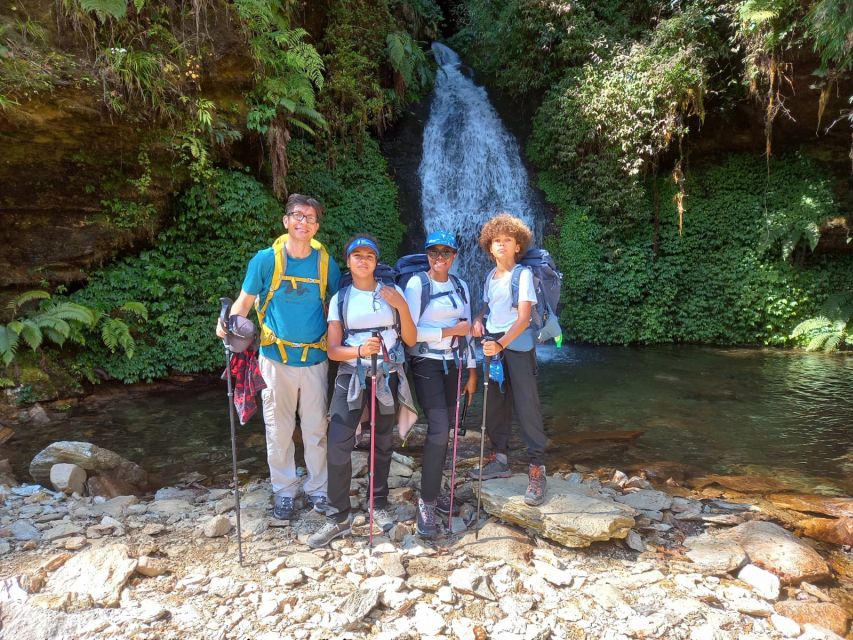
- Australian Camp reaches 2,060 meters: The grassy viewpoint gives you wide views toward Annapurna South, Hiunchuli, and Machhapuchhre, also called Fishtail.
- The 1-day route is an efficient circuit: You climb from Kande, pass Australian Camp, descend through Dhampus and Pothana, then return via Phedi.
- The 2-day option gives you the finest light: Sunset and sunrise are the real prize, though clear mountain views always depend on weather.
- Gurung village life is part of the walk: Dhampus brings slate-roofed houses, terraced fields, and a closer look at hillside life.
- Guides receive the strongest praise: Raju, Prakash, and Pratip are each described as friendly, attentive, and helpful with questions, photos, and family support.
- Pack for simple lodge conditions: Bring hiking shoes, a camera, and your passport, plus personal snacks, toilet paper, and a towel for the overnight option.
Why this short trek works from Pokhara
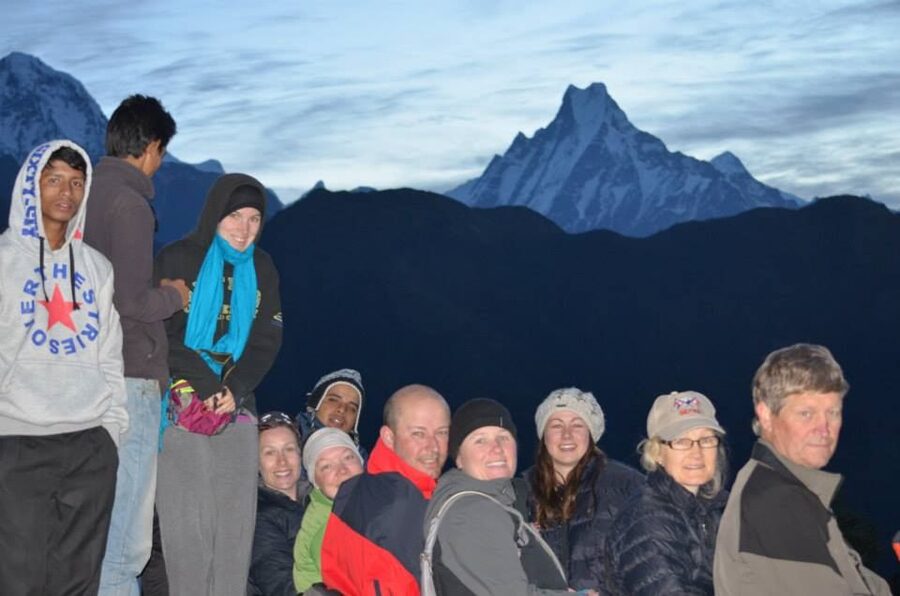
Pokhara is famous for its lake, cafés, and easygoing streets. Australian Camp and Dhampus let you trade that comfort for forest paths and mountain air without spending a week on a remote route.
The appeal is simple. You get a real Himalayan walking experience, not just a drive to a viewpoint. The route passes through villages and fields, and the walking is moderate rather than extreme. That makes it a useful first taste of trekking for anyone who wants scenery and local life but does not have the time, fitness, or interest for a longer Annapurna route.
I would call it a high-reward outing. The climb still requires effort, especially on steps, but the distance is manageable. One solo walker described the ascent as easy with plenty of stairs, taking about an hour, while the supplied timing allows roughly two hours from Kande to Australian Camp. Your pace, breaks, and exact route can change the total.
The private group format is another advantage. You are not tied to the speed of a large party, and a guide can adjust the day around your energy, children, and photo stops. The activity is offered with an English-speaking guide.
More short treks to Australian Camp and Dhampus:
- 2-Day Private Trekking Tour to Australian Camp & Dhampus
★ 5.0 · 42 reviews - 1-Day Private Dhampus Trekking Tour
★ 5.0 · 35 reviews - Pokhara: Easy Day Hike to Australian Camp & Dhampus Village
★ 5.0 · 24 reviews
The 1-day route from Kande to Phedi
The express option begins with hotel pickup in Pokhara at about 8:00 a.m. A private vehicle takes you toward Kande, the higher trailhead for the climb. The stated schedule puts you on the path around 9:00 a.m.
This route is designed to give you the view first. From Kande, you climb for about two hours through forest toward Australian Camp. The trail includes stairs, so do not mistake the short duration for a completely flat stroll. Hiking shoes will help, particularly on uneven or damp sections.
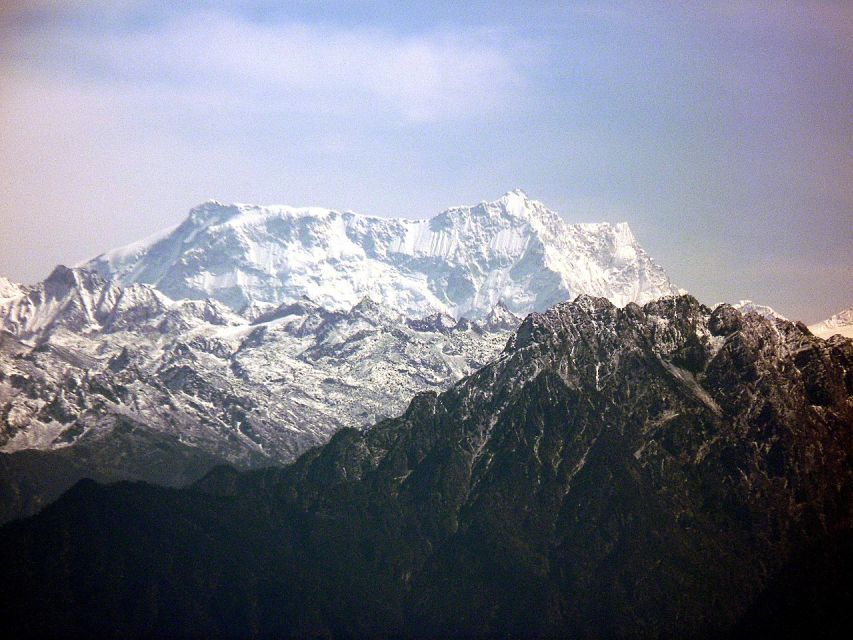
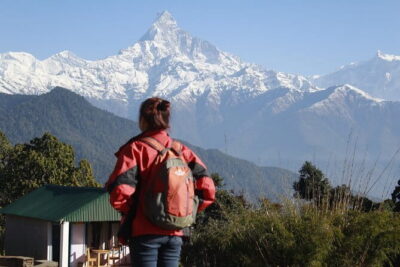
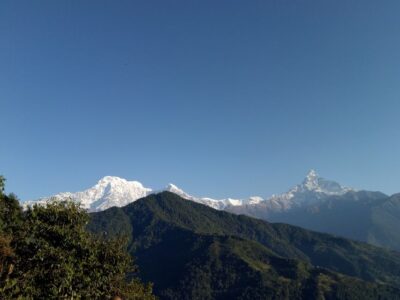
Australian Camp sits at 2,060 meters on a wide grassy plateau. The attraction is the open view, with a 180-degree sweep toward Annapurna South, Hiunchuli, and Machhapuchhre. On a clear day, Fishtail gives the scene its sharpest focal point. The open grass also makes this a good place to slow down, eat, and take photographs rather than rush through.
Lunch is planned for around 11:30 a.m. The meal is included for the 1-day option, but drinks and extra snacks are not. If you like tea, chocolate, or fruit during a walk, bring some from Pokhara or plan to buy them separately.
After the viewpoint, the trail descends toward Dhampus Village. This changes the character of the outing. Australian Camp is about the view; Dhampus is about the people, homes, fields, and daily rhythm of the hills. The village is known for traditional Gurung settlement patterns, slate-roofed houses, and terraced farmland.
You may also stop in Pothana for warm Himalayan tea. That small pause matters. It breaks up the descent and gives you a chance to sit in a village setting rather than treating the route as a race between trailheads.
The final walk goes down to Phedi, where the vehicle returns you to Pokhara. The schedule places arrival at your hotel in the late afternoon, with drop-off around 4:15 p.m. Allow some flexibility, since walking speed and road conditions can affect the timing.
The 1-day route is the better choice if you want a mountain outing during a tight Pokhara schedule. Its weakness is obvious: you pass through the area during daylight but do not get the overnight atmosphere, sunset, or sunrise.
The 2-day version and its better mountain hours
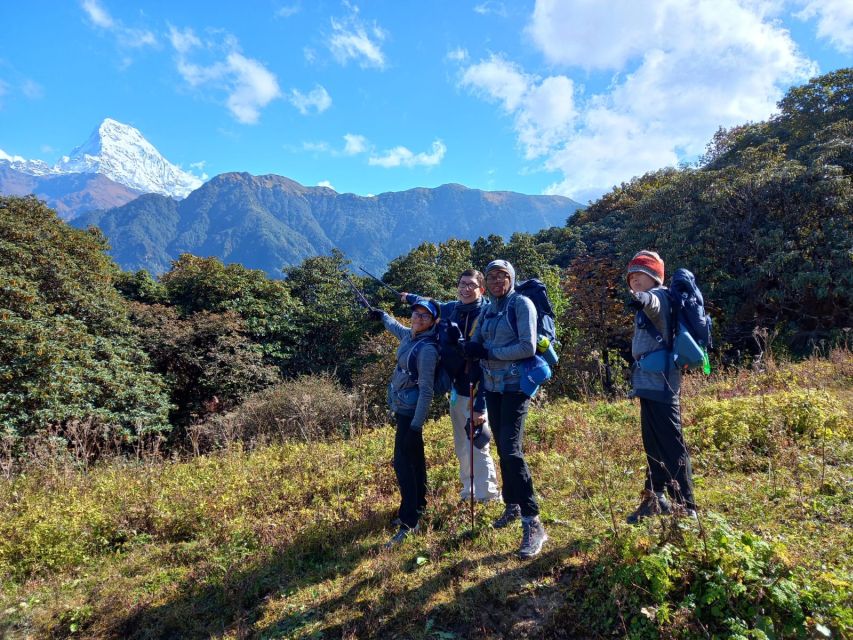
The overnight trip starts from Pokhara at about 8:00 a.m., with a drive to Phedi. Here the walking direction changes. You climb through Dhampus first, continue through forest and hillside paths, and finish at Australian Camp.
This arrangement may feel more natural if you prefer to walk uphill at a steady pace rather than make the main climb immediately from Kande. Dhampus gives you an early cultural stop, while the final approach to Australian Camp brings the open mountain views.
The lodge at Australian Camp includes a private bathroom, but you should expect simple mountain accommodation rather than hotel comfort. One person found the room basic but entirely sufficient. There were no towels or toilet paper, so add both to your daypack. The package provides a sleeping bag if needed, along with a down jacket and trekking poles for borrowing.
Dinner is included on the overnight plan. You also receive breakfast and two lunches. Hot, cold, and alcoholic drinks cost extra, as do personal snacks. Food at the accommodation earned praise, including from a family with children aged eight and twelve, who found the meals delicious.
The evening is the reason to choose this version. As the sun drops, the Annapurna range can take on warm golden color. The exact show depends on cloud and visibility, but the schedule is built around giving you time to watch it rather than leaving immediately after lunch.
The following morning begins early for sunrise. The advertised plan has you wake in time to watch the light reach the mountains, then descend slowly to Kande. Sunrise cannot be guaranteed. A family had a good time but did not see it, showing the practical truth of mountain weather: the experience can still be worthwhile when clouds hide the main event.
After the descent, you drive back to Pokhara, with hotel drop-off planned around 1:00 p.m. The overnight option therefore gives you a complete mountain evening and morning while still leaving much of the second day free.
Dhampus, Pothana, and the human side of the route
It would be easy to focus only on Australian Camp’s panorama. That would miss half the charm.
Dhampus is a traditional Gurung settlement, and the route lets you see more than a polished viewpoint. You pass slate-roofed homes and terraced fields, with the trail running through a lived-in hillside environment. The supplied description also points to local stories connected with British Gurkha soldiers, an important part of Gurung identity and Nepal’s wider military history.
The village sections add meaning to the walk. You can see how farming fits into steep terrain and how homes sit along routes that have long connected hill communities. The guide is useful here, especially if you want context rather than simply walking past houses.
Pothana offers a smaller pause, with the chance for warm tea during the 1-day descent. It is a practical stop as well as a pleasant one. By that point, your legs may appreciate a chair more than another photograph.
If you are choosing between the two options for cultural reasons, the 2-day route passes through Dhampus on the way up. The 1-day circuit gives you Dhampus and Pothana on the way down. Neither is a full village study, but both provide more local contact than a drive-and-view excursion.
More walking in the hills of Pokhara:
- Poon hill Trek 3 days
★ 5.0 · 176 reviews - Trekking in Annapurna/Langtang/Everest/Upper Mustang regions
★ 5.0 · 161 reviews - Pokhara: 4-Day Ghorepani, Poonhill & Ghandruk Mountain Trek
★ 5.0 · 132 reviews - Ghorepani – Poon Hill Trek 3N-4D
★ 5.0 · 125 reviews
What the walking feels like at 2,060 meters
The trek is described as moderate, with stairs and steady uphill sections. You do not need weeks of trekking experience, but you do need comfortable shoes and a willingness to climb.
The elevation of Australian Camp is high enough to create a proper mountain setting, yet the route is short enough for many beginners. One beginner credited guide Raju with keeping motivation high throughout the walk. That points to an important benefit of a private guide: encouragement can make a bigger difference than technical trail skills on a short trek.
Families can also consider it. A guide helped a family with children aged eight and twelve, and the children enjoyed both the walking and the teaching along the route. Still, children’s stamina varies, so the private format is useful because your group can take breaks as needed.
A camera is worth bringing. Australian Camp offers broad views, while Dhampus and the forest provide different subjects. The best light is usually the reason people choose the 2-day version, but even the 1-day plan gives you a useful mid-morning and midday photography window.
The guides make a practical difference
The guide quality is the most consistently praised part of this experience. Raju was described as providing excellent service, answering questions, and helping a reluctant beginner stay motivated. Prakash was praised for being friendly, attentive, taking photos, and keeping a close eye on a solo walker. Pratip was described as friendly and well prepared for an overnight trek.
Those details matter because this is not a technical expedition. You are paying for a guide who can set a sensible pace, explain village life, help with route decisions, and make the day feel relaxed rather than rushed.
The tour is private, so you can ask questions without worrying about holding up strangers. If you are traveling with children, have limited hiking experience, or want photographs of yourself along the trail, that flexibility has real value.
Hotel pickup and drop-off are included, as are private vehicle transfers. Wait in your hotel lobby or at the entrance to your apartment five minutes before the agreed pickup time. You will need your passport, even though this is a short trek, because the package includes the necessary paperwork and permits.
Equipment, meals, and what to pack
The package includes water purification tablets as needed. You can also borrow a down jacket, trekking poles, and a sleeping bag. A duffel bag is included if you choose the porter option, but a porter is an add-on rather than part of the standard package.
For the 1-day trip, you receive one lunch. For the 2-day trip, full-board meals cover breakfast, two lunches, and dinner. Drinks are separate, including alcoholic drinks, and extra snacks are not included.
Bring:
- Hiking shoes with a good sole
- Camera and spare battery if available
- Passport
- Small personal snacks
- Toilet paper and a towel for the overnight stay
- Light layers for changing mountain temperatures
Oversize luggage, alcohol, and drugs are not allowed. Leave large bags at your Pokhara hotel if possible. The trek is short, so you do not need to carry your full travel kit.
The accommodation is private-bathroom lodging, but do not expect a polished resort. The absence of basic supplies in one room is a useful warning, not a reason to reject the trip. Pack your own toiletries and treat the lodge as a clean, simple place to sleep between sunset and sunrise.
Value, flexibility, and the small compromises
No price is provided here, so I cannot judge the exact cost against competing trips. I can judge the package structure. It combines transport, a private guide, permits, taxes, meals, and, for the overnight plan, accommodation and borrowed equipment.
That makes the value strongest for visitors who would otherwise need to arrange each piece separately. The private vehicle is especially useful from Pokhara, where trailheads are close enough for a day trip but not necessarily convenient to reach by public transport with hiking gear.
The overnight option costs you an extra day, but it buys the most memorable hours. If the sky is clear, sunset and sunrise can be worth far more than another rushed viewpoint stop. If your schedule is tight, the 1-day route still delivers the main panorama and village walking.
There is also some booking flexibility. You can cancel up to 24 hours ahead for a full refund, and you can reserve now and pay later. Check the available starting time when booking, since the activity runs for either one or two days.
Should you book the Australian Camp trek?
Book it if you want a short, guided Himalayan walk from Pokhara with real village scenery and a strong chance of mountain views. It suits beginners, families, solo walkers who want support, photographers, and anyone with limited time.
Choose the 1-day express if you mainly want Australian Camp and the Annapurna panorama. Choose the 2-day trek if sunset, sunrise, and a quiet mountain night matter to you. I would favor the overnight version for the fuller experience, provided you are comfortable with a simple lodge and uncertain weather.
Skip it if you want a long, remote trek, luxury accommodation, or a guaranteed sunrise. The route is moderate, not effortless, and the views depend on the sky. For most people seeking a manageable first taste of Nepal’s hills, though, this is a sensible package with a rare combination of scenery, culture, and low time commitment.
FAQ
How long is the Australian Camp and Dhampus trek?
You can choose a 1-day express trip lasting about seven hours, or a 2-day trek with one overnight stay at Australian Camp.
Where does the 1-day trek begin?
The 1-day route starts with a drive from Pokhara to Kande. You hike to Australian Camp, descend through Dhampus and Pothana, continue to Phedi, and drive back to Pokhara.
Where does the 2-day trek begin and finish?
The 2-day trek starts at Phedi and goes through Dhampus to Australian Camp. On Day 2, you descend to Kande and drive back to Pokhara.
How high is Australian Camp?
Australian Camp is at 2,060 meters.
Is accommodation included on the 2-day option?
Yes. The overnight plan includes one night in a guest house with a private bathroom. The accommodation is basic, and you should bring personal toiletries, toilet paper, and a towel.
Are meals included?
The 1-day option includes one lunch. The 2-day option includes breakfast, two lunches, and dinner. Hot, cold, and alcoholic drinks, along with extra snacks, are not included.
What should I bring?
Bring a camera, hiking shoes, and your passport. For the overnight trip, personal toiletries, toilet paper, and a towel are also useful. Oversize luggage, alcohol, and drugs are not allowed.
New in the Pokhara listings
- Pokhara: Pokhara Highlights Tour by Bus★ 3.6 · 10 reviews
- Discover Pokhara in Style: Private Vehicle Service with Driver★ 5.0 · 5 reviews
- Private 4 Day Poon Hill Trek from Pokhara★ 5.0 · 16 reviews
- Multi-Day Tour from Pokhara, Poon Hill and Mulde Trek★ 5.0 · 1 review
- Pokhara in 5 Hours: Lake, Museum, Cave, Falls & Pagoda Hill★ 4.5 · 16 reviews
- 4 Day Mardi Himal Base Camp Trek from Pokhara★ 5.0 · 18 reviews
- From Pokhara Full Day Entire Pokhara Tour with Guide★ 5.0 · 1 review
- Ultralight Flight: Into The Heart Of The Mountains (90 min)★ 5.0 · 1 review
Australian Camp and Dhampus Treks, compared.
2-Day Private Trekking Tour to Australian Camp & Dhampus
Read our review →
1-Day Scenic Australian Camp & Dhampus Guided Hike
Read our review →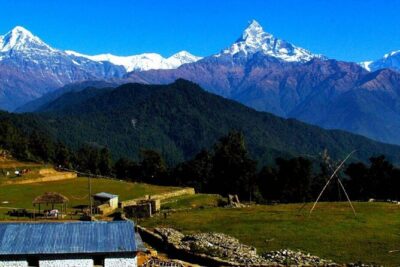
Easy Day Hike to Australian Camp & Dhampus Village
Read our review →
Easy Day Hiking to Australian Camp from Pokhara
Read our review →
1 N 2 Days easy Dhampus,Australian camp trek from Pokhara
Read our review →Browse the lists this tour appears in