
REVIEW · LUMBINI TOURS
Lumbini: Guided Day Tour to Buddha’s Birthplace
Sacred places do not need much noise. This private Lumbini tour takes you to Buddha’s birthplace, the Maya Devi Temple, Ashoka’s Pillar, the Lumbini Museum, and the monastic zones with an English, Hindi, or Nepali-speaking guide. I like the private format, which gives you room to ask questions and set a comfortable pace, and I like the air-conditioned transport, since Lumbini’s sites are spread across a large area. The main point to check is the timing: the activity is described as five hours, while the sightseeing schedule lists about five and a half hours.
The guide is the heart of this experience. One guide described by a guest took time to explain the sights and welcomed questions, while the driver helped move the group from one monastic pavilion to another. That matters here. Without transport, the complex can feel scattered, and you could spend more time finding the next stop than understanding the place. At $50 per person, the tour offers solid value for visitors who want context, private transport, and a focused visit, though entrance fees, meals, and personal purchases cost extra.
In This Review
- Key points to know before you book
- Why Lumbini deserves a full morning
- Maya Devi Temple and the sacred pond
- Ashoka’s Pillar and the oldest visible marker
- Walking through the Sacred Garden
- The Lumbini Museum puts the site in context
- The monastic zones and global Buddhist traditions
- Meditation, quiet moments, and shopping
- Is $50 per person good value?
- Who will enjoy this Lumbini tour most?
- Booking advice and final verdict
- FAQ
- How long does the Lumbini guided tour last?
- What language can the guide speak?
- Is this a private group tour?
- What sites are included in the visit?
- Is transportation included?
- Can I be picked up outside the Lumbini area?
- Are entrance fees included?
- Are meals and drinks included?
- What should I bring?
Key points to know before you book
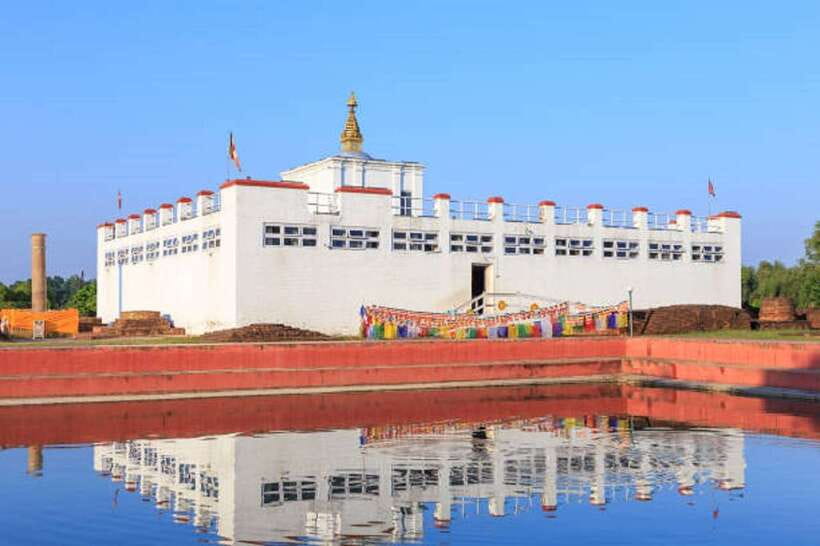
- Maya Devi Temple marks Buddha’s traditional birthplace, with a sacred pond and important archaeological remains nearby.
- Ashoka’s Pillar connects Lumbini to Emperor Ashoka, who erected the marker to identify the birthplace.
- The monastic zones show Buddhism’s international reach, with monasteries and stupas shaped by different Buddhist cultures.
- A private vehicle saves time, especially when moving between separate pavilions and heritage areas.
- The Lumbini Museum adds useful context, with artifacts, sculptures, and scriptures connected to Buddhist history.
- The $50 price excludes entrance fees, meals, and drinks, so keep a little extra money available.
Why Lumbini deserves a full morning
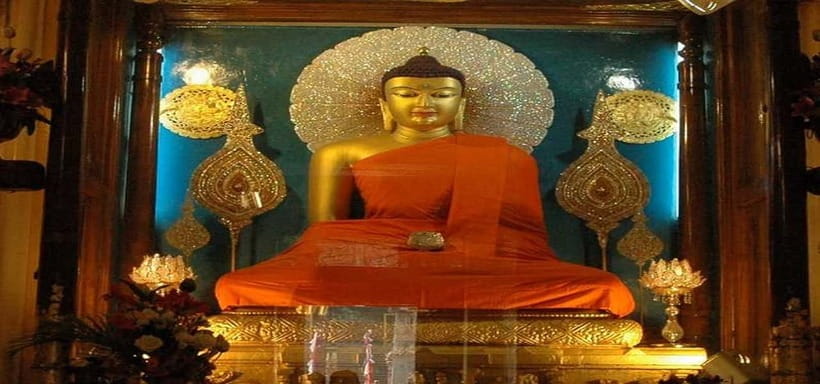
Lumbini is not simply a single temple. It is a large sacred area where archaeology, pilgrimage, meditation, and international Buddhist architecture meet. The birthplace itself is only one part of the visit, and the wider setting helps explain why Lumbini matters to people from many countries and Buddhist traditions.
The tour begins from Siddharthanagar according to the schedule, then takes you toward Lumbini for a guided visit and return journey. The transportation is air-conditioned, and bottled water is provided. Those details may sound ordinary, but they matter in a place where you may be walking between several separate sites.
You should also read the pickup wording carefully before booking. Pickup is included only within the Lumbini, Birthplace of Lord Buddha area. If you are staying beyond that zone, you may need to come to the area near Maya Devi Temple instead. The information also names Siddharthanagar as the pickup and return point, so I would confirm the exact meeting place before paying.
More trips to Lumbini:
- Lumbini Tour Package From Kathmandu or Pokhara: 2 Night 3 Days
★ 4.5 · 14 reviews - Full day Lumbini Tour with Guide
★ 5.0 · 11 reviews - Lumbini Pilgrimage Tour by Flight- 2 Days
★ 5.0 · 7 reviews
Maya Devi Temple and the sacred pond
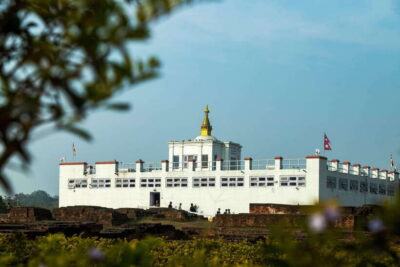
The Maya Devi Temple is the emotional center of the visit. This is the spot traditionally identified as the birthplace of Siddhartha Gautama, who later became known as Gautam Buddha. The temple protects the sacred marker connected with his birth, making this more than a standard sightseeing stop.
Your guide can help you understand what you are seeing rather than leaving you to study the site on your own. That is especially useful here because the significance comes from layers of religious tradition and archaeology, not from a grand exterior alone.
Nearby, the sacred pond adds a quiet pause to the visit. You can take time to look around, listen to the guide, and consider how the site’s meaning has developed over centuries. This is a place for a slower pace. If you rush through it while thinking only about photographs, you will miss much of its power.
The Maya Devi Temple requires an entrance fee, and that fee is not included in the $50 tour price. Bring your passport or an identification card, with a copy accepted according to the activity information. The tour does not state a dress code, opening hours, or photography rules, so ask your guide before taking photographs inside or near sensitive areas.
Ashoka’s Pillar and the oldest visible marker
Ashoka’s Pillar gives the birthplace a strong historical link. Emperor Ashoka erected the pillar to mark Lumbini as Buddha’s birthplace, turning the site into an important place of pilgrimage and public memory.
I would pay close attention during this stop. A large stone column can look simple at first, but its value lies in what it represents: an early effort to identify and honor the location. The guide’s explanation helps connect the physical object with the wider story of Buddhist pilgrimage.
The pillar is also one of the places where a private guide earns his or her fee. You can read about Ashoka beforehand, but a good explanation can make the connection between the ruler, the site, and Buddhist traditions much clearer. One guest described the guide as patient, open to questions, and willing to explain the sights in detail. That kind of teaching is particularly useful at a monument whose importance may not be obvious from a quick glance.
Walking through the Sacred Garden
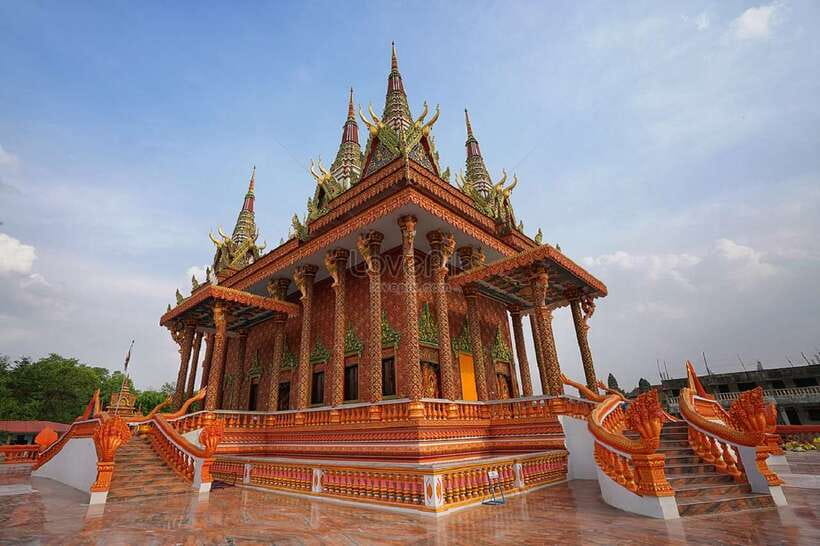
The Sacred Garden gives the tour breathing room between the main historical stops. Here, you can walk among gardens, meditation centers, monastic areas, and stupas. The setting is intended for quiet reflection, not a hurried checklist of attractions.
You may find that the experience changes pace here. The temple and pillar ask you to focus on specific objects and events. The garden gives you space to think about the broader religious meaning of Lumbini.
The tour includes walking and scenic views, but the exact amount of walking is not stated. If you prefer to limit walking, tell the guide at the start. The driver may be able to help with movement between sections, but you should not assume every path or site can be reached by vehicle.
A useful tip is to keep your water close. Bottled water is included, but meals and other drinks are not. Since the total schedule is only about five to five and a half hours, you may not need a full meal during the tour, yet you should plan food around the start and finish.
A short list of alternatives around Pokhara
- ZipFlyer Nepal – The World’s Steepest Zip-line
★ 5.0 · 608 reviews - Bungee Pokhara by HighGround Adventures
★ 5.0 · 366 reviews - From Pokhara: Sarangkot Sunrise Himalayas Tour
★ 4.7 · 218 reviews - ATV Adventure Tour in Pokhara, Nepal
★ 5.0 · 194 reviews
The Lumbini Museum puts the site in context
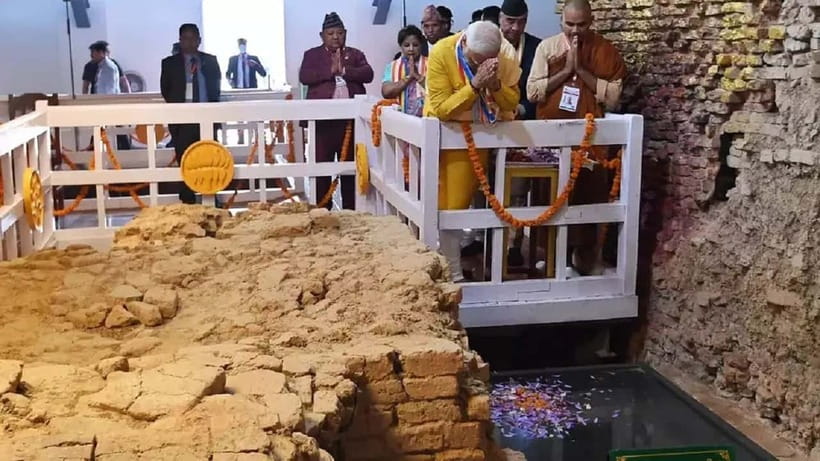
The Lumbini Museum is the indoor stop that helps tie the visit together. Its displays include artifacts, sculptures, and scriptures related to Buddha’s life and the development of Buddhism.
This is valuable because the monastic zones can present a wide range of styles, symbols, and religious practices. Without some background, you might see separate buildings without understanding how they relate to the larger story. The museum gives you a foundation before or after visiting the international monasteries.
The available information does not specify the museum’s entrance fee, opening hours, or the exact length of the visit. Ask your guide how much time is planned there. If you care most about archaeology and historical objects, you may want to protect enough time for the museum rather than treating it as a quick indoor break.
The monastic zones and global Buddhist traditions
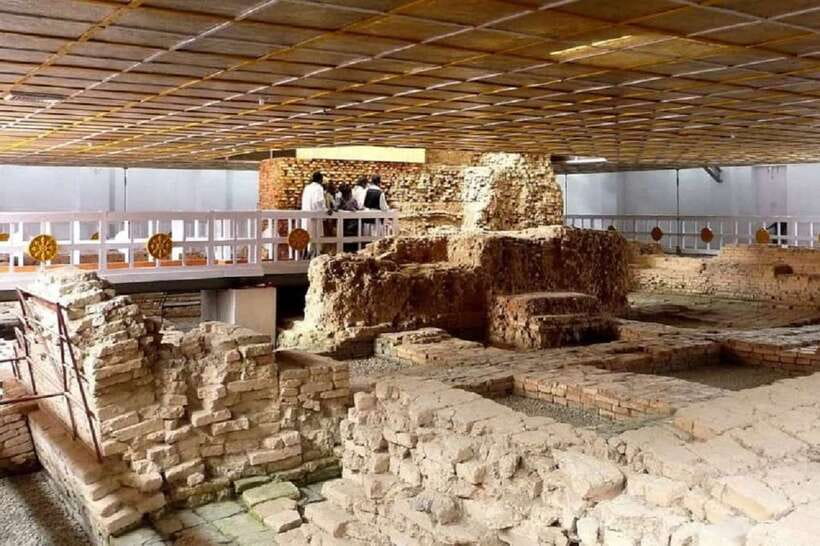
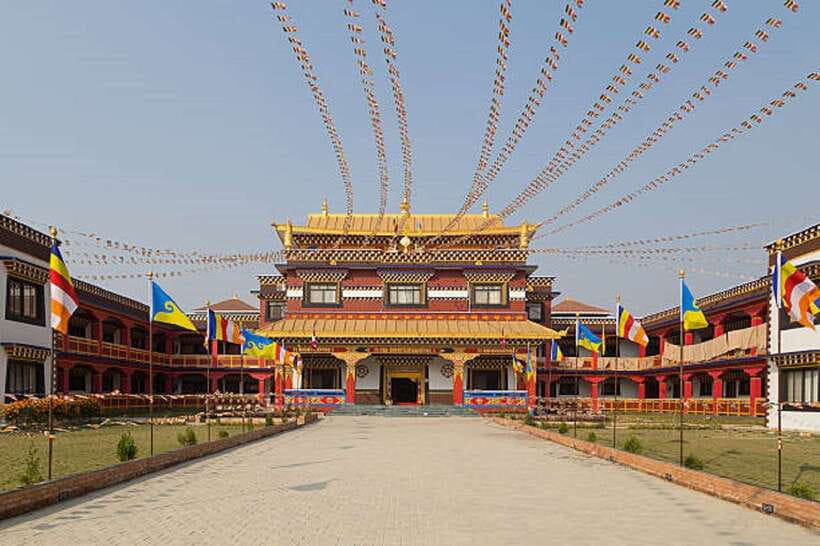
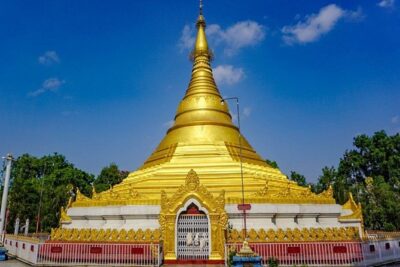
The monastic zones are one of the most distinctive parts of Lumbini. Different Buddhist countries have established monasteries, meditation centers, and stupas here. Their architecture and religious spaces show how Buddhist traditions developed in different regions while remaining linked to the same teacher.
This part of the tour can be visually varied, but the real value is cultural comparison. Your guide can point out differences in architecture, decoration, and practice. You might see why a private tour is useful here: the buildings are not all explained in one central place, and the driver can help you reach several pavilions without losing time.
One guest specifically appreciated being driven from one pavilion to another. Without that help, the monastic zone could take much longer to cover, particularly if you are trying to see several areas within a five-hour visit. The vehicle is not just a comfort. It makes the schedule more realistic.
Do not expect every monastic zone to feel the same. Each has its own character, and the tour description does not promise a fixed list of individual monasteries. The guide will likely shape the route according to the available time, access, and your interests. If you have a particular Buddhist tradition you want to see, ask about it when the tour begins.
Meditation, quiet moments, and shopping
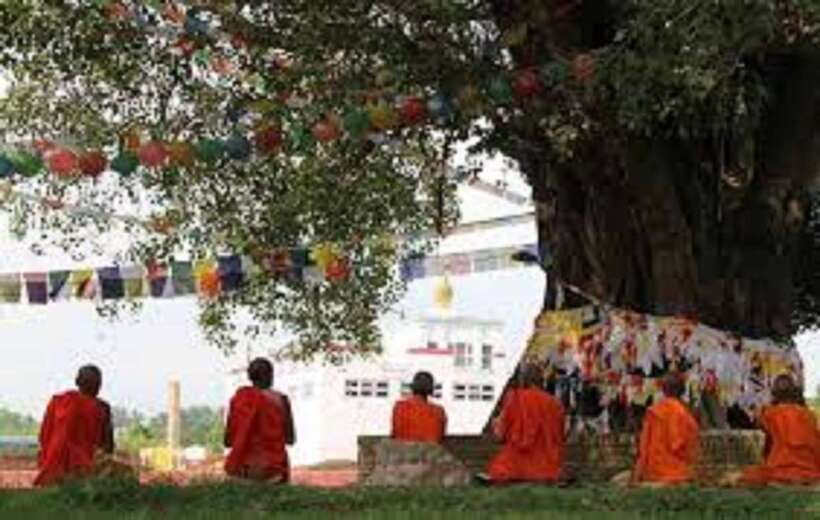
Meditation is part of the tour’s purpose, but the information does not promise a formal meditation session led by the guide. Instead, you can use the Sacred Garden, meditation centers, or quiet areas for personal reflection. If guided meditation matters to you, ask in advance rather than assuming it is included.
The experience also mentions Buddhist treasures for sale. This suggests you may have a chance to shop for religious or cultural souvenirs, though no specific shop, product, or shopping duration is guaranteed. Keep purchases personal and respectful, especially when buying objects connected to Buddhist practice.
I would treat shopping as an optional extra, not a main reason to book. The strongest parts of the tour are the birthplace, the historical monuments, the museum, and the monastic zones. Still, a small purchase can give you a physical reminder of the visit, provided you compare prices and understand what you are buying.
Is $50 per person good value?
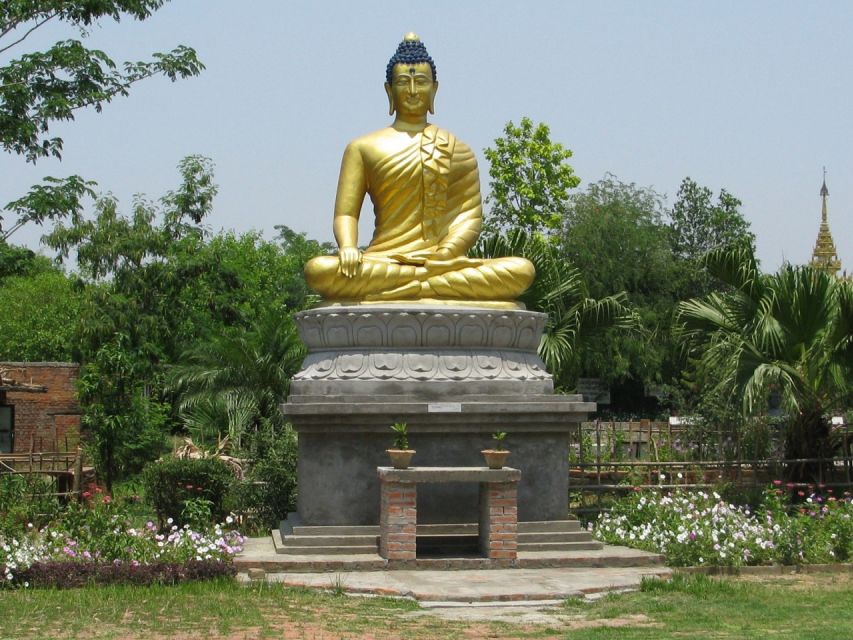
At $50 per person, the tour is reasonably priced for a private visit that includes an expert guide, air-conditioned round-trip transport within the stated pickup area, and bottled water. The value is strongest if you are traveling with family or a small private group and want direct explanations instead of moving between sites on your own.
The guide is the biggest part of the value. A well-prepared guide can explain the birthplace, Ashoka’s Pillar, the museum displays, and the different monastic traditions in a way that turns separate stops into one connected story. The available feedback is especially positive on this point: the guide took time, answered questions, and explained the history clearly.
The price does not cover entrance fees to Maya Devi Temple and key heritage sites. Meals, other beverages, and personal expenses are also extra. Add those costs before deciding how much the tour will actually cost you.
The duration needs a little care. The activity is advertised as five hours, while the route description gives approximately five and a half hours including sightseeing and the return to Siddharthanagar. That difference is not huge, but it matters if you have a bus, train, flight, or another fixed appointment. I would leave extra time after the scheduled return.
Who will enjoy this Lumbini tour most?
I would recommend this tour to you if you want the major Lumbini sites explained in one organized visit. It suits first-time visitors, people interested in Buddhist history, and anyone who prefers private transport over working out the large complex alone.
It is also a good choice if you enjoy asking questions. The guide operates in English, Hindi, or Nepali, and the private format gives you more freedom than a large group tour.
You may want a different plan if you prefer a long, slow meditation retreat, extensive independent walking, or a highly specialized archaeological tour. Five hours is enough for a focused introduction, but it is not designed as a multi-day study of Lumbini.
The tour is also less convenient if you are staying well outside the Lumbini pickup area and expect door-to-door service from Siddharthanagar. Confirm the pickup arrangement first. That simple check can prevent an awkward start.
Booking advice and final verdict
I would book this Lumbini tour if you want a practical introduction with strong guiding, private transportation, and the main sacred and historical stops in one half-day. The best reason to choose it is not the vehicle or the bottled water. It is the chance to have the sites explained by someone who can answer questions and help you understand why each place matters.
The main cautions are straightforward: confirm the exact pickup point, allow for the five to five and a half hour schedule, and budget for entrance fees and food. If those points work for you, $50 per person is fair value for a private visit to one of Nepal’s most important religious sites.
FAQ
How long does the Lumbini guided tour last?
The activity is described as a five-hour tour. The sightseeing schedule lists approximately five and a half hours, including the visit and return to Siddharthanagar, so allow a little extra time.
What language can the guide speak?
The live guide is available in English, Hindi, and Nepali.
Is this a private group tour?
Yes. The tour is offered for a private group.
What sites are included in the visit?
The planned stops include Maya Devi Temple, the sacred pond, Ashoka’s Pillar, the Sacred Garden, the Lumbini Museum, and monastic zones connected with different Buddhist countries.
Is transportation included?
Yes. Comfortable, air-conditioned round-trip transportation is included for pickup locations within the Lumbini, Birthplace of Lord Buddha area.
Can I be picked up outside the Lumbini area?
Pickup is stated as available only within the Lumbini area. If your location is beyond that area, you may need to meet near Maya Devi Temple. Confirm the exact arrangement before booking.
Are entrance fees included?
No. Entrance fees for Maya Devi Temple and key heritage sites are not included in the tour price.
Are meals and drinks included?
No. Meals and beverages are not included. Bottled water is provided throughout the tour.
What should I bring?
Bring a passport or identification card. A copy is accepted according to the tour information.
New in the Pokhara listings
- Pokhara: Pokhara Highlights Tour by Bus★ 3.6 · 10 reviews
- Discover Pokhara in Style: Private Vehicle Service with Driver★ 5.0 · 5 reviews
- Multi-Day Tour from Pokhara, Poon Hill and Mulde Trek★ 5.0 · 1 review
- Pokhara in 5 Hours: Lake, Museum, Cave, Falls & Pagoda Hill★ 4.5 · 16 reviews
- Private 4 Day Poon Hill Trek from Pokhara★ 5.0 · 16 reviews
- 4 Day Mardi Himal Base Camp Trek from Pokhara★ 5.0 · 18 reviews
- From Pokhara Full Day Entire Pokhara Tour with Guide★ 5.0 · 1 review
- Ultralight Flight: Into The Heart Of The Mountains (90 min)★ 5.0 · 1 review
Lumbini Tours, compared.
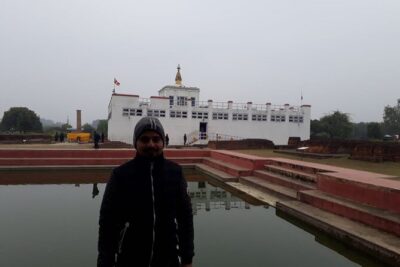
Lumbini Tour Package From Kathmandu or Pokhara: 2 Night 3 Days
Read our review →

5-Day Chitwan Wildlife & Lumbini Pilgrimage Tour
Read our review →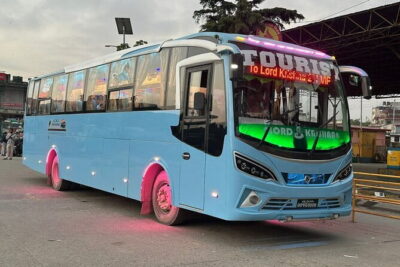
Kathmandu to Lumbini Tourist Bus (VIP Sofa Seater) or Back
Read our review →Browse the lists this tour appears in