
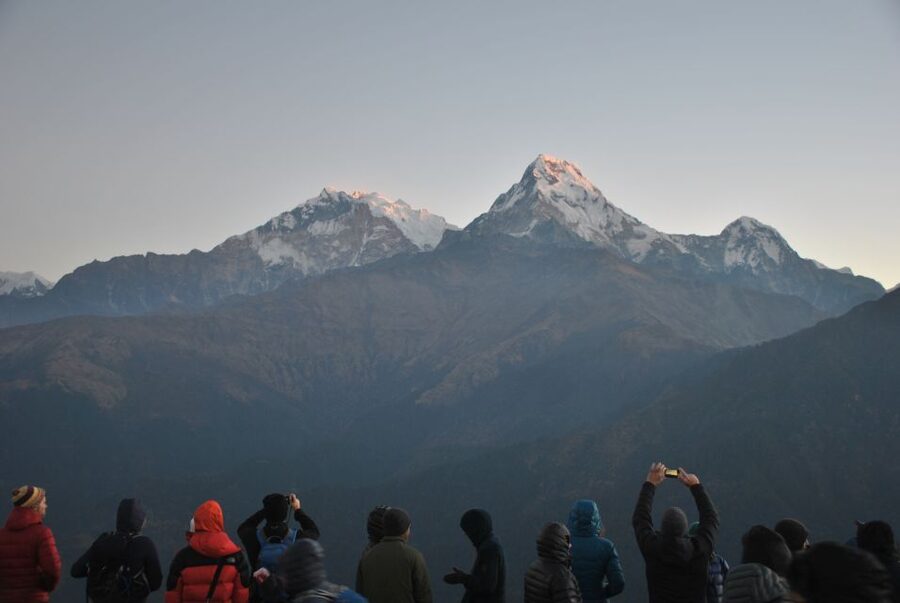
REVIEW · POON HILL TREKS
Pokhara: 3-Day Ghorepani and Poon Hill Trek
The Himalayas begin with a staircase. This three-day trek from Pokhara gives you mountain views without committing to a long expedition, and I like the route’s mix of villages, forests, rivers, and high Himalayan peaks. I also like the personal guiding, with guides such as Keshab, Kaji, and Deep praised for their care and flexibility. The main drawback is the climb: Ulleri’s steep stairway can make the second day hard work.
You’ll sleep in tea houses, walk through rhododendron forests, and rise early for Poon Hill. At $127 per person, the price can be good value if your package includes meals and deluxe transport, but you should check the package level carefully. Porter service, drinks, insurance, bottled or boiled water, and several personal costs are not included.
In This Review
- Key points to know before you book
- What this three-day Himalayan trek really offers
- Day one: Pokhara to Nayapul, then Tikhedhunga
- Day two: the Ulleri stair test and Ghorepani
- Day three: Poon Hill sunrise and the return to Pokhara
- Guides, private groups, and the human side of the walk
- Tea houses, meals, and what you actually pay for
- What to pack for the steps and cold mornings
- Who will enjoy this route most?
- Booking details that affect the decision
- Should you book the Ghorepani and Poon Hill trek?
- FAQ
- How long is the Ghorepani and Poon Hill trek?
- What is the highest altitude listed for the experience?
- Is transport from Pokhara included?
- Are meals included during the trek?
- Is a porter included?
- What languages does the guide speak?
- Is this a private or shared experience?
- Can I cancel the booking?
Key points to know before you book

- Ulleri brings the biggest physical test: The route includes more than 3,000 stone steps, with one booking describing roughly 3,500 stairs on the first full trekking day.
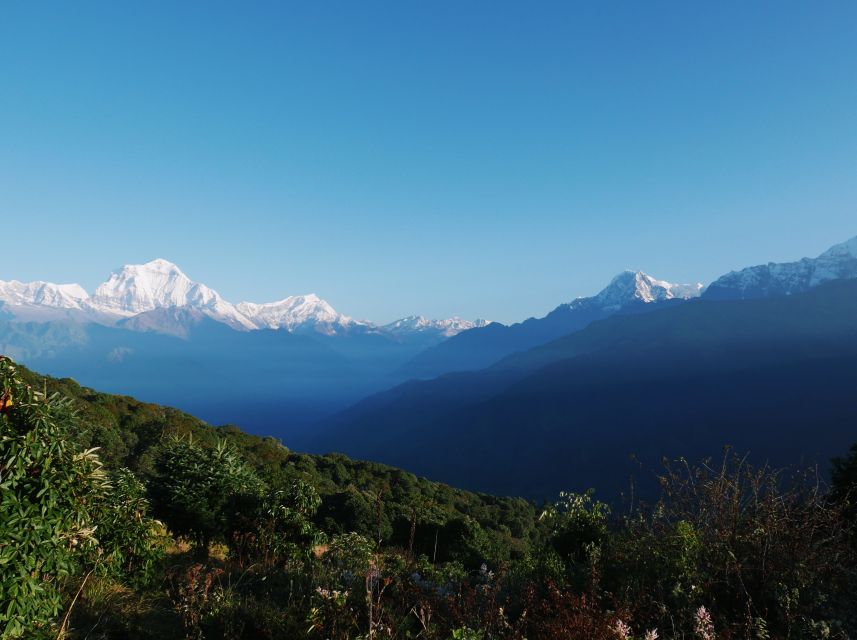
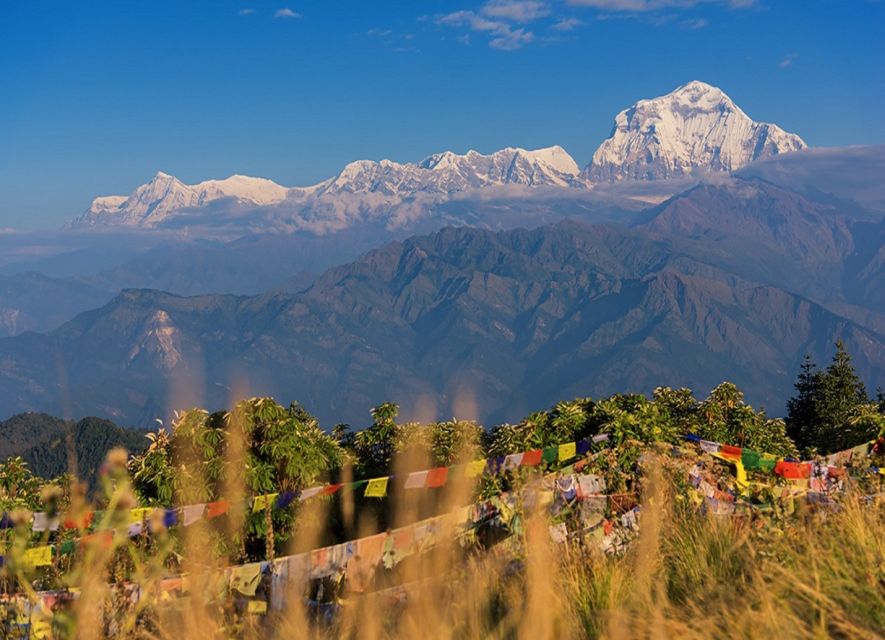
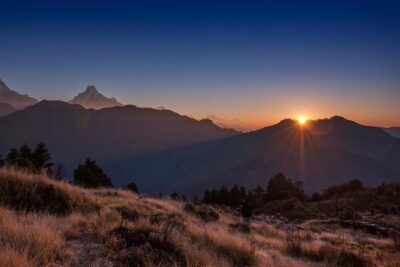
- Poon Hill is the payoff: An early climb brings views toward Dhaulagiri and the Annapurna range as the sun reaches the Himalayan peaks.
- This is a private-group trek: You receive an authorized English-speaking guide, with Hindi and Nepali also available.
- Tea-house nights keep the trip simple: Accommodation is described as clean and comfortable, with hot showers and Wi-Fi reported at some lodges.
- The scenery changes often: You move from the Modi Khola River and villages to forest trails, mountain views, and terraced rural country.
- The package has important limits: Porters, rescue insurance, drinks, water, and personal expenses cost extra.
What this three-day Himalayan trek really offers
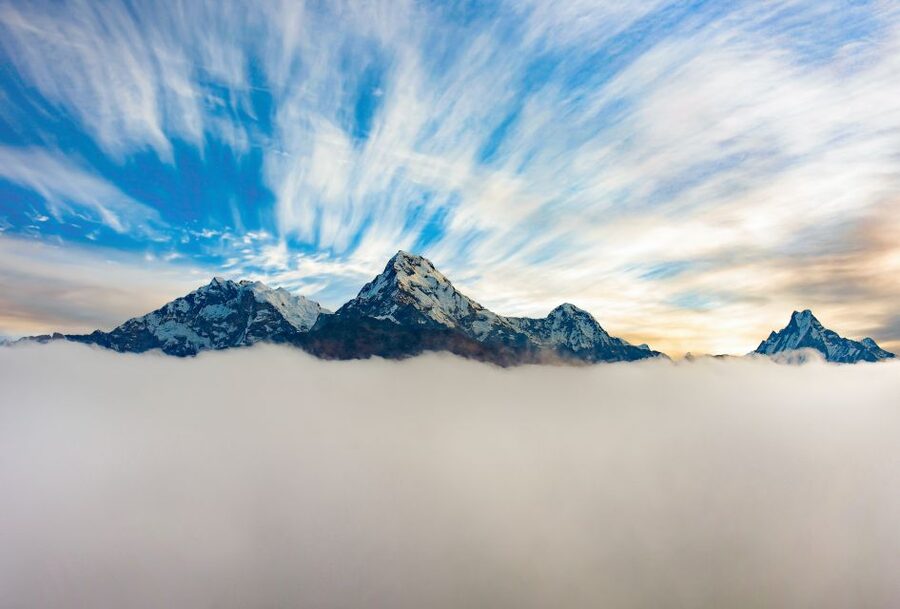
The Ghorepani and Poon Hill route is one of Nepal’s better short treks for you if you want a real mountain walk but have limited time. You leave Pokhara, climb through villages and forest, spend two nights in tea houses, and return to Lakeside on the third day.
The route is not a gentle sightseeing stroll. You need to be comfortable walking uphill for several hours and handling long flights of steps. Still, the three-day format keeps the commitment manageable, and your guide can help control the pace.
I like the balance here. You get high mountain scenery, but you also see the everyday side of the foothills: village paths, working communities, rivers, forest cover, and tea houses where the night is spent. You are not simply driven to a viewpoint and handed a camera opportunity.
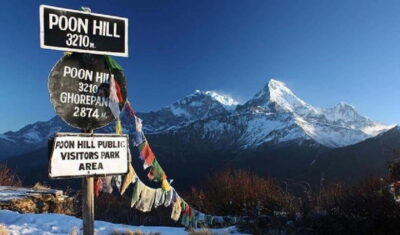
The advertised high point is 3,210 meters above sea level, while the itinerary lists Ghorepani at 2,840 meters and Poon Hill as the sunrise viewpoint. That difference is worth clarifying when you book, especially if altitude concerns you. The trek reaches a serious height, but the schedule is short and the main challenge is likely the steep walking rather than a prolonged stay at altitude.
More Poon Hill treks:
- Poon hill Trek 3 days
★ 5.0 · 176 reviews - Pokhara: 4-Day Ghorepani, Poonhill & Ghandruk Mountain Trek
★ 5.0 · 132 reviews - Ghorepani – Poon Hill Trek 3N-4D
★ 5.0 · 125 reviews
Day one: Pokhara to Nayapul, then Tikhedhunga
Your morning begins with pickup from your hotel in Pokhara. You should wait in the lobby about 10 minutes before the scheduled time. From Pokhara, transport takes you to Nayapul, the starting point for the walk.
The drive gives you a useful transition from lakeside city life to the foothills. From Nayapul, the trail follows the Modi Khola River and passes through small villages. The route then moves through forest, including rhododendrons, which are especially memorable when flowering.
Your destination is Tikhedhunga at about 1,570 meters. You spend the night in a tea house. The accommodation is basic mountain lodging rather than a conventional hotel, although several people found the tea houses clean and comfortable. Hot showers and Wi-Fi were available at some stops, but you should not treat either as guaranteed at every lodge.
The first day is often described as scenic, but do not assume it is effortless. One booking described around 3,500 stairs on the first day, although the itinerary places the major Ulleri climb on day two. The exact stair count may vary with the route and how it is described, but the practical lesson is clear: your legs begin working early.
A guide makes this section easier to manage. Kaji arranged transport from Pokhara and looked after the walking arrangements, while Deep was praised for explaining local plants and trees and teaching a little Nepali. Those details matter because a short trek moves quickly, and a good guide helps you notice more than just the trail under your boots.
Day two: the Ulleri stair test and Ghorepani
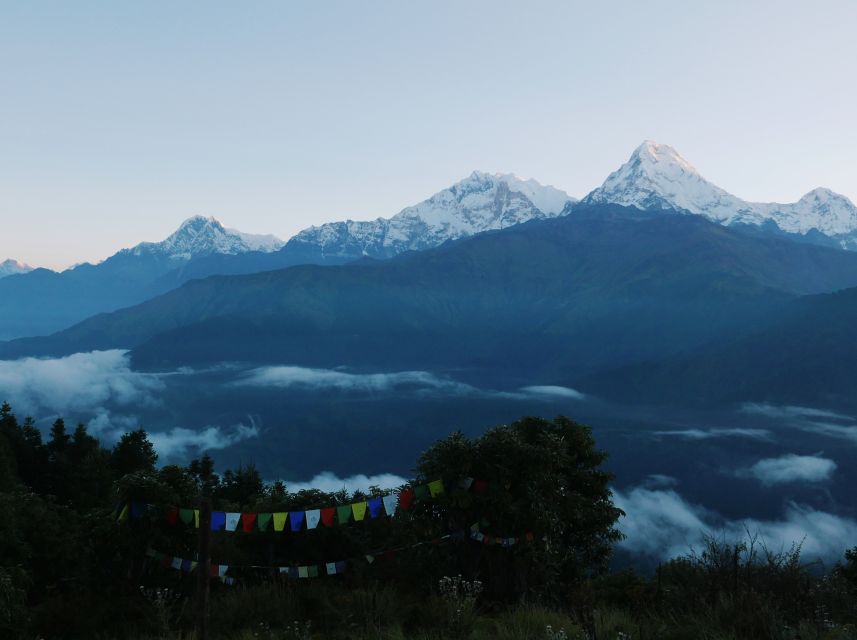
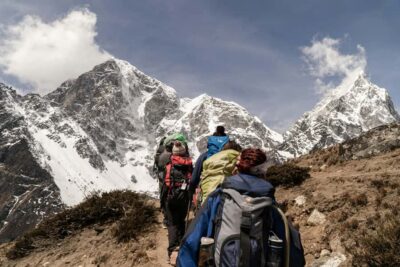
Day two is the hardest part for most people. From Tikhedhunga, you climb toward Ulleri, a steep village section known for its long run of stone steps. The itinerary notes more than 3,000 steps, so you should think of this as a sustained uphill workout, not a short obstacle.
I recommend taking the climb at your own pace. The route allows for rests, and there is no prize for rushing. A guide can set a sensible rhythm, help with water breaks, and make sure you do not burn all your energy before the forest section.
Ulleri is important less as a sightseeing stop than as the point where the trail demands effort. This is where sturdy shoes, a light daypack, and trekking poles can make a real difference. Bring cash, since personal costs in the mountains are not covered, and budget separately for water, showers, charging, and other small needs.
After Ulleri, the trail continues through rhododendron forest toward Ghorepani. The change in scenery helps. Instead of looking at steps for hours, you get trees, mountain air, and sections of forest trail. The route’s appeal comes from this variety. You move through a living rural setting rather than walking on a single bare ridge.
Ghorepani sits at about 2,840 meters in the supplied schedule. You spend the night in another tea house, ready for the early start to Poon Hill. The accommodation is not luxurious, but reports describe the lodges as comfortable enough, with Wi-Fi and hot showers available in some places.
Your evening should be quiet and practical. Prepare warm layers, place your flashlight where you can find it, and keep your camera ready. The Poon Hill climb starts early, so you will not want to search through a large bag in the dark.
Day three: Poon Hill sunrise and the return to Pokhara
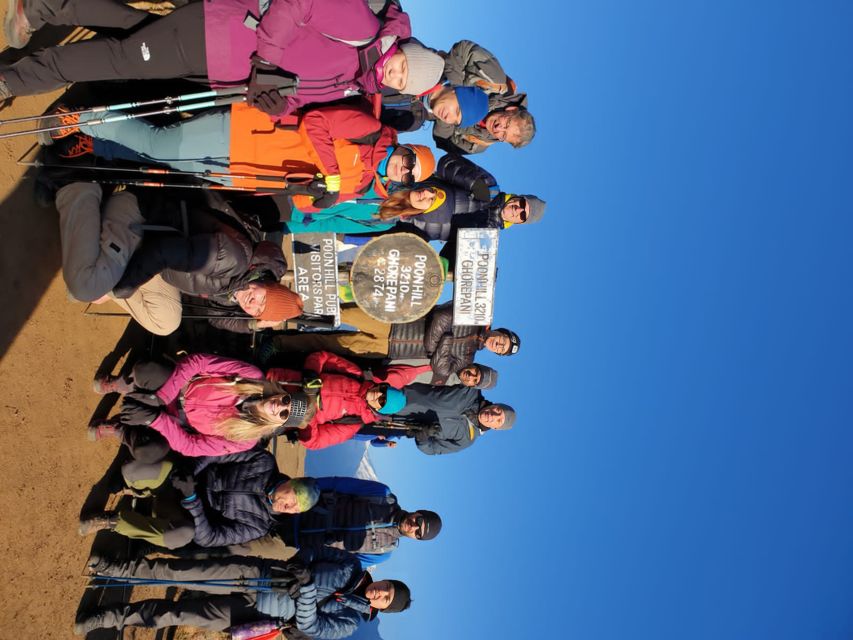
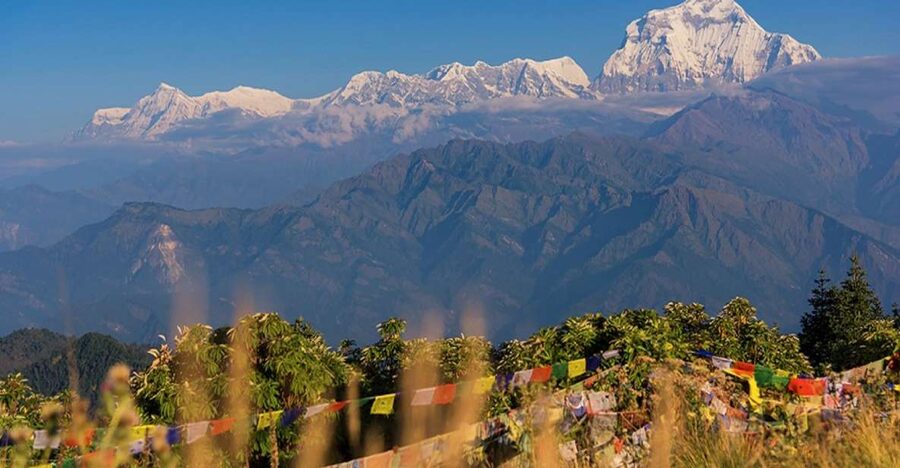
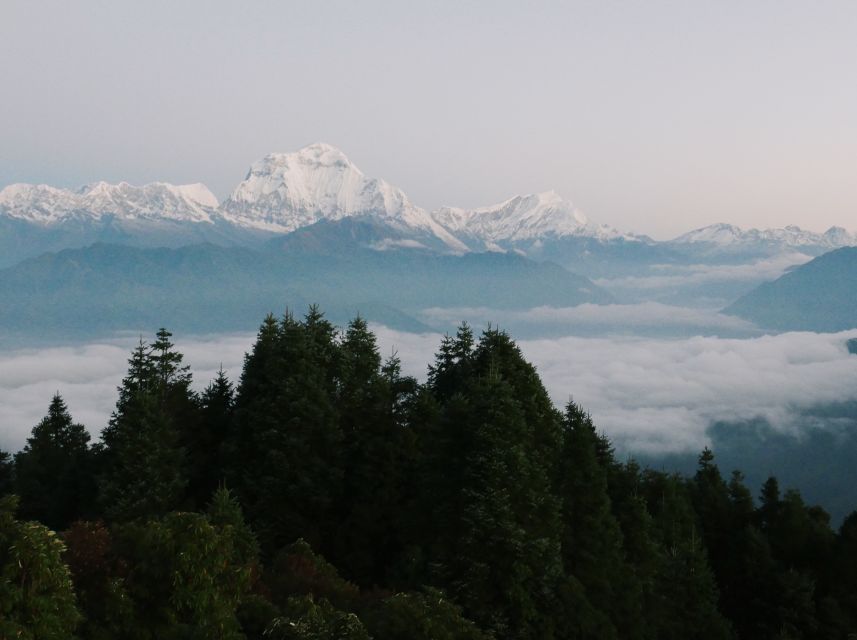
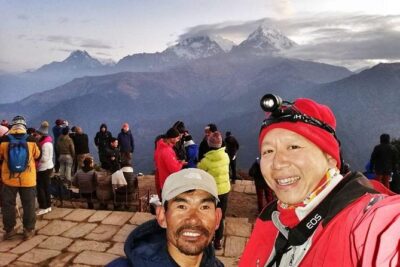
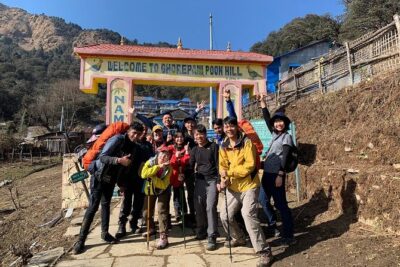
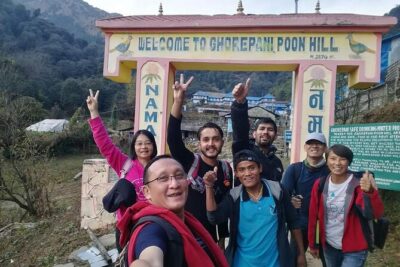
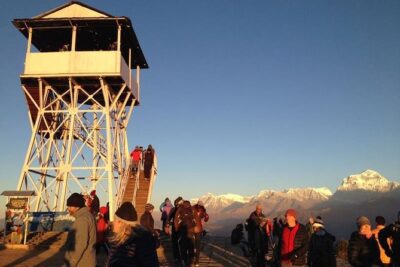
The third day begins with the main highlight: the climb to Poon Hill. You head out early to watch the sun reach the Himalayan peaks, with views toward Dhaulagiri and the Annapurna range.
The attraction is not just one mountain. From the viewpoint, you are looking across a broad sweep of high peaks, with the changing light doing much of the work. Clear weather makes a major difference, so the view is never entirely in your control. That uncertainty is part of mountain travel, but the early start is still worthwhile when conditions cooperate.
The schedule describes a sunrise visit, while one account refers to sunset from Poon Hill. Plan for sunrise because that is the stated program and the reason for the early departure. You should carry a warm jacket, hat, gloves if you have them, and a flashlight. Even if the lower trail feels mild, the viewpoint can feel cold before daylight.
After Poon Hill, you descend toward Ulleri and continue down to Hile. The descent can be hard on your knees, especially after the early climb and the previous day’s steps. Walking poles are useful here, and you should keep your pace controlled rather than trying to finish quickly.
The final section passes through jungle and forest, with views of the Modi River along the way. You then reach Nayapul by Jeep and drive back to your hotel in Lakeside, Pokhara. The trek officially ends when you return to the hotel.
This return is one reason the three-day design works well. You get the high point of the trek early on day three, then spend the rest of the day coming down and returning to Pokhara. It is still a full day, so do not schedule an important evening flight or an ambitious activity immediately afterward.
More walking in the hills of Pokhara:
- Trekking in Annapurna/Langtang/Everest/Upper Mustang regions
★ 5.0 · 161 reviews - Pokhara: Annapurna Foothills Day Hike with Transfers
★ 5.0 · 100 reviews - Kathmandu/Pokhara: 5-Day Annapurna Base Camp (ABC) Trek
★ 4.9 · 72 reviews - From Pokhara: 3-Day Ghorepani Poon Hill Trek with Guide
★ 4.9 · 68 reviews
Guides, private groups, and the human side of the walk
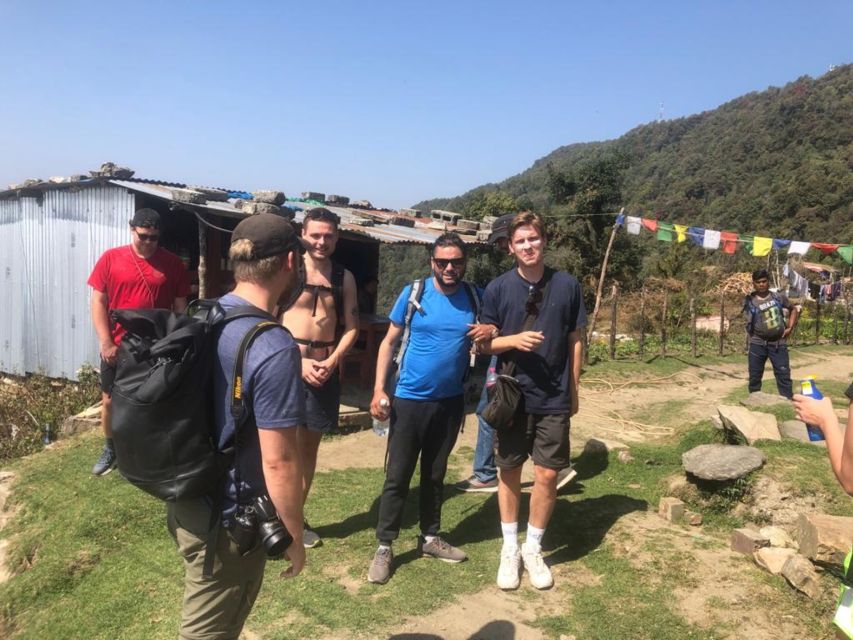
The guide is one of the strongest parts of this experience. The listed service provides an authorized English-speaking guide, and Hindi and Nepali are also available. The group is private, which gives you more room to adjust the pace and timing than a large fixed group usually allows.
The individual names attached to the guiding are useful when setting expectations. Keshab was praised for being helpful and informed. Kaji arranged transport and took care of practical needs. Deep was described as cheerful, caring, and good at explaining plants and trees. Deepist and porter Rom were credited with helping one person complete a demanding trek.
That last point also shows the value of support staff. The package covers staff expenses such as meals, accommodation, salary, equipment, insurance, and transportation for the included team. A porter is not included for you, however, so you need to arrange and pay for one separately if you do not want to carry your own larger bag.
Solo walking is possible within this private format. A person who traveled alone felt safe and well cared for, with help available from the local operator before and after the trek. That is reassuring if you are interested in Nepal but do not want to join an unknown large group.
The guide can also add cultural detail. Learning a few Nepali words or hearing about the plants along the trail gives the walk more meaning than simply counting steps. I would ask your guide questions as you go, since the forest and village sections are where the route feels most connected to local life.
Tea houses, meals, and what you actually pay for
At $127 per person, this trek offers solid value if you receive the full package. The listed inclusions cover trekking permits, required paperwork, the Trekkers’ Information Management System fees, government tax, trek accommodation, a guide, and hotel pickup and drop-off.
The full package also includes breakfast, lunch, and dinner during the trek, plus deluxe air-conditioned transport according to the number of people. A final night at Hotel Orchid in Pokhara and a farewell Nepalese dinner in Lakeside are included as well.
The wording also describes shared bus transport for a non-full package and a luxury sofa-seater tourist air-conditioned bus from Pokhara to Kathmandu. Since the three-day route itself returns to Pokhara, ask exactly which transport elements apply to your booking. The package labels matter here.
The main exclusions are practical rather than surprising:
- Porter service
- Travel and rescue insurance
- Soft and alcoholic drinks
- Bottled or boiled water
- Showers and battery charging
- Laundry, phone calls, and bar bills
- Entrance fees during sightseeing
- Extra accommodation caused by early return, late departure, or unscheduled changes
- Lunch and evening meals in Pokhara after the trek
- International flights and Nepalese visa fees
I would not book this at the headline price without confirming whether you are purchasing the full package. The cost is attractive when meals, permits, guide service, accommodation, hotel transfers, and the Pokhara extras are included. It is less of a bargain if you must add meals, porter service, transport, and water one item at a time.
What to pack for the steps and cold mornings
Pack light, but do not treat this as a city walk. Your daypack should hold water, sunscreen, a camera, a small first aid kit, a jacket, and a change of clothes.
The required packing suggestions include long pants, shorts, socks, trekking gear, sunglasses, a hat, and a flashlight. I would put the flashlight near the top of your bag because of the early Poon Hill start.
A sleeping bag is also listed. Take that request seriously, even though the tea houses are described as comfortable. Mountain accommodation can vary, and an extra layer for sleeping is useful.
Carry cash for items not covered by the package. Water, showers, charging, drinks, and personal purchases are specifically excluded. Travel and rescue insurance is also your responsibility, and it should be arranged before you start the trek.
You should have a generally sporty body and feel agile on steps. The route is not suitable for pregnant women. If you have doubts about your fitness, ask the operator about the stair climb before confirming.
Who will enjoy this route most?
I would recommend this trek to you if you want a short, guided introduction to the Annapurna area and you are willing to work for the views. It suits people who enjoy village paths, forest walking, early mornings, and simple tea-house lodging.
It is also a good choice for solo visitors who want a private arrangement and local support. The ability to walk with an English, Hindi, or Nepali-speaking guide makes the trip easier to manage, especially when arranging transport and dealing with changing needs.
I would be more cautious if you dislike steep stairs, early starts, basic lodging, or carrying your own belongings. The three-day schedule is efficient, but it leaves little spare time if your legs are struggling.
The route is also a reasonable fit for a first Himalayan trek, provided you respect the physical demands. You do not need to sign up for a long expedition to see major peaks, but you do need to prepare for the Ulleri climb and the descent afterward.
Booking details that affect the decision
Pickup is included, and you should wait in your hotel lobby 10 minutes before the arranged time. The activity offers free cancellation up to 24 hours in advance and allows you to reserve now and pay later, which helps if your Pokhara plans are still shifting.
The tour is listed as three days, but starting times should be checked when you select a date. Weather, transport, and trail conditions can affect mountain plans, so keeping your schedule flexible is wise.
The total rating shown is 5 out of 5 from seven verified bookings. The strongest praise centers on guide care, safety, organization, comfortable tea houses, and the sunrise view from Poon Hill. I would give those points real weight, since they directly affect the quality of a short trek.
Should you book the Ghorepani and Poon Hill trek?
Book it if you want a compact Annapurna experience with a clear reward at the end of a demanding climb. The best parts are the changing scenery, the personal guiding, the private-group format, and the early view from Poon Hill toward Dhaulagiri and Annapurna.
Before paying, confirm whether your $127 rate is the full package, whether a porter can be added, and what transport is included. If you are ready for thousands of steps and basic mountain accommodation, this is a strong-value way to reach the Himalayan foothills from Pokhara in only three days.
FAQ
How long is the Ghorepani and Poon Hill trek?
The trek lasts three days, beginning and ending in Pokhara.
What is the highest altitude listed for the experience?
The overview gives an altitude of 3,210 meters above sea level. The itinerary lists Ghorepani at 2,840 meters and describes Poon Hill as the main viewpoint.
Is transport from Pokhara included?
Yes. Hotel pickup and drop-off are included. The itinerary begins with transport from Pokhara to Nayapul and ends with a Jeep to Nayapul followed by a drive back to Lakeside.
Are meals included during the trek?
Breakfast, lunch, and dinner are included during the trek for the full package. Lunch and evening meals in Pokhara after the trek are not included.
Is a porter included?
No. Porter service is listed as an extra cost.
What languages does the guide speak?
Guiding is available in English, Hindi, and Nepali. An authorized English-speaking guide is included for the trek.
Is this a private or shared experience?
It is arranged as a private group. Shared bus transport may apply to the non-full package.
Can I cancel the booking?
You can cancel up to 24 hours in advance for a full refund. Reserve-now, pay-later booking is also available.
New in the Pokhara listings
- Pokhara: Pokhara Highlights Tour by Bus★ 3.6 · 10 reviews
- Discover Pokhara in Style: Private Vehicle Service with Driver★ 5.0 · 5 reviews
- Multi-Day Tour from Pokhara, Poon Hill and Mulde Trek★ 5.0 · 1 review
- Pokhara in 5 Hours: Lake, Museum, Cave, Falls & Pagoda Hill★ 4.5 · 16 reviews
- Private 4 Day Poon Hill Trek from Pokhara★ 5.0 · 16 reviews
- 4 Day Mardi Himal Base Camp Trek from Pokhara★ 5.0 · 18 reviews
- From Pokhara Full Day Entire Pokhara Tour with Guide★ 5.0 · 1 review
- Ultralight Flight: Into The Heart Of The Mountains (90 min)★ 5.0 · 1 review
Poon Hill Treks, compared.
4-Day Ghorepani, Poonhill & Ghandruk Mountain Trek
Read our review →
Browse the lists this tour appears in