
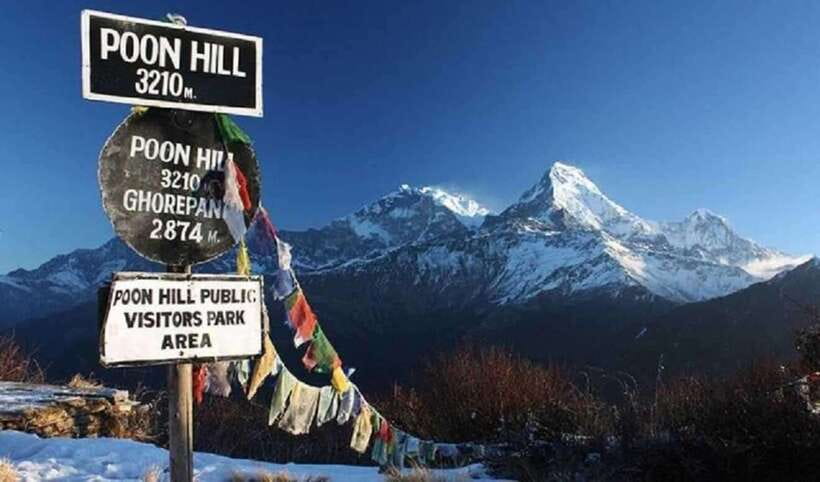
REVIEW · POON HILL TREKS
Pokhara: 3 days Trek to Poon hill
Sunrise makes the early alarm worthwhile. This three-day Poon Hill trek gives you a manageable taste of the Himalayas without committing to a long expedition, with forest trails, mountain villages, and a famous dawn view of Annapurna and Dhaulagiri. I like the private-group format and the fact that a guide handles the route, lodges, permits, and transport. I also like the warm lodge comforts reported on the trek, including hot showers, fireside seating, and extra blankets when the nights turn cold.
The main caution is the physical effort. The route includes long uphill sections, stone steps, and an early morning climb to Poon Hill at 3,210 meters. The $287 price is fair for private guiding, two nights of lodging, permits, and transport, but meals are not included, so you need to budget for food and personal costs.
In This Review
- The five details that matter most
- Why Poon Hill works as a short Himalayan trek
- Leaving Pokhara for Nayapul and Ulleri
- The forest trail from Ulleri to Ghorepani
- The pre-dawn climb to Poon Hill
- Returning to Nayapul and Pokhara
- What the $287 price really covers
- How difficult is the trek?
- The guide and the private-group advantage
- Where this trek delivers, and where it does not
- Should you book the Poon Hill trek?
- FAQ
- How long is the Poon Hill trek from Pokhara?
- Where do you stay overnight?
- Is food included in the price?
- What is included in the $287 price?
- What time does the Poon Hill hike begin?
- What mountains can you see from Poon Hill?
- What languages can the guide speak?
- Can I cancel the booking?
The five details that matter most

- Poon Hill sunrise at 3,210 meters: The pre-dawn climb leads to views of Annapurna, Dhaulagiri, Nilgiri, Hiunchuli, and Machhapuchchhre.
- A private guided group: You can move at your own pace more easily than in a large shared group.
- Ulleri and Ghorepani lodge nights: Two overnight stops break up the walking and offer a bed, meals for purchase, and basic mountain comforts.
- A steep first day: The five to six-hour hike from Nayapul to Ulleri is the toughest part for many people, especially after the stone steps begin.
- Transport from Pokhara: Hotel pickup, a drive to Nayapul, and the return ride to Pokhara are included.
- Guide Gobinda may be a real asset: He is described as friendly, professional, encouraging, and attentive to practical details such as lodges, meals, blankets, and onward travel advice.
Why Poon Hill works as a short Himalayan trek
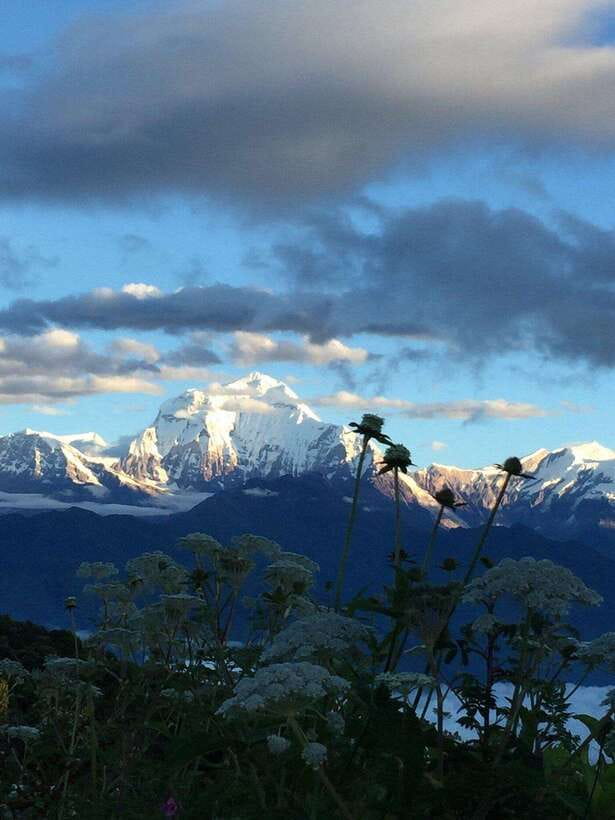
Poon Hill is a good choice if you want mountain scenery but have only three days. You will not be spending a week in remote valleys, and you will not need to carry camping gear. Instead, the trip follows a well-used lodge route through the lower Annapurna region.
That shorter format has a clear tradeoff. You get a concentrated mountain experience, but the walking days are not lazy strolls. The itinerary gives you five to six hours on the first day, four to five hours on the second, then an early climb to Poon Hill followed by a long return to Nayapul and a drive back to Pokhara.
I like the way the route changes under your feet. You begin near the Modi Khola and the village of Birethanti, pass through farmland and settled villages, then move into oak and rhododendron forest. By the time you reach Ghorepani, the air and surroundings feel much more alpine.
The guide matters here. A good guide can set a sensible pace, point out the route, help with lodge arrangements, and keep a tired walker from turning a difficult section into a bad day. Gobinda received especially strong praise for being calm, encouraging, and helpful beyond the basic guiding duties.
More Poon Hill treks:
- Poon hill Trek 3 days
★ 5.0 · 176 reviews - Pokhara: 4-Day Ghorepani, Poonhill & Ghandruk Mountain Trek
★ 5.0 · 132 reviews - Ghorepani – Poon Hill Trek 3N-4D
★ 5.0 · 125 reviews
Leaving Pokhara for Nayapul and Ulleri
Your pickup begins at your Lakeside Pokhara hotel. The instructions ask you to wait in the lobby for ten minutes, and transport is provided in a vehicle. The drive to Nayapul takes about an hour, so you get one last comfortable stretch before the walking starts.
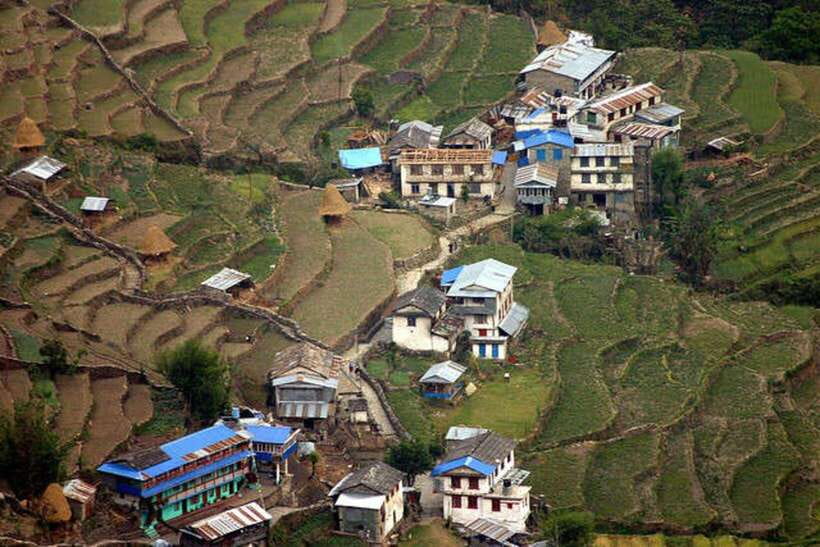
From Nayapul, the trail follows the Modi Khola and passes Birethanti. This first section gives you a useful transition from city life to rural Nepal. You walk beside farmland and village homes, with the river helping orient you along the route.
The first day takes about five to six hours in total. Tikedhunga appears after a couple of hours, then the route continues toward Ulleri at 1,940 meters. The approach to Ulleri is the part to respect. Stone steps and sustained uphill walking can make the day feel harder than the distance suggests.
Ulleri is a Magar village, and the overnight stop gives you a chance to slow down. You sleep in a lodge rather than a tent, and meals can be bought along the way. Since food is excluded from the tour price, ask your guide about the available dining options and keep snacks in your daypack.
This is also the night when you will learn how your body handles the altitude and the walking rhythm. You are not reaching extreme altitude, but you are climbing steadily from Pokhara. Drink water, take regular breaks, and avoid trying to prove anything on the first afternoon.
The forest trail from Ulleri to Ghorepani
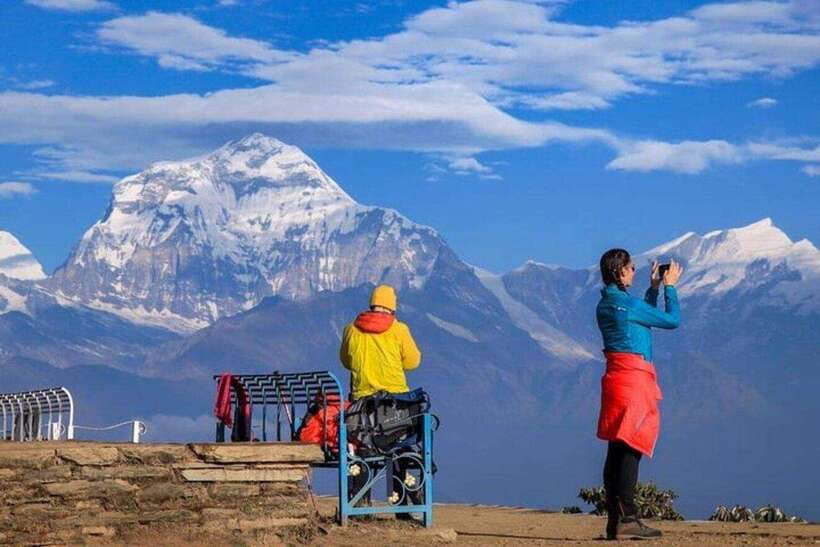
After breakfast, you continue toward Banthali at 2,250 meters. The trail then passes through oak and rhododendron forest before reaching Nangathanti at 2,460 meters.
This is my favorite kind of trekking day: not because it is easy, but because the setting changes gradually. Villages and farmland give way to trees, shade, and a more enclosed mountain path. The forest section also offers relief from direct sun, though weather can change quickly in the hills.
From Nangathanti, you climb for about an hour to Ghorepani at 2,870 meters. That final uphill push is short on paper and tiring in practice. Keep your pace steady, and do not waste energy racing ahead. A private group gives you more room to stop when needed.
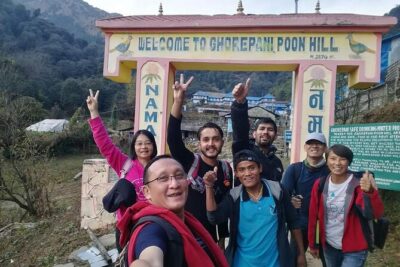
Ghorepani is a mountain settlement and the key staging point for Poon Hill. You spend the night in a lodge, then wake before dawn for the viewpoint. The lodge experience is basic but can be surprisingly comfortable. The available information specifically notes comfortable accommodation, warm showers, seating near a fire, and extra blankets provided by Gobinda for cold nights.
Do not expect city-hotel service. Mountain lodges are valued for warmth, shelter, and a hot meal, not polished facilities. Still, a hot shower and a seat by the fire can feel luxurious after a day of climbing.
The pre-dawn climb to Poon Hill
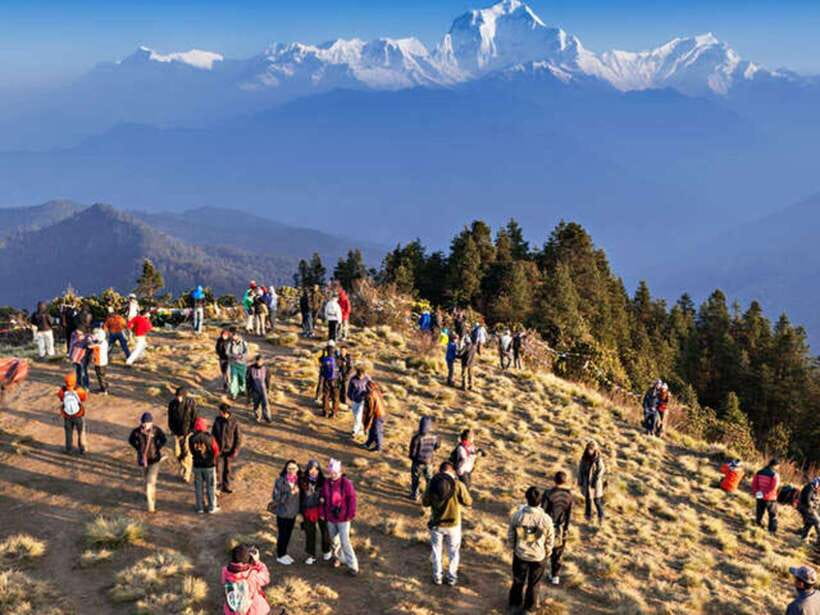
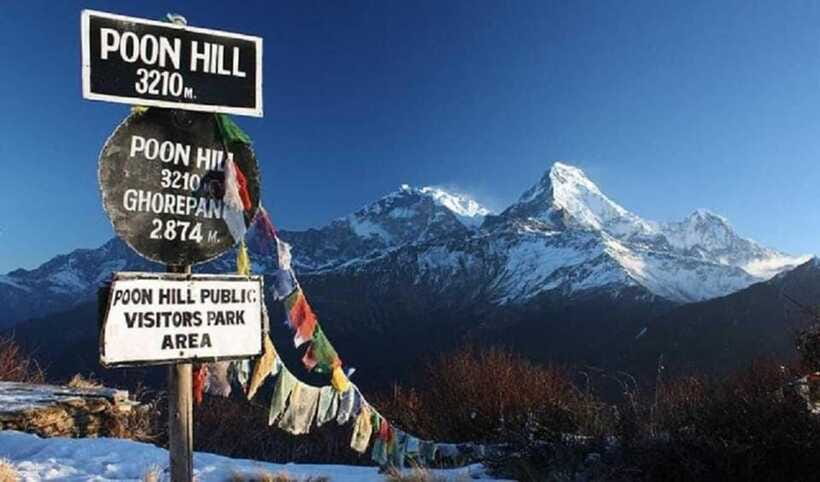
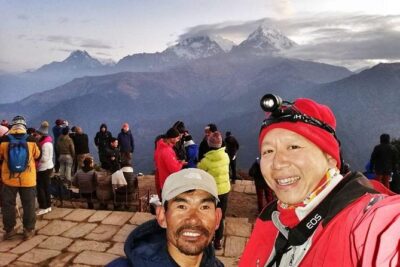
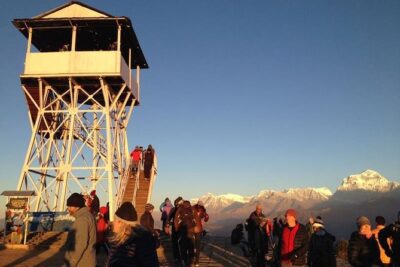
The final morning starts at the break of dawn, or earlier depending on the sunrise time. The climb from Ghorepani to Poon Hill takes about an hour. You should bring warm clothing, a hat, water, and a camera, since the waiting period at the top can feel cold.
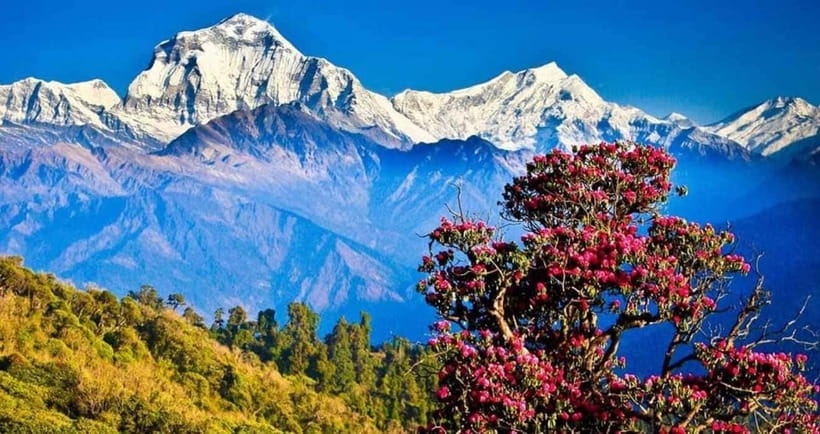
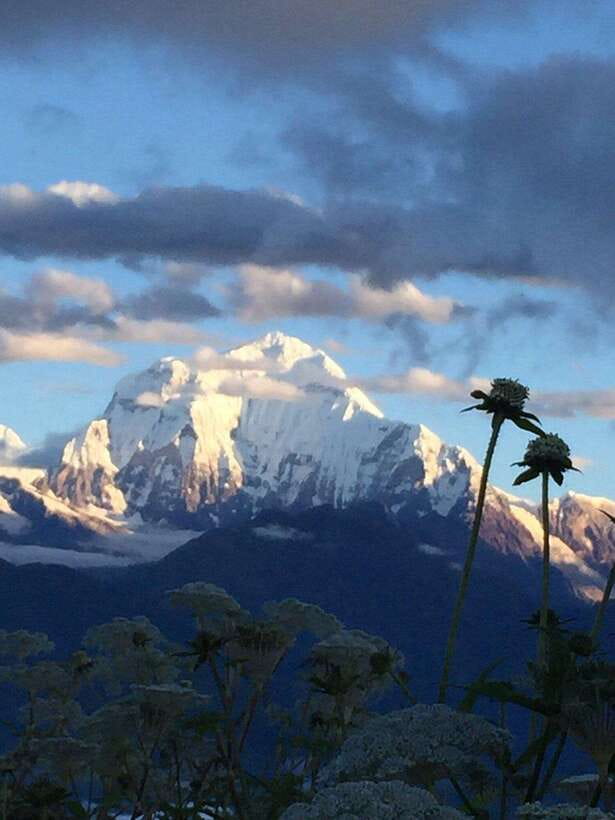
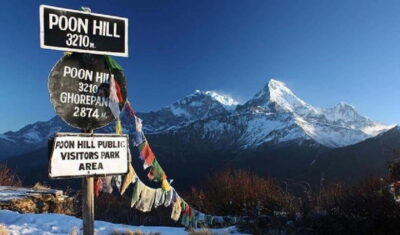
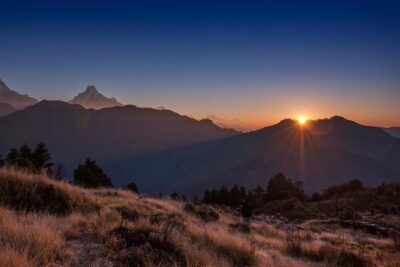
Poon Hill rises to 3,210 meters and is famous for its broad Himalayan view. From the viewpoint, you may see Annapurna, Dhaulagiri, Nilgiri, Hiunchuli, and Machhapuchchhre. The attraction is not just the mountains themselves. It is the changing light, as the first sun reaches the high peaks while the lower valleys remain dim.
This is the emotional center of the trip, and it explains why the itinerary places the viewpoint after two nights rather than treating it as a casual side walk. You have earned the view through the village trails, forest climbs, and cold morning start.
The sunrise is weather dependent. Clear skies can produce the dramatic scene you hope for, while cloud may soften or block the peaks. No guide can control that. What the guide can do is get you there safely, help with timing, and make sure you are prepared for the cold.
After Poon Hill, you return to the lodge for breakfast. That return walk is downhill, but downhill can be hard on knees, especially after the previous two days. Trekking poles could be useful, although they are not listed as provided, so bring your own if you normally use them.
More walking in the hills of Pokhara:
- Trekking in Annapurna/Langtang/Everest/Upper Mustang regions
★ 5.0 · 161 reviews - Pokhara: Annapurna Foothills Day Hike with Transfers
★ 5.0 · 100 reviews - Kathmandu/Pokhara: 5-Day Annapurna Base Camp (ABC) Trek
★ 4.9 · 72 reviews - From Pokhara: 3-Day Ghorepani Poon Hill Trek with Guide
★ 4.9 · 68 reviews
Returning to Nayapul and Pokhara
After breakfast, the route continues toward Nayapul. The exact walking time for this final section is not stated, but it is followed by a roughly three-hour drive back to Pokhara and hotel drop-off.
That final combination is worth considering when judging the trip’s difficulty. You are not simply taking a short morning walk and returning to a lakeside café. You have an early climb, a return trek, and then several hours in a vehicle. Keep some water and snacks accessible, and save a little energy for the ride.
The road journey back also makes this a practical short break from Pokhara. You do not need to arrange a separate transfer, find your way between trailheads, or negotiate your own return transport after a tiring day. That convenience is part of the package value.
What the $287 price really covers
At $287 per person, the price includes permits and fees, a guide, the three-day guided trek, two nights of accommodation, transport to and from Pokhara, and the Poon Hill sunrise experience.
For a private group, that is a reasonable package if you value simplicity and personal attention. The biggest cost-saving feature is not luxury. It is having the main logistics handled together: pickup, trail transport, guiding, lodging, and return travel.
The important gap is food. Meals are not included, despite the fact that you will eat at lodges and restaurants during the route. Personal expenses and travel insurance are also separate. I would set aside money for breakfasts, lunches, dinners, drinks, and snacks, then confirm the expected daily food budget before departure.
You should also compare the price with what you would pay for an independent guide, transport, permits, and lodge rooms. The tour becomes more attractive when you want a private group and do not want to assemble those pieces yourself.
How difficult is the trek?
The tour is designed for people in good physical condition. It is not suitable for children under ten, pregnant women, or people with back or heart problems.
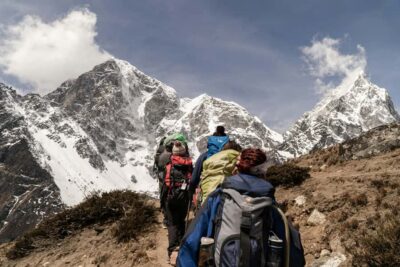
You do not need technical climbing skills based on the information provided, but you do need stamina. The route includes several hours of walking each day, repeated uphill sections, and the 3,210-meter Poon Hill viewpoint. The first day to Ulleri may be the most demanding because of the climb after Tikedhunga.
I would prepare by walking regularly before the trip, especially on hills or stairs. You should be comfortable walking for several hours with a light backpack. Carry only essentials, since an overloaded pack makes every step harder.
Weather can vary. Pack warm layers, a hat, sunscreen, water, snacks, and proper hiking shoes. A camera is worth carrying, but do not let equipment turn your daypack into a small suitcase.
Smoking is not allowed on the activity. Hydration and regular breaks are not minor suggestions here. They are the simple habits that help you enjoy the sunrise instead of merely surviving the climb.
The guide and the private-group advantage
The guide is one of the strongest reasons to choose this experience. Gobinda is identified as an experienced guide for the trek, and his role appears to go beyond pointing at the trail. He is described as friendly, professional, motivating, and attentive to comfort.
That can mean practical help when you need it most: choosing suitable lodges and restaurants, arranging extra blankets, setting a sensible walking pace, and offering advice for the rest of your Nepal trip. Those details may not appear in a headline, but they shape how a short trek feels.
The private-group format is also useful. You can ask questions, stop for breaks, and discuss your pace without being tied to a large crowd. It does not remove the physical challenge, but it can make the day feel less rushed.
Guiding quality can vary by departure, so if having Gobinda matters to you, confirm the assigned guide when booking. The listed guide languages are English, Hindi, and Nepali.
Where this trek delivers, and where it does not
The experience delivers well on classic Himalayan scenery. You get mountain villages, farmland, forest, lodge life, and a major viewpoint in a compact itinerary. It also gives you the practical reassurance of a guide and included transport.
The lodge nights add local character without asking you to camp. You sleep in Ulleri and Ghorepani, which keeps you close to the trail and lets you experience mountain settlements rather than returning to Pokhara each night.
The weak points are clear. Three days means a tight schedule. There is limited recovery time, the sunrise morning starts early, and the return day combines more walking with a long drive. Food is excluded, and lodge comfort is basic even when a hot shower or fire is available.
Weather can also change the quality of the view. The trek remains worthwhile for the route and villages, but Poon Hill’s famous panorama is never guaranteed.
Should you book the Poon Hill trek?
I would choose this trek if you have three days, want a private guide, and can handle several hours of uphill walking. It suits active visitors staying in Pokhara who want a real mountain route without camping or carrying a full expedition pack.
I would not choose it if you want a relaxed sightseeing trip, dislike early mornings, or have medical or mobility concerns listed in the restrictions. The $287 price makes good sense when you value included transport, permits, lodging, and a guide, but remember to add meals, insurance, and personal expenses.
If you are ready for stone steps, cold mornings, and a demanding final sunrise climb, Poon Hill offers a strong short trekking experience. Ask about Gobinda, confirm the meal budget, pack light and warm, and keep your expectations realistic about mountain weather. The sunrise may be the headline, but the villages and forest trail are what make the three days feel like a journey rather than a quick viewpoint visit.
FAQ
How long is the Poon Hill trek from Pokhara?
The activity lasts three days. The first day includes a one-hour drive from Pokhara to Nayapul and a five to six-hour trek to Ulleri.
Where do you stay overnight?
You stay in lodges in Ulleri on the first night and Ghorepani on the second night.
Is food included in the price?
No. Meals are not included, so you need to pay for food during the trek. Personal expenses and travel insurance are also excluded.
What is included in the $287 price?
The price includes permits and fees, a guide, the three-day guided trek, two nights of accommodation, transport to and from Pokhara, and the Poon Hill sunrise experience.
What time does the Poon Hill hike begin?
The hike begins at dawn so you can reach the viewpoint for sunrise. The walk from Ghorepani to Poon Hill takes about one hour.
What mountains can you see from Poon Hill?
The stated views include Annapurna, Dhaulagiri, Nilgiri, Hiunchuli, and Machhapuchchhre.
What languages can the guide speak?
Guiding is available in English, Hindi, and Nepali.
Can I cancel the booking?
You can cancel up to 24 hours in advance for a full refund. The activity also allows you to reserve now and pay later.
New in the Pokhara listings
- Pokhara: Pokhara Highlights Tour by Bus★ 3.6 · 10 reviews
- Discover Pokhara in Style: Private Vehicle Service with Driver★ 5.0 · 5 reviews
- Multi-Day Tour from Pokhara, Poon Hill and Mulde Trek★ 5.0 · 1 review
- Pokhara in 5 Hours: Lake, Museum, Cave, Falls & Pagoda Hill★ 4.5 · 16 reviews
- Private 4 Day Poon Hill Trek from Pokhara★ 5.0 · 16 reviews
- 4 Day Mardi Himal Base Camp Trek from Pokhara★ 5.0 · 18 reviews
- From Pokhara Full Day Entire Pokhara Tour with Guide★ 5.0 · 1 review
- Ultralight Flight: Into The Heart Of The Mountains (90 min)★ 5.0 · 1 review
Poon Hill Treks, compared.
4-Day Ghorepani, Poonhill & Ghandruk Mountain Trek
Read our review →
Browse the lists this tour appears in