
REVIEW · POON HILL TREKS
Pokhara: 4-Day Beautiful Ghorepani Poon Hill & Ghandruk Trek
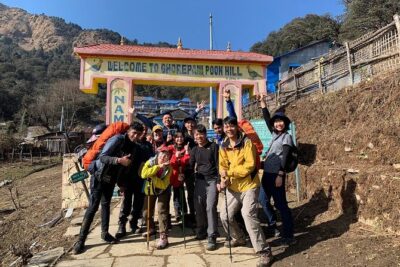
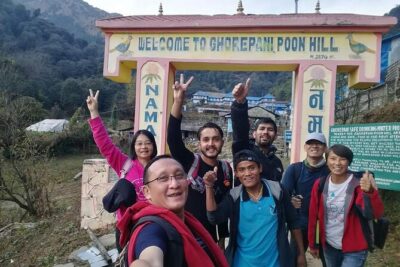
Sunrise comes early in the Himalayas. This four-day trek from Pokhara packs stone stairways, rhododendron forest, village life, and huge Annapurna views into a compact route. I especially like the Poon Hill sunrise and the chance to sleep in small mountain villages rather than rush through them by vehicle.
I also like that the guides, including Tanka, Tonka, and Padam on different departures, have been praised for setting a sensible pace and looking after first-time trekkers. The main caution is simple: this is a demanding walk, not a string of easy strolls. Weather can hide the peaks, and the long climbs between Ulleri and Ghorepani will test your legs.
In This Review
- Key points to know before you book
- Why this short Annapurna trek works so well
- Day one: Pokhara to Birethanti, then uphill to Ulleri
- Day two: six hours of steps, forest, and Ghorepani
- Day three: Poon Hill at sunrise, then the ridge to Tadapani
- Day four: Ghandruk’s village lanes and the return to Pokhara
- What the $200 price really covers
- The guides can shape the whole experience
- Weather, fitness, and the real effort involved
- What to pack for four nights on the trail
- Who should book this trek?
- Should you book the Ghorepani, Poon Hill, and Ghandruk trek?
- FAQ
- How long is the Ghorepani, Poon Hill, and Ghandruk trek?
- What is included in the price?
- Are meals included?
- Is porter service included?
- What language does the guide speak?
- What should I bring for the trek?
- Can I cancel the booking?
Key points to know before you book
- Poon Hill sunrise is the main event: You rise early for views across more than 15 mountain peaks.
- Four days gives you a real taste of village trekking: Ulleri, Ghorepani, Tadapani, and Ghandruk each offer a different setting.
- Expect many stone steps: The route includes long uphill sections, especially on the second day.
- Guiding is a major strength: Tanka and Padam have been praised for clear English, mountain knowledge, patience, and careful pacing.
- Meals are extra: Accommodation, transport, permits, and a guide are included, but you pay for breakfast, lunch, and dinner during the trek.
- The $200 price is fair for a short guided trek: It covers the costly practical pieces, though a porter is not included.
Why this short Annapurna trek works so well
This route is a good introduction to Nepal’s mountain trails because it gives you several classic experiences without requiring a long expedition. You start near Pokhara, walk through villages and forest, climb to a famous sunrise point, and finish in Ghandruk before returning by vehicle.
The scenery changes often enough to keep the walk interesting. You begin among teahouses and cultivated hillsides, move into alpine forest, cross ridges covered with rhododendrons, and reach high viewpoints with Annapurna and Mt. Fishtail in sight when the weather cooperates.
The cultural side matters just as much. Ulleri and Ghandruk are not simply overnight labels on a route map. They are working mountain villages, with stone and slate buildings, thatched roofs, farming terraces, and daily life shaped by steep hills.
You should also set your expectations correctly. This is not a luxury hiking holiday. You sleep in teahouse lodges, walk for several hours on uneven trails, and carry your own daypack unless you arrange a porter separately. The reward is direct contact with the mountains, not polished resort comfort.
More Poon Hill treks:
- Poon hill Trek 3 days
★ 5.0 · 176 reviews - Pokhara: 4-Day Ghorepani, Poonhill & Ghandruk Mountain Trek
★ 5.0 · 132 reviews - Ghorepani – Poon Hill Trek 3N-4D
★ 5.0 · 125 reviews
Day one: Pokhara to Birethanti, then uphill to Ulleri
Your guide picks you up at your Pokhara hotel or residential apartment. The drive to Birethanti takes about one hour, and this short transfer gets you to the trail without using up a full morning on the road.
From Birethanti, the trail climbs toward Ulleri. The first day is described as roughly two hours of ascent, though your pace and stops will affect the timing. You walk through a setting lined with teahouses, with views opening and closing as the path rises.
Ulleri is a Magar village and your first overnight stop. This is a useful place to begin understanding the rhythm of the trek. Instead of returning to Pokhara each evening, you stay where the trail leads, surrounded by mountain homes and the practical signs of rural life.
I would not treat this first day as a warm-up that requires no effort. The route climbs from the start, and even a short uphill walk can feel serious if you have arrived in Nepal without much recent exercise. Wear proper trekking shoes, keep water close, and avoid trying to race the guide.
The accommodation is a teahouse lodge. Three nights of accommodation are included, but food and drinks are not, so you should plan to pay separately for your meals throughout the trek.
Day two: six hours of steps, forest, and Ghorepani
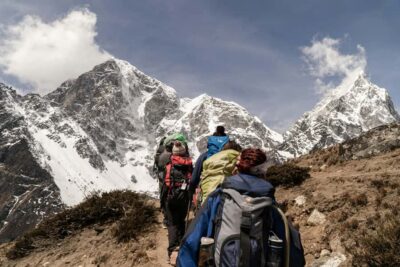
The second day is the physical heart of the route. You spend about two hours climbing stone steps in the morning, then continue through alpine forest toward Ghorepani. The full trek is listed at around six hours.
This is where a good guide makes a real difference. Tanka has been especially praised for adjusting the pace to suit the people in his group, while Tonka was credited with making sure a first-time trekker had enough food, water, and time for photographs. Those details matter on a trail with repeated climbs.
The forest gives you shade and a change of mood. If you visit during a season when the rhododendrons are flowering, the route can feel especially colorful, though the exact view depends on timing and weather. The trail also provides fine chances to stop at a teahouse for a break rather than pushing continuously.
As you climb, you may see Annapurna and Mt. Fishtail. These are not guaranteed views. Cloud and rain can cover the peaks, particularly outside the clearest periods, and one departure in June had only occasional Himalayan views because of poor weather.
Ghorepani is the night’s destination and the launch point for the next morning’s sunrise walk. You also get views toward the world’s deepest valley from this area. The phrase sounds grand, but the practical point is that Ghorepani gives you a broad mountain setting after a long day of stairs.
Bring a jacket and a change of clothes. Even if Pokhara feels warm when you leave, the air can be cooler higher up, and damp clothing is unpleasant in a simple lodge. Your daypack should also hold sunscreen, a hat, sunglasses, water, toiletries, and toilet paper.
Day three: Poon Hill at sunrise, then the ridge to Tadapani
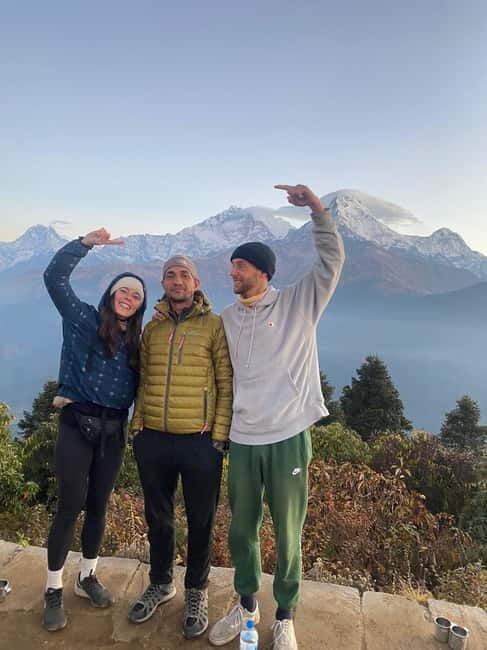
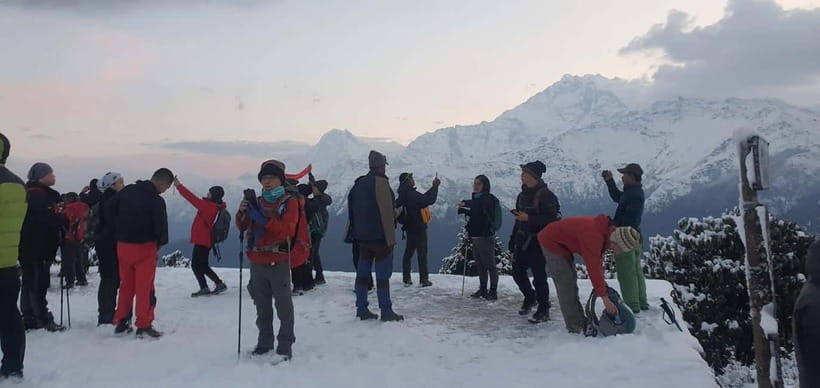
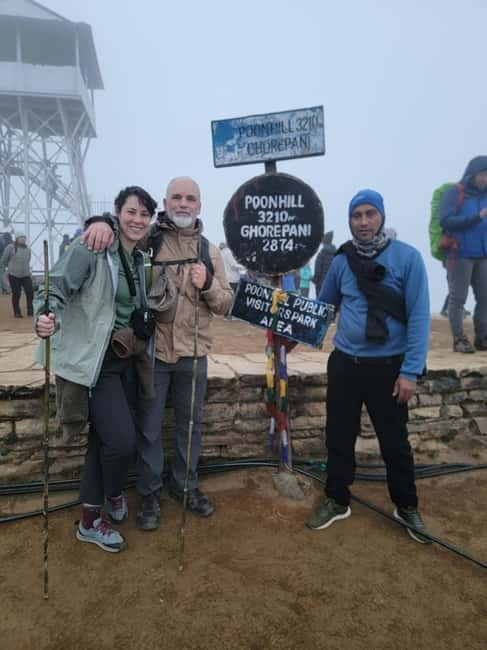
You rise early on the third day for the walk to Poon Hill. The exact starting time depends on the sunrise schedule and the guide, but the purpose is clear: reach the viewpoint before the sun rises over the mountains.
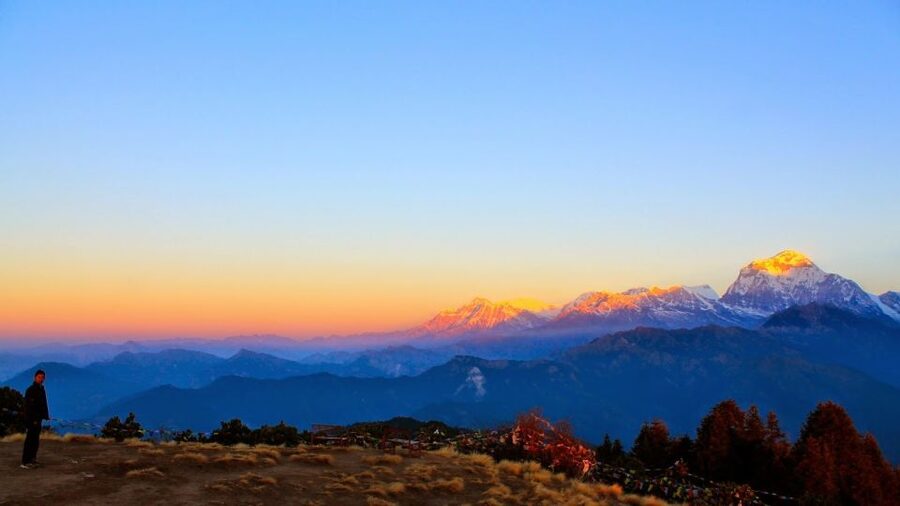
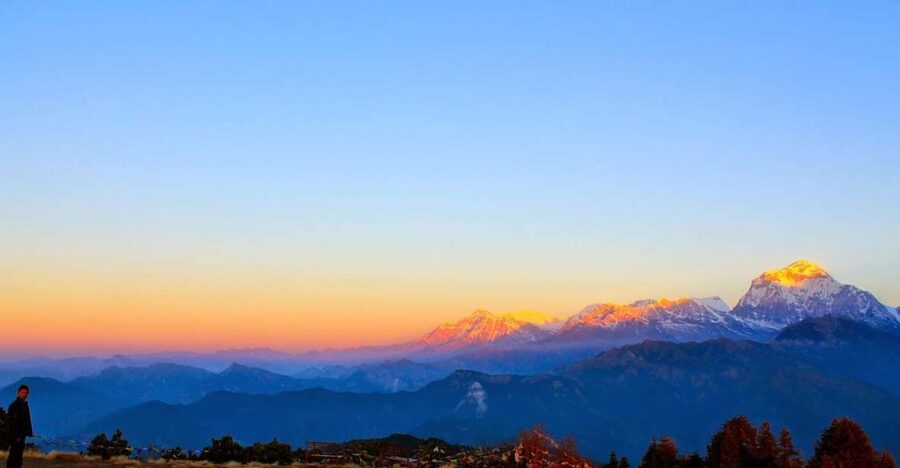
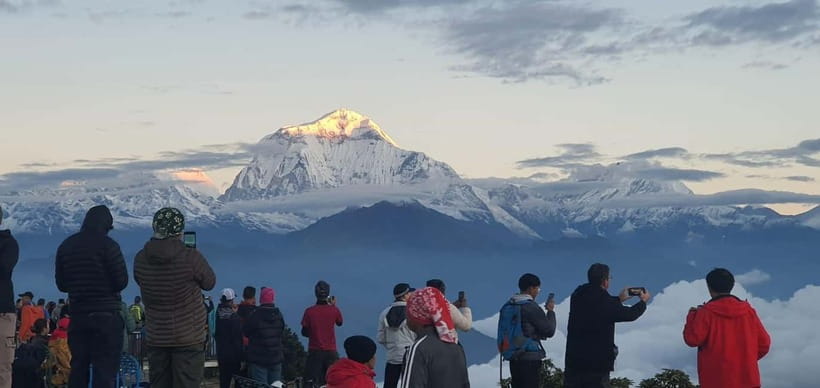
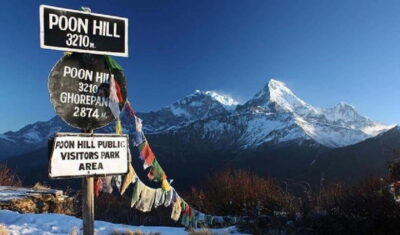
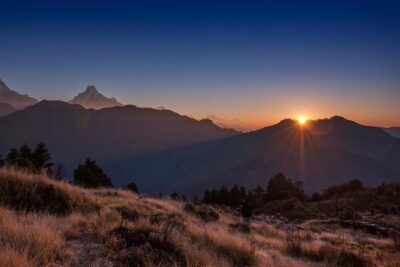
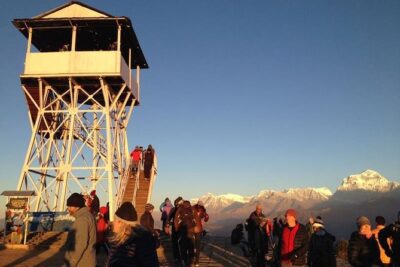
Poon Hill is famous because it gives you a wide sweep of Himalayan peaks without requiring a long high-altitude expedition. The view is said to include more than 15 mountain peaks, including some of the world’s highest mountains. On a clear morning, sunlight gradually reaches the summits and ridges, creating the trip’s most memorable visual moment.
You should be ready for a cold, dark start. Put your jacket, hat, and comfortable shoes beside your bed the night before. A headlamp is not listed among the required items, so ask your provider if one is supplied or make sure you have suitable lighting before departure.
After the sunrise, you return to Ghorepani and continue toward Tadapani. The trail passes through rhododendron forest and crosses mountain ridges. Compared with the direct staircase work of the previous day, this section offers more variety, though it still includes plenty of uphill and downhill walking.
Tadapani is another teahouse overnight stop. Staying here keeps the trek moving toward Ghandruk instead of forcing you to retrace the route. It also gives you a second evening in a mountain community, where the pace is slower and the setting is far removed from Pokhara’s lakeside streets.
This day can feel long because of the early start and the continued ridge walk. Still, it combines the trek’s best ingredients: sunrise, forest, mountain views, and a genuine overnight stop away from the road.
More walking in the hills of Pokhara:
- Trekking in Annapurna/Langtang/Everest/Upper Mustang regions
★ 5.0 · 161 reviews - Pokhara: Annapurna Foothills Day Hike with Transfers
★ 5.0 · 100 reviews - Kathmandu/Pokhara: 5-Day Annapurna Base Camp (ABC) Trek
★ 4.9 · 72 reviews - From Pokhara: 3-Day Ghorepani Poon Hill Trek with Guide
★ 4.9 · 68 reviews
Day four: Ghandruk’s village lanes and the return to Pokhara
The final day begins with a short descent to Ghandruk. This village is one of the route’s cultural highlights, with thatch and slate-roof houses, narrow streets, and farming terraces cut into the hillsides.
Ghandruk gives you more than another mountain photo stop. It shows how homes, paths, and fields fit together in a steep rural environment. Take time to walk through the village rather than treating it only as the place where the trek ends.
You stop for lunch at a viewpoint with views toward Annapurna South and Hiunchuli. After lunch, the walk continues for about one more hour before you meet the vehicle back to Pokhara.
That final transfer is useful because you do not need to retrace the full route on foot. You finish with a village visit and a relatively short final walking section, then return to your hotel in Pokhara by road.
The timetable can vary with walking pace, meal stops, road conditions, and weather. Keep your return evening flexible rather than scheduling a tight onward connection.
What the $200 price really covers
At $200 per person, this is good value for a four-day guided trek if you want the practical arrangements handled for you. The fee includes hotel pickup and drop-off, ground transportation, three nights of trekking accommodation, permits and taxes, an English-speaking guide, a first-aid kit, and water purification tablets.
Those inclusions remove several tasks that can be awkward to arrange alone. You do not need to work out the trail transport from Pokhara, handle the listed permits yourself, or find a guide at the trailhead.
The price does not include meals or drinks. That is important because you will need breakfast, lunch, and dinner for three trekking days, plus food around the walking schedule. The total cost will therefore be higher than $200.
A porter is also not included. You carry your own daypack unless you arrange porter service separately. Pack lightly, because a heavy bag will make the stone steps feel much harder.
Travel insurance is excluded as well. You should arrange your own cover before setting out, especially since this is a strenuous mountain walk and the activity is not suitable for pregnant women or people with heart problems.
The guides can shape the whole experience
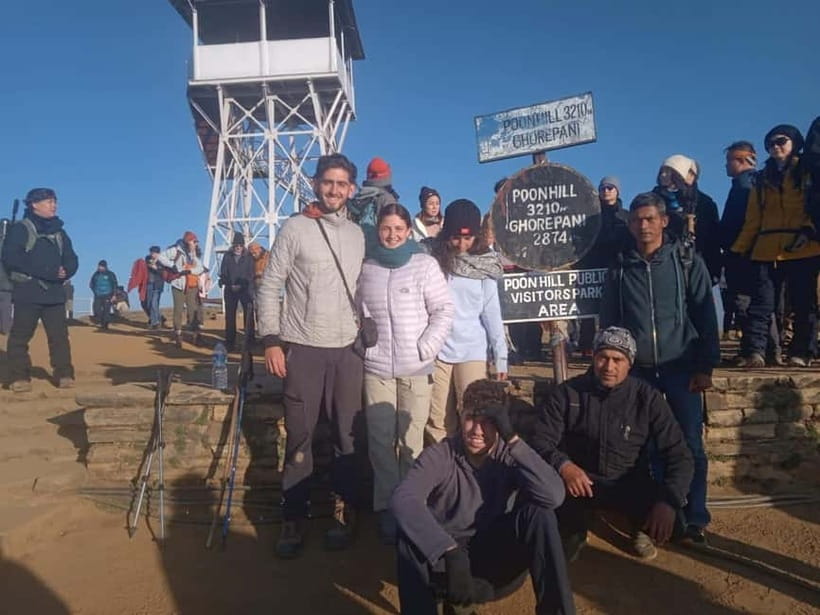
The most consistent praise has gone to the guides. Tanka has been singled out for his friendly manner, excellent English, ability to explain Nepal and the mountains, and skill in matching the walking pace to the group.
Tonka was praised for giving a first-time trekker confidence, making sure meals and drinks were adequate, and allowing plenty of time for photography. That combination is valuable. A guide should help you move safely, but should not turn the trek into a march where you are afraid to stop.
Padam and porter Jagan were also praised for being accommodating when weather affected the views. Their local understanding helped make the trek worthwhile even when the Himalayas appeared only from time to time.
Guide quality matters here because the route is physically tiring and the weather can change the experience. A patient guide can help you manage the pace, explain the villages and peaks, and adjust expectations when clouds block the famous views.
If you care about photography, tell your guide early. The route includes several strong viewpoints, and one of the best parts of the experience is having enough time to stop without feeling hurried.
Weather, fitness, and the real effort involved
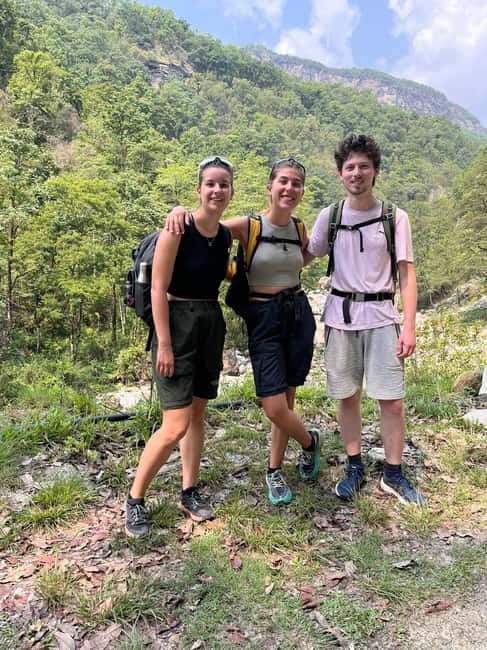
You should be comfortable walking uphill for several hours before booking. The most demanding day includes about six hours of trekking, with long runs of stone steps and continued climbing through forest.
The route is not presented as suitable for people with heart problems or for pregnant women. That warning should be taken seriously. If you have another medical concern, arrange professional advice before committing to a multi-day mountain walk.
Weather is the biggest factor outside your control. Clear days can reveal Annapurna, Mt. Fishtail, Annapurna South, Hiunchuli, and many other peaks. Rain, cloud, or mist can reduce the view to a few brief openings.
That does not make the trek pointless. The villages, forest, stone paths, and changing terrain remain, but you should book with the understanding that Poon Hill cannot guarantee a clear panorama.
March, April, and October departures may offer better chances of clear mountain views than the June departure described by one participant, but the supplied details do not promise a specific season or forecast. Check the starting dates and current conditions before you commit.
What to pack for four nights on the trail
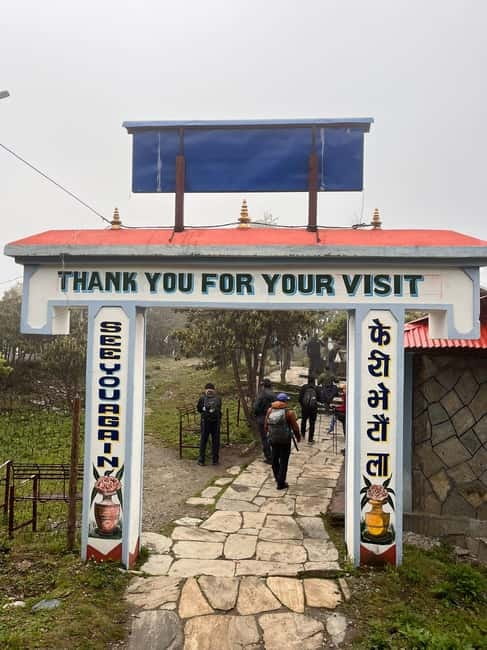
The required packing list is practical rather than fancy. Bring your passport or ID card, plus a scanned passport copy and passport-sized photo for the trek arrangements.
You should also pack:
- Comfortable trekking shoes and several pairs of socks
- Long pants, shorts, and two T-shirts
- A jacket and a change of clothes
- Sunglasses, a sun hat, and sunscreen
- A light daypack
- A towel and toiletries
- Toilet paper and personal hygiene products
- Mosquito repellent
- Water, with purification tablets supplied
- A camera if you want sunrise and village photographs
Do not overpack. Since a porter is not included, every extra item rests on your shoulders during the uphill sections. A small daypack with layers, water, snacks, sun protection, and personal items is the sensible approach.
The teahouses have been praised for good food, warm water, and attractive views, but you should not expect the same level of comfort at every stop. Mountain lodging is simple, and conditions can vary.
Who should book this trek?
I would recommend this route to you if you want a short but serious taste of the Annapurna region. It suits first-time trekkers who are willing to train a little, accept basic accommodation, and let a guide handle the route and transport.
It is also a strong choice if you are staying in Pokhara and want to add a mountain trek without giving up a full week or more. The four-day schedule includes a famous viewpoint, several villages, and three nights away from the city.
You may want a different plan if you need guaranteed mountain views, dislike long stair climbs, or expect all meals and porter service to be included. The trek is compact, but compact does not mean easy.
The free cancellation policy allows cancellation up to 24 hours before departure for a full refund, and reserve-now, pay-later booking keeps the initial commitment low. Check the available start times and make sure the schedule fits your fitness and onward travel plans.
Should you book the Ghorepani, Poon Hill, and Ghandruk trek?
Book it if you want a well-organized introduction to Nepal’s mountain trails, with strong guide support and a good mix of views, forest, village life, and walking.
The best reasons are the Poon Hill sunrise, the Ghandruk village visit, and the guides’ record of adjusting the pace and caring for first-time trekkers. The main risks are the stone steps, extra meal costs, lack of included porter service, and weather that may hide the peaks.
At $200, the package offers solid value for the transport, permits, guide, and three nights of accommodation. Go in prepared for a physical trek rather than a sightseeing tour, and this four-day route can give you a memorable, grounded look at the Annapurna region.
FAQ
How long is the Ghorepani, Poon Hill, and Ghandruk trek?
The trek lasts four days and includes hotel pickup and drop-off from Pokhara.
What is included in the price?
The price includes hotel pickup and drop-off, ground transportation, three nights of accommodation, permits and taxes, an English-speaking guide, a first-aid kit, and water purification tablets.
Are meals included?
No. Breakfast, lunch, dinner, and drinks during the trek are not included.
Is porter service included?
No. Porter service is not included, so you should be prepared to carry your own daypack unless you arrange a porter separately.
What language does the guide speak?
The tour is operated with an English-speaking live guide.
What should I bring for the trek?
Bring your passport or ID card, a scanned passport copy, a passport-sized photo, trekking shoes, comfortable clothing, a jacket, sunglasses, a hat, sunscreen, toiletries, a towel, a light daypack, and personal hygiene products.
Can I cancel the booking?
You can cancel up to 24 hours in advance for a full refund. The reserve-now, pay-later option also lets you book without paying immediately.
New in the Pokhara listings
- Pokhara: Pokhara Highlights Tour by Bus★ 3.6 · 10 reviews
- Discover Pokhara in Style: Private Vehicle Service with Driver★ 5.0 · 5 reviews
- Multi-Day Tour from Pokhara, Poon Hill and Mulde Trek★ 5.0 · 1 review
- Pokhara in 5 Hours: Lake, Museum, Cave, Falls & Pagoda Hill★ 4.5 · 16 reviews
- Private 4 Day Poon Hill Trek from Pokhara★ 5.0 · 16 reviews
- From Pokhara Full Day Entire Pokhara Tour with Guide★ 5.0 · 1 review
- 4 Day Mardi Himal Base Camp Trek from Pokhara★ 5.0 · 18 reviews
- Ultralight Flight: Into The Heart Of The Mountains (90 min)★ 5.0 · 1 review
Poon Hill Treks, compared.
4-Day Ghorepani, Poonhill & Ghandruk Mountain Trek
Read our review →
Browse the lists this tour appears in