
REVIEW · POON HILL TREKS
Pokhara: 4 Days Poon Hill and Ghandruk Trek
Catch sunrise above the Himalayas. This four-day trek from Pokhara gives you a compact taste of Nepal’s mountain trails, with Poon Hill at 3,210 meters as the main prize. I like the mix of forest paths, farmland, village life, and big Annapurna views. I also like that meals, lodging, transport, a licensed guide, taxes, and permits are arranged for you.
The trade-off is the pace. Day one climbs to Ulleri, day three starts before dawn, and some road travel is rough. The simple teahouses are part of the experience, not a luxury hotel substitute, and the high point may feel demanding if you are not used to uphill walking.
In This Review
- Key points worth knowing
- Why this short trek works from Pokhara
- Day one: Pokhara to Ulleri and the first uphill test
- Day two: Ulleri to Ghorepani through rhododendron country
- Day three: Poon Hill sunrise, then down to Ghandruk
- Day four: Ghandruk back to Pokhara by 4WD
- The views and the cultural side
- Lodging, food, and what the $350 covers
- How difficult is the four-day route?
- Who should book this Poon Hill trek?
- Should you book the Poon Hill and Ghandruk route?
- FAQ
- How long is the Poon Hill and Ghandruk trek?
- Where does the trek start?
- What is the highest point on the route?
- Is the Poon Hill sunrise included?
- Where do you sleep during the trek?
- Are meals included?
- Is transportation included?
- Is a Pokhara hotel included?
- Is this a private tour?
- Can you cancel for a full refund?
Key points worth knowing
- Poon Hill sunrise: A pre-dawn climb leads to a 3,210-meter viewpoint facing the Annapurna and Dhaulagiri ranges.
- A short Himalayan route: Four days is enough for mountain scenery without committing to a much longer trek.
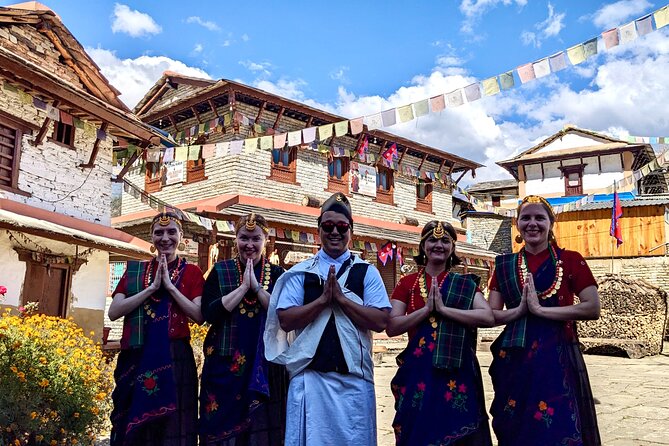
- Ghandruk’s Gurung culture: The final village stay adds local traditions and a different feel from the forest sections.
- All-inclusive planning: Meals, teahouse stays, transport, taxes, permits, and a local government-licensed guide are included.
- Private group format: Only your own group takes part, with pickup and hotel drop-off arranged around Pokhara.
- A real physical challenge: Ulleri’s ascent, the early Poon Hill start, and the descent to Ghandruk require steady legs.
Why this short trek works from Pokhara
Poon Hill is popular for a good reason: it offers a strong mountain experience in a relatively short time. You leave Pokhara, trade the city for village paths and wooded hills, then reach a high viewpoint where morning light can reach Annapurna and Dhaulagiri.
I like this route for first-time hikers because it does not ask you to give up a week or more of your trip. Families with older children may also find the four-day format easier to manage than a longer Himalayan walk. Still, short does not mean effortless. You gain height quickly, and the route includes a pre-sunrise climb.
The private format matters. You are not tied to a large public group’s pace, and your guide can focus on your party. The supplied information identifies MTA Trekking as the provider, while individual experiences refer warmly to guides including Prakash and Bijay. If you are assigned one of them, their reported strengths are friendly care, clear communication, and good trip organization.
At $350 per person, the price makes most sense if you value having the main arrangements handled. You are paying for transport from Pokhara and back, three meals a day as listed, teahouse accommodation, a licensed guide, fees, taxes, and permits. You still pay separately for alcoholic drinks, optional gratuity, and your Pokhara hotel.
More Poon Hill treks:
- Poon hill Trek 3 days
★ 5.0 · 176 reviews - Pokhara: 4-Day Ghorepani, Poonhill & Ghandruk Mountain Trek
★ 5.0 · 132 reviews - Ghorepani – Poon Hill Trek 3N-4D
★ 5.0 · 125 reviews
Day one: Pokhara to Ulleri and the first uphill test
The day begins in Pokhara, with a scenic drive to Nayapul. From there, the walking portion follows the Modi Khola River through villages and valleys before climbing toward Ulleri at 1,960 meters.
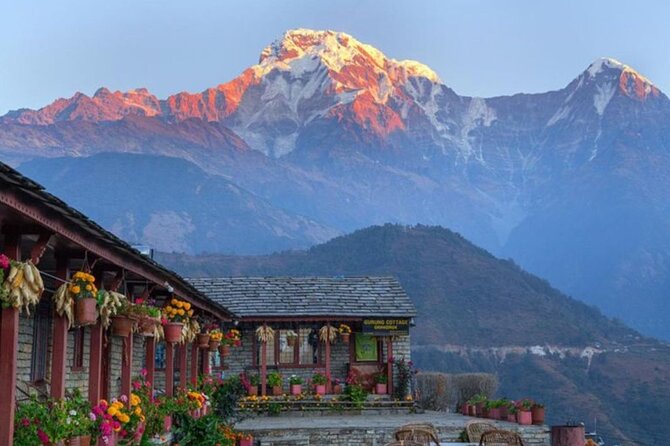
This first day introduces the route’s basic rhythm: road transfer, trail walking, small settlements, farmland, and a steady gain in height. The reward is a more open view toward Annapurna South as you approach Ulleri.
I would treat this as a serious opening day rather than a gentle warm-up. The climb to Ulleri can make the route feel tougher than its four-day label suggests. Keep your pace even and use the tea stops along the trail sensibly. Small restaurants and basic hotels are available along the way, which gives you places to pause without turning the hike into a race.
Your overnight stay is in a teahouse or lodge. Expect simple accommodation suited to a mountain route. The value here is location and convenience, not polished comfort. You finish near the next day’s trail and avoid arranging separate lodging or meals yourself.
Day two: Ulleri to Ghorepani through rhododendron country
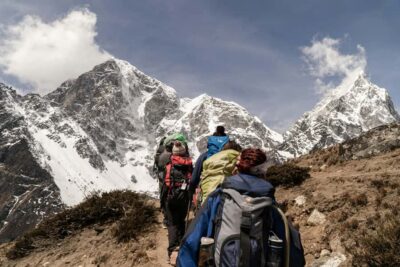
Day two moves from the river valley into forest, with the trail rising to Ghorepani at 2,840 meters. Rhododendron woods create a marked change from the farmland and village sections of day one.
The route also offers more chances to notice local life. You may pass people working around Ulleri and other settlements, and the walk gives you more contact with the daily routine of hill communities than a quick vehicle tour would.
The big practical point is the altitude. Ghorepani is substantially higher than Ulleri, so you should expect the climb to feel slower. Take your time, drink water, and let your guide set a sensible rhythm. The itinerary calls this a scenic climb, but the height gain is real.
Ghorepani is your base before the most famous part of the trip. The teahouse stay keeps you close to the early morning trailhead. Since the Poon Hill walk begins before sunrise, an overnight stop here saves you from making the entire climb from lower down in the dark.
Day three: Poon Hill sunrise, then down to Ghandruk
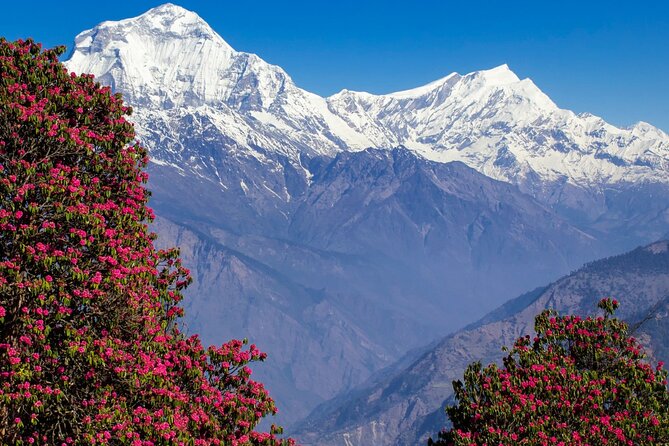
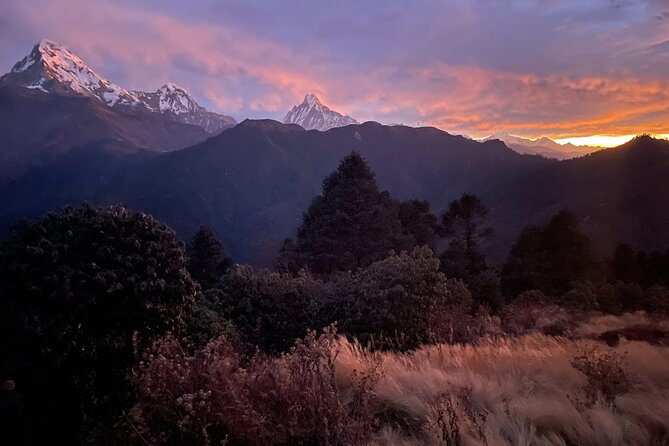
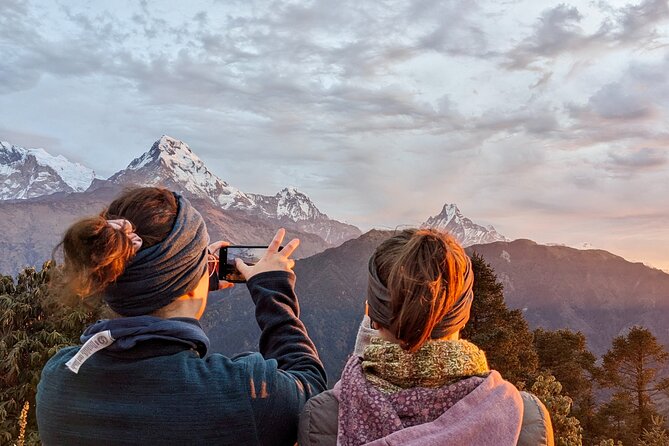
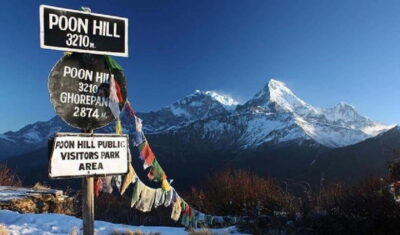
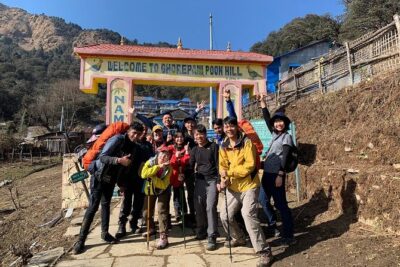
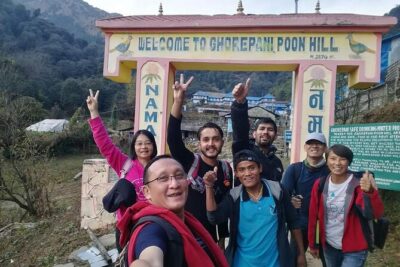
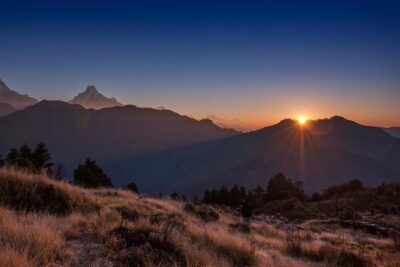
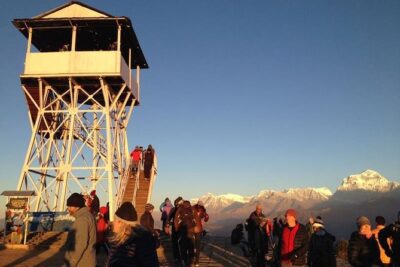
This is the day that gives the trek its name. You leave Ghorepani before dawn and walk to Poon Hill, reaching 3,210 meters for sunrise over the Annapurna and Dhaulagiri peaks.
The timing is inconvenient in the best possible way. You will be walking while it is still dark, then waiting for the first light to reach the mountains. Bring a warm layer and keep your phone or camera ready, because the view can change quickly as the sun rises.
The viewpoint is the trip’s clear highlight. The appeal is not just the height, but the broad mountain outlook and the changing colors at dawn. The route also offers frequent photo opportunities, with scenic views appearing around many corners rather than only at the final viewpoint.
After sunrise, you descend toward Ghandruk at 1,940 meters. That drop in height gives the day a different feel. You leave the high forest around Ghorepani and move toward one of the area’s best-known Gurung villages.
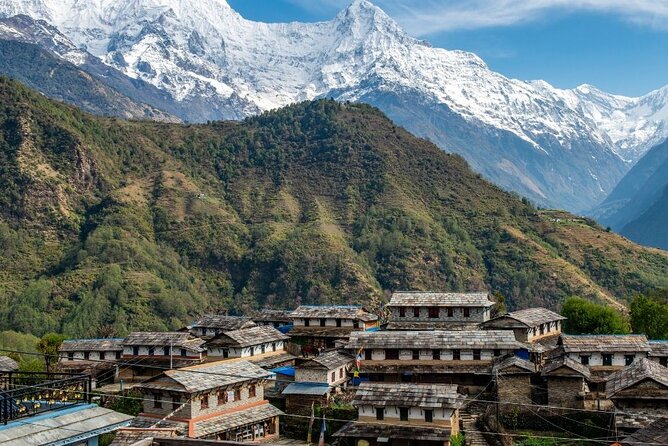
Ghandruk adds cultural value that a viewpoint alone cannot provide. The village is presented as a place to experience Gurung traditions and local life. Your final teahouse night is therefore not just a convenient stop. It gives you time to see a settled mountain community after two days of trail walking.
The physical demand is worth noting. Day three combines a pre-dawn ascent with a long descent, so tired legs may become the main challenge. If you are hiking with children, their age, fitness, and comfort with early starts matter. The route is considered suitable for families, but each group should judge its own ability.
More walking in the hills of Pokhara:
- Trekking in Annapurna/Langtang/Everest/Upper Mustang regions
★ 5.0 · 161 reviews - Pokhara: Annapurna Foothills Day Hike with Transfers
★ 5.0 · 100 reviews - Kathmandu/Pokhara: 5-Day Annapurna Base Camp (ABC) Trek
★ 4.9 · 72 reviews - From Pokhara: 3-Day Ghorepani Poon Hill Trek with Guide
★ 4.9 · 68 reviews
Day four: Ghandruk back to Pokhara by 4WD
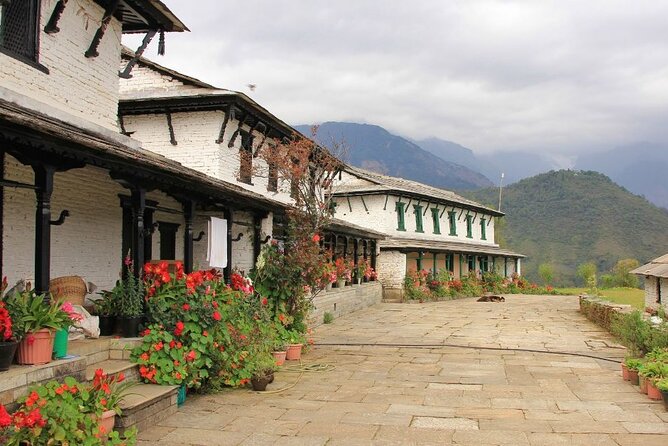
The final day allows more time in Ghandruk before the return journey. You get a chance to look around the village, appreciate its Gurung character, and enjoy a slower morning after the sunrise effort.
The return to Pokhara is by 4WD vehicle. This is practical because it avoids another long walking day, but you should expect a rougher ride on mountain roads. One account specifically describes the road as bumpy, while still considering the scenery and overall trip worthwhile.
That road transfer is also why the four-day plan works. You see Ghandruk without adding extra trekking days, then return to your Pokhara hotel. Hotel accommodation in Pokhara is not included, so you need to arrange that separately.
The views and the cultural side
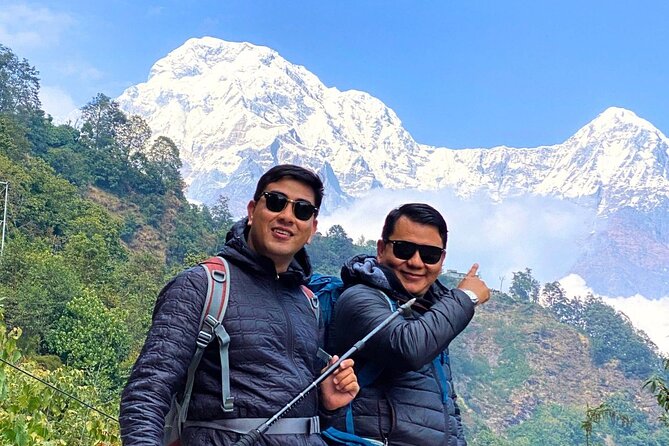
The scenery changes often enough to keep the route interesting. You start near the Modi Khola River, pass villages and farmland, climb through rhododendron forest, reach a high sunrise point, and finish in Ghandruk.
Poon Hill supplies the headline view, but I would not reduce the trek to one morning. The gradual change from lower valleys to higher woods helps you understand how people live across the hills. The trail is part of the experience, not merely a route to the viewpoint.
Ghandruk gives the trip its strongest cultural note. The itinerary highlights Gurung customs and traditions, and the village stay gives you a setting where that connection feels more direct. If you want only mountain photographs, you may see Ghandruk as an overnight stop. If you care about local communities, it makes the route more rounded.
The people you meet along the way are another part of the appeal. Small restaurants, tea stops, and village paths create natural opportunities for simple contact. You should remain respectful, ask before photographing people, and let the guide help you understand local customs.
Lodging, food, and what the $350 covers
The package includes breakfast, lunch, and dinner, along with teahouse accommodation during the trek. That is useful on a route where food and lodging are not always easy to arrange independently, especially when you are moving between villages each day.
Teahouses are simple and functional. One account describes the accommodation as clean and basic, which is the right expectation. You are likely choosing a bed close to the trail, a meal after walking, and a place to sleep before the next start, rather than private-hotel comfort.
The listed inclusions also cover private transportation, all fees and taxes, and a local government-licensed guide. The overview specifies that permits are included as well. Alcoholic drinks are extra, and gratuity is optional. Your hotel in Pokhara is not part of the package.
At $350, this is a fair value for people who want a managed private trip. The strongest savings are in time and planning. You do not have to coordinate the Nayapul transfer, trail transport, guide, permits, meals, and mountain lodging as separate pieces.
If you prefer independent trekking and already know the route, you may find a self-arranged trip more flexible. But you would take on more responsibility, and the price difference should be weighed against the convenience of having the main details organized.
How difficult is the four-day route?
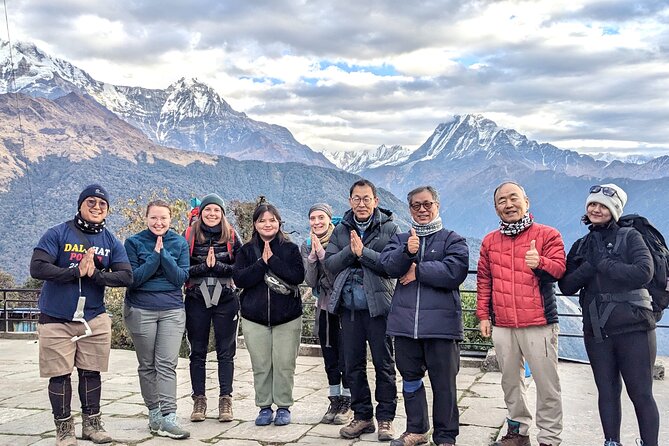
The trek is marketed for beginners and families, and many people can take part. Still, you should not treat it as a sightseeing walk. The route includes uphill walking to Ulleri, a higher climb to Ghorepani, a pre-dawn ascent to Poon Hill, and a descent to Ghandruk.
The highest point is 3,210 meters. That makes pacing important, even though the itinerary is short. Walk steadily, listen to your guide, and avoid trying to gain time by rushing early in the day.
The early start may be harder than the distance. You will be leaving Ghorepani before sunrise, so pack your warmest available layer where you can reach it quickly. Comfortable walking shoes, a small day bag, water, and protection from changing mountain weather are sensible choices, although the supplied details do not specify a required gear list.
Because this is a private activity, your group can focus on its own pace more easily than a large shared departure. That does not remove the climbs, but it can make the day feel less pressured.
Who should book this Poon Hill trek?
I would recommend it to first-time Nepal visitors who want mountain views but have limited time. It also suits couples, small private groups, and families who prefer a guide and prearranged transport.
You should book it if the following points match your plans:
- You want sunrise at Poon Hill without taking on a much longer trek.
- You value meals, permits, transport, and lodging being arranged together.
- You like combining nature with a Gurung village stay.
- You prefer a private group rather than joining strangers.
- You are comfortable with basic teahouses and uphill walking.
I would think twice if you want a relaxed holiday with no early mornings or steep sections. I would also look closely at the plan if you dislike bumpy 4WD roads or expect hotel-style accommodation every night.
Communication and guiding appear to be important strengths of the operation. Bijay is specifically praised for quick replies, friendly organization, and helping make the trip comfortable. Prakash is also named as a caring and enjoyable guide. Guide assignment can vary, so treat those names as examples rather than a guarantee.
Should you book the Poon Hill and Ghandruk route?
Book it if you want a compact, well-organized introduction to Himalayan trekking and understand that the compact schedule still includes real climbs. The sunrise at 3,210 meters, the changing trail scenery, and the Gurung setting in Ghandruk give you more than a quick mountain photo stop.
The $350 price is strongest for anyone who values simplicity. You get private transport, a licensed guide, meals, teahouse stays, taxes, fees, and permits in one package. The main cautions are basic lodging, the pre-dawn start, altitude, and the rough return road.
For a short Nepal itinerary, this is a sensible choice. Pack patience for the hills, a warm layer for Poon Hill, and modest expectations about comfort. Do that, and the route offers a memorable slice of the Annapurna region without requiring a long commitment.
FAQ
How long is the Poon Hill and Ghandruk trek?
The experience lasts approximately four days, beginning and ending in Pokhara.
Where does the trek start?
The trip starts in Pokhara, followed by transportation to Nayapul, where the walking section begins.
What is the highest point on the route?
Poon Hill is the highest point listed, at 3,210 meters.
Is the Poon Hill sunrise included?
Yes. Day three includes a pre-dawn hike from Ghorepani to Poon Hill for sunrise over the Annapurna and Dhaulagiri peaks.
Where do you sleep during the trek?
Overnight stays are in teahouses or lodges in Ulleri, Ghorepani, and Ghandruk.
Are meals included?
Yes. Breakfast, lunch, and dinner are included during the experience.
Is transportation included?
Yes. Private transportation is included, including the drive from Pokhara to Nayapul and the 4WD return from Ghandruk to Pokhara.
Is a Pokhara hotel included?
No. Your hotel in Pokhara is not included in the package.
Is this a private tour?
Yes. Only your own group participates in the activity.
Can you cancel for a full refund?
You can cancel for a full refund if you do so at least 24 hours before the experience starts. Cancellations or changes made less than 24 hours in advance are not accepted for a refund.
New in the Pokhara listings
- Pokhara: Pokhara Highlights Tour by Bus★ 3.6 · 10 reviews
- Discover Pokhara in Style: Private Vehicle Service with Driver★ 5.0 · 5 reviews
- Multi-Day Tour from Pokhara, Poon Hill and Mulde Trek★ 5.0 · 1 review
- Pokhara in 5 Hours: Lake, Museum, Cave, Falls & Pagoda Hill★ 4.5 · 16 reviews
- Private 4 Day Poon Hill Trek from Pokhara★ 5.0 · 16 reviews
- 4 Day Mardi Himal Base Camp Trek from Pokhara★ 5.0 · 18 reviews
- From Pokhara Full Day Entire Pokhara Tour with Guide★ 5.0 · 1 review
- Ultralight Flight: Into The Heart Of The Mountains (90 min)★ 5.0 · 1 review
Poon Hill Treks, compared.
4-Day Ghorepani, Poonhill & Ghandruk Mountain Trek
Read our review →
Browse the lists this tour appears in