
REVIEW · SARANGKOT TOURS
Pokhara: Day Hiking from Sarangkot to World Peace Stupa from Lakeside
Sunrise starts this hike on a high note. This Pokhara outing pairs Sarangkot’s mountain views with a village-and-forest walk to the World Peace Stupa, then adds a boat crossing and two short cultural stops. I like the private format, and I like that Lakeside pickup and drop-off remove the need to arrange an early taxi.
The main catch is the trail itself. Steep paths and downhill walking make this a better choice for active people than for anyone with knee trouble or limited fitness. Weather can also hide the Himalaya, as one outing found when clouds and rain blocked the mountain views.
In This Review
- Five things to know before you book
- Sarangkot at 5 a.m.: a strong start above Pokhara
- The trail from Sarangkot: pretty, steep, and not a casual stroll
- Fewa Lake by rowing boat: the welcome change of pace
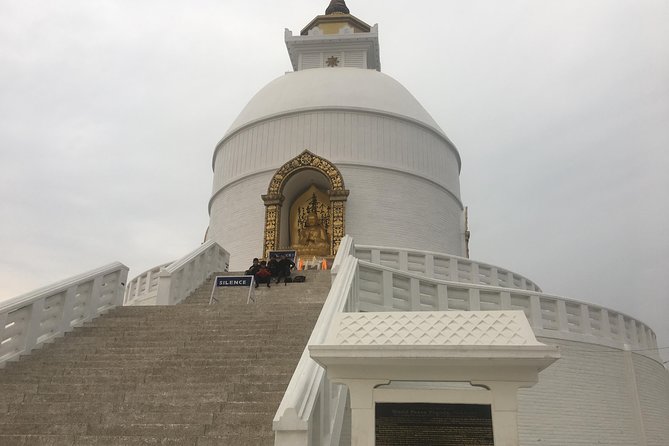
- World Peace Stupa: the payoff after the climb
- Devi’s Fall and Gupteswar Gupha add a cultural finish
- What $130 gets you
- The guide can make the hard sections easier
- Weather, fitness, and timing matter more than the brochure photo
- Who should book this Pokhara hike?
- Should you book it?
- FAQ
- How long does the tour last?
- What time does pickup begin?
- Where is hotel pickup available?
- Is the tour private?
- Is the tour suitable for all fitness levels?
- Is Sarangkot entrance included?
- Is the Fewa Lake boat crossing included?
- Are Devi’s Fall and Gupteswar Gupha entrance fees included?
- Are meals and drinks included?
- What is the cancellation policy?
Five things to know before you book
- The day begins at 5 a.m. with pickup from a hotel in Pokhara’s Lakeside area and a roughly 40-minute drive to Sarangkot.
- The hike links two of Pokhara’s best viewpoints, starting above the valley at Sarangkot and ending at the World Peace Stupa.
- Fewa Lake is crossed by rowing boat, giving you a useful break between the descent and the climb to the pagoda.
- The tour is private and adjustable, so the guide can shape the pace and route to suit your group.
- Devi’s Fall and Gupteswar Gupha come afterward, but their entrance fees are not included in the $130 price.
- A moderate fitness level is required, with steep sections and enough walking to make good shoes and careful pacing important.
Sarangkot at 5 a.m.: a strong start above Pokhara
Your guide picks you up from your Lakeside hotel at about 5 a.m. The drive to Sarangkot takes around 40 minutes, so the early departure is not just for show. It gives you a chance to reach the viewpoint before sunrise and begin the day while the air is still cool.
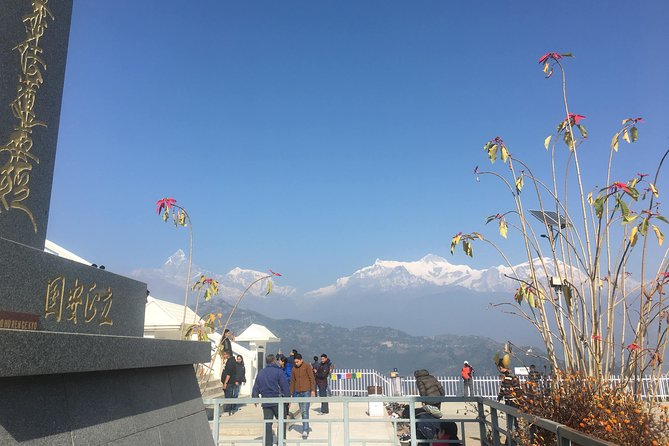
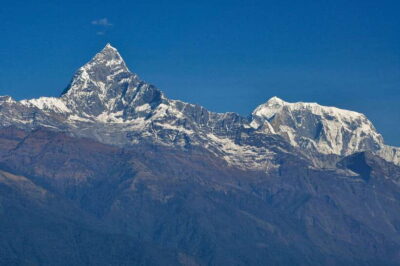
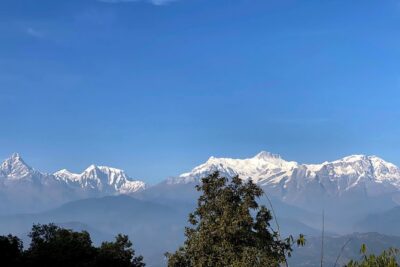
Sarangkot is one of Pokhara’s best-known places for looking toward the Annapurna mountain ranges. On a clear morning, the first light reaches the high peaks while Pokhara Valley remains below you. The view is the main reason to accept the early alarm.
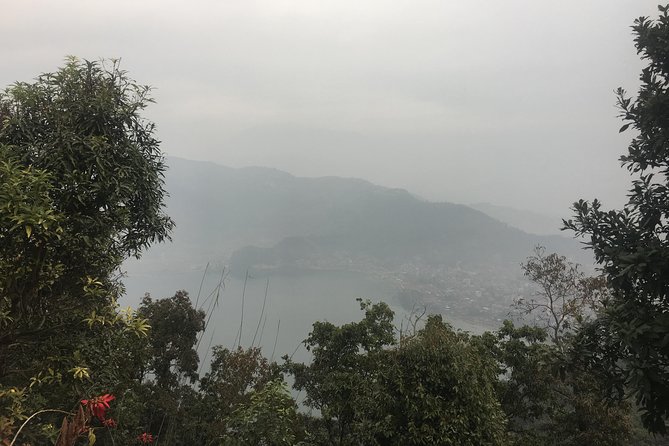
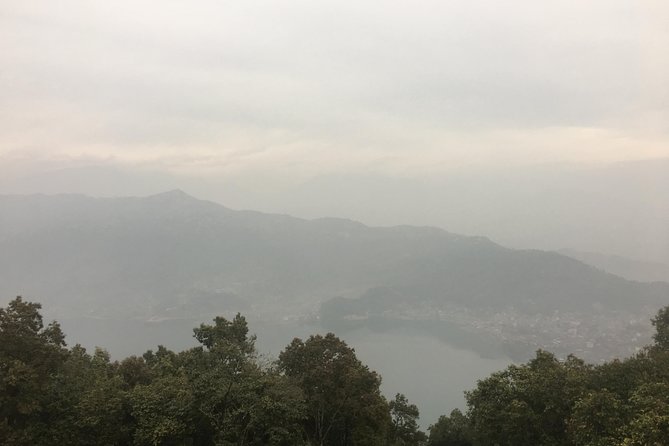
Still, keep your expectations sensible. Mountain weather changes quickly. Clouds and rain can cover the Himalaya, even when the trip begins with hope for a clear sunrise. One group reached the viewpoint but saw neither the mountains nor a full sunrise because of poor weather. You will still have the surrounding hills and valley scenery, but the famous peaks are never guaranteed.
The Sarangkot stop lasts about two hours, including time for the sunrise and the start of the walk. Since this is a private tour, you are not locked into the exact rhythm of a large group. You can ask for a little more time at the viewpoint, though the full route still needs to fit into the day.
More Day Hikes in Pokhara
- Pokhara: Annapurna Foothills Day Hike with Transfers
★ 5.0 · 100 reviews - Pokhara: Easy Day Hike to Australian Camp & Dhampus Village
★ 5.0 · 24 reviews - Australian Base Camp Day Hike From Pokhara
★ 4.8 · 19 reviews
The trail from Sarangkot: pretty, steep, and not a casual stroll
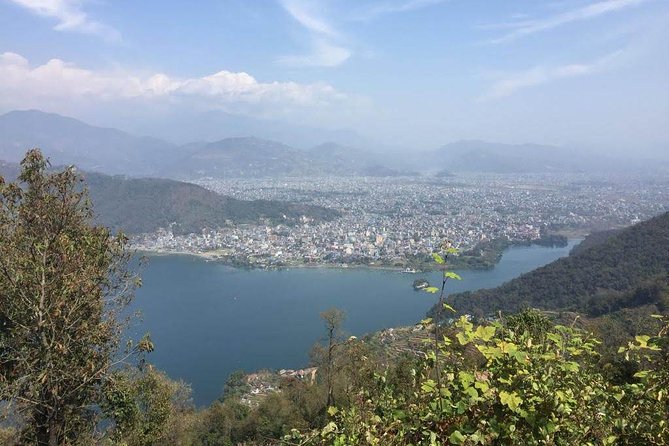
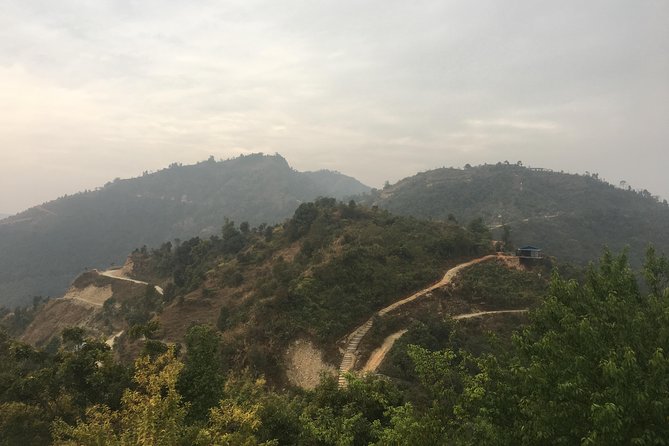
From Sarangkot, the route heads down through villages, farmland, and forest toward Fewa Lake. This is the part that gives the outing its Himalayan day-hike feel. You are not simply driven between viewpoints. You move through the countryside under your own power.
The word downhill deserves attention. Descending can be hard on the knees, especially on steep or uneven paths. One person with knee problems found this section quite difficult but completed it with help from the guide. That is useful advice: do not judge this walk only by its total duration. A few hours on a steep trail can feel much tougher than a longer walk on flat ground.
Your guide can help with pacing, but the tour is not designed as a gentle city walk. You should be comfortable with sustained uphill and downhill walking before booking. The supplied fitness guidance calls for moderate physical fitness, and that is a fair description.
The village and farm sections also give the route a more grounded feel than a straight trip by car. You see how the hills around Pokhara are used, rather than viewing them only from a lookout. Exact trail conditions can vary, and the weather will affect how comfortable the walk feels.
Wear sturdy walking shoes. Bring extra water beyond the single bottle supplied for each person if you know you drink often, and carry a light rain layer because the weather can turn wet. Meals are not included, so a small breakfast or snack is sensible, even though food and drinks can be bought along the way.
Fewa Lake by rowing boat: the welcome change of pace
After the trail from Sarangkot, you reach Fewa Lake and cross it by rowing boat. The boat ride is included, and it breaks up the walking at exactly the right point. You have a chance to rest your legs before the next ascent.
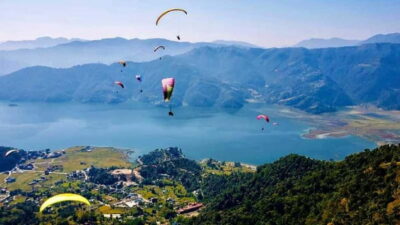
This is not presented as a long lake excursion. It is a practical crossing within the route, but it also gives you a fresh view of Pokhara and the hills around the water. The change from mountain trail to boat makes the day feel varied without adding another complicated transfer.
The crossing also helps explain the route’s appeal. You begin high above the city, walk down through rural areas, cross the lake, and then climb again to the World Peace Stupa. It is a compact way to experience several sides of Pokhara in one morning and early afternoon.
The boat is for crossing Fewa Lake, not a substitute for the hike. You still need to walk uphill after reaching the other side.
World Peace Stupa: the payoff after the climb
From the lake, the trail climbs through village areas and forest toward the World Peace Stupa. The uphill section is the second major physical test of the day. If the descent from Sarangkot bothers your knees, the climb may test your breathing and leg strength instead.
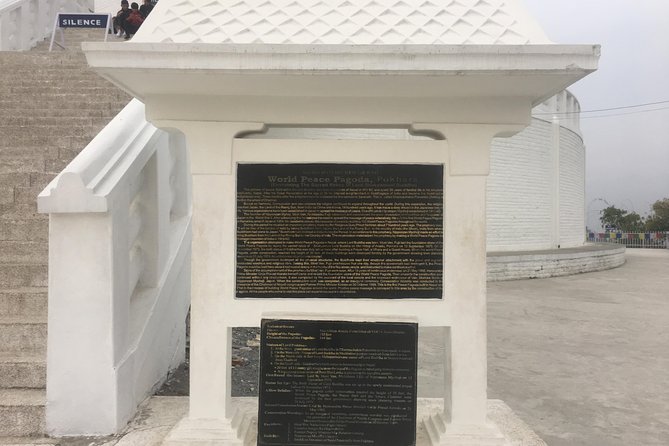
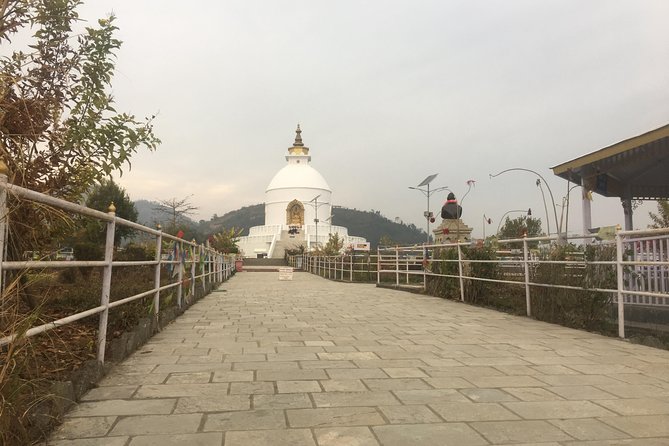
The reward is a broad view over Pokhara Valley, the Annapurna mountain ranges, and the green hills around the city. The stupa is a natural place to pause after the walk. You can take in the views, catch your breath, and let the route’s different sections come together.
The stop is planned for about three hours, which suggests enough time for the climb, time at the top, and the transition afterward. The exact pace will depend on your group. A private tour is useful here because your guide can adapt the walking speed instead of forcing everyone to match a fixed group schedule.
The stupa will not repair bad weather. Clouds may again block the high peaks, but the view across Pokhara and the nearby hills can still make the climb worthwhile. If your main goal is a guaranteed Himalayan panorama, no sunrise or mountain tour can promise that. If your goal is a demanding route with several good viewpoints, this outing has more to offer.
More mornings at Sarangkot:
- From Pokhara: Sarangkot Sunrise Himalayas Tour
★ 4.7 · 218 reviews - Pokhara: Sarangkot Sunrise with Half or Full-Day City Tour
★ 4.8 · 100 reviews - The Best of Pokhara: Full-Day Private Tour with Sarangkot Sunrise
★ 5.0 · 66 reviews - Paragliding at Sarangkot Pokhara
★ 5.0 · 50 reviews
Devi’s Fall and Gupteswar Gupha add a cultural finish
After the World Peace Stupa, the route continues by road toward Devi’s Fall and Gupteswar Gupha. The schedule allows about 20 minutes for Devi’s Fall and about 40 minutes for the cave.
Devi’s Fall provides a change from mountain views and walking trails. You are looking at a natural water feature rather than another high viewpoint. The stop is brief, so think of it as an added attraction rather than a full sightseeing visit.
Gupteswar Gupha is the more distinctive of the two short stops. The cave has a Hindu temple dedicated to Lord Shiva at a depth of about 40 meters. Farther inside, the cave continues for another 100 meters toward a river connected with water from Devi’s Fall.
That connection gives the two stops a useful link. You see the waterfall above ground, then visit the cave system associated with the water below. The cave is historic and religious, so respectful behavior matters. The route may involve dark, confined spaces and uneven footing, though the supplied information does not give a detailed accessibility assessment.
Entrance fees for Devi’s Fall and Gupteswar Gupha are not included. This is a small but important point when you calculate the final cost. Sarangkot admission is included, while the waterfall and cave charges are paid separately.
What $130 gets you
The $130 price covers a private half-day-style outing lasting approximately five to six hours. It includes an English-speaking trekking guide, pickup and drop-off within the Lakeside area, bottled water for each person, Sarangkot entrance, and the rowing boat across Fewa Lake.
The value depends heavily on your group size. For a private group, the price pays for a dedicated guide, early transport, the boat crossing, and a route that would be awkward to organize independently in one morning. Group discounts are available, though the actual discount is not specified.
You still pay for meals, drinks, and entry to Devi’s Fall and Gupteswar Gupha. Gratuity is optional. If you are comparing this with arranging separate taxis, a boat crossing, and a local guide, the price may be reasonable for the convenience. If you are a strong independent hiker who only wants a trail map, you may prefer to organize parts of the day yourself.
The private format is the biggest value point for many people. You are not sharing the walk with a large mixed group, and the experience can be customized. That matters when one person walks faster, another needs more rest, or you want to spend more time at Sarangkot and less time elsewhere.
The guide can make the hard sections easier
The guide is not there only to point out the next turn. On a route with steep descents and climbs, a steady pace and practical support matter. One guide named Shambhu received particular praise for being helpful without talking too much. That balance is welcome on an early morning hike. You get information about Pokhara and the Himalaya without a constant stream of commentary.
The guide speaks English and can provide context about the places along the route. Since the tour is private, you can ask questions when you want them and request adjustments to the pace.
Do not expect a fully guided technical trek. This is a short day hike, not a long-distance Himalayan expedition. The guide’s role is best understood as a mix of local escort, walking companion, and sightseeing guide.
Weather, fitness, and timing matter more than the brochure photo
The early start is both an advantage and a burden. You get the best chance at sunrise and cooler walking conditions, but you need to be ready in your hotel before dawn. If you are tired after a late arrival in Pokhara, this may not be the wisest first activity.
The weather is the largest uncertainty. Clear skies can produce the classic Annapurna views. Clouds and rain can remove the mountain backdrop entirely. The tour still has village scenery, forest paths, the lake crossing, the stupa, the waterfall, and the cave, but you should book it for the whole route rather than only for a guaranteed sunrise photograph.
Fitness is the other deciding factor. The route includes steep trails, a long descent from Sarangkot, and a climb to the World Peace Stupa. People with knee problems should think carefully and discuss the pace with the guide at the start. The private structure helps, but it does not make the trail flat.
Who should book this Pokhara hike?
I would recommend it to you if you want a compact introduction to hiking around Pokhara without committing to a multi-day trek. It suits active people who enjoy switching between viewpoints, rural paths, a boat crossing, and cultural sights.
It also works well for a small group that values privacy and wants a flexible pace. The Lakeside transfer is especially handy when you need to reach Sarangkot before sunrise without arranging transport on your own.
I would hesitate if you have serious knee trouble, dislike steep trails, or want a relaxed sightseeing day. I would also think twice if your only goal is a clear view of Annapurna, since mountain weather may not cooperate.
Book with the weather in mind and keep your schedule flexible. Free cancellation is available until 24 hours before the start time. Cancellations or changes made within 24 hours are not accepted for a refund.
Should you book it?
Book this tour if you want one active morning that covers Sarangkot, Fewa Lake, the World Peace Stupa, Devi’s Fall, and Gupteswar Gupha without handling the transport yourself. The route is varied, the private guide is a real advantage, and the mountain scenery can be excellent on a clear day.
Skip it if you want an easy walk or have trouble with steep downhill paths. For the right fitness level, this is a useful way to sample Pokhara’s hills and Himalayan views in a single outing, with enough local detail to make the day feel like more than a series of photo stops.
FAQ
How long does the tour last?
The experience lasts approximately five to six hours.
What time does pickup begin?
Pickup is scheduled for 5 a.m.
Where is hotel pickup available?
Pickup and drop-off are included for hotels within the Lakeside area of Pokhara.
Is the tour private?
Yes. Only your group participates in the private activity.
Is the tour suitable for all fitness levels?
No. A moderate fitness level is required because the trails are steep and include both downhill and uphill walking.
Is Sarangkot entrance included?
Yes. Entrance to Sarangkot is included.
Is the Fewa Lake boat crossing included?
Yes. The rowing boat used to cross Fewa Lake is included.
Are Devi’s Fall and Gupteswar Gupha entrance fees included?
No. Entrance fees for both the waterfall and the cave are paid separately.
Are meals and drinks included?
No. Meals and drinks are not included, though they are available for purchase.
What is the cancellation policy?
You can cancel up to 24 hours before the experience starts for a full refund. Cancellations or changes made less than 24 hours before the start time are not accepted.
More Walks up to the Peace Pagoda
- Pokhara: Golden Hour at Peace Pagoda – Himalayan Sunset Tour
★ 4.5 · 16 reviews - From Pokhara : Hiking to Peace Pagoda via Fewa Lake & Jungle
★ 5.0 · 10 reviews - Pokhara: 1-Day World Peace Pagoda and Lord Shiva Statue Trek
★ 4.8 · 5 reviews - Peace & Panorama: Stupa and Pumdikot Scenic Drive Tour
★ 3.6 · 3 reviews
New in the Pokhara listings
- Pokhara: Pokhara Highlights Tour by Bus★ 3.6 · 10 reviews
- Discover Pokhara in Style: Private Vehicle Service with Driver★ 5.0 · 5 reviews
- Multi-Day Tour from Pokhara, Poon Hill and Mulde Trek★ 5.0 · 1 review
- Pokhara in 5 Hours: Lake, Museum, Cave, Falls & Pagoda Hill★ 4.5 · 16 reviews
- Private 4 Day Poon Hill Trek from Pokhara★ 5.0 · 16 reviews
- 4 Day Mardi Himal Base Camp Trek from Pokhara★ 5.0 · 18 reviews
- From Pokhara Full Day Entire Pokhara Tour with Guide★ 5.0 · 1 review
- Ultralight Flight: Into The Heart Of The Mountains (90 min)★ 5.0 · 1 review
Sarangkot Tours, compared.
Sarangkot Sunrise with Half or Full-Day City Tour
Read our review →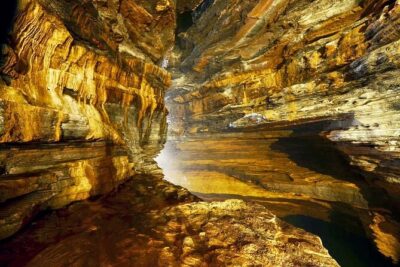
The Best of Pokhara: Full-Day Private Tour with Sarangkot Sunrise
Read our review →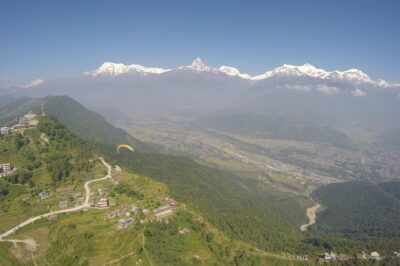
Sarangkot Village Coffee Culture and Authentic Local Life Tour
Read our review →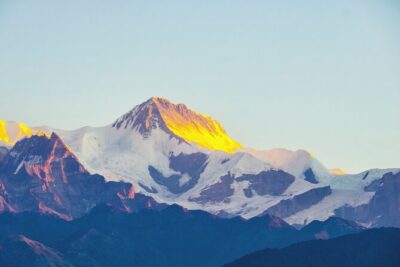
Browse the lists this tour appears in