
REVIEW · SARANGKOT TOURS
Sarangkot Village Coffee Culture and Authentic Local Life Tour
Coffee tastes better after a mountain hike. This six-hour outing from Pokhara combines a walk beside Phewa Lake with a visit to small-scale Arabica farms in Sarangkot Pandeli village. I like the way it connects coffee, farming, village life, and community tourism instead of treating the countryside as scenery alone. I also like the chance to eat an organic meal prepared by local women while learning how coffee moves from cherry to cup.
The main thing to consider is the physical effort. The route includes about two and a half hours of uphill hiking after reaching Khapaudi village, and the tour asks for moderate fitness. The start time is 11:15 am, so this is not a dawn walk, and the timing may feel warm for a long climb.
In This Review
- Five things to know before you book
- Why this Pokhara outing feels different
- Starting in Pokhara and walking along Phewa Lake
- The climb from Khapaudi to Sarangkot Pandeli
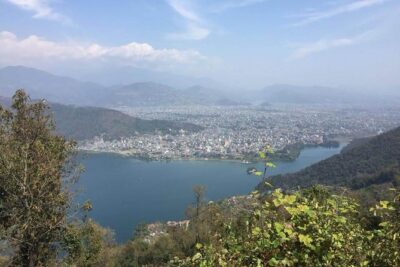
- Pandeli Park and the view over Phewa Lake
- From coffee cherry to cup
- Lunch prepared by the women’s community group
- What the $60 price gets you
- Who should choose this tour
- Practical advice for a better day
- Should you book the Sarangkot coffee tour?
- FAQ
- Where does the tour start and end?
- What time does the tour begin?
- How long does the experience last?
- How strenuous is the hike?
- Is transportation included?
- Is food and coffee included?
- How many people can join the tour?
- Can I cancel for a full refund?
Five things to know before you book
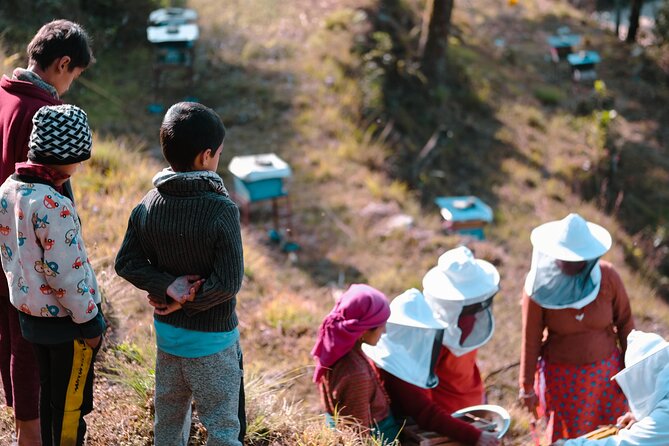
- The walk follows Phewa Lake before climbing uphill: You get water views and rural paths before reaching the farm area.
- Coffee is the main subject: You learn about organic Arabica growing, harvesting, processing, and tasting.
- The lunch supports local women: The meal is prepared by women involved in a community tourism project.
- The setting reaches about 1,200 meters: Pandeli Park offers broad views over Phewa Lake and sits along an old route toward the Annapurna region.
- Small groups keep the visit personal: A maximum of 10 people is allowed, and private transportation is included.
- The route can be adjusted in some cases: One person with limited mobility was accommodated with a taxi ride to the farm, while another chose a cable car option and hiked down.
Why this Pokhara outing feels different
Pokhara has no shortage of lake walks, mountain views, and short excursions. This tour adds a useful purpose to the scenery. You are not simply walking to a viewpoint and returning to town. You are visiting a farming community and seeing how coffee production fits into daily life.
The work begins with local Arabica farmers in Sarangkot Pandeli village. The community-focused organization Sharing Seeds supports farmers with training and updated farming information. It also pays about 30 percent more for coffee cherries than other collectors in the area. That detail matters because the tour gives you a direct look at how tourism and farming can support each other.
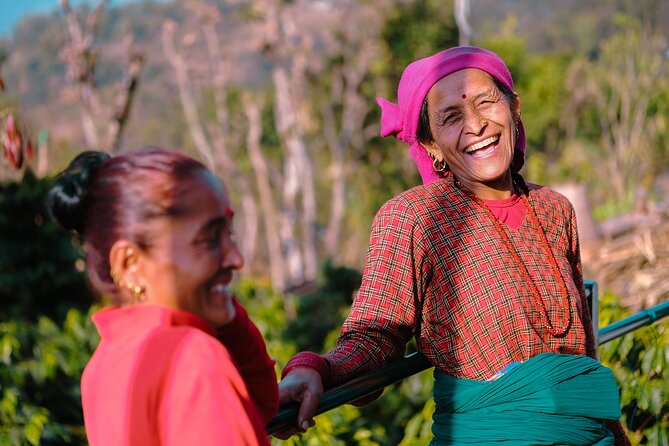
The project also creates local jobs for women. Your meal is part of that effort, not just a convenient stop arranged for a tour group. You may also taste honey, seasonal fruit, and other local produce, depending on availability.
I especially like this kind of experience for visitors who want to understand a place through work and food. You see coffee plants, vegetable gardens, and beehives, then sit down to eat food prepared by the community. It gives the day a human scale.
More mornings at Sarangkot:
- From Pokhara: Sarangkot Sunrise Himalayas Tour
★ 4.7 · 218 reviews - Pokhara: Sarangkot Sunrise with Half or Full-Day City Tour
★ 4.8 · 100 reviews - The Best of Pokhara: Full-Day Private Tour with Sarangkot Sunrise
★ 5.0 · 66 reviews
Starting in Pokhara and walking along Phewa Lake
The meeting point is SalesBerry Department Store on Chiple Dhunga Road in Pokhara. The tour starts at 11:15 am and finishes back at the same meeting point. Private transportation is included, although the exact transport arrangement can vary as the group moves from town toward the walking route.
The first part takes roughly an hour and a half along the shore of Phewa Lake to Khapaudi village. This is a gentle opening compared with the climb that follows. You have time to settle into the pace, look across the water, and see the change from the town side of Pokhara to a more rural setting.
Phewa Tal is one of Nepal’s best-known lakes, and walking beside it gives the trip a strong sense of place. The lake is not just a photo stop here. It forms the first part of the route, helping you understand how close the villages are to Pokhara while still feeling separate from the city.
The itinerary lists about 15 minutes at the lake, but the wider walk takes longer. Think of the lake stop as part of the route rather than a formal sightseeing pause. Wear shoes you can use on uneven paths, since the experience is built around walking rather than riding from one attraction to another.
The climb from Khapaudi to Sarangkot Pandeli
At Khapaudi, the route turns uphill. The climb takes about two and a half hours and passes through village areas on the way toward the coffee farms. This is the section that determines whether you will enjoy the tour.
You should expect a steady physical challenge, not a casual stroll. The tour calls for moderate fitness, and the route includes a long ascent. The reward is the chance to move through village life at walking speed. You may see homes, crops, and working farmland rather than only marked tourist stops.
The timing deserves attention. Starting at 11:15 am means the uphill section can fall during the warmer part of the day. Bring water and sun protection, and do not treat the included seasonal fruit and chocolate bars as a substitute for a proper drink. The tour includes some food and tasting, but personal expenses and hiking gear are not included.
The experience provider has shown some flexibility for people who cannot manage the full climb. A taxi was arranged for one participant with limited mobility, and another option involved taking a cable car to the top before hiking down. These arrangements are not clearly presented as standard inclusions, so you should ask about them before booking rather than assume they are available.
Pandeli Park and the view over Phewa Lake
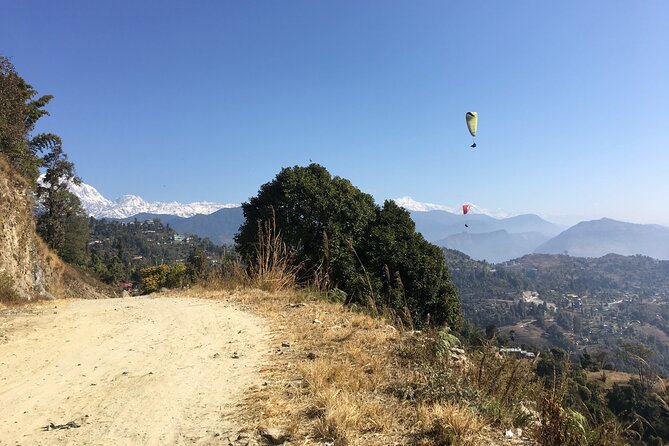
Pandeli Park sits at about 1,200 meters and provides one of the best points for a full view of Phewa Lake. It is also associated with an old trekking route toward the Annapurna region, giving the stop some travel history without turning the tour into a formal heritage visit.
This is a sensible place to rest after the climb. The open view helps explain why Sarangkot is so popular, but the experience does not stop at the usual lookout. From Pandeli Park, you continue toward Pandeli village and the agricultural community.
The scenery is one of the strongest parts of the day. You get the lake below, mountain air, and a change in vegetation as you gain height. The view is especially valuable because you reach it on foot, after passing through the countryside rather than arriving only by vehicle.
Still, the route is not designed for people who want a viewpoint with minimal effort. If your priority is a quick panoramic photo, the full hiking tour may feel too long. If you enjoy walking and want the view to be part of a wider local experience, the climb makes more sense.
A completely different way to spend the day:
- ZipFlyer Nepal – The World’s Steepest Zip-line
★ 5.0 · 608 reviews - Bungee Pokhara by HighGround Adventures
★ 5.0 · 366 reviews - ATV Adventure Tour in Pokhara, Nepal
★ 5.0 · 194 reviews - Full-Day Tibetan Cultural Tour to Tibetan Settlements Pokhara
★ 5.0 · 184 reviews
From coffee cherry to cup
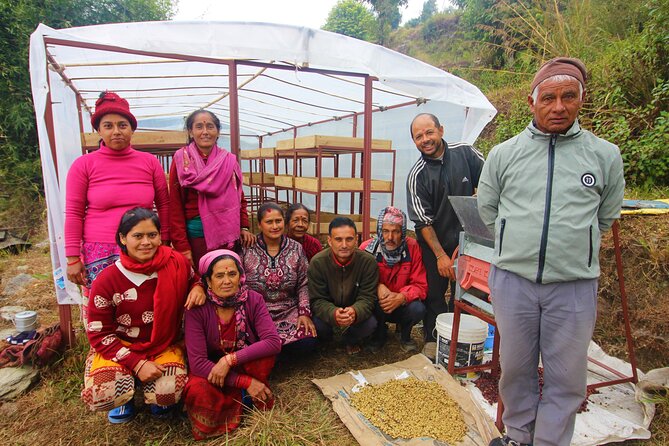
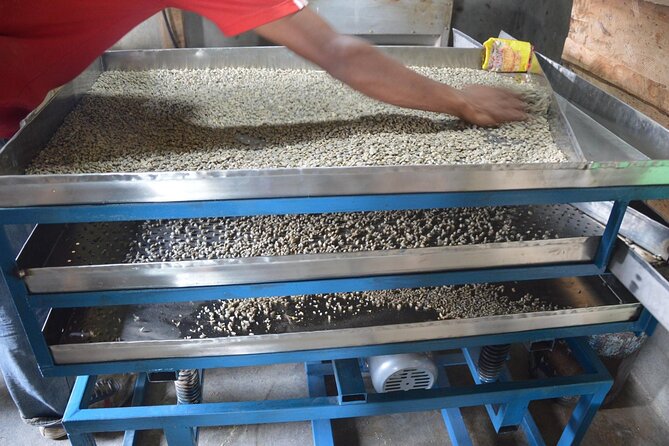
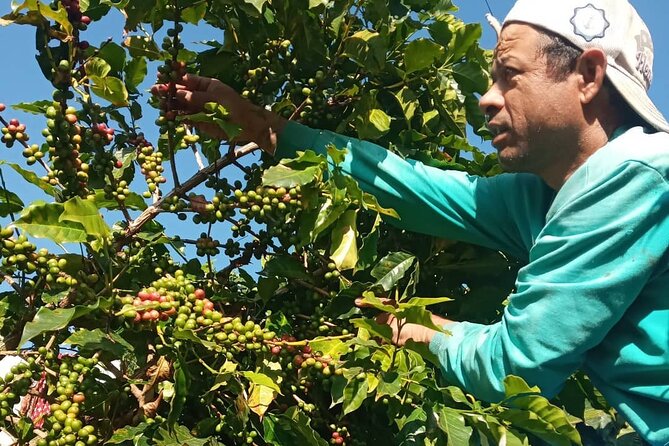
The farm visit is the heart of the experience. You learn about several stages of organic coffee production, from growing Arabica plants to processing the cherries and preparing the finished drink.
The tour is useful because it presents coffee as farm work, not as a fashionable café product. You can see how small producers manage crops and learn about the practical challenges of farming sustainably. The community organization shares updated methods and training with farmers, which gives the discussion a clear focus.
Coffee farming is not presented as an easy success story. Small farms face real problems with production, processing, and fair payment. The effort to pay farmers 30 percent more than other local collectors is one of the most meaningful details of the visit. It helps you understand why the price paid for coffee at the farm level can shape a family’s future.
You also get to taste locally grown Arabica coffee. Organic coffee and honey tasting are included when available, so the precise tasting selection depends on the season and supply. Seasonal fruits and chocolate bars are included as well.
The presentation can be particularly enjoyable when led by Abby, who has explained the coffee process clearly during the visit. If you are curious about farming, ask questions about how coffee is grown and processed rather than treating the tasting as the whole point.
Lunch prepared by the women’s community group
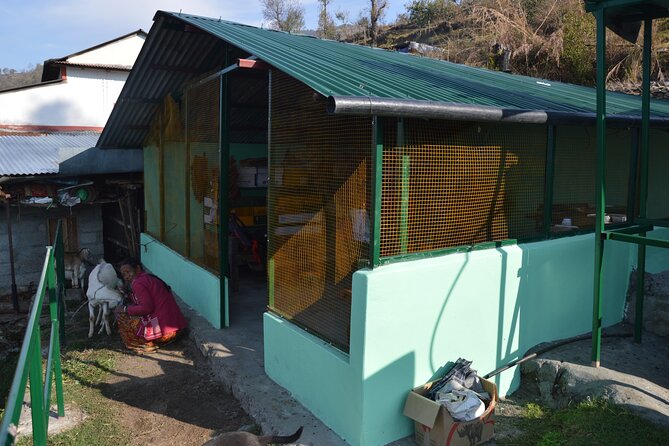
Food gives this tour much of its warmth. The organic lunch is prepared by women who are part of the community tourism project, and the meal creates a direct connection between your booking and local employment.
You may receive a traditional breakfast or lunch depending on the day’s schedule and arrangement. Past experiences have included an authentic local meal, iced coffee, and food made with produce connected to the farm. The precise menu is not specified, so you should expect seasonal and local cooking rather than a fixed restaurant menu.
This is an important distinction. You are not being sold a polished dining show. The appeal is the welcome, the food, and the chance to sit with a community group after the walk. If you prefer a predictable menu or quick service, this may feel informal. If you want a meal tied to the place you are visiting, it is one of the tour’s best features.
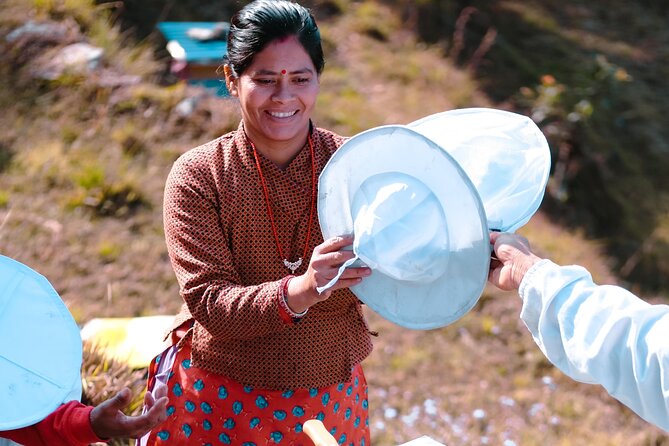
The farm area may also include vegetable gardens and beehives. Seeing coffee alongside food crops and honey production gives you a fuller picture of rural income. The village is not a single-product coffee attraction. It is a working agricultural community.
What the $60 price gets you
The price is $60 per person. That is not the cheapest way to see Sarangkot, especially if your only goal is a viewpoint. The value comes from the combination of transport, guiding, a long village hike, farm education, coffee tasting, possible honey tasting, snacks, and an organic community meal.
The small group limit of 10 helps. A group this size is more likely to keep the farm visit conversational, and the community setting should feel less crowded than a large bus excursion. Group discounts are available, which can improve the price for friends or families booking together.
Private transportation is included, but personal costs, souvenirs, and hiking equipment are not. Plan to pay for anything extra you buy in the village, and bring your own suitable shoes and other walking gear.
I would call the price fair for people who value local contact and a structured day outside Pokhara. It is less compelling for someone who already has a full coffee-farm visit planned or who does not want a demanding uphill walk.
Who should choose this tour
I would recommend it most strongly if you:
- Want to combine a cultural experience with exercise
- Care about organic farming and fairer payments to producers
- Prefer small village visits to standard sightseeing stops
- Enjoy local food and are comfortable with an informal meal
- Have moderate physical fitness
- Want to support a women-led community tourism project
- Have six hours available for a slower outing from Pokhara
You should think twice if you need an easy route, dislike warm uphill walks, or want a tightly scheduled attraction tour. The experience is shaped by village conditions, weather, farming seasons, and what is available on the day.
Service animals are allowed, and the meeting point is near public transportation. Confirmation is received at booking. The activity may be canceled for poor weather or if the minimum number of participants is not reached. In those cases, you can choose another date or receive a full refund. You can also cancel up to 24 hours before the start time for a full refund.
Practical advice for a better day
Wear comfortable hiking shoes and carry water. The tour includes snacks and tasting, but your own supplies are sensible for a long climb.
Keep your schedule flexible after the start time. The walking pace, village conversations, meal, and farm visit may not run with the precision of a city museum tour. That is part of the appeal, but it also means you should not book a tight afternoon connection.
Ask about the available route if you have limited mobility. The taxi arrangement and cable car option described for earlier participants show that alternatives may sometimes be possible, but they should be confirmed in advance.
Finally, bring curiosity rather than a checklist. The most rewarding parts are likely to be the small details: how coffee is handled after harvest, how farmers are paid, what crops grow beside the coffee, and how women are earning locally through the project.
Should you book the Sarangkot coffee tour?
Book it if you want more than a lake view and a quick trip to a famous lookout. The combination of a long uphill walk, Arabica farming, honey and coffee tasting, local food, and community support gives the day real substance.
Skip it if you want a light excursion or a guaranteed fixed menu and route. For everyone else, this is a strong choice for seeing the rural side of Pokhara while supporting a practical local project. The best reason to go is simple: you get a beautiful walk, but you also learn who grows the coffee and how tourism can return more value to the village.
FAQ
Where does the tour start and end?
The tour starts at SalesBerry Department Store, 6XFQ+JV2, Chiple Dhunga Road, Pokhara 33700, Nepal. It ends back at the same meeting point.
What time does the tour begin?
The scheduled start time is 11:15 am.
How long does the experience last?
The tour lasts approximately six hours.
How strenuous is the hike?
You should have a moderate level of physical fitness. The route includes about two and a half hours of uphill hiking after reaching Khapaudi village.
Is transportation included?
Private transportation is included. The standard meeting and ending point is in Pokhara.
Is food and coffee included?
Organic coffee and honey tasting are included when available. Seasonal fruit and chocolate bars are included, and the experience includes an organic meal prepared by women involved in the community tourism project.
How many people can join the tour?
The activity has a maximum of 10 participants. Group discounts are available.
Can I cancel for a full refund?
Yes. You can cancel at least 24 hours before the start time for a full refund. Poor weather or failure to reach the minimum number of participants may also result in a different date, another experience, or a full refund.
New in the Pokhara listings
- Pokhara: Pokhara Highlights Tour by Bus★ 3.6 · 10 reviews
- Discover Pokhara in Style: Private Vehicle Service with Driver★ 5.0 · 5 reviews
- Multi-Day Tour from Pokhara, Poon Hill and Mulde Trek★ 5.0 · 1 review
- Pokhara in 5 Hours: Lake, Museum, Cave, Falls & Pagoda Hill★ 4.5 · 16 reviews
- Private 4 Day Poon Hill Trek from Pokhara★ 5.0 · 16 reviews
- 4 Day Mardi Himal Base Camp Trek from Pokhara★ 5.0 · 18 reviews
- From Pokhara Full Day Entire Pokhara Tour with Guide★ 5.0 · 1 review
- Ultralight Flight: Into The Heart Of The Mountains (90 min)★ 5.0 · 1 review
Sarangkot Tours, compared.

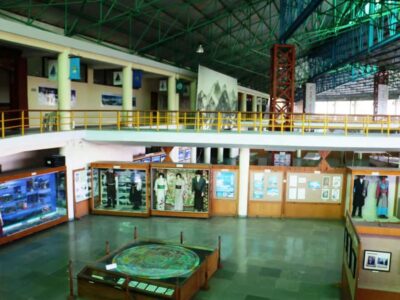
Sarangkot Sunrise with Half or Full-Day City Tour
Read our review →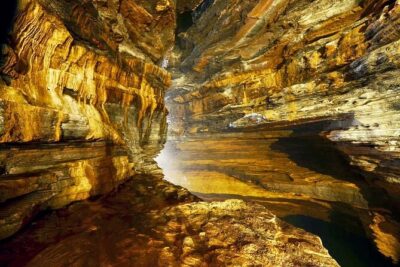
The Best of Pokhara: Full-Day Private Tour with Sarangkot Sunrise
Read our review →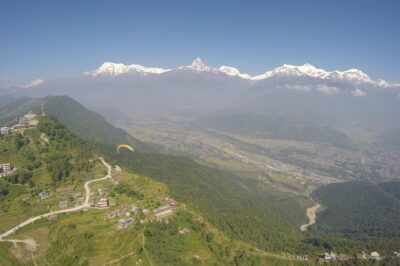
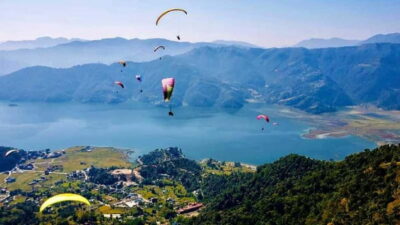
Day Hiking from Sarangkot to World Peace Stupa from Lakeside
Read our review →
Browse the lists this tour appears in