REVIEW · POKHARA TOURS
Pokhara (Fewa Power House, Ram, Kedareshwor Temple and Tal Barahi Temple) Trip
Pokhara rewards curious detours. This private half-day outing takes you beyond the usual lakeside circuit to the Fewa hydropower station, a working piece of Nepal’s modern infrastructure, then pairs it with three Hindu temples. I like the mix of engineering, worship, and lake scenery, and I like that your own guide and vehicle keep the schedule simple. The main consideration is pace: the temple stops are short, and Tal Barahi Temple is small enough that visitors with little time may prefer to see it from the boat.
You can choose a 10:30 am or 1:30 pm departure, with hotel pickup and return included for locations around Lakeside. The $55 price per person is easier to justify for a private group than for a solo visitor, especially since boating, the guide, and the Tal Barahi entrance are included. Hotels farther from Lakeside cost extra for pickup and drop-off.
In This Review
- Key points to know before booking
- A compact Pokhara outing with an unusual first stop
- Fewa Power House: Pokhara’s practical side
- Ram Mandir in Phardi and its Vishnu connection
- Kedareshwar Mahadev Mani Temple beside Phewa Lake
- Crossing Phewa Lake to Tal Barahi Temple
- Why the private format matters
- Is $55 a fair price for this Pokhara tour?
- Who will enjoy this half-day experience?
- What to bring and how to plan the day
- Should you book this Pokhara temple and lake tour?
- FAQ
- How long does the Pokhara sightseeing tour last?
- What departure times are available?
- Is hotel pickup included?
- Is this a private tour?
- What is included in the price?
- Are meals and drinks included?
- Is the Tal Barahi Temple boat ride included?
- Can I cancel for a full refund?
Key points to know before booking
- Fewa Power House dates from 1969: See a 1-megawatt canal-drop station developed jointly by Nepal and India.
- Three distinct religious stops: Visit Ram Mandir, Kedareshwar Mahadev Mani Temple, and Tal Barahi Temple.
- Tal Barahi requires a boat ride: Boating is included, but a small life-jacket charge may apply.
- The tour is private: Only your group participates, making the timing more flexible than a large sightseeing bus.
- Two departure choices: Start at 10:30 am and finish around 2 pm, or start at 1:30 pm and finish around 5 pm.
- Best value comes with two or more people: Group discounts are available, and the cost covers several useful inclusions.
A compact Pokhara outing with an unusual first stop
Many short Pokhara tours focus on the lake, viewpoints, and the most familiar temples. This one takes a different route by beginning at Fewa Power House in Pardi, Birauta, and Pokhara. It is not a grand monument, but it gives you a look at how the city’s water and power systems helped shape modern Pokhara.
The tour lasts about three and a half hours. That is long enough to cover four stops without using up your whole day. You can still plan a meal, rest at your hotel, or spend extra time around Phewa Lake afterward.
Your guide collects you from your hotel lobby at the selected time. The stated meeting area is Lakeside Pokhara, postal area 33700, and pickup from hotels farther away comes with an additional charge. Confirm your hotel location and preferred start time when booking so there is no confusion on the day.
Because this is a private activity, you are not sharing the vehicle with a large group. That matters most at the temples, where a little flexibility can make the visit more comfortable. The published schedule allows roughly 30 minutes at each of the first three stops and 45 minutes at Tal Barahi, with the remaining time used for driving and the boat trip.
A short list of alternatives around Pokhara
- ZipFlyer Nepal – The World’s Steepest Zip-line
★ 5.0 · 608 reviews - Bungee Pokhara by HighGround Adventures
★ 5.0 · 366 reviews - From Pokhara: Sarangkot Sunrise Himalayas Tour
★ 4.7 · 218 reviews
Fewa Power House: Pokhara’s practical side
The first stop is Fewa hydropower station, also called Fewa Power House. It is a canal-drop type station with an installed capacity of 1.0 megawatt and annual design generation of 6.5 gigawatt-hours. It began operating in 1969 and was developed jointly by the Government of India and the Government of Nepal.
Those figures may sound technical, but that is part of the appeal. The stop gives your guide something concrete to explain about Nepal beyond temples and mountain views. You see a working utility site connected to the history of cooperation between the two countries.
You have about 30 minutes here, and admission is free. Do not expect a museum-style attraction with a long visitor route. Its value comes from the explanation and the contrast with the religious sites that follow. If you enjoy infrastructure, local development, or lesser-seen city stops, this may be the most distinctive part of the outing.
If your main goal is photography or grand scenery, the power house could feel modest. I would treat it as a short educational visit rather than a major sightseeing highlight. A good guide can make the difference by explaining how the canal-drop system works and why a small power station matters to the area.
Ram Mandir in Phardi and its Vishnu connection
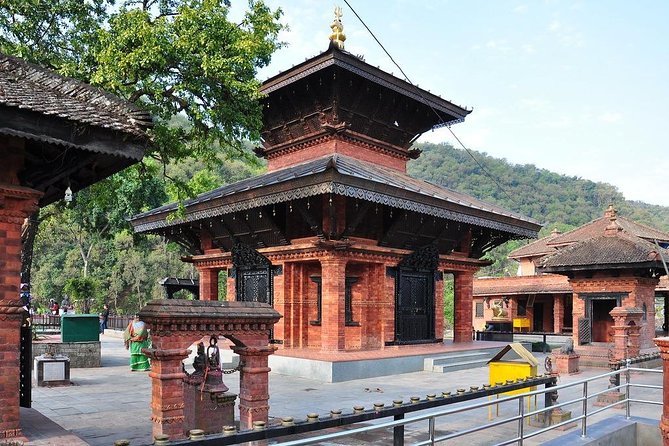
The next stop is Rameshwor Mandir, commonly called Ram Mandir of Phardi. The temple is dedicated to Lord Vishnu in his seventh incarnation, Lord Rama, and it is built in pagoda style.
You have about 30 minutes to look around and receive an explanation from the guide. This is a useful amount of time for a compact temple visit, especially if you want to understand the religious purpose rather than simply take a quick photograph.
The pagoda form gives the temple a clear connection with Nepal’s traditional religious architecture. The stop also adds a different focus from the Shiva temple later in the tour. Here, the emphasis is on Rama, while Kedareshwar Mahadev Mani Temple is dedicated to Shiva and Tal Barahi to the goddess Durga.
Remember that this is a functioning place of worship. Dress and behave respectfully, follow any instructions from the guide, and avoid treating the site only as a photo stop. The supplied details do not specify rules about shoes, photography, or clothing, so ask your guide before entering or taking pictures.
Ram Mandir is best for anyone who wants a short, focused introduction to Hindu worship in Pokhara. It may feel too brief if you prefer to sit quietly and spend a long time at one temple, but the private format gives you a chance to ask questions instead of simply moving with a crowd.
Kedareshwar Mahadev Mani Temple beside Phewa Lake
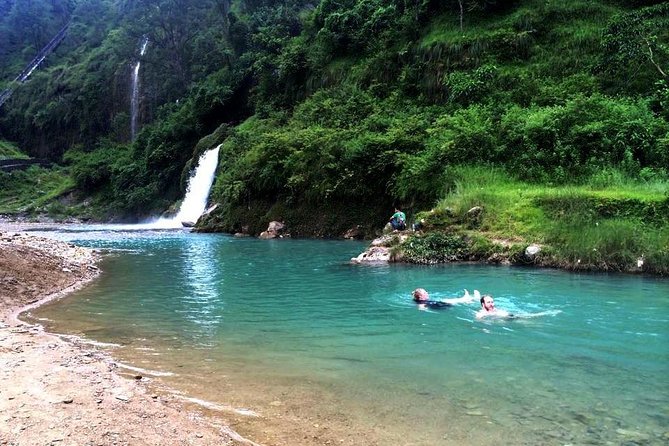
Kedareshwar Mahadev Mani Temple is a relatively new Hindu temple dedicated to Shiva, known here as Kedareshwar. Its location beside Fewa Lake gives this stop a different setting from Ram Mandir. You get a religious site near the water, with the lake forming part of the visit rather than serving only as a backdrop.
The temple also includes a separate building used for saints and guru studies. Students aged eight and above study the Vedas and Hindu rituals there. That detail makes the stop more than a quick shrine visit. It points to an active learning tradition connected with the temple.
You have approximately 30 minutes at Kedareshwar. The stop is suited to you if you want some context about Hindu practice and the role of religious education. Your guide can help explain the temple’s purpose, the meaning of Kedareshwar, and how the study building fits into the site.
The information provided does not promise a formal religious lesson or a chance to observe classes in progress. Keep your expectations sensible. You may find the temple’s atmosphere more interesting than any single architectural feature, and you should allow space for worshippers and students.
This is also a good point to notice the tour’s overall balance. The power house shows one side of Pokhara’s development. Ram Mandir introduces Rama worship and pagoda architecture. Kedareshwar adds Shiva worship and religious study. Tal Barahi then brings the outing back onto the lake.
A completely different way to spend the day:
- ATV Adventure Tour in Pokhara, Nepal
★ 5.0 · 194 reviews - Full-Day Tibetan Cultural Tour to Tibetan Settlements Pokhara
★ 5.0 · 184 reviews - Pokhara: Full-Day Sharing Bus Tour on 7 Iconic Destination
★ 4.1 · 179 reviews - Poon hill Trek 3 days
★ 5.0 · 176 reviews
Crossing Phewa Lake to Tal Barahi Temple
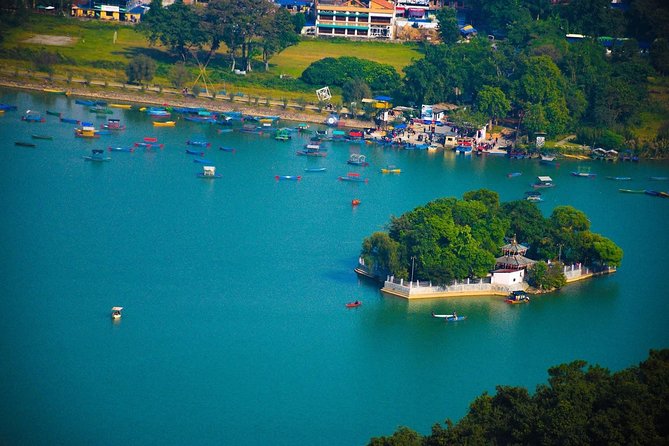
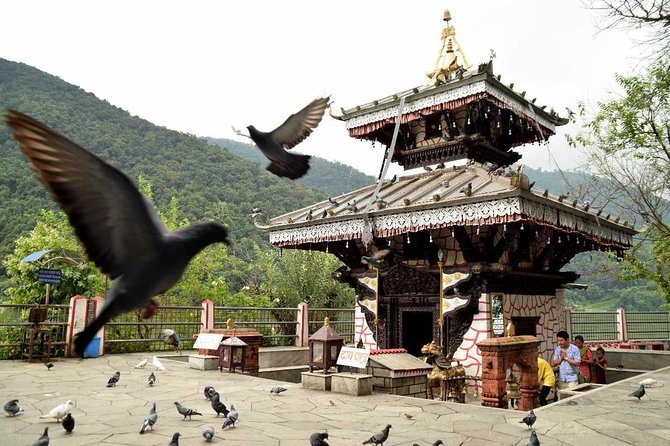
Tal Barahi Temple is the tour’s most recognizable stop. Also called the Lake Temple or Barahi Temple, it sits on a small island in the southeast section of Phewa Lake. The two-story pagoda temple is dedicated to Barahi, a form of the goddess Durga associated with protection.
The boat ride is included, as is the entrance fee. You have about 45 minutes for this final visit, making it the longest stop on the schedule. The crossing itself is part of the attraction. You approach a temple surrounded by lake water instead of arriving by road, and the short journey gives the visit a clear sense of place.
The temple is small. That is worth knowing before you book. If you have plenty of time in Pokhara, the boat trip and island setting make it worthwhile. If your schedule is tight, you may decide that seeing the temple from the water is enough and use your limited time elsewhere.
A practical note concerns safety equipment. A life jacket may involve a separate charge, reported at roughly 70 Indian currency units plus 10 Indian currency units. The exact amount and currency handling should be confirmed locally, but it is wise to carry a little small cash rather than assume every boating-related cost is covered by the tour price.
Tal Barahi is both a religious site and a popular cultural landmark. Devotees come for blessings, while sightseers come for the boat ride, the pagoda, and the setting on Phewa Lake. You should be prepared for those two uses to overlap. Keep the visit respectful, especially near worshippers.
Why the private format matters
The tour is private, so only your group takes part. That is the strongest logistical feature for couples, families, or a small party that wants a guide without joining a large coach outing.
A private vehicle also helps with the two departure choices. The morning option begins at 10:30 am and returns around 2 pm. The afternoon option begins at 1:30 pm and returns around 5 pm. Pick the morning if you want the rest of the afternoon free. Pick the later departure if your morning is occupied or you prefer not to start sightseeing early.
The stated duration is approximate. Driving times can affect how long you spend at each place, and the boat crossing adds another moving part. Since the first three stops are each allocated 30 minutes, do not expect an unhurried, full-day temple study.
The guide fee is included. That is important here because the power house and temples all benefit from explanation. Without context, the outing could become four brief stops and a boat ride. With a good guide, the connections between power, Hindu worship, religious education, and the lake become much clearer.
No guide’s personal name is provided, so you cannot choose a particular guide in advance. The tour description does emphasize an experienced and friendly guide, but your expectations should remain focused on the included guiding service rather than a named specialist.
Is $55 a fair price for this Pokhara tour?
At $55 per person, the value depends on the size of your group. The price includes hotel pickup and drop-off around Lakeside, the guide fee, entrance to Tal Barahi, and boating. It does not include meals, drinks, or entrance fees at other sightseeing locations.
For one person, $55 is not the cheapest way to visit a few temples. You might find the price easier to accept if you place a high value on private transport, a guide, and a fixed half-day plan. The tour also saves you from arranging the boat and coordinating several stops yourself.
For two or more people, group discounts can make the outing more attractive. A private tour becomes a practical middle ground: more personal than a shared bus, but shorter and less costly than hiring a vehicle for a full day.
The price is strongest for people who want the less familiar Fewa Power House included. If you only want Tal Barahi Temple, this package may offer more than you need. If you want a compact introduction to several sides of Pokhara, the combination makes better sense.
Keep extra money for drinks, food, and possible charges connected with the boat or life jacket. Pickup outside the Lakeside area also costs more. These are not large complications, but they affect the final total.
Who will enjoy this half-day experience?
I would recommend this tour to you if you want a guided introduction to Pokhara that mixes culture with a practical local site. It suits first-time visitors who would like help understanding the difference between the temples and who prefer not to arrange transport themselves.
It also fits a free morning or afternoon neatly. The tour does not take your entire day, and the two start times make it easier to fit around other plans.
Families and small groups may appreciate the private format. You can stay together, ask questions, and avoid the stop-and-go feel of a large group. People interested in Nepal’s religious traditions will get more from the outing than someone focused only on mountain views.
I would be cautious about booking it if you have very limited time in Pokhara and only want the city’s biggest sights. Tal Barahi is compact, and the power house is an unusual rather than spectacular attraction. The tour is about variety and context, not a long list of grand monuments.
It may also feel rushed if you want extended prayer time, detailed photography, or a slow visit at each temple. The schedule gives you roughly half an hour at the first three stops, so plan for an introduction rather than a private retreat.
What to bring and how to plan the day
Bring water and any snacks you need, since meals and drinks are not included. Choose practical clothing suitable for temple visits, and ask your guide about any site-specific customs when you arrive.
Carry some local cash for small charges. A possible life-jacket fee is not included in the stated package, and the exact payment arrangement may vary. Also confirm the extra pickup cost if your hotel is far from Lakeside.
Choose your start time carefully. The 10:30 am departure ends around 2 pm, while the 1:30 pm departure ends around 5 pm. Your selected time should be confirmed when you book.
Free cancellation is available if you cancel at least 24 hours before the local start time. Cancellations made less than 24 hours before departure are not refunded, and late changes are not accepted.
Should you book this Pokhara temple and lake tour?
Book it if you want a private, compact outing with a real mix of subjects. The Fewa Power House makes the route unusual, while Ram Mandir, Kedareshwar Mahadev Mani Temple, and Tal Barahi show different parts of Hindu worship in Pokhara. Included boating and hotel service add useful convenience.
Skip it if you have only a short window and care mainly about the lake or major viewpoints. Tal Barahi is small, and the first three stops move quickly. For everyone else, especially couples, families, and small groups, the tour offers a sensible way to see more than the standard Lakeside promenade without giving up an entire day.
FAQ
How long does the Pokhara sightseeing tour last?
The tour lasts approximately 3 hours and 30 minutes.
What departure times are available?
You can choose a 10:30 am departure or a 1:30 pm departure. The tour is expected to finish around 2 pm or 5 pm, depending on your selected start time.
Is hotel pickup included?
Hotel pickup and drop-off are included for hotels around Lakeside Pokhara. Pickup and drop-off from hotels farther from Lakeside require an additional cost.
Is this a private tour?
Yes. Only your group participates in the activity.
What is included in the price?
The price includes hotel pickup and drop-off, the guide fee, the entrance fee for Tal Barahi Temple, and boating.
Are meals and drinks included?
No. Meals and drinks are not included.
Is the Tal Barahi Temple boat ride included?
Yes. Boating to Tal Barahi Temple is included, along with the temple entrance fee.
Can I cancel for a full refund?
Yes, if you cancel at least 24 hours before the experience start time. Cancellations made less than 24 hours in advance are not refunded.
New in the Pokhara listings
- Pokhara: Pokhara Highlights Tour by Bus★ 3.6 · 10 reviews
- Discover Pokhara in Style: Private Vehicle Service with Driver★ 5.0 · 5 reviews
- Multi-Day Tour from Pokhara, Poon Hill and Mulde Trek★ 5.0 · 1 review
- Pokhara in 5 Hours: Lake, Museum, Cave, Falls & Pagoda Hill★ 4.5 · 16 reviews
- Private 4 Day Poon Hill Trek from Pokhara★ 5.0 · 16 reviews
- 4 Day Mardi Himal Base Camp Trek from Pokhara★ 5.0 · 18 reviews
- From Pokhara Full Day Entire Pokhara Tour with Guide★ 5.0 · 1 review
- Ultralight Flight: Into The Heart Of The Mountains (90 min)★ 5.0 · 1 review
Pokhara Tours, compared.
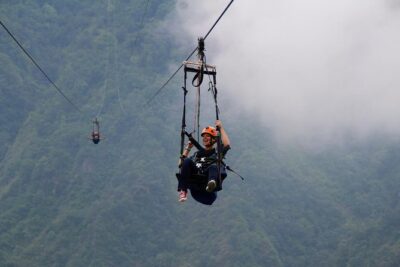
ZipFlyer Nepal – The World’s Steepest Zip-line
Read our review →
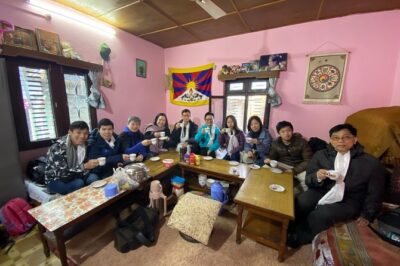
Full-Day Tibetan Cultural Tour to Tibetan Settlements Pokhara
Read our review →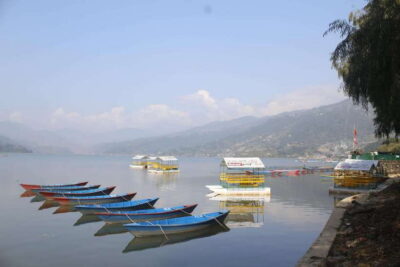
Full-Day Sharing Bus Tour on 7 Iconic Destination
Read our review →
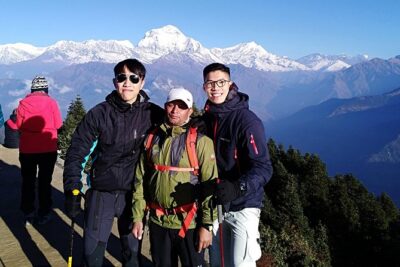
Trekking in Annapurna/Langtang/Everest/Upper Mustang regions
Read our review →