REVIEW · POKHARA TOURS
Pokhara: Hike To Australian Base Camp
The mountains reward an early start. This six-hour private hike from Pokhara combines a short drive, forest paths, terraced fields, Gurung villages, and wide views toward the Annapurna and Dhaulagiri ranges. I like the small private format, which lets your guide adjust the pace, and I like that the day includes both mountain scenery and village life rather than only a viewpoint.
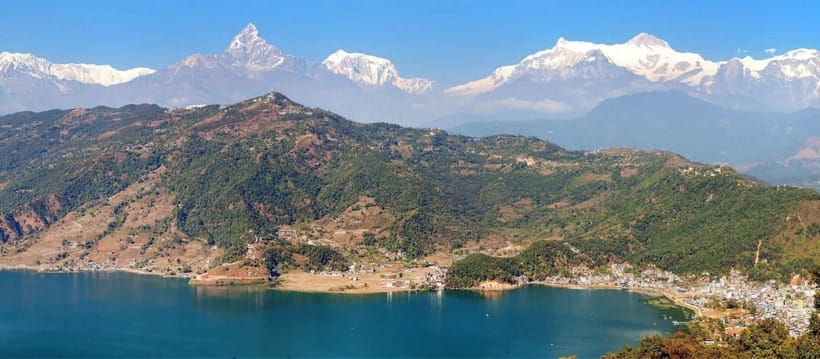
The strongest part is the chance to see Machhapuchhre, Annapurna, Pokhara Valley, and Phewa Lake from Australian Camp and Dhampus. Guides such as Ram Hari and Moti have received praise for their friendly manner, careful pacing, and attention to safety. The main drawback is the descent, which can be tiring on stone steps, and cloudy weather may hide the peaks.
In This Review
- Key points before you book
- Why Australian Camp makes a good Pokhara day trip
- Hotel pickup and the drive to Kande
- Kande to Australian Camp, the first 85 minutes
- Australian Camp and the Himalayan viewpoint
- Dhampus and the Gurung settlements
- The descent toward Phedi
- Guide quality and language options
- Is $65 a fair price?
- What to bring for a comfortable six hours
- Who should book this hike?
- Should you book the Australian Camp hike?
- FAQ
- How long does the Australian Camp hike take?
- What is the price of the hike?
- Is hotel pickup included?
- Is the tour private?
- Which languages are available?
- Is lunch included?
- Where does the hike start?
- Where does the walking route finish?
- What should I bring?
- Who should not take this hike?
Key points before you book
- Australian Camp delivers the main view: On a clear day, you can see Machhapuchhre and the Annapurna range, with Dhaulagiri also part of the wider mountain panorama.
- The route is short but not flat: It is described as an easy day hike, yet the downhill stone steps can leave your legs tired.
- Gurung culture is part of the day: The guided walk includes traditional settlements around Dhampus, adding local character to the mountain views.
- Transport costs extra: The advertised price is $65 per person, but the car transfer requires an additional $30 paid directly to the driver.
- Lunch needs checking: Lunch appears in the day plan, but meals and drinks are listed as excluded, so confirm exactly what is provided before setting out.
- Private guiding helps: English and Japanese guiding are available, and the guide can focus on your walking speed and comfort.
Why Australian Camp makes a good Pokhara day trip
Pokhara gives you a rare choice: you can see serious Himalayan peaks without committing to a multi-day trek. Australian Camp is a useful middle ground. You get a proper walk through the hills, but you return to your hotel the same day.
The appeal is not only the final viewpoint. The route from Kande passes through forest and terraced farmland, with the trail leading through the foothills above Pokhara. You get a better sense of how the region is lived in, farmed, and connected than you would from a city lookout.
The mountain views depend heavily on weather. One person who took the hike in February found the guide and driver very good but lost a star because clouds reduced the views. That is fair. No guide can clear a cloudy sky, so you should treat the panorama as a possibility rather than a promise.
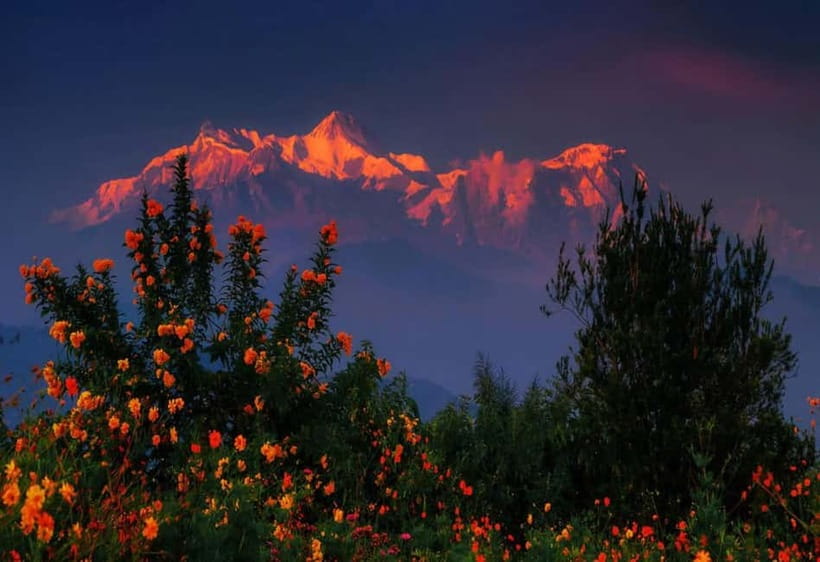
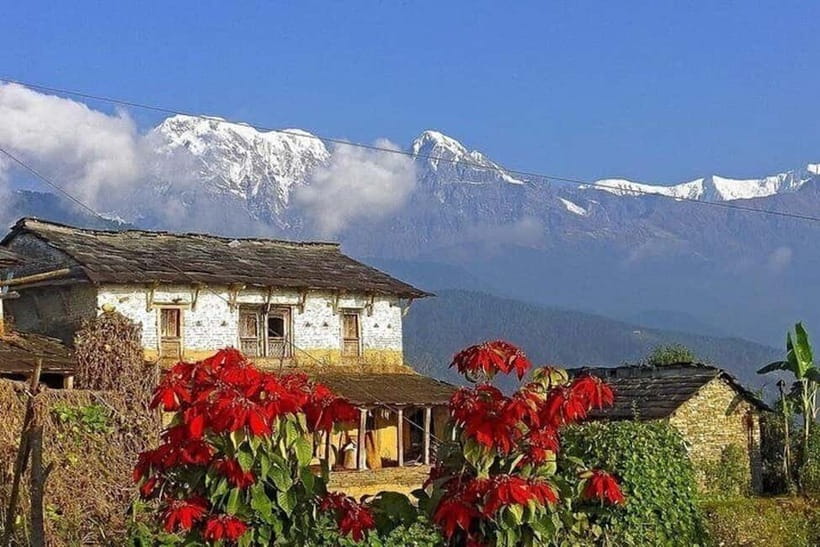
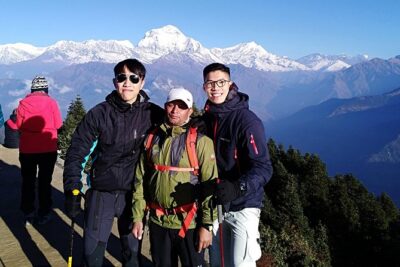
On a clear day, the reward is substantial. The view toward Machhapuchhre and Annapurna can feel surprisingly close from Australian Camp, while the Pokhara Valley and Phewa Lake spread below. Dhaulagiri is also named as part of the view, although the exact visibility will depend on conditions and your position along the route.
More walking in the hills of Pokhara:
- Poon hill Trek 3 days
★ 5.0 · 176 reviews - Trekking in Annapurna/Langtang/Everest/Upper Mustang regions
★ 5.0 · 161 reviews - Pokhara: 4-Day Ghorepani, Poonhill & Ghandruk Mountain Trek
★ 5.0 · 132 reviews
Hotel pickup and the drive to Kande
The day begins with pickup from a hotel in Lakeside Pokhara or one of the listed hotels around the city. Pickup is also available from Pokhara Airport. You are asked to wait up to 10 minutes in the hotel lobby, where the guide arrives by car with a card showing your name.
That small detail matters in a city with many hotels and similar names. Keep your phone available, and make sure the guide has the correct hotel and pickup point. The tour is private, so you are not waiting for a large bus full of strangers.
The car takes you to Kande, the starting point for the walk. The transfer is not included in the $65 price. A car is arranged for you, with $30 paid directly to the driver and no commission added. Since the wording suggests this is a separate transfer charge rather than a per-person amount, confirm the final transport cost when booking, especially if you are traveling alone or with several people.
The drive is useful rather than merely functional. It moves you from Pokhara’s lakeside streets into the lower mountain country, where the walking begins. Still, the transport arrangement is one of the tour’s less tidy details, so ask for a clear total price before departure.
Kande to Australian Camp, the first 85 minutes
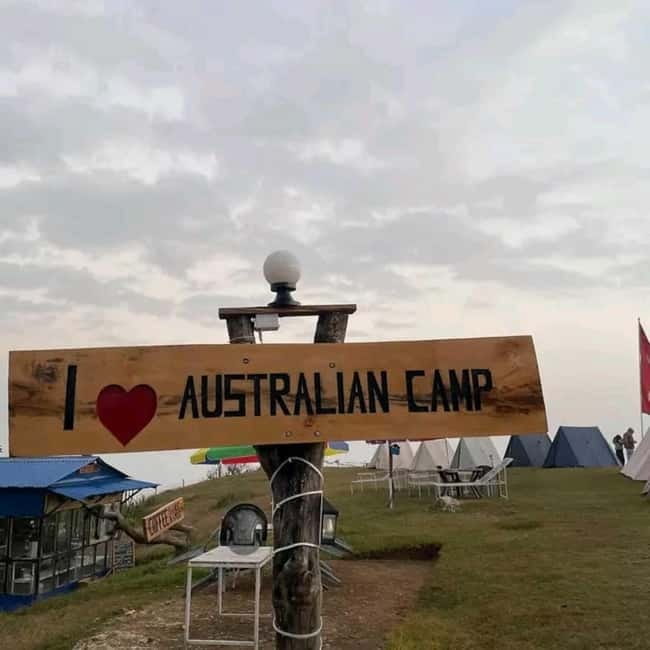
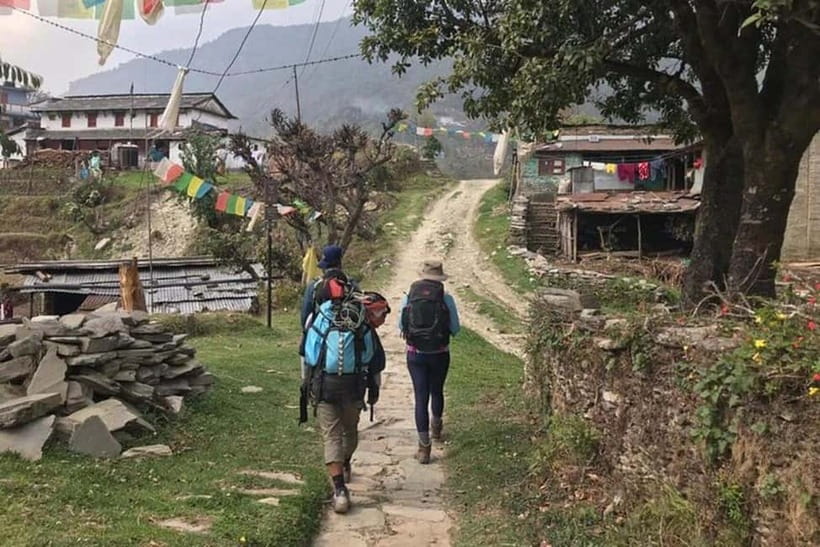
Kande is where your legs take over. The first section follows a well-used trail through forest and cultivated slopes, with scenic views opening and closing as the path changes direction.
The timing gives you a helpful idea of the effort. The walk from the Australian Camp trailhead area is listed at about 85 minutes, including stops, guiding, and photo time. You should not read short and easy as completely effortless. Comfortable hiking shoes are important, particularly if the ground is uneven or damp.
This is a good section for setting your pace. One guide, Moti, was praised for checking walking speed, suggesting rests, and making sure the group was comfortable. Ram Hari was also praised for his friendly approach and gentle Japanese, which may be especially useful if you prefer guidance in Japanese rather than English.
The forest gives the walk shade, while terraced fields bring open views and a look at local farming. The route is not just a march to a photo point. Your guide can explain the area and point out village life along the way, though the exact amount of interpretation may vary by guide and language.
Bring water in a refillable bottle. The instructions also suggest snacks, a hat, sunscreen, and a camera. These are sensible basics for a day when the sun can feel strong even in cooler mountain air.
Australian Camp and the Himalayan viewpoint
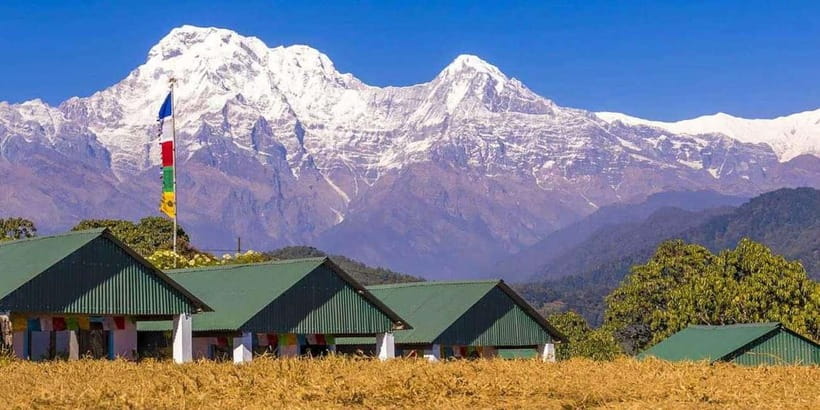
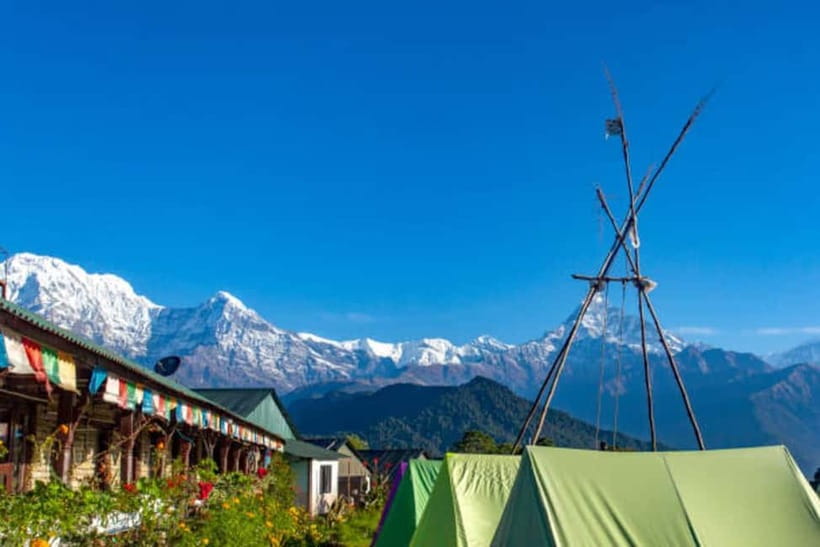
Australian Camp is the main prize of the outing. You stop here for photographs, a guided visit, and time to take in the peaks. The experience is at its best when the air is clear, since the central reason to come is the broad Himalayan view.
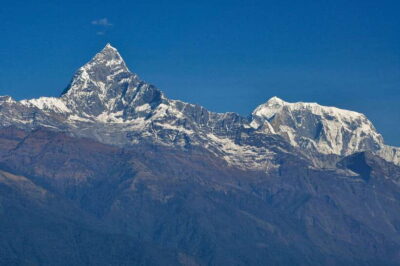
Machhapuchhre is a particular highlight. Its distinctive shape gives the panorama a clear focal point, and the Annapurna range adds scale beyond it. You may also see Dhaulagiri, along with the Pokhara Valley and Phewa Lake below.
This is where a little patience helps. If clouds drift across the peaks, wait if the schedule allows. The February experience shows the risk clearly: even with good guiding and careful route management, weather can limit the view. The tour still gives you a forest and village walk, but the mountain payoff may be reduced.
Photography is encouraged, and photography is listed among the inclusions. That does not mean a professional photo package is included, so ask what the provider means by photograph if this matters to you. In practical terms, bring your own camera or phone and keep it easy to reach.
You are expected to take a break here and eat lunch in the natural surroundings. Yet the details list meals and drinks as excluded. The itinerary includes one hour for lunch, but it does not clearly say if a packed lunch is supplied or if you must buy or bring it. Confirm this before you leave Pokhara. Do not assume the phrase delicious packed lunch means it is included in the price.
A short list of alternatives around Pokhara
- ZipFlyer Nepal – The World’s Steepest Zip-line
★ 5.0 · 608 reviews - Bungee Pokhara by HighGround Adventures
★ 5.0 · 366 reviews - From Pokhara: Sarangkot Sunrise Himalayas Tour
★ 4.7 · 218 reviews - ATV Adventure Tour in Pokhara, Nepal
★ 5.0 · 194 reviews
Dhampus and the Gurung settlements
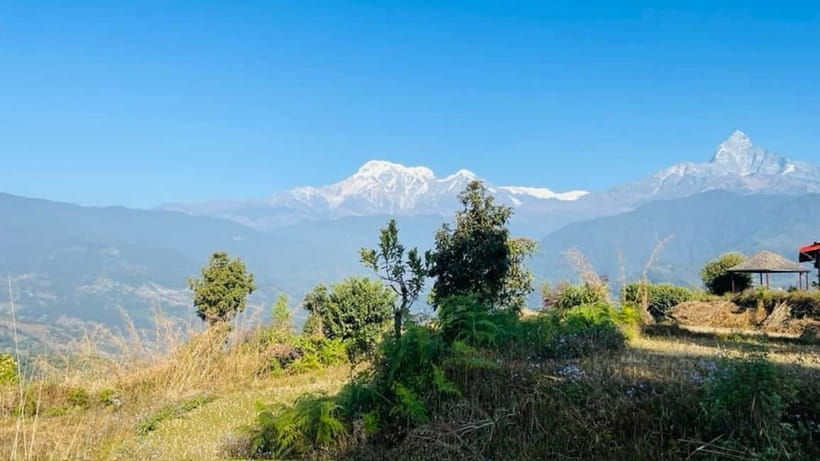
From Australian Camp, the route continues toward Dhampus. The Dhampus section is listed at about 80 minutes and includes walking, a guided visit, and photo stops.
Dhampus gives the day more substance than a simple mountain lookout tour. The area is associated with traditional Gurung settlements, and the guide introduces you to local culture as you walk. You will get the most from this part if you ask questions about the houses, village routines, and the connection between the settlements and the surrounding hills.
The cultural element is also a reason to choose a guide. Without one, you might see a pretty village and continue walking. With a good guide, the stop can become a conversation about the people who live here and the way the route links different communities.
The schedule allows an hour for lunch at Dhampus. Again, check whether food is included, because the pricing information says meals and drinks are not. If you need a specific meal, have dietary restrictions, or simply prefer to carry your own snacks, raise the question in advance.
Do not rush the photo stops. The views from Dhampus can change as clouds move, and the village setting gives you a different frame from Australian Camp. One viewpoint looks toward the high peaks, while the other helps you understand the scale of the valley below.
The descent toward Phedi
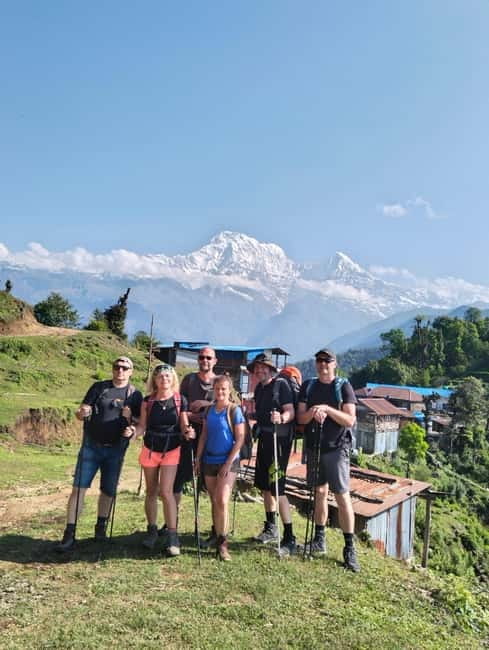
The final walking section is listed as a one-hour visit and guided walk to Phedi. This is the part that deserves the most practical warning.
A downhill route can sound easier than an uphill one, but stone steps put pressure on your knees and thighs. One Japanese-language account found the last stone staircase especially tiring, even though the overall day was enjoyable. Wear shoes with a firm grip, shorten your stride, and use the handrail when one is available.
The route description contains a small inconsistency. The general description says you descend back to Kande, while the detailed timing lists Phedi as the final walking stop. You should ask the provider to confirm whether your vehicle collects you at Phedi or whether you walk all the way back to Kande.
That distinction affects both your expectations and your transport plan. Either way, the day ends with a vehicle return to Pokhara and hotel drop-off at the listed Lakeside locations or Pokhara Airport. The route is not designed for wheelchair users, and it is not suitable for people with back problems or pregnant women.
Guide quality and language options
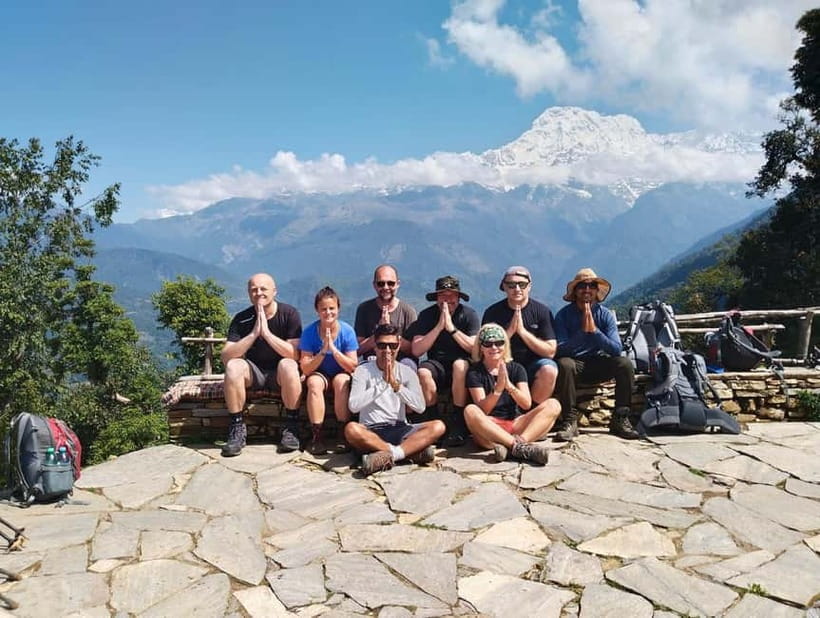
The guide is one of the most important parts of this experience. The strongest praise has focused on personal care rather than flashy presentation. Ram Hari was described as friendly and attentive, while Moti was praised for checking pace, pointing out risky sections, and checking equipment.
That kind of care is exactly what you want on a short mountain hike. A guide who notices when you need a break can make the difference between a pleasant outing and a long, uncomfortable afternoon.
English and Japanese are listed as guide languages. Japanese-speaking guests may appreciate the option, especially since one guide was praised for speaking gently in Japanese. Still, ask which language your assigned guide will use if this is central to your booking.
The group is private, which gives you more control than a standard shared excursion. You can ask for photo pauses and a sensible walking rhythm. The guide still needs to follow the day’s timing, so do not expect unlimited stops or a completely open schedule.
Is $65 a fair price?
At $65 per person, the tour covers a guide, permits, bag storage in Pokhara, and photography. It also gives you a private outing rather than a shared group experience. That makes the price reasonable for someone who values convenience and local assistance.
But the real cost is higher once you add the $30 car transfer. Meals and drinks are also listed as extra, despite lunch appearing in the schedule. For a solo visitor, that additional transport charge changes the value more than it would for a couple or a small private group sharing the vehicle.
The bag-keeping service is useful if you are moving between hotels or heading to the airport. You can leave larger luggage in Pokhara instead of carrying it on a trail. Confirm the storage arrangement and what you need to keep with you, such as medication, documents, water, and valuables.
Free cancellation up to 24 hours before the start and reserve-now, pay-later booking make the plan flexible. That helps in Pokhara, where mountain visibility can change quickly. Still, flexibility is not the same as a guaranteed clear view, so choose your day with the forecast in mind when possible.
What to bring for a comfortable six hours
You do not need expedition equipment, but you should dress for a real walk. The supplied advice is straightforward:
- Comfortable hiking shoes with good grip
- Light, comfortable hiking clothing
- Hat and sunscreen
- Refillable water bottle
- Camera or phone
- Snacks for extra energy
Smoking is not allowed during the hike. The route is not suitable for wheelchair users, people with back problems, or pregnant women.
I would also keep a light layer handy, since the temperature can feel different in forest shade and open viewpoints. That is general hiking sense rather than a supplied requirement, but it fits the changing conditions of a mountain route.
Who should book this hike?
I would choose this outing if you have one free day in Pokhara and want more than a lakefront stroll. It suits people who want Himalayan views but do not have time for a longer trek, as well as visitors who prefer a private guide and hotel pickup.
It is a good match for moderate walkers who can handle several hours on uneven trails and a tiring downhill staircase. The phrase easy day hike is helpful, but it should not persuade you to wear sandals or treat the route as a flat sightseeing walk.
You may want another plan if your main goal is a guaranteed mountain photograph. Clouds can block the peaks, and the weather-related experience shows that the scenery cannot be controlled. You should also reconsider if you dislike extra transport charges, unclear meal arrangements, or downhill steps.
Should you book the Australian Camp hike?
Book it if you want a compact, guided introduction to the hills above Pokhara, with a real chance of seeing Machhapuchhre, Annapurna, Dhaulagiri, Phewa Lake, and the valley in one day. The private group, careful pacing, English or Japanese guiding, and Gurung village visits give it more value than a simple drive to a viewpoint.
Before paying, confirm three things: the total car cost, whether lunch is included, and whether your return pickup is at Phedi or Kande. If the skies are clear and you are prepared for the final stone steps, this is a worthwhile day outside Pokhara. If clouds are thick or you need a fully accessible route, save your money for a different experience.
FAQ
How long does the Australian Camp hike take?
The activity lasts about six hours, including hotel pickup, transport, walking, stops, lunch time, and the return to Pokhara.
What is the price of the hike?
The listed price is $65 per person. A car transfer costs an additional $30, paid directly to the driver.
Is hotel pickup included?
Yes. Pickup is available from listed hotels around Lakeside Pokhara and from Pokhara Airport. You should wait up to 10 minutes in the hotel lobby for the guide.
Is the tour private?
Yes. The activity is offered as a private group tour.
Which languages are available?
Live guiding is available in English and Japanese.
Is lunch included?
The schedule includes one hour for lunch at Dhampus, but meals and drinks are listed as excluded. Confirm the lunch arrangement before booking.
Where does the hike start?
The walk begins at Kande after the vehicle transfer from Pokhara.
Where does the walking route finish?
The detailed schedule lists Phedi as the final walking stop, while the general description refers to returning to Kande. Confirm the exact endpoint and vehicle pickup with the provider.
What should I bring?
Bring comfortable hiking shoes, a hat, sunscreen, a camera, a refillable water bottle, and snacks.
Who should not take this hike?
The activity is not suitable for pregnant women, people with back problems, or wheelchair users.
New in the Pokhara listings
- Pokhara: Pokhara Highlights Tour by Bus★ 3.6 · 10 reviews
- Discover Pokhara in Style: Private Vehicle Service with Driver★ 5.0 · 5 reviews
- Multi-Day Tour from Pokhara, Poon Hill and Mulde Trek★ 5.0 · 1 review
- Pokhara in 5 Hours: Lake, Museum, Cave, Falls & Pagoda Hill★ 4.5 · 16 reviews
- Private 4 Day Poon Hill Trek from Pokhara★ 5.0 · 16 reviews
- 4 Day Mardi Himal Base Camp Trek from Pokhara★ 5.0 · 18 reviews
- From Pokhara Full Day Entire Pokhara Tour with Guide★ 5.0 · 1 review
- Ultralight Flight: Into The Heart Of The Mountains (90 min)★ 5.0 · 1 review
Pokhara Tours, compared.
ZipFlyer Nepal – The World’s Steepest Zip-line
Read our review →
Full-Day Tibetan Cultural Tour to Tibetan Settlements Pokhara
Read our review →
Full-Day Sharing Bus Tour on 7 Iconic Destination
Read our review →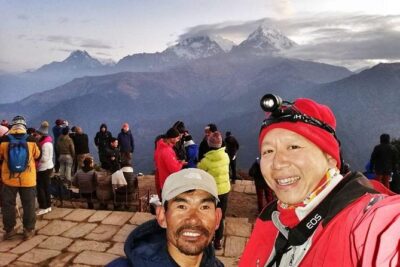
Trekking in Annapurna/Langtang/Everest/Upper Mustang regions
Read our review →