
REVIEW · BHAKTAPUR TOURS
Kathmandu: Patan and Bhaktapur Day Tour
Ancient cities still shape daily life. This seven-hour tour links Patan and Bhaktapur, two of the Kathmandu Valley’s major historic centers, with time for temples, royal squares, monasteries, and Newari culture. I especially like the small-group format, limited to seven people, and the fact that lunch, transport, and a live guide are included. You get a structured day without being packed into a large coach.
I also like the mix of grand landmarks and smaller religious sites, from Krishna Mandir and Bhimsen Temple to the Golden Temple and Mahaboudha Temple. The main consideration is cost: at $70 per person, you still pay monument entrance fees separately, so you should allow extra money beyond the advertised price.
In This Review
- Key points about the Patan and Bhaktapur day tour
- Why Patan and Bhaktapur work well together
- Starting at Patan Durbar Square
- The Golden Temple and Patan’s Buddhist side
- Moving on to Bhaktapur’s larger old town
- Mahaboudha Temple and Rudra Varna Mahabihar
- What the $70 price includes
- The guide, transport, and pace
- Booking details that matter
- Who should book this tour?
- Should you book the Patan and Bhaktapur day tour?
- FAQ
- How long does the Patan and Bhaktapur day tour last?
- Where is pickup available?
- What cities does the tour visit?
- What can I see in Patan?
- Which sites are included after the Bhaktapur portion?
- Is lunch included?
- Are monument entrance fees included?
- What languages are available for the live guide?
- How many people can join the group?
Key points about the Patan and Bhaktapur day tour
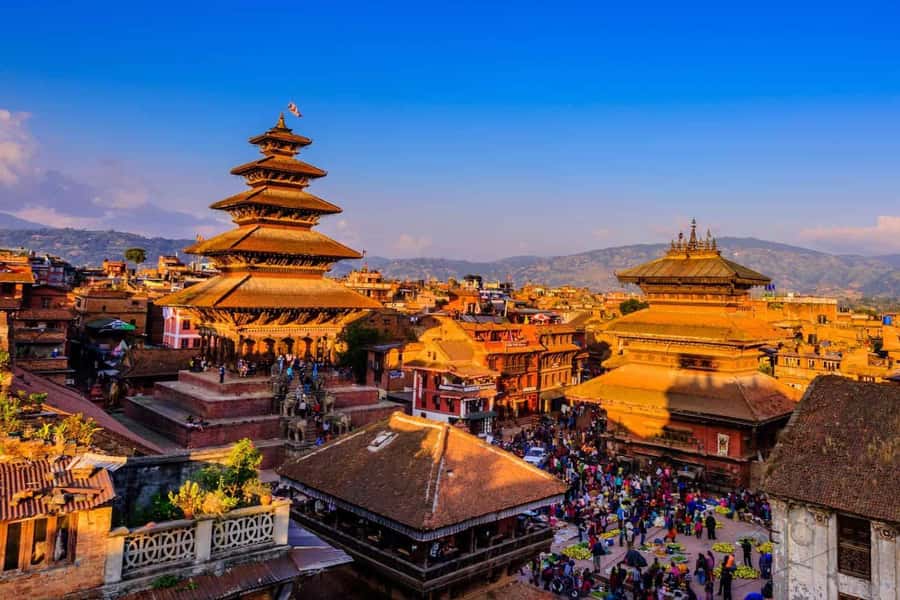
- Two historic cities in seven hours: See Patan and Bhaktapur in one organized day from Kathmandu.
- Patan Durbar Square comes first: Explore royal palaces, temples, sculptures, and important shrines in Lalitpur.
- A strong variety of religious sites: Visit Hindu temples, Buddhist monasteries, stupas, and courtyards rather than seeing only one type of monument.
- Small group, up to seven people: The limited group size should make walking and asking questions easier.
- Lunch and transport are included: Hotel pickup in the Kathmandu Valley, private transportation, lunch, and a guide are part of the package.
- Several practical booking options: You can reserve now and pay later, cancel up to 24 hours ahead for a full refund, and request a guide in English, Spanish, Chinese, Japanese, German, or Hindi.
Why Patan and Bhaktapur work well together
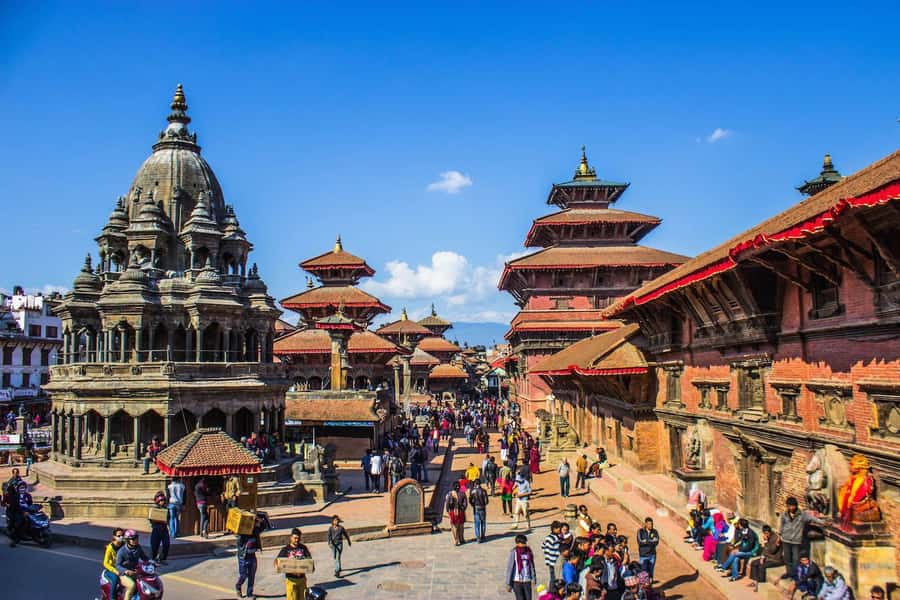
Patan and Bhaktapur give you two different views of the Kathmandu Valley’s old urban culture. Both places are filled with temples, statues, courtyards, and carved details, but the day is not simply a repeat of the same square twice.
Patan, also known as Lalitpur, begins with its best-known center, Patan Durbar Square. This area includes the former royal palaces and a group of temples that show the high level of skill developed by local artisans. You will see Hindu and Buddhist traditions side by side, a useful introduction to the way religion and daily life connect in Nepal.
Bhaktapur comes later. It is the third major town in the valley and covers a larger area than the Durbar Squares of Kathmandu and Lalitpur. It is also described as less crowded, which matters after a morning of concentrated sightseeing. You get more room to look carefully, walk at a calmer pace, and notice the character of the old town.
The pairing makes practical sense. Patan gives you a concentrated start, while Bhaktapur gives the second half of the day a broader setting. I would choose this trip if I wanted a first look at the valley’s historic centers without arranging separate drivers, guides, and meal plans.
More time in Bhaktapur:
- Day Trip to Bhaktapur and Panauti from Kathmandu
★ 5.0 · 184 reviews - Bhaktapur & Patan Durbar Square Day Tours
★ 5.0 · 122 reviews - Nagarkot Sunrise & Bhaktapur UNESCO Heritage Private Tour
★ 5.0 · 66 reviews
Starting at Patan Durbar Square
Your day begins with pickup from your hotel in the Kathmandu Valley. The tour information also lists Kathmandu airport as the pickup and return point, so confirm the exact meeting place when booking. The stated duration is seven hours, including transportation and sightseeing.
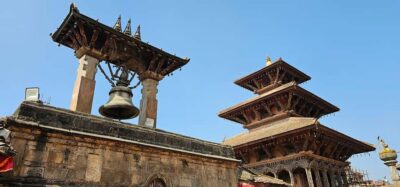
Patan Durbar Square is the natural starting point because several important monuments are close together. The former royal palaces provide the setting, while the surrounding temples show the craftsmanship that makes this area such an important stop.
The first named temple is Bhimsen Temple. Bhimsen is associated with trade and business, so this visit gives you more than an architectural stop. It connects the sacred places of the square with the working life of the city and the people who depended on commerce.
From there, you visit Vishwanath Temple, dedicated to Lord Shiva. The route then reaches Krishna Mandir, dedicated to Lord Krishna, the eighth incarnation of Lord Vishnu. These stops give the tour a clear Hindu focus within the larger mix of religious buildings found in Patan.
I recommend paying close attention to the sculptures and statues rather than rushing from one temple name to the next. The appeal here is not just the checklist of monuments. It is the way the square gathers royal history, worship, artistic skill, and local tradition in one walkable place.
The Golden Temple and Patan’s Buddhist side
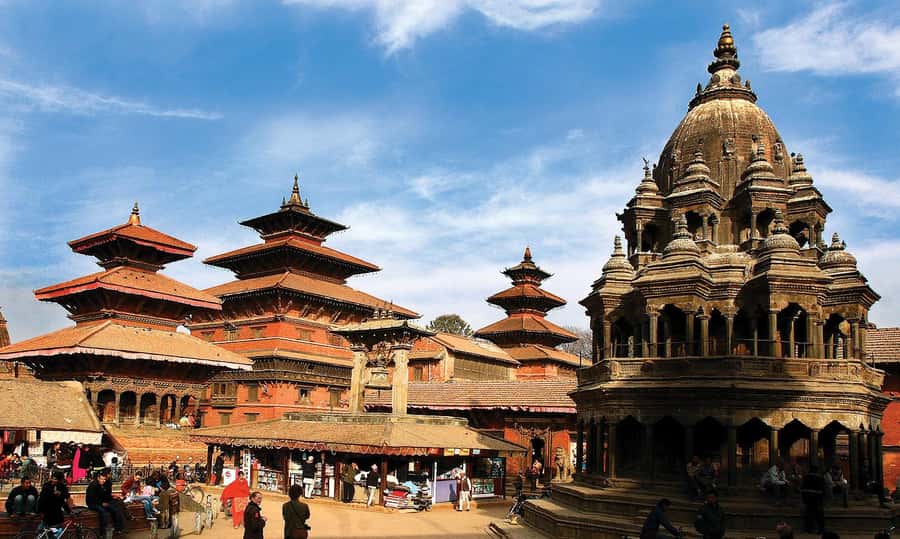
A few minutes’ walk from Durbar Square, the Golden Temple offers a change of mood. It is a monastery rather than another royal temple, and its presence helps explain why Patan is important to both Hindu and Buddhist communities.
The short walk is useful. You are not spending the entire morning inside one monument zone, and the change in setting gives the visit some variety. The Golden Temple is described as unique, so it should appeal to you if you want to see more than the most famous palace square.
This part of the tour also connects with the traditional culture of the local Newari people. Newari identity is central to the historic towns of the Kathmandu Valley, and the temples, monasteries, sculptures, and urban courtyards are all part of that living culture. The guide is especially important here because names and religious connections can otherwise blur together.
The language choice is a real benefit. You can request a live guide in English, Spanish, Chinese, Japanese, German, or Hindi. Since the tour includes several temples with different religious roles, a guide who can explain the sites in a language you understand adds real value.
Moving on to Bhaktapur’s larger old town
After Patan, the tour continues to Bhaktapur. The supplied timing does not give a separate duration for each monument, so you should expect the guide to manage the schedule across both cities rather than offering a long, unhurried visit at every single stop.
Bhaktapur is presented as larger than the Durbar Squares of Kathmandu and Lalitpur, and less crowded. That makes it an important contrast with Patan. You can expect a wider sightseeing area and a stronger sense of moving through an old town rather than only crossing one central square.
The lower crowd level is one of the most appealing parts of the day, but it does not mean you should expect an empty site. Bhaktapur remains a major destination, and the tour has several places to cover. I would wear comfortable shoes and keep your attention on the guide’s meeting instructions, especially in a large historic area.
This is also the point where the day’s structure matters. Private transportation removes the need to arrange a separate transfer between the two cities. With only up to seven participants, the group should be easier to gather than a large coach party, though the tour still follows a fixed schedule.
More time in Patan:
- Kathmandu: Private Patan and Bhaktapur Sightseeing Tour
★ 4.7 · 64 reviews - Patan and Bhaktapur City Full Day Tour
★ 5.0 · 24 reviews - City tour of Bhaktapur and Patan Durbar Square
★ 4.5 · 20 reviews - Patan Heritage Tour – Private/Small Group
★ 5.0 · 14 reviews
Mahaboudha Temple and Rudra Varna Mahabihar
The final named sights include Mahaboudha Temple and Rudra Varna Mahabihar. These sites continue the Buddhist side of the visit and give the day another shift away from royal palaces and major Hindu shrines.
Mahaboudha Temple is known in the tour description as one of the places you will encounter after the Bhaktapur portion. Rudra Varna Mahabihar adds another monastery stop. Together with the Golden Temple, they help you see that the valley’s religious story cannot be reduced to a single tradition.
I appreciate this range. A shorter city tour might focus only on the most photographed square, but this route includes temples, stupas, monasteries, idols, and sculptures. That variety gives you a fuller picture of the art and worship found in the old towns.
The drawback is that the description does not specify exactly how long you will spend at each of these later sites. If you want extended time for photography or quiet observation, ask the guide at the beginning of the day how the hours will be divided.
What the $70 price includes
The price is $70 per person. For that amount, you receive private transportation, lunch, hotel pickup in the Kathmandu Valley, and an experienced guide. The group is limited to seven participants, and the tour also includes skip-the-ticket-line access.
That package can be good value if you want convenience. Hiring transport between Kathmandu, Patan, and Bhaktapur, then arranging lunch and a guide separately, would take time and require more decisions. Here, the main pieces are grouped into one booking.
The price is less attractive if you already have transportation or prefer to explore independently. Monument entrance fees are not included, and drinks and other personal purchases are also extra. Travel insurance and emergency evacuation are not included either.
I would compare the total cost, not just the headline price. Add the entrance fees and any personal spending before deciding. If you value a small group and clear historical explanation, $70 may be reasonable. If your priority is the lowest possible cost, a self-guided day could be cheaper, though it would not provide the same level of organization.
Lunch is included, but no menu or restaurant details are provided. If you have dietary needs, ask the operator before departure rather than assuming a particular meal will be available.
The guide, transport, and pace
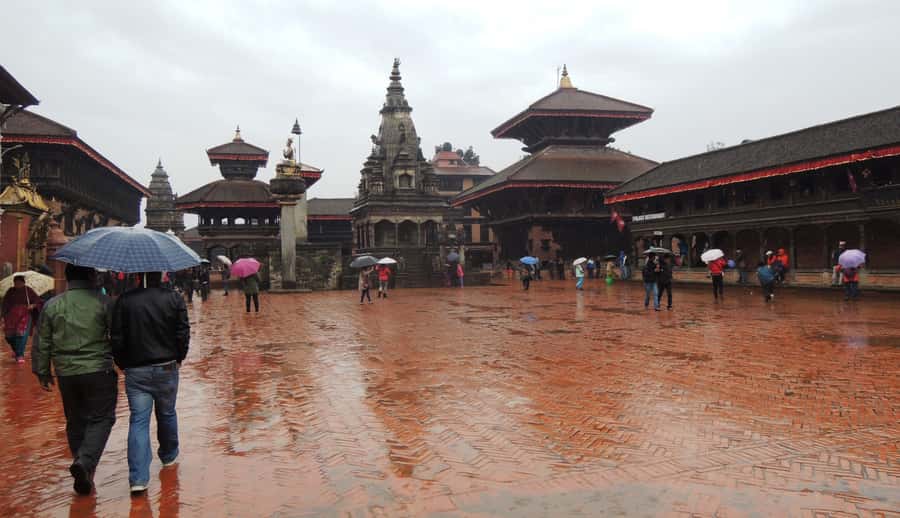
A live guide is included, with six language options. This is useful because the day involves many similarly named temples and several Hindu and Buddhist traditions. The guide can help you understand why each stop matters instead of leaving you with a string of names.
Private transportation is also included. That is valuable in a seven-hour outing because it keeps the connection between Kathmandu, Patan, and Bhaktapur organized. The description does not state the vehicle type, so ask if you need specific transport arrangements.
The group limit is seven people. I like that size for a walking tour because it should be easier to hear the guide and move through temple areas. It also gives you a better chance to ask a question without holding up a large crowd.
The tour is listed as wheelchair accessible. Still, the information does not describe the exact surfaces, steps, or access arrangements at each monument. If you use a wheelchair, confirm the details with Nepal Social Treks before booking, especially for the temples and monastery visits.
Booking details that matter
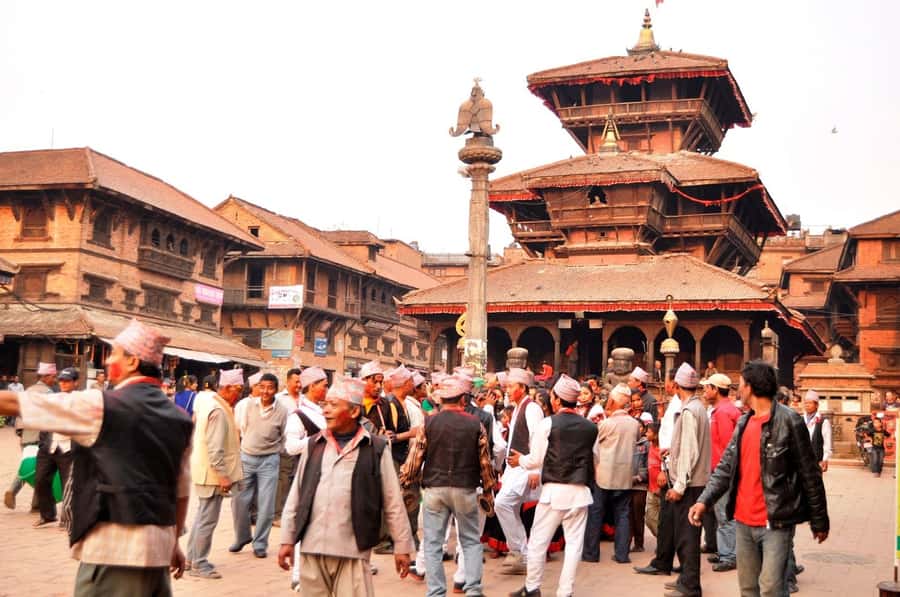
You can cancel up to 24 hours in advance for a full refund. You can also reserve now and pay later, which helps if your Kathmandu schedule is still changing.
The tour runs for seven hours, but starting times depend on availability. Pickup is available from any hotel in the Kathmandu Valley. The itinerary lists Kathmandu airport as both pickup and return, so clarify whether your preferred hotel pickup is accepted and where the day will end.
The provider is Nepal Social Treks. Since the tour includes several religious sites and separate entrance fees, I would confirm three points before departure:
- The exact pickup location and starting time
- The entrance fees you should budget for
- The language and availability of your guide
These are simple questions, but they prevent confusion on a tightly scheduled day.
Who should book this tour?
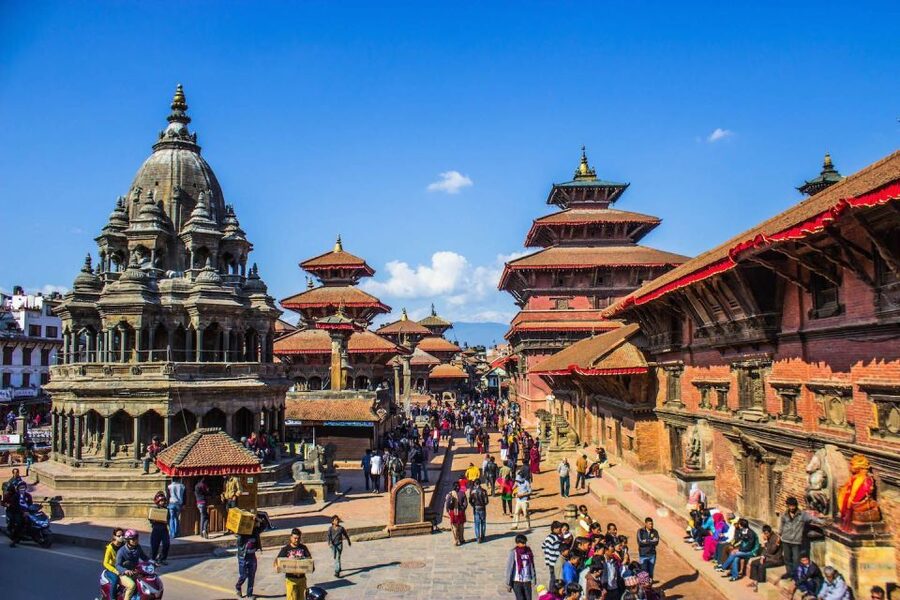
I would recommend it to first-time visitors who want a practical introduction to Patan and Bhaktapur in one day. It also suits you if you prefer a guide, included transport, and a small group rather than figuring out the valley’s historic towns alone.
The tour is a good fit for people interested in religious art and Newari culture. You will see a mix of royal buildings, Hindu temples, Buddhist monasteries, stupas, idols, and sculptures. It is less suited to you if you want to spend a whole day in one square, linger at every monument, or set your own pace.
Families and mixed-interest groups may also find the format helpful because transport, lunch, and the guide are already arranged. The seven-hour length gives you a substantial look at two cities without requiring a separate overnight stay.
Should you book the Patan and Bhaktapur day tour?
Book it if you want organized access to two major historic towns, a guide in your preferred language, and a group capped at seven people. Patan offers the concentrated temple and palace experience, while Bhaktapur adds a larger and less crowded old-town setting.
Before paying, remember that monument entrance fees, drinks, insurance, and emergency evacuation are extra. Confirm the airport or hotel pickup point as well. With those costs and details understood, this is a sensible choice for a full day of Nepalese art, faith, and Newari tradition without the hassle of arranging every part yourself.
FAQ
How long does the Patan and Bhaktapur day tour last?
The tour lasts seven hours, including transportation and sightseeing.
Where is pickup available?
Pickup is available from any hotel in the Kathmandu Valley. The itinerary also lists Kathmandu airport as the pickup and return point, so confirm your exact meeting place before the tour.
What cities does the tour visit?
The tour visits Patan in the Lalitpur district and Bhaktapur, another major town in the Kathmandu Valley.
What can I see in Patan?
The Patan portion includes Patan Durbar Square, the royal palaces, Bhimsen Temple, Vishwanath Temple, Krishna Mandir, and the Golden Temple.
Which sites are included after the Bhaktapur portion?
The route includes Mahaboudha Temple and Rudra Varna Mahabihar before returning to Kathmandu.
Is lunch included?
Yes. Lunch is included in the tour price.
Are monument entrance fees included?
No. Entrance fees to the monuments are not included and must be paid separately.
What languages are available for the live guide?
Guides are available in Spanish, Chinese, Japanese, German, English, and Hindi.
How many people can join the group?
The tour is limited to seven participants.
New in the Kathmandu listings
- Traditional Momo Making Class★ 5.0 · 10 reviews
- Kathmandu: Ancient City Kirtipur & Pharping Monastery Tour★ 5.0 · 2 reviews
- Kathmandu to Pokhara Premium sofa bus ticket★ 4.0 · 17 reviews
- Women Empowerment Project(Nepali cooking class & jewelry workshop★ 5.0 · 15 reviews
- 7-Day Langtang Valley Trek from Kathmandu★ 5.0 · 1 review
- Kathmandu 2 Nights 3 Days Chitwan Jungle Safari Tour★ 5.0 · 9 reviews
- Yoga Experience Day Trip with Private Transfer From Kathmandu★ 4.0 · 2 reviews
- Wildlife Adventure in Chitwan Nepal★ 4.0 · 4 reviews
Bhaktapur Tours, compared.
Day Trip to Bhaktapur and Panauti from Kathmandu
Read our review →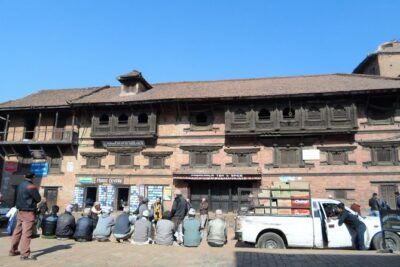
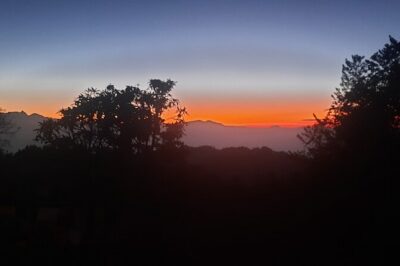
Nagarkot Sunrise & Bhaktapur UNESCO Heritage Private Tour
Read our review →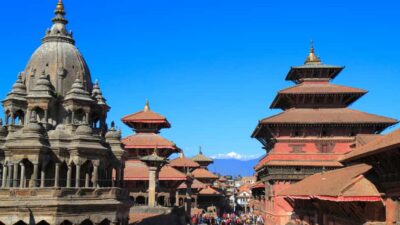

Bhaktapur & Nagarkot Day Tour with Lunch – Private/Group
Read our review →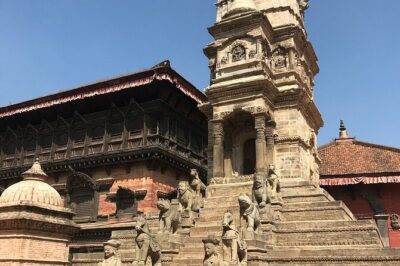
Nagarkot Sunrise & Bhaktapur Heritage Tour -Private Full Day Trip
Read our review →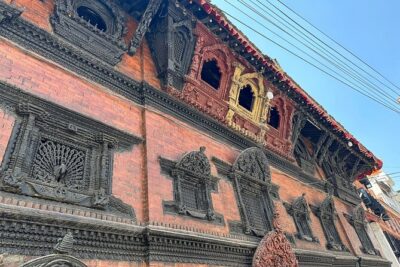
Browse the lists this tour appears in