
REVIEW · COOKING CLASSES
Women Empowerment Project(Nepali cooking class & jewelry workshop
Come hungry and leave with new skills. This two-day Kathmandu experience combines a friendly Nepali cooking class with a hands-on jewelry workshop, giving you more than another sightseeing stop. You learn to prepare masala chai, pakoda, and several kinds of momos, then sit down to eat what you made.
I especially like the small private-group format, since it should make it easier to ask questions and work at your own pace. I also like the direct connection to the Human Welfare Committee’s work supporting women and children. The main consideration is that the schedule has a few unclear time details, and the jewelry session description provides less information than the cooking session.
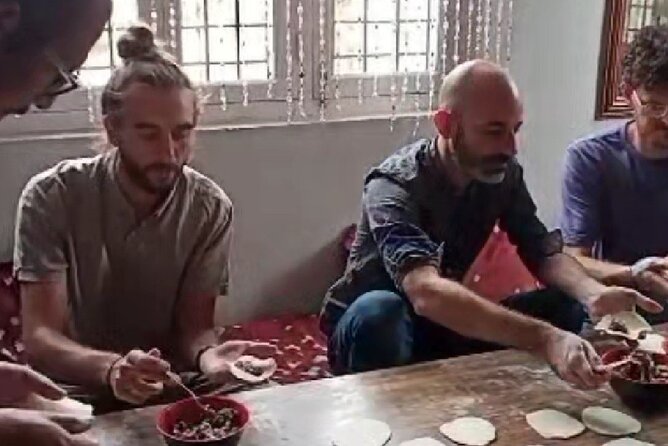
- Momo-making takes center stage: You prepare buff, vegetable, and potato momos, with help from guides including Aastha and Syanbi, known as the Momo Queen.
- The cooking class includes more than dumplings: You also make traditional masala chai and Nepali pakoda before lunch.
- The meal is part of the lesson: You eat the food you prepare, including momos and snacks, rather than simply watching a demonstration.
- Day two changes pace: A three-hour jewelry workshop lets you make your own piece and work with your hands in a different way.
- Your booking supports a social project: The activity is run by the Human Welfare Committee and connects paid participation with women’s empowerment.
- The price covers two sessions: At $50 per person, you receive about six hours of activities across two days, with admission included.
In This Review
- What the $50 Kathmandu Experience Includes
- Day One: Masala Chai, Pakoda, and Nepali Momos
- Starting with Masala Chai
- Making Nepali Pakoda
- The Momo Lesson
- Lunch at About 1:30
- Day Two: A Three-Hour Jewelry Workshop
- The Women’s Empowerment Focus
- Who Will Enjoy This Experience Most
- Timing, Meeting Point, and Booking Advice
- What the Strong Ratings Tell You
- Should You Book the Kathmandu Women Empowerment Project?
- FAQ
- Where does the Women Empowerment Project experience take place?
- How long does each session last?
- What food will I learn to make?
- Is lunch included?
- Is the activity private?
- Is the experience suitable for beginners?
- Is public transportation available near the meeting point?
- When is the experience available?
- What is the cancellation policy?
What the $50 Kathmandu Experience Includes
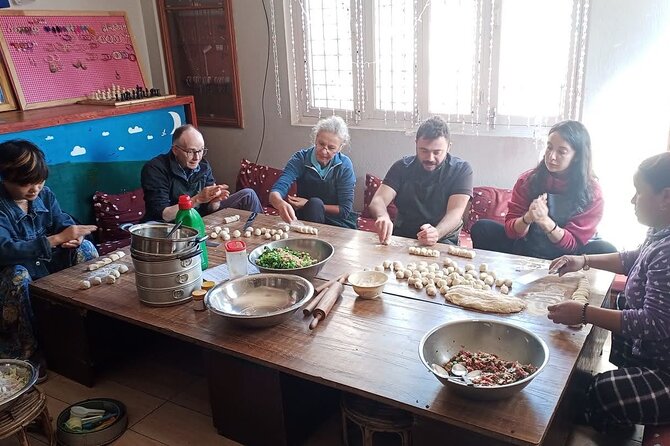
At $50 per person, this is not the cheapest cooking class in Kathmandu. It is also not simply a one-hour lesson followed by a restaurant meal. You get two separate three-hour sessions, one focused on food and one on jewelry, along with the chance to support a local social project.
That makes the price reasonable if you want both activities. The cooking class alone would likely be the main draw for most people, especially if momos are high on your Nepal wish list. The second day gives the package more value, but only if you have enough time in Kathmandu for a return visit.
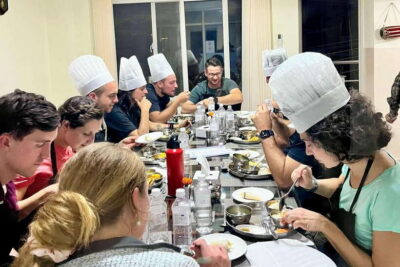
The activity is private, meaning only your group participates. That is useful for couples, families, and friends who want a more relaxed class. It also helps if you are shy about joining a larger workshop. One person who described being uncomfortable in social settings found the group easy to talk with, which suggests the hosts make a real effort to keep things friendly.
The price does not appear to include transportation to the meeting point. You make your own way to We handicraftPaknajol, Kathmandu 44600, and both sessions finish back there. The location is near public transportation, so you do not need a private car simply to reach the class.
Day One: Masala Chai, Pakoda, and Nepali Momos
The cooking day begins at the Human Welfare Committee. The supplied schedule lists an introduction at 11:00, followed by the class at 11:30, then food preparation through lunch at about 1:30. It labels the first time as 11:00 pm, which almost certainly needs clarification because the rest of the schedule is written as a midday cooking class.
I would confirm the exact start time before setting off. The operating hours are listed as Monday through Wednesday, 10:00 AM to 6:00 PM, from January 15, 2023, through December 8, 2026. Since the class runs for about three hours, arriving a little early is sensible.
More Cooking Classes in Kathmandu
- Half day cooking class in Thamel kathmandu
★ 5.0 · 607 reviews - Kathmandu: Local Women-Led Nepali Cooking & Momo Class
★ 4.9 · 360 reviews - Kathmandu: Local Lead Nepali Cooking & Momo-Making Class
★ 5.0 · 212 reviews
Starting with Masala Chai
The first kitchen task is masala chai. This is a good opening because it is familiar to many people but still shows how everyday Nepali food and drink are built from simple ingredients and warm spices.
You get to begin with something manageable before moving to dumpling folding. The chai also gives the class a natural moment for introductions and conversation. If you have never cooked with the spices used in South Asian tea, this is a useful place to ask questions and watch how the instructors balance flavor.
The welcome matters here. The experience is tied to a women’s empowerment project, so the introduction is not just a standard safety briefing. It gives you context for the organization and the people involved. The class works best if you treat that opening as part of the experience, not as time to rush through.
Making Nepali Pakoda
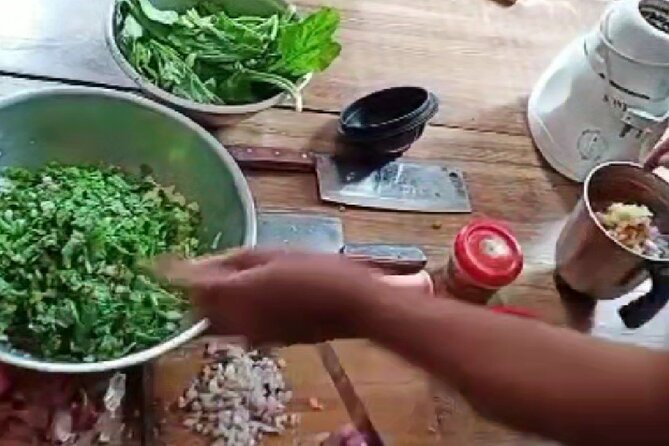
Next comes pakoda, a Nepali snack made by coating ingredients in batter and cooking them until crisp. The exact ingredients are not specified, so you should expect the class to show you the project’s chosen version rather than assume a particular recipe.
This is a practical addition to the menu. Pakoda gives you a snack with a different texture from momos, and it breaks up the longer dumpling session. The schedule places this step around noon, shortly after the chai.
One useful benefit of making food from start to finish is that you can repeat it at home. A cooking demonstration may help you recognize a dish, but hands-on preparation shows you how the mixture feels and how the pieces come together. Several people who took the class planned to make the dishes again after returning home.
The Momo Lesson
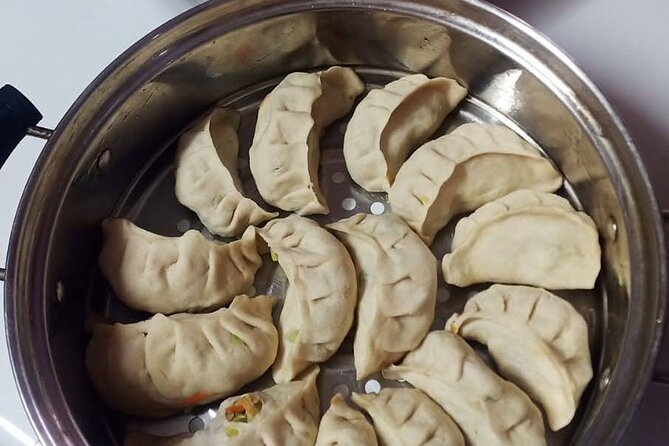
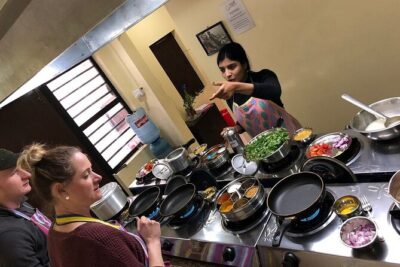
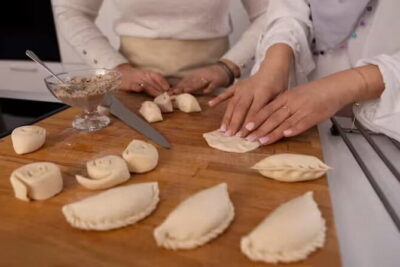
Momos are the heart of the day. You prepare buff momos and vegetable momos, with additional references to potato momos in the class descriptions. The result is a useful introduction to more than one filling instead of a single fixed recipe.
The instructors include Aastha and Syanbi, who is called the Momo Queen. Her role appears to be central to the lesson, especially when it comes to shaping and folding. You may find the finished dumplings look simple until you try to make a neat batch yourself. That is part of the fun.
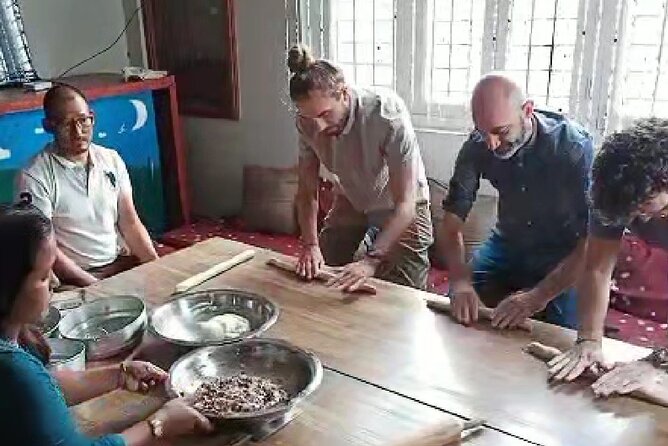
The cooking team is described as patient and clear, which matters with momos. Folding the wrappers can feel awkward at first, particularly if you are trying to copy a quick demonstration. A private group should give you more room to slow down and receive help.
The class is not only about producing a pretty dumpling. It also gives you a feel for how a well-loved Nepali dish is made in a group. You work alongside the project members and other people in your party, then share the results. That social side is one reason the activity can appeal even if you are not normally drawn to cooking lessons.
A completely different way to spend the day:
- Everest Base Camp Trek – 14 Days
★ 5.0 · 1,499 reviews - Private Kathmandu Sightseeing Tour | UNESCO World Heritage sites
★ 5.0 · 756 reviews - Everest Base Camp Helicopter Tour landing at Everest View Hotel
★ 5.0 · 668 reviews - Everest Base Camp Trekking
★ 5.0 · 485 reviews
Lunch at About 1:30
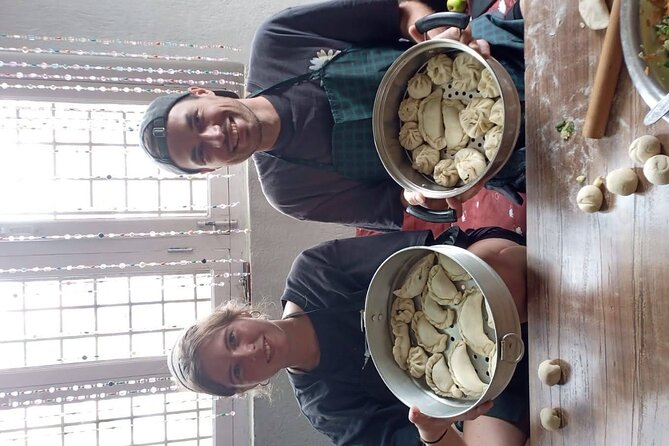
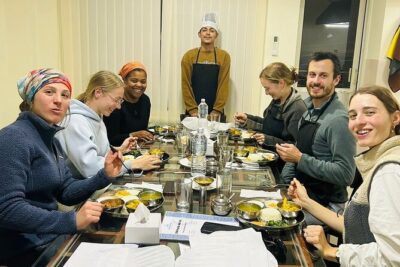
The class ends with lunch. You eat the momos and pakoda you helped prepare, along with the chai made earlier. This is the point where the workshop feels complete: you have learned the process, cooked the meal, and then tasted the result.
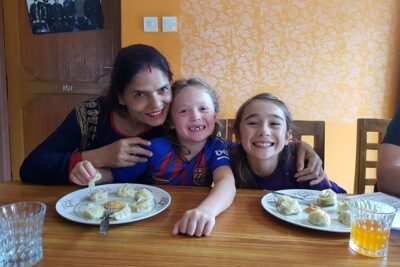
The meal is described as being shared with volunteers and project members, and in one account with children and family. That gives lunch a more personal feel than eating separately after a standard class. Still, the exact lunch setup and any additional dishes are not specified, so you should not expect a fixed restaurant-style menu beyond the food prepared during the session.
Plan for a generous lunch rather than a quick snack. If you have afternoon sightseeing plans, leave some breathing room. The listed duration is three hours, but cooking classes can run at a gentler pace when several people are folding momos.
Day Two: A Three-Hour Jewelry Workshop
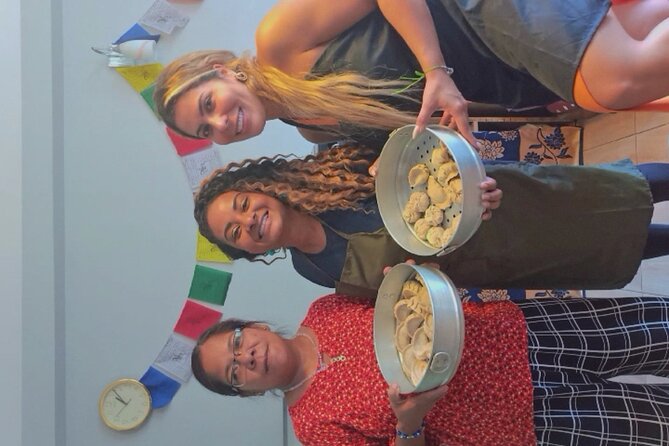
The second session returns to the Human Welfare Committee for jewelry making. The available details are shorter than those for the cooking class, but the central promise is clear: you make your own jewelry with guidance from the workshop team.
No specific jewelry type, materials, finished item, or skill level is provided. The workshop is described as suitable for complete beginners and for people who already want to improve their skills. That makes it a flexible activity, but you should ask what you will create before booking if the final piece matters to you.
The jewelry session changes the mood nicely. Day one is about food, timing, and shared eating. Day two is quieter and more focused on handwork. If you enjoy making souvenirs rather than buying them, this could be the more memorable part of the package.
It is also another chance to spend time with the project in a practical way. You are not only hearing about women’s empowerment. You are paying for a workshop led through the organization, and the activity helps fund its work. That direct link is one of the strongest reasons to choose this over a cooking class with no community focus.
The session lasts about three hours and ends at the same meeting point. Since the opening hours are given as Monday through Wednesday, check that both dates fit the current schedule. The information describes the package as two days, but it does not say whether the sessions must be taken on consecutive days.
The Women’s Empowerment Focus
The Human Welfare Committee is the provider, and the experience is presented as a way to support women’s voices and work with a wider project connected to children and families. You should view this as a social enterprise style activity, not a charity visit or a formal tour of the organization’s programs.
The difference is important. You are coming to learn a skill and eat a meal, while your payment helps fund the project. That arrangement can feel more respectful than simply dropping in to observe people’s lives. The best approach is to take part fully, listen during the introduction, and avoid treating the workshop as a photo stop.
The cooking class seems to make this connection especially clear. You work with women who teach you their food traditions, then share lunch with members of the project. The jewelry workshop extends that relationship through another practical skill.
The experience does not provide detailed information about where the money goes or how much reaches specific programs. If that matters to you, ask the organizer for more detail before booking. The social purpose is a major part of the appeal, but good intentions are not a substitute for clear information.
Who Will Enjoy This Experience Most
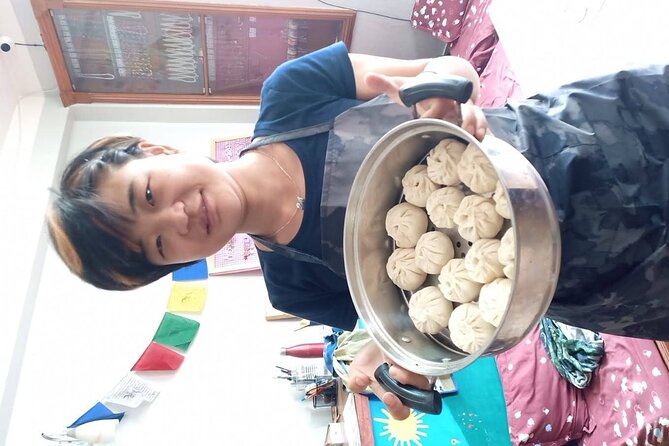
I would recommend this to you if you want a cultural activity that involves doing rather than watching. It suits people who enjoy food, handcrafts, meeting local hosts, and supporting a community project through a paid activity.
It is also a good choice if you have already spent several days visiting temples and historic sites and want a change of pace. The cooking session gives you a social afternoon, while the jewelry workshop offers a creative activity away from the usual sightseeing route.
Families may appreciate the practical format, though the information does not state a minimum age. Couples and small private groups should benefit from the private booking arrangement. Solo participants can also fit in, but because the activity is private, you would need to check how solo bookings are handled.
You may want to skip it if you have only one open morning in Kathmandu. The two-day format requires more planning than a one-session class. It may also disappoint you if you want a formal cooking school with exact recipes, detailed written instruction, or a clearly listed jewelry project.
Timing, Meeting Point, and Booking Advice
The meeting point is We handicraftPaknajol, Kathmandu 44600, Nepal. The activity ends there after each session, and the location is near public transportation.
The schedule says Monday through Wednesday, 10:00 AM to 6:00 PM. The cooking timetable begins with an introduction at 11:00, starts cooking at 11:30, and aims for lunch at 1:30. Because one time is printed as 11:00 pm and other times use midday notation, confirm the exact start time and date with the provider.
Confirmation is received when you book, and a mobile ticket is available. Most people can participate, according to the supplied information, but no detailed accessibility information is provided. Ask ahead if you need specific physical accommodations.
Free cancellation is available up to 24 hours before the start time for a full refund. Changes or cancellations made less than 24 hours before the local start time are not accepted, so keep that deadline in mind.
What the Strong Ratings Tell You
The experience has a five-star rating from 15 ratings, with 100 percent recommending it. The praise is remarkably consistent: people focus on the friendly staff, the food, the clear instruction, and the sense that the activity supports something worthwhile.
The cooking teacher is repeatedly singled out, especially Syanbi, the Momo Queen. Aastha is also named as part of the team. The guides seem to make the process approachable, which is important when you are trying to fold several different dumplings in one sitting.
The strongest food praise centers on the momos and lunch. You should expect the main pleasure to come after the work, when the group eats together. The cooking is not merely a staged demonstration, and the meal gives you a satisfying payoff.
The jewelry workshop receives equally warm personal praise for its relaxed social setting. One participant who expected awkwardness found it easy to talk with the teacher and other people. That is a useful sign if you are interested in the workshop but worry that you are not naturally outgoing.
The ratings are positive but limited in number. Fifteen five-star ratings show a clear pattern, but they do not answer every practical question, especially about the jewelry materials, exact recipes, group size, or dietary alternatives. Keep that distinction in mind when making your choice.
Should You Book the Kathmandu Women Empowerment Project?
Book it if you want a hands-on Nepali food lesson, a friendly private setting, and a direct way to support a women-focused community project. The combination of masala chai, pakoda, buff and vegetable momos, shared lunch, and jewelry making gives you a fuller experience than a basic dumpling class.
I would be most enthusiastic about it for visitors with two available days and an interest in local food. Before paying, confirm the cooking start time, the gap between sessions, what the jewelry workshop includes, and whether the recipes or finished jewelry piece are provided.
If you have limited time, choose a one-day cooking option elsewhere or ask if only the food session can be booked. If you can spare both days, the $50 price is fair for the amount of guided activity and the social purpose behind it.
FAQ
Where does the Women Empowerment Project experience take place?
Both sessions take place at the Human Welfare Committee, with the meeting point listed as We handicraftPaknajol, Kathmandu 44600, Nepal.
How long does each session last?
The cooking class lasts about three hours, and the jewelry workshop also lasts about three hours.
What food will I learn to make?
You will prepare traditional masala chai, Nepali pakoda, buff momos, and vegetable momos. Potato momos are also mentioned as part of the cooking experience.
Is lunch included?
Yes. The cooking session ends with lunch made from the food prepared during the class, including the momos and snacks.
Is the activity private?
Yes. Only your group participates in this private activity.
Is the experience suitable for beginners?
Yes. The jewelry workshop is described as suitable for complete beginners as well as people who want to improve their skills. The cooking session is also presented as hands-on with guidance from the instructors.
Is public transportation available near the meeting point?
Yes. The meeting point is near public transportation.
When is the experience available?
The listed opening hours are Monday through Wednesday, from 10:00 AM to 6:00 PM, covering January 15, 2023, through December 8, 2026.
What is the cancellation policy?
You can cancel at least 24 hours before the local start time for a full refund. Cancellations or changes made less than 24 hours before the start time are not accepted.
New in the Kathmandu listings
- Traditional Momo Making Class★ 5.0 · 10 reviews
- Kathmandu: Ancient City Kirtipur & Pharping Monastery Tour★ 5.0 · 2 reviews
- Kathmandu to Pokhara Premium sofa bus ticket★ 4.0 · 17 reviews
- Kathmandu 2 Nights 3 Days Chitwan Jungle Safari Tour★ 5.0 · 9 reviews
- Yoga Experience Day Trip with Private Transfer From Kathmandu★ 4.0 · 2 reviews
- 7-Day Langtang Valley Trek from Kathmandu★ 5.0 · 1 review
- Wildlife Adventure in Chitwan Nepal★ 4.0 · 4 reviews
- Walking tour of real Kathmandu through back streets.★ 5.0 · 3 reviews
Cooking Classes, compared.
Nepalese Momos or Dal Bhat Cooking Class (Cook with Delight)
Read our review →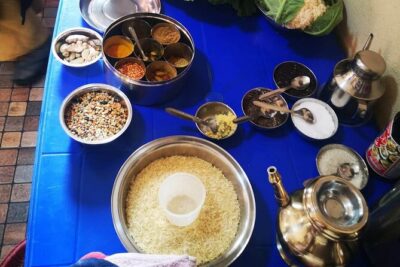
The best Private Nepali Cooking Class in Kathmandu
Read our review →
Nepalese Kitchen in Pokhara: Momos or Dal Bhat Cooking Class
Read our review →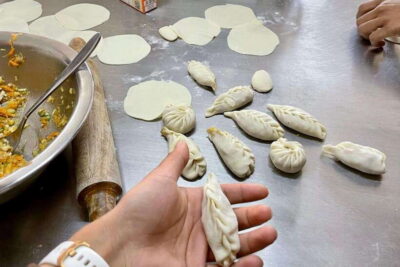
Browse the lists this tour appears in