
REVIEW · COOKING CLASSES
Traditional Momo Making Class
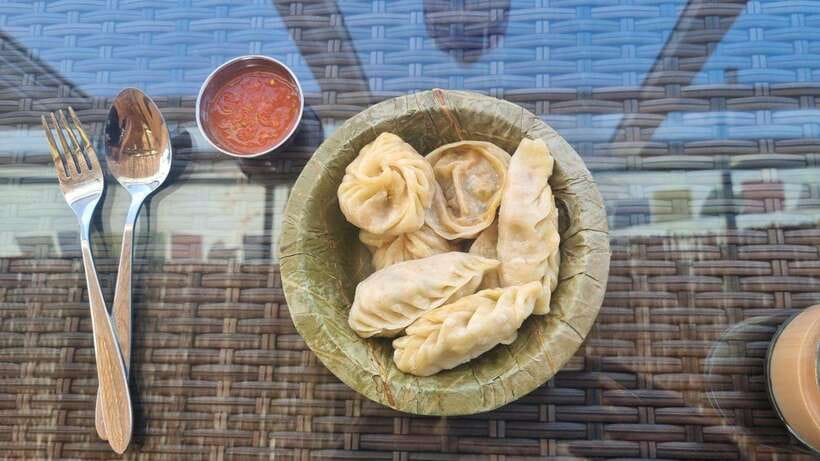
Momos are Nepal’s tastiest hands-on lesson. This 1.5-hour cooking class at the Women Led Namaste Cooking School in Thamel takes you from flour and filling to a plate of steaming dumplings. I like the practical format, and I especially like that local women chefs teach the class rather than simply serving you a finished dish. You also get to eat what you make, which is the best kind of homework.
I also like the use of fresh local ingredients and Nepali spices, along with the chance to hear why momos matter at celebrations and in daily life. The main consideration is timing: the official duration is 1.5 hours, but the class can run longer when the group is chatting and having fun. Plan a little breathing room afterward.
In This Review
- Key points at a glance
- Why momos make such a good Kathmandu class
- Arriving in Thamel for masala chai
- Kneading dough from scratch
- Preparing the filling with Nepali spices
- Folding momos into traditional shapes
- Cooking and tasting your own momos
- What the $15 price really covers
- Who will enjoy this class most
- Timing, cancellation, and useful planning advice
- Should you book the Namaste Momo class?
- FAQ
- Where does the momo-making class take place?
- How long is the class?
- How much does the class cost?
- What is included in the experience?
- Is hotel transportation included?
- What language is the class taught in?
- What should I wear and when should I arrive?
Key points at a glance
- Start with welcome masala chai: The class includes a warm Nepali drink before the cooking begins.
- Make every part yourself: You knead the dough, prepare the filling, and fold the dumplings.
- Learn from local women chefs: Lead trainer Sushi is specifically praised for her friendly teaching and English skills.
- Practice traditional momo shapes: Folding is not just decoration. It is the skill that turns a wrapper and filling into a proper dumpling.
- Eat your own cooking: The final tasting gives you an immediate reward, plus a recipe you can use at home.
- Expect a clean, bright kitchen: Several participants valued the calm rooftop setting and well-kept cooking space.
Why momos make such a good Kathmandu class
A momo is a small dumpling, but making one brings together several parts of Nepali food culture. You work with dough, vegetables or other fillings, spices, heat, and presentation. That makes this a better introduction to local cooking than a simple restaurant meal.
The class also gives you a useful connection to ordinary Nepali life. Momos appear at celebrations, family gatherings, casual meals, and food stalls. You are not only learning a recipe. You are learning why this food has such a firm place in Nepal’s kitchen.
I like that the workshop focuses on the whole process. You do not arrive to find the dough already rolled and the filling already prepared. You begin with the basic ingredients and build the dish step by step.
That matters for anyone who wants to repeat the recipe at home. By the end, you understand the parts that often seem mysterious when you order momos in a restaurant: how firm the dough should be, how much filling belongs inside, and how to close the top without making a mess.
More Cooking Classes in Kathmandu
- Half day cooking class in Thamel kathmandu
★ 5.0 · 607 reviews - Kathmandu: Local Women-Led Nepali Cooking & Momo Class
★ 4.9 · 360 reviews - Kathmandu: Local Lead Nepali Cooking & Momo-Making Class
★ 5.0 · 212 reviews
Arriving in Thamel for masala chai
The school is in Thamel, Kathmandu’s well-known visitor district. Hotel pickup and drop-off are not included, so you need to make your own way there. The good news is that Thamel gives you plenty to do before or after the class, and one participant specifically found it worth walking around the area around the lesson.
Arrive about 10 minutes early. That small buffer helps you find the school, settle in, and start without rushing. Wear comfortable clothing and shoes suitable for cooking. This is a hands-on class, so clothes you can move in are more useful than anything dressy.
The welcome masala chai is a pleasant opening. It gives you a moment to meet the cooking team and the other people in the class before flour, vegetables, and spice take over the work surfaces.
The mood appears to be one of the strongest parts of the experience. The women chefs are described as friendly, funny, and easy to spend time with. Sushi, the lead trainer, is praised for being enjoyable company and for guiding the cooking clearly in English.
That friendliness can shape the whole session. A cooking class can feel awkward if the instructor races ahead or treats beginners like a nuisance. Here, the teaching style seems more relaxed. You are encouraged to take part rather than watch from the side.
Kneading dough from scratch
The first real job is making the momo dough. You learn how to bring the ingredients together and knead them into a workable mixture. This is a simple step, but it gives you a better feel for the food than using prepared wrappers.
Kneading also sets the pace of the class. You are doing something physical and useful right away, but it does not require advanced cooking skills. That makes the workshop friendly for beginners, children, and people who cook only occasionally.
One parent attended with an 11-year-old son, who took part in chopping and became surprisingly good at folding momos. That is a useful sign for families. Children can take on real jobs rather than simply watching an adult cook.
The class is also a good fit if you want a short activity between sightseeing plans. At $15 per person, the price is modest for an interactive lesson that includes ingredients, instruction, chai, and a meal made by you. You are paying for participation and cultural context, not just food.
Preparing the filling with Nepali spices
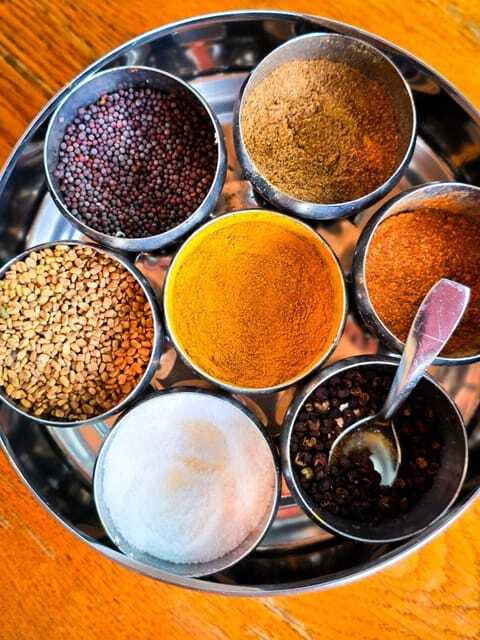
Once the dough is underway, the class moves to the filling. You work with fresh, locally sourced ingredients and authentic Nepali spices, with the chefs explaining what goes into the mixture and how the flavors come together.
The supplied details do not specify one fixed filling, so you should not expect a guaranteed meat, vegetable, or other version unless the school confirms it when you book. The useful point is that you prepare the filling yourself, rather than receiving a pre-mixed portion.
This is where the workshop becomes more than a folding exercise. The filling has to suit the wrapper. Too much makes the momo difficult to close, while too little leaves you with a flat, underfilled dumpling. The instructors can show you the right balance through direct practice.
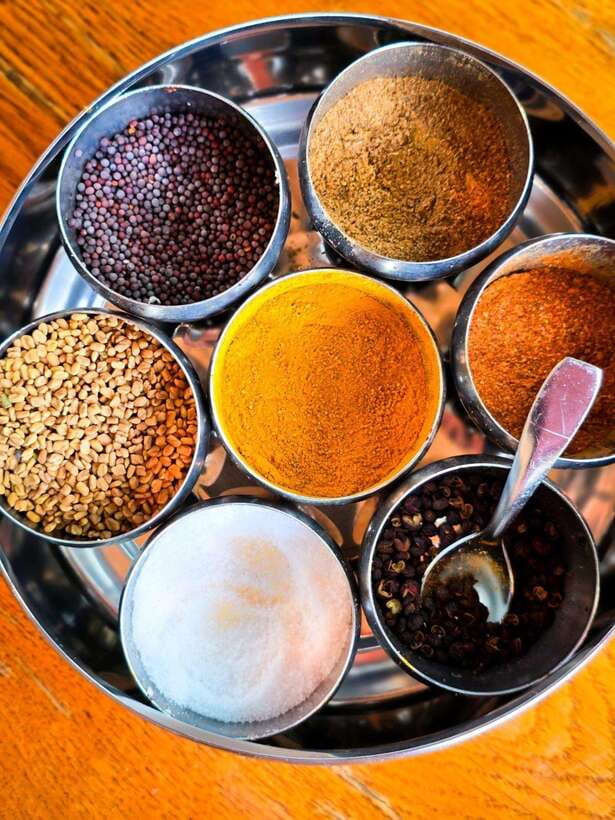
I also value the chance to ask questions about the spices. Nepali cooking can seem hard to recreate when you only taste the finished dish. Seeing the ingredients in front of you makes the flavors easier to understand and gives you a better chance of using them at home.
The emphasis on local ingredients is important for another reason. Food is one of the easiest ways to carry a memory of Nepal home. A recipe, a folding method, and a clearer sense of the spices can last longer than a photograph from lunch.
A completely different way to spend the day:
- Everest Base Camp Trek – 14 Days
★ 5.0 · 1,499 reviews - Private Kathmandu Sightseeing Tour | UNESCO World Heritage sites
★ 5.0 · 756 reviews - Everest Base Camp Helicopter Tour landing at Everest View Hotel
★ 5.0 · 668 reviews - Everest Base Camp Trekking
★ 5.0 · 485 reviews
Folding momos into traditional shapes
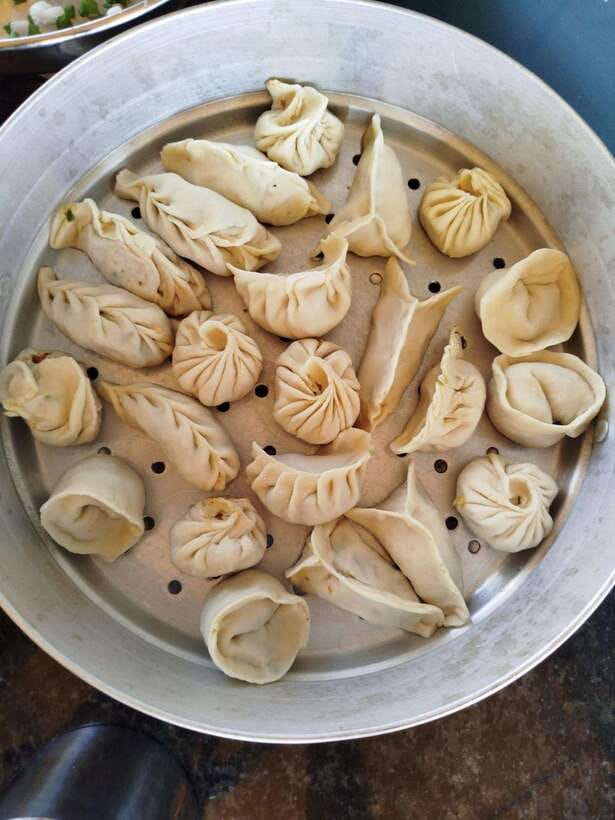
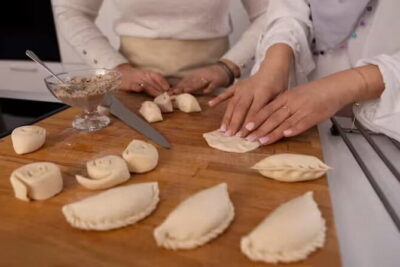
Folding is the class’s main skill test. You take a round piece of dough, add the filling, and close it into a traditional shape. It sounds easy until the first dumpling refuses to cooperate.
Do not worry if your early momos look more creative than traditional. The point is to practice, and the local chefs can show you how to pinch and shape the dough. The class is designed around doing the work yourself, so you should have time to improve as you go.
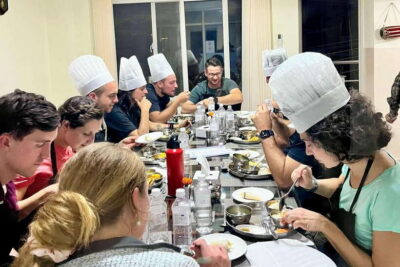
This part has a social side, too. Cooking becomes more enjoyable when everyone is comparing shapes and laughing at the occasional misshapen dumpling. One group even danced to traditional Nepali music during the session, which gives you a sense of the relaxed tone the class can take.
The folding lesson is especially useful for families and couples. You can work at the same table, help one another, and turn a simple meal into a shared activity. Solo participants can also expect plenty of contact with the instructors and other cooks, rather than being left to work alone.
You may not produce restaurant-perfect momos on your first attempt. That is not a weakness of the class. It is part of the value. You leave knowing that the dish is approachable, and you have the muscle memory to try again.
Cooking and tasting your own momos
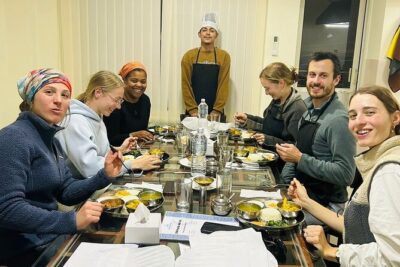
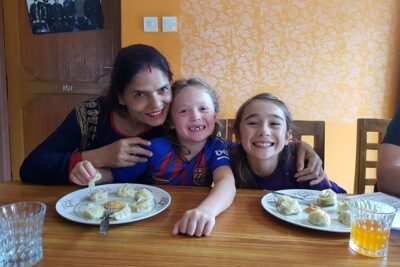
After the dough, filling, and folding, the best part arrives: eating the momos you made. The included tasting is not an extra charge, and it gives you a clear payoff at the end of the lesson.
The food has received strong praise for flavor, and the clean kitchen adds to the enjoyment. Several people valued the bright, quiet rooftop setting, which sounds like a welcome contrast to the noise and movement of central Kathmandu.
The final tasting also helps you judge your own work. You can see how your dough turned out, notice how much filling you used, and compare different folds. If you plan to make momos later, this is the moment when the instructions become practical rather than theoretical.
The activity information gives a 1.5-hour duration. In practice, allow extra time if you enjoy conversation or if the group moves at a relaxed pace. One person noted that the session lasted longer than expected, possibly because the group was having such a good time. I would avoid booking a tight airport transfer, guided visit, or fixed dinner immediately afterward.
What the $15 price really covers
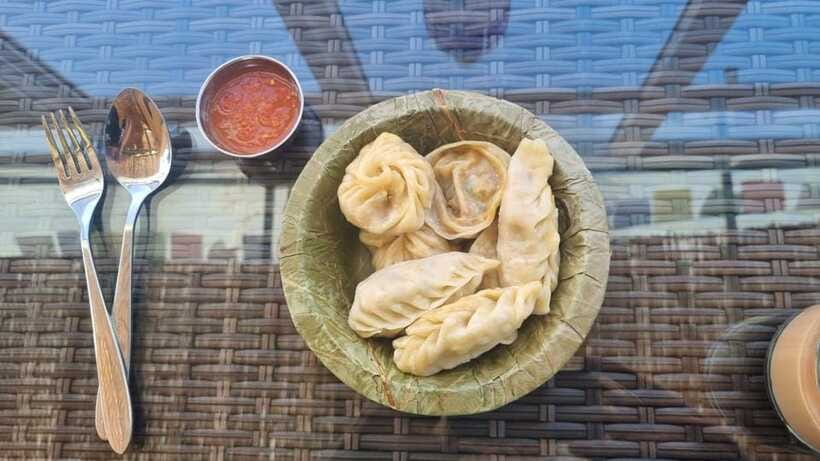
At $15 per person, this is good value if you want more than a meal. The fee covers the 1.5-hour momo class, all ingredients, guidance from experienced local chefs, tasting of your handmade momos, and welcome masala chai.
You also get a small cultural lesson about momos in Nepali celebrations and everyday life. That context adds meaning without turning the class into a lecture. The focus stays on cooking.
The price does not include transport. Since hotel pickup and drop-off are excluded, you need to budget for your own way to the school in Thamel. For many people already staying or sightseeing in Kathmandu, that is a minor issue. It matters more if you are staying far from the district or trying to fit the class into a tightly organized day.
The clearest value comes after you leave. You are given skills you can repeat at home, and one participant planned to use the recipe in Singapore. That makes the class a practical souvenir rather than a one-time photo opportunity.
Who will enjoy this class most
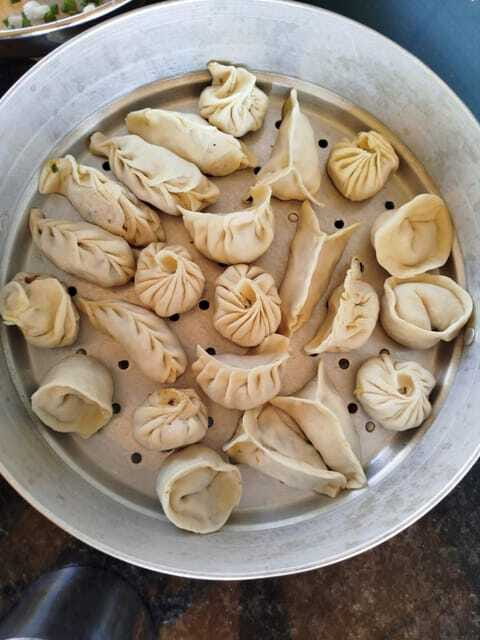
I would recommend this experience to food lovers, first-time visitors curious about Nepali cuisine, and anyone who prefers an activity with local contact. It also suits families, since an 11-year-old was able to take part in chopping and folding.
You do not need advanced kitchen skills. The class covers basic tasks in a clear order, and the instructors guide you through each one. You should be comfortable handling ingredients and working in a cooking space, but you do not need to arrive as an experienced cook.
It is also a good choice for people who like a social atmosphere. The instructors are described as warm, humorous, and fluent in English, and the class may include music and conversation. If you want a silent, highly formal lesson, this may feel less structured than you expect.
The workshop is less suitable for anyone with a very tight schedule. The listed duration is short, but the experience can extend beyond the official time. Since no specific dietary arrangements are provided in the information available, ask the school in advance if you have food restrictions or need a particular filling.
Timing, cancellation, and useful planning advice
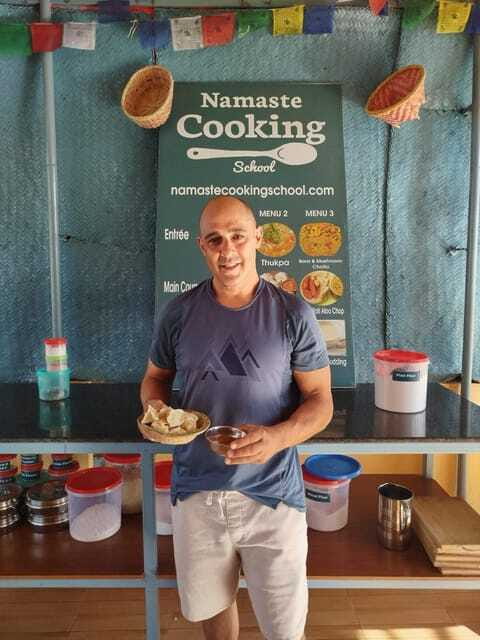
Check the available starting times before booking, since the class schedule can vary. Arrive 10 minutes early and wear clothes and shoes you do not mind wearing in a kitchen.
The activity offers free cancellation up to 24 hours before the start time for a full refund. You can also reserve now and pay later, which helps if your Kathmandu plans are still shifting.
I would place this class on a day when you are already spending time in Thamel. Walk around the district before or afterward, but do not treat the cooking session as a quick stop you can squeeze between two exact appointments.
Remember that the listed duration is 1.5 hours, while the relaxed pace may make it longer. That small difference is worth planning for, especially if you are traveling with children or want to stay and chat with the cooking team.
Should you book the Namaste Momo class?
Yes, if you want an affordable, friendly introduction to Nepali food and you are happy to take part rather than simply watch. The strongest reasons to book are the local women chefs, the hands-on dough and filling work, the clean rooftop kitchen, and the chance to eat what you make.
I would be more cautious only if you need a tightly timed activity or have special dietary needs that have not been confirmed. For most people, $15 buys a useful skill, a local food lesson, masala chai, and a pleasant afternoon in Thamel.
Bring curiosity, arrive early, and expect your first momo to look imperfect. That is part of the fun, and it gives you a story to take home with the recipe.
FAQ
Where does the momo-making class take place?
The class takes place at the Women Led Namaste Cooking School in Thamel, Kathmandu, in Nepal’s Bagmati Zone.
How long is the class?
The official duration is 1.5 hours. You should allow extra time because the session may run longer if the group spends time talking and enjoying the class.
How much does the class cost?
The price is $15 per person.
What is included in the experience?
The fee includes the 1.5-hour momo-making class, ingredients, guidance from experienced local chefs, tasting of your handmade momos, and welcome masala chai.
Is hotel transportation included?
No. Hotel pickup and drop-off are not included, so you must arrange your own transportation to and from the school.
What language is the class taught in?
The instructor language is English.
What should I wear and when should I arrive?
Wear comfortable clothing and shoes suitable for cooking. Arrive 10 minutes before the class begins.
New in the Kathmandu listings
- Kathmandu: Ancient City Kirtipur & Pharping Monastery Tour★ 5.0 · 2 reviews
- Kathmandu to Pokhara Premium sofa bus ticket★ 4.0 · 17 reviews
- Women Empowerment Project(Nepali cooking class & jewelry workshop★ 5.0 · 15 reviews
- Kathmandu 2 Nights 3 Days Chitwan Jungle Safari Tour★ 5.0 · 9 reviews
- Yoga Experience Day Trip with Private Transfer From Kathmandu★ 4.0 · 2 reviews
- 7-Day Langtang Valley Trek from Kathmandu★ 5.0 · 1 review
- Wildlife Adventure in Chitwan Nepal★ 4.0 · 4 reviews
- Walking tour of real Kathmandu through back streets.★ 5.0 · 3 reviews
Cooking Classes, compared.
Nepalese Momos or Dal Bhat Cooking Class (Cook with Delight)
Read our review →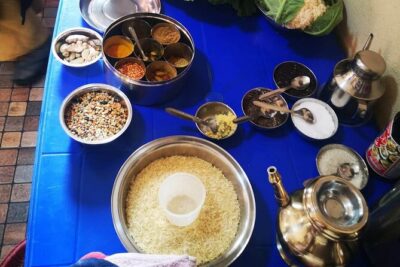
The best Private Nepali Cooking Class in Kathmandu
Read our review →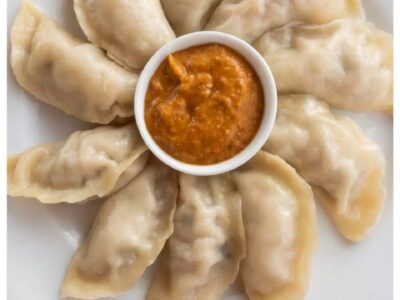
Nepalese Kitchen in Pokhara: Momos or Dal Bhat Cooking Class
Read our review →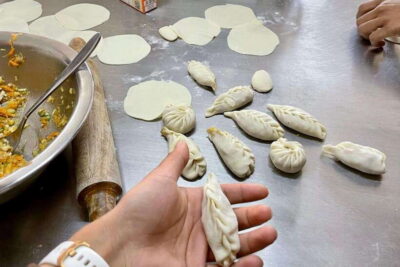
Browse the lists this tour appears in