
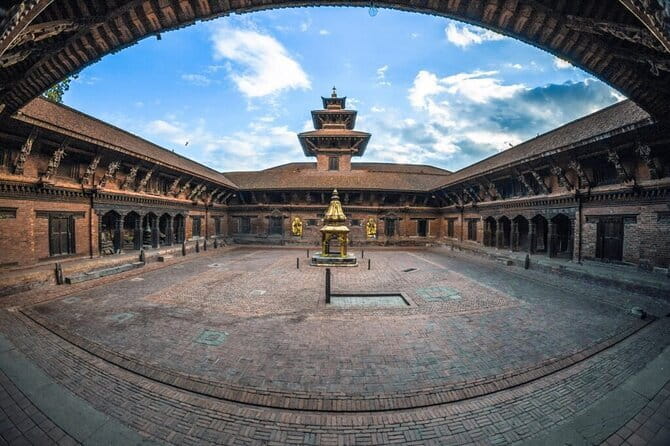
REVIEW · BHAKTAPUR TOURS
Patan and Bhaktapur Boutique Tour
Ancient cities, one full day. This small-group outing links Patan and Bhaktapur, two of Nepal’s finest historic centers, with a guide, air-conditioned transport, and stops that go beyond the main squares. I like the walk through old Patan neighborhoods and the chance to watch pottery being made in Bhaktapur. The main catch is that entrance fees and lunch cost extra, so the $40 price is not the final bill.
I also like the small maximum of 10 people, which should make it easier to hear the guide and move through narrow courtyards. The day is long, about nine and a half hours, and includes transport and a meal break, so you will want comfortable shoes and enough energy for a lot of walking.
In This Review
- Quick facts about this Patan and Bhaktapur day
- Why visit Patan and Bhaktapur together?
- Starting at Patan Dhoka and Pimbahal
- Nag Baha Galli and the Golden Temple
- Manga Hiti and Patan Museum
- Patan Durbar Square and the old lanes of Lalitpur
- Bhaktapur Durbar Square and Pottery Square
- Taumadhi Square and Nyatapola Temple
- Dattatraya Square and the Peacock Window
- What the $40 price really covers
- The guide can make or break the day
- Practical advice for a smoother day
- Should you book the Patan and Bhaktapur Boutique Tour?
- FAQ
- Where does the tour start?
- Where does the tour end?
- How long does the tour last?
- Are lunch and coffee included?
- Are entrance fees included?
- What is the group size and minimum age?
Quick facts about this Patan and Bhaktapur day
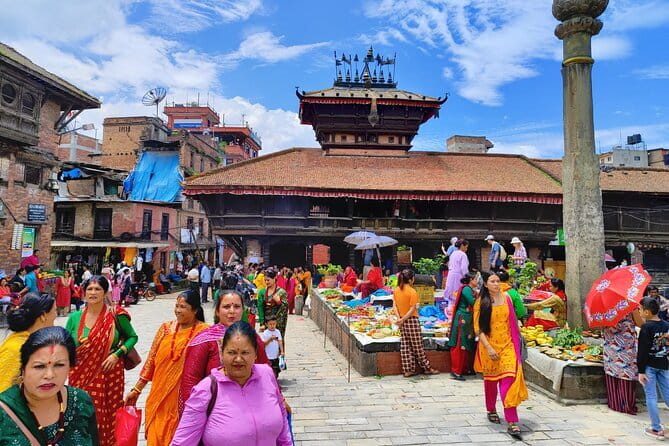
- Patan begins at a painted historic gate: Patan Dhoka is decorated with images of the eight mother goddesses.
- The route includes ordinary old-city spaces: Pimbahal, Nag Baha Galli, Manga Hiti, and connected lanes add local texture before the grand palace squares.
- Two UNESCO-listed palace areas are included: You visit both Patan Durbar Square and Bhaktapur Durbar Square.
- Bhaktapur includes a working pottery center: Pottery Square gives you a direct look at local artisans shaping and selling clay goods.
- The group is capped at 10 people: This is a useful middle ground between a private tour and a large bus outing.
- The $40 price does not cover everything: Lunch and entrance fees are extra, with cash needed for the main Durbar Square charge.
Why visit Patan and Bhaktapur together?
Kathmandu Valley is not one historic city with a few monuments scattered around it. Patan and Bhaktapur developed as important urban centers of their own, and each has a different feel.
Patan, also called Lalitpur, is especially strong on carved Newar design, courtyards, Buddhist shrines, and artistic traditions. Bhaktapur feels more like a preserved old town, with broad squares, traditional buildings, temple towers, and pottery work still visible in public spaces.
I like the pairing because it gives you contrast. Patan begins with smaller, less formal places before reaching its main palace square. Bhaktapur then shifts toward large public spaces and famous monuments. You are not simply checking off two squares. You get a better sense of how these cities were used by priests, traders, craftspeople, and royal families.
The tour also makes sense for a first visit to Kathmandu. You do not need to plan complicated transport between the two cities, find each entrance, or work out which lane leads to which courtyard. A guide can explain why a water spout, monastery courtyard, or carved window matters instead of leaving you with a row of impressive but unfamiliar buildings.
More time in Bhaktapur:
- Day Trip to Bhaktapur and Panauti from Kathmandu
★ 5.0 · 184 reviews - Bhaktapur & Patan Durbar Square Day Tours
★ 5.0 · 122 reviews - Nagarkot Sunrise & Bhaktapur UNESCO Heritage Private Tour
★ 5.0 · 66 reviews
Starting at Patan Dhoka and Pimbahal
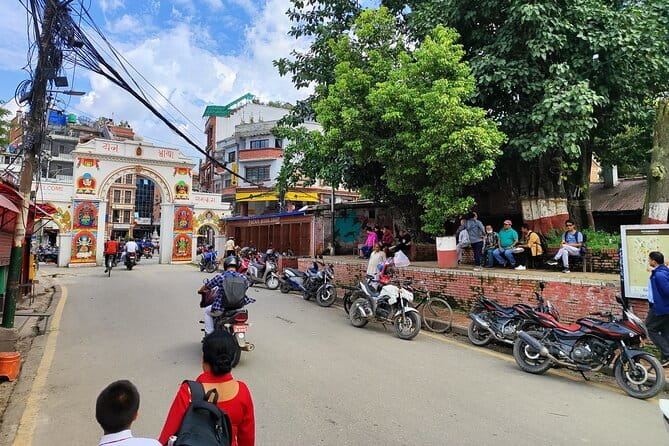
The day begins at 8:30 a.m. at Filli chai on Kathmandu Guest House Road, near the Kathmandu Guest House in central Thamel. The tour information also describes pickup from Boudha and the KGH Hotel area, so confirm the exact pickup arrangement when booking if you are staying outside the listed meeting point.
Patan Dhoka is a fine opening. This old gate marks the entrance to Patan, and its painted images of the Asta Matrika, the eight mother goddesses, give you an immediate introduction to the city’s religious character. The stop lasts about 15 minutes and has no admission fee.
From there, Pimbahal offers a change of scale. You see a place connected to the daily needs of earlier pilgrims, traders, and visitors, including cooking, collecting water, and resting. The stop also includes the story of Gaya Baje, a Hindu priest, which gives the guide a chance to connect the physical site with a personal story.
This is one of the better choices in the schedule. Grand temples are easy to admire, but old public spaces explain how a city worked. You may find Pimbahal less instantly dramatic than Durbar Square, yet it helps the rest of Patan make more sense.
Nag Baha Galli and the Golden Temple
The 30-minute stop at Nag Baha Galli takes you to Nagbahal, a courtyard dedicated to serpents. It is also linked with the Samyak Mahadan festival, a major act of giving held every five years.
The important point here is not just the courtyard itself. The stop shows how religious life in Patan is tied to recurring festivals and shared public spaces. Your guide can help explain the connection between the site, serpent worship, and the festival tradition.
Next comes Patan’s Golden Temple, formally called Hiranya Varna Mahavihar. This three-story pagoda has a gilded roof and detailed carvings, and it is dedicated to Gautam Buddha. The tour allows about 30 minutes here.
The name may suggest a huge monument, but the attraction is the combination of scale, ornament, and calm. Look closely rather than rushing through. Carved details reward patient attention, especially if your guide points out features you might otherwise miss.
Admission to the Golden Temple is not included. The exact fee is not stated in the tour details, so carry extra Nepalese rupees and ask your guide about the current charge. Some religious sites also have etiquette rules, so follow posted instructions and listen when the guide explains what is appropriate.
Manga Hiti and Patan Museum
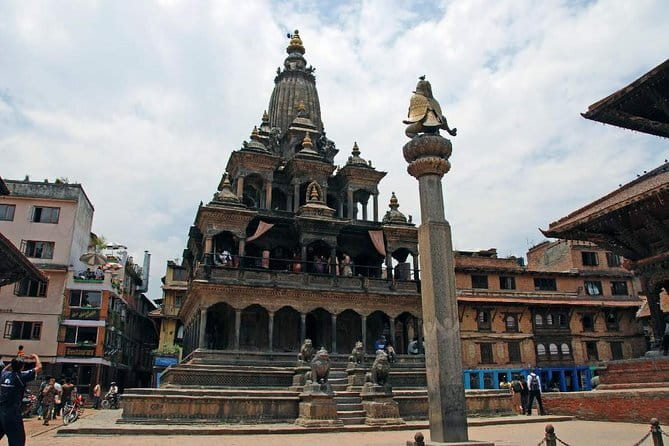
Manga Hiti, also known as Manga Dhara, is a historic stone water spout in the center of Patan. It dates to the Lichhavi period and includes carvings of gods and other designs.
The stop is brief, about 15 minutes, but it fits the route well. A water spout can look like a minor detail if you see it alone. In the context of the old city, it points to the practical systems that supported daily life. You get a reminder that Patan was not built only for royal ceremonies. People needed water, places to gather, and routes between courtyards.
Patan Museum follows, with about 30 minutes inside a restored Malla-era palace. The museum focuses on Nepalese art, culture, and history, while the building itself provides an example of traditional architecture.
I would pay attention to the museum even if you are mainly interested in temples. It can help you read the carved figures and religious imagery you see outdoors. Thirty minutes is enough for a useful visit, but not enough for a slow, room-by-room study. If you like museums and want more time with the collection, the group schedule may feel brisk.
Museum admission is not included. Since several paid sites appear on the same day, ask the guide early how the fees will be handled.
More time in Patan:
- Kathmandu: Private Patan and Bhaktapur Sightseeing Tour
★ 4.7 · 64 reviews - Patan and Bhaktapur City Full Day Tour
★ 5.0 · 24 reviews - City tour of Bhaktapur and Patan Durbar Square
★ 4.5 · 20 reviews - Patan Heritage Tour – Private/Small Group
★ 5.0 · 14 reviews
Patan Durbar Square and the old lanes of Lalitpur
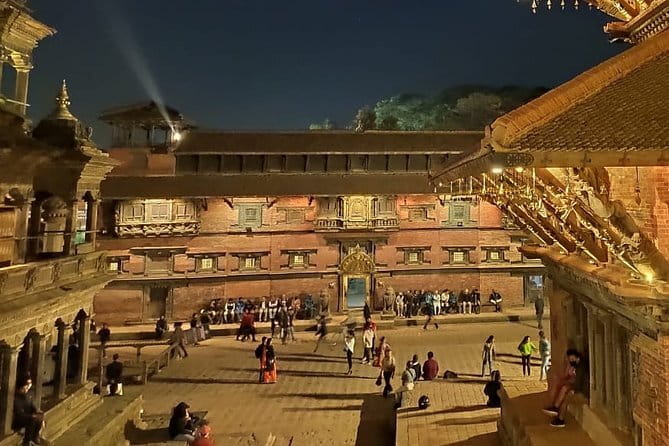
Patan Durbar Square is the central historic stop in Patan. It was once the royal palace area of the Malla kings and is filled with carved temples, courtyards, and palace buildings.
The planned visit lasts about 30 minutes. That gives you time to see the main sights and hear an explanation, but it is not a long independent wandering session. I recommend using the guide’s introduction first, then spending any free minutes looking at details rather than trying to cover every corner.
The schedule later includes another 30-minute segment labeled Patan, or Lalitpur, with narrow connected pathways, open spaces, an ancient palace, stupas, and peaceful temples. This is valuable because Patan is more than its best-known square. The smaller passages are where the city’s layout becomes clear.
The tour description also mentions a chance to receive a blessing. The exact form and location of that experience are not specified, so ask the guide what to expect and whether any donation is customary.
Patan’s paid admissions are an important budget note. The stated entrance fee for Durbar Square is NRP 1,000, about US$9, payable in cash at the entrance. The information also recommends a minimum donation of NRP 100 to the Royal Kumari. Treat these as additional costs, not part of the $40 tour price.
Bhaktapur Durbar Square and Pottery Square
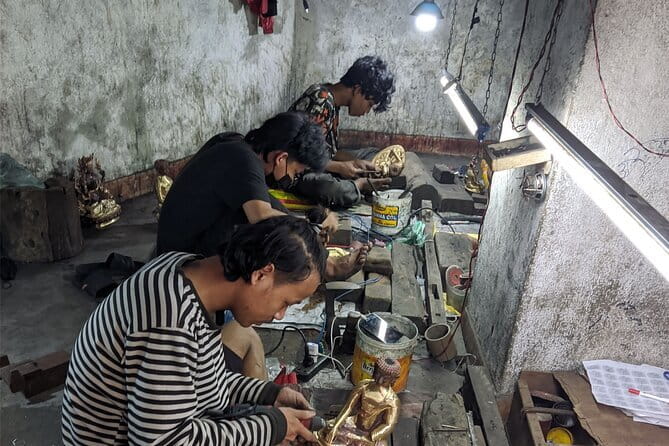
After Patan, the tour continues to Bhaktapur. Its Durbar Square is another UNESCO World Heritage Site, known for traditional Newar buildings and ancient temples.
The main square includes the 55-Window Palace, the Golden Gate, and other historic structures. The visit is scheduled for about 30 minutes. That is enough for a guided introduction, but the square deserves alert eyes. Look up at the windows, gates, rooflines, and carved surfaces. The larger monuments are easy to photograph, while smaller details are easier to miss.
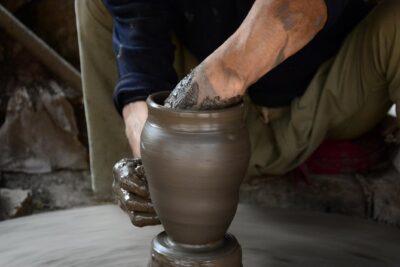
Pottery Square is one of the most appealing stops for anyone who wants to see a working tradition rather than only finished monuments. Local artisans make and sell handmade clay pottery there. You may see the process in progress, and you can browse the objects being offered.
The stop lasts about 30 minutes. That is a sensible amount of time for watching the craft and taking photographs, though you should not expect a full pottery lesson unless the guide specifically arranges one. Be considerate around the work areas, and ask before photographing people closely.
This is also a good place to think about buying something. The tour does not promise shopping time or shipping help, so keep purchases practical and manageable for the rest of the day.
Taumadhi Square and Nyatapola Temple
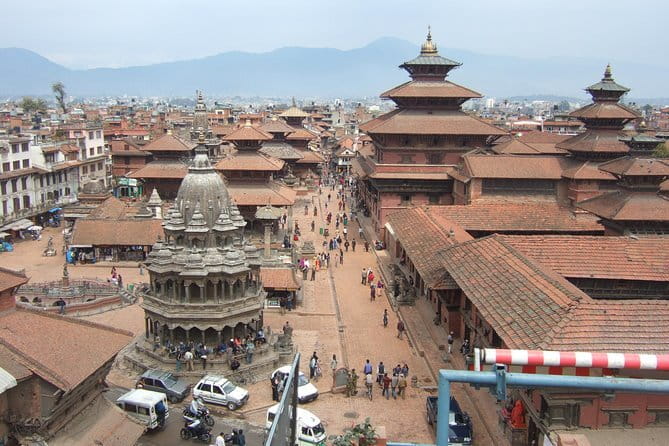
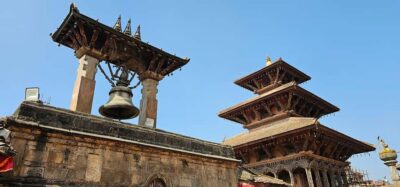
Taumadhi Square is home to Nyatapola Temple, a five-story pagoda dedicated to the goddess Siddhi Lakshmi. It is described as one of Nepal’s tallest and most beautiful temples.
The 30-minute stop gives you time to appreciate the temple’s height and setting. The square is more open than many of Patan’s courtyards, so it provides a useful visual change. The best experience comes from looking at the full structure first, then studying its carvings and levels.
A guide is especially useful here because religious buildings can be difficult to interpret from appearance alone. Ask about the temple’s dedication and the figures shown in its design. The tour includes a guide, but the exact depth of explanation can depend on the person leading your group.
Entrance fees for Bhaktapur’s main sights are not included. The stated Durbar Square charge is payable in cash, so bring Nepalese currency. Since the tour covers more than one paid historic area, carrying only the equivalent of US$9 may not be enough for every admission.
Dattatraya Square and the Peacock Window
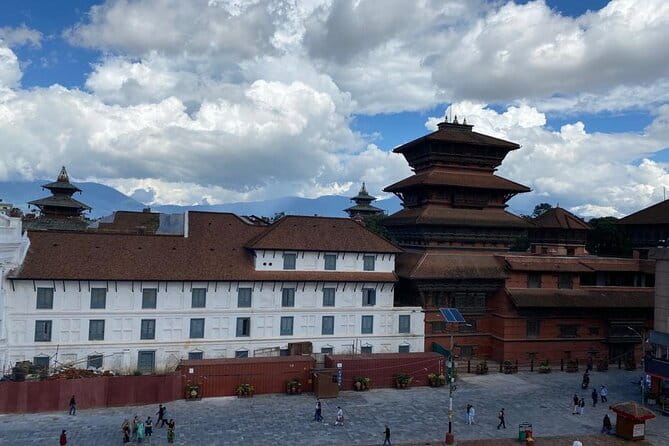
The final major area is Dattatraya Square, home to the Dattatraya Temple. The temple is dedicated to the Hindu deity associated with the unity of Brahma, Vishnu, and Shiva.
The square is also known for the Peacock Window, an intricately carved feature that gives the stop a strong visual focus. The visit lasts about 30 minutes and has no admission fee listed.
I like this ending because it moves you away from the biggest palace square and back into Bhaktapur’s more intimate architectural details. A carved window may receive less attention than a five-story temple, yet it shows the skill and patience behind Newar woodwork.
The route then returns to Patan, with the activity ending at the original meeting point. The overall duration is about nine hours and 30 minutes, including transport, a lunch stop, and a coffee stop. Neither lunch nor coffee is included, so plan to pay separately.
What the $40 price really covers
At $40 per person, this is reasonably priced for a full-day guided outing, especially with a maximum of 10 people. You are paying for the guide, transport in an air-conditioned vehicle, onboard WiFi, and the convenience of connecting two major cultural sites in one day.
The value is strongest if you are staying in Kathmandu for a short time or do not want to arrange local transport yourself. It is also useful if you want context at the smaller Patan stops, where a self-guided visit could leave you wondering why a courtyard or water spout matters.
The price is less attractive if you already have private transport, prefer to set your own pace, or want to spend several hours inside each museum and palace area. The itinerary is full, and the listed 30-minute stops leave little room for lingering.
Budget for:
- Patan and Bhaktapur entrance fees
- Golden Temple admission
- Patan Museum admission
- Lunch
- Coffee or other refreshments
- A possible donation to the Royal Kumari
The tour requires a moderate level of physical fitness. You will walk through narrow lanes, courtyards, and historic squares for much of the day. Anyone with limited stamina should ask about the walking demands before booking.
The minimum age is nine. Children under nine are not accepted for insurance reasons, and babies cannot be brought along or carried on a parent’s lap under the stated conditions.
The guide can make or break the day
The strongest praise connected with this experience focuses on the guides, especially Shreya Karki and Santosh. Shreya is described as excellent at explaining Nepalese culture, history, and traditions, while Santosh is praised for his charm during a wider Kathmandu sightseeing program.
That matters here. Patan and Bhaktapur are not short on impressive buildings. The useful part of a guide is explaining how temples, festivals, water systems, palace spaces, and craft traditions connect.
Shreya is specifically associated with a two-day Kathmandu program that included Swayambhunath, Pashupatinath, Boudhanath, Kathmandu Durbar Square, Patan, and Bhaktapur. If you are booking with a request for a particular guide, ask whether Shreya or Santosh is available, since guide assignment is not guaranteed by the information provided.
The experience has a top overall rating based on four submitted ratings, but the written comments cover more than this single day. I would treat the praise as encouraging evidence about the company’s guiding, not as a promise that every departure will be identical.
Practical advice for a smoother day
Meet on time at the stated Filli chai location at 8:30 a.m., unless the operator confirms a different pickup point in Boudha or near your hotel. The tour returns to the meeting point, so keep your accommodation plans flexible until the day is over.
Wear shoes you can walk in comfortably. The route includes old lanes, courtyards, squares, and repeated stops on foot. Bring cash in Nepalese rupees for the Durbar Square entrance and other admissions, since the main fee must be paid at the entrance.
Carry water and a little extra money for lunch and coffee. The meal break is part of the day’s timing, but food is not included.
A phone with enough battery is useful for photographs and for any onboard WiFi. Ask before photographing artisans or people at religious sites. Your guide can also tell you when a donation is expected and which areas require greater care.
Free cancellation is available if you cancel at least 24 hours before the local start time. Changes or cancellations made inside that window are not accepted for a refund.
Should you book the Patan and Bhaktapur Boutique Tour?
Book it if you want a well-packed introduction to two major historic cities without arranging transport yourself. I especially recommend it for first-time visitors with one open day in Kathmandu, people who want cultural explanation rather than monument photos alone, and anyone who values a small group.
The tour is a good match for you if the Patan lanes, water spout, Buddhist temple, museum, pottery workers, and carved windows sound as appealing as the headline monuments. Those smaller stops give the day its character.
Skip it if you want a slow, private visit with plenty of time inside each square. The schedule is ambitious, the entrance fees add to the cost, and lunch is on your own.
At $40, the tour offers solid value for transport, a guide, and a carefully connected route. Bring cash, wear good shoes, and go in expecting a full day rather than a leisurely stroll.
FAQ
Where does the tour start?
The stated meeting point is Filli chai on Kathmandu Guest House Road in Kathmandu, near the Kathmandu Guest House. The start time is 8:30 a.m. Pickup is also described for Boudha and the KGH Hotel area, so confirm the exact location when booking.
Where does the tour end?
The activity ends back at the meeting point.
How long does the tour last?
The approximate duration is nine hours and 30 minutes. This includes transportation and time for a lunch and coffee stop.
Are lunch and coffee included?
No. Lunch and the coffee stop are not included in the ticket price, so you pay for them separately.
Are entrance fees included?
No. The entrance fees are extra. The stated Durbar Square entrance fee is NRP 1,000, about US$9, and must be paid in cash at the entrance. The Golden Temple, Patan Museum, and other listed paid sites also have admission charges, but their exact amounts are not provided.
What is the group size and minimum age?
The group has a maximum of 10 people. The minimum age is nine, and children under nine and babies are not accepted under the stated insurance conditions.
New in the Kathmandu listings
- Traditional Momo Making Class★ 5.0 · 10 reviews
- Kathmandu: Ancient City Kirtipur & Pharping Monastery Tour★ 5.0 · 2 reviews
- Kathmandu to Pokhara Premium sofa bus ticket★ 4.0 · 17 reviews
- Women Empowerment Project(Nepali cooking class & jewelry workshop★ 5.0 · 15 reviews
- 7-Day Langtang Valley Trek from Kathmandu★ 5.0 · 1 review
- Kathmandu 2 Nights 3 Days Chitwan Jungle Safari Tour★ 5.0 · 9 reviews
- Yoga Experience Day Trip with Private Transfer From Kathmandu★ 4.0 · 2 reviews
- Wildlife Adventure in Chitwan Nepal★ 4.0 · 4 reviews
Bhaktapur Tours, compared.
Day Trip to Bhaktapur and Panauti from Kathmandu
Read our review →
Nagarkot Sunrise & Bhaktapur UNESCO Heritage Private Tour
Read our review →

Bhaktapur & Nagarkot Day Tour with Lunch – Private/Group
Read our review →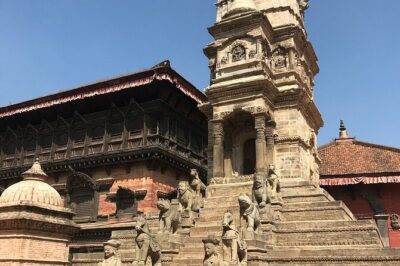
Nagarkot Sunrise & Bhaktapur Heritage Tour -Private Full Day Trip
Read our review →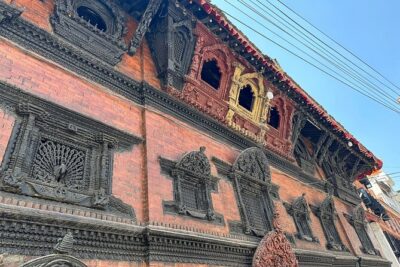
Browse the lists this tour appears in