
REVIEW · HISTORICAL TOURS
Afternoon Tibetan cultural tour
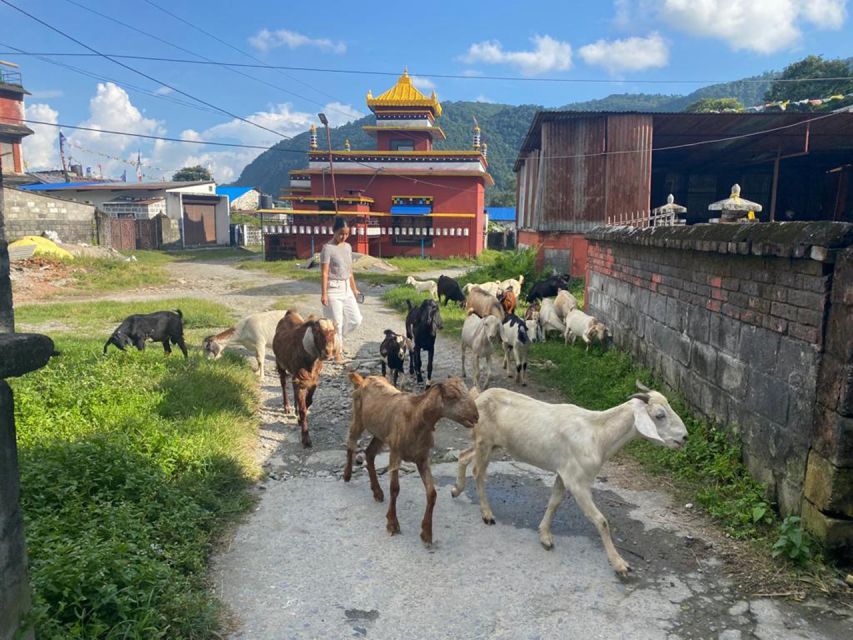
Culture has a human face. This four-hour Tibetan cultural tour takes you from Lakeside to monasteries and the Tashi Palkhel Tibetan Settlement, where Mr. Thupten Gyatso explains Buddhist customs, refugee life, education, and daily traditions in clear, personal terms. You are not simply looking at prayer wheels and flags. You learn why they matter.
I especially like the chance to speak with a young monk and the visit to a Tibetan family home for butter tea, tsampa, and homemade bread. The small group, limited to eight people, should also make questions and conversation easier. The main consideration is that this is an educational cultural visit, not a fast sightseeing loop. If you want a relaxed afternoon with plenty of explanation, it fits well. If you prefer dramatic mountain views or action, you may find it too talk-focused.
You pay $56 per person for four hours, including Lakeside pickup and return, guiding, monastery visits, prayer chanting, conversation with a monk, food tasting, and mineral water. That is a fair price for the access and personal guidance, though transport from hotels outside the Lakeside area costs extra.
In This Review
- What makes this afternoon special
- Why Tibetan culture adds something different to Pokhara
- First stop: Pema Ts’al Sakya Monastic Institute
- Visiting Tashi Palkhel Tibetan Settlement
- Sitting in on afternoon prayers
- Tea, tsampa, and a Tibetan family home
- The guide makes the difference
- Is $56 good value?
- Who should book this experience?
- Practical tips before you go
- Should you book the Tibetan cultural tour?
- FAQ
- Where does the Tibetan cultural tour begin?
- How long does the tour last?
- What is the price?
- Is transportation included?
- Which Tibetan settlement does the tour visit?
- Which monasteries are included?
- Can I speak with a Buddhist monk?
- What food and drink are included?
- What language is the tour conducted in?
- Is the tour suitable for young children or wheelchair users?
What makes this afternoon special
- A personal introduction to Tibetan refugee life: You visit Tashi Palkhel and learn how Tibetan families preserve their language, religion, and identity in Nepal.
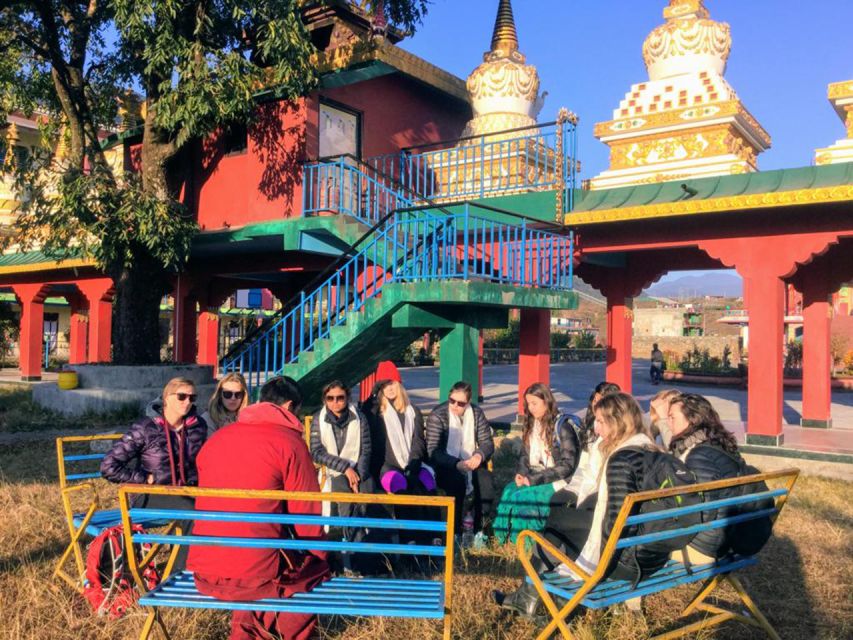
- A real conversation with a young monk: You can ask about monastic studies, vows, daily routines, and Buddhist philosophy rather than only observing from a distance.
- Prayer chanting with instruments: At another monastery, you attend afternoon prayers and hear the collective chanting and traditional instruments.
- Food served in a Tibetan home: Butter tea, tsampa, and Tibetan bread with honey, butter, and peanut butter give the tour a warm, homely finish.
- A guide with a personal connection: Thupten Gyatso is Tibetan and bases his explanations on lived cultural experience, not just memorized facts.
- A useful four-hour format: The tour works well for a free afternoon in Pokhara, especially if you also plan trekking or a longer cultural outing.
Why Tibetan culture adds something different to Pokhara
Pokhara is known for lakeside walks, mountain views, paragliding, and trekking access. Those are good reasons to come, but they can leave you seeing Nepal mainly through a tourist lens. This tour shifts your attention to a Tibetan community that has built a life in Nepal while keeping its religious and cultural traditions alive.
Tibetan refugee settlements near Pokhara are not museum displays. People live, study, worship, work, and raise families there. That distinction matters. You are visiting a functioning community, so the experience calls for courtesy, quiet observation, and a willingness to listen.
Thupten’s role is central. He explains the history of Tibetans living in Nepal, the challenge of adapting to a new country, the importance of the Dalai Lama, and the effort involved in preserving Tibetan language and identity. His talks also cover education, Buddhist philosophy, and the difference between seeing a symbol and understanding its place in daily life.
The strongest part of the experience is the connection between large subjects and ordinary details. A prayer wheel becomes more than a colorful object. A family snack becomes a way to understand climate, food habits, religion, and hospitality. That is the kind of context that makes a short tour stay with you.
More history tours in Pokhara:
- Full-Day Tibetan Cultural Tour to Tibetan Settlements Pokhara
★ 5.0 · 184 reviews - Afternoon Tibetan Cultural Tour to Tibetan Settlements Pokhara
★ 5.0 · 106 reviews - Morning Tibetan cultural tour to Tibetan settlements Pokhara
★ 5.0 · 66 reviews
First stop: Pema Ts’al Sakya Monastic Institute
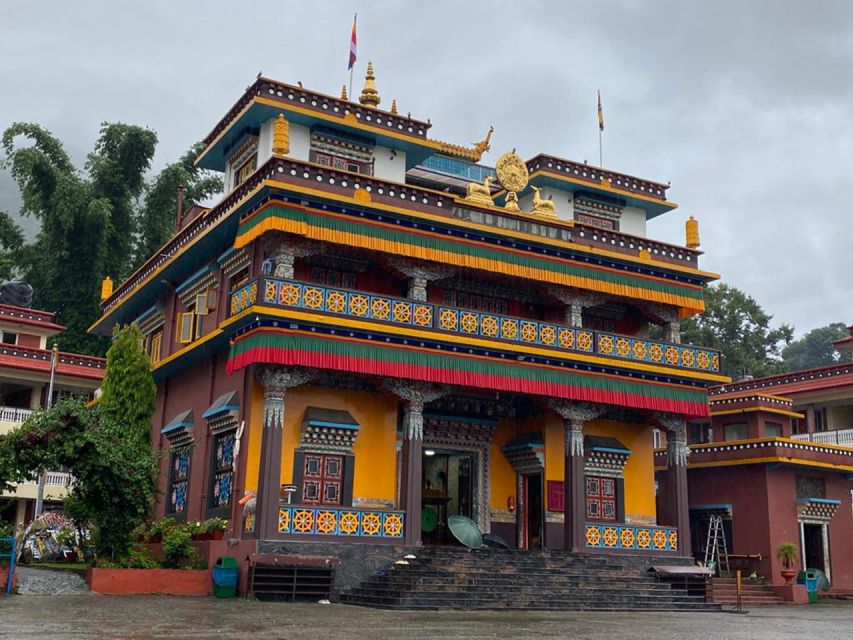
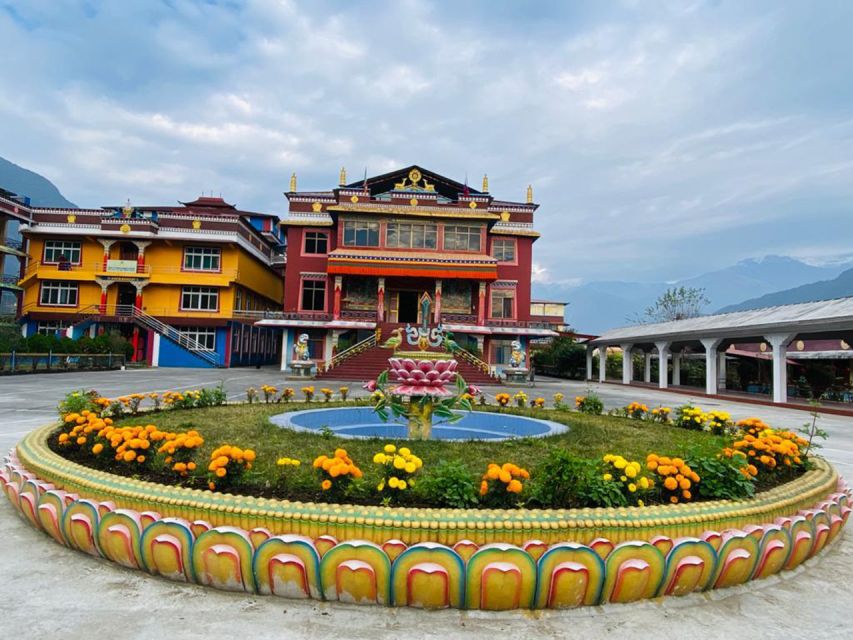
Pickup is provided around the Lakeside area, and the first stop is Pema Ts’al Sakya Monastic Institute. The visit lasts about an hour and includes a scenic drive, walking, sightseeing, and time for photographs.
This monastery introduces you to the visual language of Tibetan Buddhism. Thupten explains features such as prayer wheels, prayer flags, stupas, and butter lamps. He also explains why people walk clockwise around sacred objects, a small but useful point that helps you behave respectfully during the rest of the afternoon.
The monastery visit is not presented as a silent photo stop. You receive background before moving through the grounds, so details have a purpose. That is helpful if you know little about Buddhism or if you have seen similar symbols elsewhere in Asia but never understood their meaning.
You may also have a conversation with a young monk here. This is one of the tour’s most praised features, and it gives the visit a direct human focus. You can ask about monastic life, studies, daily activities, and Buddhist practice. One particularly interesting subject is the role of debate in Buddhist education. The monk’s favorite area of study, according to the experience description, is debating Buddhist philosophy.
That conversation is valuable because it avoids treating monks as decorative figures in a religious setting. You meet a student with a demanding educational routine and a thoughtful view of his life. Keep your questions respectful, and allow the exchange to develop naturally.
Visiting Tashi Palkhel Tibetan Settlement
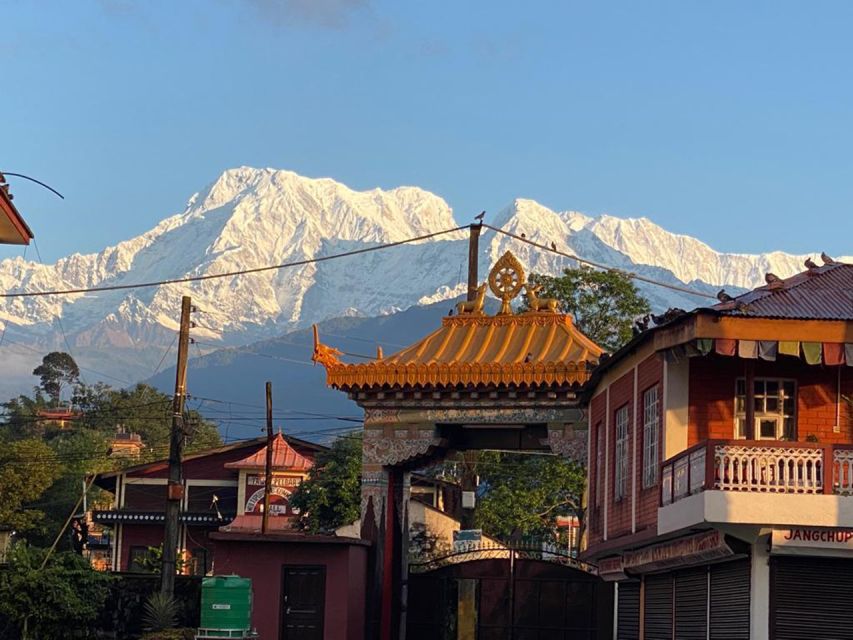
The tour then continues to Tashi Palkhel Tibetan Settlement, with about two hours devoted to the settlement, a monastery, food tasting, and a walk through the area.
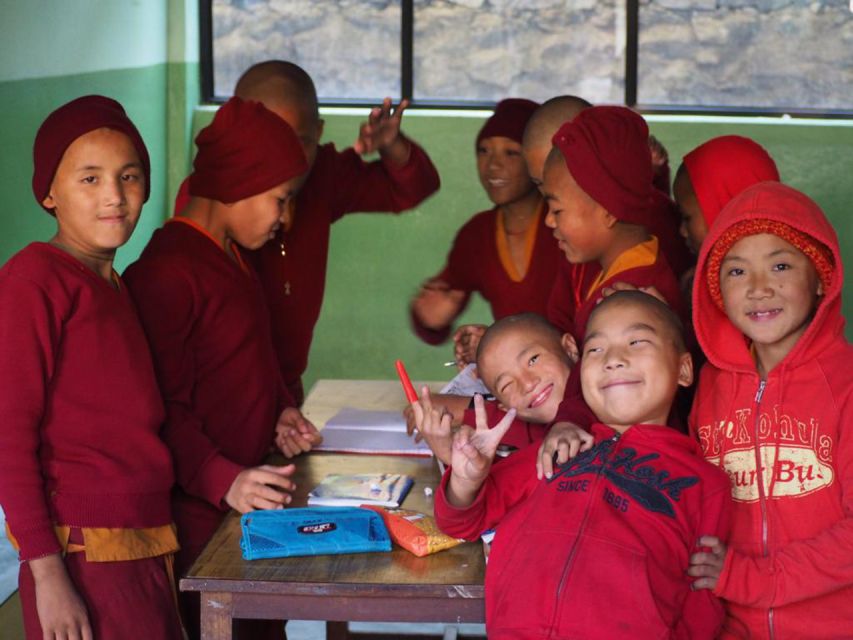
Here, Thupten explains how Tibetan people in Nepal maintain their culture through language, religion, schooling, family life, and community practice. You also learn about Tibetan schools and their educational system, an important part of cultural survival. Education is not only about formal lessons. It helps pass on language, customs, and a sense of identity to younger generations.
The settlement visit gives you a chance to see Buddhist practices in an everyday setting. You learn about prayer flags, prayer wheels, stupas, walking clockwise, and butter candles. These details are easy to miss if you visit alone. With explanation, the settlement becomes easier to read.
There is also time to walk and enjoy the views along the way. Still, this is not mainly a scenic tour. The focus is on people, religion, education, and the experience of living away from Tibet. You should book it for the stories and conversations, not for a long list of grand monuments.
The tone is personal without needing to be solemn at every moment. Thupten has been praised for being warm, clear, patient, and enthusiastic. He encourages questions and connects political, religious, and family subjects in a way that makes the afternoon feel like a conversation rather than a lecture.
Sitting in on afternoon prayers
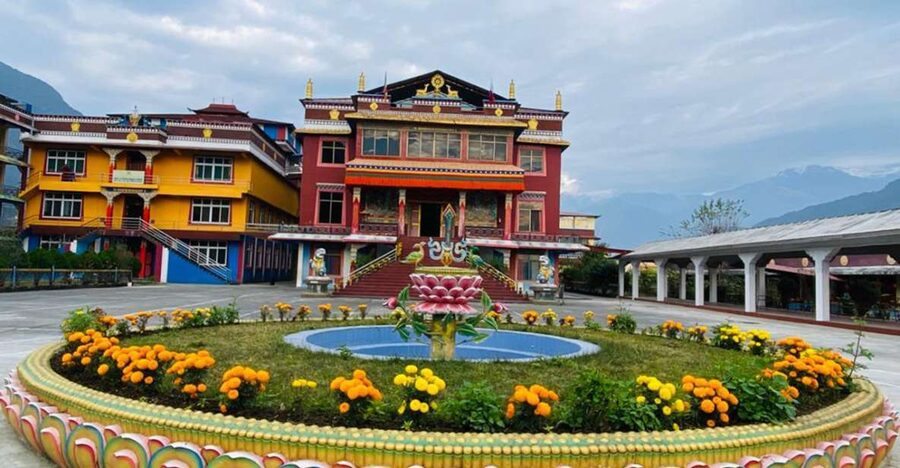
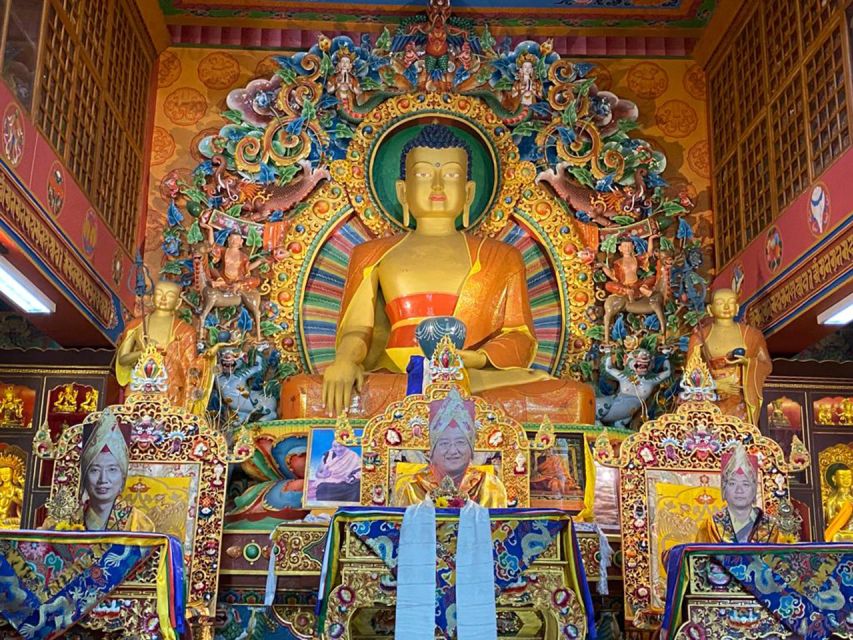
At another monastery, you attend afternoon group prayer chanting with the monks. You are there to observe, not to lead the ceremony, and the atmosphere is described as solemn and peaceful.
The sound is a major part of the experience. You hear the monks chant together and use several instruments, creating a strong physical sense of rhythm and vibration. This is different from simply reading about Buddhist worship or looking at temple architecture.
Prayer services are religious occasions, so respectful behavior matters. Dress modestly, keep your voice low, and follow Thupten’s guidance about where to stand or sit. Photography should never take priority over the ceremony.
The prayer session also shows the difference between Buddhism as an idea and Buddhism as a daily practice. Earlier, you learn what symbols mean. Here, you see a living religious routine carried out by a monastic community. That contrast gives the tour its strongest cultural value.
The timing is one thing to confirm when booking. The activity is described as an afternoon tour with prayer chanting, but exact starting times depend on availability. If attending the prayer session is your main reason for booking, check that the selected departure matches the monastery schedule.
A short list of alternatives around Pokhara
- ZipFlyer Nepal – The World’s Steepest Zip-line
★ 5.0 · 608 reviews - Bungee Pokhara by HighGround Adventures
★ 5.0 · 366 reviews - From Pokhara: Sarangkot Sunrise Himalayas Tour
★ 4.7 · 218 reviews - ATV Adventure Tour in Pokhara, Nepal
★ 5.0 · 194 reviews
Tea, tsampa, and a Tibetan family home
The final food stop is at a local Tibetan family home in the settlement. This is more than a quick sample of snacks. You sit down for traditional Tibetan tea and food while Thupten explains Tibetan cuisine and family life.
The main tasting includes salted butter tea, tsampa made from roasted barley flour, and homemade Tibetan bread served with honey, butter, and peanut butter. Butter tea can surprise first-time drinkers. It is salty rather than sweet and has a savory, buttery taste. Tsampa is simple but filling, and you may mix it with tea in a traditional way.
The bread and spreads make the tasting approachable, especially if you are unsure about the tea. This is not polished restaurant food, and that is the point. You are offered food associated with home life and hospitality rather than a dish redesigned for visitors.
I would avoid planning dinner immediately after the tour. The combination of tea, barley flour, and bread is more substantial than a token tasting. If you have dietary restrictions, ask about the food before booking, since the available information does not list substitutions or allergy arrangements.
The family visit is also one of the more personal parts of the afternoon. You are welcomed into a home and given a chance to understand daily life through food. That setting can feel more intimate than a standard attraction, so listen carefully and avoid treating the home like a photo studio.
The guide makes the difference
Thupten Gyatso is the key reason this experience receives such strong praise. His strengths are repeated again and again: he is friendly, well organized, clear in English, passionate about Tibetan culture, and willing to answer detailed questions.
His guiding style appears to be story-led. He talks during the drive, at the monasteries, around the settlement, and over tea. That means you receive a steady stream of context, which is excellent if you want to understand Tibet and Tibetan life in Nepal.
It also means the tour may feel intense for someone who prefers quiet sightseeing. You will hear about religion, education, politics, refugee life, the Dalai Lama, and cultural preservation in a single afternoon. I suggest arriving with an open mind and asking questions as you go. The experience works best when you take part in the conversation.
Thupten’s personal connection gives the subject emotional weight. Several parts of the tour touch on displacement, adaptation, and the effort to maintain identity outside Tibet. He presents these subjects with clear affection for his heritage. You should expect a sympathetic Tibetan perspective, not a detached academic survey of every political viewpoint.
Is $56 good value?
At $56, this is not the cheapest half-day activity in Pokhara. Its value depends on what you want from your time and money.
You are paying for more than transport to a monastery. The price includes a Tibetan guide, pickup and return around Lakeside, two monastery visits, a settlement visit, a monk conversation, prayer chanting, a family-home food tasting, and mineral water. The group is limited to eight, which gives the guide more room to answer questions than a large bus tour.
The access is the real value. You receive an introduction to a refugee settlement, a conversation with a monk, and a family visit. Those are difficult experiences to arrange independently, especially if you do not speak Tibetan or know the community.
The price is less attractive if you only want to see Buddhist architecture or take photographs. You could spend less on independent sightseeing, but you would lose the explanations and personal connections that give the afternoon its meaning.
Pickup is included only for hotels around Lakeside. If your hotel is elsewhere, an extra transport fee applies based on its location. Factor that into the final cost before you book.
Who should book this experience?
I would recommend it most strongly to you if you:
- Want to understand Tibetan culture rather than simply view religious buildings
- Have an interest in Buddhism, monastic education, or refugee communities
- Enjoy asking questions and listening to personal stories
- Appreciate small groups and a slower pace
- Want an activity that fits into a free afternoon in Pokhara
- Are curious about Tibetan food and family customs
It is less suitable for children under five and is not suitable for wheelchair users. The tour involves walking through monasteries and a settlement, so anyone who needs fully step-free access should choose another activity.
The tour is also not the best match for someone seeking a broad Pokhara highlights tour. You will not spend the afternoon visiting multiple famous city sights. The subject is focused, and the experience rewards attention.
Several people who enjoyed the afternoon wished they had booked the full-day version. That is useful advice if you want more time for conversation and cultural detail. The four-hour format gives you a solid introduction, but it moves through several substantial subjects in a limited window.
Practical tips before you go
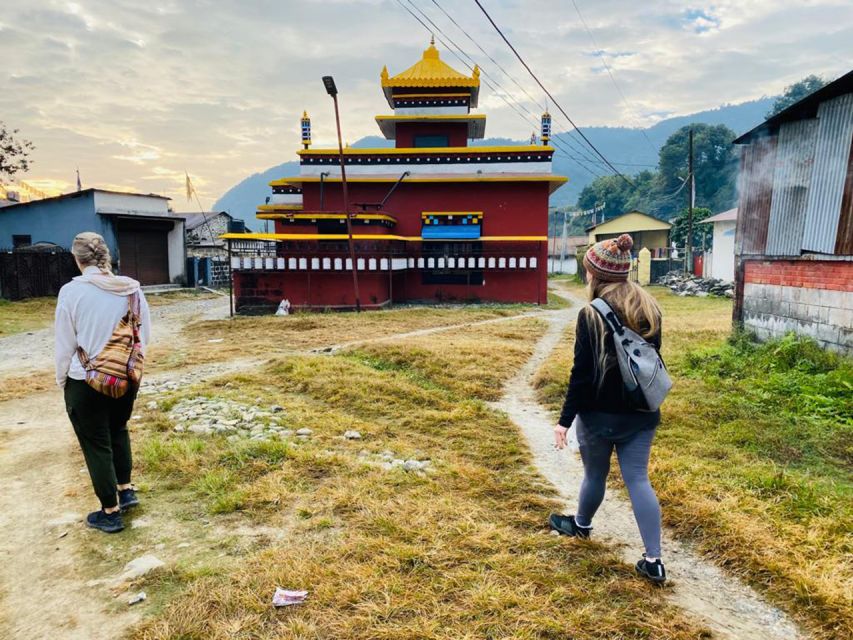
Wear clothing suitable for visiting monasteries and joining a prayer setting. Modest, comfortable clothing is the safest choice.
Bring curiosity rather than a fixed idea of what Tibetan culture should look like. The tour covers religion, food, education, history, displacement, and present-day community life. You will get more from it if you allow time for questions.
If you are staying outside Lakeside, ask about the additional transport charge before confirming. Also check the departure time if the prayer chanting is especially important to you.
The tour is offered in English, and the small group is limited to eight participants. Free cancellation is available up to 24 hours before the start time, and you can reserve now and pay later, which helps if your Pokhara plans are still shifting.
Should you book the Tibetan cultural tour?
Yes, if you want a thoughtful and personal cultural experience in Pokhara. The strongest reasons are the conversation with a young monk, the prayer service, the visit to Tashi Palkhel, and the simple hospitality of a Tibetan family home.
I would not book it for scenery alone or if you want a quick, loosely guided outing. But if you want to understand how Tibetan people preserve their religion and identity in Nepal, $56 is a reasonable price for four focused hours with Thupten Gyatso. Add it to your Pokhara plans when you are ready to trade a few hours of sightseeing for something more human.
FAQ
Where does the Tibetan cultural tour begin?
Pickup begins around the Lakeside area of Pokhara.
How long does the tour last?
The tour lasts four hours.
What is the price?
The price is $56 per person.
Is transportation included?
Round-trip pickup and drop-off are included for hotels located around Lakeside. Hotels outside the Lakeside area may require an additional transportation fee based on location.
Which Tibetan settlement does the tour visit?
The tour visits Tashi Palkhel Tibetan Settlement near Pokhara Valley.
Which monasteries are included?
The route includes Pema Ts’al Sakya Monastic Institute and another monastery where you attend afternoon Buddhist prayer chanting.
Can I speak with a Buddhist monk?
Yes. The experience includes a conversation with a young Buddhist monk about monastic life, studies, daily activities, and Buddhism.
What food and drink are included?
You taste traditional Tibetan butter tea, tsampa made from roasted barley flour, and Tibetan homemade bread with honey, butter, and peanut butter. Mineral water is also included.
What language is the tour conducted in?
The live tour guide speaks English.
Is the tour suitable for young children or wheelchair users?
The tour is not suitable for children under five or wheelchair users.
New in the Pokhara listings
- Pokhara: Pokhara Highlights Tour by Bus★ 3.6 · 10 reviews
- Discover Pokhara in Style: Private Vehicle Service with Driver★ 5.0 · 5 reviews
- Multi-Day Tour from Pokhara, Poon Hill and Mulde Trek★ 5.0 · 1 review
- Pokhara in 5 Hours: Lake, Museum, Cave, Falls & Pagoda Hill★ 4.5 · 16 reviews
- Private 4 Day Poon Hill Trek from Pokhara★ 5.0 · 16 reviews
- 4 Day Mardi Himal Base Camp Trek from Pokhara★ 5.0 · 18 reviews
- From Pokhara Full Day Entire Pokhara Tour with Guide★ 5.0 · 1 review
- Ultralight Flight: Into The Heart Of The Mountains (90 min)★ 5.0 · 1 review
Historical Tours, compared.
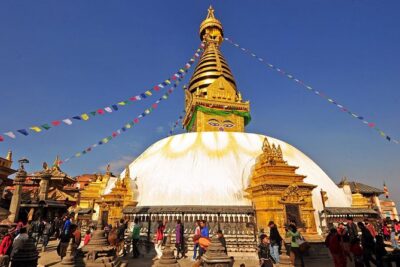
Private Kathmandu Sightseeing Tour | UNESCO World Heritage sites
Read our review →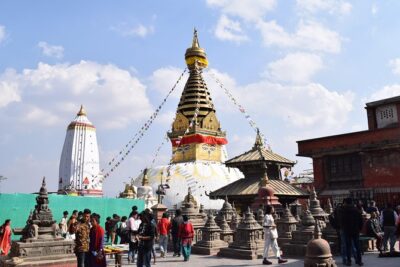
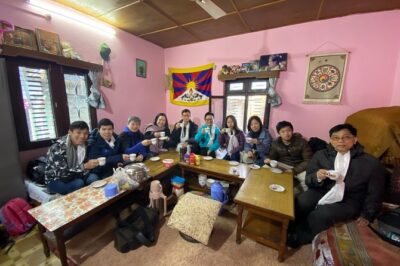
Full-Day Tibetan Cultural Tour to Tibetan Settlements Pokhara
Read our review →
Kathmandu Private Sightseeing Tour | UNESCO World Heritage Sites
Read our review →
Afternoon Tibetan Cultural Tour to Tibetan Settlements Pokhara
Read our review →
Full Day Private Top 4 UNESCO Heritage Tour W/Lunch.
Read our review →
Nagarkot Sunrise & Bhaktapur UNESCO Heritage Private Tour
Read our review →Browse the lists this tour appears in