
REVIEW · CHITWAN JUNGLE SAFARIS
Best Nepal Tour: Kathmandu Pokhara Chitwan Tour
Three climates, six days, one busy Nepal story. This private tour links Kathmandu’s temples, Chitwan’s wildlife, and Pokhara’s mountain views in one well-packed route. I like the sharp change of scenery, from incense-filled courtyards to jungle trails, and I like that airport transfers, hotels in Chitwan and Pokhara, breakfast, some dinners, and ground staff costs are covered. The main drawback is time: long road journeys leave little room for a slow morning or an unscheduled stop.
I also like the mix of guided sightseeing and free time around Pokhara Lakeside. Guides Bhim and Ankita are specifically praised for making the trip feel easy to manage, while the Chitwan team earns strong marks for its safari activities, food, and resort. At $600 per person, the package can be good value, but you need to budget separately for Kathmandu lodging, some meals, heritage-site fees, and optional transport back to Kathmandu.
In This Review
- Key points to know before booking
- Kathmandu’s sacred sights in one full day
- Pashupatinath Temple
- Swayambhunath, the Monkey Temple
- Boudhha Stupa
- Patan Durbar Square
- Chitwan brings a completely different Nepal
- The first afternoon in the park area
- Jeep safari, canoeing, and jungle walking
- Pokhara rewards you with water and mountain views
- Phewa Lake
- Gupteswar Cave and Devi’s Fall
- Bindhya Basini Temple
- Seti River Gorge
- Sarangkot sunrise and the return to Kathmandu
- What the $600 price really covers
- Who will enjoy this route most
- Should you book the Kathmandu, Pokhara, and Chitwan tour?
- FAQ
- How long is the Kathmandu, Pokhara, and Chitwan tour?
- Is airport pickup included?
- Is this a private tour?
- Which hotels are included?
- Are meals included?
- Are entrance fees included?
- Can I fly from Pokhara back to Kathmandu?
- What is the cancellation policy?
Key points to know before booking
- Four major Kathmandu sights in one day: Pashupatinath, Swayambhunath, Boudhha, and Patan Durbar Square give you a fast but useful introduction to Nepal’s religious and royal traditions.
- Chitwan includes more than a jeep ride: Canoeing, jungle walks, and other park activities add variety to the wildlife portion.
- Pokhara’s best-known sights arrive together: Phewa Lake, Gupteswar Cave, Devi’s Fall, Bindhya Basini Temple, and the Seti River Gorge fill day five.
- Sunrise at Sarangkot is an early start: The final morning is built around mountain views before breakfast and the return journey.
- Hotels are included outside Kathmandu: You receive twin-sharing accommodation with breakfast in Chitwan and Pokhara.
- It is a private trip: Only your own group participates, and pickup and drop-off at the airport are provided.
Kathmandu’s sacred sights in one full day
The tour opens with a packed circuit of Kathmandu Valley landmarks. It is an ambitious day, but the order gives you a broad look at Nepal before you head south and west.
More jungle safaris in Chitwan:
- 3-Day Chitwan National Park Jungle Safari Tour Package with Pick Up
★ 5.0 · 184 reviews - From Kathmandu/Pokhara: 3-Day All-Inclusive Chitwan Safari
★ 4.6 · 133 reviews - Kathmandu: 3-Day Chitwan Safari Tour with Hotel Transfers
★ 4.6 · 127 reviews
Pashupatinath Temple
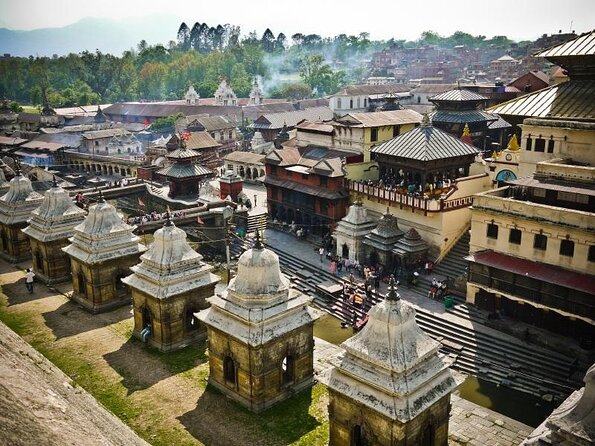
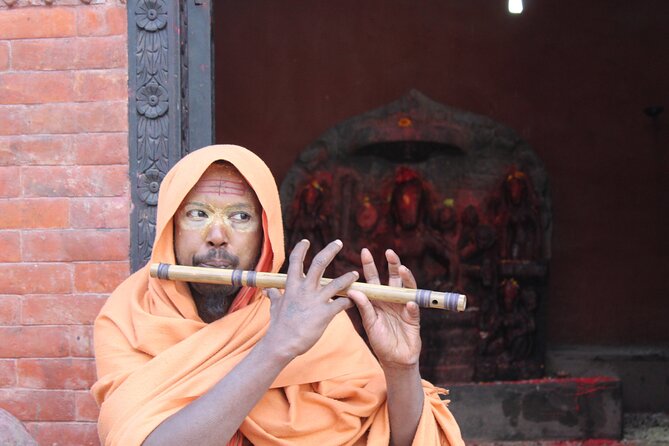
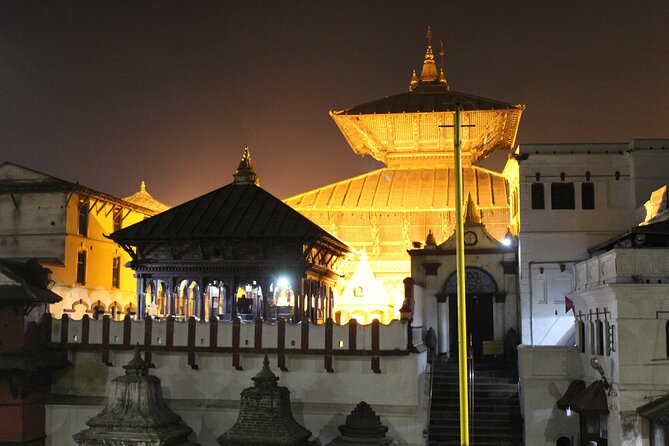
Pashupatinath sits about 5 kilometers east of central Kathmandu beside the Bagmati River. This is Nepal’s most important Hindu temple complex, dedicated to Shiva, and its religious role matters more than any single building or photo stop.
You should allow about two hours here. The temple is richly decorated, and the riverbank adds a serious, reflective quality to the visit. Non-Hindu visitors may not enter the main temple, but the surrounding area still offers plenty to see.
Admission is not included, so keep entrance money ready. This is also one of the places where respectful clothing and quiet behavior matter. You are visiting an active place of worship, not a museum arranged for sightseeing.
Swayambhunath, the Monkey Temple
Next comes Swayambhunath, commonly called the Monkey Temple because monkeys live around the hilltop shrine. The visit lasts about an hour and admission is free.
The reward here is the combination of religious art, architecture, and a broad view over Kathmandu Valley. The hilltop setting gives you a useful sense of the city’s size and shape, though the climb and uneven surfaces may be tiring for some people after Pashupatinath.
Swayambhunath is a good place to slow down briefly. Look beyond the monkeys. Prayer elements, statues, and painted details are the real reason to linger.
Boudhha Stupa
The two-hour stop at Boudhha introduces a different form of Buddhist worship. The stupa dates to the fifth century and is described as the oldest and largest in the valley. Its large white dome and painted eyes make it one of Kathmandu’s most recognizable sights.
Admission is free. The broad area around the stupa gives you more room to walk than some of the tighter temple courtyards, and the circular design naturally encourages a calm, unhurried visit.
This is a strong contrast with Pashupatinath. In one day, you see two major faith traditions functioning in the same valley, which is one of the tour’s most valuable features.
A short list of alternatives around Kathmandu
- Everest Base Camp Trek – 14 Days
★ 5.0 · 1,499 reviews - Private Kathmandu Sightseeing Tour | UNESCO World Heritage sites
★ 5.0 · 756 reviews - Everest Base Camp Helicopter Tour landing at Everest View Hotel
★ 5.0 · 668 reviews - Half day cooking class in Thamel kathmandu
★ 5.0 · 607 reviews
Patan Durbar Square
The final stop is Patan Durbar Square in Lalitpur, about two hours. The square is a UNESCO World Heritage Site, with the former royal palace and Malla-era architecture at its center.
Entrance fees are not included. Plan for this cost, since Patan is one of the places where the separate ticket can affect your daily spending.
The drawback is simple: four major sites in one day can feel like a lot. If you enjoy history and architecture, you will appreciate the range. If you prefer long visits with time for local neighborhoods and cafés, this schedule is brisk.
Chitwan brings a completely different Nepal
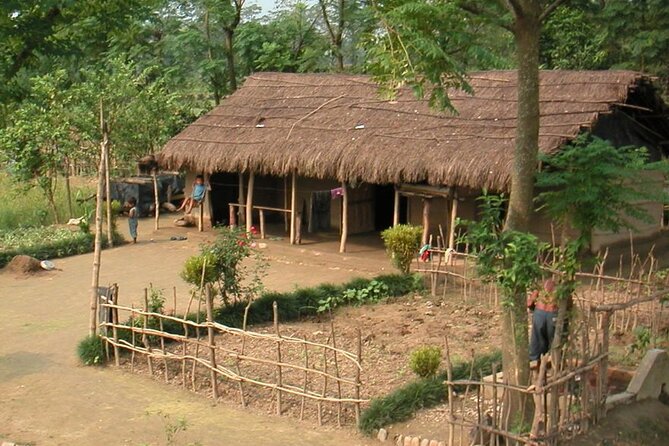
After breakfast on day two, you travel to Chitwan by tourist bus or private car. The route takes you from the Kathmandu area toward the lowlands, and the change in temperature is part of the experience. The tour description makes the point clearly: you can go from a cool place to a hot one in roughly a day.
Your Chitwan hotel or resort includes twin-sharing accommodation and breakfast. Two dinners are included, along with lunch, though you should confirm the exact meal arrangement when booking because the package information lists meals by category rather than by individual day.
The first afternoon in the park area
Once you arrive, you receive the schedule for the Chitwan visit. Activities can include jungle and non-jungle outings, with lunch followed by park-related touring.
The area is known for one-horned rhinoceroses, elephants, crocodiles, Bengal tigers, and many bird species. Wildlife is never guaranteed, so the best approach is to value the setting and the range of activities, not just a single animal sighting.
The included program is useful because it keeps you occupied after the road journey. Still, you may feel tired on arrival. A private car gives your group more control than a tourist bus, but the package allows either, so ask which vehicle and schedule apply to your booking.
Jeep safari, canoeing, and jungle walking
Day three is devoted to the national park. A jeep safari is the main event, with canoeing, jungle walks, and other activities also available.
I like this variety. A jeep gives you a practical way to cover more ground, while a canoe changes your view of the waterways and a walk makes the forest feel more immediate. These activities also spread your expectations. If wildlife is quiet during one outing, another setting may still provide something memorable.
Some people will want a more specialized safari program, but this package is aimed at a broad first visit. It gives you a taste of Chitwan rather than a long wildlife expedition.
The accommodation receives especially strong praise for its food, air conditioning, swimming pool, and comfortable setting. Those details matter in Chitwan, where the heat can make a pleasant room and a cool place to rest feel like part of the sightseeing.
Pokhara rewards you with water and mountain views
After breakfast on day four, you drive to Pokhara by tourist bus or private car. The trip takes about 12 hours according to the schedule, so this is not a short transfer. You will see hills, rivers, and forest along the road, but you should still expect a full travel day.
Pokhara is the gentler portion of the route. The city is known for lakes and views toward the mountains, and the Lakeside area gives you a base for the evening. The package provides a hotel with breakfast, but food in Pokhara beyond breakfast is not included.
That arrangement gives you freedom to choose your own meals, but it also means the $600 price is not your final budget. Add money for lunches, dinners, drinks, entrance fees, and any activity you choose to do independently.
Phewa Lake
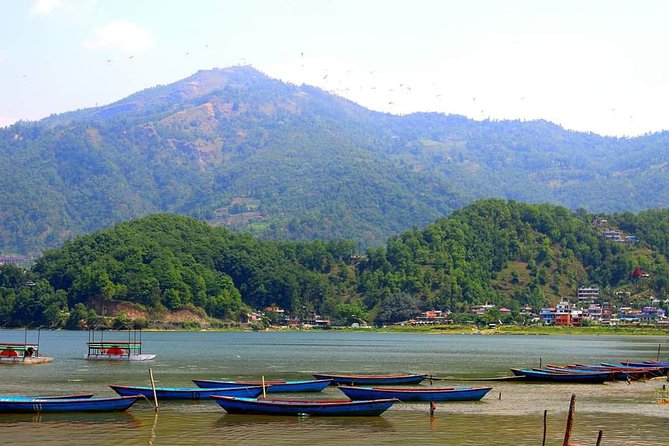
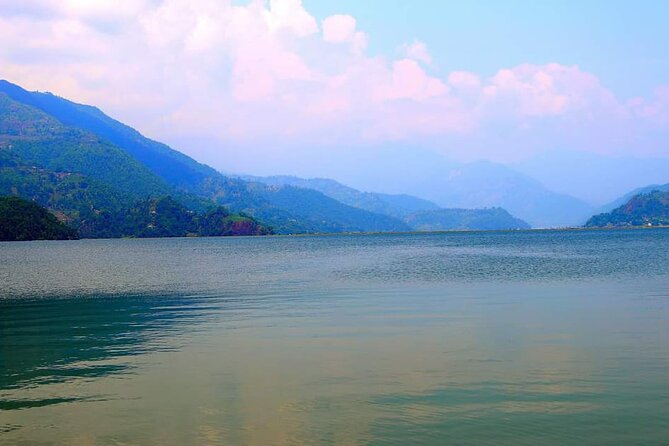
Day five begins with Phewa Lake, also called Fewa Lake, Nepal’s second-largest lake. Forest surrounds the water, and Machhapuchhre, also called Fishtail Mountain, may reflect on the surface when conditions are right.
The lake’s Barahi Temple sits on an island in the middle of the water. The schedule allows about an hour, enough for a short visit and a look at the setting. If boating is available as part of your free time, check whether it costs extra, since the listed inclusions do not specify boat tickets.
Phewa is one of the places where the tour feels less hurried than the Kathmandu day. Even a brief stop gives you a welcome change from temples and road travel.
Gupteswar Cave and Devi’s Fall
Gupteswar Cave is about 3 kilometers long, with an entrance near Devi’s Fall. Hindus worship Shiva inside the cave, so this is both a natural attraction and a religious site.
The scheduled visit lasts about an hour, and admission is not included. Wear practical shoes if you want to explore comfortably, since caves usually involve uneven surfaces. The supplied information does not promise how far inside you will go, so think of this as a focused stop rather than a long underground trek.
Devi’s Fall, known locally as Patale Chhango, receives about 30 minutes. The waterfall is close to the cave, making the pairing efficient. Entrance fees are extra.
Bindhya Basini Temple
The half-hour stop at Bindhya Basini Temple gives you another look at Hindu worship in Pokhara. The temple is dedicated to Goddess Bhagabati, whom Hindus worship for strength and protection.
Thirty minutes is enough for a quick visit, though it will not allow much time for quiet observation if the site is busy. This stop works best as part of the larger Pokhara circuit rather than as a major standalone attraction.
Seti River Gorge
The final short stop is the Seti River Gorge. The Seti River cuts a deep channel through Pokhara, and the name Seti means white in Nepali, referring to the river’s pale water.
The visit lasts about 30 minutes and admission is not included. The gorge offers a different kind of scenery from Phewa Lake, with a narrow, dramatic cut through the city rather than open water and mountain reflections.
Sarangkot sunrise and the return to Kathmandu
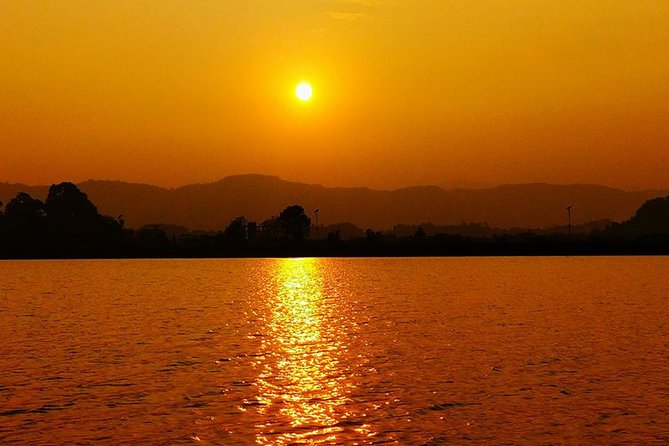
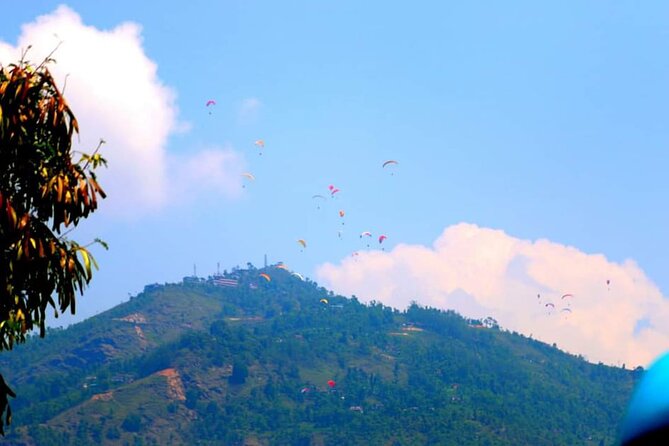
The last morning starts early with a drive to Sarangkot Hill for sunrise. This is the tour’s best chance for broad mountain views, but clear weather is essential. The schedule then returns you to the hotel for breakfast before the trip back to Kathmandu.
You can return by tourist bus or private car, or fly to Kathmandu for an additional charge. The flight option is worth asking about if you dislike another long road journey, but it is not part of the listed base price.
The day also references Thamel, Kathmandu’s well-known visitor district. The exact amount of time there is not specified, so do not assume you will have a full shopping or dining session before departure. Confirm the final transfer plan if you want time in Thamel.
The schedule calls the experience six days, although one piece of customer feedback refers to seven days. Treat the published itinerary as approximately six days and confirm your arrival and departure dates before paying.
What the $600 price really covers
At $600 per person, the package includes a useful bundle:
- Airport pickup and drop-off
- Tourist hotel or resort accommodation in Chitwan and Pokhara
- Twin-sharing rooms with breakfast
- Three breakfasts
- Two dinners
- Lunch
- Ground staff salaries and insurance
- Government taxes and official expenses
That is solid value for a private route through three major destinations, especially if you want someone else to coordinate road transport, hotels, park activities, and airport transfers.
The exclusions are important. Kathmandu accommodation and food are not covered. Food in Pokhara beyond breakfast is not covered, and entrance fees at heritage sites in Kathmandu and Pokhara are extra. International airfare and the Nepal entry visa are also your responsibility.
The package is best for two people sharing a room, or for a small private group that values coordination. Group discounts are available, but the exact reduction is not stated. Ask for the group price rather than assuming the per-person rate will drop automatically.
Who will enjoy this route most
I would choose this tour if you have about a week and want Nepal’s main contrasts without arranging each transfer yourself. It suits first-time visitors who want temples, wildlife, lakes, and mountain viewpoints in one trip.
It also works well for families and mixed-interest groups. One person can enjoy history, another can look forward to the jeep safari, and someone else can focus on Pokhara’s scenery and optional adventure sports such as paragliding, zip flying, mountain biking, bungee jumping, or ultralight flights.
I would hesitate if you want a relaxed schedule. The Kathmandu sightseeing day is full, the road journeys are long, and the Pokhara sightseeing day leaves limited time for independent wandering. You should also be comfortable with changing hotels and moving between very different regions.
Most people can participate, and the tour is private, which helps with flexibility. Still, the itinerary does not provide detailed accessibility information, so ask directly about transport, walking, stairs, and the cave visit if those details matter to you.
Free cancellation is available up to 24 hours before the local start time. Inside that window, the amount paid is not refunded, and changes are not accepted. Poor weather may lead to a new date or a full refund.
Should you book the Kathmandu, Pokhara, and Chitwan tour?
Book it if you want a well-rounded first taste of Nepal and prefer a private team to handle the moving parts. The strongest reasons are the excellent destination mix, the included Chitwan program, airport transfers, and the practical hotel package in Pokhara and Chitwan.
Before booking, confirm four things: your exact hotel names, whether you will use a bus or private car, the final return plan from Pokhara, and the entrance fees and meals you must pay yourself. If you accept the long drives and packed sightseeing, this is a sensible way to connect Nepal’s major highlights in six busy, rewarding days.
FAQ
How long is the Kathmandu, Pokhara, and Chitwan tour?
The published itinerary lasts approximately six days. One customer description refers to seven days, so confirm the exact number of nights and dates before booking.
Is airport pickup included?
Yes. Pickup and drop-off to and from the airport are included.
Is this a private tour?
Yes. Only your own group participates in the activity.
Which hotels are included?
Tourist hotel or resort accommodation in Chitwan and Pokhara is included, with twin-sharing rooms and breakfast. Accommodation in Kathmandu is not included.
Are meals included?
The package includes lunch, two dinners, and three breakfasts. Food in Kathmandu and food in Pokhara beyond breakfast are not included.
Are entrance fees included?
No. Entrance fees at heritage sites in Kathmandu and Pokhara are not included. Pashupatinath, Patan Durbar Square, Gupteswar Cave, Devi’s Fall, Bindhya Basini Temple, and Seti River Gorge list admission charges separately.
Can I fly from Pokhara back to Kathmandu?
Yes. Flying back to Kathmandu is available for an additional charge. Returning by tourist bus or private car is also offered.
What is the cancellation policy?
You receive a full refund if you cancel at least 24 hours before the experience start time. Cancellations or changes made within 24 hours are not accepted for a refund. If poor weather causes cancellation, you will be offered another date or a full refund.
New in the Kathmandu listings
- Traditional Momo Making Class★ 5.0 · 10 reviews
- Kathmandu: Ancient City Kirtipur & Pharping Monastery Tour★ 5.0 · 2 reviews
- Kathmandu to Pokhara Premium sofa bus ticket★ 4.0 · 17 reviews
- Women Empowerment Project(Nepali cooking class & jewelry workshop★ 5.0 · 15 reviews
- 7-Day Langtang Valley Trek from Kathmandu★ 5.0 · 1 review
- Kathmandu 2 Nights 3 Days Chitwan Jungle Safari Tour★ 5.0 · 9 reviews
- Yoga Experience Day Trip with Private Transfer From Kathmandu★ 4.0 · 2 reviews
- Wildlife Adventure in Chitwan Nepal★ 4.0 · 4 reviews
Chitwan Jungle Safaris, compared.
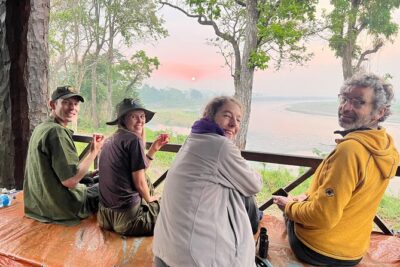
Jungle Towernight Stay In Chitwan National Park ,nepal-2 Nights 3 Days Package
Read our review →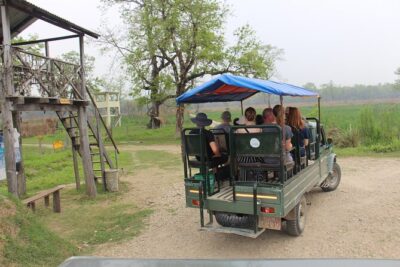
3-Day Chitwan National Park Jungle Safari Tour Package with Pick Up
Read our review →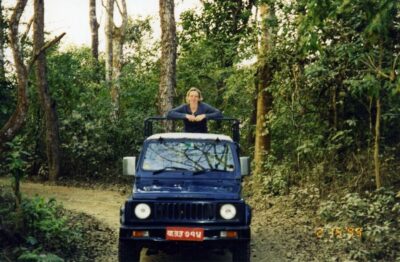
From Kathmandu/Pokhara: 3-Day All-Inclusive Chitwan Safari
Read our review →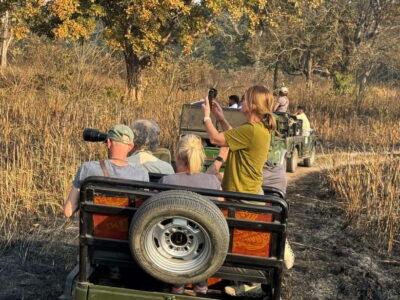
3-Day Chitwan Safari Tour with Hotel Transfers
Read our review →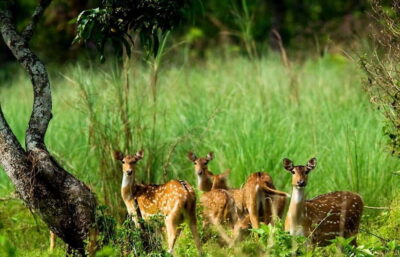
Kathmandu/Pokhara: 3 Day Chitwan Jungle Safari Tour
Read our review →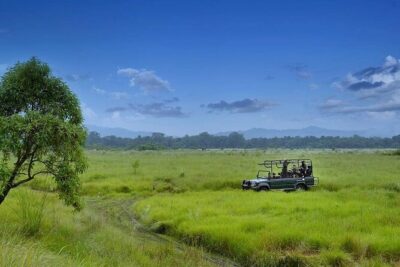
3 Nights 4 Days Chitwan National Park with Tower Night Stay
Read our review →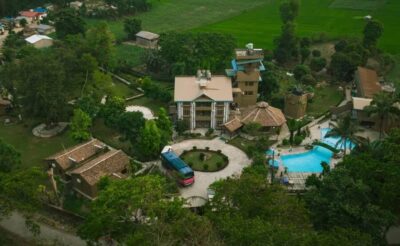
From Kathmandu/Pokhara: Private 3-Day Chitwan Safari Tour
Read our review →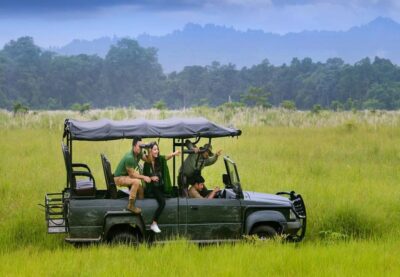
2 Days Chitwan Jungle Safari Tour from Pokhara/Kathmandu
Read our review →Browse the lists this tour appears in