
REVIEW · EVEREST BASE CAMP TREKS
Everest Base Camp Trek – 14 Days
The mountain earns every step. This 14-day Everest Base Camp Trek gives you the classic route from Lukla through Namche Bazaar, Tengboche, Dingboche, and Lobuche to Everest Base Camp and Kala Patthar. I like the small-group format, with no more than 14 people, and I like that porters carry the main luggage while you concentrate on walking, breathing, and looking up.
The itinerary also allows two acclimatization days, one in Namche Bazaar and another in Dingboche. That is smart planning for a trek reaching 5,555 meters. The main consideration is simple: this is a demanding high-altitude hike, not a sightseeing holiday, and flights between Kathmandu and Lukla can be shifted to Manthali Airport during busy seasons.
In This Review
- Key points at a glance
- What the 14-day Everest trek is really like
- Kathmandu arrival and the first night
- Day 2: Lukla and the walk to Phakding
- Day 3: Namche Bazaar and the first big climb
- Day 4: Namche acclimatization and Sherpa culture
- Day 5: Tengboche Gompa at 3,860 meters
- Day 6: Pangboche and Dingboche
- Day 7: Nangkartshang Peak acclimatization hike
- Day 8: Lobuche and the memorial stones
- Day 9: Everest Base Camp at 5,365 meters
- Day 10: Kala Patthar at 5,555 meters
- Days 11 and 12: The long return to Lukla
- Days 13 and 14: Flying back to Kathmandu
- Guides, porters, and group size
- What is included, and what you still pay
- Who should book this trek
- Should you book the Everest Base Camp Trek?
- FAQ
- Where does the Everest Base Camp Trek begin?
- How long does the trek last?
- What is the maximum group size?
- Is airport pickup included?
- Are flights between Kathmandu and Lukla included?
- How much luggage can I take on the domestic flight?
- Is porter service included?
- Are meals included?
- Is travel insurance included?
- Is a single supplement possible?
- What level of fitness is required?
Key points at a glance
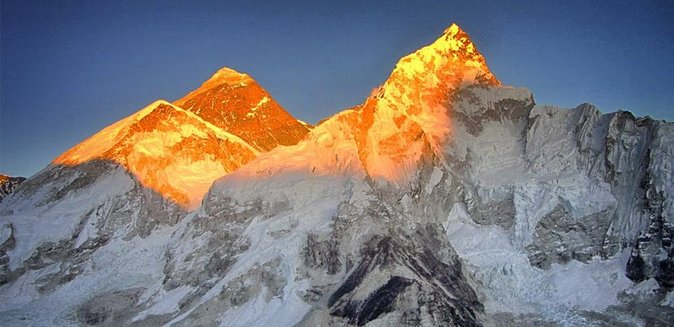
- Kala Patthar reaches 5,555 meters: The summit day is tough, but it gives you some of the finest views of Everest on the route.
- Two acclimatization days are built in: You spend extra time in Namche Bazaar and Dingboche rather than racing uphill.
- Porters carry shared luggage: One porter is provided for every two clients during 11 trekking days.
- The group stays small: The maximum group size is 14, with personalized support from an English-speaking guide.
- Most major costs are included: Domestic flights, permits, meals, trail lodging, guide, porter service, transfers, and filtered water are covered.
- Recent guide praise is very specific: Kishor, Maddy, Saman, Sher, Rajendra Khatry, Chris, and Sujan are among the staff names highlighted in highly positive accounts.
What the 14-day Everest trek is really like
At $1,800 per person, this trek offers good value for a guided Everest Base Camp journey. You are paying for far more than a route map and a bed: the price includes Kathmandu transfers, domestic flights, national park and local trekking fees, a licensed guide, porter support, staff insurance and equipment, meals on the trail, and accommodation.
You still need to budget for international flights, a Nepal visa, lunch and dinner in Kathmandu, drinks, personal equipment, insurance, and tips. Most important, your insurance must cover emergency high-altitude rescue and evacuation. That is not an optional extra on a trek of this kind.
The tour is designed for a moderate level of physical fitness. You will walk for long hours on several days, gain altitude gradually, sleep in basic mountain guesthouses, and face thin air above Namche. The route is achievable for many fit hikers, but the altitude makes it serious. You cannot train your way out of every altitude problem, so the acclimatization schedule and guide support matter.
More Everest Base Camp treks:
- Everest Base Camp Trekking
★ 5.0 · 485 reviews - Everest Base Camp Trekking – 13 Day
★ 5.0 · 365 reviews - Everest Base Camp Trek -14 Days
★ 5.0 · 321 reviews
Kathmandu arrival and the first night
Your trip begins with an airport pickup at Tribhuvan International Airport. An Ace the Himalaya representative waits outside the terminal with a sign, then takes you to your Kathmandu accommodation in a private tourist vehicle.
The first day is intentionally light. You get a night in Kathmandu, breakfast at the included three-star twin-share hotel, and time to settle in before the mountain flight. Lunch and dinner in Kathmandu are not included, so you can choose your own restaurant and keep spending under control.
The Kathmandu hotel stay covers two nights in total, one at the start and another after the trek. That second night is useful because domestic flights can change and because you will want a proper shower, a comfortable bed, and a little city time after nearly two weeks on foot.
Day 2: Lukla and the walk to Phakding
The flight to Lukla is short, scenic, and central to the experience. The scheduled flight time is about 30 minutes, though mountain aviation rarely runs on a rigid city timetable.
During peak trekking months, flights may operate from Manthali Airport in Ramechhap instead of Kathmandu because of congestion at Tribhuvan International Airport. This can mean an early transfer from Kathmandu, so ask for the exact departure point and pickup time before setting out.
Once you reach Tenzing-Hillary Airport, the trek begins. The first walking section takes you into the Khumbu region and toward Phakding. It is a gentle introduction compared with the days ahead, but you are already walking at altitude and on mountain trails.
Your main luggage is handled by the porter team, with one porter assigned for two clients. The domestic flight allowance is 15 kilograms, so pack carefully and keep your daypack comfortable with water, warm layers, medication, sun protection, and valuables.
Day 3: Namche Bazaar and the first big climb
The route follows the Dudh Koshi River and crosses suspension bridges decorated with prayer flags. After entering Sagarmatha National Park, the trail climbs toward Namche Bazaar.
Namche is the main trading town of the Khumbu and an important rest point. The walk is listed as a long day, up to 16 hours in the itinerary description, though the exact pace depends on the group, conditions, and stops.
The accommodation here is a twin-sharing guesthouse with an attached toilet. That is a useful comfort at this stage, although you should still expect mountain lodging rather than hotel standards. Namche is where the trip begins to feel physically serious, and arriving here is a milestone.
More walking in the hills of Kathmandu:
- Nagarkot Sunrise View and Day Hiking from Kathmandu
★ 5.0 · 471 reviews - Annapurna Circuit Trek with Tilicho Lake
★ 5.0 · 368 reviews - Annapurna base camp trek 5 Days
★ 5.0 · 252 reviews - Everest Base Camp Trekking – 2025/2026
★ 5.0 · 199 reviews
Day 4: Namche acclimatization and Sherpa culture
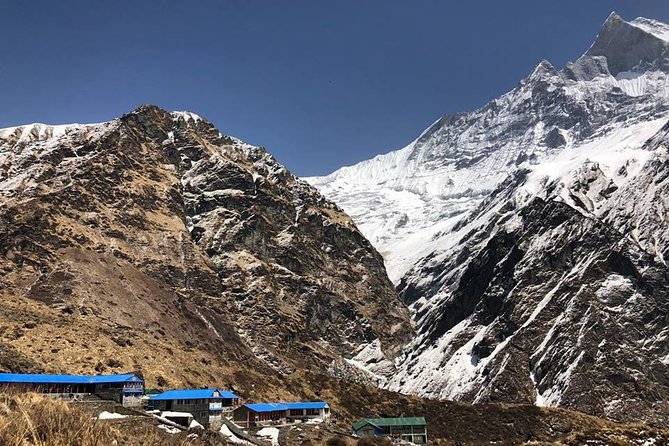
You spend a full day in Namche to help your body adjust to thinner air. Rather than gaining more altitude through a long transfer, you take a shorter hike to the Sherpa Museum.
That stop gives the trek some cultural depth. The museum focuses on Sherpa customs and the people whose skills, faith, and local knowledge shape life in the Everest region. The route is not only a march toward a famous mountain. It also passes through communities with their own traditions and Buddhist practices.
This is a good day to move slowly, drink the filtered water provided on the trail, and keep your energy for the higher villages. A short acclimatization hike may feel modest, but skipping rest days is one of the fastest ways to make a high-altitude trek miserable.
Day 5: Tengboche Gompa at 3,860 meters
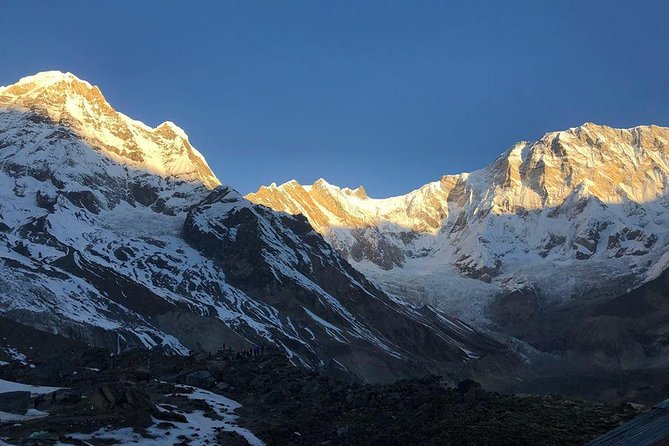
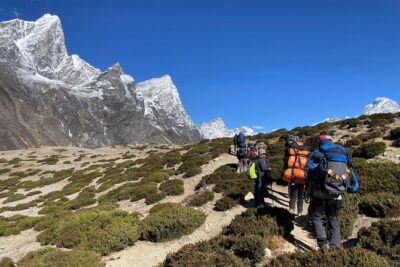
The trail continues beside the Dudh Koshi, with mountain views opening along the way. You reach Tengboche at 3,860 meters, where the monastery is the central attraction.
Tengboche Gompa gives you a direct connection to the Buddhist culture of the Khumbu. Inside, you can see religious artwork and the setting where monastic life continues amid some of the world’s highest peaks.
This is another long walking day. The route includes climbs and changing terrain, so do not judge the distance by a map alone. The reward is the mountain setting around Tengboche and the feeling that you are now well inside the high Himalaya.
Day 6: Pangboche and Dingboche
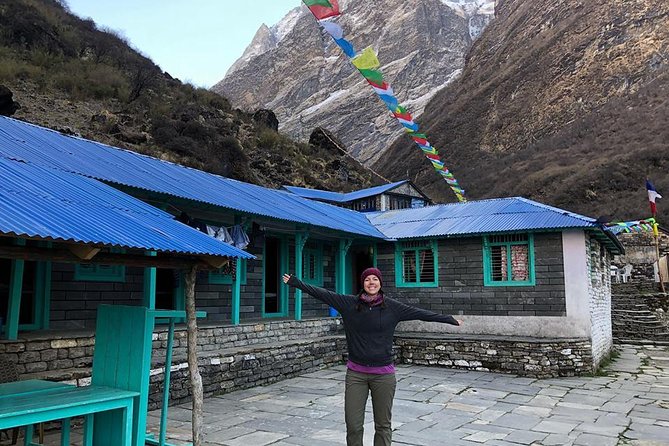
From Tengboche, the path drops toward Debuche before crossing the Imja Khola on another suspension bridge. You continue through Pangboche, where mani stones line the trail, then climb toward Dingboche.
The prayer stones are more than decoration. They reflect the Buddhist character of the region and remind you that this route is a lived cultural corridor, not simply a famous hiking track.
Dingboche is at a noticeably higher altitude, so this long day can test your legs and breathing. The schedule wisely gives you another full acclimatization day here instead of sending you straight onward.
Day 7: Nangkartshang Peak acclimatization hike
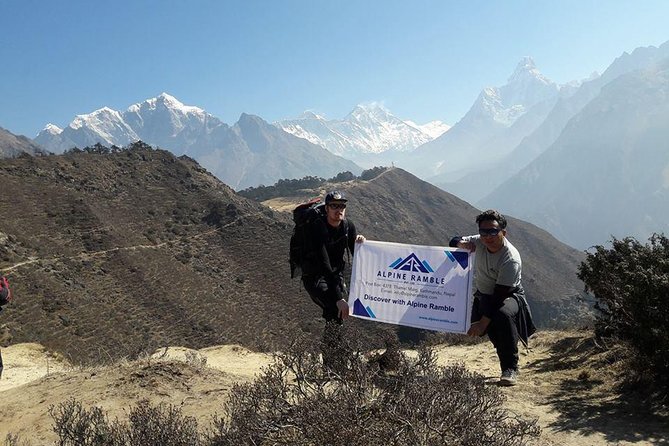
You remain in Dingboche and climb toward Nangkartshang Peak. The goal is not to reach another village but to gain some height during the day and then sleep lower down in Dingboche.
This is classic altitude planning. You get a demanding view hike, then return to the same accommodation rather than carrying your pack to a higher bed. The peak is described as an excellent viewpoint, with clear mountain panoramas possible in suitable conditions.
You should treat this as a real hiking day, not a lazy rest day. It can be tiring, but it helps prepare you for the next push toward Lobuche and Everest Base Camp.
Day 8: Lobuche and the memorial stones
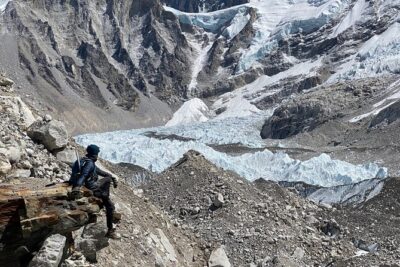
The route follows the lateral moraine of the Khumbu Glacier toward Lobuche. Along the way, you pass stone memorials honoring climbers who died on nearby summits.
This section brings the risks of the high mountains into sharp focus. The memorials are quiet and moving, and they add weight to what might otherwise feel like a straightforward scenic hike.
The trail continues upward as you approach Lobuche. Another long day is ahead, and the altitude now affects nearly every movement. Keep your pace steady and let the guide set the rhythm rather than trying to prove anything in the first hour.
Day 9: Everest Base Camp at 5,365 meters
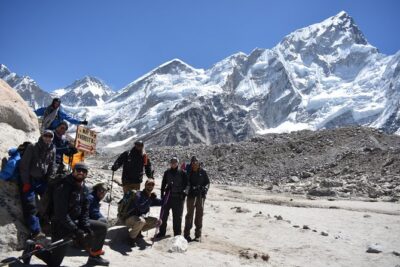
This is the goal for most people on the trek. You walk along the Khumbu Glacier and reach Everest Base Camp at 5,365 meters, as close to Mount Everest as you can get without climbing equipment.
The walk is difficult because of the altitude, glacier terrain, and length of the day. The stop at Base Camp itself is listed as about 30 minutes, but the achievement is much larger than the time spent standing there.
In spring, you may see a mountaineering camp in operation. The appearance of Base Camp changes with the season, but the setting remains extraordinary. You should expect the final approach to feel slow, and that is normal. Save energy, listen to your guide, and keep your water close.
Day 10: Kala Patthar at 5,555 meters
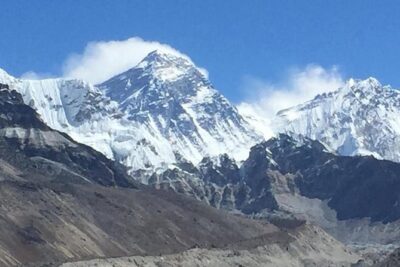
The climb to Kala Patthar is one of the hardest and most rewarding sections. At 5,555 meters, this small peak gives you a superb viewpoint toward Everest and the surrounding high peaks.
Many people consider Kala Patthar the visual high point of the trek because Base Camp itself does not always provide the clearest view of Everest. The summit climb is demanding, especially after reaching Base Camp the previous day, so steady pacing is essential.
The schedule calls this one of the most difficult days. That is fair. You should not expect a quick photo stop and an easy descent. Your reward is a broad mountain view and the satisfaction of reaching the highest point on the itinerary.
Days 11 and 12: The long return to Lukla
Day 11 reverses the route through Pangboche and Tengboche before returning to Namche Bazaar. Descending generally feels easier on the lungs, but the long hours can be hard on tired knees and feet.
You reach Namche in the afternoon, giving the group a chance to reconnect with a more substantial mountain town. It is a welcome change after the higher, quieter settlements.
The final trekking day continues to Lukla. The route is familiar in reverse, but it can feel different when you are carrying memories of Base Camp and Kala Patthar. The group has spent many days together, and the return to Lukla is a natural moment to reflect on the effort.
Days 13 and 14: Flying back to Kathmandu
The return flight from Lukla to Kathmandu takes about 35 minutes. It offers one final view of the region before you are met and transferred to your Kathmandu accommodation.
Mountain flights depend on conditions and air traffic, so keep your schedule flexible. The tour includes airport transfers and the Kathmandu hotel night, but not international airfare or meals in the city.
On Day 14, an airport representative takes you to Tribhuvan International Airport for your departure. The activity ends at the airport, after two weeks that have included suspension bridges, monastery visits, Sherpa villages, glacier trails, and two high viewpoints.
Guides, porters, and group size
The strongest praise attached to this trip focuses on the staff. Recent accounts give particular credit to guides Kishor, Maddy, Rajendra Khatry, Chris, and Sujan, along with porters Saman and Sher. The descriptions emphasize kindness, humor, quick replies, local knowledge, and careful attention to safety.
That matters more here than on an ordinary day tour. A good guide watches the group’s pace, explains the route, handles problems, and knows what to do in an emergency. The guide is first-aid trained, government licensed, and English-speaking.
The group can include up to 14 people, which is small enough for personal attention without making the trip feel like a private expedition. If you book alone, the price remains valid for one person, but a $250 single surcharge applies if no existing group or room-sharing partner is available, or if you choose a private departure.
Porters carry the group’s main bags for 11 days, with one porter for every two clients. You should still pack lightly and respect the weight limit. Porter support is helpful, but it is not a reason to bring half your closet.
What is included, and what you still pay
The package includes:
- Two nights of three-star twin-share accommodation in Kathmandu
- Trail guesthouses, with attached toilets in Lukla, Phakding, and Namche
- Kathmandu to Lukla and return airfare, including airport departure tax
- A licensed English-speaking guide and porter service
- Breakfast in Kathmandu and standard breakfast, lunch, and dinner on the trek
- Everest and Sagarmatha National Park permits
- Pasang Lhamu Rural Municipality trekking fees
- Staff wages, food, accommodation, insurance, equipment, and medicine
- Filtered trail water using a Katadyn Pocket Water Filter
- Seasonal fruit during the trek
- Airport and hotel transfers
- A duffel bag, trekking map, sun hat, first-aid kit, and completion certificate
- Emergency medical evacuation arrangements for the worst-case scenario
You pay separately for personal trekking gear, alcoholic and nonalcoholic drinks, Kathmandu lunches and dinners, your Nepal visa, international flights, travel insurance, and tips. Tipping is expected, so include it in your real budget rather than treating it as a surprise at the end.
The duffel and filtered water are practical touches. They reduce some of the small hassles that can distract you from the trek, though you still need suitable boots, warm clothing, sun protection, and personal medical supplies.
Who should book this trek
I would recommend it to a fit first-time Himalayan trekker who wants a carefully organized route rather than a fully independent trip. It suits you if you value a guide, want help with luggage, and prefer a small group over a large procession.
It is also a good match if you want cultural stops along with mountain views. Tengboche Gompa, the Sherpa Museum, prayer stones, suspension bridges, and high villages give the trek more character than a simple point-to-point hike.
I would hesitate if you dislike long walking days, basic guesthouses, shared rooms, altitude, or uncertain flight schedules. The itinerary includes several 16-hour entries, and even if actual walking times vary, the days are demanding.
The cancellation terms are worth noting before you pay. You can receive a full refund if you cancel at least six full days before the start time, 50 percent if you cancel two to six full days ahead, and nothing if you cancel less than two full days before departure. Cutoff times follow local Nepal time.
Should you book the Everest Base Camp Trek?
Book this trek if you want the classic Everest route with the difficult planning already handled. The combination of two acclimatization days, porter assistance, a first-aid trained guide, included domestic flights, and a maximum group size of 14 makes the $1,800 price reasonable for the support provided.
Before booking, confirm the flight departure airport, luggage allowance, single-room surcharge, insurance requirements, and expected tip budget. If you are ready for long days and high altitude, this is a strong, practical way to reach Base Camp and Kala Patthar without carrying the entire trip on your own back.
FAQ
Where does the Everest Base Camp Trek begin?
The trek begins with airport pickup at Tribhuvan International Airport in Kathmandu, Nepal.
How long does the trek last?
The experience lasts approximately 14 days, including arrival and departure days, domestic flights, trekking, and Kathmandu accommodation.
What is the maximum group size?
The group can have a maximum of 14 participants.
Is airport pickup included?
Yes. Airport and hotel transfers in a private tourist vehicle are included.
Are flights between Kathmandu and Lukla included?
Yes. Return airfare between Kathmandu and Lukla, including airport departure tax, is included. During busy trekking periods, flights may operate from Manthali Airport in Ramechhap instead of Kathmandu.
How much luggage can I take on the domestic flight?
The stated domestic flight luggage allowance is 15 kilograms.
Is porter service included?
Yes. Porter service is included for 11 trekking days, with one porter provided for every two clients.
Are meals included?
Standard breakfast, lunch, and dinner are included during the trek. Breakfast is included with the Kathmandu accommodation, but lunch and dinner in Kathmandu are not included.
Is travel insurance included?
No. You must arrange travel insurance that covers emergency high-altitude rescue and evacuation.
Is a single supplement possible?
Yes. A $250 single surcharge applies if no group or accommodation-sharing partner is available, or if you choose to travel alone without joining a group.
What level of fitness is required?
A moderate level of physical fitness is required. The trek includes long walking days and reaches Everest Base Camp at 5,365 meters and Kala Patthar at 5,555 meters.
New in the Kathmandu listings
- Kathmandu: Ancient City Kirtipur & Pharping Monastery Tour★ 5.0 · 2 reviews
- Traditional Momo Making Class★ 5.0 · 10 reviews
- Kathmandu to Pokhara Premium sofa bus ticket★ 4.0 · 17 reviews
- Women Empowerment Project(Nepali cooking class & jewelry workshop★ 5.0 · 15 reviews
- 7-Day Langtang Valley Trek from Kathmandu★ 5.0 · 1 review
- Kathmandu 2 Nights 3 Days Chitwan Jungle Safari Tour★ 5.0 · 9 reviews
- Yoga Experience Day Trip with Private Transfer From Kathmandu★ 4.0 · 2 reviews
- Wildlife Adventure in Chitwan Nepal★ 4.0 · 4 reviews
Everest Base Camp Treks, compared.
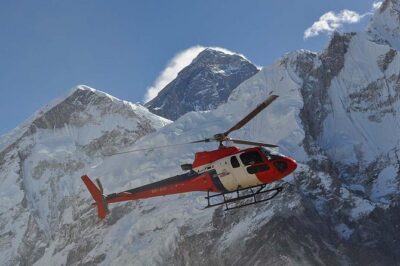
Everest Base Camp Trek with Helicopter Return from Gorakshep to Lukla
Read our review →Browse the lists this tour appears in