REVIEW · FULL-DAY
Entire Day Pokhara Complete Tour
Pokhara rewards early risers. This private, air-conditioned tour gathers the city’s biggest sights into one long day, from sunrise at Sarangkot to temples, caves, museums, river views, and sunset at the World Peace Stupa. I like the private car and licensed guide, and I like how much local culture is included alongside the mountain scenery. The main catch is the pace: eleven stops in six to seven hours leaves little room to linger.
You pay $114.53 per person, which makes the tour easier to justify if you are traveling with family or friends and can share the value of a private vehicle. I also appreciate the flexible feel of a private outing, since the guide can check whether you are comfortable with the schedule rather than moving a large crowd from place to place.
Sunrise is weather dependent. A cloudy morning can hide the Annapurna range, as happened during one outing, so you should treat Sarangkot as a scenic viewpoint rather than a guaranteed Himalayan photo. Guide Gobinda earned praise for checking throughout the day that everything was going well, and that kind of attentive service matters on such a packed route.
In This Review
- Key Points Before You Book
- Why This Tour Works for a First Day in Pokhara
- Sarangkot Sunrise and the Annapurna Range
- Phewa Tal and the Barahi Temple
- Devi’s Fall and Gupteswar Gupha
- The International Mountain Museum
- Gorkha Museum and Nepal’s Military Tradition
- Two Views of the Seti River
- World Peace Stupa at Sunset
- Bindhyabasini Temple and Tibetan Refugee Camp
- What the $114.53 Price Really Buys
- Timing, Pace, and Practical Fit
- Who Should Book This Pokhara Tour?
- Should You Book It?
- FAQ
- Where does the Entire Day Pokhara Complete Tour take place?
- How long does the tour last?
- Is transportation included?
- Is this a private tour?
- Are admission fees included?
- Are food and drinks included?
- What is the cancellation policy?
Key Points Before You Book
- Sarangkot comes first: Reach the hill early for sunrise over the Annapurna range and a wide view of Pokhara.
- Eleven stops cover a lot: You visit temples, caves, museums, river sites, a lake, a refugee camp, and two major viewpoints.
- The private vehicle changes the experience: Your group travels in an air-conditioned car with a licensed guide.
- The schedule is tightly packed: Some stops last only 15 or 20 minutes, so this is a highlights tour, not a slow cultural walk.
- The strongest museum stop is the International Mountain Museum: It connects Himalayan geography with the people and climbers shaped by the mountains.
- Weather can affect the best views: Clouds may block sunrise, while the Peace Stupa gives you a second chance at wide valley scenery later in the day.
Why This Tour Works for a First Day in Pokhara
Pokhara can feel spread out, with sights around the lake, on hilltops, beside rivers, and south of the city. This route saves you from arranging separate rides to each area. I like that the day is not limited to postcard views. You also see religious sites, mountain culture, military history, Tibetan life, and the unusual rock and water formations that give Pokhara its character.
The air-conditioned vehicle is a practical benefit. You are not spending the whole day dealing with local transport between eleven locations, and you have a place to return to after walking around a cave or museum. Since only your group participates, the day should feel more personal than a large shared excursion.
Still, the word complete needs a little context. You will see many places, but several visits are brief. The Seti River Gorge gets 15 minutes, Gorkha Museum 20 minutes, and the lake area 30 minutes. I would choose this tour for a broad first look, then return on another day to the places that deserve more time.
A short list of alternatives around Pokhara
- ZipFlyer Nepal – The World’s Steepest Zip-line
★ 5.0 · 608 reviews - Bungee Pokhara by HighGround Adventures
★ 5.0 · 366 reviews - From Pokhara: Sarangkot Sunrise Himalayas Tour
★ 4.7 · 218 reviews
Sarangkot Sunrise and the Annapurna Range
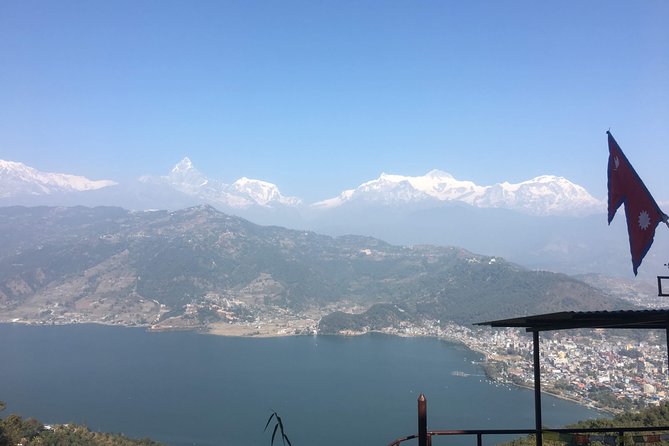
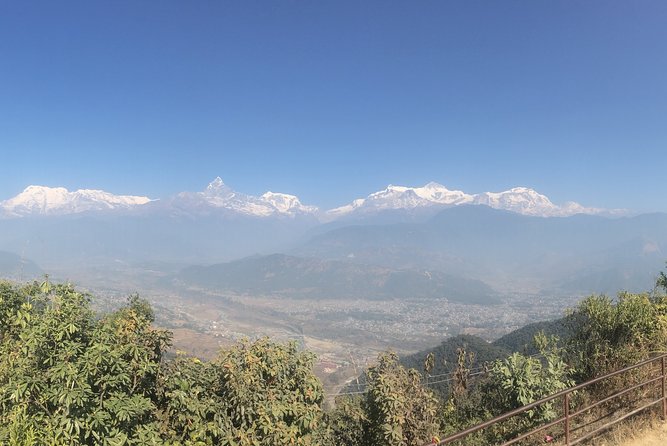
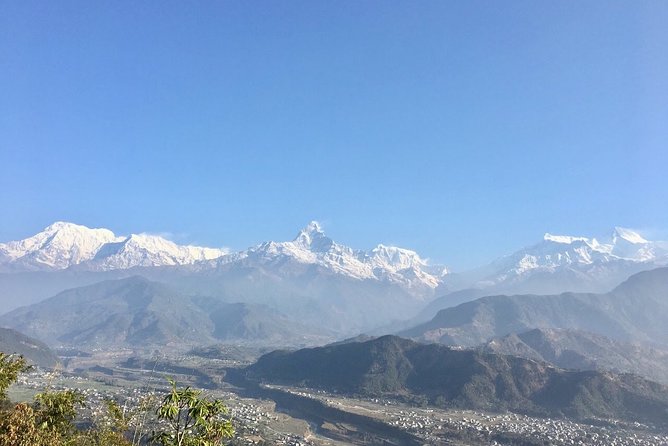
The day begins at Sarangkot, the tour’s most weather-sensitive stop. From this hilltop, you look across the Annapurna Himalayan range and down toward Pokhara. The plan allows about an hour, enough to watch the sky change and take in the city view if conditions cooperate.
The early start is worth it when the mountains are clear. Sunrise gives the peaks a softer light than the middle of the day, and the viewpoint helps you understand Pokhara’s setting before you explore the city below.
But clouds are a real possibility. One outing had a cloudy morning, so the sunrise could not be seen. I would not book this route only for a guaranteed mountain photograph. Think of Sarangkot as a strong opening gamble, with the World Peace Stupa offering another broad viewpoint later.
Phewa Tal and the Barahi Temple
Phewa Tal, also called Phewa Lake, is one of Pokhara’s defining places. This stop includes the famous Barahi Temple and time around the edge of the lake. The visit lasts about 30 minutes, so expect a short look rather than an extended lakeside outing.
The temple is especially useful for connecting Pokhara’s scenery with its religious life. The small shrine sits on an island in the lake, and the visit gives you a chance to see how sacred space and daily local life share the same waterway.
I would pay attention to the timing here. If you want a long, quiet period by the lake, this tour will feel rushed. If you mainly want to see the temple and understand the setting, the half-hour stop does the job without taking time away from the museums and viewpoints ahead.
Devi’s Fall and Gupteswar Gupha
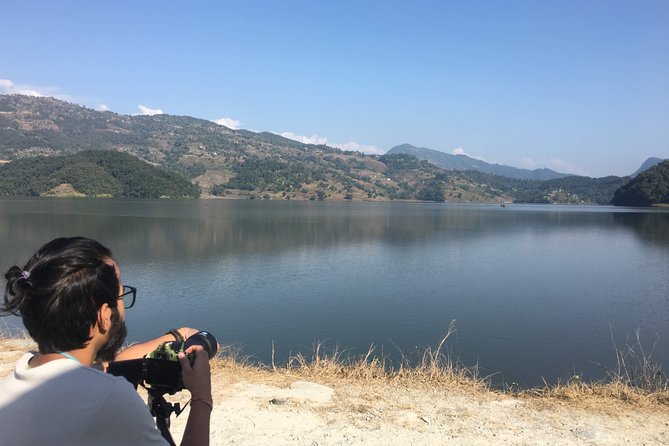
At Devi’s Fall, water drops into an underground cave network beneath the city. The stop lasts about 25 minutes, which should give you time to see the falls and understand why they are one of Pokhara’s best-known natural sights.
The water is the main attraction, but the real interest lies below ground. The flow continues through the rock rather than simply spreading across an open riverbed. Conditions and water levels affect what you can see, so the exact drama of the falls may vary.
Next comes Gupteswar Gupha, an ancient cave with a Shiva temple and naturally formed rock stalagmites. The tour allows around 30 minutes here. During the fall, you may be able to go farther into the cave and see the waterfall from inside, where the water continues toward the river.
This is one of the more distinctive parts of the day. You move from an open waterfall to the underground world that carries it away. The cave can feel less comfortable than the vehicle or museum stops, so wear practical footwear and be ready for an uneven visit. The supplied information does not promise a specific cave depth or walking distance, so treat the stop as an introduction rather than a full caving trip.
A completely different way to spend the day:
- ATV Adventure Tour in Pokhara, Nepal
★ 5.0 · 194 reviews - Full-Day Tibetan Cultural Tour to Tibetan Settlements Pokhara
★ 5.0 · 184 reviews - Pokhara: Full-Day Sharing Bus Tour on 7 Iconic Destination
★ 4.1 · 179 reviews - Poon hill Trek 3 days
★ 5.0 · 176 reviews
The International Mountain Museum
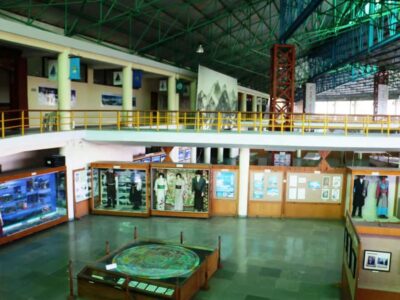
The International Mountain Museum receives about 30 minutes, but I would protect this part of the schedule. It explains the Himalayas, the people who live among them, and the way the mountains have inspired climbers and communities around the world.
This museum gives the scenery a human frame. After seeing Annapurna from Sarangkot, you can learn more about the mountains themselves and the people connected to them. That link makes the museum more useful than a quick indoor break between viewpoints.
One particularly positive experience came from a visitor who named this as the favorite part of the day. I can see why. The museum adds meaning to the mountain views, while the other stops mostly show you places. If you enjoy culture, geography, exploration, or mountaineering, use every minute here and ask the guide to explain the displays that interest you.
Gorkha Museum and Nepal’s Military Tradition
The Gorkha Museum is a shorter stop, with about 20 minutes allotted. Its focus is the brave Gorkhas, who are respected for their military service around the world.
This visit works as a compact lesson in a major part of Nepal’s public identity. You should not expect the same amount of time as at the International Mountain Museum, but the stop adds historical and cultural range to the route.
The limitation is simple: twenty minutes passes quickly. If you want to read every display, you may need a separate visit. On this tour, the value comes from getting the main idea and asking your guide for context.
Two Views of the Seti River
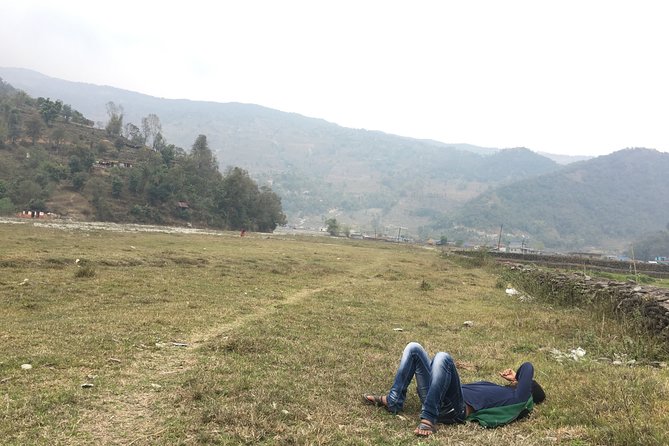
The route includes both the Seti River Gorge and a separate Seti Gandaki viewpoint from a high hanging bridge. These are related stops, but they offer different angles.
At the gorge, you have about 15 minutes to see how the river cuts through the rock and helped shape Pokhara. The Seti’s narrow passage gives you a sense of force hidden inside the city. This is a quick viewpoint, so take in the scale first, then use the remaining time for photographs.
The second stop lasts about 20 minutes and uses a high hanging bridge as a vantage point. Bridges of this type are common across Nepal, and this visit adds a small taste of the country’s everyday infrastructure. The bridge may be more appealing to you if you enjoy height and open views, while anyone uneasy with high bridges should take the stop at a comfortable pace.
Together, these stops explain the river better than either one alone. The gorge shows the channel, while the bridge provides a broader view from above. They are brief, but they break up the museum visits and keep the day varied.
World Peace Stupa at Sunset
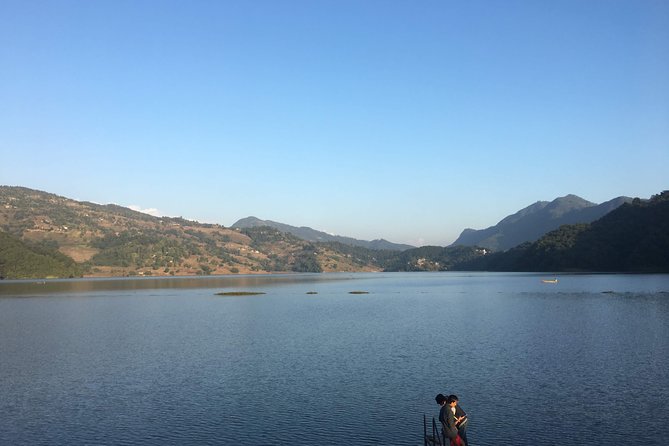
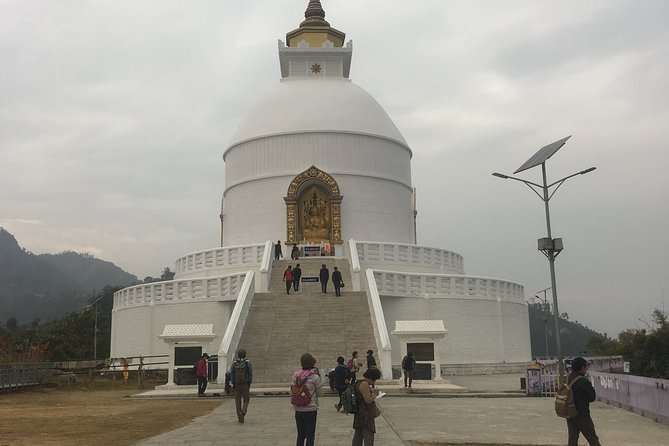
The World Peace Stupa is the late-day viewpoint, with about 45 minutes planned on the access road and at the temple area. From the hill, you can look across Pokhara Valley and toward Phewa Lake. The setting is tied to Buddha, and the visit brings a quiet religious note to the end of the route.
This stop may balance out a disappointing sunrise. Morning clouds can hide the Annapurna range, but the later view over the valley and lake may still be rewarding. Sunset light also changes the mood of the city and water below.
The wording of the stop refers to the access road, so do not assume the vehicle takes you directly to every point around the pagoda. Your guide can help you understand the walking portion and timing. Forty-five minutes is more generous than the river stops, but it is still a scheduled visit, not an open-ended hilltop stay.
Bindhyabasini Temple and Tibetan Refugee Camp
Bindhyabasini is a hilltop temple dedicated to the sacred feminine in Hindu culture. You have about 20 minutes to see the temple and observe customs and sacred rituals.
This is a useful contrast with the Buddhist setting at the World Peace Stupa. The tour does not simply present temples as photo stops. It gives you a chance to see different religious traditions in Pokhara, including the practices connected with Hindu worship.
Please approach this stop with respect. The information provided does not specify ceremony times or visitor rules, so your guide is the right person to ask about what you may photograph or where you may stand.
The final stop is a Tibetan Refugee Camp, with about 30 minutes. You learn about Tibetan people exiled from their country who created a distinct community in Pokhara. This adds a modern human story to a day otherwise filled with natural and religious sites.
I like this choice because it moves beyond temples and scenery. You get a look at a community shaped by displacement and adaptation. The stop is not described as a performance or staged cultural show, so expect an introduction to Tibetan life rather than a full workshop or extended cultural program.
What the $114.53 Price Really Buys
At $114.53 per person, the value depends heavily on your group size. The price covers an air-conditioned vehicle, all fees and taxes, and a private tour with a licensed guide. If you are traveling alone, it is a serious expense for six to seven hours. If several people share the vehicle, the private format becomes easier to defend.
You are paying for coordination as much as transport. Sarangkot, Phewa Tal, Devi’s Fall, Gupteswar Gupha, the museums, river sites, World Peace Stupa, Bindhyabasini, and the Tibetan camp are not all clustered together. A private car removes much of the daily planning.
Food and drinks are not included. Set aside money for those during the day, and do not mistake the included admission fees for an all-inclusive package. The tour includes entry-related fees and taxes, but meals remain your responsibility.
Group discounts are offered, which may improve the price for families or friends. Because the tour is private, you also avoid paying for a schedule built around strangers’ preferences. That is a real advantage if you value comfort and want a guide focused on your group.
Timing, Pace, and Practical Fit
The advertised duration is about six to seven hours, but the route contains eleven stops. That tells you exactly what kind of day this is: broad coverage, short visits, and limited spare time.
The early start is built around Sarangkot, while the World Peace Stupa is saved for sunset. Since exact departure and return times are not provided, confirm the schedule when booking, especially if you have another activity planned that evening.
A licensed guide is included, and Gobinda received specific praise for checking that the day was meeting expectations. That attention can make a crowded itinerary feel more manageable. You should still tell the guide which stops matter most to you, since time is unlikely to allow equal attention everywhere.
Confirmation arrives when you book. Pickup is offered, mobile tickets are available, and the tour is near public transportation. Service animals are allowed, and the activity information says most people can participate. The tour is private, but the supplied details do not give a specific vehicle capacity or hotel pickup area, so confirm those points before paying.
Free cancellation is available up to 24 hours before the start time for a full refund. Within 24 hours, cancellations and changes are not accepted for a refund, and the cut-off follows local time.
Who Should Book This Pokhara Tour?
I would choose this tour if you have limited time in Pokhara and want one organized day covering scenery, faith, museums, and local communities. It suits first-time visitors who would rather let a guide handle the route than arrange multiple rides.
It is also a good match for private groups. Families and friends can share the cost, ride in an air-conditioned vehicle, and adjust their attention from one stop to another with a guide present.
I would hesitate if your ideal day means sitting by Phewa Lake for hours, studying every museum display, or spending a full morning at one temple. The schedule moves quickly, and some places receive only 15 to 20 minutes.
The route is strongest for variety. You see the city from above, beside the lake, below ground, across a gorge, from a bridge, inside museums, at Hindu and Buddhist sites, and within a Tibetan community. That is a lot of Pokhara in one day, provided you accept that each stop is a sample.
Should You Book It?
Book it if you want maximum coverage in a private vehicle, especially when sharing the $114.53 price with a group. The International Mountain Museum, Gupteswar Gupha, and the two major viewpoints give the day its best balance of learning, scenery, and atmosphere.
Skip it if you prefer a slow schedule or cannot accept weather risk at Sarangkot. For everyone else, this is a practical first look at Pokhara, with a thoughtful mix of natural sights and living culture. Ask about pickup, exact timing, and the expected walking at the cave and stupa before you commit.
FAQ
Where does the Entire Day Pokhara Complete Tour take place?
The tour takes place in Pokhara, Nepal, and visits Sarangkot, Phewa Tal, Devi’s Fall, Gupteswar Gupha, the International Mountain Museum, Gorkha Museum, Seti River sites, the World Peace Stupa, Bindhyabasini, and a Tibetan Refugee Camp.
How long does the tour last?
The tour lasts approximately six to seven hours.
Is transportation included?
Yes. An air-conditioned vehicle is included, and pickup is offered.
Is this a private tour?
Yes. Only your group participates in the activity.
Are admission fees included?
All fees and taxes are included. The World Peace Stupa and Bindhyabasini stops are listed with no admission fee.
Are food and drinks included?
No. All food and drinks are excluded from the tour price.
What is the cancellation policy?
You can cancel at least 24 hours before the start time for a full refund. Cancellations or changes made less than 24 hours before the start time are not accepted for a refund.
New in the Pokhara listings
- Pokhara: Pokhara Highlights Tour by Bus★ 3.6 · 10 reviews
- Discover Pokhara in Style: Private Vehicle Service with Driver★ 5.0 · 5 reviews
- Multi-Day Tour from Pokhara, Poon Hill and Mulde Trek★ 5.0 · 1 review
- Pokhara in 5 Hours: Lake, Museum, Cave, Falls & Pagoda Hill★ 4.5 · 16 reviews
- Private 4 Day Poon Hill Trek from Pokhara★ 5.0 · 16 reviews
- 4 Day Mardi Himal Base Camp Trek from Pokhara★ 5.0 · 18 reviews
- From Pokhara Full Day Entire Pokhara Tour with Guide★ 5.0 · 1 review
- Ultralight Flight: Into The Heart Of The Mountains (90 min)★ 5.0 · 1 review
Full-Day, compared.
Full Day 7 UNESCO Tour with Lunch – Private/Group
Read our review →
Full Day Top 4 UNESCO Tour with Lunch – Private/Group
Read our review →Full-Day 7 UNESCO Tour with Lunch – Private/Group
Read our review →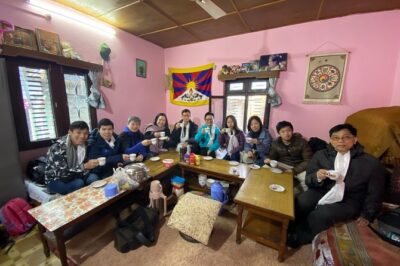
Full-Day Tibetan Cultural Tour to Tibetan Settlements Pokhara
Read our review →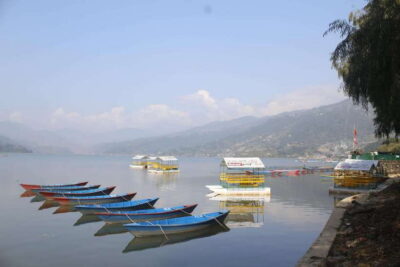
Full-Day Sharing Bus Tour on 7 Iconic Destination
Read our review →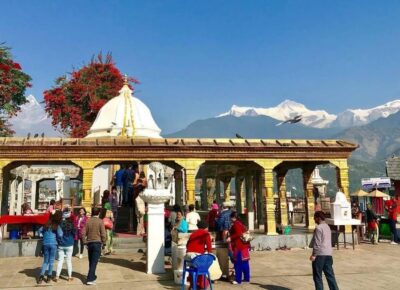
Full Day 7 UNESCO Tour with Lunch – Private/Group
Read our review →