
REVIEW · UNESCO WORLD HERITAGE TOURS
Kathmandu: Full-Day 7 UNESCO Tour with Lunch – Private/Group
Seven UNESCO sites in one day is a bold plan. This tour makes it possible with hotel pickup, an air-conditioned vehicle, and a local guide who connects temples, palaces, stupas, and living religious traditions. I especially like the efficient route for a first visit and the chance to see places that are difficult to combine on your own.
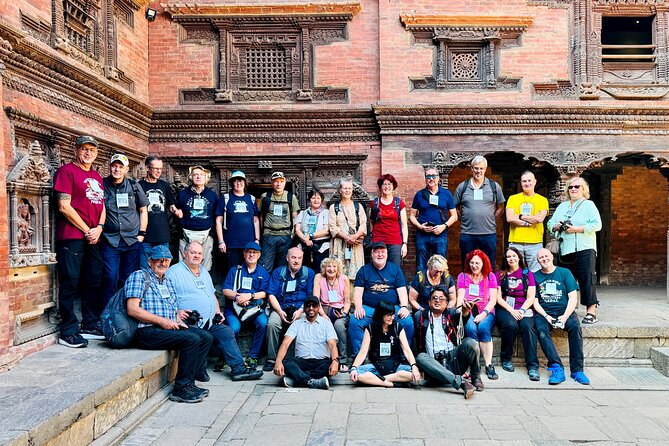
I also like the human touch. Guides such as Sumit, Asmita, Sajina, Ram, and Anon have been praised for clear explanations, patience, humor, and help with photographs. The main drawback is simple: the schedule is intense, and some sites deserve much more time than a single day allows. You will see the broad picture, not every corner.
In This Review
- Key points to know before booking
- What the seven-site route really gives you
- Swayambhunath, the hilltop Monkey Temple
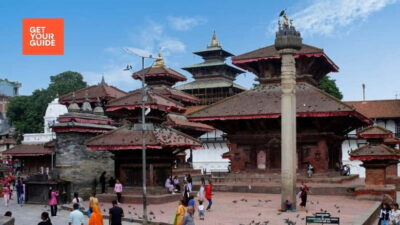
- Kathmandu Durbar Square and the old royal center
- Patan Durbar Square and Newari craftsmanship
- Bhaktapur Durbar Square, the most time-hungry stop
- Changu Narayan and centuries-old stone carving
- Pashupatinath beside the Bagmati River
- Boudhanath, the Buddhist finale
- Why the guide can make or break the day
- Transport, pickup, and the rhythm of the day
- The real cost: $5 before the important extras
- Walking, clothing, and what to carry
- Who should book this Kathmandu day tour?
- Should you book it?
- FAQ
- How many UNESCO World Heritage sites does the tour visit?
- Are monument entrance fees included?
- How much are the fees for SAARC nationals?
- What time does group pickup begin?
- Is hotel pickup and drop-off included?
- What food is included?
- What languages are available?
- Can wheelchair users join the tour?
Key points to know before booking
- Seven major heritage sites: Swayambhunath, Kathmandu Durbar Square, Patan Durbar Square, Bhaktapur Durbar Square, Changu Narayan, Pashupatinath, and Boudhanath.
- A strong first-day introduction: You get temples, royal courtyards, Buddhist stupas, Hindu rituals, Newari design, and city views in one outing.
- The entrance fees need attention: The standard price does not include monument tickets. The combined cost is about USD 43, or NPR 5,800, unless you choose all-inclusive.
- The day includes plenty of walking: Comfortable shoes, sun protection, cash, and a small daypack will make the day easier.
- Guide quality matters: Sumit, Asmita, Sajina, Ram, Anon, Ananta, and others have received especially warm praise for their care and explanations.
- Best for short stays: If you have only one day for Kathmandu Valley, this is an efficient way to cover the main UNESCO sites.
What the seven-site route really gives you
Kathmandu Valley is not one single monument. It is a collection of historic cities and sacred places, each with its own character. This full-day route links seven UNESCO World Heritage sites across the valley, so you can compare royal architecture, Buddhist practice, and Hindu worship in one long sweep.
That variety is the tour’s greatest strength. You are not spending the whole day looking at similar courtyards. One stop may focus on palace woodcarving, another on a giant stupa, and another on a riverside cremation area or an ancient Hindu shrine.
The tradeoff is pace. You will move between sites by vehicle, then walk around each place with your guide. Traffic can slow the schedule, and a group tour may wait for other people. The operator allows for small pickup delays of around three to five minutes, but the day can also run later than planned if a stop takes extra time.
More UNESCO World Heritage Tours in Kathmandu:
- Private Kathmandu Sightseeing Tour | UNESCO World Heritage sites
★ 5.0 · 756 reviews - Kathmandu: Full Day 7 UNESCO Tour with Lunch – Private/Group
★ 5.0 · 415 reviews - Kathmandu: Full Day Top 4 UNESCO Tour with Lunch – Private/Group
★ 5.0 · 269 reviews
Swayambhunath, the hilltop Monkey Temple
Swayambhunath is one of the most memorable openings to a Kathmandu sightseeing day. Set on a hill, the site gives you broad views over the city while placing you among Buddhist shrines, prayer flags, and the famous monkeys that give the temple its common nickname.
The setting matters as much as the buildings. You get a sense of Kathmandu from above before spending the rest of the day at street level. Your guide can explain the relationship between Buddhist practice, local legends, and the many images found around the complex.
Expect steps and uneven walking. This is not a stop where you simply leave the vehicle, take one photograph, and return. Bring water, wear sensible shoes, and keep small belongings secure around the monkeys.
Kathmandu Durbar Square and the old royal center
Kathmandu Durbar Square brings you into the former royal heart of the city. Its courtyards, palaces, shrines, and carved wooden details show the skill of Newari builders and artists.
This is one of the places where a guide adds real value. Without help, you may see a series of beautiful buildings without understanding which spaces served royal, religious, or civic purposes. Guides on this tour are often praised for explaining architecture, customs, politics, and religion in a way that makes the details easier to follow.
The square can feel crowded and active, with people moving through the same spaces for worship, work, and sightseeing. That is part of its character, but it also means you should allow time to pause and listen rather than trying to photograph every carving.
Patan Durbar Square and Newari craftsmanship
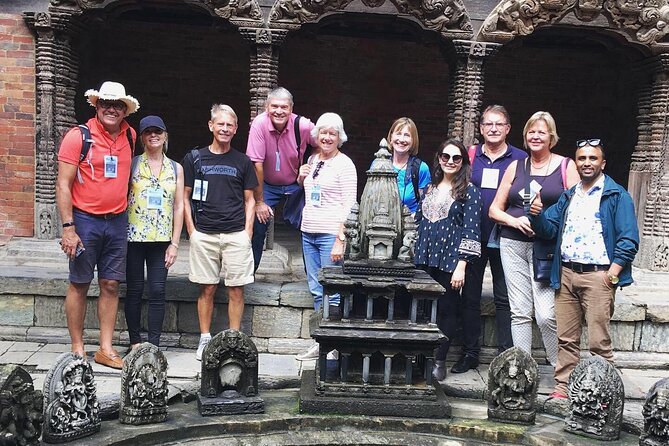
Patan Durbar Square offers another view of the valley’s royal architecture. Its courtyards and temples are noted for fine Newari design, especially the wood and metal work that rewards a slower look.
I would pay attention to the small details here: roof supports, door frames, window screens, statues, and the way the buildings fit around open courtyards. A good guide helps you notice what you might otherwise walk past.
The limitation is the same as at Kathmandu Durbar Square. One visit gives you a strong introduction, but not a full study of Patan. If architecture is your main reason for coming to Nepal, you may want a separate half-day or full-day visit later.
A short list of alternatives around Kathmandu
- Kathmandu: Nagarkot Sunrise View & Morning Hike with Lunch
★ 4.9 · 188 reviews - Kathmandu: Top 4 UNESCO Tour with Lunch – Private/Group
★ 4.9 · 181 reviews - Kathmandu: Nagarkot Sunrise & Hike with Lunch -Private/Group
★ 4.9 · 122 reviews - Kathmandu: Full Day 7 UNESCO Tour with Lunch – Private/Group
★ 5.0 · 101 reviews
Bhaktapur Durbar Square, the most time-hungry stop
Bhaktapur is often the stop that makes the packed schedule feel most ambitious. The square is known for its preserved Newari architecture, palace buildings, temples, and traditional city atmosphere. It deserves time because there is more to see than the main photograph spots.
The entrance fee is also significant. Bhaktapur alone costs about NPR 1,800, according to the supplied tour information, so the all-inclusive option can make practical sense if you want to avoid paying at each site.
You may only see part of Bhaktapur on this itinerary. That does not make the stop unworthy, but it is important to set the right expectation. If you have several days in the valley, spend more time here separately. If your schedule is short, the tour gives you a useful first look.
Changu Narayan and centuries-old stone carving
Changu Narayan is dedicated to Lord Vishnu and is described as the oldest Hindu temple in Nepal. Its carvings and long religious history make it different from the large urban squares.
The visit adds an important rural and artistic contrast to the day. Instead of another major city center, you get a sacred temple complex where the carved details are the main attraction. Listen closely as your guide explains the images and the temple’s place in Hindu tradition.
Because the whole route covers a wide area, the time here may feel brief. Still, Changu Narayan helps prevent the tour from becoming only a checklist of Kathmandu’s central monuments.
Pashupatinath beside the Bagmati River
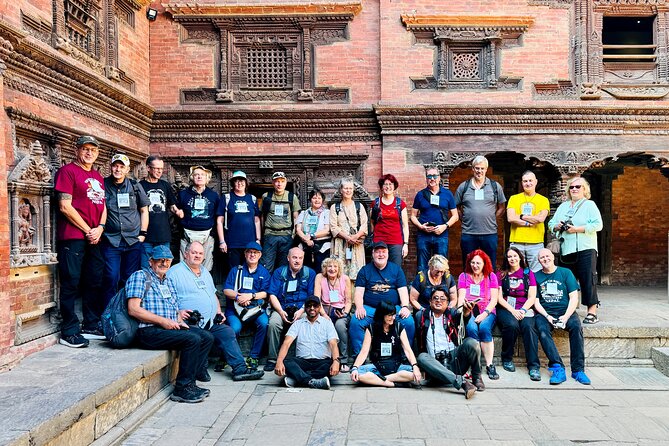
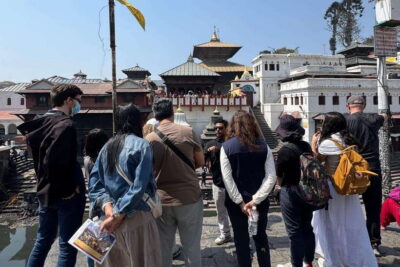
Pashupatinath is one of the most sacred Hindu temples in the world and one of the most powerful places on the route. The complex sits beside the Bagmati River, where religious activity gives the site a serious, living quality.
You should approach this stop with respect. It is not simply an old temple for sightseeing. The riverbank and temple grounds are connected to Hindu worship and funeral rites, so your guide’s explanation can help you understand what you are seeing without treating it as a spectacle.
The atmosphere can be emotionally strong. One person described particular stops as unexpectedly moving, and Pashupatinath is the place most likely to leave that impression. Photography and access may vary within the complex, so follow your guide’s instructions.
Boudhanath, the Buddhist finale
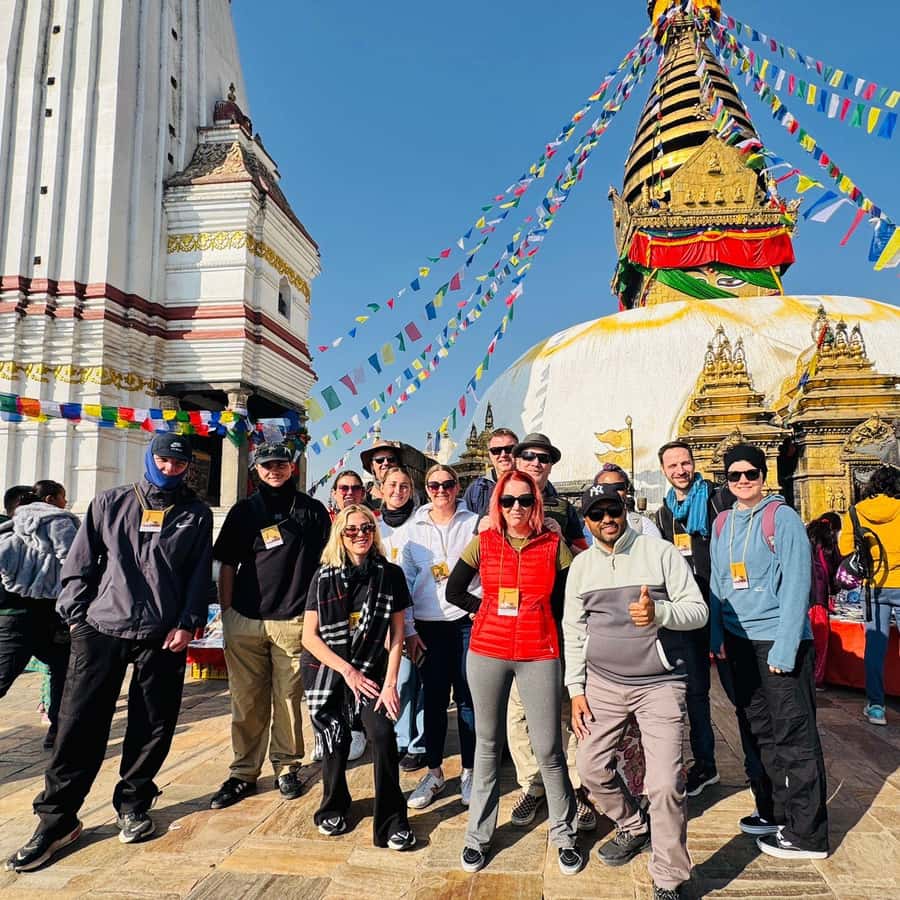
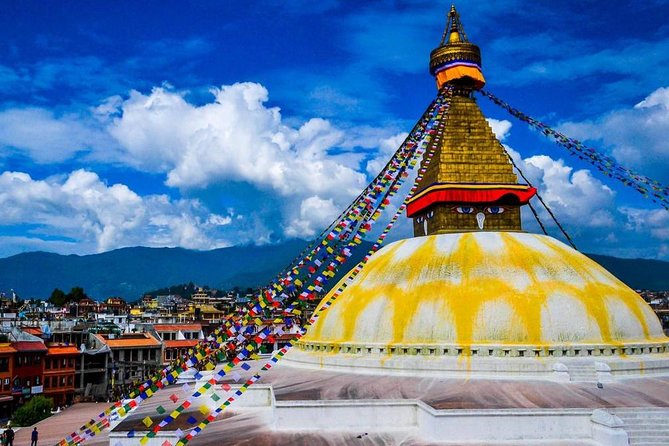
Boudhanath is the tour’s grand closing image. Its enormous white stupa and painted eyes form one of Kathmandu’s best-known sights, while the surrounding area connects strongly with Tibetan Buddhist culture.
This is a good final stop because the space encourages you to slow down after a long day. Walk around the stupa, watch local religious practice, and take in the surrounding shops and monasteries if the schedule allows.
Boudhanath also completes the tour’s religious range. Swayambhunath introduces Buddhist worship from a hilltop setting, Pashupatinath shows Hindu devotion beside the Bagmati, and Boudhanath presents a major Tibetan Buddhist center. Together, these sites give you a useful sense of Nepal’s layered spiritual life.
Why the guide can make or break the day
Seven major sites would be hard to understand without local help. The strongest praise for this tour goes to the guides, especially Sumit, Asmita, Sajina, Ram, Anon, and Ananta.
Sumit is repeatedly described as friendly, patient, energetic, and able to answer detailed questions about history, architecture, religion, politics, food, and daily life. Asmita is praised for warmth, humor, clear explanations, and making people feel included. Sajina has been appreciated for taking photographs, adjusting to questions, and adding helpful food and sightseeing suggestions.
Those details matter. A guide is not only there to recite dates. The best guides help you understand why a carving matters, how a place is used today, and how Hindu and Buddhist traditions meet in Kathmandu Valley.
Guide assignments can vary, so you should not assume you will receive a particular person. Still, the consistently high rating of 4.9 from 247 reviews suggests that guiding is a major strength of the operation.
Transport, pickup, and the rhythm of the day
Pickup for group tours begins around 8:00 AM in the Thamel area. You receive the exact time one day before the tour. Private hotel pickup and drop-off are included, which removes much of the morning bargaining and route-finding that can make Kathmandu tiring.
Transport is by air-conditioned private vehicle. Several people specifically praised safe driving and comfortable cars, with Krishna receiving repeated thanks for careful transfers and reliable timing between stops.
A group tour may be more social and less expensive, while a private tour gives you more control over pauses and questions. Some group outings end up feeling almost private when numbers are small. Even so, you should expect a full day with a fair amount of walking and repeated entry and exit from the vehicle.
Do not plan an important evening flight or a strict dinner reservation immediately after the tour. One private outing continued well into the evening so the guide could give the sites proper attention, and another finished late because people did not always return at the agreed times.
The real cost: $5 before the important extras
The advertised price of USD 5 per person looks remarkably low, but it is not the complete cost of a standard booking. Monument entrance fees are separate unless you select the all-inclusive package.
All seven heritage-site tickets total about USD 43, or NPR 5,800, per person. SAARC nationals pay about USD 22 in total. Carry cash, since you may need to pay at each monument.
The value becomes clearer once you separate the options:
- The standard package includes hotel pickup and drop-off, a professional guide, air-conditioned transport, a lunch box, bottled water, government tax, and service charges.
- Monument fees are extra on the standard option.
- The all-inclusive option covers monument fees and food, soft drinks, a Nepali khana set, or another choice of dishes.
- The included lunch box contains 500 milliliters of bottled water, a muffin, donut, banana, seasonal fruit, and juice.
The all-inclusive choice is easier if you dislike handling cash or want to avoid surprise costs. One person found the meal disappointing for the price, so I would choose it mainly for convenience rather than expecting a special dining experience.
Walking, clothing, and what to carry
You should bring a camera, cash, a daypack, and your passport or an identity card. A copy of your passport or ID is accepted.
Add comfortable walking shoes and sunscreen. The route includes temple grounds, courtyards, hilltop areas, and uneven surfaces. A small amount of toilet paper may also be useful, especially during a long day when facilities vary.
Dress with religious sites in mind. The tour crosses Hindu and Buddhist places, so modest, practical clothing is the sensible choice. Follow local instructions about where you may enter, what you may photograph, and how close you may stand to religious ceremonies.
The tour is not suitable for wheelchair users or people with visual impairments. That restriction is important because of the walking, steps, and varied surfaces.
Who should book this Kathmandu day tour?
I would recommend it most strongly if you have one or two days in Kathmandu and want an organized introduction to the valley. It is also useful for solo visitors who want simple transport, a guide, and a way to cover distant sites without arranging several separate trips.
It suits people who enjoy history, architecture, religion, photography, and local cultural explanation. The guides are especially helpful if you want more than a quick photograph at each stop.
I would think twice if you dislike long days, prefer slow travel, or want to study each monument in detail. Bhaktapur, Patan, and Kathmandu Durbar Square can each reward more time. A shorter four-site tour may be more comfortable if you would rather understand fewer places properly.
Should you book it?
Book this tour if your priority is coverage. For a single day, it gives you an unusually broad look at Kathmandu Valley, with dependable transport and strong local guiding at a very low starting price.
Choose the all-inclusive option if you want the simplest day and do not want to carry roughly NPR 5,800 for entrance fees. Choose the standard option only if you are comfortable paying those fees yourself and checking the final cost before departure.
I would not call it a relaxed sightseeing day. It is a smart orientation to Kathmandu, not a replacement for spending several days among the valley’s great squares and temples. If you arrive short on time, however, this is one of the most efficient ways to get your bearings.
FAQ
How many UNESCO World Heritage sites does the tour visit?
The tour visits seven sites: Swayambhunath, Kathmandu Durbar Square, Patan Durbar Square, Bhaktapur Durbar Square, Changu Narayan Temple, Pashupatinath Temple, and Boudhanath Stupa.
Are monument entrance fees included?
They are included only with the all-inclusive option. On the standard option, you pay them separately. The total is approximately USD 43, or NPR 5,800, per person.
How much are the fees for SAARC nationals?
The total entrance fees for SAARC nationals are approximately USD 22.
What time does group pickup begin?
Group-tour pickups begin around 8:00 AM in the Thamel area. The exact pickup time is provided one day before the tour.
Is hotel pickup and drop-off included?
Yes. Hotel pickup and drop-off are included, along with air-conditioned private transportation during the tour.
What food is included?
The tour includes a lunch box with 500 milliliters of bottled water, a muffin, donut, banana, seasonal fruit, and juice. The all-inclusive option also includes food, soft drinks, a Nepali khana set, or a choice of dishes.
What languages are available?
The tour is available in English and Hindi.
Can wheelchair users join the tour?
No. The experience is not suitable for wheelchair users or people with visual impairments.
New in the Kathmandu listings
- Traditional Momo Making Class★ 5.0 · 10 reviews
- Kathmandu: Ancient City Kirtipur & Pharping Monastery Tour★ 5.0 · 2 reviews
- Women Empowerment Project(Nepali cooking class & jewelry workshop★ 5.0 · 15 reviews
- Kathmandu to Pokhara Premium sofa bus ticket★ 4.0 · 17 reviews
- 7-Day Langtang Valley Trek from Kathmandu★ 5.0 · 1 review
- Kathmandu 2 Nights 3 Days Chitwan Jungle Safari Tour★ 5.0 · 9 reviews
- Yoga Experience Day Trip with Private Transfer From Kathmandu★ 4.0 · 2 reviews
- Wildlife Adventure in Chitwan Nepal★ 4.0 · 4 reviews
UNESCO World Heritage Tours, compared.
Private Kathmandu Sightseeing Tour | UNESCO World Heritage sites
Read our review →
Full Day 7 UNESCO Tour with Lunch – Private/Group
Read our review →
Full Day Top 4 UNESCO Tour with Lunch – Private/Group
Read our review →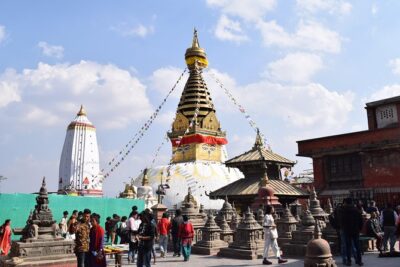
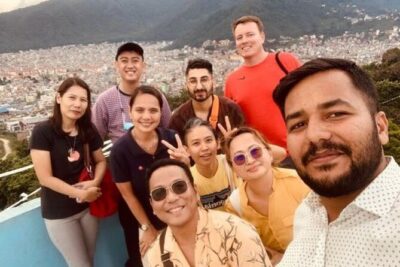
Kathmandu Private Sightseeing Tour | UNESCO World Heritage Sites
Read our review →Browse the lists this tour appears in