
REVIEW · NAGARKOT TOURS
Essence of Nepal: 4-Day Tour Kathmandu, Nagarkot & Pokhara
Nepal packs a lot into four days. This trip links Kathmandu’s temples, Nagarkot’s mountain views, and Pokhara’s lakeside sights in a practical route for first-time visitors. I especially like the scenic flight to Pokhara and the chance to see both sunset and sunrise from high viewpoints. The main tradeoff is pace: the first two days include many major sites, so you will spend plenty of time moving from place to place.
I also like that the tour works for families, older visitors, and anyone who wants Nepal’s main highlights without long mountain walks. Guide Sobit receives especially warm praise for his care and insight. One point to clarify before departure is your pickup time, since the stated morning schedule may require direct confirmation.
In This Review
- Five details that shape the experience
- What this four-day route really offers
- Day 1: Chandragiri Hills and Kathmandu’s sacred landmarks
- Day 2: Bhaktapur’s royal courtyards and Nagarkot sunset
- Day 3: Flying to Pokhara and seeing the city’s natural sights
- Day 4: Sarangkot sunrise and the return to Kathmandu
- Hotels, meals, transport, and extra costs
- Weather, clothing, and practical preparation
- Who will appreciate this tour most
- Should you book the Essence of Nepal tour?
- FAQ
- How long is the Essence of Nepal tour?
- Is hotel accommodation included?
- Is the flight to Pokhara included?
- How do I return from Pokhara to Kathmandu?
- Are meals and entrance fees included?
- Is the tour suitable for people who do not want strenuous walking?
- What should I bring?
Five details that shape the experience
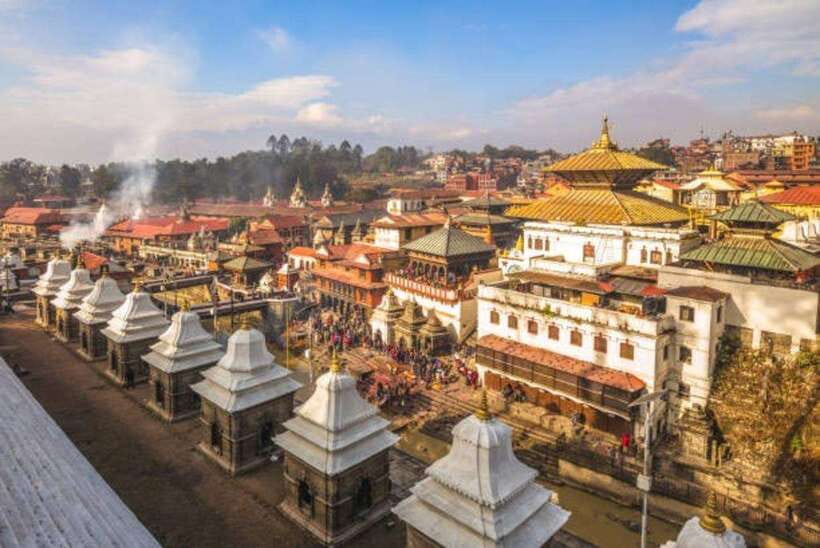
- Kathmandu’s major sacred sites in one day: Swayambhunath, Pashupatinath, and Boudhanath each show a different side of Nepalese religious life.
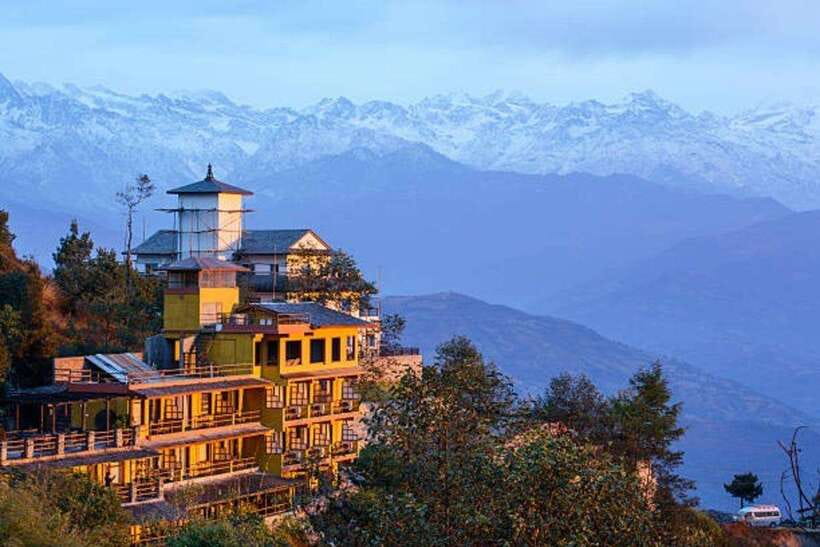
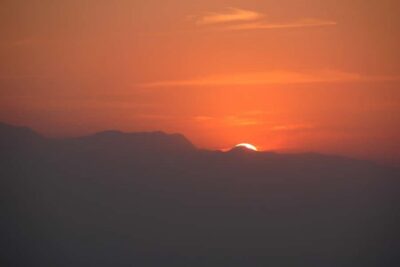
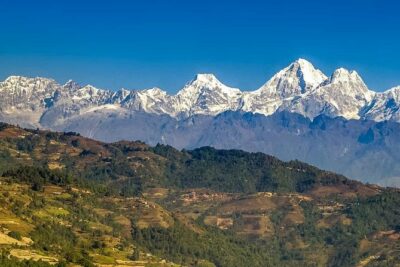
- A sunset in Nagarkot: On a clear evening, the view can stretch from the Langtang area toward Everest.
- A short mountain flight to Pokhara: Flying saves road time and gives you a memorable aerial view of Nepal.
- Pokhara’s natural sights are easy to reach: Phewa Lake, Davis Falls, Gupteshwor Cave, and Pumdikot fit neatly into one sightseeing day.
- Three-star hotels and included breakfasts: The package keeps basic lodging and transport together, while lunch, dinner, drinks, and entry fees remain yours to pay.
- A strong guide can make the difference: Sobit is singled out for warmth, care, and useful explanations.
What this four-day route really offers
This is not a trekking holiday. It is a fast, organized introduction to Nepal’s culture, mountain scenery, and famous viewpoints. You get one night each in Kathmandu, Nagarkot, and Pokhara, then return to Kathmandu by tourist bus on the final day.
That structure suits you if you have limited time or are adding Nepal to a wider Asia trip. It also helps if you prefer not to arrange domestic flights, hotels, drivers, and sightseeing separately. The route is busy, but the physical demands are moderate. Most stops involve walking around temples, courtyards, viewpoints, or museum grounds rather than sustained uphill hiking.
At $416 per person, the value depends on what you would otherwise have to organize. The price includes a guide, driver, fuel, parking, tolls, the Kathmandu to Pokhara flight, three nights of twin-sharing accommodation, breakfasts, and the return tourist bus. You still need to budget for entry fees, lunch, dinner, and drinks. For a short trip with several transport legs, that bundled arrangement is useful, especially if you are visiting Nepal for the first time.
More days out at Nagarkot:
- Nagarkot Sunrise View and Day Hiking from Kathmandu
★ 5.0 · 471 reviews - Kathmandu: Nagarkot Sunrise View & Morning Hike with Lunch
★ 4.9 · 188 reviews - Kathmandu: Nagarkot Sunrise and Hike Tour to Changu Narayan
★ 4.7 · 151 reviews
Day 1: Chandragiri Hills and Kathmandu’s sacred landmarks
The first day is ambitious. Pickup is available from your Kathmandu hotel or from the airport if you arrive on a morning flight. The start can be adjusted around your rest and check-in, but you should confirm the exact time in advance.
The day begins at Chandragiri Hills Cable Car, where you get a broad view over the Kathmandu Valley and, weather permitting, toward the Himalayas. The cable car is a good opening stop because it gives you a sense of the area’s scale before you begin visiting individual monuments. Clear weather matters here, so keep expectations flexible during the monsoon or on hazy days.
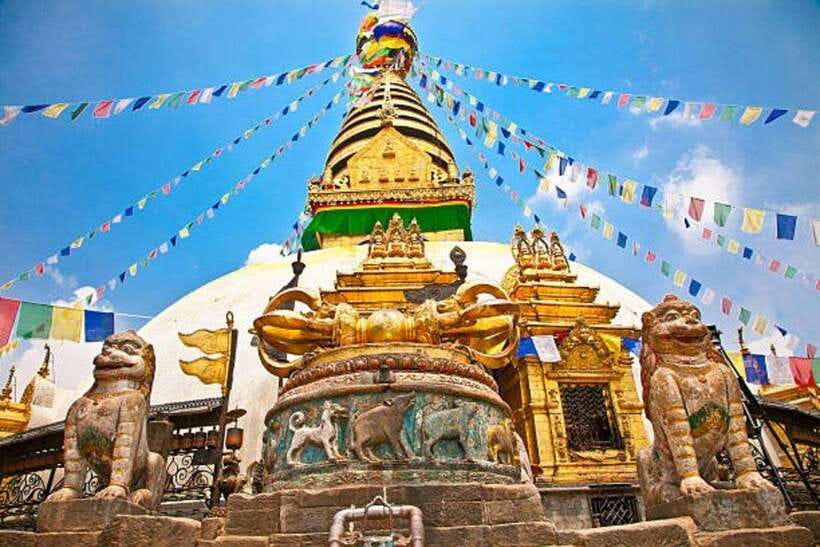
Next comes Swayambhunath, often called the Monkey Temple. The ancient Buddhist stupa is one of Kathmandu’s most recognizable sights, with prayer flags, religious images, and wide views over the city. The name is informal, but the spiritual role is serious. Take care around the monkeys and follow local instructions about photography.
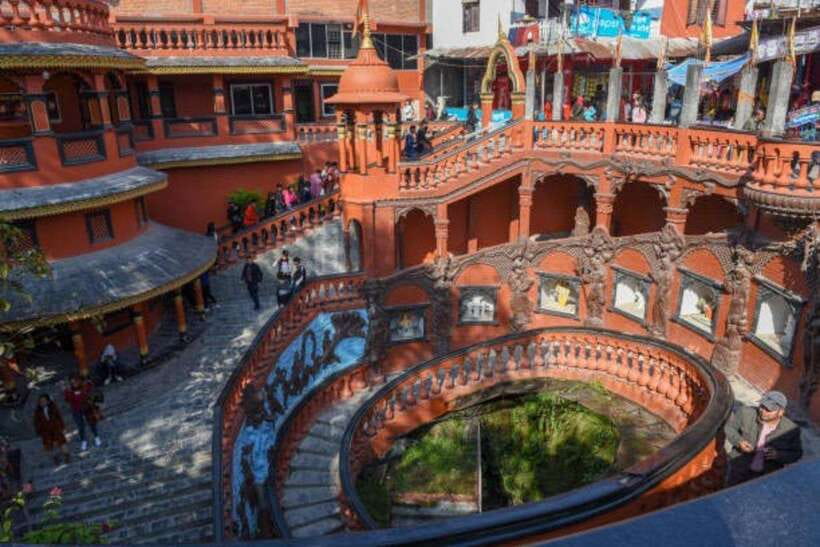
Patan Durbar Square brings a different mood. Here, Newari architecture and royal courtyards show the artistic character of the Kathmandu Valley. You will see carved wood, brickwork, and palace buildings that reward a slower look. This is one place where a guide adds real value, since the details can be easy to miss if you only walk from one courtyard to another.
Pashupatinath Temple is among the most important Hindu sites in Nepal. The main temple area is sacred, and access rules can vary by location and religious status. Photography and video may be restricted, so listen carefully to your guide rather than treating the site like an ordinary sightseeing stop.
The day finishes at Boudhanath Stupa, a major Buddhist center with a large white dome and a calm, ceremonial feel. I would save a little energy for this visit. After the noise and traffic of Kathmandu, Boudhanath offers a chance to slow down and observe people walking around the stupa, turning prayer wheels, or visiting nearby monasteries.
Five major stops, plus the cable car, make this a full day. You should not expect long pauses at every site. The advantage is coverage. The drawback is that anyone who wants detailed museum time or extended photography will likely feel rushed.
Day 2: Bhaktapur’s royal courtyards and Nagarkot sunset
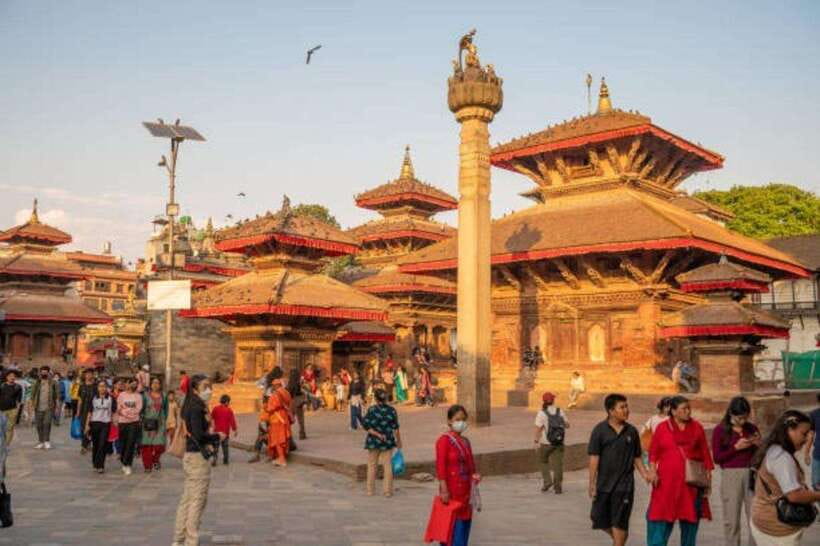
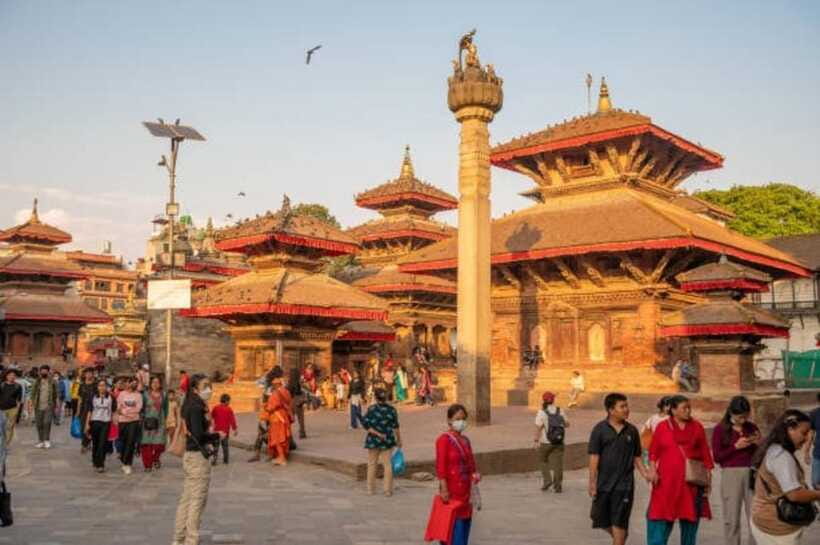
The second day continues the cultural focus with Kathmandu Durbar Square and Bhaktapur. Kathmandu Durbar Square is associated with royal courtyards and the Living Goddess tradition. Its buildings and public spaces offer another look at the valley’s former royal center.
Bhaktapur deserves careful attention. The 55-Window Palace, Golden Gate, Nyatapola Temple, and Dattatreya Square each have a different character. Bhaktapur is especially rewarding for its Newari architecture, brick streets, carved windows, and tall pagoda-style temples.
Nyatapola Temple is a visual landmark, but Bhaktapur is best understood as a collection of connected spaces rather than a single monument. Let your guide explain how the palace, temples, and squares fit together. This is also a useful place to keep your walking shoes on, since the historic areas require time on foot.
In the afternoon, the group drives to Nagarkot. The change is noticeable. Kathmandu is dense and active, while Nagarkot is used mainly as a hill viewpoint and overnight stop. The reason to sleep here is not nightlife or extensive sightseeing. It is the chance to watch the evening sky change over the Himalayan range.
On a clear evening, the view may extend from Langtang toward Everest. Weather can change quickly, and mountain visibility is never guaranteed, so think of the sunset as a reward rather than a promise. Even when the peaks are partly covered, the hilltop setting can still provide a pleasant break from the city.
The Nagarkot night is included, and that is worth confirming when you book. One practical note from the booking experience is that the accommodation is part of the package, even though some voucher details may not make that immediately clear.
Day 3: Flying to Pokhara and seeing the city’s natural sights
Day three starts early with Himalayan views from Nagarkot, then a flight to Pokhara. This is one of the tour’s best choices. A road journey between Kathmandu and Pokhara can take much longer than the flight, while the plane keeps the itinerary focused on sightseeing.
The flight itself is short, but the mountain views make it memorable when conditions are clear. Keep your expectations realistic during poor weather, since visibility affects what you can see from the air. You should also be ready for an early start and a full day after landing.
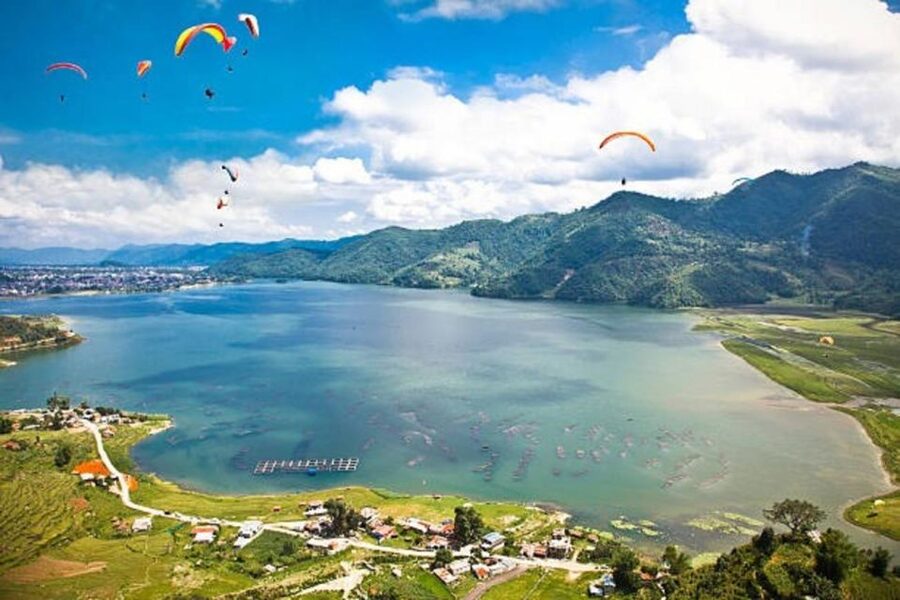
In Pokhara, Phewa Lake provides the calm center of the visit. An optional boat ride gives you time on the water and a different angle on the surrounding hills. The boat is not included as a listed part of the package, so ask about the cost if you want to add it.
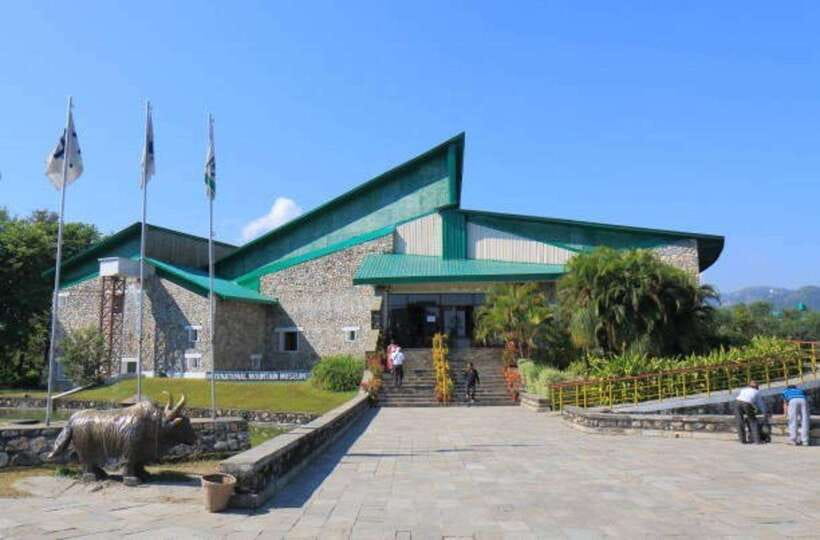
The International Mountain Museum adds useful context to the scenery. Instead of only looking at peaks from a viewpoint, you can learn about Himalayan expeditions, mountain communities, and the culture connected to the world’s highest ranges. I like this stop because it gives the rest of the day more meaning.
Davis Falls is a natural attraction with changing water levels depending on the season. Nearby Gupteshwor Cave adds a more enclosed, religious setting. The cave is associated with a sacred Shiva shrine, so it is not simply a geological stop. Conditions inside can be dark or damp, making comfortable shoes and attention to your footing sensible.
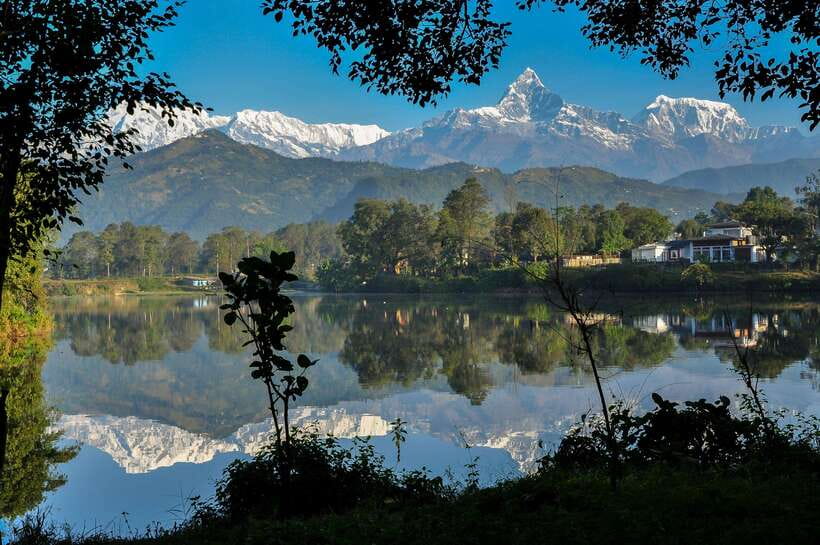
Pumdikot is the final major viewpoint listed for the day. Its large Shiva statue overlooks the Pokhara area, with views toward the Annapurna, Dhaulagiri, and Manaslu ranges when the air is clear. This stop is particularly useful for broad mountain views and photographs, but again, weather controls the payoff.
The day ends with time by Phewa Lake and the possibility of sunset reflections. Pokhara is the most relaxed part of the route, though the sightseeing schedule still covers several stops. One practical caution is that guide quality may vary by location. Sobit receives strong praise for his personal care, while the Pokhara guiding was not considered as strong at first. The issue was addressed politely when raised, so you should speak up early if you need more explanation or assistance.
A short list of alternatives around Kathmandu
- Everest Base Camp Trek – 14 Days
★ 5.0 · 1,499 reviews - Private Kathmandu Sightseeing Tour | UNESCO World Heritage sites
★ 5.0 · 756 reviews - Everest Base Camp Helicopter Tour landing at Everest View Hotel
★ 5.0 · 668 reviews - Half day cooking class in Thamel kathmandu
★ 5.0 · 607 reviews
Day 4: Sarangkot sunrise and the return to Kathmandu
The final morning begins before sunrise with a drive to Sarangkot. This is another early start, but the view is the reason to make the effort. From the viewpoint, you may see sunlight spread across Annapurna and Machhapuchhre, also known as Fishtail.
The experience depends heavily on clouds and visibility. Still, Sarangkot gives you one of the clearest chances on this route to see the mountain range from above Pokhara. Bring warm clothing, even if the afternoon later feels mild. Hilltop mornings can be cold, especially from November through February.
After Sarangkot, the route visits Bindabasini Temple. This adds a final cultural stop before the return journey. The temple visit is shorter and more focused than the larger heritage areas in Kathmandu and Bhaktapur, which makes it a reasonable final morning activity.
You return to Kathmandu by tourist bus, with an optional flight available if you prefer to save time and are willing to pay for the change. The bus makes the package less expensive, but it also means the final day includes a substantial journey. The afternoon in Kathmandu is free for shopping in Thamel, rest, or onward plans.
If you have an evening departure, leave plenty of time for traffic and airport arrangements. The tour does not include a hotel on the final night, so plan your luggage and airport transfer accordingly.
Hotels, meals, transport, and extra costs
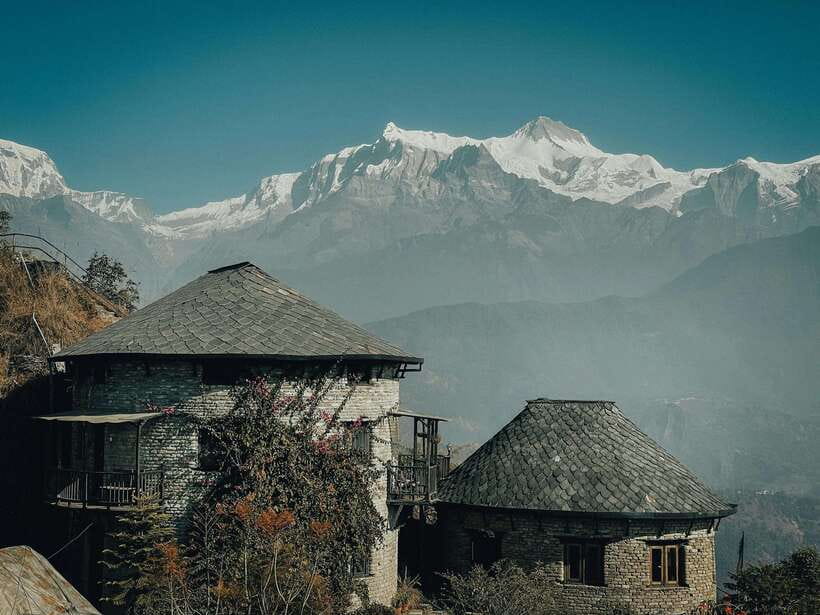
The accommodation is three-star, with one night each in Kathmandu, Nagarkot, and Pokhara. Rooms are arranged on a twin-sharing basis and breakfast is included. If you are traveling alone, with a partner, or with a family that needs different room arrangements, confirm the room setup before paying.
The guide and driver are included, along with fuel, tolls, parking, and transport suited to your group size. That removes several small costs that can otherwise accumulate. It also gives you one point of contact when plans change.
Lunch, dinner, drinks, and monument entry fees are not included. Entry fees are paid in Nepali rupees, so carry cash even though ATMs are available in Kathmandu and Pokhara. Smaller towns and local markets may not offer the same convenience.
Food is therefore one area where the final cost will rise above the advertised price. You should also allow for the optional Phewa Lake boat ride and the possible flight upgrade from Pokhara to Kathmandu.
Weather, clothing, and practical preparation
Pack layers. Kathmandu, Nagarkot, Sarangkot, and Pumdikot can feel very different on the same trip. From November through February, days are often sunny, but mornings and evenings at higher points are cold. A warm jacket is especially useful for the two sunrise and sunset viewpoints.
June through August is monsoon season, with frequent rain. Bring an umbrella or raincoat, and protect your phone and camera during outdoor visits. Comfortable walking shoes matter more than specialist hiking gear.
Bring your passport, or a copy if accepted for the activity arrangements. Sunglasses, sunscreen, a reusable water bottle, travel documents, and suitable clothing are all sensible. Drink filtered water and stay hydrated during sightseeing.
Mobile coverage works through most of the route, and Wi-Fi is available in many hotels and restaurants. Photography and video may be restricted at religious sites, so ask before taking pictures.
Who will appreciate this tour most
I would recommend this route to first-time visitors who want a broad introduction without planning every detail themselves. Families, couples, older adults, solo visitors, and small groups can all benefit from the included driver, guide, flight, and hotel arrangements.
It is also a good fit if you want mountain scenery but do not want a trek. You will still have early mornings, road transfers, stairs, and temple walking, but the program is designed to avoid prolonged physical strain.
I would be more cautious if your ideal Nepal trip means quiet village stays, long walks, or time spent in fewer places. This route gives you a sample of several major destinations, not a slow study of one region. The first day is particularly packed, and the final bus ride can feel long after the Sarangkot sunrise.
The strongest part of the experience is the balance between culture and scenery. You move from Buddhist stupas and Hindu temples to royal squares, then on to lakes, caves, waterfalls, and Himalayan viewpoints. Sobit’s warm, attentive guiding appears to add a personal touch that helps the schedule feel less mechanical.
Should you book the Essence of Nepal tour?
Book it if you have four days, want Nepal’s best-known sights, and value having transport, hotels, a guide, and the Pokhara flight arranged together. The $416 price is reasonable for that combination, but remember to add meals, admission fees, drinks, and any optional flight or boat costs.
Before booking, confirm your exact pickup time, room arrangement, and the return option from Pokhara. If you can accept early mornings and a busy first day, this is a practical way to get your first taste of Nepal without taking on the logistics alone.
FAQ
How long is the Essence of Nepal tour?
The tour lasts four days and follows the route Kathmandu, Nagarkot, Pokhara, and Kathmandu.
Is hotel accommodation included?
Yes. The package includes one night each in Kathmandu, Nagarkot, and Pokhara, in three-star hotels on a twin-sharing basis. Breakfast is included.
Is the flight to Pokhara included?
Yes. The flight from Kathmandu to Pokhara is included, with mountain views when weather conditions allow.
How do I return from Pokhara to Kathmandu?
The included return transport is a tourist bus. An optional flight is available if you prefer to return by air.
Are meals and entrance fees included?
Breakfast is included at the listed hotels. Lunch, dinner, drinks, and entry fees are not included.
Is the tour suitable for people who do not want strenuous walking?
The tour is designed for all ages and avoids long walks or heavy physical strain. You should still bring comfortable walking shoes because temple areas, squares, caves, and viewpoints require walking.
What should I bring?
Bring your passport or an accepted copy, layered clothing, warm clothes for Nagarkot and Sarangkot, comfortable shoes, sunscreen, sunglasses, a camera, travel documents, and a reusable water bottle. A raincoat or umbrella is useful during the June to August monsoon season.
New in the Kathmandu listings
- Kathmandu: Ancient City Kirtipur & Pharping Monastery Tour★ 5.0 · 2 reviews
- Traditional Momo Making Class★ 5.0 · 10 reviews
- Kathmandu to Pokhara Premium sofa bus ticket★ 4.0 · 17 reviews
- Women Empowerment Project(Nepali cooking class & jewelry workshop★ 5.0 · 15 reviews
- 7-Day Langtang Valley Trek from Kathmandu★ 5.0 · 1 review
- Kathmandu 2 Nights 3 Days Chitwan Jungle Safari Tour★ 5.0 · 9 reviews
- Yoga Experience Day Trip with Private Transfer From Kathmandu★ 4.0 · 2 reviews
- Wildlife Adventure in Chitwan Nepal★ 4.0 · 4 reviews
Nagarkot Tours, compared.
Nagarkot Sunrise View and Day Hiking from Kathmandu
Read our review →
Nagarkot Sunrise and Hike Tour to Changu Narayan
Read our review →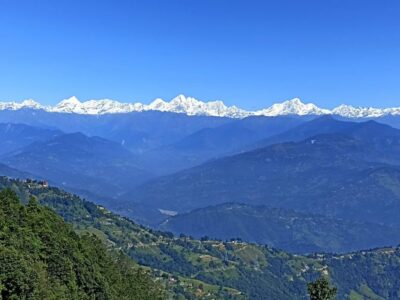
Nagarkot Sunrise & Hike to Changu Narayan Day Tour from Kathmandu
Read our review →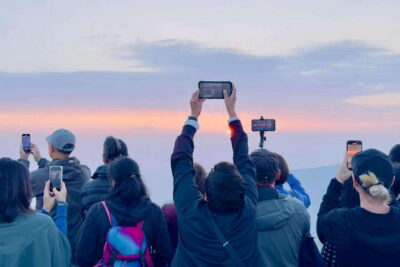
Nagarkot Sunrise & Hike with Lunch -Private/Group
Read our review →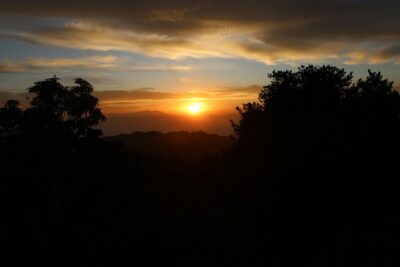
Nagarkot Sunrise Trip & Day Hike with Lunch from Kathmandu
Read our review →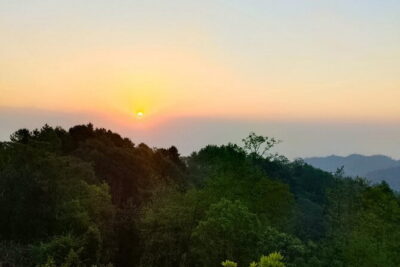
Nagarkot Sunrise View & Day Hiking with Lunch – Private/Group
Read our review →Browse the lists this tour appears in