
REVIEW · BUDDHIST MONASTERY TOURS
From Kathmandu: 2 Stupas and Kopan Monastery Spiritual Tour
Quiet places still exist around Kathmandu. This five-hour private tour links the peaceful Jamchen Vijaya Stupa, hilltop Kopan Monastery, and famous Boudhanath Stupa, giving you a useful introduction to Nepalese Buddhist practice without requiring a full day away from the city. I like the mix of a lesser-known stop and two major spiritual sites, and I especially like that the visit includes time for meditation rather than only quick photographs. The main consideration is that the schedule is fairly active, with walking, steps, and time in the car, so it is not a good fit for anyone with limited mobility.
I also like the personal feel of a private car and English-speaking guide. Guides such as Pooja, Karma, Aneel, Pranav, and Razz have been praised for explaining Buddhist symbols, rituals, Hindu and Buddhist ideas, and modern Nepalese life in clear language. Kopan Monastery can occasionally be closed, so you should confirm the plan if entering the monastery is the main reason you are booking.
In This Review
- Key Points Before You Book
- Why This Half-Day Tour Works Well
- Jamchen Vijaya Stupa: Start With Stillness
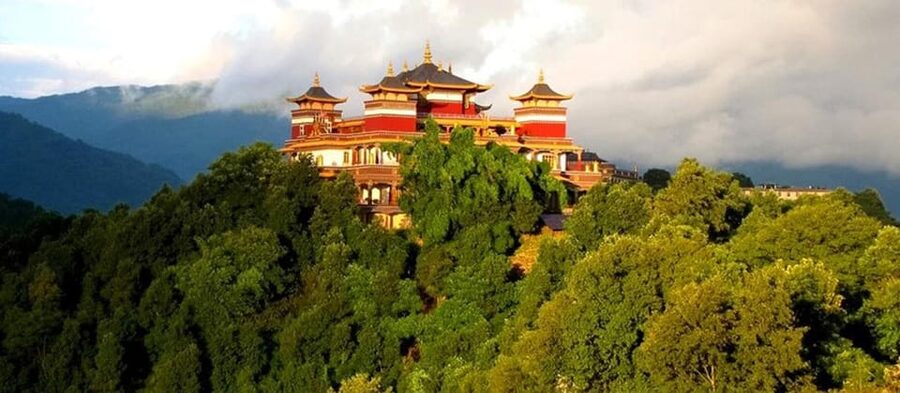
- Kopan Monastery: Views, Teachings, and Time to Sit
- Understanding Buddhism Without Feeling Lectured
- Boudhanath Stupa: A Powerful Finish
- Transport, Timing, and What to Bring
- Who Will Get the Most From This Experience?
- Should You Book the Buddhist Stupa and Monastery Tour?
- FAQ
- How long does the tour last?
- Which places does the tour visit?
- Is hotel pickup and drop-off included?
- Is the tour private?
- What language does the guide speak?
- Can I meditate during the tour?
- What should I bring, and are there restrictions?
Key Points Before You Book
- A three-stop Buddhist route: See Jamchen Vijaya Stupa, Kopan Monastery, and Boudhanath in one half-day.
- Meditation is part of the experience: You may have time to sit quietly at Kopan, with some participants describing nearly an hour of meditation.
- Private transport keeps the morning flexible: Hotel pickup and drop-off in Kathmandu are included, along with a car and driver.
- The guide makes the difference: Pooja, Karma, Aneel, Pranav, and other guides have been praised for clear explanations and warm conversation.
- Boudhanath adds living culture: Walk with pilgrims, turn prayer wheels, and browse Tibetan shops and eateries around the stupa.
- Pack light and wear practical shoes: Large bags are not allowed, and the tour is not suitable for wheelchair users or people with mobility impairments.
Why This Half-Day Tour Works Well
Kathmandu can feel crowded, noisy, and visually demanding. This outing gives you a different way to read the city. Instead of racing between monuments, you spend time with Buddhist spaces, observe rituals, and hear the ideas behind the symbols.
The tour lasts about five hours, with roughly an hour allocated at each main stop. That leaves time for driving between sites, hotel pickup and return, and some flexibility in the order or pace. You are not signing up for a long trek or a full religious retreat. You are getting a compact cultural introduction with a spiritual focus.
I think the private format is one of the strongest features. You can ask direct questions, linger at a prayer wheel, or take a quiet moment without holding up a large group. A guide can also adjust the pace. One participant had already seen one stupa, and the guide changed the plan without difficulty.
The listed price is $6 per person, which is unusually low for a private five-hour outing with a car, driver, hotel pickup, drop-off, and licensed English-speaking guide. Treat the value as excellent if that price is available for your date. One person described the cost as relatively high compared with other local trips, so prices may vary by booking date or arrangement. Check exactly what is included before paying, especially any site fees or food costs, since those are not specified here.
More monastery visits in Kathmandu:
- Lunch with Nuns – Monastery
★ 5.0 · 75 reviews - Kathmandu: Dhulikhel to NamoBuddha Day Hike with Lunch
★ 4.8 · 62 reviews - Dhulikhel, Namobuddha & Panauti: A Scenic Day Tour from Kathmandu
★ 5.0 · 36 reviews
Jamchen Vijaya Stupa: Start With Stillness
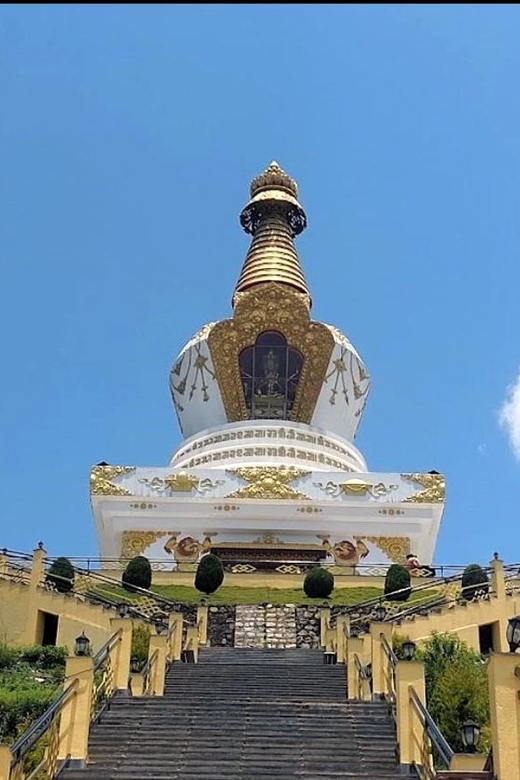
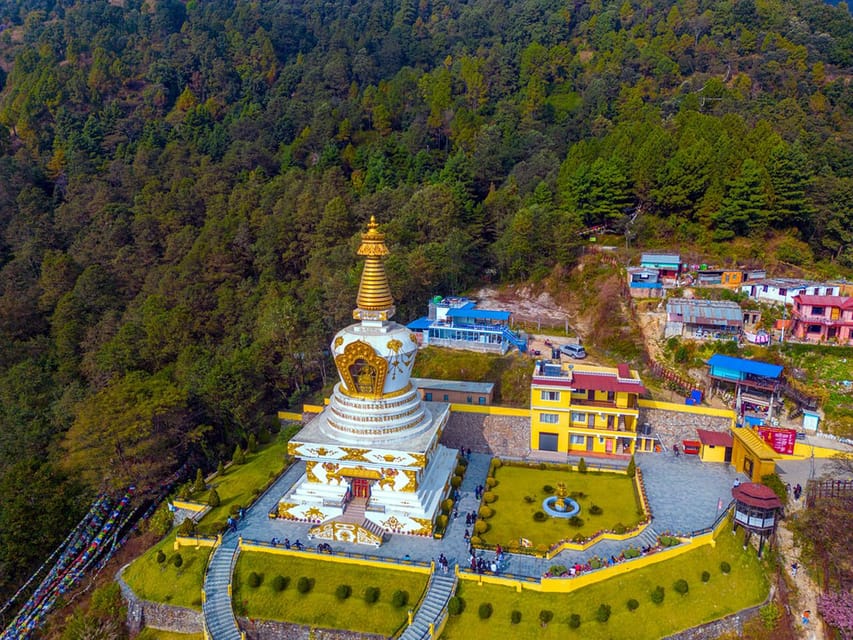
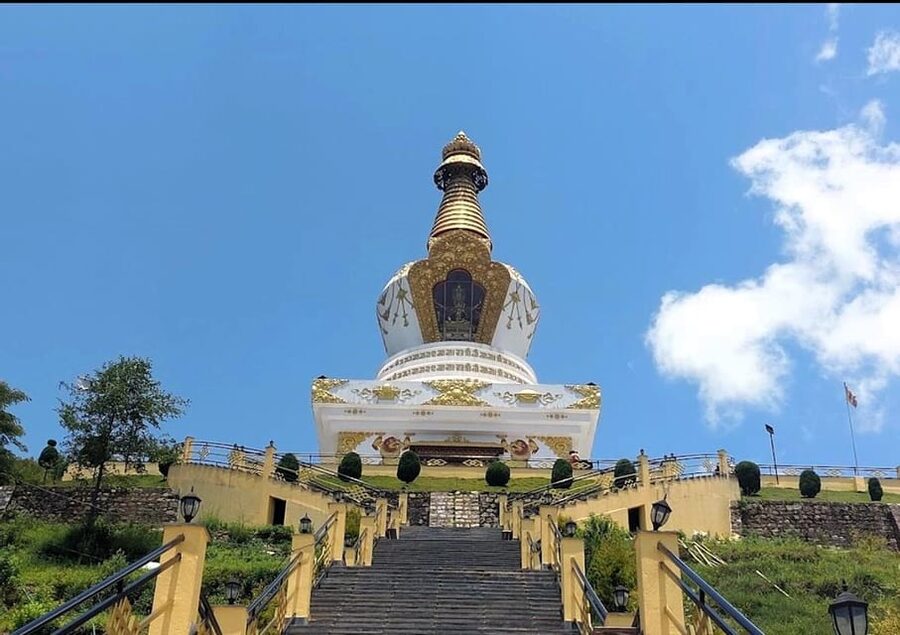
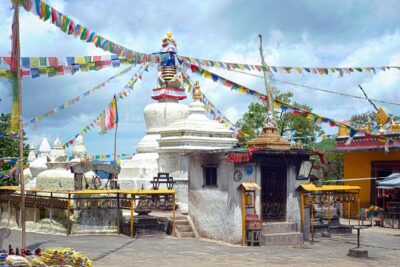
The first stop is Jamchen Vijaya Stupa, also written as Jamche Vijaya Stupa in the tour description. It is presented as the quietest stop of the day, away from the attention drawn by Boudhanath.
You can expect about an hour for a guided visit, sightseeing, walking, and personal reflection. The setting is described as peaceful, with views and a calm atmosphere that suit meditation. The architecture offers your first chance to look closely at Buddhist forms and ask what they mean instead of simply taking a picture and moving on.
This opening stop works well because it eases you into the subject. Your guide can explain how stupas function as places of prayer and circumambulation, then help you notice details you might otherwise miss. Ask about the colors, symbols, prayer flags, and the proper direction for walking around the monument.
Jamchen Vijaya may appeal most if you prefer quieter places. It is less visually overwhelming than Boudhanath and gives you room to pause. The tradeoff is that it may feel modest if you are expecting a huge landmark or a long list of formal attractions. Its value lies in the mood and the chance to begin slowly.
Kopan Monastery: Views, Teachings, and Time to Sit
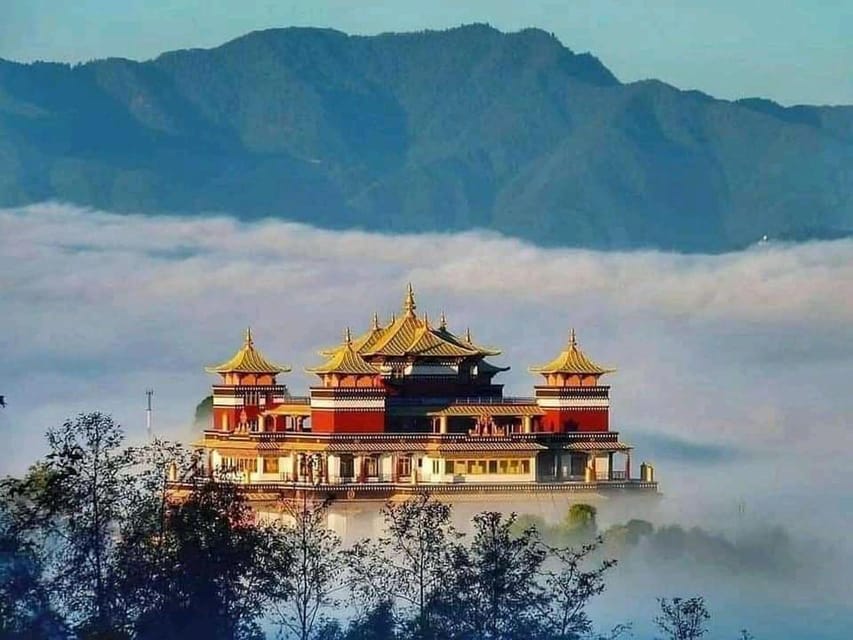
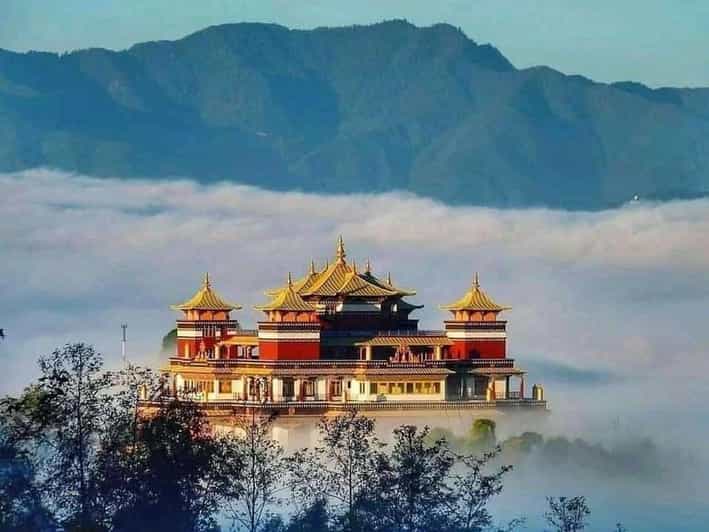
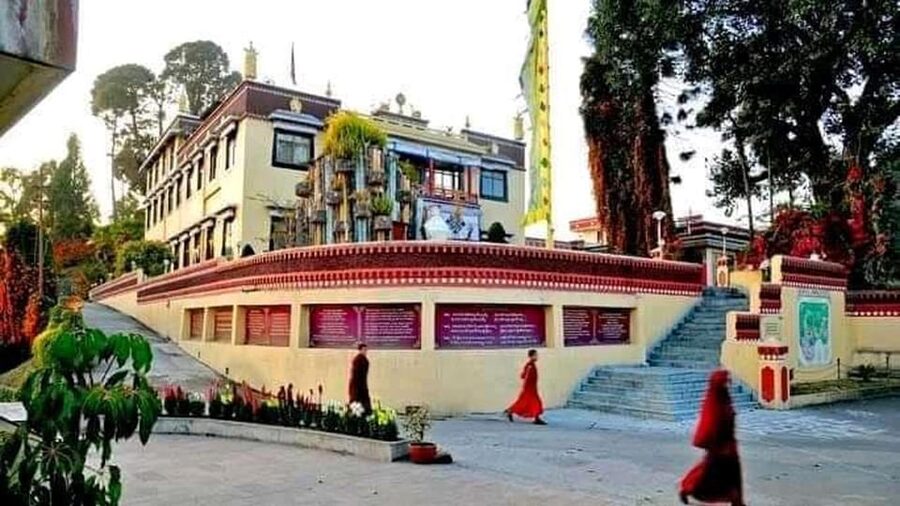
Kopan Monastery is the emotional center of the tour for many people. It sits on a hill above Kathmandu Valley, so the approach brings scenic views as well as a change in pace. The visit includes sightseeing, walking, free time, a photo stop, and the possibility of attending a class or taking part in meditation.
The grounds include prayer wheels, colorful murals, gardens, and spaces for quiet observation. Your guide may explain the daily life and teachings of the monastic community, or you may simply watch the rhythm of the place. The best guides do not flood you with facts. They explain enough for you to understand what you are seeing, then allow silence to do some work.
Several participants singled out meditation at Kopan as the most memorable part of the day. One person described being able to meditate for almost an hour, while another called the session peaceful and fulfilling. That time is not just a bonus activity. It changes the tour from a monument checklist into something more personal.
You should keep expectations sensible. A meditation session is described as a possibility, not a guaranteed formal lesson with a fixed format. The schedule includes a class as an option, but the exact experience can depend on monastery activity and opening conditions. Kopan was closed during one visit, although the rest of the tour still went ahead. If you have limited time in Kathmandu and specifically want to enter Kopan, ask about current access before you book.
The hilltop setting also means walking and possibly uneven ground. The tour is officially not suitable for people with mobility impairments or wheelchair users. Comfortable shoes are a smart choice, and you should avoid bringing a large daypack or suitcase.
Understanding Buddhism Without Feeling Lectured
The tour’s strongest repeated feature is the guide service. Names that appear often in the feedback include Pooja, Karma, Aneel, Pranav, and Razz. Individual guides vary, but the descriptions point to a shared strength: they explain Buddhist and Hindu traditions in plain English and welcome questions.
Pooja is praised for warmth, humor, and careful explanations. Karma is described as passionate about the beliefs and history connected with each site. Aneel is noted for his positive energy and for helping people understand Nepalese customs beyond the monuments. Pranav has been valued for connecting ancient religious stories with present-day Nepalese culture.
That personal exchange matters. A stupa is not self-explanatory, especially if you do not know why people walk clockwise, spin prayer wheels, light lamps, or repeat mantras. A guide can explain the meaning behind these actions while reminding you to observe respectfully.
I would use the tour as a conversation, not a lecture. Ask about the symbolism of colors, the eyes painted on the Boudhanath dome, the difference between seeing a shrine as a work of art and approaching it as a place of worship, and how Buddhist practice fits into everyday life in Nepal. The guide’s local perspective is part of what makes the fee worthwhile.
The private setting can also suit solo visitors. One solo participant found the one-to-one format especially useful, and another described the guide as feeling like a friend. That does not mean every guide will match your personality, but you have a better chance to shape the conversation than on a large group excursion.
A short list of alternatives around Kathmandu
- Everest Base Camp Trek – 14 Days
★ 5.0 · 1,499 reviews - Private Kathmandu Sightseeing Tour | UNESCO World Heritage sites
★ 5.0 · 756 reviews - Everest Base Camp Helicopter Tour landing at Everest View Hotel
★ 5.0 · 668 reviews - Half day cooking class in Thamel kathmandu
★ 5.0 · 607 reviews
Boudhanath Stupa: A Powerful Finish
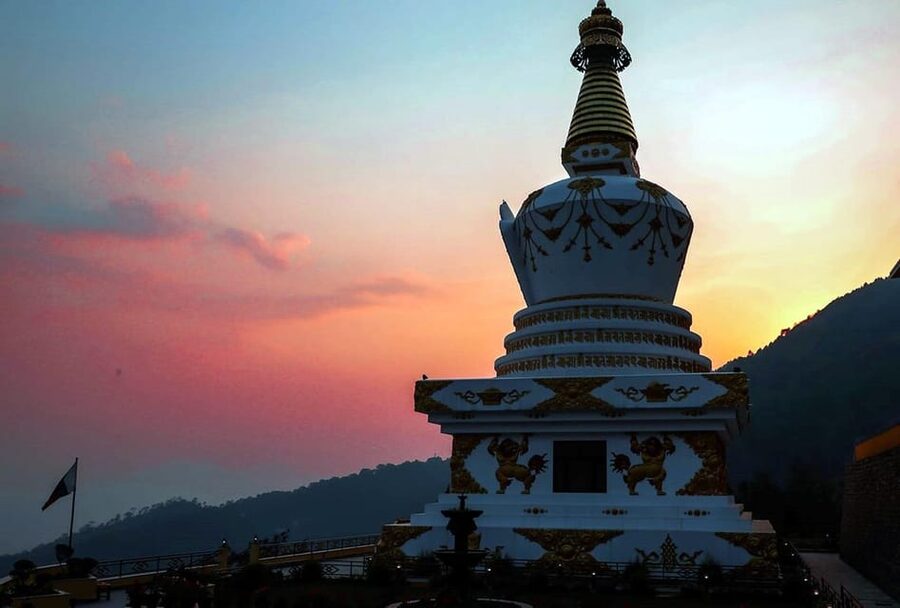
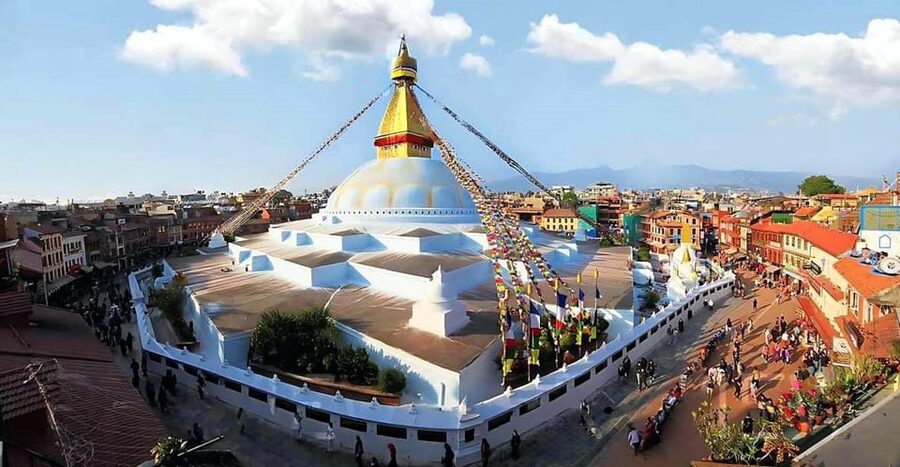
The final major stop is Boudhanath Stupa, the best-known site on the route and a UNESCO World Heritage Site. Its large white dome and Buddha’s watchful eyes dominate the open square, while prayer flags, shops, monasteries, and Tibetan restaurants surround it.
You have about an hour here for a guided visit, photographs, free time, and a break. That hour can pass quickly. Your guide may first explain the structure and its symbols, then lead you into the flow of people walking around the stupa. You can spin prayer wheels, listen to chanting, watch pilgrims, and take in the layered sounds of worship and daily commerce.
Boudhanath is not a silent retreat. It is a working religious center and a public place, with shops and traditional eateries around the square. That combination is its strength. You see Buddhism as a living practice, not a display behind glass.
The square can also be the busiest and most stimulating part of the route. If you have just finished meditating at Kopan, the shift may feel sharp. I would enjoy the contrast, but you should not expect the same quiet mood at every stop.
This is also the most practical place to buy a snack or look for a Nepalese lunch. The tour offers a chance to purchase an authentic Nepalese meal along the way, but food is not listed as included. Momo, a local dumpling, is one food tip specifically passed along by a guide, though the tour information does not promise a particular restaurant. Bring enough time and money for food if you want to eat rather than simply continue sightseeing.
Transport, Timing, and What to Bring
Pickup and drop-off are included from accommodations in Kathmandu. You travel by car with a driver and licensed English-speaking guide, which is far easier than trying to connect these sites by local transport during a short morning or afternoon.
Transport quality has received particularly strong marks, with 91 percent of ratings giving it a perfect score. That matters in Kathmandu, where a private vehicle saves energy and protects your limited time. Drivers including Sanjeev and Prakash have been praised for punctuality, safety, and smooth trips between sites.
The tour is described as lasting five hours, with the three main visits each taking about one hour. Starting times depend on availability. You should allow a little flexibility around traffic, since the schedule includes several transfers across Kathmandu.
Hotel pickup is by car, so provide a clear accommodation address when arranging the trip. You need a passport or ID card, and a copy is accepted. Large bags and luggage are not allowed, so leave suitcases at your hotel and take only the essentials.
Dress and behavior should match the setting. The supplied information does not list a formal dress code, but you are visiting active Buddhist sites and a monastery. Modest clothing, quiet behavior, and attention to local instructions are sensible. Ask before photographing monks or religious ceremonies.
Who Will Get the Most From This Experience?
I would recommend this tour to a first-time visitor who wants more context than a standard city sightseeing route provides. It works especially well if you have only half a day and want to combine major sights with a calmer place for reflection.
It also suits solo visitors, couples, and small private groups who enjoy asking questions. The guides have helped people understand both Buddhism and Nepalese culture, so you do not need prior religious knowledge.
You may want a different outing if your priority is a long meditation retreat, extensive monastery study, or an entirely quiet day. This is still a sightseeing tour, and the car rides, walking, photographs, and city atmosphere remain part of it. It is also a poor match for wheelchair users and people with mobility limitations.
The tour can work nicely near the end of a Kathmandu stay. You finish with Boudhanath, one of the city’s defining sights, while carrying a better understanding of the practices you have seen elsewhere. One person even used it as a final day in Nepal and found the combination especially fitting.
Should You Book the Buddhist Stupa and Monastery Tour?
Book it if you want three significant Buddhist sites, a private vehicle, and a guide who can turn religious symbols into understandable stories. The low listed price makes the package remarkable value if it is available as advertised, particularly for a solo visitor who would otherwise pay for separate transport and guiding.
I would book with two checks in mind. Confirm that Kopan Monastery is open if entering the grounds is essential, and make sure the walking requirements suit you. If both points work, this is a thoughtful, well-paced way to meet Kathmandu’s spiritual side without giving up an entire day.
FAQ
How long does the tour last?
The experience lasts about five hours, including hotel pickup, travel between sites, visits, and return to Kathmandu.
Which places does the tour visit?
The route includes Jamchen Vijaya Stupa, Kopan Monastery, and Boudhanath Stupa in Kathmandu.
Is hotel pickup and drop-off included?
Yes. Pickup and drop-off from accommodations in Kathmandu are included, with transportation by car.
Is the tour private?
Yes. It is operated as a private group experience.
What language does the guide speak?
The live guide speaks English.
Can I meditate during the tour?
Meditation is included as part of the spiritual focus, particularly at Kopan Monastery. The exact meditation arrangement can depend on access and conditions at the monastery.
What should I bring, and are there restrictions?
Bring a passport or ID card, and a copy is accepted. Luggage and large bags are not allowed. The tour is not suitable for wheelchair users or people with mobility impairments.
New in the Kathmandu listings
- Traditional Momo Making Class★ 5.0 · 10 reviews
- Kathmandu: Ancient City Kirtipur & Pharping Monastery Tour★ 5.0 · 2 reviews
- Kathmandu to Pokhara Premium sofa bus ticket★ 4.0 · 17 reviews
- Women Empowerment Project(Nepali cooking class & jewelry workshop★ 5.0 · 15 reviews
- 7-Day Langtang Valley Trek from Kathmandu★ 5.0 · 1 review
- Kathmandu 2 Nights 3 Days Chitwan Jungle Safari Tour★ 5.0 · 9 reviews
- Yoga Experience Day Trip with Private Transfer From Kathmandu★ 4.0 · 2 reviews
- Wildlife Adventure in Chitwan Nepal★ 4.0 · 4 reviews
Buddhist Monastery Tours, compared.
Dhulikhel, Namobuddha & Panauti: A Scenic Day Tour from Kathmandu
Read our review →
Namo Buddha and Thrangu Tashi Yangtse Monastery Half-Day Tour
Read our review →
Namobuddha Monastery Hiking Day Tour via Panauti from Kathmandu
Read our review →
Dhulikhel Namobuddha and Panauti a day Tour from Kathmandu
Read our review →Browse the lists this tour appears in