
REVIEW · HISTORICAL TOURS
Full Day Tibetan Cultural Tour
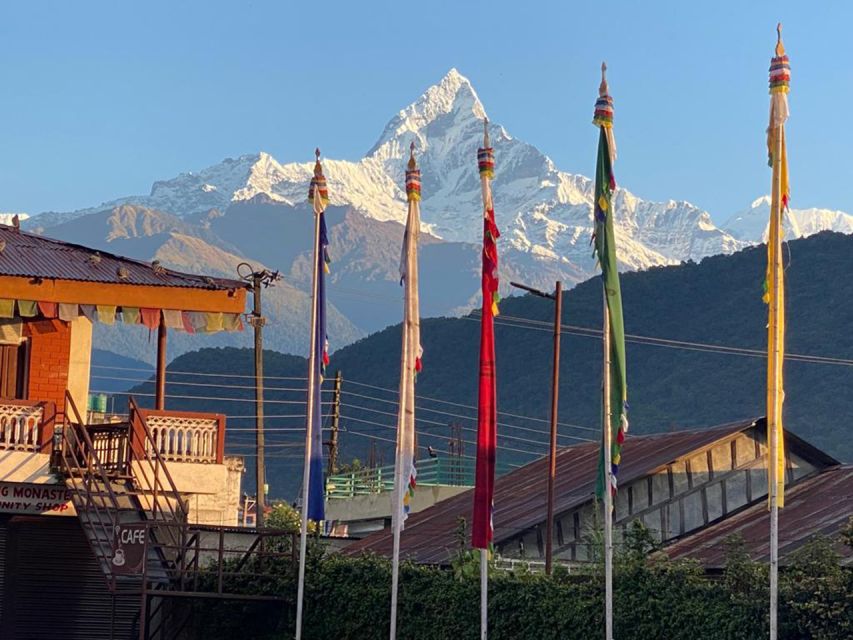
Pokhara offers more than mountain views. This eight-hour tour takes you into two Tibetan refugee settlements, where you can learn about Buddhist practice, handmade carpets, traditional medicine, food, and daily life in Nepal. I especially like the time set aside for real conversation with a monk and a Tibetan doctor, rather than simply stopping for photographs. I also like that the tour includes butter tea, tsampa, momos, and thenthuk, so culture reaches your plate as well as your notebook.
The main point to consider is the pace. You cover several places in one long day, with roughly four hours at Tashiling, one hour at Pema Ts’al Sakya Monastic Institute, and two and a half hours at Hemja. This suits curious adults and older children who enjoy learning, but it is not designed for wheelchair users or children under two. The experience is educational first, sightseeing second.
In This Review
- Key points to know before booking
- Why this Pokhara day tour feels different
- Tashiling: starting with Tibetan settlement life
- Carpets, color, and patient handwork
- Meeting a Tibetan doctor
- Lunch with Tibetan flavors
- Pema Ts’al Sakya Monastic Institute
- The sound of afternoon prayer
- Hemja and tea in a Tibetan home
- What Thupten adds to the day
- Is eight hours the right length?
- Who should book this experience?
- Should you book the Tibetan Cultural Tour?
- FAQ
- How long does the Tibetan Cultural Tour last?
- Where does pickup take place?
- How many people are in the group?
- What language is the tour conducted in?
- What food is included?
- Can I meet a Tibetan doctor?
- Can I speak with a Buddhist monk?
- Is the tour suitable for everyone?
Key points to know before booking
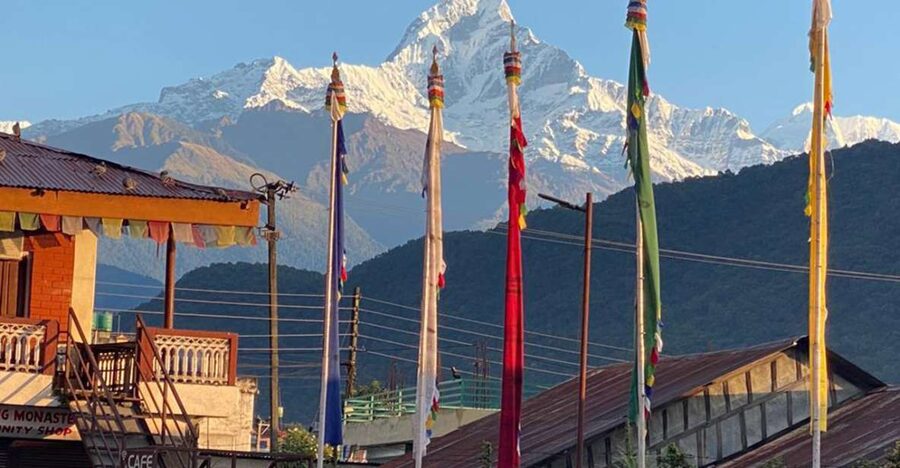
- Two Tibetan settlements: Visit Tashiling and Hemja to see how Tibetan communities have maintained their language, identity, and Buddhist customs in Nepal.
- A real conversation with a monk: Ask about monastic studies, prayer, daily work, and life inside the monastery.
- Afternoon chanting: Hear group prayer with monks and the instruments used during the ceremony.
- Carpets made by hand: See the work in a Tibetan carpet workshop before browsing designs in the showroom.
- Traditional medicine: Meet a Tibetan doctor, ask questions, and receive a pulse reading as part of the visit.
- Food with a local connection: Eat Tibetan momos and thenthuk, then visit a family home for salted butter tea, tsampa, and Tibetan bread.
Why this Pokhara day tour feels different
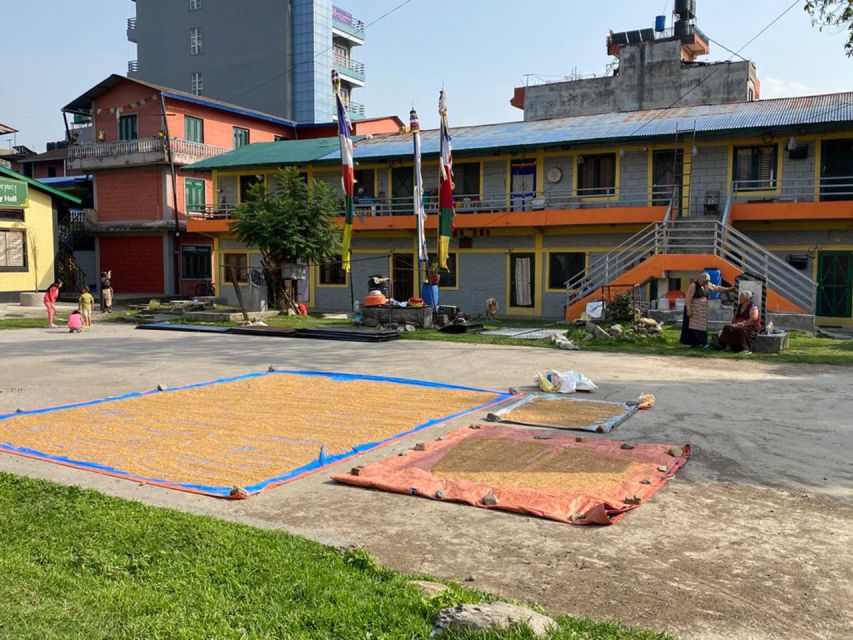
Many cultural outings near Pokhara are brief stops between larger sights. This one gives you time to ask questions and connect several parts of Tibetan life. You learn about religion, exile, work, food, medicine, and education in a single day.
The guide, Mr. Thupten Gyatso, is a Tibetan native with a personal connection to the culture he presents. His role matters here. He explains Buddhist signs and customs, translates the setting for you, and helps conversations with monks, families, and medical practitioners feel more useful than a quick photo opportunity.
The tour has a maximum of eight participants. That small size is a practical advantage because the day includes conversation. A large group would make it harder to hear a monk, ask a doctor about pulse reading, or gather around a carpet maker without getting in the way.
The tour costs $82 per person. That is not the cheapest way to spend a day in Pokhara, but the price includes a guide, lakeside pickup and return, food, drinks, the medical consultation, monastery visits, the carpet workshop and showroom, and the family tea stop. For someone who wants a guided cultural day rather than separate taxi rides and visits, the package offers solid value.
More history tours in Pokhara:
- Full-Day Tibetan Cultural Tour to Tibetan Settlements Pokhara
★ 5.0 · 184 reviews - Afternoon Tibetan Cultural Tour to Tibetan Settlements Pokhara
★ 5.0 · 106 reviews - Morning Tibetan cultural tour to Tibetan settlements Pokhara
★ 5.0 · 66 reviews
Tashiling: starting with Tibetan settlement life
Pickup is available around Pokhara’s Lakeside area, which keeps the morning simple if you are staying in the main tourist district. Hotels outside Lakeside may require an extra transportation fee, so check your location before booking.
The first major stop is Tashiling Tibetan settlement. You have about four hours here, including a guided walk, sightseeing, food tasting, drinks, and lunch. That long block gives the settlement room to be more than a passing stop.
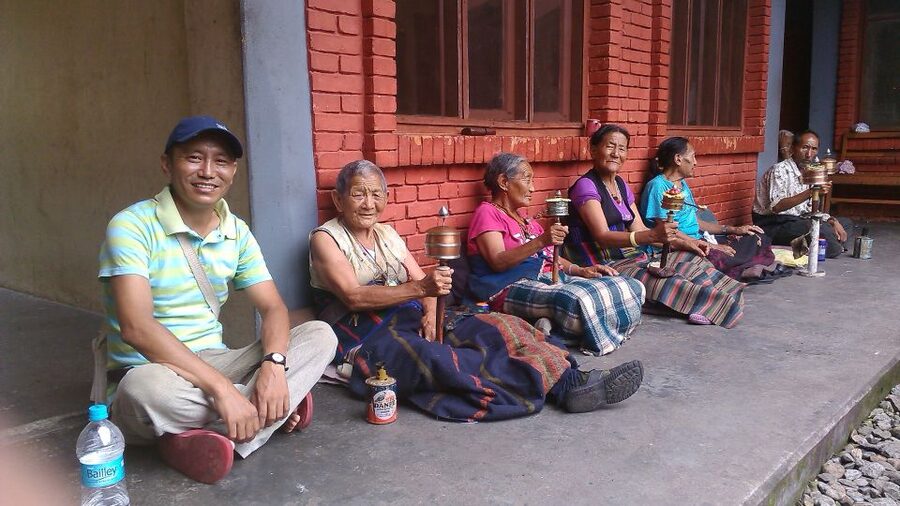
You begin learning how Tibetan people have kept their culture alive in Nepal after leaving Tibet. The focus is not only on religion. Language, family life, community identity, education, and work all help explain how a displaced population builds a home while preserving older customs.
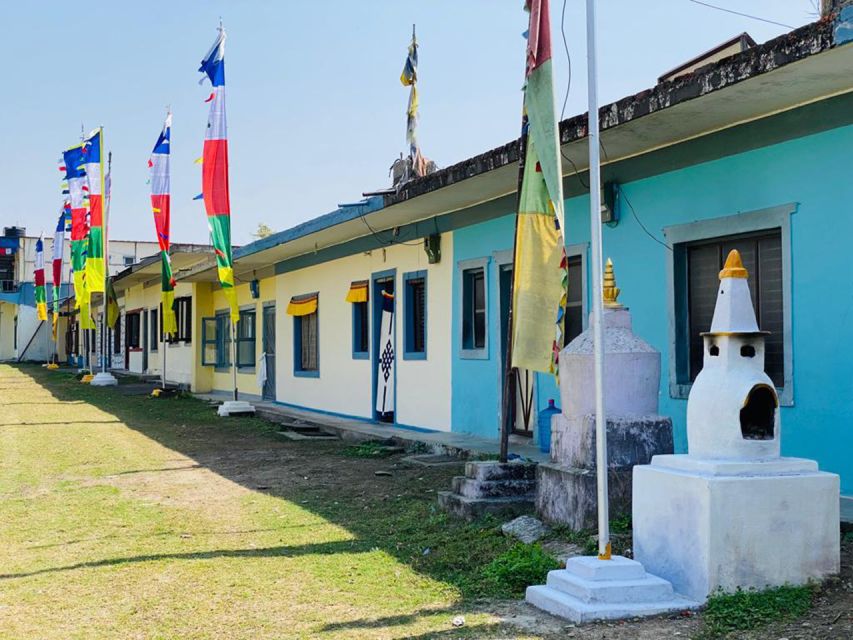
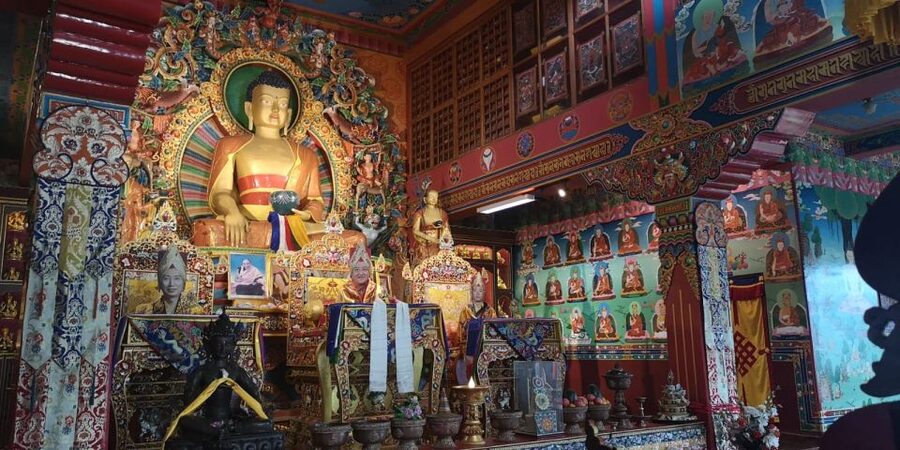
At a Buddhist monastery, Thupten explains the signs you see around you. Prayer wheels, prayer flags, stupas, and other symbols are not just decorative details for photographs. They connect ordinary daily actions with Buddhist practice. If you have seen these symbols around Nepal but never understood them, this is one of the most useful parts of the day.
You will also visit a photo gallery covering the early Tibetan refugee settlements and the Dalai Lama’s journey in exile in India. This historical material gives context to the community you are visiting. The people living in these settlements are not simply part of a scenic cultural display. Their communities grew from displacement, adaptation, and a long effort to preserve identity.
Carpets, color, and patient handwork
The carpet visit gives the day a practical side. At the workshop, you can see how Tibetan carpets are made by hand, with Thupten explaining the stages of production. The work offers a clear example of how cultural tradition also supports livelihoods.
After the workshop, you visit a carpet showroom. The designs and colors vary, and the showroom lets you look at finished pieces after seeing the labor behind them. I find this order helpful. A carpet can seem like a simple souvenir when you only see it on a shop wall. Seeing the workshop first gives you a better sense of the time and skill involved.
You should treat the showroom as a chance to learn and browse, not as an obligation to buy. The supplied information does not promise that purchases are included, so any carpet purchase would be separate from the tour price.
Meeting a Tibetan doctor
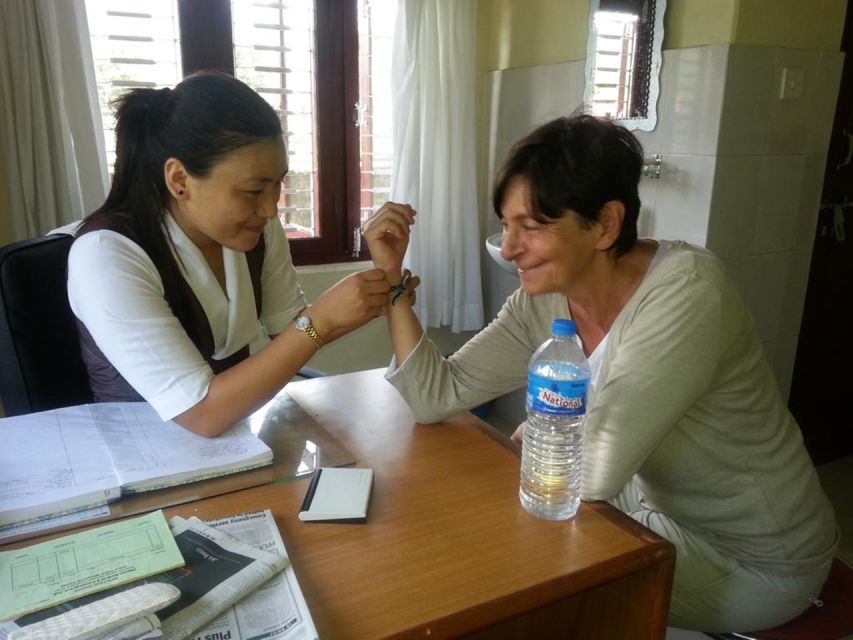
Another unusual stop is a Tibetan medical center. You meet a Tibetan doctor and learn about the medical system, diagnosis, and treatment methods. The consultation includes pulse reading, which gives you a direct introduction to the way the doctor assesses a patient.
This can be one of the most memorable parts of the day because it turns a broad cultural subject into a personal exchange. You can ask questions about the system rather than simply hearing a short talk. The doctor’s consultation is included, but medicines are not. If you decide to buy any, you pay separately.
Keep your expectations sensible. This is a cultural introduction to Tibetan medicine, not a replacement for medical care from your regular doctor. The value is in understanding a tradition and hearing how diagnosis works within it.
A short list of alternatives around Pokhara
- ZipFlyer Nepal – The World’s Steepest Zip-line
★ 5.0 · 608 reviews - Bungee Pokhara by HighGround Adventures
★ 5.0 · 366 reviews - From Pokhara: Sarangkot Sunrise Himalayas Tour
★ 4.7 · 218 reviews - ATV Adventure Tour in Pokhara, Nepal
★ 5.0 · 194 reviews
Lunch with Tibetan flavors
Food is built into the experience at Tashiling. Lunch is served at a Tibetan restaurant, with vegetarian and non-vegetarian choices. You can expect Tibetan momos and thenthuk, a hearty soup made with freshly kneaded dough, meat, and vegetables.
Thenthuk is especially useful for understanding Tibetan cooking. It is simple, filling food suited to a cool highland culture, with hand-shaped dough and a warm broth. Thupten explains the dishes and helps connect the meal to Tibetan life.
Drinks listed for the day include mineral water, fresh juice, tea, and coffee. The meal is not just a break between stops. It is one of the ways the tour moves from facts about Tibetan culture to a direct sensory experience.
Pema Ts’al Sakya Monastic Institute
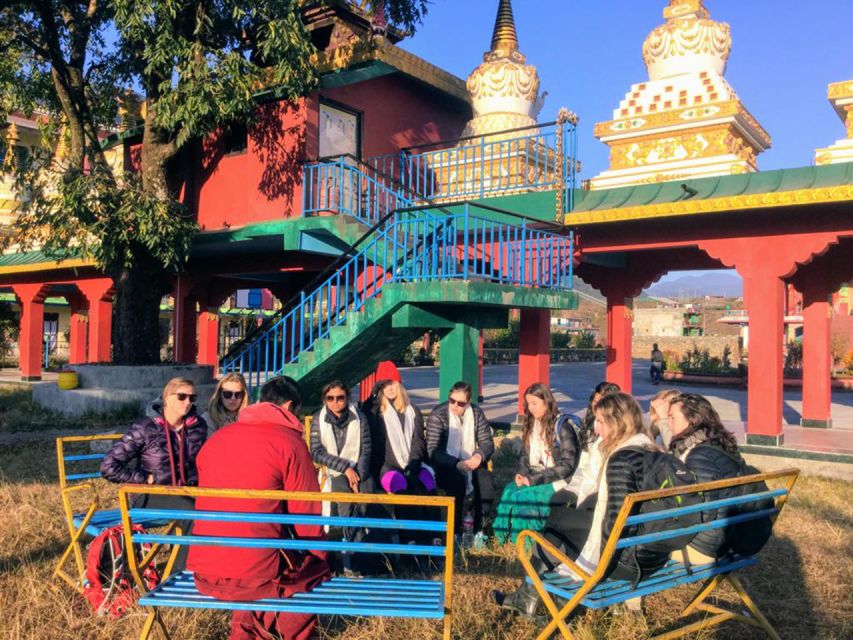
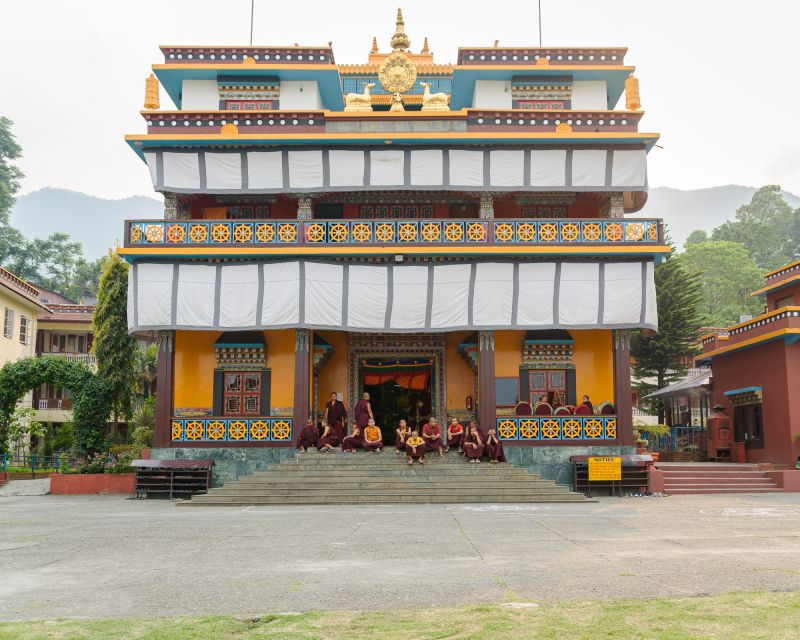
The next stop is Pema Ts’al Sakya Monastic Institute, with about an hour for guided sightseeing and photographs. This visit focuses on monastic life, Buddhist education, and the place of study in the community.
You can speak with a young Buddhist monk and ask about his studies, daily activities, and life inside the monastery. That conversation is a major strength of the tour. Instead of looking at monks from a distance, you get a chance to ask ordinary questions and gain a clearer idea of how monastic life is organized.
The conversation also helps balance the more formal parts of the visit. Buddhist symbols and ceremonies can feel difficult to interpret when you are seeing them for the first time. A monk’s explanation, alongside Thupten’s guidance, makes the setting easier to understand.
The sound of afternoon prayer
The tour includes afternoon group prayer chanting with monks. You hear the voices of the group along with the different instruments used in the ceremony. The sound is likely to be the most powerful part of the day, not because it is staged for entertainment, but because you are present during a regular religious practice.
You should approach this respectfully. Listen, observe, and follow the guide’s instructions about where to sit or stand. Photography may be part of the visit, but the prayer itself should remain the focus.
The ceremony gives meaning to what you learned earlier about prayer wheels, flags, stupas, and other Buddhist symbols. The religion is no longer only something you identify on a building or sign. You see and hear how it fits into the community’s daily rhythm.
Hemja and tea in a Tibetan home
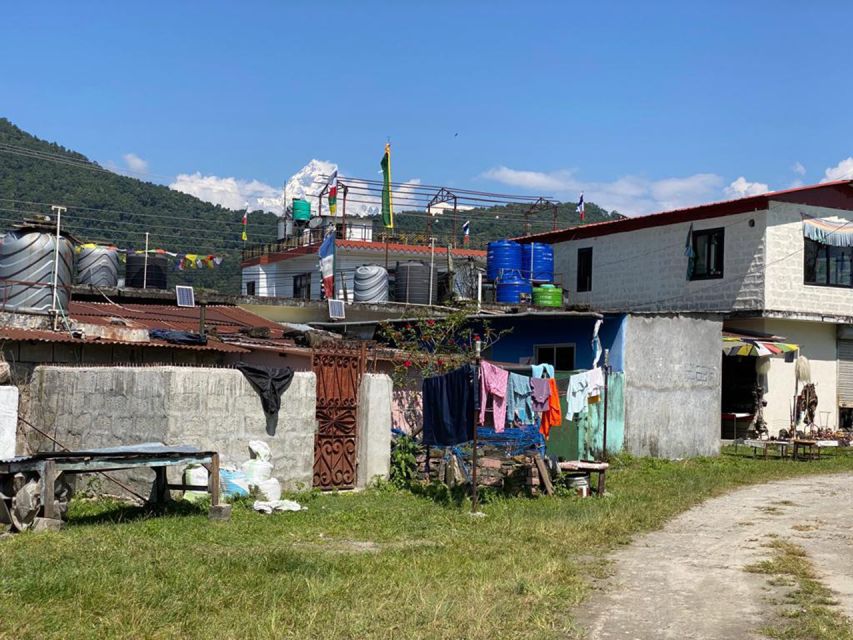
The final settlement is the Tibetan refugee camp at Hemja. The visit lasts about two and a half hours and includes a guided walk, local snacks, tea, and brunch-style food tasting.
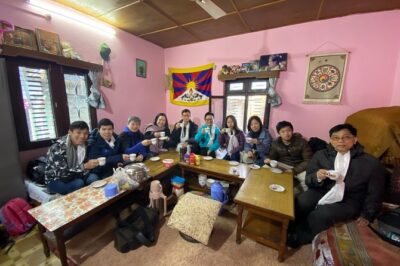
The most personal part is the visit to a local Tibetan family home. You taste salted butter tea, tsampa, and Tibetan bread served with honey, butter, and peanut butter. Tsampa is roasted barley flour, and preparing or tasting it gives you a small hands-on connection to Tibetan food traditions.
Salted butter tea may surprise you if you expect a sweet afternoon drink. It is savory and distinctive, so try it with an open mind. You do not need to love it for the experience to be worthwhile. Food preferences are part of cultural travel, and this is a chance to taste something you are unlikely to find in a standard Pokhara café.
The family visit also brings the day back to ordinary life. After monasteries, history, medicine, and crafts, you see how Tibetan customs appear in a home setting. That is a useful ending because it shows culture as something lived, not only displayed.
What Thupten adds to the day
The guide is central to the experience. Thupten speaks English and is praised for clear explanations, careful attention, and his ability to answer questions without making the day feel like a lecture. His Tibetan background gives the tour a personal voice.
You can expect him to explain the refugee settlements, Buddhist customs, Tibetan food, carpets, medicine, and monastic life. He also helps create respectful contact with the people you meet. That is important in a tour built around communities rather than monuments.
The strongest reports about this experience focus on Thupten’s ability to connect the stops. Without a good guide, the day could become a string of unrelated visits. With him, the monastery, photo gallery, workshop, medical center, meal, prayer, and family home form a clearer picture of Tibetan life in Nepal.
Is eight hours the right length?
The full day lasts eight hours, which is long enough to cover substantial ground but demanding if you prefer a slow schedule. The itinerary includes travel between locations, walking, conversation, meals, and several visits. You should reserve it for a day when you have the energy to stay engaged.
The four-hour Tashiling portion is the longest. That allows time for settlement history, a monastery, carpets, the photo gallery, the medical center, and lunch. Pema Ts’al then concentrates on monastic life and prayer, while Hemja finishes with food and family contact.
The schedule is well suited to someone who wants a focused cultural day. It is less suited to someone mainly looking for open time, mountain views, or a short introduction before lunch.
Pickup and drop-off are free around Lakeside. If your hotel is elsewhere, an extra vehicle fee may apply depending on its location. This is worth checking before you commit, since the convenience of included transport is part of the tour’s value.
Who should book this experience?
I would recommend it most strongly to you if you want to understand Tibetan culture rather than simply photograph Buddhist buildings. It is a good fit for solo visitors, couples, and small groups who enjoy asking questions and trying unfamiliar food.
It also works well for people who want a human story alongside Pokhara’s natural attractions. The refugee history, photo gallery, family visit, and conversations with a doctor and monk provide context that you will not get from a standard sightseeing loop.
You should think twice if you dislike long days, group schedules, or unfamiliar dishes. The tour includes walking and several stops, and the food and tea are part of the experience rather than optional decoration. It is also not suitable for wheelchair users or children under two.
The tour is offered in English, and the group is limited to eight participants. You can cancel up to 24 hours before departure for a full refund, and reserve now while paying later. Those terms make it easier to fit the day into a changing Pokhara schedule.
Should you book the Tibetan Cultural Tour?
Book it if you want a thoughtful, people-centered day near Pokhara. The strongest reasons are the access to two Tibetan settlements, the afternoon prayer, the open conversation with a monk, the pulse reading with a Tibetan doctor, and the food served in a restaurant and family home.
At $82, the tour earns its price through the number of included visits and the presence of Thupten Gyatso. You are paying for interpretation, transport around Lakeside, meals, drinks, and access to places that would be difficult to connect on your own.
Skip it if you want a relaxed sightseeing day with little explanation. This tour asks you to listen, question, taste, and pay attention. For the right person, that is exactly what makes it worthwhile.
FAQ
How long does the Tibetan Cultural Tour last?
The tour lasts eight hours, including pickup from Lakeside, visits to the settlements and monasteries, meals, cultural activities, and return to Lakeside.
Where does pickup take place?
Pickup and drop-off are included for hotels around Pokhara’s Lakeside area. An additional transportation fee may apply if your hotel is outside Lakeside, depending on its location.
How many people are in the group?
The tour is limited to eight participants, making it a small-group experience.
What language is the tour conducted in?
The live tour guide speaks English.
What food is included?
The tour includes a Tibetan lunch with vegetarian and non-vegetarian options, including momos and thenthuk. At a local Tibetan family home, you can taste salted butter tea, tsampa, and Tibetan bread with honey, butter, and peanut butter.
Can I meet a Tibetan doctor?
Yes. The tour includes a visit to a Tibetan medical center, a conversation with a Tibetan doctor, and a consultation including pulse reading. Medicines are available for separate purchase if you are interested.
Can I speak with a Buddhist monk?
Yes. You can interact with a young Buddhist monk and ask about monastic studies, daily activities, and life in the monastery.
Is the tour suitable for everyone?
The tour is not suitable for wheelchair users or children under two. It is best for people interested in Tibetan culture, religion, history, traditions, and the lives of Tibetan people living in Nepal.
New in the Pokhara listings
- Pokhara: Pokhara Highlights Tour by Bus★ 3.6 · 10 reviews
- Discover Pokhara in Style: Private Vehicle Service with Driver★ 5.0 · 5 reviews
- Multi-Day Tour from Pokhara, Poon Hill and Mulde Trek★ 5.0 · 1 review
- Pokhara in 5 Hours: Lake, Museum, Cave, Falls & Pagoda Hill★ 4.5 · 16 reviews
- Private 4 Day Poon Hill Trek from Pokhara★ 5.0 · 16 reviews
- 4 Day Mardi Himal Base Camp Trek from Pokhara★ 5.0 · 18 reviews
- From Pokhara Full Day Entire Pokhara Tour with Guide★ 5.0 · 1 review
- Ultralight Flight: Into The Heart Of The Mountains (90 min)★ 5.0 · 1 review
Historical Tours, compared.
Private Kathmandu Sightseeing Tour | UNESCO World Heritage sites
Read our review →
Full-Day Tibetan Cultural Tour to Tibetan Settlements Pokhara
Read our review →
Kathmandu Private Sightseeing Tour | UNESCO World Heritage Sites
Read our review →
Afternoon Tibetan Cultural Tour to Tibetan Settlements Pokhara
Read our review →
Full Day Private Top 4 UNESCO Heritage Tour W/Lunch.
Read our review →
Nagarkot Sunrise & Bhaktapur UNESCO Heritage Private Tour
Read our review →Browse the lists this tour appears in