
REVIEW · HISTORICAL TOURS
Half Day Tibetan Cultural tour Pokhara
Tibetan life comes alive beyond the prayer flags. This four-and-a-half-hour cultural tour takes you into a Tibetan settlement near Pokhara, with time for a Buddhist monastery, handwoven carpets, Tibetan medicine, refugee history, and a local meal. I especially like the chance to meet people through their work and daily routines, rather than simply looking at religious buildings from a bus. I also like that Mr. Thupten Gyatso, a Tibetan guide, leads the experience and can explain the culture from a personal community perspective.
The tour offers real substance for the price, $63.52 per person, since hotel transfers, lunch, and several guided visits are included. The main consideration is timing: the stated duration is about four and a half hours, but the schedule runs from 9:00 a.m. to 2:00 p.m. Also, one description says the group is limited to eight, while the additional details allow up to 15 people, so confirm the expected group size when booking.
In This Review
- Key points to know before booking
- Why this Pokhara tour feels different
- Starting at 9:00 a.m. with hotel pickup
- Walking through the Tibetan settlement
- Reading the symbols at a Buddhist monastery
- Watching Tibetan carpets take shape
- Looking at Tibetan refugee history through photographs
- Meeting a Tibetan doctor and trying pulse reading
- Finishing with momos, thukpa, and Tibetan conversation
- What $63.52 gets you
- Who will appreciate this experience most
- My verdict on the Tibetan Cultural Tour in Pokhara
- FAQ
- How long does the Tibetan Cultural Tour in Pokhara last?
- What time does the tour start?
- Is hotel pickup included?
- What places do you visit?
- Is lunch included?
- Are vegetarian and gluten-free meals available?
- What is the cancellation policy?
Key points to know before booking
- Meet Tibetan residents in a settlement: Walk through the village and see how people live and work in Nepal.
- Learn from Mr. Thupten Gyatso: His explanations cover religion, education, refugee life, history, and cultural customs.
- Watch carpets made by hand: See the weaving process in a workshop, then browse finished designs in a showroom.
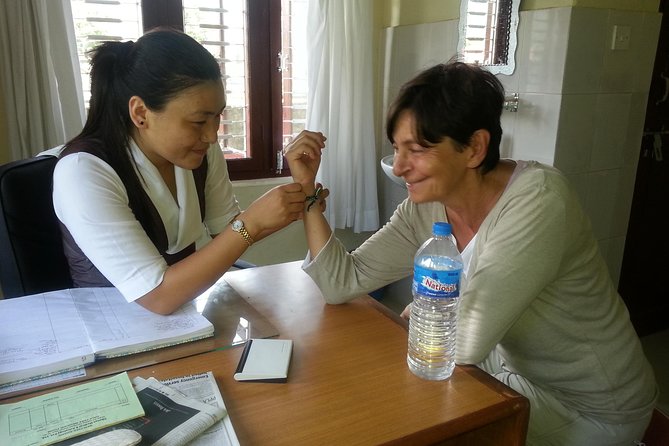
- Try Tibetan medicine: Meet a Tibetan doctor and experience pulse reading firsthand.
- Eat momos and thukpa: A traditional Tibetan lunch gives the tour a welcome taste of everyday culture.
- Allow a full morning and early afternoon: Pickup begins around 9:00 a.m., with return scheduled for about 2:00 p.m.
Why this Pokhara tour feels different
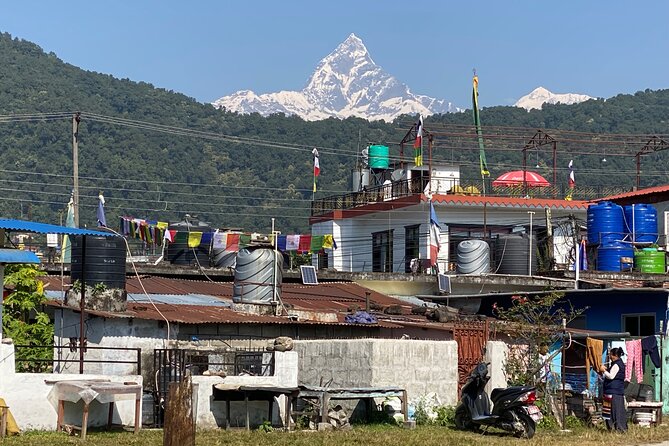
Pokhara is best known for mountain views, boating on Phewa Lake, and adventure activities. Those are good reasons to visit, but they can leave you with only a shallow sense of the people who call the city home. This tour takes you into a Tibetan settlement and gives you several ways to understand the community.
You are not simply shown a monastery and sent on your way. You walk through the village, observe ordinary routines, and visit places connected with work, education, religion, medicine, and food. That range matters. Tibetan culture is not reduced to prayer wheels and colorful flags.
I also appreciate the focus on present-day Tibetan life in Nepal. The tour covers the movement of Tibetans into Nepal after the Chinese invasion and helps explain how refugee communities have built schools, businesses, religious centers, and cultural institutions. The photo gallery adds a visual record to those conversations.
The guide makes a major difference here. Mr. Thupten Gyatso is described as a Tibetan community member with strong knowledge of Tibetan culture and Buddhism. His role is not only to point out objects, but to explain what they mean and why they remain part of daily life.
More history tours in Pokhara:
- Full-Day Tibetan Cultural Tour to Tibetan Settlements Pokhara
★ 5.0 · 184 reviews - Afternoon Tibetan Cultural Tour to Tibetan Settlements Pokhara
★ 5.0 · 106 reviews - Morning Tibetan cultural tour to Tibetan settlements Pokhara
★ 5.0 · 66 reviews
Starting at 9:00 a.m. with hotel pickup
The tour begins at 9:00 a.m., and hotel transfers are included. That is useful in Pokhara, where your accommodation may be in the Lakeside area or elsewhere in the city. You do not need to arrange separate transport to the settlement, though you should provide your hotel details when booking.
The schedule says the return is around 2:00 p.m. That creates a five-hour window, even though the tour is also described as lasting approximately four hours and 30 minutes. I would keep the rest of your afternoon flexible rather than booking a flight, bus, or fixed appointment immediately afterward.
A small group should make the walking and conversations easier. The tour is described in one place as having a maximum of eight people, while the additional information gives a maximum of 15. If a quieter experience matters to you, ask which group limit applies on your date.
Most people can take part, and the tour involves walking around the settlement. The supplied details do not give a distance or terrain description, so ask the operator if you have mobility concerns.
Walking through the Tibetan settlement
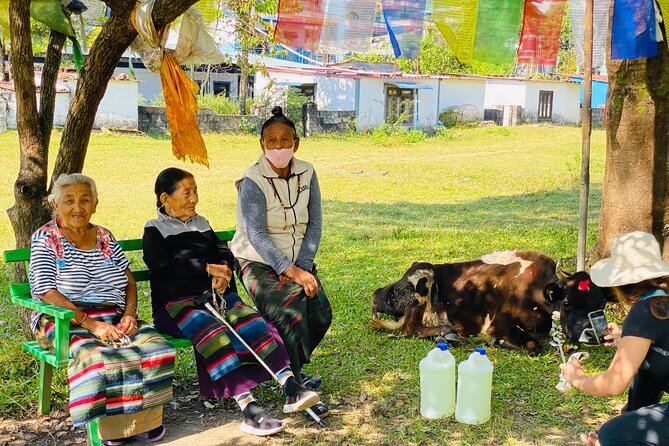
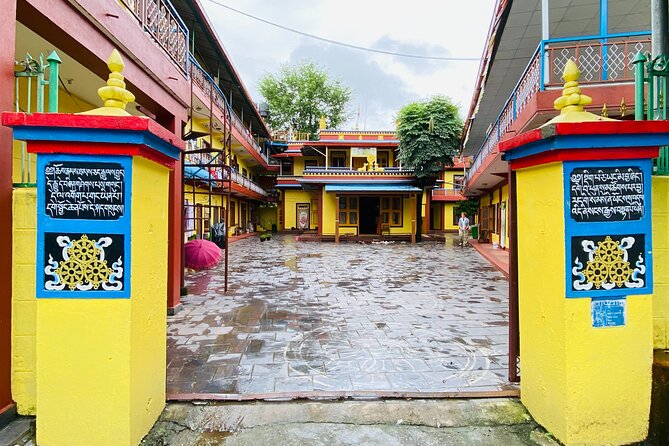
The first important part of the morning is the settlement itself. You walk around the village and see how residents live their daily lives. This is the point where the tour shifts from a cultural presentation to a more direct look at a living community.
You should approach this section with respect. The settlement is not a stage set, and the value comes from listening and observing without treating homes and workplaces as curiosities. Your guide can help explain what you are seeing and provide context for the community’s place in Nepal.
The tour also discusses Tibetan schools and education. This is a useful addition because schools reveal how a displaced community maintains language, religion, and identity across generations. You can learn how Tibetan children are educated and how cultural teaching fits into school life.
This part may appeal especially to families, students, and anyone interested in migration or community life. It gives you more to think about than a quick stop for photographs.
Reading the symbols at a Buddhist monastery
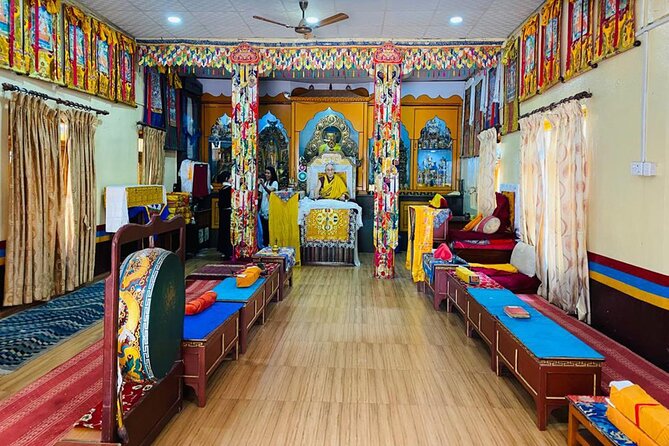
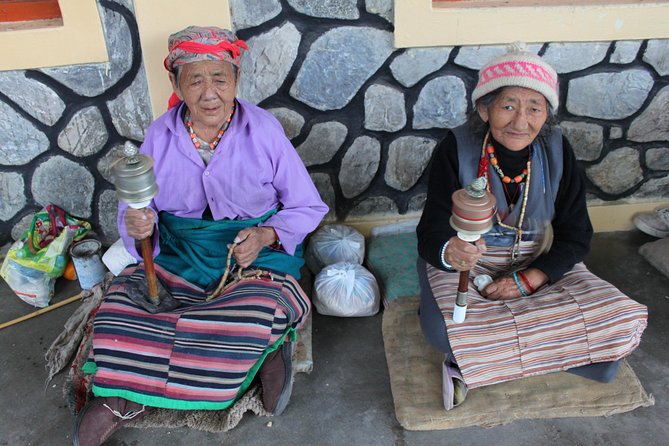
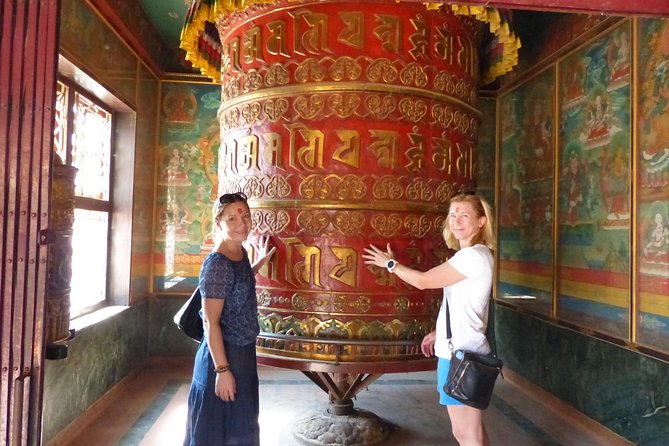
The monastery visit introduces Tibetan Buddhist practice through objects and symbols you may have already seen around Nepal. Prayer wheels, prayer flags, stupas, and other signs are explained in terms of their religious meaning and place in everyday life.
I like this approach because these objects can be easy to admire without understanding. A prayer wheel is not just a colorful cylinder, and prayer flags are not merely decoration. The guide explains why they matter and how they connect with Buddhist practice.
You should expect the monastery to be a place for quiet attention. Dress respectfully and follow instructions about where to walk, what to touch, and when photography is appropriate. The provided information does not specify a dress code or photography policy, so asking your guide is the sensible choice.
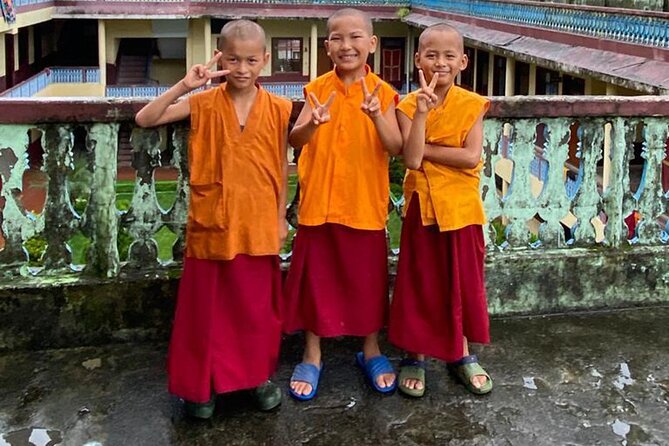
The visit is also a good time to ask questions. The tour has been praised for giving people room to discuss Tibetan Buddhism at length, and one experience included a long conversation with a young monk. That kind of exchange can make the religious material easier to understand.
A short list of alternatives around Pokhara
- ZipFlyer Nepal – The World’s Steepest Zip-line
★ 5.0 · 608 reviews - Bungee Pokhara by HighGround Adventures
★ 5.0 · 366 reviews - From Pokhara: Sarangkot Sunrise Himalayas Tour
★ 4.7 · 218 reviews - ATV Adventure Tour in Pokhara, Nepal
★ 5.0 · 194 reviews
Watching Tibetan carpets take shape
The carpet workshop is one of the tour’s most concrete stops. You see Tibetan carpets being made by hand and learn about the process step by step. Mr. Thupten explains how the work is done, turning the visit into a lesson in craft rather than a simple shopping stop.
Hand weaving takes time and concentration. Watching the process helps you understand why these carpets have value beyond their patterns and colors. You may also get a chance to try some of the rug-making work yourself, depending on the group and the day.
After the workshop, you visit a carpet showroom. It gives you a chance to see finished carpets with different designs and colors. This can be enjoyable even if you have no intention of buying one, since the showroom lets you compare the finished product with the work in progress.
The practical point is to separate the cultural visit from the purchasing decision. The showroom is part of the scheduled experience, but you are not required to buy anything. If you are interested in purchasing, ask about prices, materials, shipping, and care before making a decision.
Looking at Tibetan refugee history through photographs
The photo gallery provides another way to understand the Tibetan experience in Nepal. Photographs can show journeys, settlement life, religious practice, and changes over time in a way that a short verbal explanation cannot.
This section may be emotionally heavier than the craft workshop or lunch. The tour addresses the history of Tibetan refugees and the circumstances that led people to leave Tibet. It also connects that past with present-day life in Nepal.
I value this stop because it keeps the tour from becoming a collection of pleasant cultural activities. You get to see the pressure behind the community’s existence, as well as the effort involved in preserving traditions away from Tibet.
The exact size and content of the gallery are not specified, so expect a focused visit rather than a large museum. Its value comes from the guide’s explanation and the personal context attached to the images.
Meeting a Tibetan doctor and trying pulse reading
The visit with a Tibetan doctor is one of the most unusual parts of the morning. You learn about Tibetan medicine and have firsthand experience of pulse reading. This is not a standard sightseeing stop, and it gives the tour a practical link to Tibetan ideas about health.
Pulse reading can raise questions about how Tibetan medicine differs from the medical systems you know. Use the opportunity to ask how the doctor interprets the pulse and how Tibetan medicine fits into daily life. The supplied information does not promise a diagnosis, treatment, or medical consultation, so you should treat this as a cultural learning experience.
Several people have singled out this visit as one of the most memorable parts of the tour. That makes sense: it is personal, interactive, and less familiar than seeing a stupa or looking at a carpet.
You may want to allow extra time for conversation here. One small group had ample time to consult with the doctor, while a larger group could have a more limited exchange. This is another reason to confirm the group size if the medical visit is your main interest.
Finishing with momos, thukpa, and Tibetan conversation
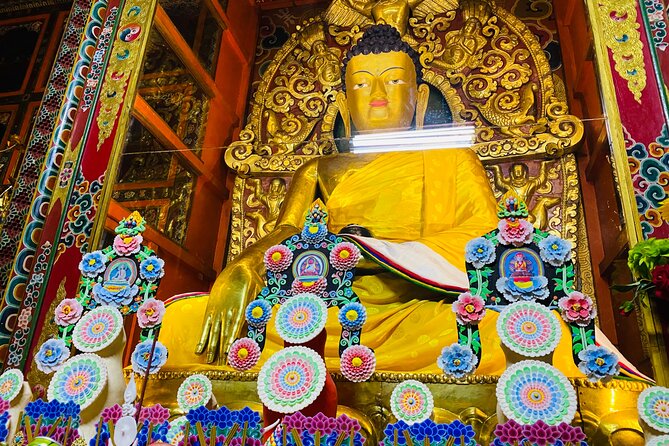
Lunch takes place at a local Tibetan restaurant. The meal includes Tibetan food such as momos and thukpa, giving you a chance to taste dishes that are central to the region’s food culture.
Momos are dumplings, while thukpa is a noodle soup. The meal is not an afterthought. Food gives you a relaxed way to keep talking about what you have seen, and it lets you connect religious and historical topics with ordinary life.
Vegetarian food is available, but you need to request it when booking. Gluten-free food is also offered in the form of plain rice with vegetarian or nonvegetarian curry. If you have dietary needs, mention them early rather than waiting until pickup.
The meal is included in the overall tour price according to the supplied details. A small bottle of water is also included, based on one detailed account, though it is still sensible to carry extra water for the morning.
What $63.52 gets you
At $63.52 per person, this is not the cheapest way to spend a morning in Pokhara. You could visit a monastery or eat lunch for far less by arranging everything yourself. The question is what you value.
Here, the price covers hotel transfers, a guide, several cultural stops, access to a carpet workshop and showroom, a photo gallery, the Tibetan doctor visit, and lunch. You are paying for explanation and access, not just transportation.
I think the price is easier to justify if you want context and conversation. A self-guided visit may show you prayer wheels and carpets, but it will not necessarily explain Tibetan education, refugee life, medicine, and religious symbols in one connected experience.
The value also depends on group size. A group of two or eight allows more questions and more time with the doctor or at the workshop. A group closer to 15 may feel less personal, though it could still work well if Thupten is able to manage the discussion.
The tour is booked, on average, about 86 days ahead. That suggests planning early, especially if you are visiting Pokhara during a busy season or want a specific date. Free cancellation is available if you cancel at least 24 hours before the start time. Cancellations made less than 24 hours ahead are not refunded, and late changes are not accepted.
Who will appreciate this experience most
I would recommend this tour to you if you want to understand Pokhara beyond its scenery. It suits people who enjoy history, religion, crafts, food, and conversations with local residents.
It is particularly useful for:
- First-time visitors who want cultural context in a short period
- People interested in Tibetan Buddhism and refugee communities
- Families with older children who can take part respectfully
- Solo visitors who want a structured cultural experience
- Anyone curious about Tibetan carpets or traditional medicine
- Visitors staying in Pokhara who have one free morning and afternoon
It may be less suitable if you want a fast, photo-focused outing. The strength of the tour is listening and asking questions, so you should be comfortable with discussion and some serious historical material.
You should also consider your food preferences and mobility. Vegetarian and gluten-free options are available, but dietary needs must be given at booking. Walking is part of the settlement visit, and the distance is not specified.
My verdict on the Tibetan Cultural Tour in Pokhara
Book this tour if you want a human and educational side of Pokhara, not another quick stop for photographs. The monastery, carpet workshop, photo gallery, doctor visit, and lunch each show a different part of Tibetan life, while Mr. Thupten Gyatso appears to be the central reason the experience feels personal and well informed.
Before paying, confirm the group size, exact duration, pickup details, and whether your preferred dietary option is recorded. If you want a quiet morning with plenty of questions, a smaller group is worth seeking.
At $63.52, the tour offers good value for a guided half-day that includes transport, food, and several unusual visits. I would choose it for cultural understanding, authentic conversation, and the chance to leave Pokhara knowing more about the Tibetan community that lives there.
FAQ
How long does the Tibetan Cultural Tour in Pokhara last?
The experience is described as approximately four hours and 30 minutes. The stated schedule begins at 9:00 a.m. and returns around 2:00 p.m., so allow up to five hours.
What time does the tour start?
The tour starts at 9:00 a.m.
Is hotel pickup included?
Yes. Hotel transfers are included, and pickup is offered.
What places do you visit?
You visit a Tibetan refugee settlement, a Buddhist monastery, Tibetan schools or educational sites, a carpet workshop, a carpet showroom, a photo gallery, a Tibetan doctor, and a local Tibetan restaurant.
Is lunch included?
Yes. The tour includes an authentic Tibetan lunch at a local Tibetan restaurant. Food may include momos and thukpa.
Are vegetarian and gluten-free meals available?
Yes. A vegetarian option is available if requested at booking. Gluten-free food is also offered, including plain rice with vegetarian or nonvegetarian curry.
What is the cancellation policy?
You can cancel for a full refund if you do so at least 24 hours before the experience starts. Cancellations or changes made less than 24 hours before the start time are not accepted for a refund.
New in the Pokhara listings
- Pokhara: Pokhara Highlights Tour by Bus★ 3.6 · 10 reviews
- Discover Pokhara in Style: Private Vehicle Service with Driver★ 5.0 · 5 reviews
- Multi-Day Tour from Pokhara, Poon Hill and Mulde Trek★ 5.0 · 1 review
- Pokhara in 5 Hours: Lake, Museum, Cave, Falls & Pagoda Hill★ 4.5 · 16 reviews
- Private 4 Day Poon Hill Trek from Pokhara★ 5.0 · 16 reviews
- 4 Day Mardi Himal Base Camp Trek from Pokhara★ 5.0 · 18 reviews
- From Pokhara Full Day Entire Pokhara Tour with Guide★ 5.0 · 1 review
- Ultralight Flight: Into The Heart Of The Mountains (90 min)★ 5.0 · 1 review
Historical Tours, compared.
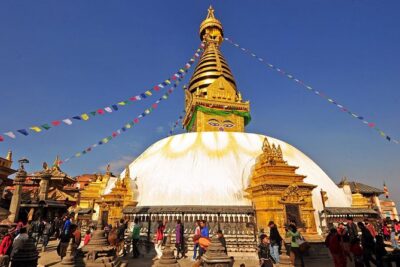
Private Kathmandu Sightseeing Tour | UNESCO World Heritage sites
Read our review →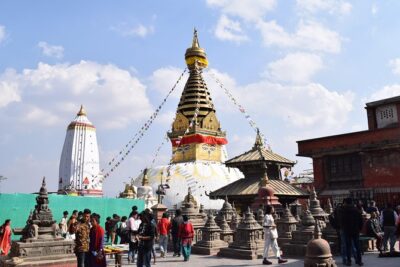
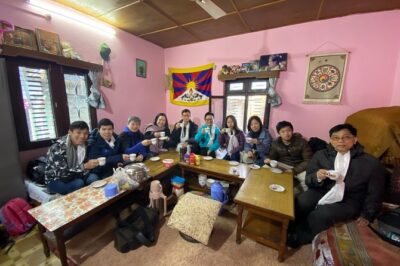
Full-Day Tibetan Cultural Tour to Tibetan Settlements Pokhara
Read our review →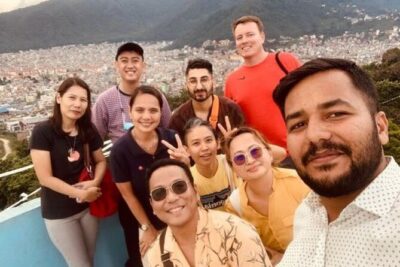
Kathmandu Private Sightseeing Tour | UNESCO World Heritage Sites
Read our review →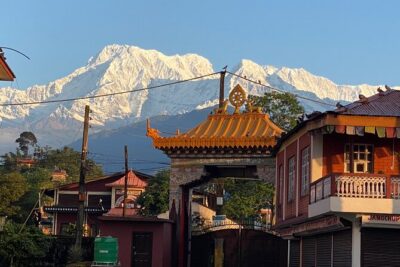
Afternoon Tibetan Cultural Tour to Tibetan Settlements Pokhara
Read our review →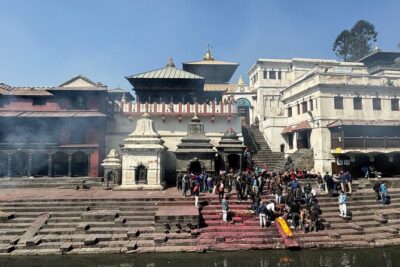
Full Day Private Top 4 UNESCO Heritage Tour W/Lunch.
Read our review →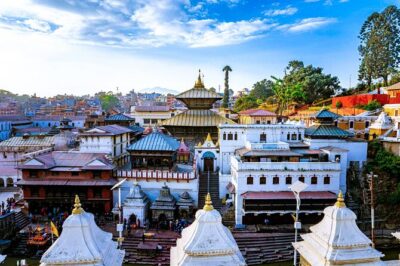
Nagarkot Sunrise & Bhaktapur UNESCO Heritage Private Tour
Read our review →Browse the lists this tour appears in