
REVIEW · HISTORICAL TOURS
Half day Tibetan cultural tour
Pokhara has a Tibetan story worth hearing. I like the way this half-day outing moves beyond sightseeing, taking you into a refugee settlement where Tibetan language, Buddhist practice, schools, medicine, and food remain part of daily life. I also like that Mr. Thupten Gyatso, a Tibetan guide rooted in the area, leads the experience and helps connect each stop to real people and traditions.
The main consideration is time. In 4.5 hours, you cover a lot: a settlement, monastery, school system, carpet workshop, showroom, photo gallery, medical center, and lunch. That makes the tour efficient, but you should expect a full schedule rather than a slow, unhurried visit. Pickup is included only around Lakeside, and hotels elsewhere may cost extra for transport.
In This Review
- Key points to know before you book
- Why this half-day tour adds something different to Pokhara
- Starting from Lakeside and reaching the settlement
- Tashiling Tibetan settlement and the story of life in exile
- Monastery symbols that appear in everyday life
- Tibetan schools and the work of preserving language
- Watching carpets take shape by hand
- A Tibetan medical center and consultation
- Lunch with momos and thenthuk
- The guide makes the difference
- What the $61 price includes
- Who should book this experience
- Should you book the Tibetan Cultural Tour?
- FAQ
- Where does the Tibetan cultural tour start?
- Where does the tour end?
- How long does the tour last?
- What language is the tour conducted in?
- How many people can join the tour?
- Is lunch included?
- Does the tour include a medical consultation?
- Is transportation included for hotels outside Lakeside?
Key points to know before you book
- Meet Tibetan life near Pokhara: Visit one of the Tibetan refugee settlements around the Pokhara valley and learn how people have preserved their identity in Nepal.
- Understand Buddhist symbols: See prayer wheels, prayer flags, stupas, and a monastery while learning what these objects mean in everyday practice.
- See carpets made by hand: Watch the carpet-making process, then visit a showroom with Tibetan designs and colors.
- Talk with a Tibetan doctor: Learn the basics of traditional Tibetan medicine and receive a consultation.
- Finish with local food: Taste Tibetan momos and thenthuk, a soup made with freshly kneaded dough, meat, and vegetables.
- Keep the group small: The tour is limited to eight participants, which should make questions and conversation easier.
Why this half-day tour adds something different to Pokhara
Pokhara is often treated as a base for mountain views, boating, and trekking preparations. Those are good reasons to stay here, but they do not tell you much about the Tibetan communities living around the valley. This tour fills that gap with a compact cultural program.
I like the focus. You are not simply shown a monastery and sent on your way. The visit links religious objects to daily habits, schools to cultural survival, carpets to local work, and a medical consultation to Tibetan ideas about health. The result is a more useful picture of Tibetan life in Nepal.
The tour also gives you a chance to listen. Tibetan refugees in Nepal have worked to preserve their language, religion, and customs while living outside Tibet for many years. The photo gallery, school visit, and settlement tour help explain that effort without reducing it to a quick history lesson.
At $61 per person, the price is not the cheapest way to spend a morning or afternoon in Pokhara. It becomes more reasonable when you add the guide, transport around Lakeside, several guided visits, drinks, a medical consultation, and lunch. You are paying for access and explanation, not just a vehicle ride between sights.
More history tours in Pokhara:
- Full-Day Tibetan Cultural Tour to Tibetan Settlements Pokhara
★ 5.0 · 184 reviews - Afternoon Tibetan Cultural Tour to Tibetan Settlements Pokhara
★ 5.0 · 106 reviews - Morning Tibetan cultural tour to Tibetan settlements Pokhara
★ 5.0 · 66 reviews
Starting from Lakeside and reaching the settlement
Pickup and drop-off are provided for hotels in the Lakeside area. That is useful because you do not need to arrange a taxi for the main part of the trip. If you stay outside Lakeside, ask about the extra transport fee before booking, since the amount depends on your hotel location.
The tour lasts about 4.5 hours, with starting times subject to availability. That makes it a practical choice if you have another activity planned in Pokhara later in the day. Still, I would avoid putting a major appointment immediately afterward. The program includes several stops, food, conversation, and walking, so a little flexibility will make the outing more pleasant.
The group limit is eight people. That matters here. Cultural visits work better when you can ask questions without competing with a busload of people. A small group also makes the visit feel less like a performance and more like a guided introduction.
Tashiling Tibetan settlement and the story of life in exile
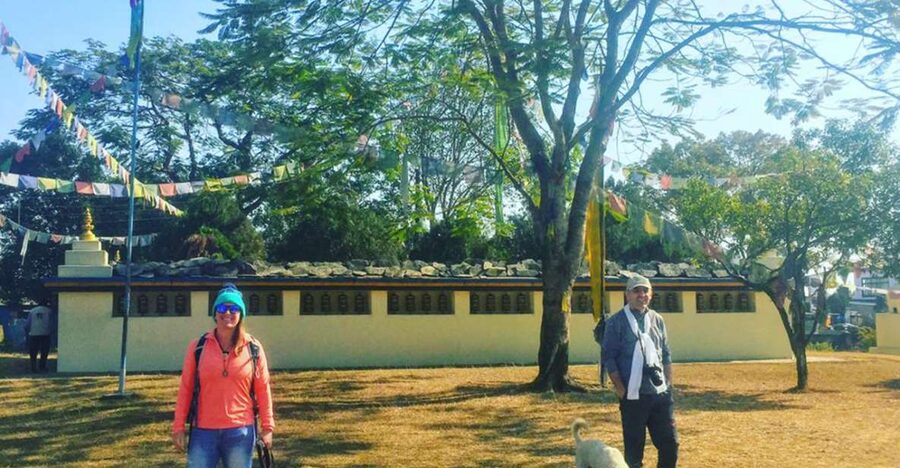
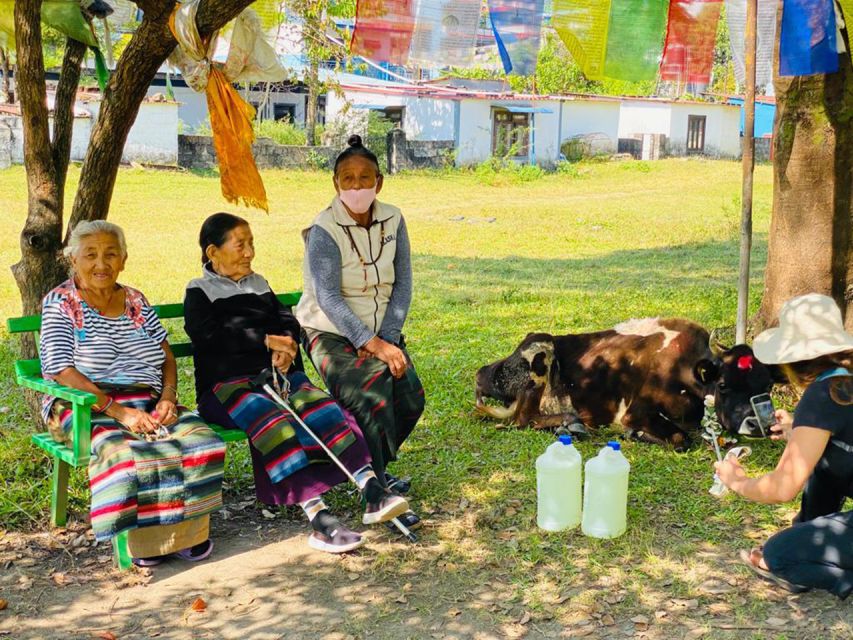
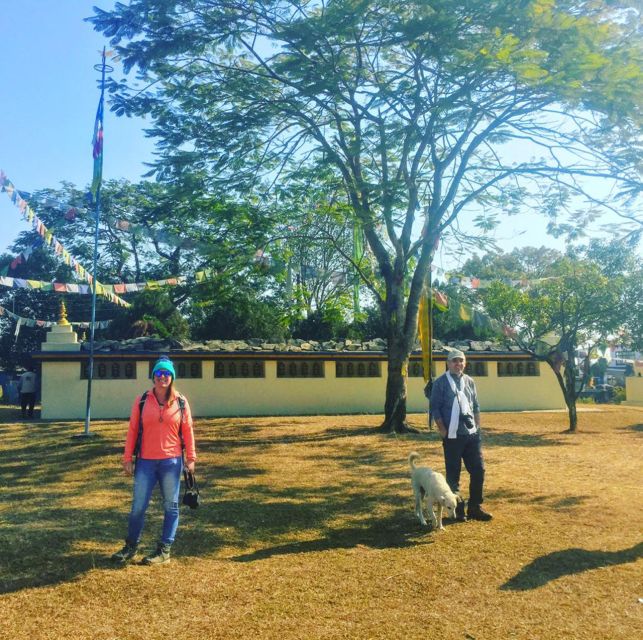
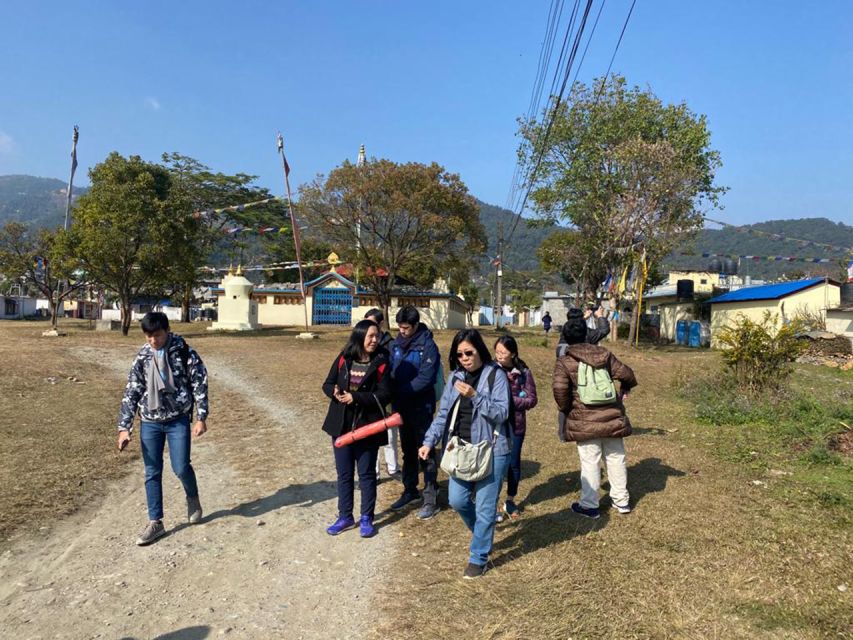
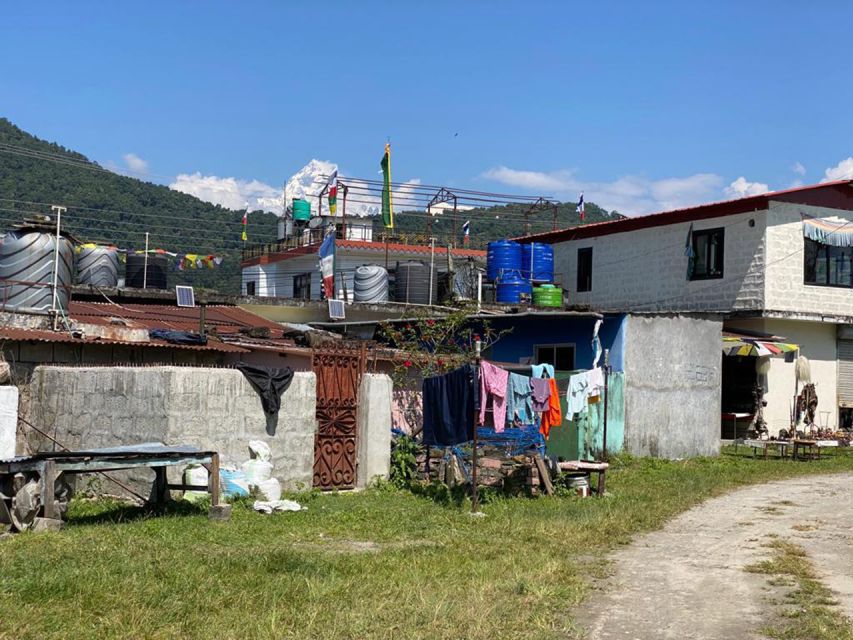
The main visit takes place at Tashiling Tibetan settlement, one of the Tibetan communities around Pokhara. Here you learn how Tibetan people live in Nepal and how they have maintained language, identity, and Buddhist customs.
The value of this stop is human rather than visual. You are given a chance to understand the settlement as a living community, not just a photo stop. The program includes time for walking, sightseeing, photography, and conversation, so you should expect to move through the area while Mr. Thupten explains what you are seeing.
The settlement visit also provides context for the later stops. A prayer wheel makes more sense after you understand the religious setting around it. A Tibetan school becomes more meaningful when you know that language and cultural education help preserve identity across generations.
The tour includes a photo gallery with images from the early 1960s, showing the settlement’s early years. These photographs help put faces and places to the refugee story. I find this especially useful for anyone who knows little about Tibetan communities in Nepal. It turns an abstract political subject into a story about homes, education, work, and cultural continuity.
You should approach this part with respect. This is not a staged attraction built only for sightseeing. The tour is designed around learning from a community that has worked to maintain its traditions far from Tibet.
Monastery symbols that appear in everyday life
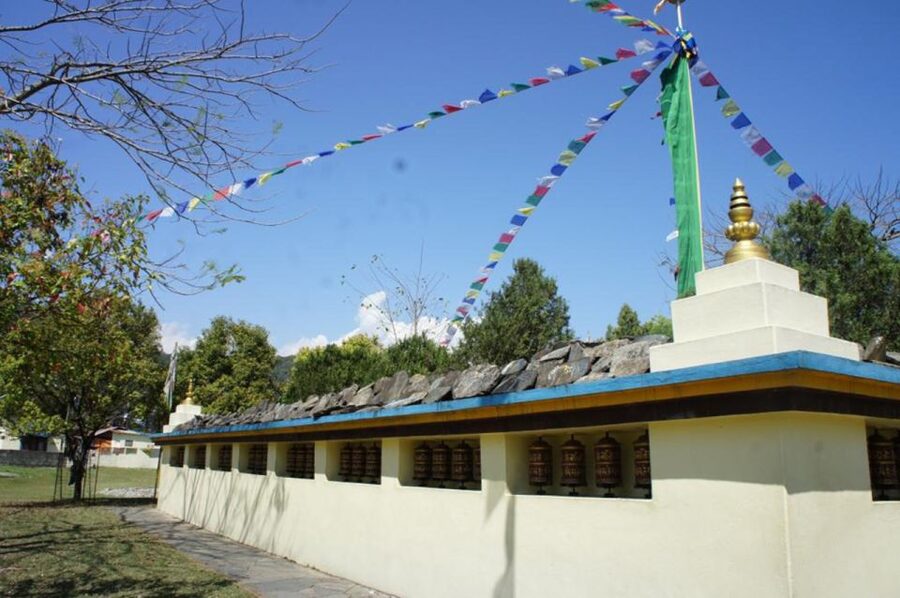
The monastery visit focuses on Buddhist signs and symbols. You learn about prayer wheels, prayer flags, stupas, and other objects that are easy to see but easy to misunderstand if nobody explains them.
This is one of the strongest parts of the program for first-time visitors. A prayer flag can look decorative, and a stupa can seem like a simple monument. With an explanation, you begin to understand their religious purpose and their place in ordinary life.
The visit also includes information about monks and monastic life. The emphasis is educational rather than theatrical. You are there to learn how Buddhist practice connects with the wider community, not simply to take a few photographs inside a religious building.
I recommend keeping your attention on the guide during this stop. The details are the point. The buildings and objects may be familiar to anyone who has seen Buddhist sites in Nepal, but the meanings will not always be obvious from appearance alone.
A short list of alternatives around Pokhara
- ZipFlyer Nepal – The World’s Steepest Zip-line
★ 5.0 · 608 reviews - Bungee Pokhara by HighGround Adventures
★ 5.0 · 366 reviews - From Pokhara: Sarangkot Sunrise Himalayas Tour
★ 4.7 · 218 reviews - ATV Adventure Tour in Pokhara, Nepal
★ 5.0 · 194 reviews
Tibetan schools and the work of preserving language
The tour introduces you to Tibetan schools and the educational system used in the settlements. This is an important stop because culture survives through teaching, not only through ceremonies and buildings.
You learn how education supports Tibetan language and identity in Nepal. That gives you a clearer view of the practical challenges faced by a community living in exile. Preserving a language requires classrooms, teachers, and daily use. It is not something that happens automatically.
The school visit may appeal most to people interested in education, migration, and cultural survival. Families with very young children cannot join this tour because children under five are not permitted, but older children who can follow an educational program may find the subject worthwhile. The operator does not present the tour as a children’s activity, so I would choose it mainly for adults and older children with a real interest in Tibetan culture.
Watching carpets take shape by hand
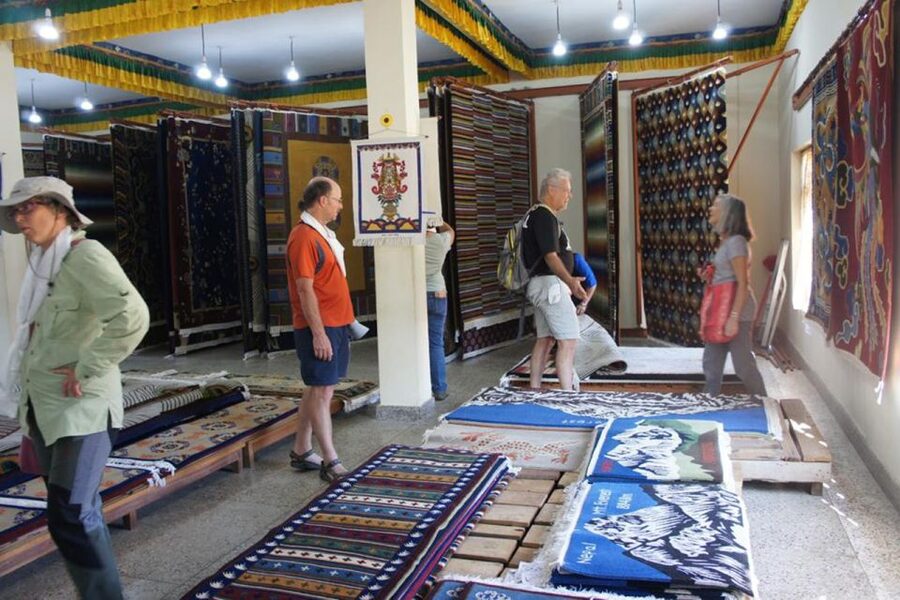
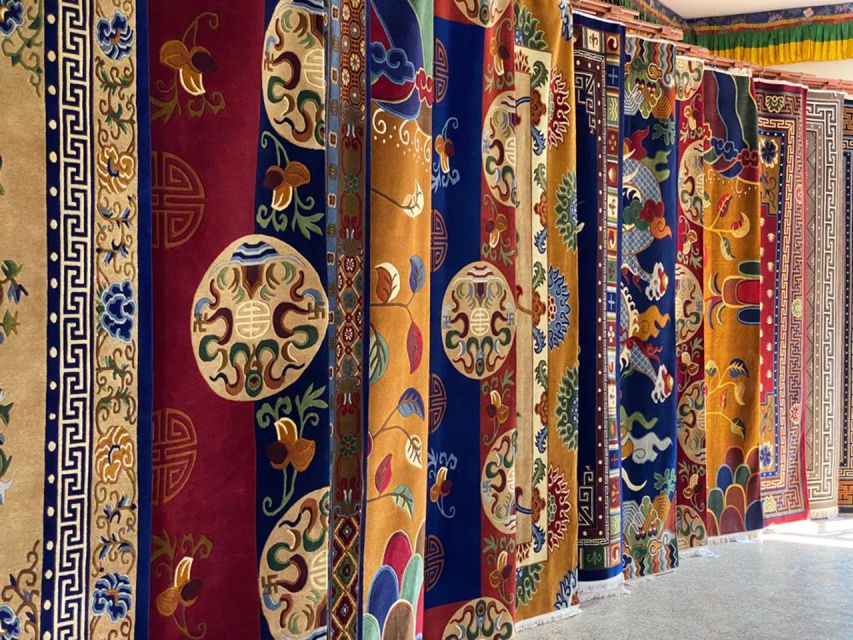
At the carpet workshop, you see how Tibetan carpets are made by hand. Mr. Thupten explains the process step by step, giving you a better understanding of the labor behind the finished pieces.
This stop adds an economic side to the cultural story. You are not just looking at attractive designs in a shop. You are seeing a traditional skill connected to work and community life. Handmade production also helps explain why Tibetan carpets can cost more than factory-made floor coverings.
After the workshop, you visit a carpet showroom with different designs and colors. You can browse without treating the purchase as the reason for joining the tour. If you are considering buying a carpet, the workshop gives you useful background before you look at the finished products.
The practical point is simple: the showroom is part of the experience, but you should not feel obliged to buy. Enjoy the designs, ask about the process, and treat any purchase as optional. The workshop is the more valuable stop for understanding how the carpets are produced.
A Tibetan medical center and consultation
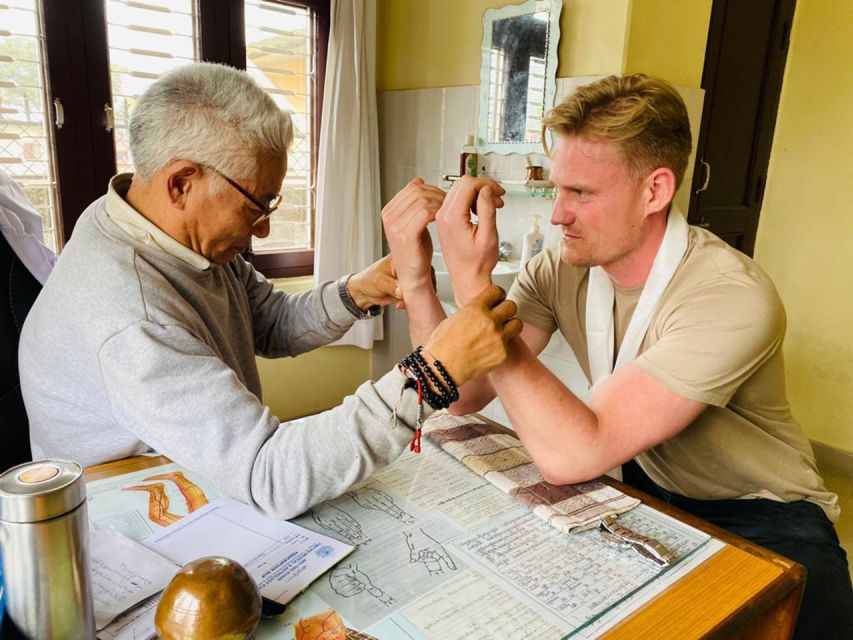
The medical center offers an introduction to Tibetan traditional medicine. You learn basic ideas about the system and its approach to treatment, then meet a Tibetan doctor for a consultation.
This is more personal than a museum display. You receive first-hand experience with a medical check-up while learning how Tibetan medicine is practiced. The consultation can be a memorable part of the tour, especially if you are curious about medical traditions outside the Western system.
I would keep your expectations sensible. This is an educational consultation during a cultural tour, not a substitute for medical care from your own doctor. The value comes from meeting a practitioner and hearing an explanation of Tibetan treatment methods.
This stop also strengthens the overall program. Tibetan culture is not limited to prayer and food. It includes systems of health, education, work, and community organization. The medical center helps make that point clearly.
Lunch with momos and thenthuk
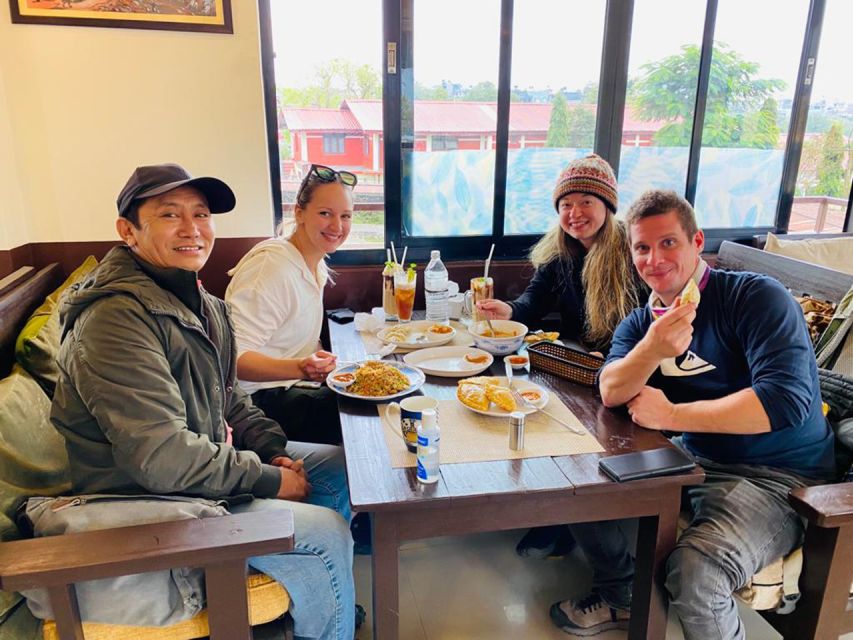
The food stop brings the tour to a relaxed close at a local Tibetan restaurant. Lunch includes Tibetan dishes such as momos and thenthuk, a nourishing soup with freshly kneaded dough, meat, and vegetables.
Momos are familiar to many people in Nepal, but the meal gives you a chance to place them within Tibetan cuisine. Thenthuk is especially useful for visitors who want to try something less routine. The handmade dough gives the soup a filling, hearty quality.
Vegetarian and non-vegetarian choices are available. Gluten-free options include plain rice and vegetable curry. If you need a gluten-free meal, mention it when arranging the tour so the restaurant can provide the appropriate food.
Drinks are also included, with mineral water, fresh juice, tea, or coffee. The meal is not an elaborate banquet, and that is fine. It is a straightforward chance to taste regional food and ask Mr. Thupten about the dishes.
The guide makes the difference
Mr. Thupten Gyatso is a Tibetan native with a strong connection to the region. The program depends heavily on his ability to explain the community in clear English and introduce you to people and institutions with respect.
The strongest praise attached to this experience centers on his friendly manner and ability to explain Tibetan culture, religion, and life in Nepal. One verified booking described the experience as a wonderful, varied introduction that included meetings with monks and doctors as well as food. Another called the tour interesting and recommended it for anyone who wants to learn about Tibetan life in Nepal.
That praise fits the structure of the day. There are many subjects to cover, and a guide who can connect them is essential. Without clear explanations, the monastery, school, photo gallery, medical center, and workshop could feel like unrelated stops. With Mr. Thupten guiding the conversation, they form one story about preserving culture in exile.
The tour is offered in English. If you enjoy asking questions, this is a good setting to do so. The small group limit should help, though the amount of conversation may depend on the interests and pace of the people joining you.
What the $61 price includes
At $61 per person, you receive more than a standard half-day sightseeing transfer. The price includes:
- An English-speaking Tibetan guide
- Pickup and drop-off around Lakeside
- A visit to a Tibetan refugee settlement
- A monastery visit with explanations of Buddhist symbols
- Information about Tibetan schools
- A handmade carpet workshop and showroom
- A photo gallery about Tibetan refugee settlements
- A Tibetan medical center visit and doctor consultation
- Tibetan lunch
- Mineral water, fresh juice, tea, or coffee
I see the value in the range of stops. You are not paying only for lunch or only for transport. You are paying for a guided introduction that would be difficult to arrange independently in one afternoon.
The price may feel high if you want a very casual walk with one main sight. It makes more sense if you want interpretation, community access, and a focused cultural program. Free cancellation up to 24 hours before the start and reserve-now, pay-later booking also give you some planning flexibility.
Who should book this experience
I would choose this tour if you want to learn about Tibetan religion, history, education, food, and community life in Nepal within a single morning or afternoon. It suits curious adults, couples, solo visitors, and small groups who prefer conversation over rushing from one landmark to another.
It is also a good fit if you have limited time in Pokhara. You receive a useful cultural introduction without giving up a full day. The short format works particularly well for people who have already seen the main sights around Lakeside and want a different side of the valley.
I would not choose it if your main goal is mountain scenery, shopping, or a relaxed restaurant meal. The schedule is full, and the program is built around learning. It is also not suitable for children under five or wheelchair users. Hotel pickup outside Lakeside costs extra, so check that detail before you commit.
Should you book the Tibetan Cultural Tour?
Book it if you want direct contact with Tibetan culture and are willing to spend a half-day listening, asking questions, and looking beyond the usual Pokhara attractions. The monastery, settlement, school system, photo gallery, medical center, carpet workshop, and lunch each show a different part of life.
I especially recommend it for first-time visitors who want context. Mr. Thupten’s personal connection, the small group size, and the chance to meet a Tibetan doctor give the program more substance than a basic cultural stop.
Skip it if you want an unstructured outing or if your schedule cannot handle several visits in four and a half hours. For the right audience, though, $61 buys a thoughtful introduction to a community that many people pass by without understanding.
FAQ
Where does the Tibetan cultural tour start?
Pickup is provided from hotels in the Lakeside area of Pokhara.
Where does the tour end?
The tour returns to the Lakeside area.
How long does the tour last?
The experience lasts approximately 4.5 hours.
What language is the tour conducted in?
The live tour guide speaks English.
How many people can join the tour?
The group is limited to eight participants.
Is lunch included?
Yes. Lunch at a local Tibetan restaurant is included, with options such as momos and thenthuk. Vegetarian, non-vegetarian, and gluten-free choices are available.
Does the tour include a medical consultation?
Yes. You visit a Tibetan medical center, learn about Tibetan medicine, and receive a consultation with a Tibetan doctor.
Is transportation included for hotels outside Lakeside?
Pickup and drop-off are included around Lakeside. Hotels outside that area may require an additional transportation fee based on the hotel location.
New in the Pokhara listings
- Pokhara: Pokhara Highlights Tour by Bus★ 3.6 · 10 reviews
- Discover Pokhara in Style: Private Vehicle Service with Driver★ 5.0 · 5 reviews
- Multi-Day Tour from Pokhara, Poon Hill and Mulde Trek★ 5.0 · 1 review
- Pokhara in 5 Hours: Lake, Museum, Cave, Falls & Pagoda Hill★ 4.5 · 16 reviews
- Private 4 Day Poon Hill Trek from Pokhara★ 5.0 · 16 reviews
- 4 Day Mardi Himal Base Camp Trek from Pokhara★ 5.0 · 18 reviews
- From Pokhara Full Day Entire Pokhara Tour with Guide★ 5.0 · 1 review
- Ultralight Flight: Into The Heart Of The Mountains (90 min)★ 5.0 · 1 review
Historical Tours, compared.
Private Kathmandu Sightseeing Tour | UNESCO World Heritage sites
Read our review →
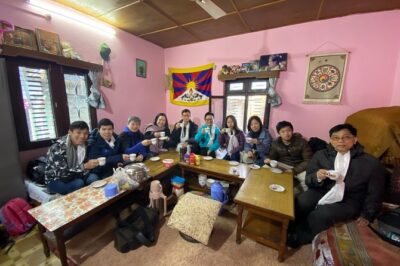
Full-Day Tibetan Cultural Tour to Tibetan Settlements Pokhara
Read our review →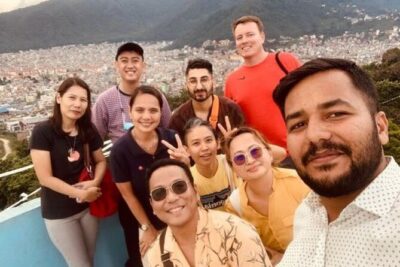
Kathmandu Private Sightseeing Tour | UNESCO World Heritage Sites
Read our review →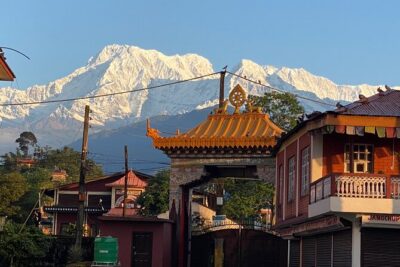
Afternoon Tibetan Cultural Tour to Tibetan Settlements Pokhara
Read our review →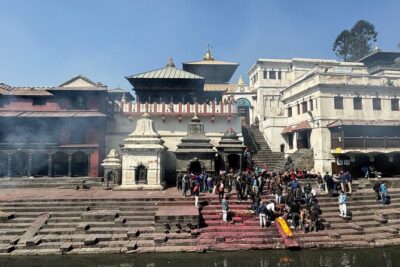
Full Day Private Top 4 UNESCO Heritage Tour W/Lunch.
Read our review →
Nagarkot Sunrise & Bhaktapur UNESCO Heritage Private Tour
Read our review →Browse the lists this tour appears in