
REVIEW · SWAYAMBHUNATH MONKEY TEMPLE TOURS
Kathmandu: A Photographer’s Pilgrimage Tour to Swayambhunath
Morning light does the heavy lifting. This Swayambhunath photography tour combines a sunrise visit, local cultural stories, and time to work on your pictures around one of Kathmandu’s most famous Buddhist sites. I like the chance to see the stupa before the day gets busy, and I like that the tour is private rather than built around a large group.
The low price is appealing, especially with a guide and photographer included. The main catch is practical: you must reach the Swayambhu Gate yourself, pay the entrance fee separately, and walk for much of the two to three-hour experience.
In This Review
- Key points at a glance
- Why Swayambhunath works so well for photographers
- Meeting at Swayambhu Gate
- The 20-minute walk to the stupa
- Two and a half hours around Swayambhunath
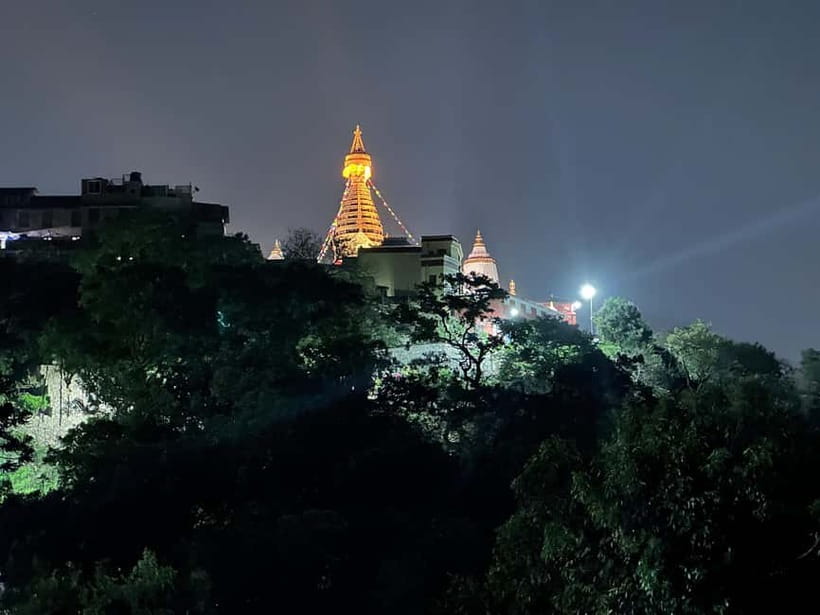
- Sunrise and the golden spire
- Finding more than one frame
- Stories behind the symbols
- The Tibetan market, monasteries, and monkeys
- What the $2.15 price really offers
- The 20-minute return walk
- Who should book this experience
- Practical advice before you go
- Should you book it?
- FAQ
- Where does the tour begin?
- Is hotel pickup included?
- How long does the experience last?
- Is the tour private?
- Which languages are available?
- Is an entrance fee included?
- Is photography guidance included?
- Does the tour include sunrise?
- Can I cancel for a refund?
Key points at a glance
- Sunrise at the golden spire: Early light brings out the color of the stupa, its gilded upper section, and the famous Buddha eyes.
- A private walking experience: You explore with your own group rather than joining a large shared party.
- More than a photo stop: The guide explains Buddhist rituals, symbols, legends, chanting, and the meaning of the site.
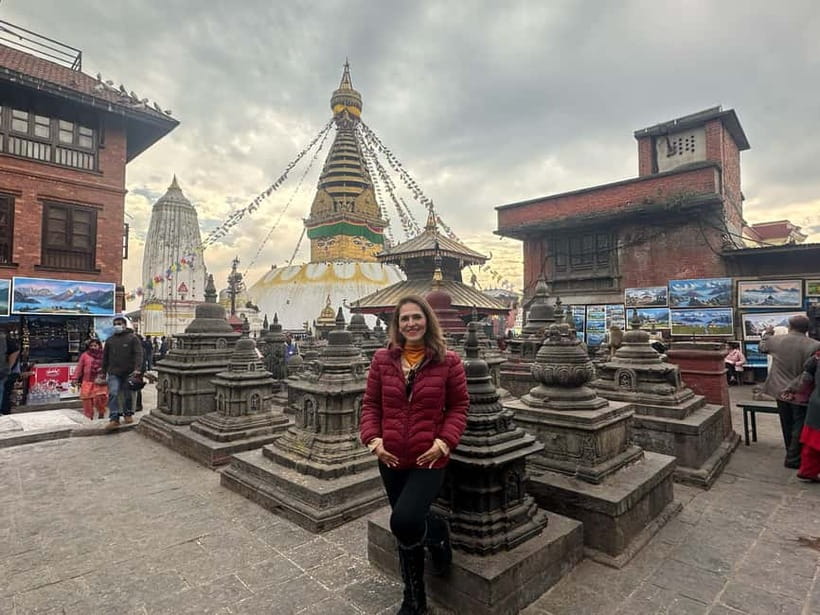
- Many shooting angles: Temples, prayer wheels, stone carvings, prayer flags, monasteries, and monkeys give you plenty to frame.
- A very low starting price: At $2.15 per person, the tour offers strong value, but entrance fees and transport are extra.
- Flexible language choice: Live guiding is available in Chinese, English, and Hindi.
Why Swayambhunath works so well for photographers
Swayambhunath sits on a hill in the heart of Kathmandu, with the stupa and its golden spire forming the visual focus. The site is not just one monument. It is a cluster of temples, shrines, prayer wheels, monasteries, carvings, and paths that keep giving you new subjects.
I like places that reward you for slowing down. Here, you can photograph the broad shape of the stupa, then shift your attention to a small stone detail or a row of fluttering prayer flags. The experience is designed around that change of scale.
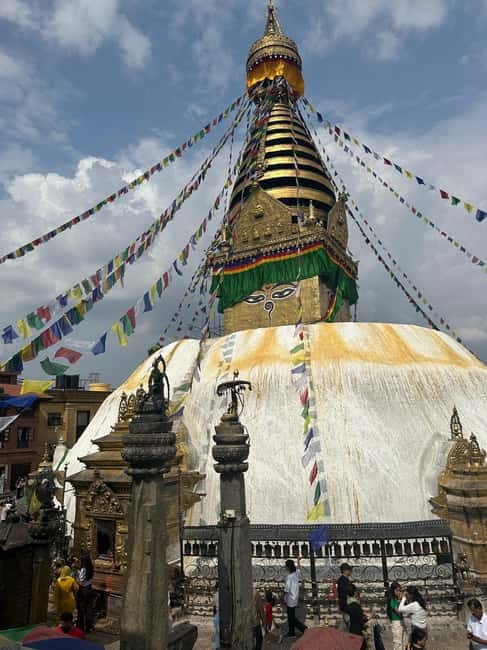
The stupa’s all-seeing eyes are its best-known feature. They face in every direction and give the monument a calm, watchful character. Your guide can place those details in their Buddhist setting instead of leaving you with only a good postcard image.
The site is also known as the Monkey Temple. Monkeys live around the complex, adding movement and an occasional comic interruption to a quiet morning. You should treat them as part of the setting, not as trained subjects. Keep your attention on your belongings and give them space.
More visits to Swayambhunath:
- Kathmandu: Chandragiri Cable Car and Monkey Temple Tour
★ 4.8 · 139 reviews - Monkey Temple – Swayambhunath Tour – Private/Small Group
★ 5.0 · 50 reviews - Chandragiri Cable Car & Monkey Temple Tour- Private/Group
★ 5.0 · 32 reviews
Meeting at Swayambhu Gate
The tour begins at the Swayambhu Gate. This matters because there is no included pickup from your hotel, airport, or another point in Kathmandu. You need to arrange your own way to the meeting point and arrive ready to walk.
The exact starting option can depend on the choice made at booking, but the practical information is clear: this is a walking experience, not a vehicle tour. The route includes about 20 minutes on foot before the main visit and another 20 minutes afterward.
That walk is part of the cost in time and energy. If you have a heavy camera bag, carry only what you expect to use. A compact setup will be easier on the hill and lets you respond quickly when the light changes.
The meeting point also gives you a simple way to plan the morning. Check the chosen start time in advance, especially for sunrise, and allow enough time to reach the gate without rushing. A late arrival could cost you the softest light.
The 20-minute walk to the stupa
The first walking section leads you toward Swayambhunath Temple. It is short on paper, but you should think of it as a transition from ordinary Kathmandu to a sacred hilltop setting.
You may want to keep your camera ready, but do not turn the walk into a race for pictures. Your guide can help you understand what you are seeing as you move toward the main complex. The value here is orientation. You learn where the important structures are and how the site fits together before the photography session begins.
The fully walking format will suit you if you want to explore at ground level and pause often. It will be less convenient if you are looking for a vehicle-assisted sightseeing trip or want to avoid uphill movement. The provided details do not promise accessibility services, so you should ask the provider about your own mobility needs before booking.
Two and a half hours around Swayambhunath
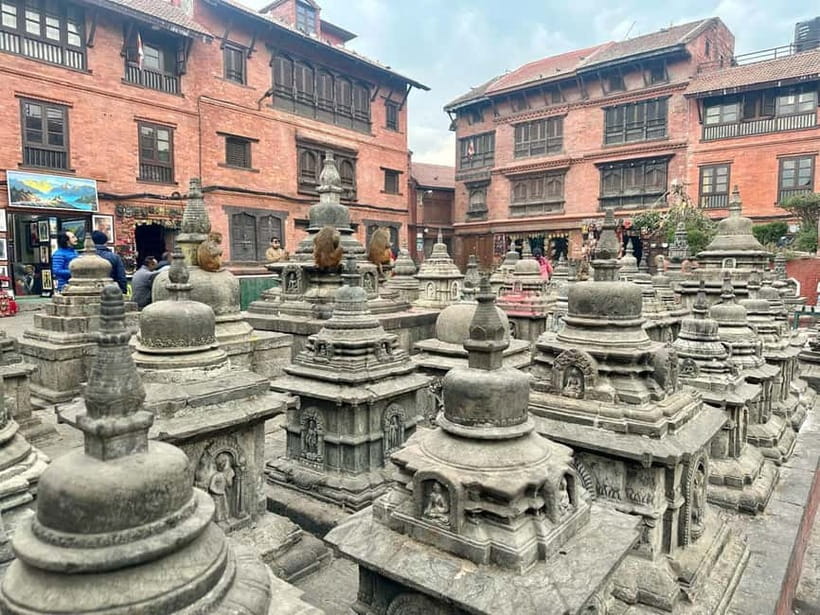
The main temple visit lasts about 2.5 hours. This is enough time for more than a quick look at the central stupa. You can move through the maze of religious structures, listen to explanations, and return to promising viewpoints as the light develops.
The tour is built around three connected activities:
- guided sightseeing
- a photo stop and photography practice
- sunrise viewing
That mix is important. You are not simply told to stand in one place and take a picture. You can experiment with the stupa from different angles, look for details in the surrounding shrines, and use changing light to alter the mood of your images.
The guide is described as a local photography expert and licensed English-speaking guide. Chinese, English, and Hindi guiding are available. You should expect practical help with angles, lighting conditions, and visual storytelling, along with explanations of the site’s religious meaning.
The details also list a photographer as included. The wording calls this a normal photographer, so I would treat that as photography support rather than a promise of professional camera equipment, edited images, or a personal photo package. Bring your own camera or phone unless the operator tells you otherwise.
More photo sessions in Kathmandu:
- Evening Photography Tour of Kathmandu
★ 5.0 · 9 reviews - Pokhara: Adventure Paragliding Trip with Photos and Videos
★ 4.6 · 50 reviews - Pokhara: Paragliding Adventure with Photos and Video
★ 4.7 · 44 reviews - Paragliding Tandem Flight from Pokhara with Photos and Video
★ 5.0 · 11 reviews
Sunrise and the golden spire
Sunrise is the strongest reason to choose this departure. Early light can illuminate the stupa’s golden spire and bring warmth to the pale structure before harsher daylight takes over.
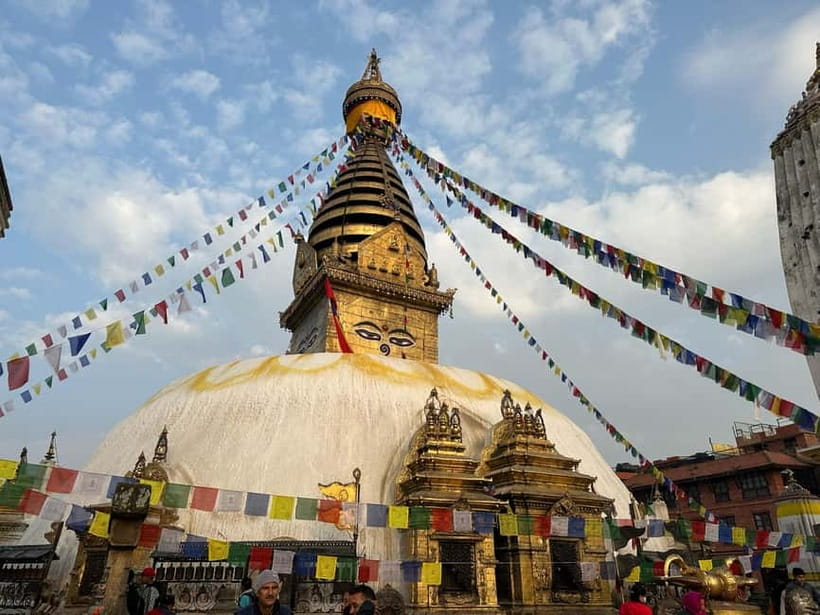
You can use this time to make several kinds of pictures. A wide view can show the stupa, hilltop setting, and Kathmandu below. A tighter frame can focus on the Buddha eyes, the gilded details, or prayer flags moving in the wind.
The tour information also refers to sunset shoots. The listed schedule specifically includes sunrise, so confirm the time and option you are booking if sunset is your priority. The same hilltop setting can offer a different mood later in the day, but you should not assume that every departure includes both.
The biggest photographic advantage of a sunrise start is atmosphere. The site’s peaceful character is easier to notice when your attention is not split by a packed schedule. You also get a clear reason to take your time instead of photographing the first obvious angle and leaving.
Finding more than one frame
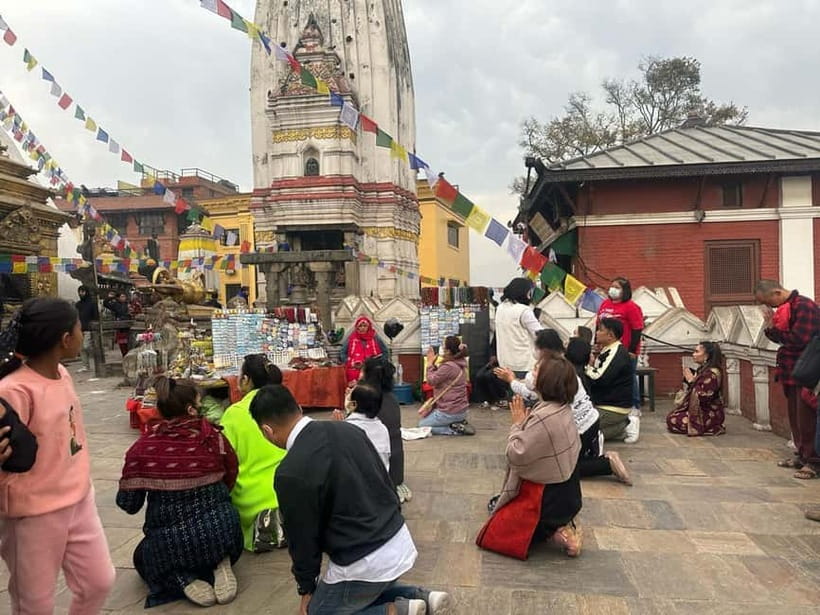
Swayambhunath rewards a patient camera user. The central stupa is the obvious subject, but it is only the beginning.
Look for:
- the gilded spire and its fine details
- the Buddha’s all-seeing eyes
- stone carvings
- prayer wheels
- colorful prayer flags
- nearby temples and shrines
- the surrounding monasteries
- monkeys moving through the complex
- the Tibetan market around the site
The guide can point out useful viewpoints and suggest ways to handle light and composition. That matters if you are new to photography. A good angle is not always the closest one, and a crowded religious complex can make composition tricky.
I especially like the promise of different perspectives. You may photograph the same stupa straight on, from a side path, through a frame of flags, or with smaller religious details in the foreground. The goal is to bring home a sequence of images that explains the place, not just one familiar icon.
You should also respect the setting. This is an active religious site, not a studio. Ask before photographing people closely, stay aware of ceremonies, and follow the guide’s advice around shrines and prayer activity. The supplied rules prohibit alcohol, drugs, and party groups, which fits the quiet purpose of the visit.
Stories behind the symbols
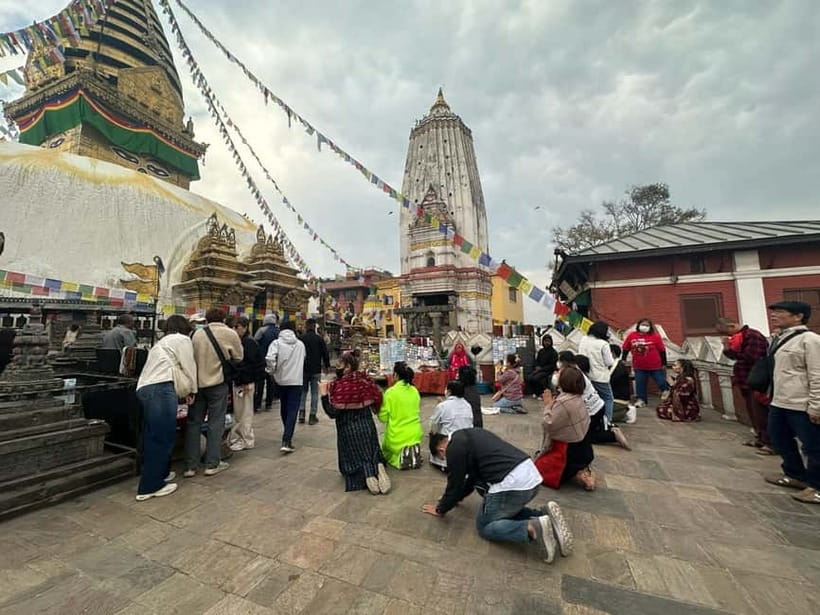
Swayambhunath is believed to be more than 2,000 years old and is regarded as a symbol of enlightenment and peace. Its age and spiritual role give your photographs more weight when you understand what the forms mean.
The guide explains Buddhist rituals, symbolism, legends, chanting monks, and the religious energy of the place. This is where the experience moves beyond technical instruction. You learn why the prayer wheels matter, why the eyes are placed as they are, and how the stupa functions as a sacred focus.
I like this part because cultural context changes the way you look. A row of prayer wheels stops being a decorative line. A monk’s chant is not just background sound. A gilded detail becomes part of a much larger religious language.
The tour is best for people who want both pictures and understanding. If you only want a fast visit to check the monument off your list, the guided explanations may feel like extra time. If you want to connect images with stories, the added context is one of the strongest features.
The Tibetan market, monasteries, and monkeys
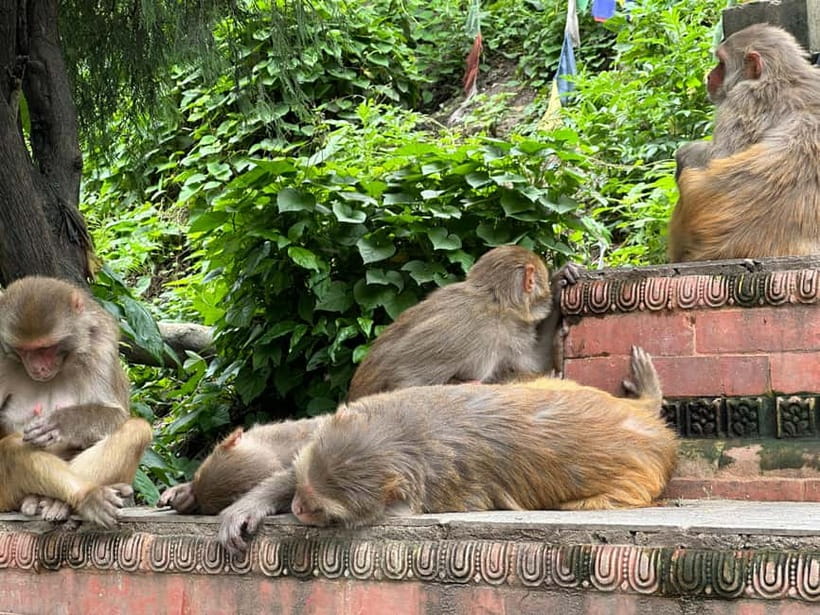
The surroundings broaden the experience. A Tibetan market adds color and activity, while nearby monasteries offer a calmer counterpoint. The tour also includes a chance to meet the monkeys that give Swayambhunath its nickname.
These are useful subjects because they show the site as a living place. You are not photographing an isolated building. You are seeing religious practice, local commerce, animals, and visitors sharing one hilltop complex.
The word meet should not be taken to mean a formal animal encounter. You may see monkeys around the temple, but the available details do not promise a structured interaction. Use common sense and do not disturb them.
The market can also tempt you into spending more. Personal expenses such as drinks and souvenirs are not included. Since the tour itself costs only $2.15 per person, even a small purchase can quickly cost more than the activity. Set a simple spending limit if you want to keep the outing as inexpensive as advertised.
What the $2.15 price really offers
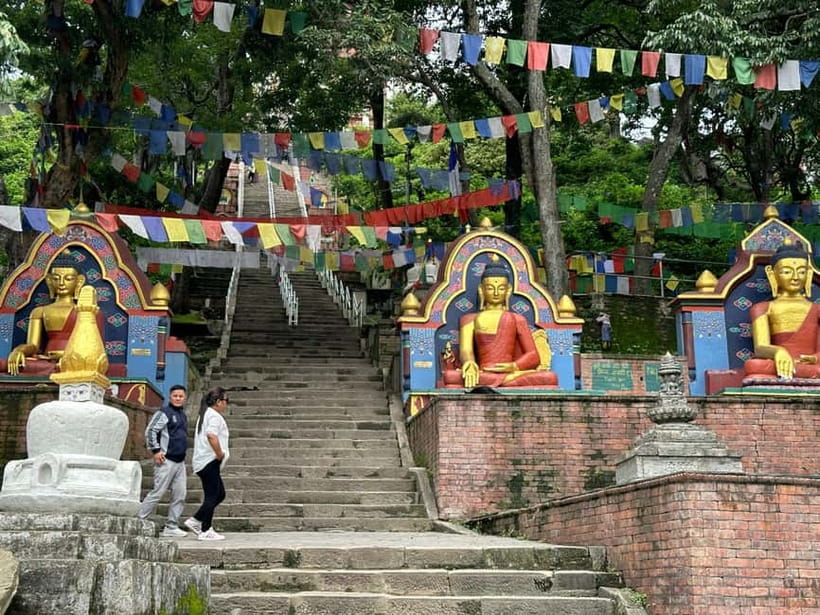
At $2.15 per person, this is an unusually inexpensive way to add a guided cultural visit to a Kathmandu stay. The value comes from the combination of a private group, a live guide, photography advice, and a planned sunrise visit.
Still, the headline price is not the full cost. You must pay the entrance fee separately. Hotel pickup and drop-off are not included, and you cover personal expenses such as drinks and souvenirs. International flights are, naturally, outside the activity price as well.
The low cost makes the tour a good choice if you already plan to reach Swayambhu on your own. It is less of a bargain if you need door-to-door transport or expect equipment, food, entrance, and professional photographs to be included.
I would also confirm exactly what the included photographer provides. The information supports photography guidance and a photographer, but it does not promise camera rental, printed photographs, or edited digital files. Ask before booking if those extras matter to you.
The 20-minute return walk
After the main visit, you walk for about 20 minutes before finishing at one of the stated drop-off locations in Swayambhu, Kathmandu. Since no transport service is provided, you should plan what happens next before you start.
This final walk gives you a natural end to the visit. You can review your pictures, continue exploring the area independently, or make your own way onward. The tour does not appear designed to carry you to another Kathmandu neighborhood by vehicle.
The total duration is listed as two to three hours. The main temple portion is about 2.5 hours, while the walking sections account for roughly 40 minutes. The exact timing depends on the selected start option and the pace of your private group.
Who should book this experience
I would recommend it to:
- photographers at beginner or intermediate level
- visitors who want sunrise rather than a quick daytime stop
- people interested in Buddhist symbolism and local stories
- spiritual seekers looking for a quiet, meaningful visit
- culture-focused visitors who enjoy walking between several kinds of sites
- small private groups that want their own pace
The tour may not suit you if you want included transport, a large social party, a formal professional photo shoot, or a visit with no walking. It also may not be the best fit if your schedule cannot accommodate an early start.
The private-group format is a real advantage. You can ask questions, pause for a composition, and spend more time on the subjects that interest you. The tradeoff is that the experience depends on the guide’s photography approach and on how well your group communicates its goals.
Practical advice before you go
Bring the camera you are most comfortable using. The tour promises help with angles, light, and composition, not a replacement for knowing your own equipment.
Keep your bag light and leave room for personal water or other basics. Drinks are not included, and the walking route means unnecessary gear becomes a burden.
Wear something suitable for a walking visit to a sacred hilltop site. The supplied information does not specify a dress code, but respectful clothing and behavior are sensible around temples, shrines, monks, and prayer activity.
Confirm three things before payment: the exact start time, the entrance fee, and what the included photographer does. Also confirm the meeting details if you choose an option with a different start arrangement, since the stated meeting point is Swayambhu Gate and there is no included pickup.
Free cancellation is available up to 24 hours in advance for a full refund, and you can reserve now and pay later. Those terms help if your Kathmandu schedule is still shifting, but they do not remove the need to reach the gate on time.
Should you book it?
Book this tour if you want Swayambhunath to be more than a quick monument visit. The sunrise setting, private format, local stories, and photography guidance give the $2.15 experience strong value for a visitor who can handle the walking and arrange transport independently.
Skip it if you need a fully escorted transfer, guaranteed professional photographs, or a package with entrance fees included. For everyone else, this is a focused way to see one of Kathmandu’s sacred sites through both a camera and a cultural lens.
FAQ
Where does the tour begin?
The tour begins at the Swayambhu Gate.
Is hotel pickup included?
No. Pickup and drop-off services are not provided, so you need to reach the meeting point yourself.
How long does the experience last?
The tour lasts about two to three hours. The main Swayambhunath visit is scheduled for approximately 2.5 hours, with walking sections of about 20 minutes before and after.
Is the tour private?
Yes. The activity is offered for a private group.
Which languages are available?
Live guiding is available in Chinese, English, and Hindi.
Is an entrance fee included?
No. Entrance fees are not included in the tour price.
Is photography guidance included?
Yes. The experience includes a photographer and guidance on angles, lighting conditions, and composition. It does not state that camera rental or edited photographs are included.
Does the tour include sunrise?
Yes. Sunrise is part of the Swayambhunath visit. Sunset shoots are also described, but you should confirm the selected option if you specifically want sunset.
Can I cancel for a refund?
You can cancel up to 24 hours in advance for a full refund. You can also reserve now and pay later.
New in the Kathmandu listings
- Traditional Momo Making Class★ 5.0 · 10 reviews
- Kathmandu: Ancient City Kirtipur & Pharping Monastery Tour★ 5.0 · 2 reviews
- Kathmandu to Pokhara Premium sofa bus ticket★ 4.0 · 17 reviews
- Women Empowerment Project(Nepali cooking class & jewelry workshop★ 5.0 · 15 reviews
- 7-Day Langtang Valley Trek from Kathmandu★ 5.0 · 1 review
- Kathmandu 2 Nights 3 Days Chitwan Jungle Safari Tour★ 5.0 · 9 reviews
- Yoga Experience Day Trip with Private Transfer From Kathmandu★ 4.0 · 2 reviews
- Wildlife Adventure in Chitwan Nepal★ 4.0 · 4 reviews
Swayambhunath Monkey Temple Tours, compared.
Monkey Temple – Swayambhunath Tour – Private/Small Group
Read our review →
Chandragiri Cable Car & Monkey Temple Tour- Private/Group
Read our review →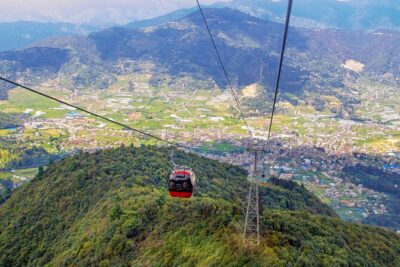
Private Chandragiri Cable Car and The Monkey Temple Tour
Read our review →
Kathmandu Chandrigiri Hill Cable Car & Monkey Temple UNESCO Tour
Read our review →
Chandragiri Cable Car Ride & Monkey Temple Tour – Private/Group
Read our review →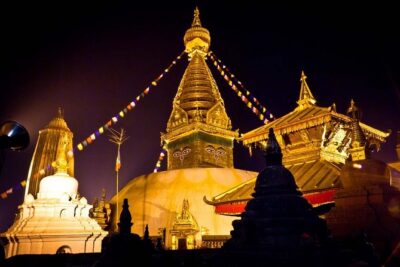
Private Half-Day Tour of Kathmandu Durbar Square and Swayambhunath Temple
Read our review →Browse the lists this tour appears in