
REVIEW · KIRTIPUR TOURS
Kirtipur: Kritipur Tour, tasting local Cuisines and Drinks
Kirtipur rewards curious travelers. This six-hour private tour takes you beyond Kathmandu’s main sights into an old Newari town filled with temples, narrow lanes, local markets, and everyday Nepali life. You can pair Kirtipur with Swayambhunath, Dakshinkali, or Chandragiri Hill, then sit down for Nepali food and local drinks.
I especially like the choice of three companion stops and the chance to taste Newari cuisine in Kirtipur rather than simply ticking off another temple. The hotel pickup, private vehicle, guide, lunch, and bottled water also make the $90 price easier to justify. The main drawback is that entry fees are not included, and Chandragiri requires an extra cable car payment.
In This Review
- Key points to know before booking
- Why Kirtipur makes a better half-day choice than another city tour
- Starting with pickup from Kathmandu, Lalitpur, or Bhaktapur
- Option A: Swayambhunath and Kirtipur
- Option B: Chandragiri Hill and Kirtipur
- Option C: Dakshinkali Temple and Kirtipur
- Walking Kirtipur’s old streets and market areas
- Newari lunch, local drinks, and what you are really paying for
- What the guides and driver add to the day
- Is $90 a fair price for six hours?
- Who should book this Kirtipur experience?
- Should you book the Kirtipur tour?
- FAQ
- How long does the Kirtipur tour last?
- Where can pickup and drop-off be arranged?
- Which additional stop can I choose?
- Do I need to book the additional stop separately?
- Is lunch included?
- What language does the guide speak?
- Is this a private group tour?
- Are entry fees included in the $90 price?
Key points to know before booking
- Kirtipur gives you a quieter contrast to Kathmandu, with old temples, local streets, markets, crafts, and Newari customs.
- You choose one extra stop: Swayambhunath, Dakshinkali, or Chandragiri Hill. Tell your guide which option you want.
- Newari food and local drinks are part of the day, with lunch at a local restaurant included.
- The tour is private, so the pace can be adjusted around your interests and questions.
- Guides Umesh Khanal and Hemant received especially high praise for their care, local knowledge, food advice, and help with wider Nepal plans.
- The $90 cost covers useful basics, including transport, driver, guide, fuel, parking, taxes, lunch, and water, but not admission fees or the Chandragiri cable car.
Why Kirtipur makes a better half-day choice than another city tour
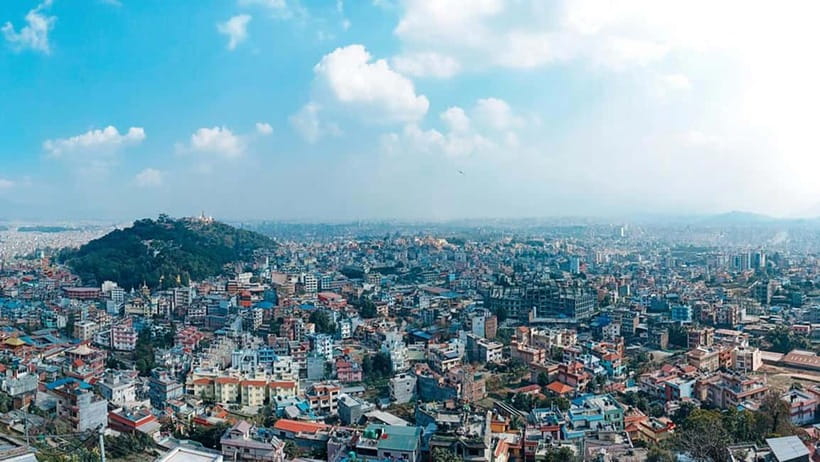
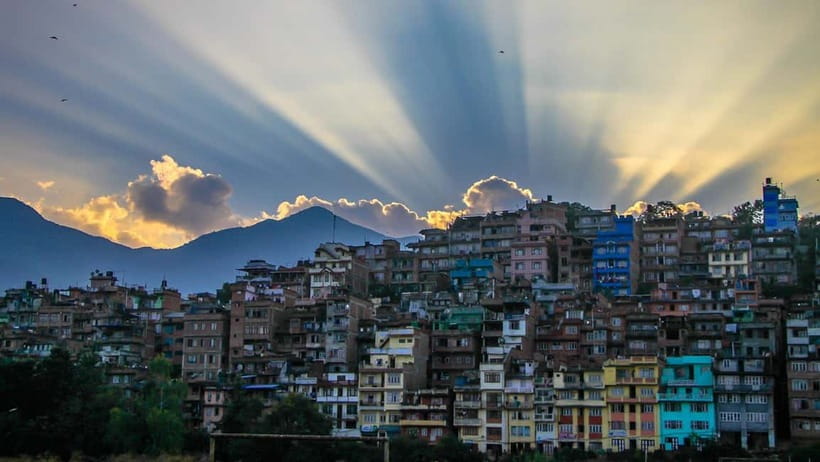
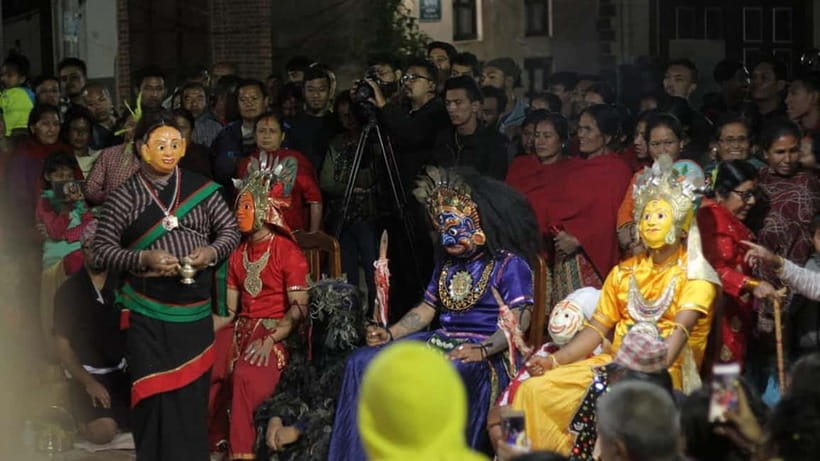
Kirtipur sits near Kathmandu but feels separate from the capital’s main sightseeing circuit. The appeal is not one enormous monument. It is the combination of old temples, traditional streets, Newari architecture, religious practice, food, and ordinary neighborhood life.
That combination matters. You get to see how culture works at street level, not only inside a museum or behind a formal monument. Your guide can explain the meaning of the temples and point out details you might otherwise pass without noticing.
The town also gives you a useful counterpoint to Swayambhunath. The Monkey Temple is famous, highly visited, and full of classic valley views. Kirtipur is slower and more local in feel. Pairing the two lets you see both the major Kathmandu attraction and a less obvious historic town in one day.
The tour is private, which I consider a real advantage here. You can ask questions about Newari traditions, Nepali daily life, religion, food, and architecture without waiting for a large group to catch up. If you are interested in local context rather than quick photographs, that flexibility is worth paying for.
More time in Kirtipur:
Starting with pickup from Kathmandu, Lalitpur, or Bhaktapur
Pickup is available from a hotel or airport in Kathmandu, as well as locations in Kathmandu, Lalitpur, and Bhaktapur. You need to provide the exact place where you are staying, which is especially important in the Kathmandu Valley, where nearby cities can mean very different driving times.
The private vehicle takes you through the valley with a driver and guide. Traffic can be chaotic, so the driver is not a minor part of the experience. A strong driver helps the day keep moving, while the guide can use the road time to explain what you are seeing.
The tour lasts six hours. That is long enough for Kirtipur plus one additional attraction, but it is not a leisurely full-day exploration of every option. If you choose Chandragiri, the cable car ride adds a major mountain stop, and the schedule may feel tighter than it does with a nearby cultural site.
Option A: Swayambhunath and Kirtipur
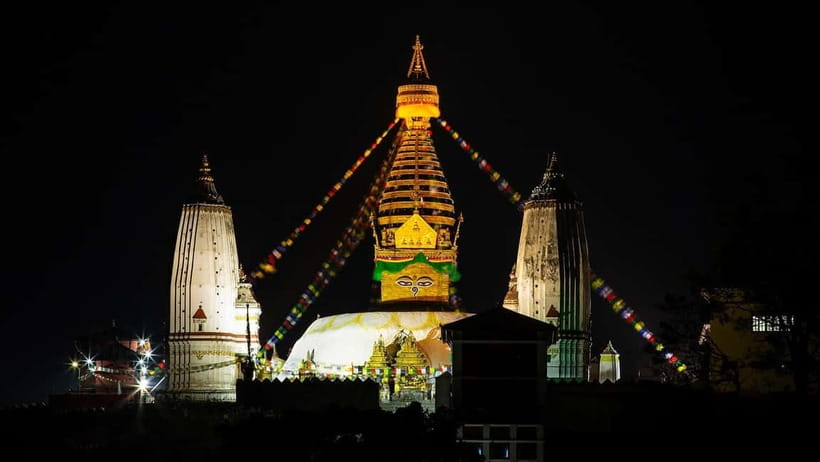
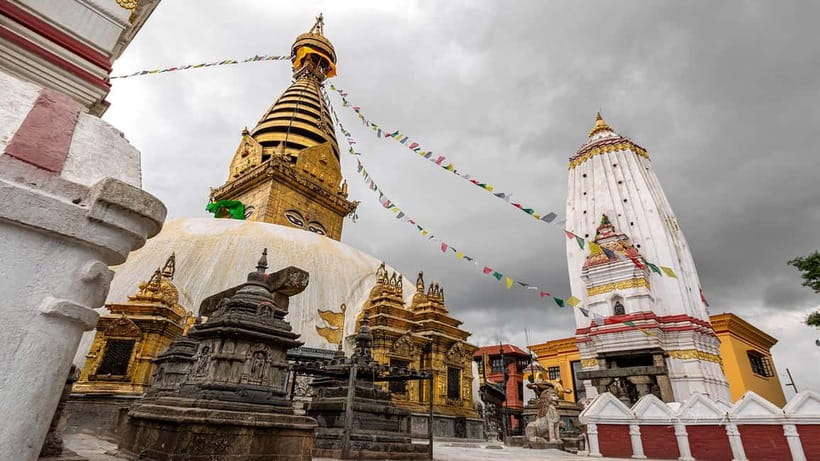
Swayambhunath, often called the Monkey Temple, is the most obvious choice if you want a classic Kathmandu Valley introduction. The hilltop stupa offers wide views across the valley, along with Buddhist and Hindu religious features and the playful monkeys that give the site its familiar nickname.
The climb is part of the experience. You should expect steps and a hilltop setting, though the tour information does not specify the exact route or number of stairs. Once there, your guide can help explain the spiritual importance of the stupa instead of leaving you to take photographs and move on.
After Swayambhunath, the tour shifts to Kirtipur. This pairing works well because the two stops have different moods. Swayambhunath is a major pilgrimage and sightseeing site, while Kirtipur gives you time to walk through an old town, visit temples, browse local areas, and observe daily life.
I would choose this option if it is your first visit to Kathmandu or if you want a strong mix of famous sights and local culture. It is also the best choice if monkeys, valley views, and Buddhist architecture matter more to you than a cable car ride.
The tradeoff is that both stops can involve walking and steps. You should also expect admission charges for applicable sites, since entry fees are not included in the tour price.
Option B: Chandragiri Hill and Kirtipur
Chandragiri Hill offers a different kind of day. You ride a cable car toward the hilltop for broad Himalayan views, then return to the cultural setting of Kirtipur.
The cable car ticket costs extra, so the advertised price does not tell the whole story for this option. Check the current fare before booking if you are watching your budget. The tour itself covers private transport and the guide, but not that ticket.
I would select Chandragiri if scenery is your priority. The ride gives you a change from temples and city streets, and the views can be a strong reward when conditions are clear. The supplied information does not guarantee a particular mountain view or weather, so keep expectations sensible. Cloud and rain can change what you see.
Kirtipur keeps this from becoming only a viewpoint excursion. After the hill, you return to local culture, food, markets, and walking streets. That makes the day more varied than a simple cable car trip.
The drawback is timing. A six-hour tour has to fit transport, the cable car experience, Kirtipur, and lunch. If you want unhurried time in the old town, Swayambhunath or Dakshinkali may give you a simpler schedule. Ask your guide how much time is likely at each stop on the day you go.
More eating and drinking in Kathmandu:
- Kathmandu Food and Drink Walking Tour
★ 5.0 · 266 reviews - Kathmandu: Food and Drink Walking Tour
★ 4.9 · 119 reviews - Walking Street Food Tour in Kathmandu
★ 5.0 · 111 reviews - Secret Food Tour – Food Bites and Sights Kathmandu 14+ Testings
★ 5.0 · 82 reviews
Option C: Dakshinkali Temple and Kirtipur
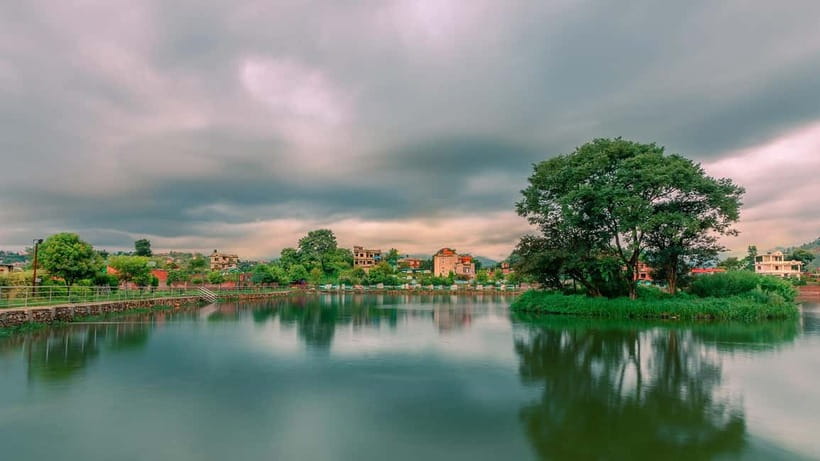
Dakshinkali is the most distinctly religious option. The temple is dedicated to the fierce goddess Kali and is an important Hindu pilgrimage site outside Kathmandu. Its setting among forested hills gives the visit a quieter, more rural feel than the main city temples.
Traditional rituals and animal sacrifices are associated with Dakshinkali, particularly on Saturdays and during the Dashain festival. This is not a detail to gloss over. If you are sensitive to ritual sacrifice, ask your guide what you are likely to see before selecting this option.
The journey adds local markets, countryside views, and a sense of life outside the valley’s main urban core. It is a good pick if you want to understand Hindu practice and see a less polished side of Nepal.
Kirtipur then brings the focus back to Newari culture. The contrast is useful: Dakshinkali is centered on a powerful pilgrimage tradition, while Kirtipur combines worship, old neighborhoods, food, crafts, and ordinary routines.
I would choose Dakshinkali for a visitor who has already seen the major Kathmandu sights and wants something more regional and religious. It may not suit someone looking only for architecture or scenic viewpoints.
Walking Kirtipur’s old streets and market areas
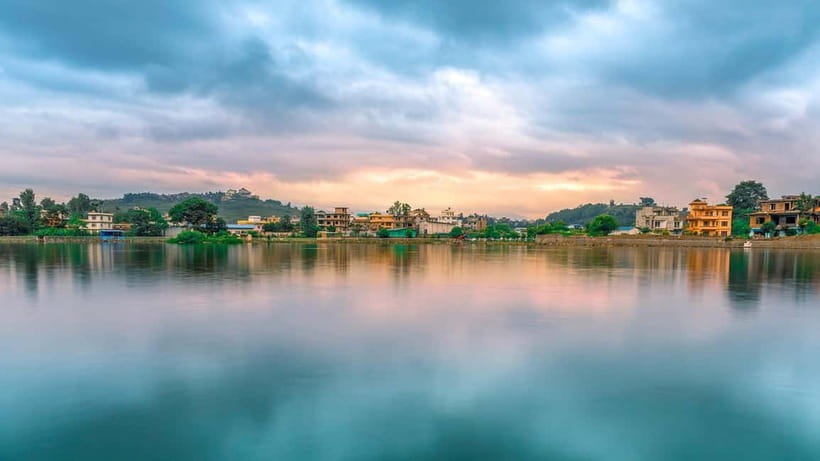
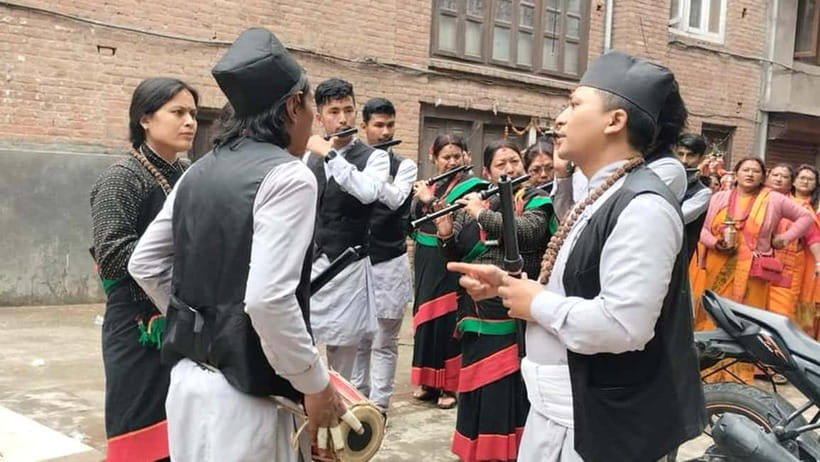
The Kirtipur portion lasts about four hours, including sightseeing, walking, food tasting, shopping, scenic stops, and visits to food and arts-and-crafts markets. The schedule is not only a temple checklist.
You may stop for photographs, look at local crafts, and visit a market where food and daily commerce are part of the setting. The value here comes from variety. You can move from a sacred site to a residential lane, then from a view point to a restaurant or food stall area.
A guide makes a large difference in Kirtipur. Without context, an old temple can look like another attractive building. With explanation, you can understand why the town matters, how Newari culture shapes its food and architecture, and how religious spaces fit into local life.
The walk may be less polished than a standard city attraction. Streets can be uneven, and the tour includes walking rather than only vehicle-based sightseeing. Wear practical shoes and keep your schedule flexible. The supplied details do not promise a specific list of temples or craft shops, so ask your guide to shape the walk around your interests.
Newari lunch, local drinks, and what you are really paying for
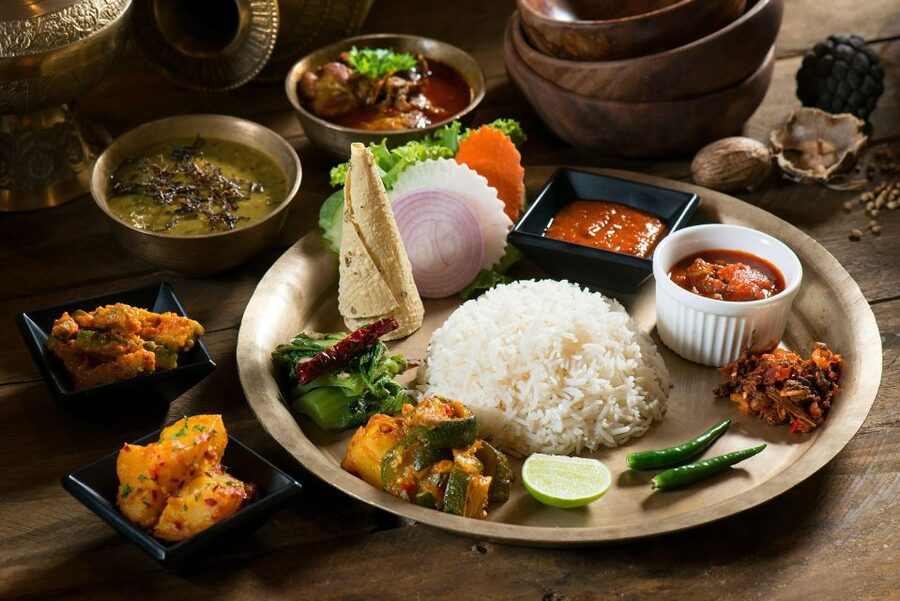
Food is one of the strongest reasons to choose this tour. Lunch at a local restaurant is included, along with Nepali cuisine and drinks. The experience also includes food tasting and local beverages in Kirtipur, with wine tasting listed among the activities.
The exact dishes and drinks are not specified, so you should ask your guide what is available that day. This is useful if you have dietary restrictions or want to know how adventurous the meal will be. Additional food and beverages cost extra.
The reviewers who praised the tour gave special attention to lunch. Alex from the United Kingdom called the meal brilliant, while Michael from the United States highlighted the delicious Nepali cuisine and said guide Hemant helped with recommendations. Michael also enjoyed a rooftop view of Kathmandu from the restaurant.
That rooftop detail is worth noting, though it should not be treated as a guaranteed feature of every departure. Restaurants can change, and the tour information does not name a fixed venue. Still, the meal is more than a basic fuel stop. It connects the walking portion of Kirtipur with its food traditions.
Newari cuisine is a strong reason to use a guide. You can ask what to try, how a dish is normally eaten, and which local drinks are worth sampling. If you prefer familiar food, say so clearly. The tour includes local cuisine, not a generic international lunch.
What the guides and driver add to the day
The guide is central to this experience. Umesh Khanal was praised for staying attentive during poor weather, answering repeated questions, offering safe directions, and helping with plans for later excursions in Nepal. That suggests a guide who treats the day as part sightseeing and part practical orientation.
Hemant was praised for explaining Kirtipur and Kathmandu temples, giving friendly advice, and helping select lunch dishes. Those are useful skills for this particular tour because the best moments come from context and small choices, not only from the major stops.
The driver also matters. Kathmandu Valley traffic can make a short route feel much longer, and one reviewer specifically praised the driver’s safe handling and ability to move through difficult city traffic at a comfortable pace.
No tour can promise the same individual guide for every departure, but the named feedback gives you helpful questions to ask. If you care about food, request advice on local dishes. If you want temple history, say that at pickup. If rain affects the day, ask how the walking route can be adjusted.
Is $90 a fair price for six hours?
At $90 per person, this is not the cheapest way to visit Kirtipur. It is also not simply a ticket and a short transfer. The price includes hotel or airport pickup and drop-off, private transportation, a certified local guide, driver, fuel, parking, bottled water, lunch, drinks, taxes, and office costs.
For a solo visitor or couple, private transport and personal guiding can make the price reasonable, especially if you value time and local explanation. A group of friends may find the cost easier to justify because the experience remains private rather than being added to a large group.
You need to budget for admission fees and, with Chandragiri, the cable car ticket. Extra meals, snacks, and drinks are also outside the included package. The $90 price therefore works best when you compare the full day’s convenience, not just the number of attractions.
The strongest value comes from the combination of transport, guide, lunch, and a tailored choice of second stop. If you only want to wander Kirtipur for an hour, arranging your own transport would likely be more economical. If you want history, food help, and a private route without managing the valley’s traffic yourself, the package makes more sense.
Who should book this Kirtipur experience?
I would recommend it to first-time visitors who want more than Kathmandu’s most famous monuments. It suits people who enjoy food, walking, religious sites, local markets, and conversations with a guide.
It is also a good fit for a short stay. In six hours, you can combine Kirtipur with one major stop and return to your hotel, rather than spending a full day organizing separate taxis and admission plans.
Food-focused visitors should pay attention to this tour. The meal and local drinks are not an afterthought, and the guide can help you make sense of unfamiliar dishes.
I would be more cautious if you dislike unstructured walking, have no interest in local cuisine, or want a slow visit to one site only. The day includes several kinds of activity, and the choice of extra stop affects the pace.
Free cancellation up to 24 hours before the start gives you some protection, and reserve-now, pay-later booking keeps your plans flexible. The activity is offered in English with a live guide, and the group remains private.
Should you book the Kirtipur tour?
Book this tour if you want a practical introduction to Newari culture, local food, and the Kathmandu Valley beyond the standard route. Choose Swayambhunath for famous sights and monkeys, Chandragiri for cable car views, or Dakshinkali for Hindu pilgrimage and rural surroundings.
My pick for most first-time visitors would be Swayambhunath plus Kirtipur. It gives you the clearest balance of landmark, history, views, walking, and food. Choose Dakshinkali if religious traditions are your main interest, and Chandragiri if scenery matters most and you are comfortable paying the extra cable car fee.
The strongest reasons to book are the private format, helpful guide support, included lunch, and the chance to see Kirtipur in a way that is more meaningful than a quick photo stop. Just confirm the entry costs, meal details, and preferred companion stop before you go.
FAQ
How long does the Kirtipur tour last?
The tour lasts six hours, including pickup, sightseeing, the Kirtipur visit, food tasting, lunch, and drop-off.
Where can pickup and drop-off be arranged?
Pickup and drop-off are available in Kathmandu, Lalitpur, and Bhaktapur. Hotel or airport pickup in Kathmandu is also included. You need to provide the location where you are staying.
Which additional stop can I choose?
You can choose one of three options: Swayambhunath, also called the Monkey Temple, Chandragiri Hill with its cable car, or Dakshinkali Temple.
Do I need to book the additional stop separately?
No. You can tell your guide which option you want. Chandragiri cable car tickets are not included and cost extra.
Is lunch included?
Yes. Lunch at a local restaurant, featuring Nepali cuisine and drinks, is included. Additional food and beverages are not included.
What language does the guide speak?
The live tour guide speaks English.
Is this a private group tour?
Yes. The experience is operated as a private group tour with private transportation.
Are entry fees included in the $90 price?
No. Entry fees are not included. The Chandragiri cable car ticket is also excluded if you select that option.
New in the Kathmandu listings
- Traditional Momo Making Class★ 5.0 · 10 reviews
- Kathmandu: Ancient City Kirtipur & Pharping Monastery Tour★ 5.0 · 2 reviews
- Kathmandu to Pokhara Premium sofa bus ticket★ 4.0 · 17 reviews
- Women Empowerment Project(Nepali cooking class & jewelry workshop★ 5.0 · 15 reviews
- Kathmandu 2 Nights 3 Days Chitwan Jungle Safari Tour★ 5.0 · 9 reviews
- Yoga Experience Day Trip with Private Transfer From Kathmandu★ 4.0 · 2 reviews
- 7-Day Langtang Valley Trek from Kathmandu★ 5.0 · 1 review
- Wildlife Adventure in Chitwan Nepal★ 4.0 · 4 reviews
Kirtipur Tours, compared.
Kirtipur & Swayambhu Trip from Kathmandu: Local Eats and Drinks
Read our review →
Private half day Medieval Kirtipur town with Newari food tasting trip
Read our review →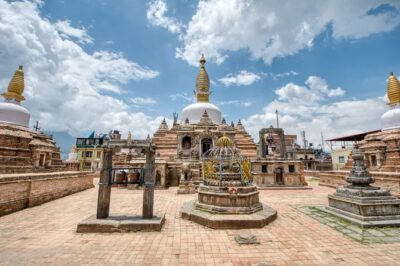
Escorted Full Day Pharping, Dakshinkali and Kirtipur Day Trip with Newari Lunch
Read our review →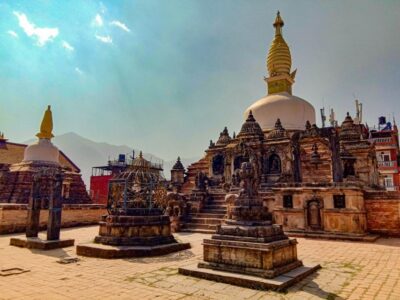
Private Half Day Kirtipur Trip With Newari Food Tasting
Read our review →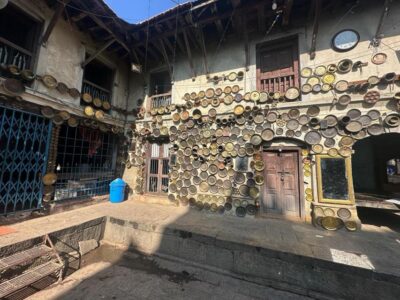
Discovering Kirtipur’s Hidden Treasures City Walk
Read our review →
Private Tour of Kirtipur, Chobhar and Dakchhinkali Temple
Read our review →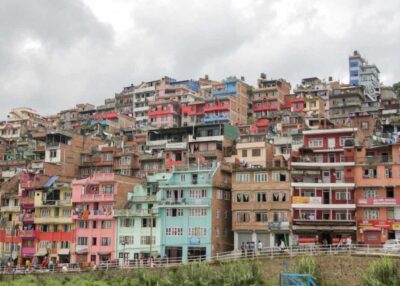
Discover Kathmandu: Dakshinkali, Kirtipur & Taudaha Lake
Read our review →Browse the lists this tour appears in