
REVIEW · WALKING TOURS
Kathmandu Food and Drink Walking Tour
Kathmandu tastes better one small plate at a time. This three-hour walk links Thamel, Asan, Jyatha, and Chhetrapati, pairing local food with stories about Nepalese culture, religion, history, and daily life. I like the generous portions and the way guide Deepak Kushwaha leads you to places you might not spot on your own.
I also like the range, from Newari dishes and momo to lassi, sugar cane, noodle soup, and masala tea. The main drawback is simple: this is a real city walk, not a polished restaurant crawl. Expect narrow lanes, chaotic streets, tight staircases, and a very full stomach by the finish.
In This Review
- Key points to know before you book
- Why this Kathmandu food tour works so well
- Starting near the Kaiser Library
- Thamel: a lively first look at Kathmandu
- Asan: spices, market life, and local flavor
- Jyatha: small lanes and food you might miss
- Chhetrapati: the final stretch through old Kathmandu
- What you are likely to eat and drink
- Deepak’s guiding style
- Is $36.21 good value?
- Who should book this walk?
- Booking and cancellation details
- Should you book the Kathmandu food walk?
- FAQ
- How long does the Kathmandu Food and Drink Walking Tour last?
- Where does the tour start?
- Where does the tour end?
- What areas does the walking tour visit?
- What food and drinks are included?
- Is vegetarian food available?
- Is hotel pickup included?
- How much does the tour cost?
- Can I cancel for a full refund?
- Is the tour suitable for people with mobility issues?
Key points to know before you book
- Seven stops and plenty of food: Past groups have had as many as seven food stops and nine dishes, so arrive genuinely hungry.
- Deepak Kushwaha is the main draw: His warm style, humor, food knowledge, and broad understanding of Nepal add much more than directions between eateries.
- A useful first-day activity: The walk introduces Kathmandu’s food, neighborhoods, customs, and local places early in your stay.
- A good vegetarian choice: Vegetarian dishes are available at every stop, according to the tour details and guest experiences.
- Walking is part of the meal plan: The route through Thamel, Asan, Jyatha, and Chhetrapati helps you work off some of the food, but it requires comfort with uneven, narrow urban routes.
- Strong value at $36.21: Food, drinks, water, and the guide are included, while tips and private pickup cost extra.
Why this Kathmandu food tour works so well
Kathmandu can feel like a lot at first. Motorbikes squeeze through narrow streets, shop signs compete for attention, and food stalls may look either inviting or questionable, depending on your comfort level. A local guide gives the city some order.
That is the real value here. You are not simply handed a plate and told its name. Deepak explains what you are eating, where it fits into Nepalese culture, and how dishes connect with different regions and traditions. His approach also leaves room for questions, jokes, and conversation.
I especially like this as an early activity in Kathmandu. You get a first taste of local food, learn which dishes deserve another try, and gain a better sense of the neighborhoods around Thamel. The walk can also help you decide where to eat later in your trip.
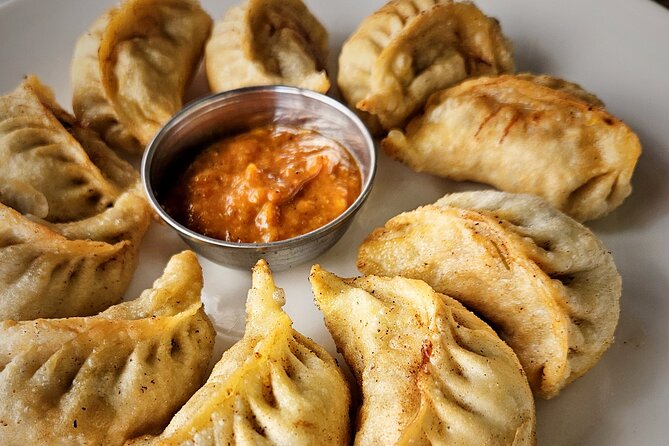
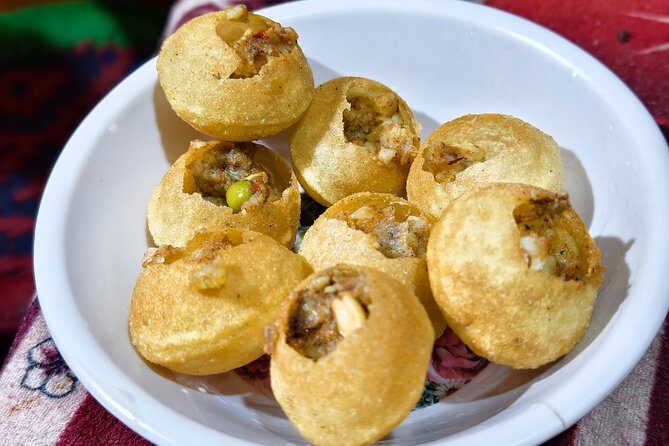
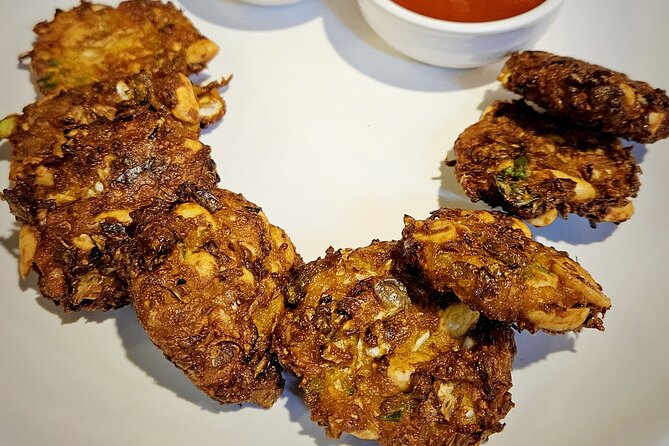
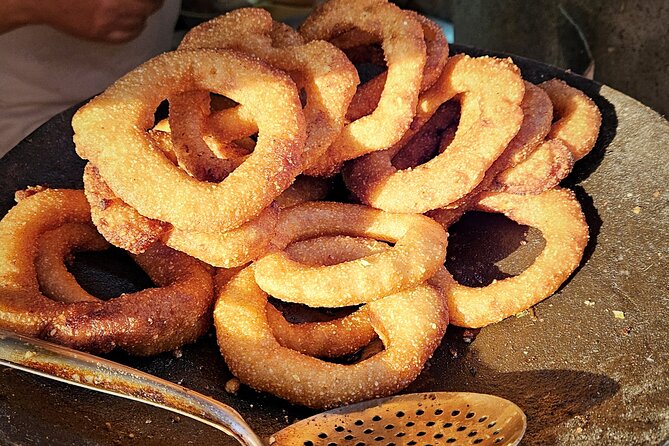
The food is the other major strength. This is not a one-dish introduction built around momo alone. The stops can include a Newari dish, momo, pancakes, noodle soup, lassi, sugar cane juice, masala tea, snacks, and dessert. Exact dishes may vary, but the clear aim is variety rather than one oversized meal.
More Walking Tours in Kathmandu
- Kathmandu: Food and Drink Walking Tour
★ 4.9 · 119 reviews - Walking Street Food Tour in Kathmandu
★ 5.0 · 111 reviews - Walking Food Tour in Hidden Local Eateries of Kathmandu
★ 5.0 · 40 reviews
Starting near the Kaiser Library
The meeting point is Kaiser Library on Kanti Path, in central Kathmandu. The tour ends back at this same meeting point, so you do not need to arrange a ride from a distant final stop.
The tour lasts about three hours. That sounds modest, but the food portions can be substantial. One account describes five places and nine dishes, while another recalls seven stops with decent quantities at each one. Plan this as a full eating session, not a light tasting before dinner.
The listed price is $36.21 per person. For that amount, the package includes coffee or tea, brunch, dinner, snacks, lunch, and bottled water. The meal labels sound amusingly broad, but the practical point is that the food and drinks are covered throughout the walk.
You still need money for personal expenses and gratuities. Private transportation and pickup or drop-off are not included, even though pickup is offered as a feature. Confirm the exact arrangement when booking if you want transport rather than simply meeting at the library.
Thamel: a lively first look at Kathmandu
The first listed stop is Thamel, with about an hour allocated to the area. Thamel is one of Kathmandu’s best-known visitor districts, but it is not only a tourist zone. Its streets mix restaurants, shops, local businesses, religious details, and everyday city movement.
This is a useful place to begin because the guide can help you read the scene. Instead of wandering from one menu to another, you are shown how food fits into the neighborhood. Deepak’s commentary gives context to the dishes and to the streets around them.
The stop may include street food and drinks, and you can expect the pace to be relaxed rather than rushed. That matters when you are trying unfamiliar dishes. You have time to ask what something is, how it is prepared, and how it compares with food from other parts of Nepal.
The downside is the setting. Thamel is crowded and noisy, and the walk takes place in public streets rather than quiet dining rooms. If you want air-conditioned comfort, formal service, or a carefully staged tasting menu, this will feel rough around the edges.
For me, that roughness is part of the point. You are seeing food in the same kind of setting where locals and visitors actually eat, with the city happening around you.
Asan: spices, market life, and local flavor
The route then reaches Asan, with about 30 minutes set aside. Asan is known for its market activity and aromatic spices, making it a natural stop for understanding the ingredients behind Nepalese cooking.
This is where the tour shifts from simply tasting prepared food to noticing the ingredients and trade that support Kathmandu’s kitchens. The guide can connect what you see in the market with what appears on your plate later.
You might find the market more useful if you pay attention to the small details: the smell of spices, the compact lanes, and the way food shopping is woven into the neighborhood. The tour description presents Asan as one of the key places for seeing Kathmandu’s culinary traditions in action.
Do not expect a long market visit. Thirty minutes passes quickly, especially if the group stops to eat or discuss what is around you. The benefit is focus. You receive a short, guided introduction instead of getting lost in a large market and missing the food connection.
Because the streets are crowded and narrow, keep your belongings secure and watch your footing. The route is designed for walking through active city areas, not for a smooth, wide boulevard stroll.
More eating and drinking in Kathmandu:
- Secret Food Tour – Food Bites and Sights Kathmandu 14+ Testings
★ 5.0 · 82 reviews - Kathmandu Secret Food Crawl & Local Market Tour
★ 4.7 · 54 reviews - Kathmandu Food & Drink and Shopping Rickshaw Tour
★ 5.0 · 48 reviews - Kathmandu Food Crawl & Market Tour
★ 5.0 · 26 reviews
Jyatha: small lanes and food you might miss
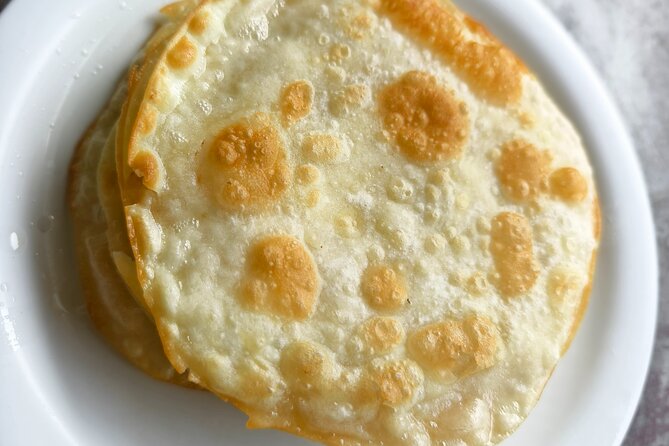
Jyatha receives another 30-minute stop. This area offers a closer look at Kathmandu’s everyday food scene, with the guide taking you through streets and local eating places that can be easy to overlook.
This is one of the strongest reasons to book with a guide. You might walk past a plain doorway without guessing that food is served inside. Deepak’s role is not just to translate a menu. He chooses places he considers worthwhile and helps you feel more comfortable trying something unfamiliar.
The tour combines restaurants and street food. That contrast is helpful. A restaurant stop gives you a chance to sit and focus on the dish, while a street-food stop shows how quickly and casually food can be part of city life.
Some dishes may be new even if you have already spent time in Nepal. One person who had been in the country for almost three weeks still found unfamiliar foods on this route. That suggests the tour has more to offer than the standard first-time introduction.
The limitation is that you may not love every dish. One meal received a mixed response, and one person felt the momo could have been better elsewhere. That is a fair warning. Food taste is personal, and a tour that samples many regional styles will not make every plate a favorite.
Chhetrapati: the final stretch through old Kathmandu
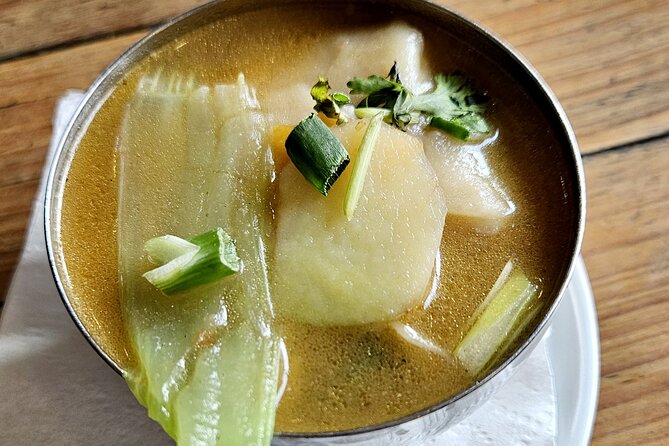
The last listed area is Chhetrapati, with about an hour allocated to the neighborhood. The route moves through narrow streets and older lanes where traditional city life meets modern Kathmandu.
This final section is valuable because it gives the tour a sense of place beyond the plate. Food becomes a way to discuss customs, festivals, religion, regional identity, and the changes taking place in Kathmandu. Deepak is also able to answer wider questions about Nepalese culture and politics, not just explain ingredients.
The long final stop may include more substantial food, drinks, and dessert. Several people found themselves completely full by the end, so do not save your appetite only for the final course. You will need to pace yourself from the first stop.
Chhetrapati also highlights the physical demands of the walk. Tight staircases and narrow lanes can be difficult if you have mobility issues. Most people can participate, but this is not a good match for anyone who needs step-free access or wide, even paths.
The tour requires good weather. If poor weather forces cancellation, you are offered another date or a full refund. Kathmandu rain can make narrow streets less comfortable, so this policy is useful, especially during monsoon season.
What you are likely to eat and drink
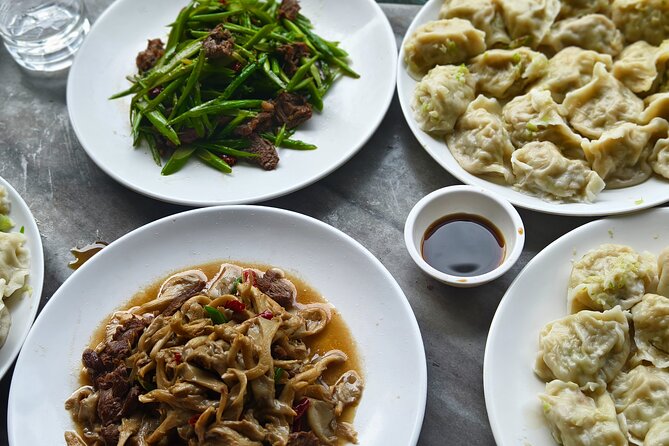
The exact menu is not fixed in the supplied information, and that is worth keeping in mind. Still, the food examples give a clear sense of the range.
You may try:
- Newari food
- Momo
- Pancakes
- Noodle soup
- Lassi
- Sugar cane juice
- Masala tea
- Snacks and dessert
- Coffee or tea
- Bottled water
Newari food is an important part of the experience. The Newar community has shaped Kathmandu’s food culture, and tasting a Newari dish gives you a wider view than ordering the familiar momo at every meal.
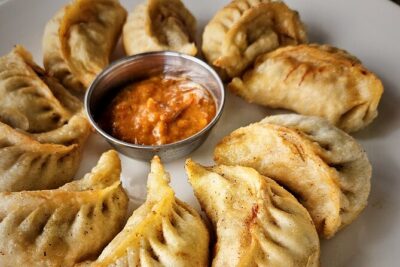
Momo remains part of the route, but the tour is specifically praised for offering more than momo. That is good news if you want a broader introduction. You may taste several textures and styles in one afternoon, with the guide explaining how dishes differ across regions.
Vegetarians are well served. Vegetarian choices are available at all the stops, making this a practical option for plant-based eaters. If you have allergies or strict dietary rules, communicate those before starting, since the available information does not specify how each dish is prepared.
The quantity is generous. The repeated advice to arrive hungry is not a polite suggestion. A medium breakfast followed by the afternoon tour may be the better strategy than eating a large lunch beforehand.
Deepak’s guiding style

Deepak Kushwaha receives unusually strong praise for his personal manner. He is described as warm, friendly, funny, courteous, and easy to talk with. Those qualities matter on a food walk because three hours of eating and walking can feel long if the guide only recites facts.
His strongest skill is connecting the food to a bigger picture. He explains the background of dishes, their possible health benefits, local traditions, festivals, and the history of Nepal. He can also compare Nepalese food and customs with other countries.
That makes the tour useful even if you already know a little about Nepalese cuisine. You can ask questions about dishes you have encountered elsewhere, or get ideas for foods to seek out later.
Deepak has also provided photos and a list of dishes with descriptions after the tour. That is a thoughtful practical touch. It helps you remember what you ate and gives you a reference when you want to find similar food again.
The experience appears especially strong for small groups, where conversation can flow and the guide can adjust the pace. The official maximum is 100 people, which is a large possible ceiling, so I would not assume every departure will be intimate. If group size matters greatly to you, ask before booking.
Is $36.21 good value?
At $36.21, this tour offers solid value if you want a meal-sized introduction to Kathmandu food rather than a brief sample of two or three bites. The included food and drinks can add up quickly in a city, and you are also paying for local guidance and route planning.
The price is especially fair for first-time visitors. You gain several dishes, multiple neighborhoods, context about what you are eating, and a list of places and foods to remember. You also avoid the trial and error of choosing unfamiliar stalls alone.
The value is less clear if you prefer to eat slowly at one restaurant or already know exactly where you want to dine. You are paying for variety, access, and explanation. If your priority is a refined meal, this is the wrong product.
Tips are not included. Personal purchases and private transport also cost extra. Still, the core price covers enough food that you should not need to budget for another full meal immediately afterward.
Who should book this walk?
I would recommend it to first-time visitors who want an easy introduction to Nepalese food and Kathmandu’s central districts. It also suits curious eaters who like trying dishes they would not confidently order alone.
Vegetarians should find this a workable choice, and families or pairs can benefit from the relaxed conversation and broad menu. It is also a good rainy-afternoon option when the weather allows the walk to continue, as the route includes food stops and indoor eating places.
You should think twice if you have mobility limits, dislike narrow streets, or want a quiet dining experience. The route includes tight staircases and lanes, and the city can feel chaotic. Anyone with serious food allergies should ask detailed questions before booking.
The tour has a maximum capacity of 100 people, although some departures may be much smaller. Most people can participate, service animals are allowed, and the meeting point is near public transportation.
Booking and cancellation details
Confirmation is provided at booking. Pickup is offered, but private transportation pickup and drop-off are not included in the price, so check what applies to your selected arrangement.
You can cancel at least 24 hours before the local start time for a full refund. Cancellations or changes inside 24 hours are not accepted for a refund. Poor weather is an exception: if the operator cancels, you can choose another date or receive a full refund.
Should you book the Kathmandu food walk?
Book it if you want a filling, guided introduction to Nepalese food with real neighborhood walking. Deepak’s explanations, the mix of street food and restaurants, and the range from Newari dishes to drinks and dessert give you a useful first map of Kathmandu’s food culture.
Skip it if you want luxury, a fixed fine-dining menu, or an effortless route without stairs and narrow lanes. For most curious eaters, though, $36.21 buys more than lunch. It buys local orientation, several new flavors, and a better idea of where Kathmandu’s food life happens.
FAQ
How long does the Kathmandu Food and Drink Walking Tour last?
The tour lasts approximately three hours.
Where does the tour start?
It starts at Kaiser Library, P878+H4G, Kanti Path, Kathmandu 44600, Nepal.
Where does the tour end?
The tour ends back at the meeting point.
What areas does the walking tour visit?
The route includes Thamel, Asan, Jyatha, and Chhetrapati.
What food and drinks are included?
The package includes coffee or tea, brunch, dinner, snacks, lunch, and bottled water.
Is vegetarian food available?
Yes. Vegetarian options are available at all places on the tour.
Is hotel pickup included?
Pickup is offered, but private transportation pickup and drop-off are not included in the stated price.
How much does the tour cost?
The listed price is $36.21 per person.
Can I cancel for a full refund?
Yes. You must cancel at least 24 hours before the experience start time for a full refund.
Is the tour suitable for people with mobility issues?
The route includes narrow lanes and tight staircases, so it may not suit someone with mobility issues. Most participants can take part, and service animals are allowed.
New in the Kathmandu listings
- Traditional Momo Making Class★ 5.0 · 10 reviews
- Kathmandu: Ancient City Kirtipur & Pharping Monastery Tour★ 5.0 · 2 reviews
- Kathmandu to Pokhara Premium sofa bus ticket★ 4.0 · 17 reviews
- Women Empowerment Project(Nepali cooking class & jewelry workshop★ 5.0 · 15 reviews
- 7-Day Langtang Valley Trek from Kathmandu★ 5.0 · 1 review
- Kathmandu 2 Nights 3 Days Chitwan Jungle Safari Tour★ 5.0 · 9 reviews
- Yoga Experience Day Trip with Private Transfer From Kathmandu★ 4.0 · 2 reviews
- Wildlife Adventure in Chitwan Nepal★ 4.0 · 4 reviews
Walking Tours, compared.
Walking Food Tour in Hidden Local Eateries of Kathmandu
Read our review →
Old Kathmandu Walking Tour, Historic World Heritage Durbar Square
Read our review →

Full-Day Safari Canoeing and Jungle Walk and Jeep
Read our review →Browse the lists this tour appears in