
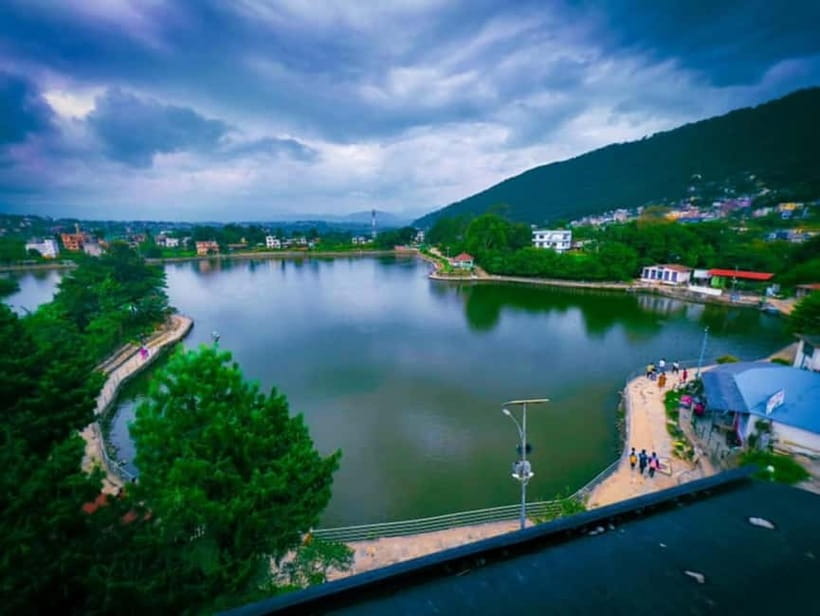
REVIEW · KIRTIPUR TOURS
Discover Kathmandu: Dakshinkali, Kirtipur & Taudaha Lake
Sacred places, old streets, and a quiet lake await.
This seven-hour outing gives you a useful look beyond central Kathmandu. You visit Dakshinkali Temple, one of Nepal’s most important Hindu shrines, then explore the Newari town of Kirtipur before resting beside Taudaha Lake. I like the mix of religion, local culture, and nature. I also like that the route includes a traditional lunch and private hotel transfers when selected. The main consideration is value: at $33 per person, the price may feel high if you want a longer visit at each stop.
The day begins early, with a 7:00 AM departure from Thamel. A local English-speaking guide joins you, and a professional driver handles the road between sites. In one verified booking, the guide was described as very friendly and even helped with shopping at the end, while the driver was praised for his professional manner. That is useful support on a day with several short visits, though the tour may finish earlier than the scheduled 3:00 PM return.
In This Review
- Key points to know before booking
- Why this route works for a first day outside Kathmandu
- 7:00 AM departure from Thamel
- Dakshinkali Temple and the rituals of Goddess Kali
- Breakfast at a local tea house
- Kirtipur: Newari streets, temples, and local life
- A traditional Newari lunch at midday
- Taudaha Lake and a quiet afternoon pause
- The guide, driver, and pace of the day
- Is $33 per person good value?
- Who should book this outing?
- Should you book it?
- FAQ
- How long does the tour last?
- Where does the tour start?
- Where does the tour end?
- Is hotel pickup available?
- What language does the guide speak?
- What is Dakshinkali Temple dedicated to?
- What can I see at Dakshinkali Temple?
- What can I do at Taudaha Lake?
- Is lunch included?
- Can I cancel for a full refund?
Key points to know before booking
- Dakshinkali is a working Hindu temple: You can see prayers, rituals, and offerings at a major shrine dedicated to Goddess Kali.
- Kirtipur gives you Newari culture: The town offers traditional architecture, old temples, markets, festivals, and a close look at everyday local life.
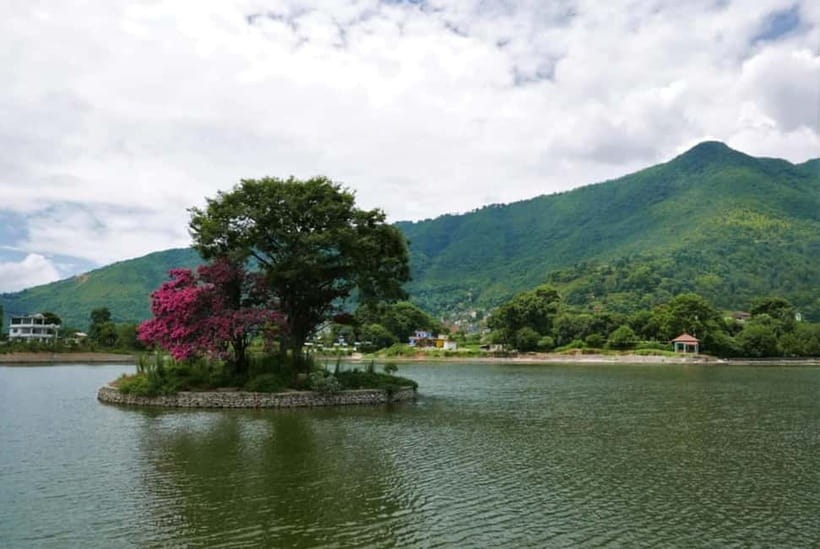
- Taudaha Lake is for quiet time: You can stroll and feed fish, but swimming and boating are not allowed.
- Lunch matters to the value: A traditional Newari meal is included only when that option is selected, so check the exact package before booking.
- The road time is part of the experience: You travel through the Kathmandu Valley by private vehicle, with scenic views between the stops.
- The schedule is active but not rushed on paper: You leave at 7:00 AM and return around 3:00 PM, though one booking ended well before the planned finish.
Why this route works for a first day outside Kathmandu
Kathmandu Valley can feel crowded, noisy, and full of competing sights. This route helps you spread your attention across three very different places. You begin with a major religious site, move into an old Newari settlement, and finish at a peaceful lake.
I like that the day does not try to cover a long list of monuments. Instead, you get three distinct settings. Dakshinkali shows you living religious practice. Kirtipur brings architecture and community life into focus. Taudaha gives you a slower finish.
The schedule also keeps the travel practical. Dakshinkali is about 23 kilometers outside Kathmandu Valley, and the drive from Kathmandu takes roughly one hour. Kirtipur follows with a 30-minute drive, and Taudaha Lake is only about 15 minutes farther. You spend part of the day on the road, but the route forms a sensible loop through the valley area rather than sending you in unrelated directions.
The private vehicle option is especially useful if you prefer a fixed schedule and hotel pickup. Round-trip hotel transfers are included when selected, with Thamel listed as the starting and ending point. If you choose a package without transfers, make sure you understand how you will meet the group and return to your hotel.
More time in Kirtipur:
7:00 AM departure from Thamel
The morning starts at 7:00 AM in Thamel. That early departure is helpful because it gives you time for all three stops before the afternoon. It also means you should be ready for a full morning before the first major meal.
The first journey takes about one hour. During the drive, you get views across the Kathmandu Valley and a sense of how quickly the city gives way to smaller communities and open areas. The exact scenery depends on traffic and road conditions, so I would treat the drive as part of the day rather than expect a scenic coach ride at every moment.
A private vehicle makes the route easier than arranging separate taxis. You can leave your bags in the vehicle between stops and avoid negotiating each leg of the journey. Mineral water is provided, and the guide carries an emergency first aid kit. Those are modest inclusions, but they are sensible on a seven-hour outing.
Dakshinkali Temple and the rituals of Goddess Kali
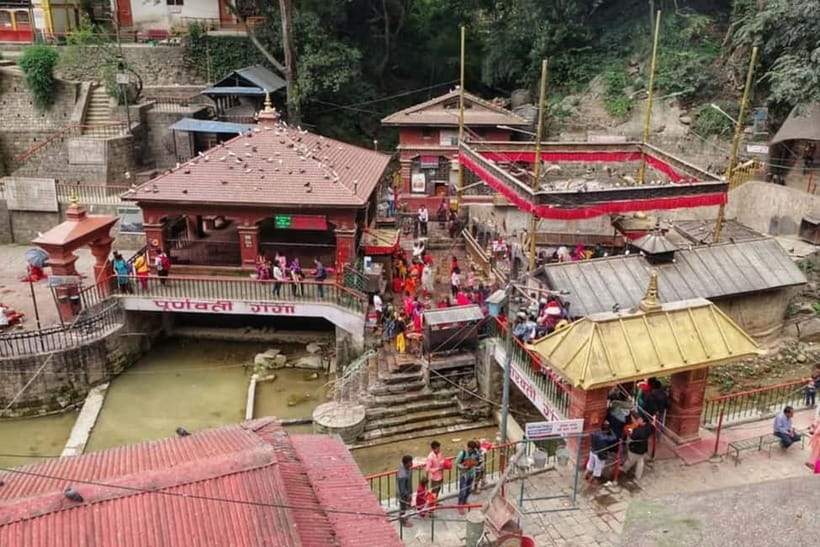
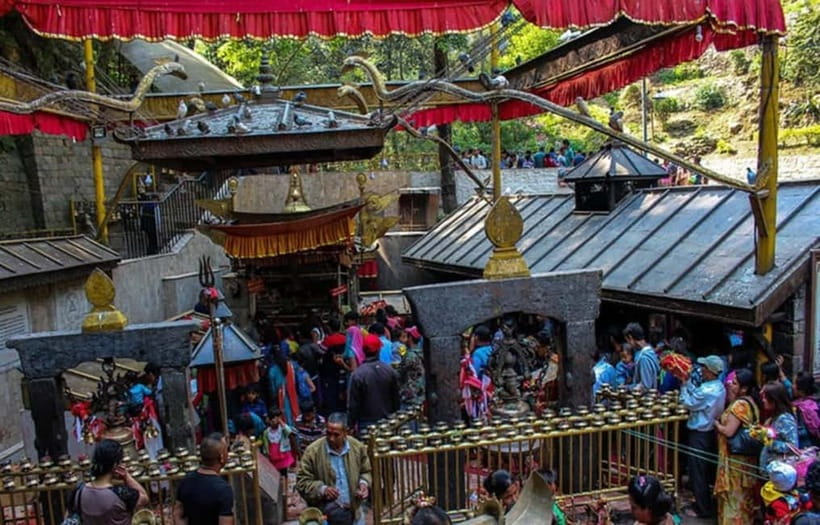
You reach Dakshinkali Temple at about 8:00 AM. The shrine is dedicated to Goddess Kali and is regarded as one of Nepal’s most revered Hindu sites. Pilgrims come throughout the year, with particularly large numbers during Dashain, Nepal’s biggest festival.
This is not simply a quiet architectural stop. It is a working place of worship, and the main reason to visit is to observe religious practice in progress. You can expect prayers, offerings, and ritual activity around the temple. Your guide can help explain what you are seeing and how the site fits into Nepal’s Hindu traditions.
I like this part of the route because it gives you context that a photograph cannot provide. You see a sacred place being used by worshippers, not just preserved for sightseeing. That also calls for respectful behavior. Follow your guide’s instructions, avoid treating rituals as a staged performance, and be aware that some areas or activities may not be intended for casual exploration.
The stop includes a guided walk and sightseeing. The time available is about 90 minutes before breakfast, which should be enough for an introduction and a look around. It may not satisfy you if you want a long, detailed study of every part of the temple complex.
The temple’s religious character is also the reason this tour may not suit every visitor. If you prefer only secular monuments, the rituals and offerings may feel intense or unfamiliar. If you are open to seeing faith as part of daily life, Dakshinkali is likely to be the most memorable stop of the morning.
Breakfast at a local tea house
At around 9:30 AM, you stop at a local tea house for breakfast. This short break comes at a good time, after an early start and a visit that involves walking.
The details of the breakfast are not specified, so I would not book this tour expecting a particular dish. Think of it as a practical pause rather than a full food tour. The more substantial meal comes later in Kirtipur, where a traditional Newari lunch is available when selected.
This is also a useful moment to ask your guide questions about the temple or the next stop. The guide speaks English, and the small group rhythm of a guided outing can make it easier to get clear answers than it would be while moving independently.
A short list of alternatives around Kathmandu
- Everest Base Camp Trek – 14 Days
★ 5.0 · 1,499 reviews - Private Kathmandu Sightseeing Tour | UNESCO World Heritage sites
★ 5.0 · 756 reviews - Everest Base Camp Helicopter Tour landing at Everest View Hotel
★ 5.0 · 668 reviews - Half day cooking class in Thamel kathmandu
★ 5.0 · 607 reviews
Kirtipur: Newari streets, temples, and local life
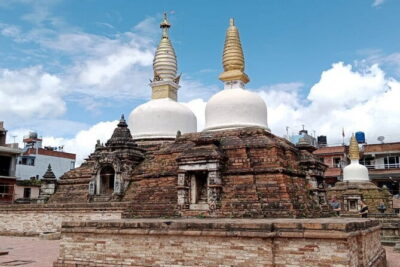
After breakfast, you drive about 30 minutes to Kirtipur, arriving around 10:30 AM. The town is known for its Newari culture, traditional architecture, old temples, and local markets.
Kirtipur offers a different kind of experience from Dakshinkali. At the temple, religion is the focus. Here, the town itself is the subject. You walk through an old Newari setting where buildings, shrines, markets, and daily routines sit close together.
The visit includes a guided tour, sightseeing, and free time. That combination is valuable. A guide can point out details that you might otherwise pass without noticing, while free time lets you set your own pace and take photographs.
I would use the guided portion to ask about Newari customs, architecture, and the role of traditional festivals. Kirtipur is known for Jatras, local festivals with processions and religious celebrations. If your visit does not coincide with one, you will not get the full festival atmosphere, but the guide can still explain why these events matter to the town.
The schedule allows about two hours before lunch. That is a fair amount of time for a first look, though Kirtipur can reward a slower visit. You may feel that the stop is brief if you want to explore every lane, market, and temple. The benefit is that the tour gives you a clear introduction without requiring you to plan the town on your own.
The town is also the best place in the day to focus on architecture. Look for the relationship between homes, religious structures, and public spaces. The appeal is not one single famous building. It is the way the old town presents culture through its streets and buildings.
A traditional Newari lunch at midday
Lunch is scheduled for 12:30 PM at a traditional Newari restaurant. A Newari meal is one of the strongest reasons to select the lunch option. The food is described as full of local flavors, but individual dishes are not specified, so you should confirm what your chosen package includes.
Lunch adds more than convenience. It gives you a direct way to connect the cultural visit with local food. Newari cuisine is an important part of the valley’s identity, and a traditional meal can make Kirtipur feel like more than a quick walk through historic streets.
There is one useful detail from the booking experience: the meal was provided even though the booking did not necessarily make its inclusion clear. I would not rely on that happening. Check your selected option in advance so you know if lunch is covered or if you need to pay separately.
The timing is efficient. You eat shortly after the Kirtipur visit, then leave for Taudaha Lake at 1:00 PM. If you enjoy long meals and extended conversation, this may feel short. If you want to see three places in one day, the schedule keeps things moving.
Taudaha Lake and a quiet afternoon pause
The drive to Taudaha Lake takes about 15 minutes, and you arrive around 1:30 PM. After the early start and the temple and town visits, the lake provides a welcome change of pace.
Taudaha is a sacred lake in the Kirtipur area. You can take a peaceful walk along the shore and feed the fish. Bamboo huts offer local delicacies, giving you another chance to observe the area at an easy pace.
The lake is not set up for water activities. Swimming and boating are not allowed, so plan on walking, sitting, and enjoying the quiet. That limitation is worth knowing before you arrive. If you want an active nature stop, the lake may feel too simple. If you appreciate a calm place after a busy morning, it is a sensible final stop.
I like the order of the itinerary here. Ending at the lake gives you time to slow down before the return drive. You are not trying to squeeze another major monument into the afternoon. The fish feeding and nature walk are modest activities, but that is part of the appeal.
The scheduled lake visit lasts about 90 minutes before the 3:00 PM return to Kathmandu. You may find bamboo huts serving local food, but the tour information does not specify whether anything there is included. Bring that distinction to mind: the selected lunch and the lake-side delicacies are not automatically the same thing.
The guide, driver, and pace of the day
The experience includes an English-speaking local guide and a driver. In the only recorded booking feedback available, the guide was described as very friendly, and the driver was praised as professional. Those are important strengths for a route that depends on clear timing and steady transport.
The guide also accompanied the customer to do some shopping at the end of the tour. That is not listed as a formal stop, so you should not assume shopping assistance is guaranteed. Still, it suggests a helpful, flexible approach when the schedule allows.
The planned return is around 3:00 PM, but the tour can finish earlier. In one case, it ended well before the expected time. That could be a benefit if you want the rest of the afternoon free, but it may also mean less time at the stops than you expected. If you value a slow, unhurried visit, ask how much time is normally spent at each location.
Is $33 per person good value?
At $33 per person, the price is reasonable if your package includes the guide, private round-trip transport, entrance or permit fees, and lunch. The value is strongest when you want convenience and cultural explanation rather than simply getting from one site to another.
The package details matter. Hotel transfers, entry permit fees, and lunch are listed as included only when selected. Check the exact option carefully, because a lower advertised price may not cover every part of the day.
I would compare the cost with what it would take to arrange three separate stops by taxi, find each site, organize meal plans, and return to Thamel. The guide is the main added value. You are paying for a planned route and local interpretation, not only for transport.
The weakness is the number of locations. You see three places, but two are relatively focused stops and the day may finish early. The available feedback called the price high for the number of sites visited. I think that criticism is fair if you measure value by how many major attractions you check off.
For a first visit, I would still consider the price fair when lunch and transport are included. For repeat visitors who already know the valley or prefer long visits at one site, independent arrangements may offer better value.
Who should book this outing?
I would recommend it to you if you want a compact introduction to Hindu worship, Newari culture, local food, and a quiet natural setting. It suits first-time visitors who prefer an organized day and want an English-speaking guide to explain what they see.
It also works well for anyone staying in Thamel who wants to leave the central city without building a complicated plan. The private vehicle, mineral water, guide, and flexible cancellation up to 24 hours before departure make the arrangement simple.
You may want a different experience if you prefer extensive museum visits, long walks, or a packed schedule of famous monuments. The tour is more about atmosphere and local context than a long list of headline sights.
Should you book it?
Book this tour if three contrasting experiences in one day appeal to you: Dakshinkali’s active religious setting, Kirtipur’s Newari streets, and Taudaha Lake’s quiet shore. Select the package with lunch and transfers if you want the strongest value and the least planning.
Skip it if $33 feels high for a short introduction or if you want to spend several hours at one major site. For most first-time visitors with only one free day outside Kathmandu, I think the route offers a useful and well-balanced taste of the valley, with the friendly guide and professional driver adding real practical value.
FAQ
How long does the tour last?
The scheduled duration is seven hours, from a 7:00 AM departure to an approximately 3:00 PM return. The actual day may finish earlier.
Where does the tour start?
The listed starting location is Thamel in Kathmandu.
Where does the tour end?
The tour returns to Thamel.
Is hotel pickup available?
Round-trip hotel transfers by private vehicle are included if you select that option.
What language does the guide speak?
The live tour guide speaks English.
What is Dakshinkali Temple dedicated to?
Dakshinkali Temple is dedicated to Goddess Kali, a major Hindu deity.
What can I see at Dakshinkali Temple?
You can explore the sacred site, see Hindu rituals and offerings, and take a guided walk.
What can I do at Taudaha Lake?
You can feed the fish, stroll beside the lake, and enjoy a peaceful nature walk. Swimming and boating are not allowed.
Is lunch included?
A traditional Newari lunch is included if you select the lunch option. Check the package details before booking.
Can I cancel for a full refund?
You can cancel up to 24 hours in advance for a full refund.
New in the Kathmandu listings
- Traditional Momo Making Class★ 5.0 · 10 reviews
- Kathmandu: Ancient City Kirtipur & Pharping Monastery Tour★ 5.0 · 2 reviews
- Women Empowerment Project(Nepali cooking class & jewelry workshop★ 5.0 · 15 reviews
- Kathmandu to Pokhara Premium sofa bus ticket★ 4.0 · 17 reviews
- 7-Day Langtang Valley Trek from Kathmandu★ 5.0 · 1 review
- Kathmandu 2 Nights 3 Days Chitwan Jungle Safari Tour★ 5.0 · 9 reviews
- Yoga Experience Day Trip with Private Transfer From Kathmandu★ 4.0 · 2 reviews
- Wildlife Adventure in Chitwan Nepal★ 4.0 · 4 reviews
Kirtipur Tours, compared.
Kirtipur & Swayambhu Trip from Kathmandu: Local Eats and Drinks
Read our review →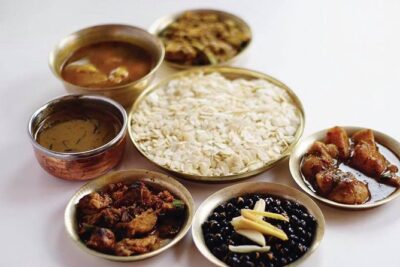
Private half day Medieval Kirtipur town with Newari food tasting trip
Read our review →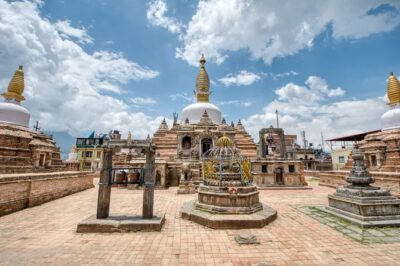
Escorted Full Day Pharping, Dakshinkali and Kirtipur Day Trip with Newari Lunch
Read our review →
Private Half Day Kirtipur Trip With Newari Food Tasting
Read our review →
Kirtipur: Kritipur Tour, tasting local Cuisines and Drinks
Read our review →
Discovering Kirtipur’s Hidden Treasures City Walk
Read our review →
Private Tour of Kirtipur, Chobhar and Dakchhinkali Temple
Read our review →
Browse the lists this tour appears in