
REVIEW · HISTORICAL TOURS
Morning Half Day Tibetan cultural tour to Tibetan Settlements
Tibetan mornings begin before sunrise. This three to four-hour Pokhara tour takes you to two monasteries and a Tibetan settlement, with guide Thupten Gyatso providing personal insight into refugee life, Buddhist practice, and local food. The early start is part of the point: you can attend morning prayer before the day gets busy.
I like the small cultural focus of this experience, especially the chance to eat breakfast in a Tibetan family home rather than only looking at monastery buildings. I also like the easy hotel pickup, included tea, and direct access to a guide from the Tibetan refugee community. The main drawback is the 5:30 a.m. departure, which will feel early if you prefer slow holiday mornings.
In This Review
- Key points to know before booking
- Why this early Pokhara tour is different
- 5:30 a.m. pickup and the value of a ready-made morning
- Jangchub Choeling Tibetan Monastery and the morning prayer
- Breakfast with a Tibetan family at Tashi Palkhel
- Pema Ts’al Sakya Monastic Institute and monastic education
- What Thupten Gyatso adds to the experience
- Timing, comfort, and what to bring
- Who will get the most from this tour
- Is $60 a fair price in Pokhara?
- Should you book the Tibetan cultural tour?
- FAQ
- Where does the Tibetan cultural tour take place?
- What time does the tour depart?
- What time does the tour return?
- Is hotel pickup included?
- Who guides the experience?
- Is breakfast included?
- Is lunch included?
- How much does the tour cost?
Key points to know before booking
- Morning prayer at Jangchub Choeling Tibetan Monastery: Begin the tour with Tibetan Buddhist worship and an introduction to religious symbols and images.
- Breakfast in a Tibetan family home: Visit Tashi Palkhel Tibetan Settlement and share a traditional meal with tea.
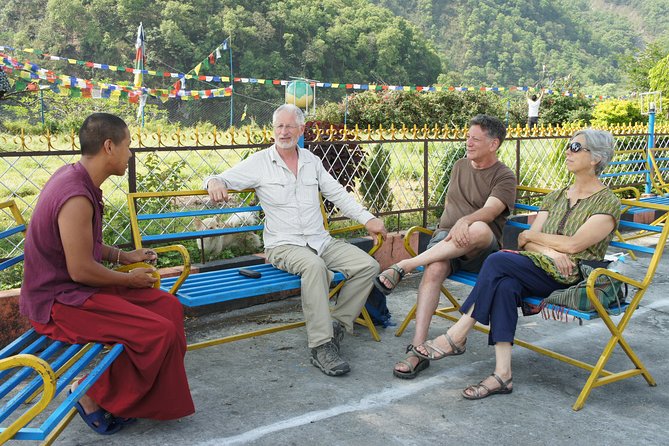
- A guide with a personal connection: Thupten Gyatso comes from the Tibetan refugee community and explains the settlement from lived cultural experience.
- Three meaningful stops: The route includes Jangchub Choeling Tibetan Monastery, Tashi Palkhel Tibetan Settlement, and Pema Ts’al Sakya Monastic Institute.
- Simple half-day timing: Pickup begins at 5:30 a.m., with a return to your Pokhara hotel around 9:00 a.m.
- Good value for a focused cultural visit: At $60 per person, the price covers transport, guiding, breakfast, tea, coffee, and bottled water.
Why this early Pokhara tour is different
Many cultural outings give you a building, a few facts, and a quick photo stop. This one is built around contact with Tibetan religious and family life. You visit active monasteries, meet residents of a Tibetan settlement, and eat in a local home.
That combination matters. A monastery can tell you about Buddhist practice, but a family breakfast helps connect that practice to daily life. The guide adds another layer by explaining the experience of Tibetans who live in Nepal as refugees.
You should also understand the pace. The tour lasts about three to four hours, and the listed schedule runs from 5:30 a.m. to 9:00 a.m. This is not a leisurely brunch outing. It is an early cultural visit designed to fit neatly into the rest of your day in Pokhara.
The early hour brings one clear benefit: you attend morning group prayer at Jangchub Choeling Tibetan Monastery. If you want to see Tibetan Buddhism as a living practice rather than a museum display, this is the strongest reason to set your alarm.
More history tours in Pokhara:
- Full-Day Tibetan Cultural Tour to Tibetan Settlements Pokhara
★ 5.0 · 184 reviews - Afternoon Tibetan Cultural Tour to Tibetan Settlements Pokhara
★ 5.0 · 106 reviews - Morning Tibetan cultural tour to Tibetan settlements Pokhara
★ 5.0 · 66 reviews
5:30 a.m. pickup and the value of a ready-made morning
Round-trip transport from your Pokhara hotel is included. That removes one of the least pleasant parts of an early outing: arranging your own ride before dawn and finding the right place in an unfamiliar area.
The tour includes a driver and guide, listed as both a driver-guide and a professional guide. Thupten Gyatso leads the cultural side of the visit. His connection to the Tibetan refugee community is important because he can explain more than architecture or ritual. You can ask about the community, its traditions, and the struggles faced by Tibetans living in Nepal.
At $60 per person, this is not the cheapest way to spend a morning in Pokhara. The value comes from the package: hotel pickup and drop-off, a dedicated guide, visits to three sites, breakfast, tea or coffee, and bottled water. Admission tickets are listed as free for the stops, so you are mainly paying for transport, organization, interpretation, and the family meal.
That makes the price easier to justify if you want a structured cultural experience. It is less appealing if you only want to see a monastery from the outside or are comfortable arranging local transport and exploring independently.
Group discounts are offered, which may improve the cost for families or friends booking together. The tour also provides a mobile ticket, useful when you are carrying a phone rather than printed paperwork.
Jangchub Choeling Tibetan Monastery and the morning prayer
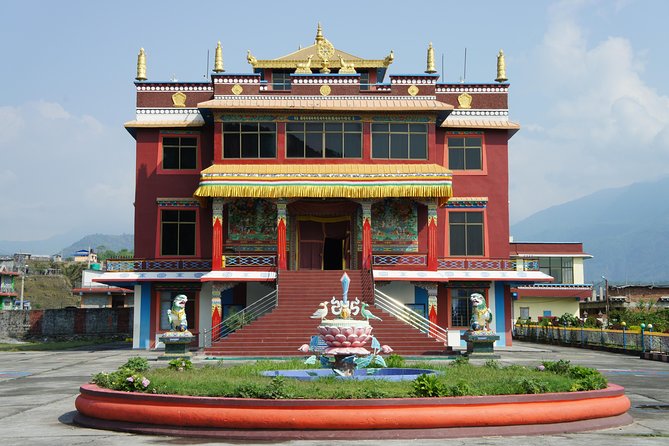
The first stop is Jangchub Choeling Tibetan Monastery, with about an hour allocated for the visit. The main feature is the morning group prayer, which gives the tour its early start.
You can expect an introduction to Tibetan Buddhist symbols and images as part of the visit. This is useful because religious artwork can be confusing if you only see it as decoration. A guide can explain what you are looking at and place the images within Tibetan Buddhist practice.
The prayer setting also asks for a respectful approach. Keep your voice low, follow instructions from the guide, and treat the service as worship rather than a performance arranged for visitors. The supplied information does not promise a private audience or a particular ritual, so you should think of this as an opportunity to observe a group prayer respectfully.
The one-hour timing is enough for an introduction, though not for a detailed study of every religious object. If you are especially interested in Buddhist art or monastic practice, you may wish the visit were longer. For a half-day tour, though, the stop gives you a clear religious foundation before the family and education-focused visits later in the morning.
Breakfast with a Tibetan family at Tashi Palkhel
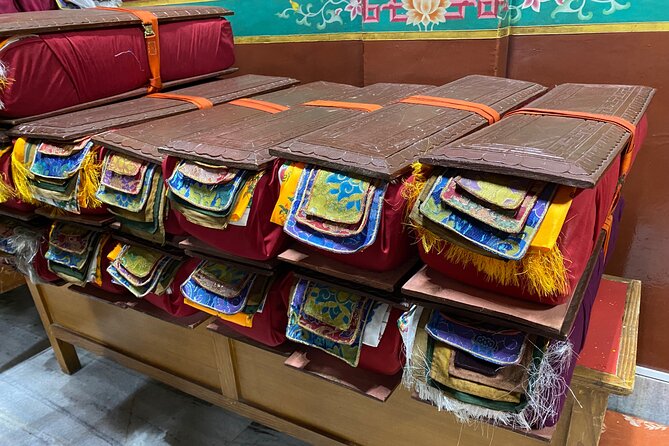
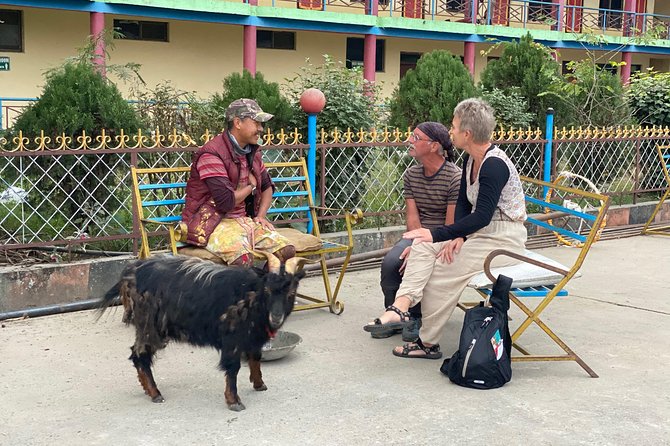
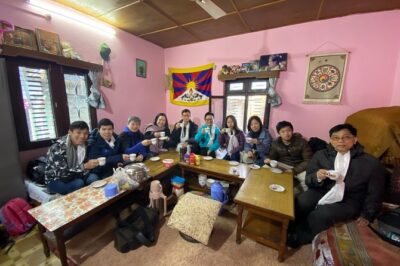
The second stop is Tashi Palkhel Tibetan Settlement. Here, you visit a local Tibetan family’s home and share a traditional Tibetan breakfast.
This is the most personal part of the morning. Food gives you a direct way to connect with culture. You are not simply hearing that Tibetan traditions continue in Nepal. You are sitting in a family home, tasting food, and learning about its history and cultural meaning through Thupten’s explanation.
Breakfast and tea are included, along with coffee or tea as listed among the tour provisions. The exact menu is not specified, so you should not book this expecting a particular dish. The useful point is the setting: a traditional meal in a local home, rather than a standard restaurant breakfast.
The visit is scheduled for about an hour. That should give you time to eat and listen, but it is still a hosted tour rather than a long family visit. Bring an open mind and be ready to ask polite questions. The experience is strongest when you treat the meal as an exchange, not just a food sample.
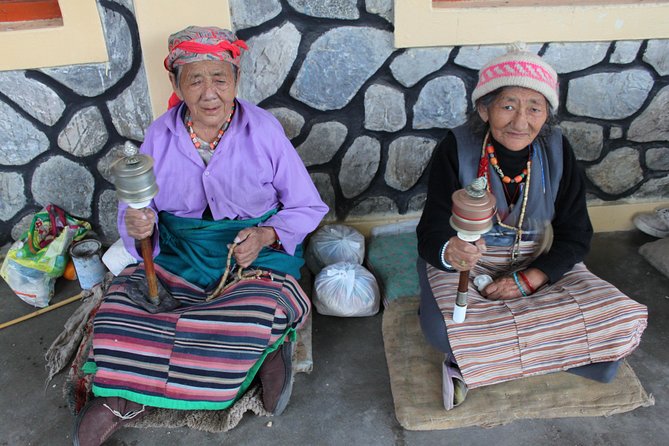
Tashi Palkhel also helps explain the settlement side of Tibetan life in Nepal. The tour specifically presents residents as refugees from Tibet, and your guide discusses the difficulties connected with that experience. This gives the morning a serious edge. You will hear about culture and spirituality, but also about displacement and the effort to preserve identity away from Tibet.
A short list of alternatives around Pokhara
- ZipFlyer Nepal – The World’s Steepest Zip-line
★ 5.0 · 608 reviews - Bungee Pokhara by HighGround Adventures
★ 5.0 · 366 reviews - From Pokhara: Sarangkot Sunrise Himalayas Tour
★ 4.7 · 218 reviews - ATV Adventure Tour in Pokhara, Nepal
★ 5.0 · 194 reviews
Pema Ts’al Sakya Monastic Institute and monastic education
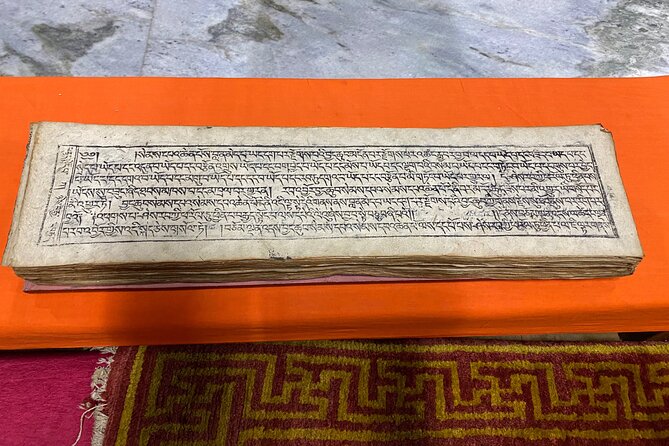
The third stop is Pema Ts’al Sakya Monastic Institute, another Buddhist monastery. The visit focuses on monastic life and education.
A young monk is expected to share insights into life and study at the institute. That offers a useful contrast with the prayer visit at Jangchub Choeling. At the first monastery, you focus on worship and Buddhist symbols. At Pema Ts’al, you learn more about the people who live and study within a monastic setting.
The word education is important here. A monastery is not only a place for prayer. It can also be a place where young monks learn, live, and prepare for religious responsibilities. The information provided does not give details about the monk’s age, curriculum, or daily schedule, so you should allow the visit to remain a general introduction rather than expect a full lesson in monastic training.
This stop is also listed as lasting about an hour. With three one-hour visits, the morning has a clear rhythm: prayer, family life, then monastic education. That structure makes the tour feel more thoughtful than a simple sequence of sightseeing stops.
What Thupten Gyatso adds to the experience
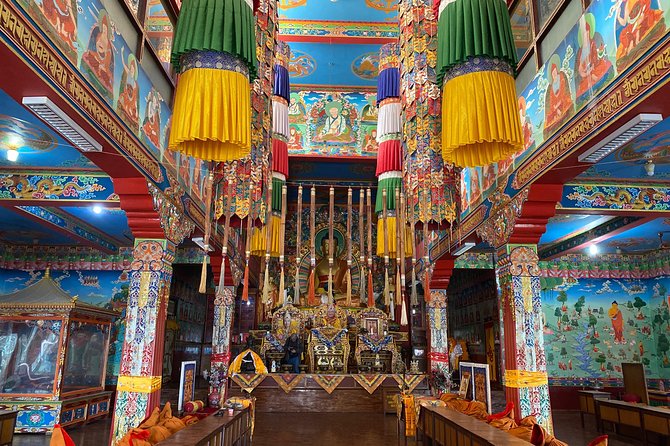
The guide is central here. Thupten Gyatso is presented as a member of the Tibetan refugee community, not simply a general sightseeing guide assigned to the route.
That distinction can change the quality of the visit. You get explanations of Tibetan culture and religion, but also a guide who can speak about the refugee community with personal cultural understanding. The tour is designed to cover both spiritual ideas and the residents’ struggles in Nepal.
You should still see the tour as an introduction. Three stops in one morning cannot explain every part of Tibetan history, Buddhism, food, family life, and refugee experience. What it can do is give you a human starting point and direct you toward questions you may want to explore further.
I especially value the connection between the guide and the family breakfast. Without that link, the meal could feel like a quick cultural display. With context about the food and its place in Tibetan culture, it becomes more meaningful.
Timing, comfort, and what to bring
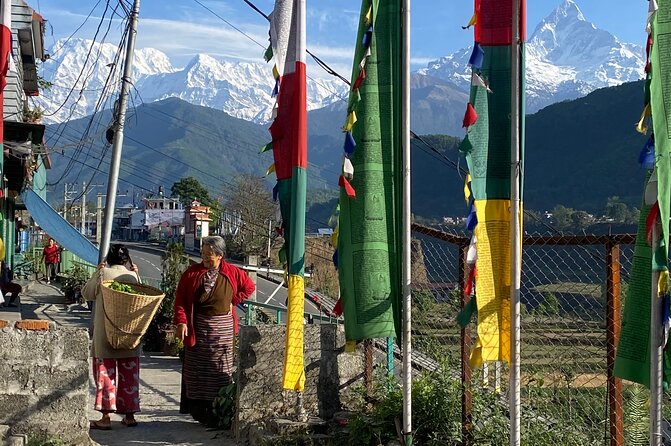
The schedule is straightforward:
- Pickup and departure: 5:30 a.m.
- Jangchub Choeling Tibetan Monastery: about one hour
- Tashi Palkhel Tibetan Settlement: about one hour
- Pema Ts’al Sakya Monastic Institute: about one hour
- Return to Pokhara: around 9:00 a.m.
The listed duration is approximately three to four hours, so the exact time may allow for transport between stops and the pace of the visit. Hotel pickup and drop-off keep the morning simple.
Wear clothing suitable for visiting Buddhist monasteries. The tour information does not give a formal dress code, but modest, respectful clothing is a sensible choice for prayer spaces and religious institutes. Comfortable clothing also helps during an early morning outing.
Breakfast, tea, coffee, bottled water, and transport are included. Lunch is not included, which should not be a problem because you return to Pokhara around breakfast time. You can plan your own later meal rather than paying for food you may not want during a short morning tour.
A DVD is listed as available to purchase, but it is not included. Treat that as an optional extra, not part of the core experience.
Who will get the most from this tour
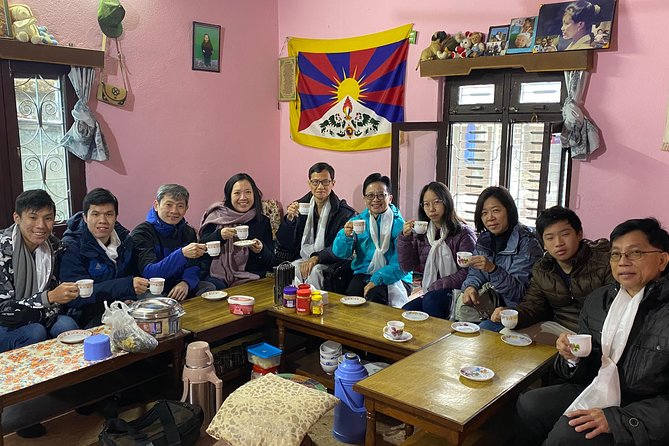
I would recommend this tour to you if you want cultural contact with some context. It suits people interested in Tibetan Buddhism, refugee communities, food traditions, and the connection between religious institutions and everyday life.
It is also a good fit if you have limited time in Pokhara. The morning schedule leaves most of the day free, while the hotel transfer removes much of the planning work.
Families and small groups may find the group discount useful. The breakfast visit can also make the tour more approachable for people who find formal religious sites difficult to understand on their own.
You may want to skip it if you dislike very early starts, prefer independent exploration, or want long periods at each monastery. The tour covers three places in a short window, so it favors variety and interpretation over slow, quiet study.
Is $60 a fair price in Pokhara?
The $60 price deserves a practical look. You are not paying for expensive entrance tickets, since admission is listed as free. You are paying for a planned route, early hotel transport, a professional guide, the driver, breakfast in a Tibetan home, hot drinks, and access to people and places that may be difficult to arrange on your own.
For someone interested in Tibetan culture, that is a reasonable value. The family-home breakfast and guide’s community connection are the parts that give the price its weight. They offer more than a standard drive to a monastery.
If you are traveling on a tight budget and can arrange your own transport, you may prefer a self-guided visit. But you would lose the organized introduction, the family meal, and the guide’s explanation of refugee life. The right choice depends on how much you value interpretation and personal access.
Should you book the Tibetan cultural tour?
Book it if you can handle a 5:30 a.m. start and want a focused look at Tibetan life in Pokhara. The strongest reasons are the morning prayer, breakfast with a local Tibetan family, and Thupten Gyatso’s connection to the refugee community.
Think twice if you want a relaxed morning or a long visit at one single site. This is a compact experience, not a full-day study program. Still, for three to four hours, it brings together prayer, food, family life, monastic education, and the difficult story of displacement in a useful way.
FAQ
Where does the Tibetan cultural tour take place?
The tour takes place in Pokhara, Nepal, and visits Jangchub Choeling Tibetan Monastery, Tashi Palkhel Tibetan Settlement, and Pema Ts’al Sakya Monastic Institute.
What time does the tour depart?
The scheduled departure time is 5:30 a.m.
What time does the tour return?
The scheduled return time is 9:00 a.m., with the total experience lasting approximately three to four hours.
Is hotel pickup included?
Yes. Round-trip pickup and drop-off from your Pokhara hotel are included.
Who guides the experience?
The guide is Mr. Thupten Gyatso, who comes from the Tibetan refugee community.
Is breakfast included?
Yes. The tour includes a traditional Tibetan breakfast at a local Tibetan family’s home, along with coffee and/or tea.
Is lunch included?
No. Lunch is not included because the tour returns in the morning.
How much does the tour cost?
The listed price is $60 per person. Group discounts are offered, and a mobile ticket is available.
New in the Pokhara listings
- Pokhara: Pokhara Highlights Tour by Bus★ 3.6 · 10 reviews
- Discover Pokhara in Style: Private Vehicle Service with Driver★ 5.0 · 5 reviews
- Multi-Day Tour from Pokhara, Poon Hill and Mulde Trek★ 5.0 · 1 review
- Pokhara in 5 Hours: Lake, Museum, Cave, Falls & Pagoda Hill★ 4.5 · 16 reviews
- Private 4 Day Poon Hill Trek from Pokhara★ 5.0 · 16 reviews
- 4 Day Mardi Himal Base Camp Trek from Pokhara★ 5.0 · 18 reviews
- From Pokhara Full Day Entire Pokhara Tour with Guide★ 5.0 · 1 review
- Ultralight Flight: Into The Heart Of The Mountains (90 min)★ 5.0 · 1 review
Historical Tours, compared.
Private Kathmandu Sightseeing Tour | UNESCO World Heritage sites
Read our review →
Full-Day Tibetan Cultural Tour to Tibetan Settlements Pokhara
Read our review →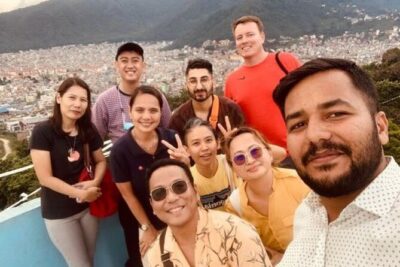
Kathmandu Private Sightseeing Tour | UNESCO World Heritage Sites
Read our review →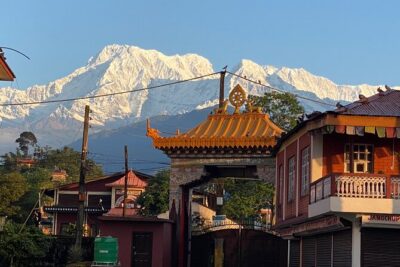
Afternoon Tibetan Cultural Tour to Tibetan Settlements Pokhara
Read our review →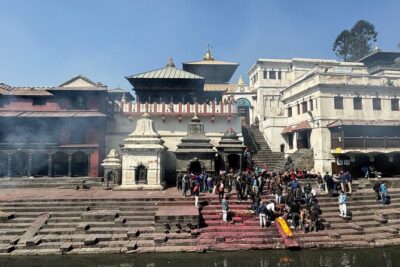
Full Day Private Top 4 UNESCO Heritage Tour W/Lunch.
Read our review →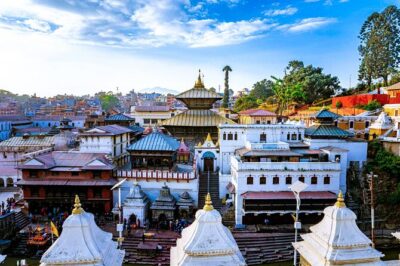
Nagarkot Sunrise & Bhaktapur UNESCO Heritage Private Tour
Read our review →Browse the lists this tour appears in