
REVIEW · HISTORICAL TOURS
Morning half day Tibetan cultural tour
Morning prayer gives this Pokhara tour its pulse. Rather than rushing from one photo stop to another, you spend time learning how Tibetan families and Buddhist monks have preserved their identity in Nepal. I especially like the small group of up to eight and the chance to meet a young monk at Pema Ts’al Sakya Buddhist Monastery.
I also like the simple breakfast in a local Tibetan home, where salted butter tea and tsampa make the culture easier to understand. The main consideration is timing: this is an early, education-focused outing, not a relaxed sightseeing drive, and the visit may feel too serious if you want only scenic views.
In This Review
- Key points to know before booking
- Why this 3.5-hour Pokhara tour feels different
- Starting from Lakeside with Mr. Thupten Gyatso
- Tashi Palkhel Tibetan Settlement and the morning visit
- Hearing morning prayer with the monks
- Tibetan breakfast in a local family home
- Meeting a young monk at Pema Ts’al Sakya Monastic Institute
- Prayer wheels, flags, stupas, and the symbols around you
- What the $56 price gets you
- Who should book this cultural morning?
- My verdict on the Tibetan cultural tour
- FAQ
- How long does the Tibetan cultural tour last?
- Where does the tour begin and end?
- Is transportation included?
- What food is included?
- Is the tour conducted in English?
- Can children under five or wheelchair users join?
Key points to know before booking
- Morning prayer is the heart of the tour: You hear monks chant and play ceremonial instruments inside a monastery.
- Breakfast happens in a Tibetan family home: Try salted butter tea, tsampa, and Tibetan bread with honey, butter, and peanut butter.
- Pema Ts’al Sakya Monastic Institute adds personal contact: You can speak with a young Buddhist monk about studies and monastic life.
- Tashi Palkhel Tibetan Settlement offers cultural context: You learn how Tibetan people in Nepal maintain their language, identity, and Buddhist practices.
- Mr. Thupten Gyatso leads the experience: As a Tibetan native rooted in the region, he explains customs, food, symbols, and daily life.
- The $56 price covers more than transport: It includes guiding, Lakeside pickup and return, breakfast, monastery visits, mineral water, and a small group setting.
Why this 3.5-hour Pokhara tour feels different
Pokhara is famous for mountain views, lakeside walks, and adventure sports. This tour takes you into a less obvious part of the area: Tibetan refugee settlements and Buddhist institutions near the valley.
I like that the focus is not simply on seeing a monastery from the outside. You learn why Tibetan communities in Nepal continue to protect their language, religion, and customs. The tour connects ordinary details, such as breakfast and prayer wheels, with larger questions about identity and belonging.
The experience lasts about three and a half hours. That is enough time for several meaningful stops without taking up an entire day. You begin and end around Lakeside, which makes it easy to fit this tour into a Pokhara itinerary that also includes boating, walking, or mountain sightseeing.
The group is limited to eight people. That matters here. A large bus would make a family-home visit awkward and would make it harder to ask questions during prayer or at the monastery. With a smaller group, you should have a better chance to hear Mr. Thupten’s explanations and speak during the quieter parts of the morning.
This is best understood as a cultural lesson with visits attached. You will see places, but the main value comes from context.
More history tours in Pokhara:
- Full-Day Tibetan Cultural Tour to Tibetan Settlements Pokhara
★ 5.0 · 184 reviews - Afternoon Tibetan Cultural Tour to Tibetan Settlements Pokhara
★ 5.0 · 106 reviews - Morning Tibetan cultural tour to Tibetan settlements Pokhara
★ 5.0 · 66 reviews
Starting from Lakeside with Mr. Thupten Gyatso
Pickup and drop-off are included for hotels in the Lakeside area. If your hotel is outside Lakeside, you pay an additional transport fee based on its location, so check that cost before booking.
Your guide is Mr. Thupten Gyatso, a Tibetan native with a strong connection to the region. His role is important because the tour deals with subjects that can be reduced to shallow sightseeing if they are not explained carefully: refugee life, Buddhist practice, monastic education, and cultural preservation.
I would use the drive from Lakeside to settle into the morning rather than expect a long guided lecture right away. The route includes scenic views along the way, but the point is to reach the settlement and understand what you are seeing once you arrive.
Because the tour begins in the morning, confirm the starting time when you book. The exact departure time depends on availability, and the prayer service is an important part of the schedule. Arriving late could mean missing the most distinctive section.
Tashi Palkhel Tibetan Settlement and the morning visit
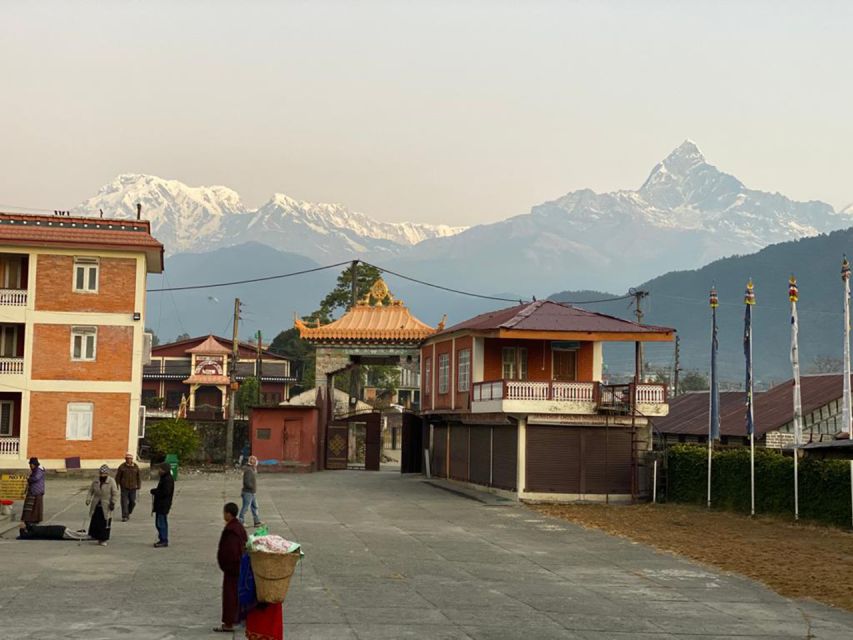
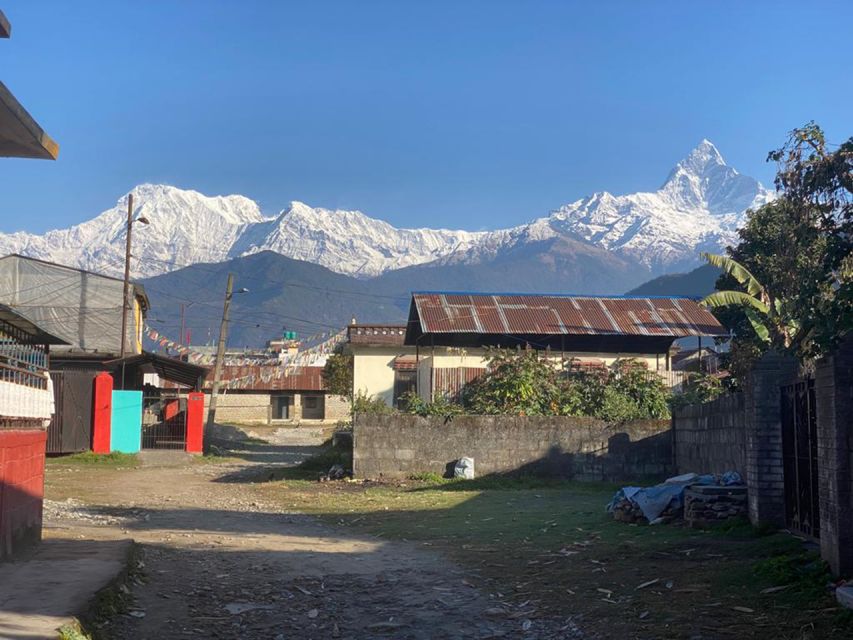
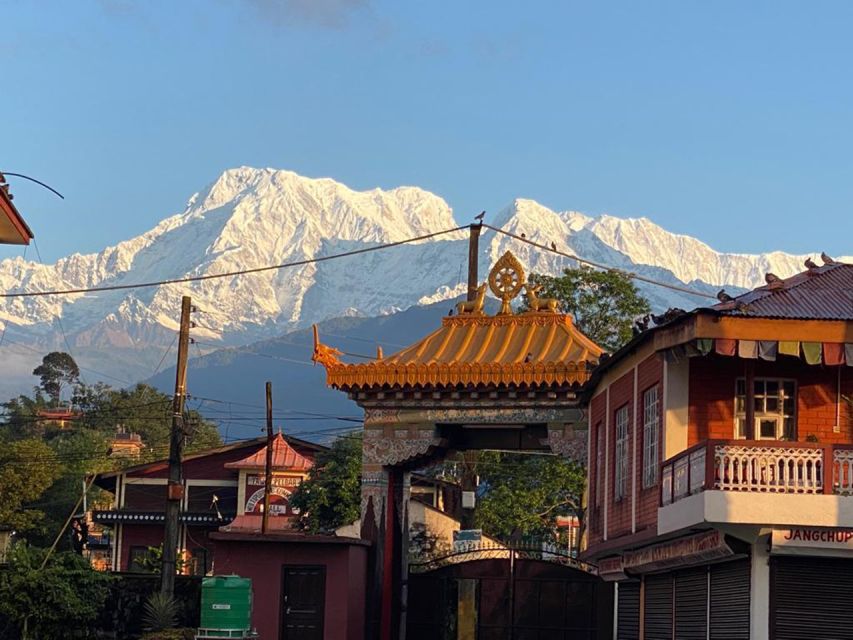
The first main stop is Tashi Palkhel Tibetan Settlement. You spend about two hours here, with time for walking, sightseeing, food tasting, tea, and a photo stop.
The settlement gives the tour its human setting. Instead of treating Tibetan culture as something found only in books or monastery decorations, you see how it is maintained in a community in Nepal. Mr. Thupten explains the way Tibetan people have protected their language, identity, and Buddhist traditions while living away from Tibet.
The walking portion should be manageable for most people who are comfortable on foot, but this is not a wheelchair-friendly activity. The tour is also not suitable for children under five, partly because of the early schedule and the quiet, educational nature of the visits.
A photo stop is included, but photography should not become the whole purpose of the visit. You are entering a living community, not a stage set. Pay attention to the symbols, buildings, prayer objects, and daily routines that Mr. Thupten points out.
Hearing morning prayer with the monks
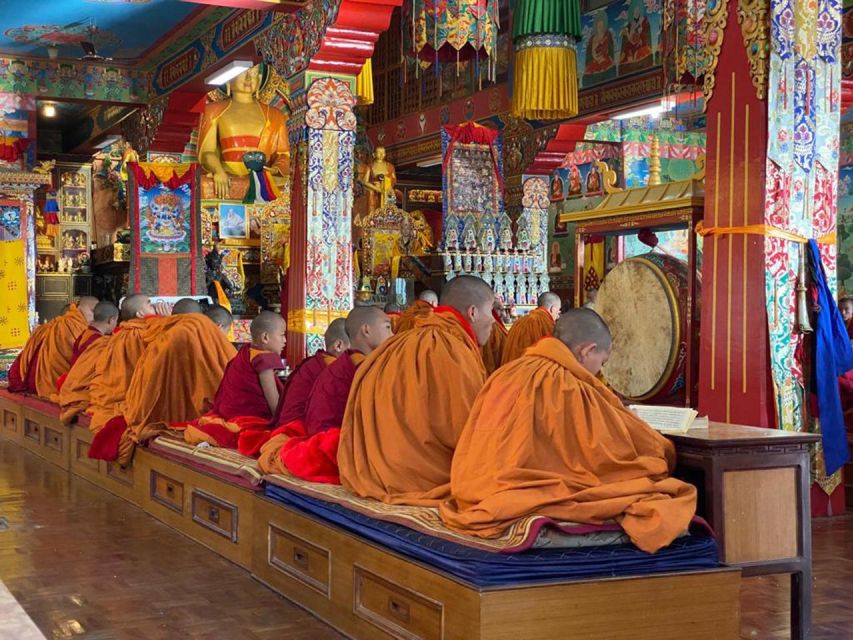
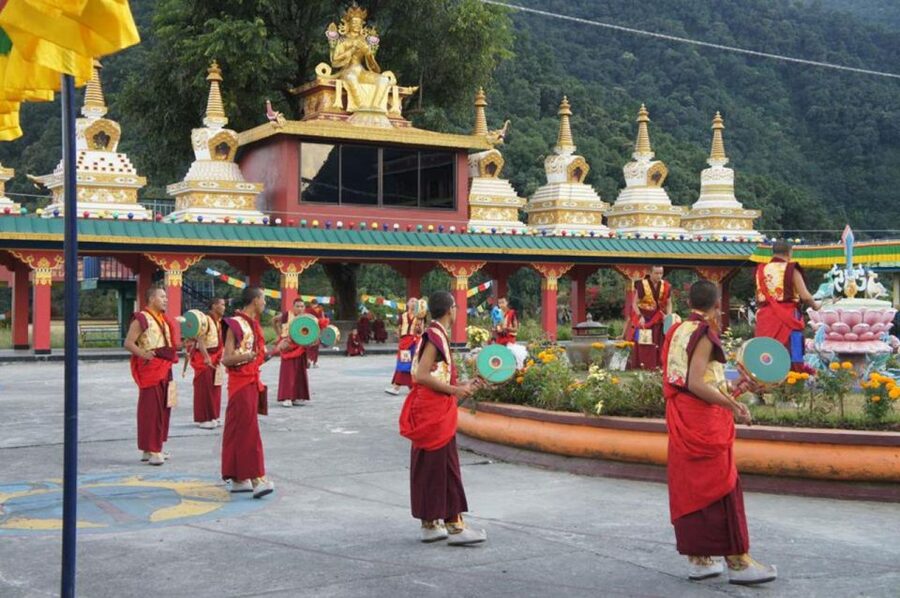
The monastery prayer session is likely to be the most memorable part for many people. You attend an early group prayer with the monks and hear the different instruments used during the ceremony.
The sound is central to the experience. Chanting, instruments, and the repeated rhythm of prayer create a setting that is hard to understand from a description alone. You are not just looking at Buddhist objects in a display. You are seeing religious practice as it happens.
The tour describes the prayer as a chance to feel the vibration of the monks’ prayers. That does not mean the ceremony is arranged for entertainment. It is a real act of worship, so quiet attention and respectful behavior are essential.
I would wear modest, comfortable clothing and follow Mr. Thupten’s instructions about where to sit or stand. The supplied details do not specify photography rules, so ask before taking pictures inside the monastery. When a ceremony is underway, it is better to observe first and photograph only when appropriate.
This part may not suit you if you prefer a fast schedule. Prayer takes its own pace. That is also its strength. You are given time to notice the sound, repetition, and atmosphere instead of being hurried through the building.
A short list of alternatives around Pokhara
- ZipFlyer Nepal – The World’s Steepest Zip-line
★ 5.0 · 608 reviews - Bungee Pokhara by HighGround Adventures
★ 5.0 · 366 reviews - From Pokhara: Sarangkot Sunrise Himalayas Tour
★ 4.7 · 218 reviews - ATV Adventure Tour in Pokhara, Nepal
★ 5.0 · 194 reviews
Tibetan breakfast in a local family home
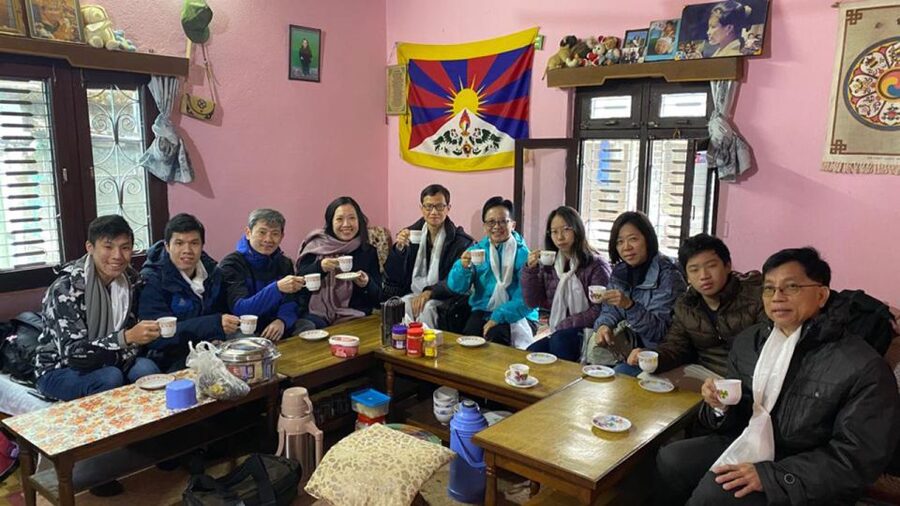
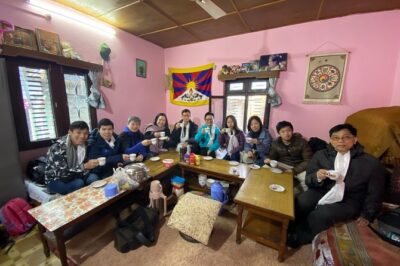
After the monastery visit, you enjoy a traditional Tibetan breakfast at a local Tibetan family home. This is one of the tour’s strongest features because food gives you a direct way to understand daily life.
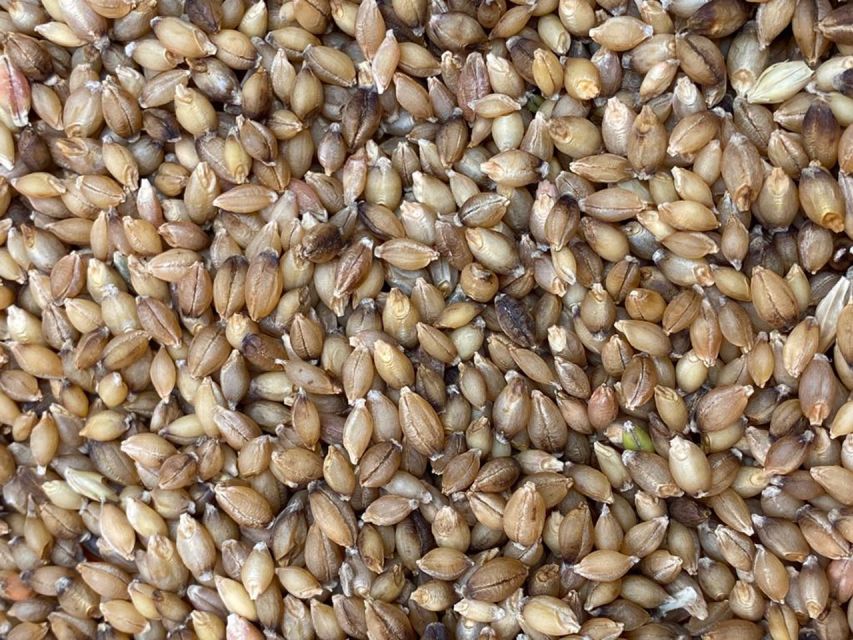
The meal includes salted butter tea, tsampa, and Tibetan bread served with honey, butter, and peanut butter. These are simple foods, but the guide explains their place in Tibetan cuisine and the way of life in the settlement.
Tsampa is roasted barley flour. The tour presents it as a basic Tibetan food, and tasting it helps you move beyond general statements about culture. Salted butter tea can also be unfamiliar if you are used to sweet tea, so approach it as a cultural experience rather than expecting a standard breakfast drink.
The Tibetan bread and toppings offer a more familiar entry point. Honey, butter, and peanut butter give you several flavors to try, while Mr. Thupten connects the meal to the family and community around you.
A home visit also changes the tone of the morning. You are not only receiving information from a guide. You are being welcomed into a family setting. That calls for courtesy: listen carefully, avoid treating the visit like a quick photo opportunity, and let the guide help with introductions and questions.
The tour information does not list alternatives for dietary restrictions, so tell the provider about any food concerns before you go. Do not assume substitutions will be available.
Meeting a young monk at Pema Ts’al Sakya Monastic Institute
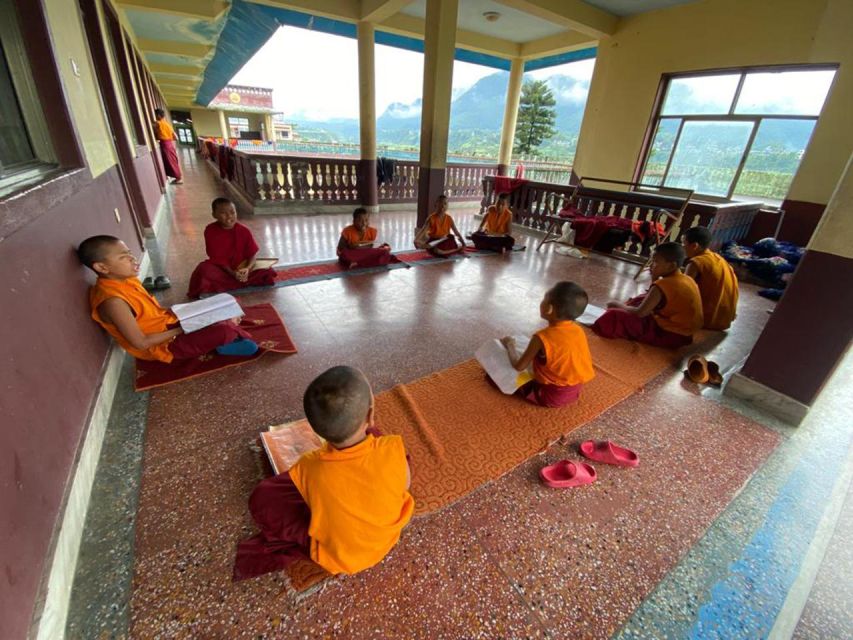
The next major stop is Pema Ts’al Sakya Monastic Institute, with about one hour set aside for the visit.
Here you interact with a young Buddhist monk and learn about monastic life, studies, and daily activities. This personal conversation adds something that a building tour cannot provide. You begin to see the monastery as a place of learning and routine, not only as a religious monument.
The institute also helps explain how young monks are educated. The tour includes an introduction to the Tibetan school system and the educational structure connected to the community. This is especially useful if you want to understand how language, religion, and cultural continuity are passed to the next generation.
Do not expect a long academic seminar. The scheduled visit is about an hour, and the emphasis is on guided conversation and sightseeing. Still, that hour can answer practical questions: what monks study, how they spend their days, and how monastic life differs from ordinary school life.
I like this stop because it puts a young face on a subject that can otherwise feel distant. It also gives you a chance to ask respectful questions. Mr. Thupten helps make the exchange useful rather than awkward, particularly if you are unsure what is appropriate to ask.
Prayer wheels, flags, stupas, and the symbols around you
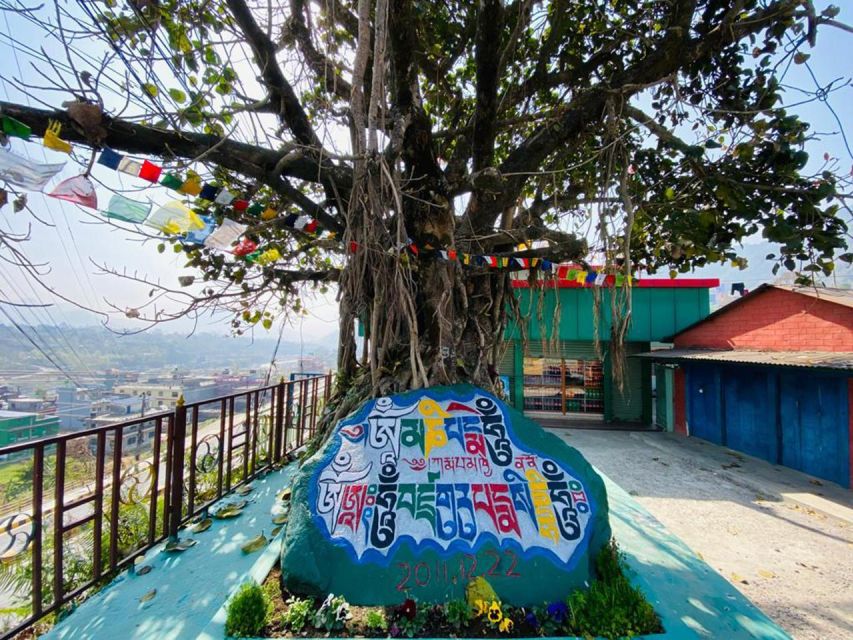
The tour explains Buddhist signs and symbols that appear in daily life. These include prayer wheels, prayer flags, and stupas.
Without an explanation, you may treat these as colorful or attractive parts of the setting. The guide helps you understand why they matter and how they relate to Buddhist practice. That makes the walk through the settlement and monastery more rewarding because you can recognize meaning in objects you might otherwise pass without notice.
Prayer wheels, flags, and stupas are not presented as isolated curiosities. They belong to a wider religious world that includes prayer, ritual, community, and remembrance. The tour’s educational purpose is clearest here: you learn how symbols work in ordinary life, not just what they are called.
This is also where a good guide makes a real difference. Mr. Thupten’s Tibetan background gives him a personal connection to the subject, while his role as an English-speaking guide helps you ask questions and follow the explanations.
Bring curiosity, not a checklist. You will get more from this section if you pause to look at how the symbols are used and listen to the explanation behind them.
What the $56 price gets you
At $56 per person, this is not the cheapest way to spend a morning in Pokhara. You could walk around Lakeside for little or no cost. The question is what you want from the outing.
The fee includes an English-speaking Tibetan guide, pickup and return in the Lakeside area, a visit to a Tibetan refugee settlement, the morning prayer, a Tibetan family breakfast, a monastery visit, interaction with a monk, explanations of Buddhist culture, and mineral water.
The small group helps justify the price. You are paying for access and interpretation, not just a vehicle ride. A family-home breakfast and a conversation with a monk are difficult to arrange independently, especially if you do not speak the local languages or know the communities.
The price also makes more sense if you value local cultural contact. If your main goal is dramatic scenery, this tour may feel less useful than a viewpoint trip. The route includes scenic views, but the tour is built around people, religion, food, and education.
Transport outside Lakeside costs extra. Add that amount before comparing this experience with other half-day activities.
Who should book this cultural morning?
I would recommend this tour to you if you enjoy learning how communities live, worship, and educate their children. It suits people who want more than photographs and who are willing to give a religious ceremony the attention it deserves.
It is also a good choice if you are interested in Tibetan culture but do not have time for a longer trip. In three and a half hours, you cover a settlement, a monastery, a family meal, Buddhist symbols, and monastic education.
The small group is helpful for solo visitors, couples, and families with older children. Children under five are not accepted, and wheelchair users cannot take part. The walking and monastery setting may also be less comfortable for anyone who needs fully accessible facilities.
You should reconsider if you dislike early starts, unfamiliar foods, quiet religious settings, or guided cultural discussion. This is not a tour designed around shopping, entertainment, or a long list of attractions.
The free cancellation deadline is 24 hours before the start, and you can reserve now and pay later. Those terms give you some flexibility, but the more important choice is selecting a morning when you can attend the prayer and give the visit your full attention.
My verdict on the Tibetan cultural tour
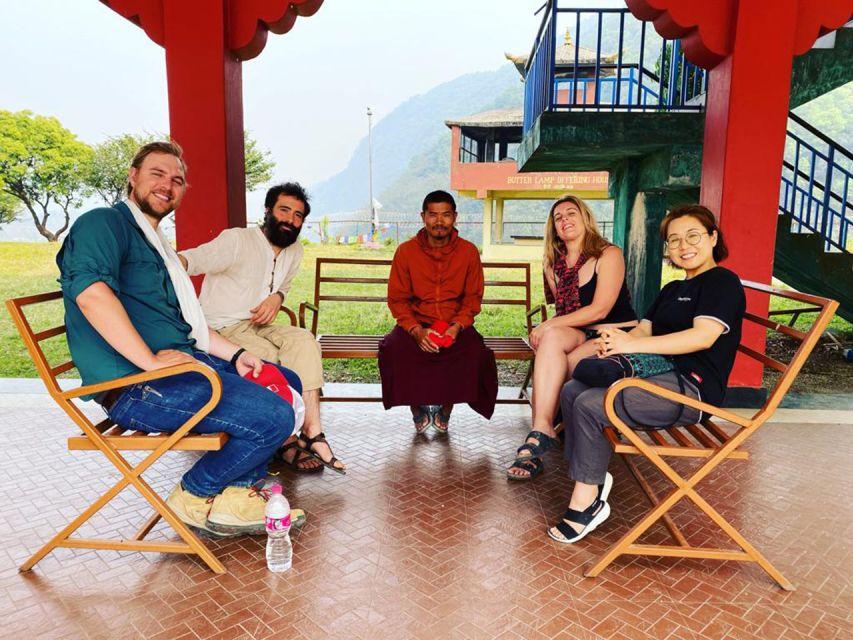
I like this experience because it connects four things that are often separated on organized tours: belief, food, education, and community life. The monastery prayer gives the morning its emotional center, while the family breakfast and young monk make the culture personal and easy to understand.
At $56, the tour offers good value if you want access, explanation, and a small-group setting. It is less compelling if you are looking for a scenic drive or a casual Pokhara activity with no serious cultural focus.
Book it if you want to understand how Tibetan people in Nepal preserve their traditions and if you are ready to be a respectful observer. Skip it if you need a flexible late morning or prefer sightseeing without a strong educational element.
FAQ
How long does the Tibetan cultural tour last?
The tour lasts approximately 3.5 hours, including the visits to Tashi Palkhel Tibetan Settlement and Pema Ts’al Sakya Monastic Institute.
Where does the tour begin and end?
Pickup and drop-off are provided around the Lakeside area of Pokhara. The tour returns to Lakeside after the monastery visit.
Is transportation included?
Round-trip transportation is included for hotels located in the Lakeside area. Hotels outside Lakeside may require an additional transportation fee based on their location.
What food is included?
The Tibetan breakfast includes salted butter tea, tsampa, and Tibetan bread with honey, butter, and peanut butter.
Is the tour conducted in English?
Yes. The tour includes a live English-speaking guide.
Can children under five or wheelchair users join?
Children under five and wheelchair users are not permitted on this tour.
New in the Pokhara listings
- Pokhara: Pokhara Highlights Tour by Bus★ 3.6 · 10 reviews
- Discover Pokhara in Style: Private Vehicle Service with Driver★ 5.0 · 5 reviews
- Multi-Day Tour from Pokhara, Poon Hill and Mulde Trek★ 5.0 · 1 review
- Pokhara in 5 Hours: Lake, Museum, Cave, Falls & Pagoda Hill★ 4.5 · 16 reviews
- Private 4 Day Poon Hill Trek from Pokhara★ 5.0 · 16 reviews
- From Pokhara Full Day Entire Pokhara Tour with Guide★ 5.0 · 1 review
- 4 Day Mardi Himal Base Camp Trek from Pokhara★ 5.0 · 18 reviews
- Ultralight Flight: Into The Heart Of The Mountains (90 min)★ 5.0 · 1 review
Historical Tours, compared.
Private Kathmandu Sightseeing Tour | UNESCO World Heritage sites
Read our review →
Full-Day Tibetan Cultural Tour to Tibetan Settlements Pokhara
Read our review →
Kathmandu Private Sightseeing Tour | UNESCO World Heritage Sites
Read our review →
Afternoon Tibetan Cultural Tour to Tibetan Settlements Pokhara
Read our review →
Full Day Private Top 4 UNESCO Heritage Tour W/Lunch.
Read our review →
Nagarkot Sunrise & Bhaktapur UNESCO Heritage Private Tour
Read our review →Browse the lists this tour appears in