
REVIEW · RAFTING TOURS
Rafting in Nepal: Trishuli, Bhotekoshi & Other River Rafting
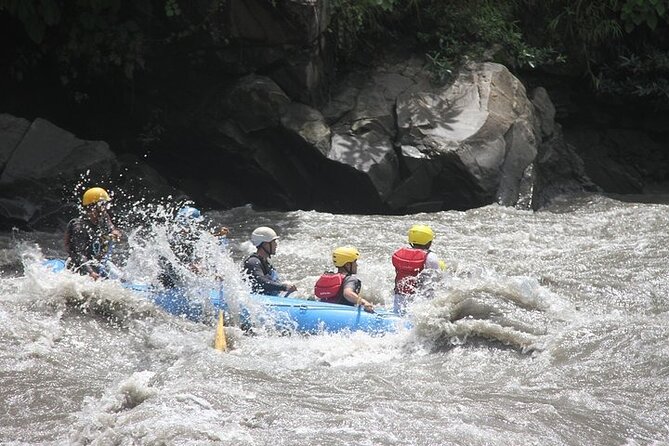
Nepal’s hills meet white water. This rafting day gives you a real taste of the country beyond Kathmandu without requiring a long stay in the wilderness. I like the scenic drive to the river and the simple appeal of rafting on relatively warm water, with trained guides, safety equipment, lunch, and transport included. I also like that you can choose the gentler Trishuli River or the far more forceful Bhote Koshi.
The main catch is the road journey. Depending on the river, vehicle, traffic, and road conditions, getting to the water may take roughly 2.5 to 5 hours. A private vehicle costs more than a public or tourist bus, but it can make a big difference on a long day. The rafting itself may last only a few hours, so this is as much a road-and-river outing as it is a full day on the water.
In This Review
- Key Points Before You Book
- Choosing Between Trishuli and Bhote Koshi
- The Drive to Charaudi for Trishuli Rafting
- What Makes the Trishuli River a Good First Run
- The Bhote Koshi Run at Sukute
- Safety, Fitness, and What You Actually Do
- Lunch and the Return to Kathmandu
- Public Bus or Private Car?
- Who Will Get the Most From This Day?
- Should You Book the Trishuli or Bhote Koshi Trip?
- FAQ
- Where does the Trishuli rafting trip begin?
- How difficult is Trishuli River rafting?
- How difficult is Bhote Koshi rafting?
- Is transportation from Kathmandu included?
- Is lunch included?
- What happens if bad weather cancels the trip?
Key Points Before You Book
- Trishuli suits first-time rafters: Its Class II and III rapids offer excitement without demanding advanced river skills.
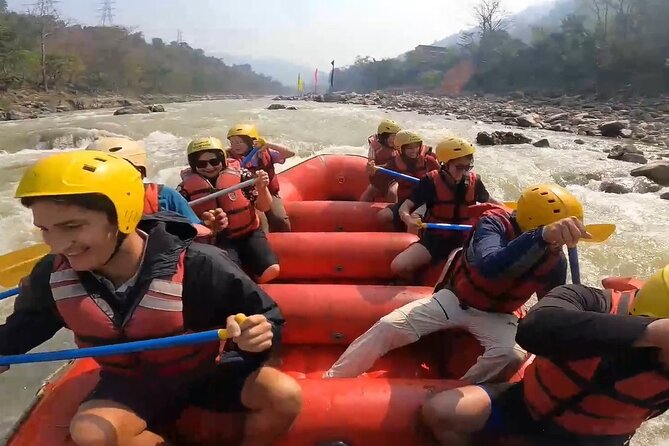
- Bhote Koshi is the serious option: Class III to V rapids make it better for strong swimmers and experienced rafters.
- Transport shapes the day: Hotel pickup and return transport are included, but public buses can be crowded and slow.
- Lunch is part of the package: You receive a typical Nepali lunch after the river portion.
- Small groups help: The maximum group size is 15 people, giving the guides a manageable boat operation.
- The $90 price covers the essentials: Rafting, transport, guides, equipment, lunch, and hotel transfers are included, but personal costs and insurance are not.
Choosing Between Trishuli and Bhote Koshi
The two river options offer very different days, even though both leave from Kathmandu and return there afterward.
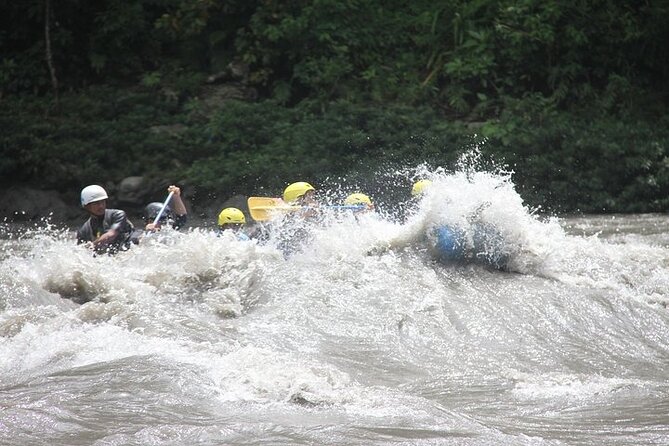
Trishuli is the sensible choice for most first-timers. The river has Class II and III rapids, which means lively water, splashing, and teamwork without the sustained intensity of a harder expedition. You still get the basic white-water experience: paddling when told, holding your position, and working with the boat crew as the raft moves through the current.
The Trishuli is also practical. Its water flow allows rafting in most seasons, and the water is described as relatively warm. That matters when you are spending time wet and sitting in an open raft. The setting is a major part of the pleasure, with hills and valleys along the route rather than city streets and concrete walls.
Bhote Koshi is a different proposition. Its rapids range from Class III to V, with powerful water and narrow gorge sections. This is the choice for an adrenaline-heavy day, not a casual introduction. If you have never rafted before, ask the operator whether current conditions and your fitness level make it appropriate before booking.
The Bhote Koshi trip also involves a long road approach to Sukute. One account describes the drive from Kathmandu as about 2.5 hours, while other rafting days have taken closer to four hours or more. Road conditions in Nepal can change the schedule quickly, so do not plan a tight evening connection after this activity.
More Rafting Tours in Kathmandu
- Himalayan White Water Rafting Day Trip from Kathmandu
★ 4.0 · 22 reviews - Rafting Tour In Trishuli river
★ 4.0 · 5 reviews - From Kathmandu / Pokhara / Chitwan: River Rafting – 1 Day
★ 4.6 · 3 reviews
The Drive to Charaudi for Trishuli Rafting
The Trishuli day begins with pickup at your Kathmandu hotel and a road journey toward Charaudi, the put-in point. You may select a private car or public or tourist bus transport, with tourist buses used when available.
The drive is not empty travel time. You get views of Nepal’s hilly countryside along the way, and the changing scenery helps explain why this river is such a popular short escape from Kathmandu. Still, you should set realistic expectations. The total experience lasts about 6 to 12 hours, and the road can take a substantial share of that time.
At Charaudi, the guides give a safety briefing before you enter the river. This is an important part of the day, not a quick formality. Listen closely to instructions about paddling, balance, and what to do if someone falls out. The supplied equipment and trained guides make the activity more approachable, but rafting remains a physical outdoor sport.
The actual Trishuli river section is listed at about three hours. That is long enough to feel like a proper outing, while still keeping the day manageable for a first rafting experience. You should expect the water time to feel shorter than the complete excursion because pickup, road travel, preparation, changing, lunch, and the return journey all count toward the day.
What Makes the Trishuli River a Good First Run
Trishuli’s appeal is its balance. The rapids provide movement and noise, but they are not described as extreme. Class II and III water lets beginners experience the teamwork and mild uncertainty of rafting without making every rapid a major test.
The surroundings also do real work here. The river cuts through hilly scenery, so your attention moves between the next wave and the views along the banks. The water is relatively warm compared with many mountain rivers, which makes the inevitable splashing less of a shock.
I would choose Trishuli if you want an active day outside Kathmandu, have little or no rafting experience, or are traveling with a mixed group. It is also the better fit if you want the river experience without committing to a highly demanding adventure.
The drawback is that the rafting can feel brief if you measure value only by hours on the water. A few people have had more than two hours of rafting on similar outings, while the road took several hours each way. That does not make the trip poor value, but it means you should see it as a complete day excursion rather than a half-day rafting session.
The Bhote Koshi Run at Sukute
The Bhote Koshi option begins with the drive to Sukute. Once there, you receive a safety briefing before tackling the river’s stronger current.
Class III to V rapids are a serious step up from Trishuli’s Class II and III sections. The river’s narrow gorges and forceful water create a more intense ride, with less room for casual sightseeing while the boat is moving. You need to follow the guides’ instructions quickly and be ready for a demanding physical session.
This option makes the most sense for experienced rafters and confident adventure seekers. If the main goal is a rush rather than a relaxed introduction, Bhote Koshi offers the stronger experience. The staff may also adjust how they fill the boat according to group size and season. On one quieter-season trip, staff members filled out the raft, which helped the boat operate with a smaller booking group.
That detail is useful because a small customer group does not always mean a nearly empty raft. The stated maximum is 15 participants, and the operator may use staff to help run the boat when needed. Group size can affect the feel of the ride, so ask how the boat will be arranged if this matters to you.
The main concern is the transport. The road from Kathmandu may be rough, crowded, or slow. A private car is the more comfortable choice if you are sensitive to long bus rides, but the package also permits public or tourist bus travel. Clarify your transport choice before departure rather than assuming a private vehicle is standard.
A completely different way to spend the day:
- Everest Base Camp Trek – 14 Days
★ 5.0 · 1,499 reviews - Private Kathmandu Sightseeing Tour | UNESCO World Heritage sites
★ 5.0 · 756 reviews - Everest Base Camp Helicopter Tour landing at Everest View Hotel
★ 5.0 · 668 reviews - Half day cooking class in Thamel kathmandu
★ 5.0 · 607 reviews
Safety, Fitness, and What You Actually Do
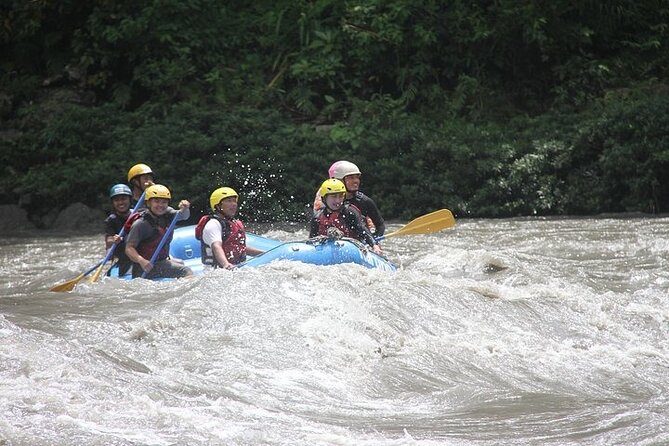
You need a moderate level of physical fitness for this activity. Rafting involves paddling, bracing yourself, holding your position, and climbing in and out of the raft. The stronger Bhote Koshi route requires greater confidence and physical readiness than Trishuli.
The guides provide a safety briefing and the rafting expenses are included. The description also emphasizes well-trained guides, which is reassuring for beginners. Even so, a briefing cannot remove all risk from moving water. Pay attention, tell the guide if you are unsure, and select Trishuli if you want a more forgiving introduction.
Service animals are allowed, and the activity is near public transportation, though hotel pickup and drop-off are included. The booking confirmation is received at the time of booking. Personal travel insurance is not included, so you must arrange that separately if you want coverage for outdoor activities.
Bring only what you need for the river portion. The package includes protection for personal belongings during the outing according to the available trip arrangements, but expensive electronics and valuables are still best left at your hotel. Wet conditions and a long return ride make simple packing the wise choice.
Lunch and the Return to Kathmandu
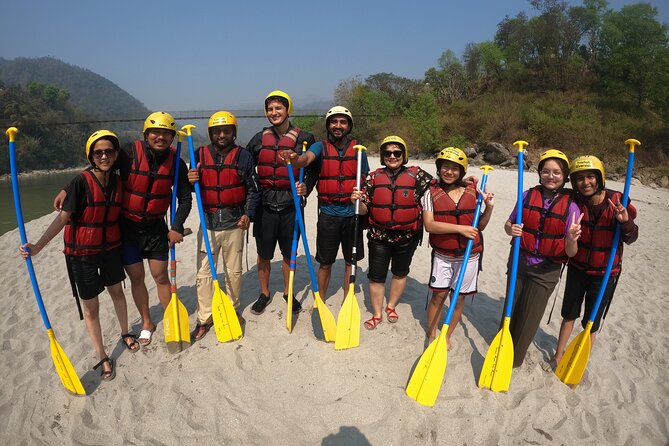
A typical Nepali lunch is included. That gives the day a useful local touch and saves you from arranging a separate meal during the excursion. Lunch is described positively, but other food, extra drinks, snacks, and personal purchases are not included.
After the river section and meal, transport takes you from the ending point back toward the starting point and Kathmandu. This return leg can be tiring, especially after paddling. I would avoid scheduling an important evening appointment unless you have plenty of spare time.
The return bus is one of the package’s strongest practical features. Organizing river transport independently in Nepal can be awkward, especially when the put-in and take-out points differ. Having the operator handle the transfer removes one major worry, even if it does not guarantee a fast or comfortable ride.
Public Bus or Private Car?
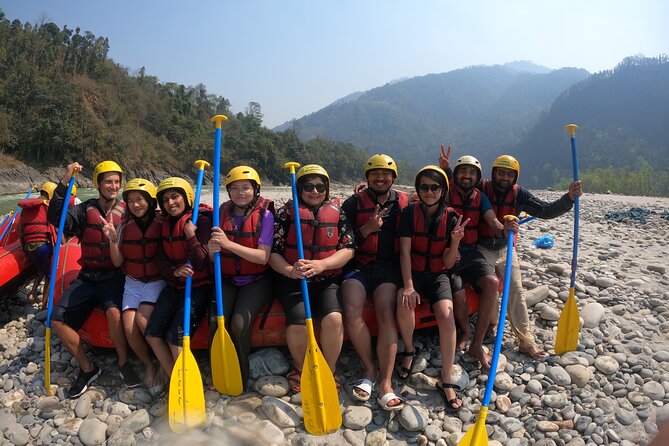
The transport choice may determine how much you enjoy the day.
Public or tourist bus transport keeps the price lower and may help you experience ordinary Nepalese road travel. It also carries the greatest risk of crowding and delays. One particularly poor outing involved an overcrowded public bus, more than five hours on the road, and a driver who appeared unfamiliar with the route. That is a serious warning for anyone who values comfort or punctuality.
Other outings went smoothly, with hotel pickup, return transport, and careful handling of personal belongings. The difference appears to come from the vehicle selected, road conditions, and the route on that day.
A private vehicle is worth considering if:
- You dislike crowded buses.
- You have limited time in Kathmandu.
- You are traveling with a group and can share the added cost.
- You want greater control over stops and comfort.
- You have an evening plan that depends on arriving on time.
The $90 starting price is easier to judge once you count the included services. You receive hotel pickup and drop-off, river transport, rafting costs, guides, equipment, lunch, and the transfer back from the ending point. For a full-day outing with several moving parts, that is reasonable value.
It is less attractive if you expect a long rafting session or premium transport at the base price. Ask directly whether your booking includes a private vehicle or shared public transport. That single question can prevent the biggest disappointment.
Who Will Get the Most From This Day?
I would recommend Trishuli to a first-time rafter who wants a clear, active break from Kathmandu. It works well for couples, friends, and small groups with different levels of experience. The moderate rapids, warmish water, scenery, and guided format make it approachable.
Bhote Koshi fits a narrower audience. Choose it if you want harder rapids and already feel comfortable with demanding outdoor activity. Its Class V sections should not be treated as a casual add-on to sightseeing.
This is not the best choice for someone who needs a fixed schedule, dislikes rough roads, or wants many hours of continuous rafting. It is also not ideal for anyone unable to meet the moderate fitness requirement. The maximum group size of 15 keeps the operation from becoming huge, but the road transport may still be shared and crowded.
The activity is also weather-dependent. If poor weather causes cancellation, you will be offered another date or a full refund. For a full refund after changing your mind, cancel at least 24 hours before the local start time. Late cancellations and late changes are not refunded or accepted.
Should You Book the Trishuli or Bhote Koshi Trip?
Book Trishuli if you want Nepal’s most practical introduction to white-water rafting. The Class II and III rapids, scenic hills, relatively warm water, trained guides, lunch, and included transfers create a well-rounded day. Choose private transport if your budget allows, and accept that the road may take as long as the river portion.
Book Bhote Koshi if strong rapids are the reason you are coming. It offers a much more forceful ride, but the long approach and Class III to V water demand a higher comfort level.
At $90 per person, the experience offers solid value when you count the transport and meal. The price is hardest to justify if you end up on a slow, overcrowded public bus and spend only a short time rafting. Confirm the river, vehicle type, expected drive time, and approximate time on the water before paying.
If you want a safe, organized taste of Nepal’s rivers and can tolerate a long day on the road, I would choose Trishuli. If you want the biggest rush and have the right experience, Bhote Koshi is the better call.
FAQ
Where does the Trishuli rafting trip begin?
The Trishuli option begins with a drive from Kathmandu to Charaudi, where you receive a safety briefing and start rafting.
How difficult is Trishuli River rafting?
Trishuli has Class II and III rapids. The route is considered suitable for beginners and people seeking a moderate rafting experience.
How difficult is Bhote Koshi rafting?
Bhote Koshi has Class III to V rapids. It is intended for experienced rafters and people seeking a high-adrenaline day.
Is transportation from Kathmandu included?
Yes. Hotel pickup and drop-off are included. Depending on your selection and availability, transport may be by private car, tourist bus, or public bus.
Is lunch included?
Yes. A typical Nepali lunch is included. Personal expenses, extra food, shopping, travel insurance, and other items not listed in the inclusions are separate.
What happens if bad weather cancels the trip?
If poor weather causes cancellation, you will be offered a different date or a full refund. You must cancel at least 24 hours before the start time to receive a full refund for a personal cancellation.
New in the Kathmandu listings
- Traditional Momo Making Class★ 5.0 · 10 reviews
- Kathmandu: Ancient City Kirtipur & Pharping Monastery Tour★ 5.0 · 2 reviews
- Kathmandu to Pokhara Premium sofa bus ticket★ 4.0 · 17 reviews
- Women Empowerment Project(Nepali cooking class & jewelry workshop★ 5.0 · 15 reviews
- 7-Day Langtang Valley Trek from Kathmandu★ 5.0 · 1 review
- Kathmandu 2 Nights 3 Days Chitwan Jungle Safari Tour★ 5.0 · 9 reviews
- Yoga Experience Day Trip with Private Transfer From Kathmandu★ 4.0 · 2 reviews
- Wildlife Adventure in Chitwan Nepal★ 4.0 · 4 reviews
Rafting Tours, compared.
Half Day Upper Seti Rafting & Paragliding adventure
Read our review →
Himalayan White Water Rafting Day Trip from Kathmandu
Read our review →
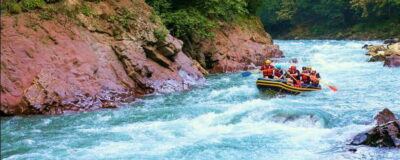
Beginner-Friendly Rafting Adventure on the Trishuli River
Read our review →Browse the lists this tour appears in