
REVIEW · RAFTING TOURS
1 Night 2 Days Trishuli River Rafting
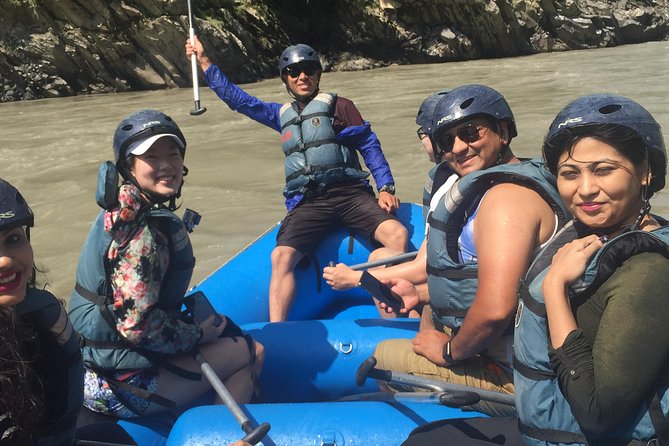
White water, forest, and a night beside the river. This two-day Trishuli River rafting trip gives you a lively break from Kathmandu, with several hours on the rapids, meals, a tented camp, and round-trip transport included. I especially like the international-standard safety equipment and the fact that a professional safety kayaker joins the rafting team. I also like the private format, since only your group takes part.
The main thing to consider is the lack of detail about the exact rafting stop and river schedule. The plan says rafting begins on Day 1, while Trishuli Bazar is identified as a main rafting hub on Day 2. You should confirm the precise put-in point, river mileage, and expected time on the water before departure.
In This Review
- Key Points Before You Book
- Why Trishuli Works Well for a Short Nepal Adventure
- The 6:45 am Departure from Kathmandu
- Day 1: Rafting, Rapids, and a Night Beside the River
- What the River Setting Adds to the Experience
- Day 2: Breakfast, Trishuli Bazar, and the Road Back
- Is USD 145 Good Value?
- Safety, Equipment, and Physical Demands
- Who Will Enjoy This Two-Day Trip Most?
- Booking, Cancellation, and Small Details That Matter
- Should You Book the Trishuli River Rafting Trip?
- FAQ
- How much does the Trishuli River rafting trip cost?
- How long is the experience?
- Where does the tour start?
- Is transportation included?
- What meals and accommodation are included?
- Is rafting equipment provided?
- What are the optional Day 2 activities?
Key Points Before You Book
- A two-day river escape from Kathmandu: Leave early at 6:45 am and return to the same meeting point after camping by the Trishuli River.
- Safety is taken seriously: Licensed English-speaking guides, trained safety kayakers, certified gear, swift-water rescue skills, and wilderness first aid are included.
- Camping is part of the experience: You sleep in a twin-sharing tent at a riverside camp rather than returning to Kathmandu after the rafting.
- Meals are covered: Breakfast, lunch, dinner, snacks, and additional listed meals are included, reducing the need to arrange food along the way.
- Private group format: Your own group participates, which can make the trip easier to manage for families, friends, or colleagues.
- Optional Day 2 activities cost extra: The Manakamana Cable Car and canyoning are each listed at USD 35 per person.
Why Trishuli Works Well for a Short Nepal Adventure
Trishuli River rafting is a practical choice if you want some action without giving up several days of your Nepal trip. From Kathmandu, you can reach the river by road, spend a night beside the water, and return to the capital on the second day.
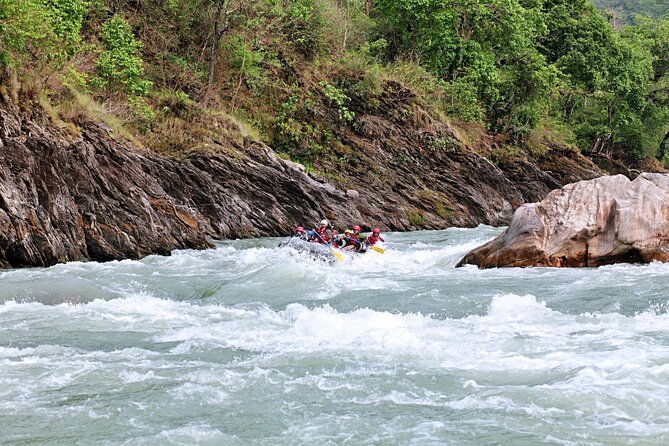
The river setting adds more than rapids. The trip is described as a mix of white water, forest, wildlife, and mountain scenery. You get a change of pace from Kathmandu’s streets and a chance to see Nepal from the riverbank, where the sound of rushing water replaces traffic.
I like the balance here. This is not presented as a long expedition requiring specialist skills. It is a short outdoor trip with guides, equipment, transport, meals, and a place to sleep already arranged. That makes it a good fit if you want adventure but do not want to organize every piece yourself.
The rafting itself is built around big, bouncy waves and fast-moving water. The tone is lively rather than quiet. You should expect to get wet, work with the other people in the raft, and follow instructions from the guide. Bring the right attitude and this can become one of the most memorable parts of a Nepal itinerary.
Still, the available schedule is not highly detailed. It does not provide a named Day 1 starting stop, a list of rapids, or a clear distance covered. If you are choosing this trip because you want a particular grade of rapid or a specific section of the river, ask for those details before paying.
More Rafting Tours in Kathmandu
- Himalayan White Water Rafting Day Trip from Kathmandu
★ 4.0 · 22 reviews - Rafting in Nepal: Trishuli, Bhotekoshi & Other River Rafting
★ 4.5 · 5 reviews - Rafting Tour In Trishuli river
★ 4.0 · 5 reviews
The 6:45 am Departure from Kathmandu
The day begins at 6:45 am from Himalayan Suite Hotel, Kumari Club, Kathmandu 44600. Pickup is offered, and round-trip transportation is included, so you do not need to arrange a separate bus or taxi for the main journey.
An early start matters. It gives the group more time to reach the river, prepare for the rafting, and spend several hours on the water before setting up camp. You should be ready before the stated time, especially if you are relying on a pickup rather than making your own way to the meeting point.
The return point is the same meeting point in Kathmandu. That is useful if you have a hotel nearby or need a simple start and finish for your wider Nepal plans.
The road transfer is also part of the trip, not just an unpleasant gap between activities. You will see more of the countryside as the route leaves the capital. Exact travel time is not supplied, so do not schedule a tight flight, trek departure, or hotel change immediately after the tour ends.
Day 1: Rafting, Rapids, and a Night Beside the River
The first day is the main action day. After transportation from Kathmandu, you begin rafting at the designated river stop. The exact stop is not named, so confirm it with Himalayan Social Journey before departure.
The river is known for strong current and large waves. The appeal is the combination of physical fun and scenery: forested riverbanks, open views, and the changing character of the water. You are not simply being carried downstream. Paddling, listening to the guide, and staying alert are part of the experience.
The safety setup is one of the strongest reasons to consider this trip. The guides are described as licensed, English-speaking professionals trained in whitewater guiding, swift-water rescue, and wilderness first aid. A professional safety kayaker also accompanies the group. That extra person on the water is reassuring, particularly for anyone who has rafted before but is not fully confident in fast current.
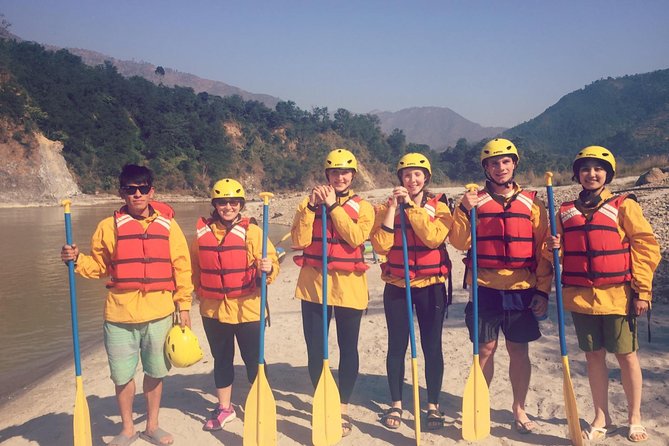
The equipment package includes helmets, personal flotation devices, paddles, and splash jackets from international brands with ISO and CE certification. You still need to bring personal items such as swimwear, a towel, and toiletries. The operator does not include those basics, so pack them in a waterproof bag if possible.
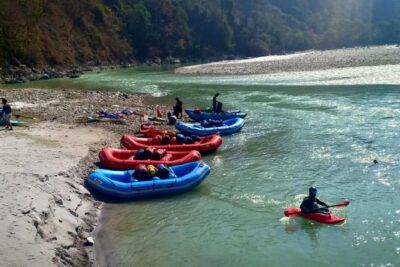
After several hours of rafting, the group sets up camp on the riverbank. Accommodation is in a tented camp with twin sharing. This is a simple outdoor night, not a private hotel room. The reward is proximity to the river and the chance to slow down after the active part of the day.
Meals are included at the resort and camp arrangement, with breakfast, lunch, dinner, snacks, and additional meals listed in the package. The food details are not specified, so anyone with dietary needs should ask in advance rather than assume that special meals are available.
The overnight stop is valuable because it changes the rhythm of the trip. A single-day rafting outing can feel like a quick hit of activity before a long ride back. Camping lets you stay near the water and gives the experience a stronger sense of place. On the other hand, a tented camp means you should be comfortable with basic conditions and shared accommodation.
What the River Setting Adds to the Experience
Trishuli rafting is not only about speed. The river passes through an appealing mix of forest and open countryside, with wildlife and mountain surroundings forming the backdrop. The supplied description does not name particular animals or guarantee sightings, so treat wildlife as a possible bonus rather than a promised feature.
I like this kind of setting because it gives the rafting a clear sense of location. You are not in a standard amusement park ride. You are moving through a natural river corridor, with the current deciding much of the pace.
The big waves provide the obvious thrill, but the quieter stretches can be just as useful. They give you time to look around, catch your breath, and take in the wooded banks. The contrast between noisy rapids and calmer water helps the day feel varied.
The private-group setup can improve that rhythm. Only your group participates, so you are not automatically combined with unrelated people. This is especially useful if you are traveling with friends and want to share the experience as a unit, or if your group has mixed levels of enthusiasm for the more energetic sections.
The operator does not state the maximum group size, so private does not necessarily mean a small raft. Ask how many people will be in your raft and how the private arrangement works before booking.
A completely different way to spend the day:
- Everest Base Camp Trek – 14 Days
★ 5.0 · 1,499 reviews - Private Kathmandu Sightseeing Tour | UNESCO World Heritage sites
★ 5.0 · 756 reviews - Everest Base Camp Helicopter Tour landing at Everest View Hotel
★ 5.0 · 668 reviews - Half day cooking class in Thamel kathmandu
★ 5.0 · 607 reviews
Day 2: Breakfast, Trishuli Bazar, and the Road Back
The second morning begins with breakfast at camp or the resort arrangement. After the overnight stay, you return toward Kathmandu by the main road.
Trishuli Bazar is identified as an important hub connected with rafting, and it is associated with the Day 2 plan. The schedule is not detailed enough to show whether you raft again that morning, stop there during the return, or use it as the main river access point. This is the one part of the program I would clarify directly with the provider.
If the second day includes more time on the river, that could add value to the two-day format. If it is mainly breakfast, packing, and road transport, the trip is better understood as one substantial rafting day with a riverside overnight stay. Either arrangement can work, but the difference matters when you compare it with other rafting trips.
Two optional activities are listed for Day 2. The Manakamana Cable Car costs USD 35 per person, and canyoning is also listed at USD 35 per person. These are not included in the USD 145 tour price.
The cable car option may appeal if you want to add another Nepal attraction to the return journey. Canyoning offers another active outdoor experience. Since the schedule does not state how long either activity takes or exactly where it fits, ask about timing before choosing one. You do not want an optional stop to create stress on the way back to Kathmandu.
Is USD 145 Good Value?
At USD 145 per person, this is not the cheapest possible way to reach a river. But the price includes a substantial bundle: transport from Kathmandu and back, professional guides, safety kayakers, certified rafting equipment, first aid supplies, meals, snacks, and one night in a twin-sharing tent.
The overnight element is important when judging the price. You are paying for more than a few hours of rafting. You are also paying for camp logistics and food, plus the convenience of having the road transport handled for you.
I would compare the price with the cost of arranging each part separately. A rafting ticket alone may appear cheaper, but it might not include a night at camp, dinner, breakfast, safety kayaking, or return transport. The real value depends on how much you would otherwise spend on those pieces.
The price does not include personal expenses, swimwear, towels, toiletries, travel documents, visas, departure taxes, or insurance. The operator states that it insures its crew, but you must have your own proper insurance. Check that your policy covers rafting and the type of activity involved.
The optional Manakamana Cable Car and canyoning add another USD 35 each. They may be worthwhile if you want a fuller day, but they are not part of the core value calculation.
Safety, Equipment, and Physical Demands
The safety credentials are a major positive. The guides are trained in whitewater river guiding, swift-water rescue, and wilderness first aid. The group also has access to professional safety kayakers, first aid kits, helmets, flotation devices, paddles, and splash jackets.
That does not make rafting risk-free. You still need to follow instructions, wear the supplied safety gear correctly, and disclose any relevant health concerns to the operator. The experience is active and wet, so it is not the right choice if you want a purely sightseeing trip.
Most people can participate according to the supplied information, but no detailed fitness requirement is given. You should ask the company if you have concerns about swimming ability, mobility, a medical condition, or prior rafting experience.
The equipment is supplied, but personal comfort depends on what you bring. Pack swimwear, a towel, toiletries, and personal expenses money. Since you will camp beside the river, protect electronics and important documents from spray and rain.
A mobile ticket is offered, which makes access convenient. Confirmation is received at booking, so keep the booking details available on your phone and check the pickup instructions before the early start.
Who Will Enjoy This Two-Day Trip Most?
I would recommend this experience to people who want a short active break from Kathmandu. It suits friends, couples, and private groups looking for shared excitement, especially if camping beside a river sounds appealing rather than inconvenient.
It also works well for visitors who value organization. The transport, food, equipment, guides, and camp are handled in one package. That leaves you free to focus on the river instead of arranging each transfer and meal.
Families may consider it if everyone is comfortable with rafting and tented accommodation, but the available information does not provide an age limit or child policy. Ask about those points before booking with younger children.
This trip is less suitable for someone who wants a detailed sightseeing schedule, a luxury overnight stay, or a long list of cultural stops. It is built around river time, outdoor conditions, and a straightforward return to Kathmandu.
The private format is a clear advantage for a group that already knows one another. A single glowing customer comment praised Himalayan Social Journey for focusing on customer experience and service quality. That is encouraging, but the public feedback is limited, so I would still ask practical questions before committing.
Booking, Cancellation, and Small Details That Matter
Free cancellation is available if you cancel at least 24 hours before the local start time. Cancellations made less than 24 hours before departure are not refunded, and changes inside that period are not accepted.
The activity requires a minimum number of participants. If the operator cancels because that minimum is not reached, you are offered another date or experience, or a full refund.
The experience ends back at the Kathmandu meeting point. Since the exact return time is not supplied, leave plenty of room in your schedule afterward. This is especially important if you have a flight, a fixed hotel check-in, or another paid activity.
Before booking, I would confirm four points: the exact Day 1 river start, the amount of rafting on Day 2, the expected return time, and the tented camp facilities. Those answers will tell you whether the trip matches your idea of a full two-day rafting adventure.
Should You Book the Trishuli River Rafting Trip?
Book it if you want a well-supported river adventure with one night outdoors and a simple departure from Kathmandu. The combination of trained guides, safety kayakers, certified equipment, included meals, camp accommodation, and private-group participation gives the USD 145 price a reasonable basis.
I would be more cautious if your priority is a precisely timed itinerary or a guaranteed second day of rafting. The schedule leaves the Day 2 river activity unclear, and the exact starting stop is not named.
My practical advice is to contact Himalayan Social Journey before booking and ask for the river section, rafting hours on both days, group size, camp facilities, and return estimate. If those answers suit you, this is a sensible way to add white water, forest scenery, and a riverside night to a Nepal trip without building the arrangements yourself.
FAQ
How much does the Trishuli River rafting trip cost?
The listed price is USD 145 per person.
How long is the experience?
The trip lasts approximately two days and includes one night at a tented riverside camp.
Where does the tour start?
It starts at Himalayan Suite Hotel, Kumari Club, Kathmandu 44600, Nepal. The stated start time is 6:45 am, and pickup is offered.
Is transportation included?
Yes. Round-trip transportation from Kathmandu is included, and the activity ends back at the meeting point.
What meals and accommodation are included?
Breakfast, lunch, dinner, snacks, and the listed additional meals are included. Accommodation is in a twin-sharing tented camp.
Is rafting equipment provided?
Yes. The package includes helmets, personal flotation devices, paddles, and splash jackets. The equipment is described as ISO and CE certified. You need to bring personal items such as swimwear, a towel, and toiletries.
What are the optional Day 2 activities?
The Manakamana Cable Car is available for USD 35 per person, and canyoning is also available for USD 35 per person. These activities are optional and cost extra.
New in the Kathmandu listings
- Traditional Momo Making Class★ 5.0 · 10 reviews
- Kathmandu: Ancient City Kirtipur & Pharping Monastery Tour★ 5.0 · 2 reviews
- Women Empowerment Project(Nepali cooking class & jewelry workshop★ 5.0 · 15 reviews
- Kathmandu to Pokhara Premium sofa bus ticket★ 4.0 · 17 reviews
- 7-Day Langtang Valley Trek from Kathmandu★ 5.0 · 1 review
- Kathmandu 2 Nights 3 Days Chitwan Jungle Safari Tour★ 5.0 · 9 reviews
- Yoga Experience Day Trip with Private Transfer From Kathmandu★ 4.0 · 2 reviews
- Wildlife Adventure in Chitwan Nepal★ 4.0 · 4 reviews
Rafting Tours, compared.
Half Day Upper Seti Rafting & Paragliding adventure
Read our review →
Himalayan White Water Rafting Day Trip from Kathmandu
Read our review →
Rafting in Nepal: Trishuli, Bhotekoshi & Other River Rafting
Read our review →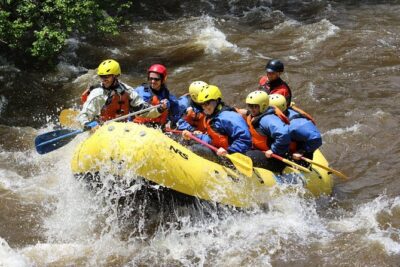
Browse the lists this tour appears in