
REVIEW · MARDI HIMAL TREKS
Mardi Himal Trek
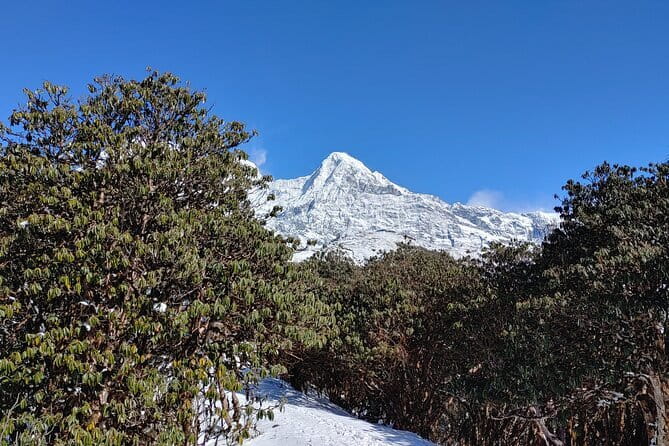
Mardi Himal keeps the Himalayas within reach. This five-day private trek from Pokhara trades long road journeys for forest paths, mountain villages, and close views of Machhapuchhre, Annapurna, and Hiunchuli. At $399, it includes far more than a guide: transport, lodging, meals, taxes, and porter support are all built in.
I especially like the private format, which gives your group room to set a sensible pace, and the strong personal support associated with Base Camp Hike’s team. Guides such as Lama and Navaraj Nepal have been praised for kindness, flexibility, and clear communication. The main caution is that the published schedule contains a few unclear route and meal details, so you should confirm the exact overnight stops before paying.
In This Review
- Key points to know before you book
- Why this short trek works from Pokhara
- Day 1: Pokhara to Dhampus and onto the trail
- Day 2: Forest Camp, Low Camp, and High Camp
- Day 3: Mardi Himal View Point or Base Camp
- Day 4: Badal Danda to Landruk
- Day 5: Landruk to Siwai and back to Pokhara
- What the $399 package really covers
- Guides, porters, and the private format
- Fitness, equipment, weather, and comfort
- Who should choose this Mardi Himal trek?
- Should you book it?
- FAQ
- Where does the Mardi Himal Trek start?
- Where does the trek end?
- How long is the Mardi Himal Trek?
- Is this a private trek?
- How much does the trek cost?
- Are meals included?
- Is a guide included?
- Is a porter included?
- What is not included?
Key points to know before you book
- Mardi Himal views arrive without a very long trek: You reach high viewpoints in five days from Pokhara.
- The route mixes forest and mountain villages: Dhampus, Forest Camp, High Camp, Landruk, and Siwai each offer a different setting.
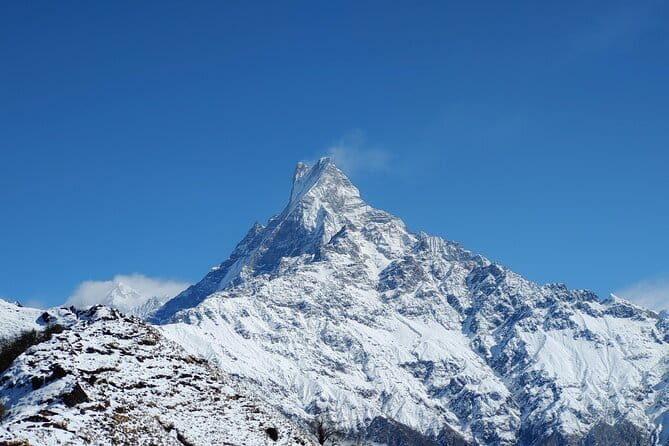
- Machhapuchhre is the star of the show: Fishtail, Annapurna, and Hiunchuli also appear from the upper trail.
- A guide and porter support are included: One porter is provided for every two people.
- The $399 price covers the major trip costs: Transport, accommodation, trekking meals, guide service, taxes, and fees are included.
- The schedule needs confirmation: The day-by-day description has slight inconsistencies about stops and included lunches.
Why this short trek works from Pokhara
Pokhara is the natural launch point for Mardi Himal. The meeting and return point is in Lakeside, and pickup is scheduled for 10:45 a.m. That late-morning departure is useful if you want a relaxed start, though it also means you should be ready to walk for much of the afternoon.
The first drive to Dhampus takes about an hour. From there, the trek unfolds over four nights and five days, ending with a transfer back to Lakeside after the short walk from Landruk to Siwai. You get a proper mountain trek without committing to the longer schedules required by many famous routes in the Annapurna region.
The route is appealing because it changes character as you gain height. Lower sections bring forest and village life. Higher sections open to broad views of the Annapurna range and the sharp profile of Machhapuchhre. That variety keeps the walk interesting, especially if this is your first multi-day trek.
The trip is private, so only your own group participates. That matters on a mountain route. You can ask your guide to adjust the pace, stop for views, or explain local life without waiting for a large group to catch up. The team has also been praised for support before the walk, including help with planning and transport.
More Mardi Himal treks:
- Pokhara: 4-Day Mardi Himal Trek
★ 4.9 · 59 reviews - Private Mardi Himal Trek
★ 5.0 · 42 reviews - From Pokhara: 4-Day Mardi Himal Base Camp Trek
★ 4.9 · 31 reviews
Day 1: Pokhara to Dhampus and onto the trail
Your guide picks you up from your hotel in Pokhara and drives you to Dhampus, the trek’s stated starting point. The drive lasts about one hour, followed by roughly seven hours of trekking according to the schedule.
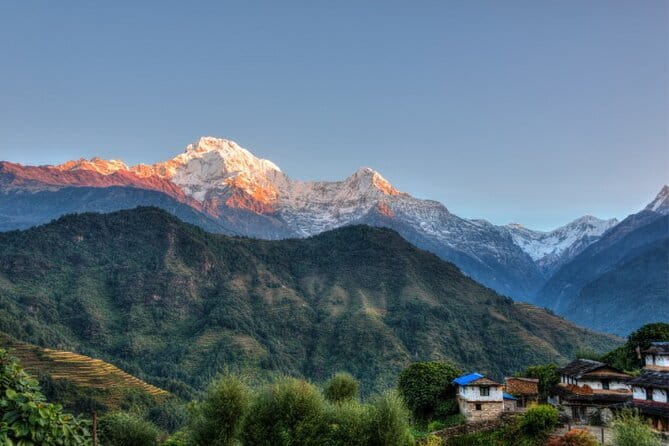
Dhampus is a good place to begin because it puts you quickly into the hill country. You leave behind Pokhara’s lakeside setting and start walking through the foothills, where views of local settlements and farmland help you understand how people live around the Annapurna region.
The supplied outline cuts off before giving the full description of the first day’s walking route. That is worth noting. You should ask the operator for the exact first-night village, the expected walking distance, and the elevation gain. Seven hours on a first trekking day can feel demanding, especially if you have just arrived in Nepal or have not trained for uphill walking.
Your accommodation is on a double-occupancy basis during the trek. That usually means you should expect a shared room unless you are traveling alone and arrange another option. The package includes dinner that evening, along with seasonal fruit after dinner on each trekking day. It is a small but welcome touch after a long walk.
Day 2: Forest Camp, Low Camp, and High Camp
The second day is described as a trek from Forest Camp to High Camp, with a stop at Low Camp for mountain views. The listed stop is Lwang Ghalel, which does not fully match the Forest Camp to High Camp description. Ask for clarification before departure, since the actual overnight location affects both walking time and altitude.
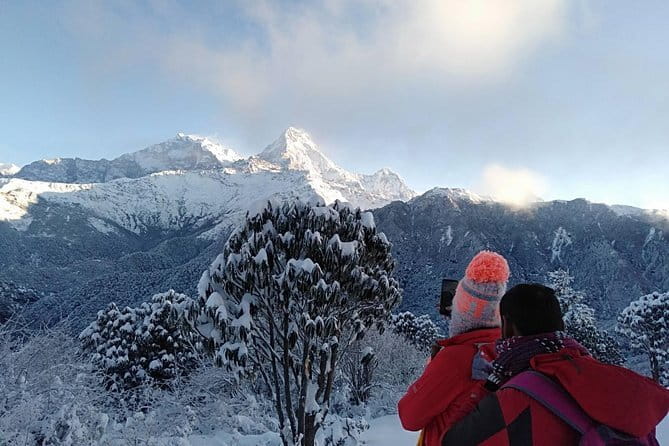
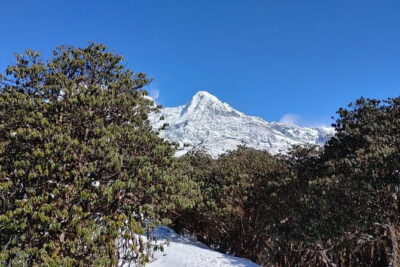
This is one of the most scenic parts of the trek. As you move above the lower forest, the views begin to open toward Fishtail, Annapurna, and Hiunchuli. Low Camp is specifically included as a viewpoint stop, giving you a chance to pause rather than treating the day as one long uphill push.
The seven-hour estimate suggests a full day on foot. A moderate level of physical fitness is required, and that phrase should be taken seriously. You do not need to be an athlete, but you should be comfortable walking uphill for several hours and handling repeated climbs over consecutive days.
High Camp is important because it places you close to the upper viewpoints used on the following day. The benefit is clear: you spend less of the main viewpoint day getting into position. The tradeoff is that high-altitude walking can be tiring, and the published details do not give a precise elevation, room standard, or acclimatization plan.
If you are sensitive to altitude, discuss the schedule with your guide early. The private setup should make it easier to slow down if needed, but you should not assume that a private trek automatically means a gentle itinerary.
Day 3: Mardi Himal View Point or Base Camp
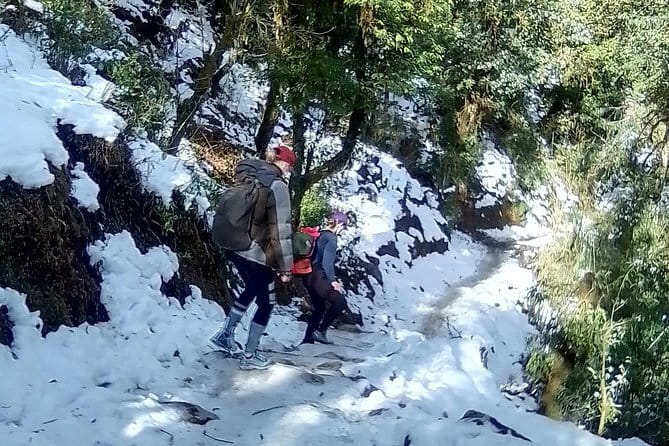
Day three is the central reward of the route. You hike to either Mardi Himal Base Camp or Mardi Himal View Point, depending on your preference. The choice gives you some control over the day’s effort and the kind of finish you want.
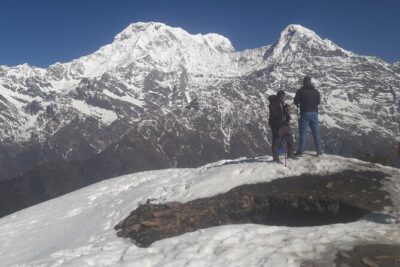
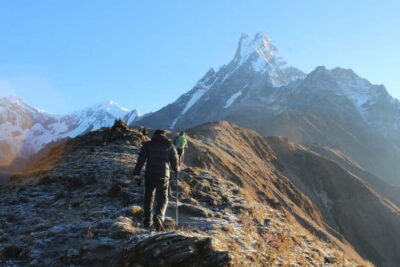
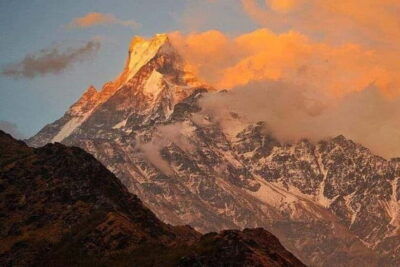
The stated highlights are views of Fishtail, Annapurna, and Hiunchuli. Machhapuchhre, also called Fishtail, is especially prominent in the descriptions of this trek. From the upper trail, it can appear close and dramatic, rather than distant and hazy.
You should decide with your guide whether Base Camp or the View Point makes more sense for your group. The supplied information does not say how much longer one option takes, so do not assume the names alone tell you the full difference. A good guide should explain the walking time and conditions that day before you choose.
The itinerary says you return after reaching the View Point or Base Camp, but it does not clearly state the night’s accommodation. That is another detail to confirm. The package covers four nights, yet the day-by-day wording does not list every overnight stop in a consistent way.
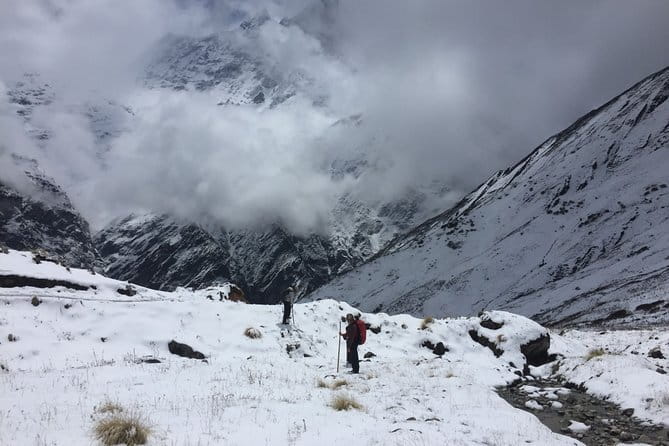
Still, this day is likely to be the most memorable. You are not simply walking through attractive hills. You are aiming for a high mountain viewpoint with the Annapurna range directly in front of you. Build in time for photographs, but keep your focus on footing and weather. Mountain views can disappear quickly, and the operator requires suitable weather for the trip.
More walking in the hills of Pokhara:
- Poon hill Trek 3 days
★ 5.0 · 176 reviews - Trekking in Annapurna/Langtang/Everest/Upper Mustang regions
★ 5.0 · 161 reviews - Pokhara: 4-Day Ghorepani, Poonhill & Ghandruk Mountain Trek
★ 5.0 · 132 reviews - Ghorepani – Poon Hill Trek 3N-4D
★ 5.0 · 125 reviews
Day 4: Badal Danda to Landruk
The fourth day takes you down to Landruk, a mountain village with views of houses, farmland, and local daily life. The description refers to the journey from Badal Danda, so this appears to be the descent from the upper ridge toward the lower settlements.
Landruk offers a welcome change after the exposed upper trail. Instead of looking only at snow peaks, you see cultivated land and the layout of a working village. Annapurna South and Hiunchuli remain part of the view, but the focus shifts toward people and place.
Descents can be harder on your legs than climbs. The seven-hour estimate makes this more than a casual stroll, and uneven downhill paths may test your knees. Trekking poles, sturdy shoes, and a steady pace are sensible choices, although personal equipment is not included in the package.
Landruk is also a good place to appreciate the value of the guide. A guide who pays attention to your pace can help you avoid rushing downhill. Past clients have singled out guides including Lama and Navaraj Nepal for their warmth, flexibility, and care. The company’s founder, Jayaram, has also been praised for helping with trip planning and transport before the trek begins.
Day 5: Landruk to Siwai and back to Pokhara
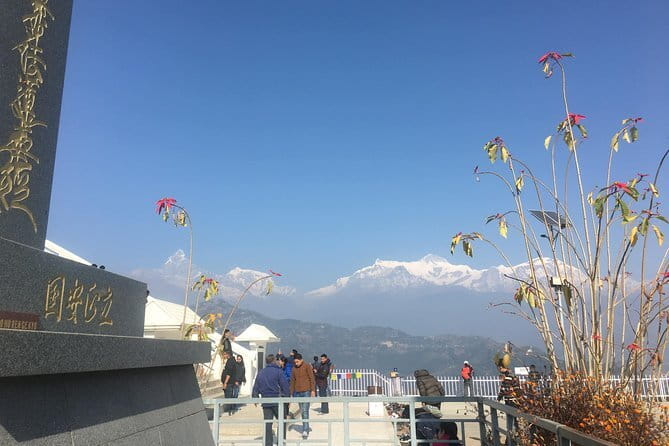
The final walking section is short. You trek from Landruk to Siwai in approximately one and a half hours, making Siwai the endpoint of the trail portion.
That brief finish is practical. After several long days, you do not need another full mountain day before returning to Pokhara. The package states that private transportation takes you back, and the trek ends at your hotel in Lakeside.
The itinerary does not provide the exact drive time from Siwai to Pokhara. Ask your operator how long the road transfer normally takes and what time you can expect to reach your hotel. That information helps if you are booking a flight, a bus, or another activity in Pokhara.
Ending at your hotel is more convenient than being dropped at a general transport point. You can collect your belongings, shower, and settle back into lakeside life without arranging another local transfer. Keep in mind that showers, laundry, phone calls, and battery charging are not included in the trek price.
What the $399 package really covers
At first glance, $399 may look like a simple price for a five-day walk. In practice, the value comes from the number of basic costs bundled together.
Included are a government-licensed guide, private transportation, all fees and taxes, double-occupancy accommodation, and trekking meals. You also receive one porter for every two people. That porter ratio is useful because it lets you carry a lighter daypack while still keeping some personal items with you.
The meal details need checking. One part of the information lists five breakfasts, four lunches, and four dinners. Another section separately lists five breakfasts, five lunches, and four dinners. Since the trek lasts five days, confirm whether lunch is included on all five days.
Accommodation is also described only as double occupancy. You are not given room standards, bathroom arrangements, or specific lodges. That does not make the package poor value, but it means you should book with realistic expectations. This is a mountain trek, not a hotel-based tour.
The price does not include equipment, meals or accommodation in Kathmandu and Pokhara, battery charging, laundry, phone calls, showers, or tips. You should budget for those extras and bring suitable trekking gear. Tips for the guide and porter are expected, although no fixed amount is stated.
Guides, porters, and the private format
The strongest part of this trip is the human support. The company assigns a government-licensed guide, and the personal accounts connected with the tour repeatedly praise staff members for kindness, communication, and flexibility.
Lama has been described as caring and easy to be around. Navaraj Nepal, also called Mr Nepal in the company’s replies, has been praised for making the walk comfortable in changing conditions. Jayaram, the founder, is noted for responding to questions and helping with arrangements before the trek.
That support is valuable if you are nervous about your first overnight trek. One first-time trekker described feeling well supported throughout a multi-day walk with the company, including during an unexpected storm on another route. You should not treat that as a guarantee about weather on Mardi Himal, but it does suggest that attentive staff are part of the company’s service style.
The private format is best for couples, friends, or families who want control over the pace. It is less suitable if you want a social group atmosphere or the lowest possible price. You will pay more than a large shared departure might cost, but the package includes private transport and a porter ratio that can make the extra cost reasonable.
Fitness, equipment, weather, and comfort
The operator asks for moderate physical fitness. Expect several days of walking for around seven hours, with climbs, descents, and changing elevations. The final day is much shorter, but the middle days are not designed as easy sightseeing walks.
Bring personal trekking equipment because it is excluded. The supplied information does not specify a gear list, so ask for one before leaving Pokhara. At a minimum, you should clarify what clothing, footwear, sleeping items, and daypack capacity the company expects for the season.
Weather matters. The trip may be canceled in poor conditions, with the choice of a different date or a full refund. This is sensible for a mountain route, but it also means your wider Nepal schedule should leave some flexibility.
The package includes seasonal fruit after dinner each trekking day. Meals are included during the walk, but food preferences and dietary needs are not addressed in the available details. If you have dietary restrictions, tell the company before departure and ask what the lodges can provide.
Who should choose this Mardi Himal trek?
I would choose this trek if you want a short Himalayan route from Pokhara, strong mountain views, private support, and a package that handles the main transport and meal costs.
It suits you especially well if:
- You have moderate fitness and can walk uphill for several hours.
- You want a first multi-day trek with a guide and porter.
- You prefer a private group instead of joining strangers.
- You want both mountain scenery and village life.
- You have only five days available for trekking.
I would hesitate if you want a precise, tightly documented schedule before booking. The route description needs clarification on the Day 1 overnight stop, the Day 2 location, the Day 3 return accommodation, and the number of included lunches.
Free cancellation is available up to 24 hours before the 10:45 a.m. start time for a full refund. Changes or cancellations inside that window are not refunded, and the local cut-off time applies. The minimum group requirement and weather condition also matter, so keep your plans flexible.
Should you book it?
Book this Mardi Himal Trek if the price, private format, and five-day schedule fit your plans. The main appeal is a compact route with major Annapurna views, a close look at Machhapuchhre, village scenery, included meals, private transport, and real guide support.
Before booking, send Base Camp Hike four clear questions: Where do I sleep each night? Is the Day 2 route Forest Camp to High Camp or another variation? Is lunch included on all five days? What equipment should I bring?
If you get clear answers, $399 looks like a fair package for a private trek with guide and porter service. If you want a polished schedule with every detail fixed in advance, ask those questions first. That small bit of preparation will help you enjoy the mountain views instead of sorting out paperwork on the trail.
FAQ
Where does the Mardi Himal Trek start?
The trek starts with pickup in Lakeside, Pokhara, at 10:45 a.m. You then travel by private vehicle to Dhampus, which takes about one hour.
Where does the trek end?
The walking section ends at Siwai after a short trek from Landruk. Private transportation then returns you to your hotel in Lakeside, Pokhara.
How long is the Mardi Himal Trek?
The experience lasts approximately five days and includes four nights of accommodation during the trek.
Is this a private trek?
Yes. Only your own group participates in the activity.
How much does the trek cost?
The listed price is $399.
Are meals included?
Meals during the trek are included. The package lists five breakfasts and four dinners. The lunch count is inconsistent in the supplied details, with one section listing four lunches and another listing five, so confirm this before booking.
Is a guide included?
Yes. A government-licensed, experienced guide is included.
Is a porter included?
Yes. The package provides one porter for every two people.
What is not included?
Personal trekking equipment, meals and accommodation in Kathmandu and Pokhara, battery charging, laundry, phone calls, showers, and tips for the guide and porter are not included.
New in the Pokhara listings
- Pokhara: Pokhara Highlights Tour by Bus★ 3.6 · 10 reviews
- Discover Pokhara in Style: Private Vehicle Service with Driver★ 5.0 · 5 reviews
- Pokhara in 5 Hours: Lake, Museum, Cave, Falls & Pagoda Hill★ 4.5 · 16 reviews
- Private 4 Day Poon Hill Trek from Pokhara★ 5.0 · 16 reviews
- Multi-Day Tour from Pokhara, Poon Hill and Mulde Trek★ 5.0 · 1 review
- 4 Day Mardi Himal Base Camp Trek from Pokhara★ 5.0 · 18 reviews
- From Pokhara Full Day Entire Pokhara Tour with Guide★ 5.0 · 1 review
- Ultralight Flight: Into The Heart Of The Mountains (90 min)★ 5.0 · 1 review
Mardi Himal Treks, compared.

Browse the lists this tour appears in