
REVIEW · MARDI HIMAL TREKS
From Pokhara: 4-Day Mardi Himal Base Camp Trek
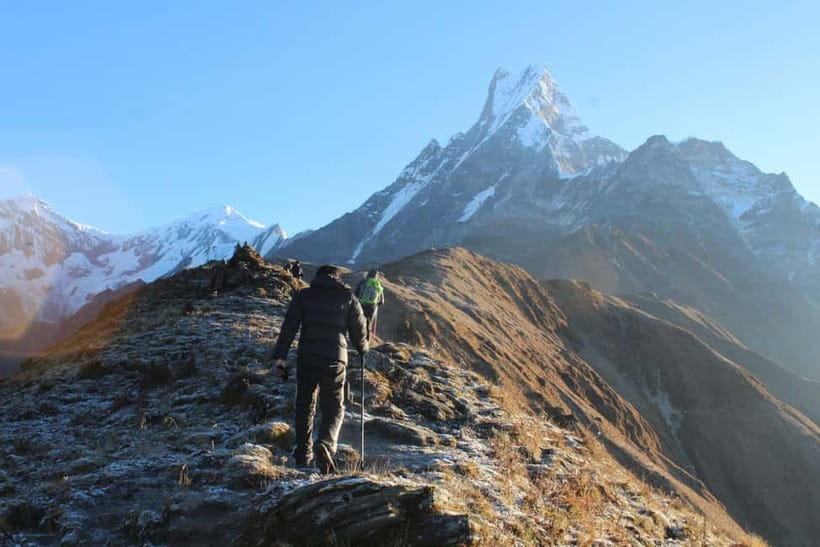
Mountain views arrive one step at a time. This private four-day trek from Pokhara takes you from forest paths near Kande to the high ridges above Mardi Himal, with sunrise views of Machapuchhre and Annapurna South. I especially like the quiet route and the chance to walk with a guide at your own pace. The main drawback is that reaching Base Camp in four days can be demanding, especially if you are not used to steep climbs.
I also like the simple teahouse stays and the changing scenery, from oak and rhododendron woods to cold alpine terrain. Guides such as Anil, Santosh, Bala, and Bishnu have been praised for patience, humor, safety, and cultural insight. Just know that the highest section may need to be shortened if weather, fitness, or timing gets in the way.
In This Review
- Key points to know before you book
- Why this short Mardi Himal trek works
- Day 1: Kande to Forest Camp through Australian Camp
- Day 2: Forest Camp to High Camp and the serious climb
- Day 3: Sunrise at Mardi Viewpoint and the Base Camp option
- Day 4: Low Camp to Siding, Lumre, and Pokhara
- What the $138 price really includes
- Guides, porters, and the private format
- Fitness, weather, and what to pack
- Should you book the Mardi Himal trek?
- FAQ
- How long is the Mardi Himal trek from Pokhara?
- Does the trek reach Mardi Himal Base Camp?
- Where does the trek start?
- Are meals included in the price?
- Is a guide included?
- What should I bring?
Key points to know before you book
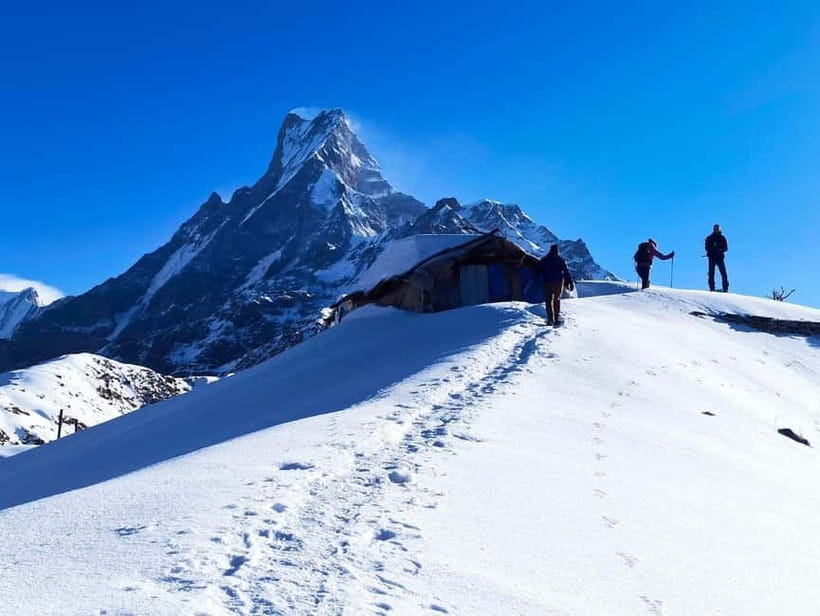
- Base Camp is not guaranteed: The early hike reaches Mardi Himal Viewpoint at about 4,200 meters, while Base Camp at roughly 4,500 meters is optional and depends on fitness and conditions.
- The scenery changes quickly: You move from village roads and forest trails to open alpine slopes within two days.
- High Camp sunrise is the prize: Machapuchhre and Annapurna South are the stars from the high ridge.
- This is a private trek: Your guide can adjust the pace and breaks more easily than on a fixed group departure.
- The route includes steep stairs: A reasonable level of fitness is needed, even though the trek lasts only four days.
- The $138 price can be good value: Permits, transport, guide costs, lodging, gear, and Pokhara luggage storage are included, but check carefully how the optional meal package is priced.
Why this short Mardi Himal trek works
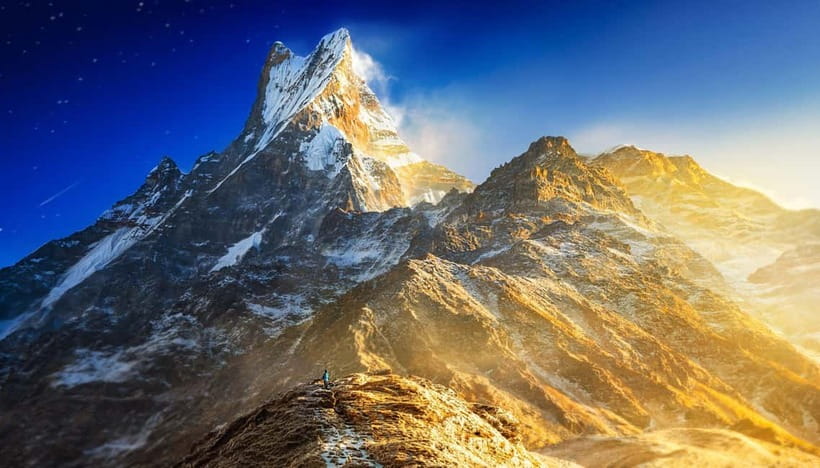
Mardi Himal is a smart choice if you want Himalayan scenery but do not have time for a longer Annapurna trek. The route begins close to Pokhara, so you avoid a long approach journey. Within four days, you can pass through forest, high pasture, mountain villages, and a ridge with broad views toward some of Nepal’s most famous peaks.
I like the route because it feels quieter than Nepal’s best-known trekking paths. You are not simply walking from one busy stop to another. The trail passes through remote villages and peaceful woodland, and the small teahouses give the trip a direct connection to mountain life.
The private format matters here. The pace can be adjusted if you are tired, unwell, or keen to spend longer at a viewpoint. Anil, Santosh, Bala, Chandra, Jeet Bhadur, Tanka, and Bishnu are among the guides praised for patience and care. Specific guide assignments can vary, but the repeated pattern is useful: expect a guide who helps with stairs, checks on your condition, explains local culture, and takes time for scenic breaks.
The catch is simple: four days is tight. The route is physically serious, and some people reach the viewpoint but turn back before Base Camp. That is not a failure. The viewpoint itself offers excellent mountain scenery, but you should book this trip for the whole high-altitude experience, not only for a guaranteed photograph at the Base Camp sign.
More Mardi Himal treks:
- Pokhara: 4-Day Mardi Himal Trek
★ 4.9 · 59 reviews - Private Mardi Himal Trek
★ 5.0 · 42 reviews - Mardi Himal Trek
★ 5.0 · 30 reviews
Day 1: Kande to Forest Camp through Australian Camp
Your morning begins with a drive of about one hour from Pokhara to Kande. Pickup is available from hotels around Lakeside, the Sarangkot area, and Pokhara International Airport, with the exact time confirmed after booking.
From Kande, the walking starts through Australian Camp and Pothana. This first day gives you a gentle introduction to the route, although the overall climb still adds up. Forest tracks, mountain views, and rhododendron trees set the tone for the days ahead.
The walk to Forest Camp takes about five to six hours, finishing at around 2,550 meters. The trail is mainly forested, which offers shade and a cooler feel than exposed mountain paths. It also means the views can come and go. Do not expect constant peaks in front of you from the first hour.
Forest Camp is a simple overnight stop with teahouse accommodation. The appeal is not luxury. You get a bed, a meal if you select that option, and a quiet place to prepare for the harder climb. Carry warm layers, since evening temperatures change quickly as you gain height.
This is a good day to watch your pace. First-time trekkers sometimes start too fast because the scenery is exciting. Your guide can help keep the effort steady, and that matters more than arriving early.
Day 2: Forest Camp to High Camp and the serious climb
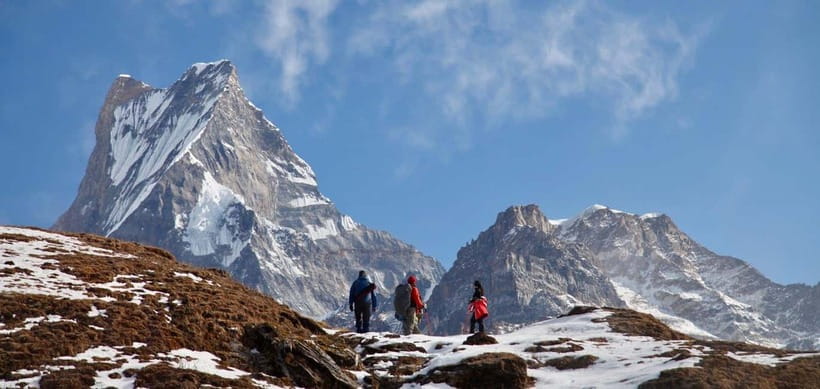
Day two is the hardest sustained uphill section for many people. The route takes roughly six to seven hours through dense rhododendron and oak forest before reaching Mardi Himal High Camp at about 3,580 meters.
The forest is one of the trip’s best features. Rhododendron trees are closely tied to Nepal’s mountain identity, and the trail feels very different from an open, dry high-altitude route. You may find sections where the trees limit the views, but the cool shade is welcome during the climb.
As you rise, the forest begins to thin and the route opens onto alpine ground. The reward is a much wider view of Machapuchhre, also called Fishtail, along with Annapurna South. High Camp is where the trek begins to feel properly Himalayan. You are high enough for the cold to matter, and the mountain walls appear much closer.
The stairs are a real consideration. Several people needed extra help on steep sections, and guides sometimes carried or assisted with bags when the climb became difficult. A private guide is especially useful here because you can stop without feeling that you are delaying a larger party.
High Camp has basic teahouse lodging. Facilities on a mountain route are practical rather than polished, so bring patience and a sleeping bag if needed. Trekking sticks are also available as required, which can help on the uphill steps and the next morning’s descent.
Try to keep day two simple. Eat, drink, organize your clothing, and get ready for an early start. The goal is not to stay up late admiring the stars. It is to be ready for the cold morning walk to the ridge.
Day 3: Sunrise at Mardi Viewpoint and the Base Camp option
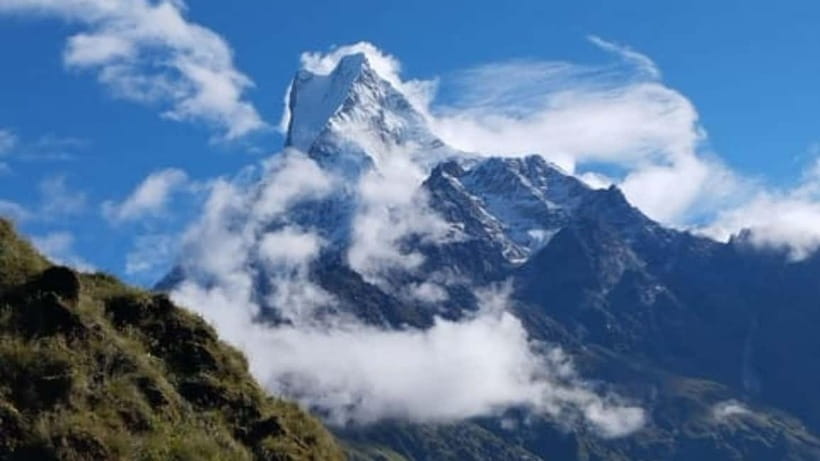
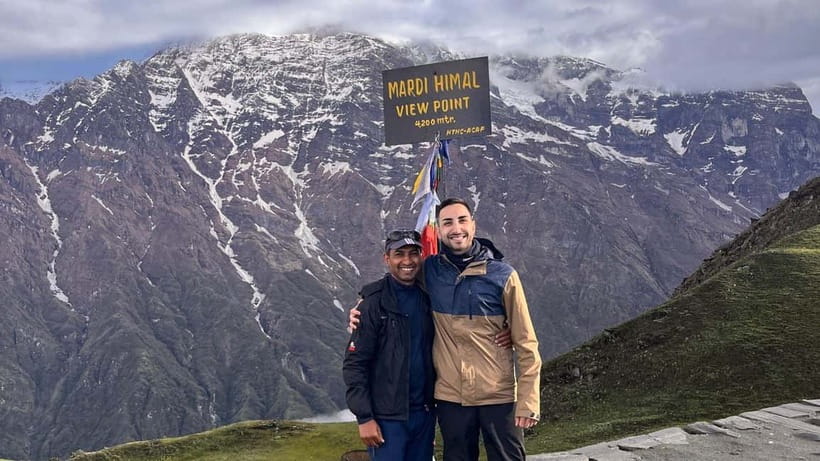
Day three starts early with a three to four-hour hike toward Mardi Himal Viewpoint, at about 4,200 meters. This is the visual high point of the trip, especially if the weather is clear.
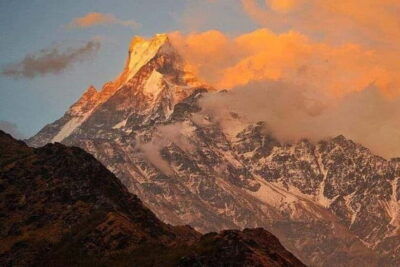
Sunrise over Machapuchhre is the major reward. The mountain’s sharp profile and the surrounding Annapurna peaks catch the early light, creating the kind of scene that makes the previous day’s stairs seem reasonable. Cloud can block the sunrise, so keep expectations sensible. You may still get impressive mountain views later in the morning.
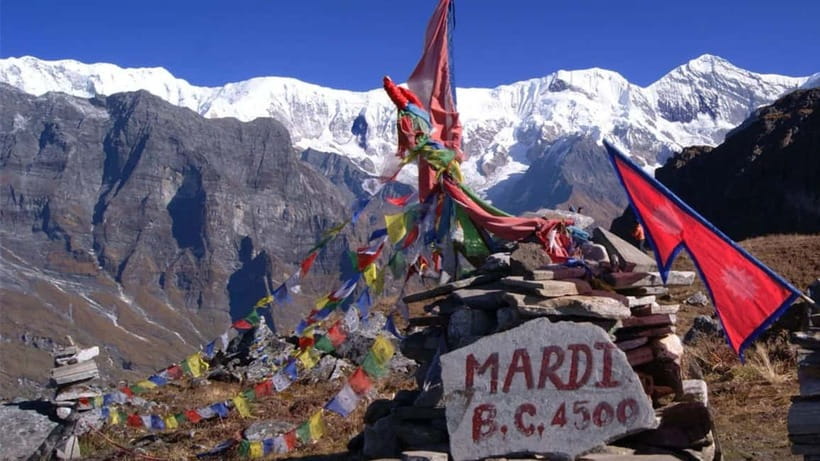
From the viewpoint, you may continue toward Mardi Himal Base Camp at approximately 4,500 meters if you are fit and conditions allow. This section adds altitude and effort, so your guide should help judge the timing. The four-day schedule leaves little spare time, and pushing too hard can make the descent unpleasant.
One important point is that the viewpoint and Base Camp are not the same stop. The viewpoint is the more dependable objective in this short itinerary. Some people complete the extra section, while others turn around because of tiredness, clouds, or the clock. If Base Camp matters deeply to you, ask about the exact timing and expected pace before departure.
After the morning high point, the route descends to Low Camp at around 2,970 meters. The descent takes another three to four hours. That downhill section can be tough on knees, especially after a long climb, so use trekking poles and take regular breaks.
Low Camp provides the third night’s teahouse stay. Dropping nearly 1,500 meters from the high point changes the feel of the evening. You are still in the mountains, but the air is less severe than at High Camp.
More walking in the hills of Pokhara:
- Poon hill Trek 3 days
★ 5.0 · 176 reviews - Trekking in Annapurna/Langtang/Everest/Upper Mustang regions
★ 5.0 · 161 reviews - Pokhara: 4-Day Ghorepani, Poonhill & Ghandruk Mountain Trek
★ 5.0 · 132 reviews - Ghorepani – Poon Hill Trek 3N-4D
★ 5.0 · 125 reviews
Day 4: Low Camp to Siding, Lumre, and Pokhara
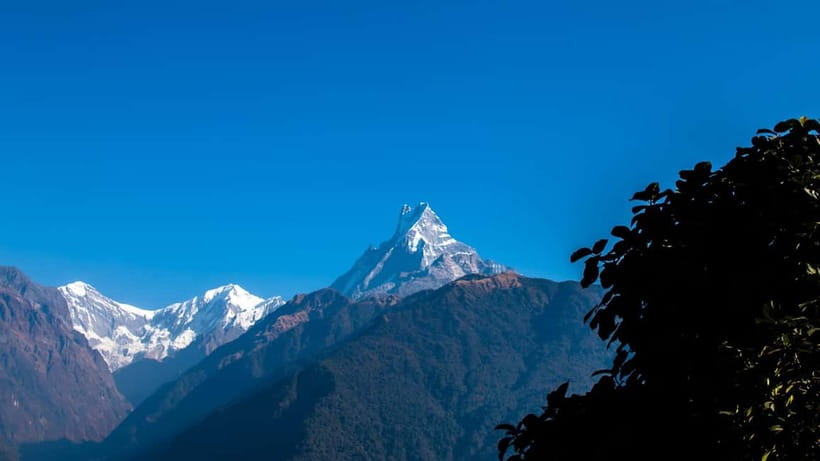
The final day takes you downhill for about four to five hours to Siding Village. The route gives you a different view of the region after the high ridge and forest climbs. Instead of ending at a road immediately, you continue for roughly another hour toward Lumre.
The itinerary also includes the Lumre canyons and Lwang Ghalel area. These stops add village and countryside interest to the trip, rather than making the final day only a tired walk to the vehicle.
From Lumre, the drive back to Pokhara takes about one hour. Drop-off is available around Lakeside and at Pokhara International Airport. This is useful if you are connecting to a flight, though you should still allow extra time around any airport plan.
The final day is not a soft landing. Downhill walking can be just as demanding as climbing, and wet conditions may make the trail less comfortable. Good shoes with a firm grip are more useful than fashionable hiking gear.
What the $138 price really includes
At $138 per person, the trek offers strong value if the advertised inclusions apply to your booking. The price includes round-trip transport between Pokhara, your pickup point, and the trail area, along with trekking permits, paperwork, and TIMS fees.
It also includes simple teahouse accommodation and the costs of the professional English-speaking guide. The guide’s meals, lodging, insurance, salary, transport, and equipment are covered, which is important because those costs can otherwise appear as surprise additions.
Luggage storage in Pokhara is another practical benefit. You can leave items that you do not need on the trail and carry a smaller trekking bag. A first aid kit, trekking stick, sleeping bag when needed, and local and government taxes are also included.
The main pricing detail to check is food. Breakfast, lunch, and dinner are included only if you select the meal option. One useful cost comparison comes from a trekker who chose to pay directly at teahouses and spent about 3,600 Nepalese rupees per person per day on food and drinks. Another person found the prepaid meal option much more expensive than ordering normally at the teahouses.
That does not mean the meal option is always poor value. It may suit you if you want a fixed arrangement and do not want to think about daily ordering. Still, ask for the exact price and what drinks or extras are excluded. Personal expenses, including items outside the stated inclusions, are not covered.
Guides, porters, and the private format
The strongest part of this experience is the human support. Guides are expected to speak English, Hindi, or Nepali, and the English-speaking guide is certified by the Government of Nepal.
Names praised for this route include Anil, Tanka, Santosh, Bala, Chandra, Jeet Bhadur, Golman, and Bishnu. Their reported strengths are useful rather than flashy: setting a manageable pace, helping on stairs, explaining plants and mountain culture, arranging teahouse stays, and keeping the mood light when the trail gets hard.
Anil was especially praised for supporting a first-time trekker recovering from illness, while Chandra was noted for patience with inexperienced walkers. Bala helped with sickness and difficult climbs, and Santosh was appreciated for practical advice and humor. These details matter because the route is short enough that a good guide can make the difference between a demanding adventure and a miserable rush.
A porter is available if you select that option. This is worth considering because the high sections include steep stairs and cold-weather clothing adds weight quickly. Carrying less also lets you focus on footing and scenery.
The group is private, not a large fixed party. That gives you more room to adjust breaks and speed, but you should still be honest about your fitness before departure. A private group does not make the mountain flat.
Fitness, weather, and what to pack
You need a reasonable level of fitness and good general health. The route includes five to seven-hour walking days, steep uphill sections, long descents, and altitude reaching about 4,500 meters if you continue to Base Camp.
You do not need an extreme expedition kit. Comfortable hiking shoes, hiking pants, warm clothing, waterproof layers, spare clothes, cash, hand sanitizer or tissues, and a camera are practical basics. Bring both warm and cold-weather clothing because conditions can change sharply between Pokhara and High Camp.
Travel insurance is mandatory. Emergency rescue services are available if needed, but insurance should cover trekking at the elevations involved. Submit a passport copy at least one day before departure so the necessary permits can be arranged.
The route is most appealing to people who enjoy walking rather than simply collecting viewpoints. You will spend long stretches among trees, climb steadily, sleep in basic lodges, and adjust your plans around the mountain. If you want comfort, a short walk, or guaranteed clear skies, this is not the right match.
The route suits fit first-time trekkers who are prepared to work, couples or friends wanting a private pace, and visitors with only four days in the Pokhara area. It is also a good option for solo participants who prefer the reassurance of a guide.
Should you book the Mardi Himal trek?
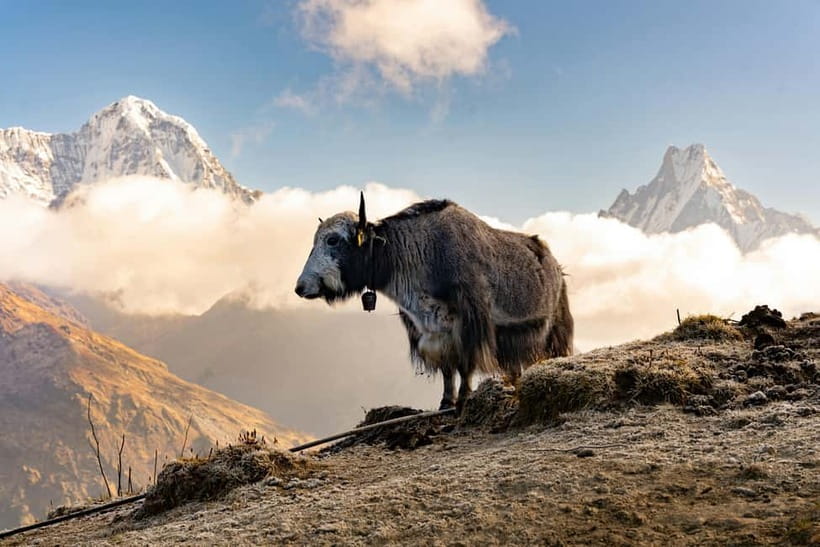
I would book this trek if you want big mountain views in four days, accept basic teahouses, and are ready for steep stairs and an early morning climb. The combination of quiet forest paths, High Camp, village trails, and Machapuchhre at sunrise gives you a lot for the time and money.
I would not book it without clarification if reaching Base Camp is your only goal. In four days, the viewpoint is the safer expectation, while Base Camp depends on your pace, weather, and condition. Ask about the meal package too, since paying directly at teahouses may be cheaper.
At $138, the package is attractive because transport, permits, guide costs, lodging, gear, and luggage storage are included. Add a porter if you need one, carry proper layers, and treat the altitude with respect. Do that, and this private Mardi Himal route offers an efficient and memorable taste of the Annapurna mountains.
FAQ
How long is the Mardi Himal trek from Pokhara?
The trek lasts four days. Walking days range from about three to seven hours, with transport from Pokhara to Kande at the start and from Lumre back to Pokhara at the end.
Does the trek reach Mardi Himal Base Camp?
The itinerary includes an optional continuation from Mardi Himal Viewpoint to Base Camp. The viewpoint is about 4,200 meters, while Base Camp is approximately 4,500 meters, and reaching it depends on fitness, conditions, and available time.
Where does the trek start?
The trek begins after a drive of about one hour from Pokhara to Kande. Pickup is available from Lakeside hotels, the Sarangkot area, and Pokhara International Airport.
Are meals included in the price?
Breakfast, lunch, and dinner are included if you choose the meal option. Personal expenses and items outside the selected inclusions are not covered, so confirm the meal package price before booking.
Is a guide included?
Yes. The experience includes a professional trekking guide, with English, Hindi, and Nepali available. Guide expenses such as meals, accommodation, insurance, salary, transportation, and equipment are included.
What should I bring?
Bring a passport or ID card, hiking shoes, comfortable clothes, warm layers, a change of clothes, cash, travel insurance, a camera, and hand sanitizer or tissues. Temperatures can vary greatly, so pack for both warm and cold conditions.
New in the Pokhara listings
- Pokhara: Pokhara Highlights Tour by Bus★ 3.6 · 10 reviews
- Discover Pokhara in Style: Private Vehicle Service with Driver★ 5.0 · 5 reviews
- Multi-Day Tour from Pokhara, Poon Hill and Mulde Trek★ 5.0 · 1 review
- Pokhara in 5 Hours: Lake, Museum, Cave, Falls & Pagoda Hill★ 4.5 · 16 reviews
- Private 4 Day Poon Hill Trek from Pokhara★ 5.0 · 16 reviews
- 4 Day Mardi Himal Base Camp Trek from Pokhara★ 5.0 · 18 reviews
- From Pokhara Full Day Entire Pokhara Tour with Guide★ 5.0 · 1 review
- Ultralight Flight: Into The Heart Of The Mountains (90 min)★ 5.0 · 1 review
Mardi Himal Treks, compared.

Browse the lists this tour appears in