
REVIEW · SHOPPING TOURS
Kathmandu Food & Drink and Shopping Rickshaw Tour
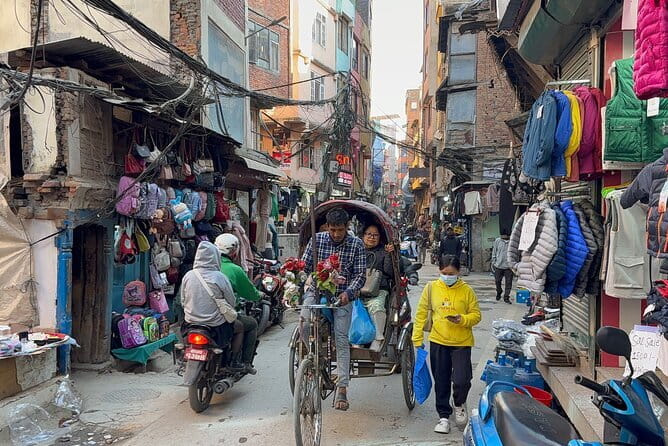
Kathmandu tastes better from a rickshaw. This three-hour outing combines a rickshaw ride with guided food stops and market walks through Thamel, Asan, Jyatha, and Chhetrapati. I like the mix of movement and eating: you get a quick sense of Kathmandu’s streets instead of sitting in one restaurant, then pause to try local dishes with guide Deepak Kushwaha.
I also like the practical shopping angle. You can look for Nepali tea and spices while learning how food fits into local life. The main consideration is the pace and possible group size. The tour allows up to 100 people, so the experience may feel less personal if the booking fills heavily. Pickup is offered, but private transportation and hotel pickup or drop-off are not included.
In This Review
- Key points before you book
- A useful first evening in Kathmandu
- Starting at Kaiser Library and setting off by rickshaw
- Thamel: a lively introduction for the first hour
- Asan: markets, ingredients, and the shopping side
- Jyatha: a short stop with a local food focus
- Chhetrapati: the final hour and the biggest meal
- What Deepak Kushwaha adds to the experience
- Food, drinks, and how much to expect
- Who should book this $25 Kathmandu tour?
- Should you book the rickshaw food tour?
- FAQ
- How much does the Kathmandu Food & Drink and Shopping Rickshaw Tour cost?
- How long does the tour last?
- Where does the tour start?
- Where does the tour end?
- What is included in the tour?
- Is hotel pickup and drop-off included?
- Can I cancel for a full refund?
- How many people can join the tour?
Key points before you book
- Rickshaw ride through central Kathmandu: Use the ride to get your bearings before walking between food stops.
- Four distinct neighborhoods: Thamel, Asan, Jyatha, and Chhetrapati each offer a different street setting and food atmosphere.
- Several tasting stops: The route can include five or six places, with small plates followed by a larger meal.
- Local guidance from Deepak Kushwaha: Deepak is praised for explaining food, culture, and the dishes you are trying.
- Tea and spice shopping: The tour can help you find local products to take home, not just something to eat on the spot.
- Strong value at $25: Food, drinks, water, and the rickshaw ride are included, making this an affordable introduction to Kathmandu cuisine.
A useful first evening in Kathmandu
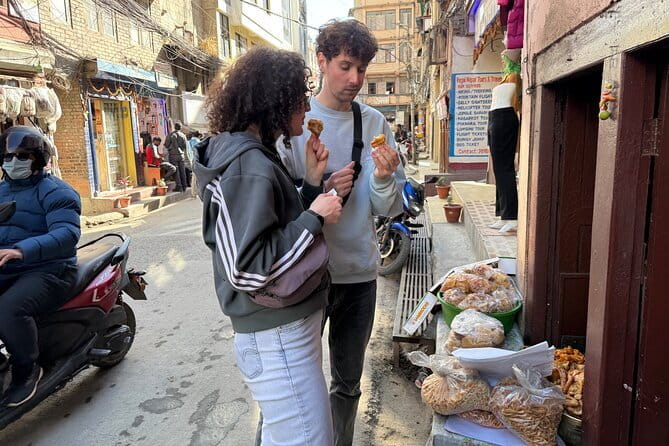
At $25 per person, this is priced as an easy introduction rather than a luxury food expedition. You get roughly three hours of guided time, a rickshaw ride, several tastings, drinks, and a substantial meal. That is a good deal if you want help finding local places and prefer not to guess your way through unfamiliar menus.
I especially like this as an early activity in Kathmandu. The route passes through areas you may return to later, and the guide can help you understand what you are seeing. It is part food tour, part orientation walk, and part introduction to shopping for everyday Nepali ingredients.
The food quantity appears generous. One account describes smaller dishes at the beginning and a larger meal near the end. Another says the group visited five or six places, while someone else notes that the final meal left them very full. Plan to arrive hungry, and avoid scheduling another serious dinner immediately afterward.
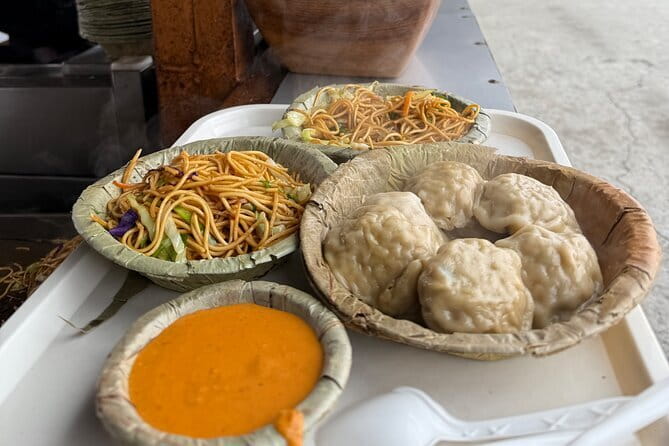
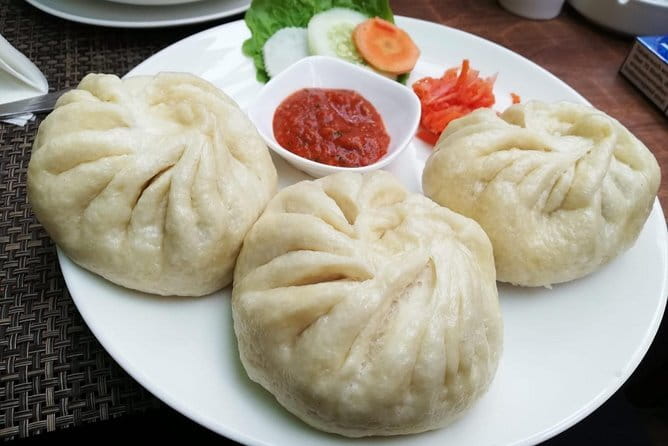
The exact dishes are not guaranteed. Vegetable momos are specifically praised, and the tour is designed around traditional Nepali food, snacks, coffee or tea, drinks, and a meal. You should expect variety, but the particular menu can depend on the day and the places visited.
More Rickshaw Tours in Kathmandu:
- Kathmandu Sunset Tour by Rickshaw Including Durbar Square Visit
★ 5.0 · 73 reviews - Kathmandu: Food, Drink and Shopping Rickshaw Tour
★ 4.7 · 7 reviews - Kathmandu at Sunset: Explore the City on Rickshaw
★ 5.0 · 5 reviews
Starting at Kaiser Library and setting off by rickshaw
The meeting point is Kaiser Library on Kanti Path, Kathmandu 44600. The tour ends back at this same meeting point, which makes the arrangement simple if you are staying nearby or can reach central Kathmandu by public transport.
The rickshaw ride is an important part of the experience, not just a way to pass time. It gives you a moving view of central Kathmandu before you begin the longer food walk. The ride also helps break up the eating and walking, especially near the end when you may be carrying shopping bags and feeling well fed.
I would treat the stated three hours as an approximate duration. Food tours rarely run like a train timetable, and the time spent ordering, explaining dishes, and moving between places can vary. If you have a fixed appointment later, leave a little extra room.
Pickup is offered, but private transportation pickup and drop-off are not included. The meeting point is near public transportation, so check the pickup details at booking and do not assume a private vehicle will collect you from your hotel.
Thamel: a lively introduction for the first hour
The first stop is Thamel, with about an hour allocated to the area. Thamel is one of Kathmandu’s main visitor districts, filled with restaurants, shops, cafés, travel businesses, and busy pedestrian streets. It is a practical place to begin because you can quickly see the contrast between tourist-facing Kathmandu and the more local markets that follow.
The food focus keeps this from being only a sightseeing ride. Deepak can explain what you are eating, how it is prepared, and where it fits in Nepali food culture. That matters when a dish is unfamiliar. You are not left to identify ingredients by pointing at a menu and hoping for the best.
Thamel is also a useful place to compare food styles. You might see familiar international options alongside Nepali dishes, but the purpose of this tour is to steer you toward local choices. The guide’s role is particularly valuable here because the district offers many places to eat, and not every restaurant gives the same kind of experience.
The drawback is that Thamel can feel more commercial than the other neighborhoods. If you want only quiet local eateries, this first hour may not be your favorite part. I see it instead as an easy starting point, especially for a first visit to Kathmandu or a first evening in Nepal.
Asan: markets, ingredients, and the shopping side
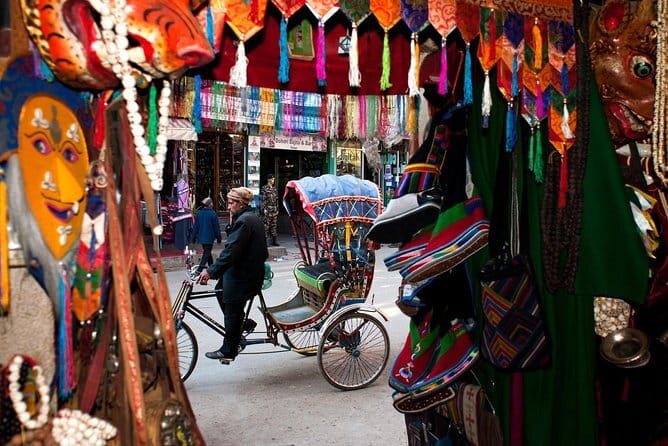
The tour then moves to Asan for around 30 minutes. Asan is known for its market activity and everyday trade, so this portion shifts the focus from restaurant browsing to the ingredients and products used in local life.
This is where the shopping element becomes more useful. You may have the chance to buy authentic Nepali tea and spices, both specifically highlighted by people who enjoyed the tour. If you want edible souvenirs, these are more practical than fragile ornaments and easier to fit into a suitcase.
Ask Deepak to explain what you are buying before you purchase it. A short explanation can help you understand how a spice is used, how tea differs from what you may find at home, or which items are suited for carrying back. The supplied information does not promise a fixed shopping list, so think of this as an opportunity rather than a guaranteed retail package.
Thirty minutes is enough for a focused market visit, but not for a long, unhurried shopping session. If you are serious about buying spices or tea, note the names of products and return later if needed. The tour gives you a starting point and local context, rather than a full shopping day.
More market mornings in Kathmandu:
- Kathmandu Secret Food Crawl & Local Market Tour
★ 4.7 · 54 reviews - Kathmandu Food Crawl & Market Tour
★ 5.0 · 26 reviews - Best Nepali Cooking Class in Thamel with Local Market Trip
★ 5.0 · 26 reviews - Oldest Local Market Walking Tour with Living Goddess Kumari
★ 5.0 · 8 reviews
Jyatha: a short stop with a local food focus
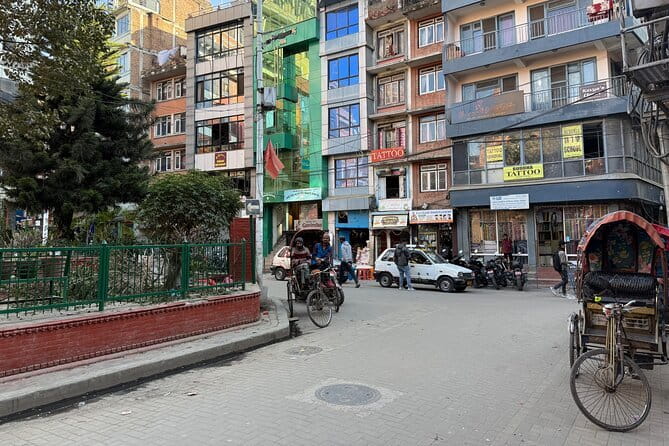
Jyatha receives about 30 minutes. This area gives the food walk another setting and helps keep the tour from feeling like one long stop in Thamel.
The value here is variety. A short visit can introduce another dish or another type of local eatery without asking you to spend too long at any one place. Deepak is praised for naming and describing the foods, which is useful when you are trying several small portions in quick succession.
One particularly practical detail is that Deepak may call ahead so food arrives at the right time. That can make a difference on a food tour. You spend less time waiting and more time eating, asking questions, and keeping up with the route.
The short timing also means you should not expect a long cultural talk at every stop. If you enjoy a quick-moving tour with several tastes, Jyatha fits well. If you prefer one dish explored slowly, with a long conversation about its ingredients and preparation, the format may feel brisk.
Chhetrapati: the final hour and the biggest meal
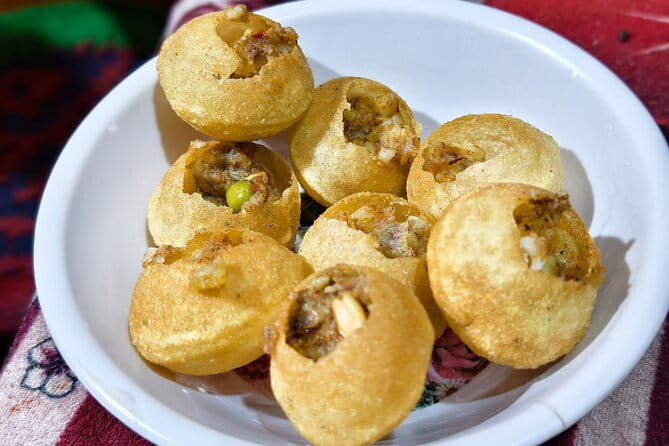
The final neighborhood is Chhetrapati, with about an hour set aside. This part brings the food route through narrow streets and older city lanes, where traditional ways of eating and shopping sit alongside modern Kathmandu life.
The longer stop makes sense here because the tour often finishes with a larger meal. The overall rhythm appears to be small dishes first, followed by a substantial serving at the end. That gives you time to discover unfamiliar flavors without filling up too early.
Vegetable momos are a highlight specifically associated with this experience. If you enjoy dumplings, ask about them when the food begins. The tour also includes snacks and a meal, so vegetarians may find useful choices, but the supplied information does not provide a complete vegetarian menu. Mention dietary needs when booking or before the food is served.
The Chhetrapati portion is also where the walking element may feel most rewarding. You are not simply being driven between restaurants. You move through local streets, see how small food businesses operate, and connect dishes with the neighborhood around them.
At the same time, an hour of walking and eating can feel tiring after the earlier stops. Wear comfortable shoes and keep your day light around the tour. The final rickshaw ride back to the meeting point is a welcome finish when you are full.
What Deepak Kushwaha adds to the experience
A food tour depends heavily on its guide, and Deepak Kushwaha is the clearest strength here. His approach appears to be friendly and conversational rather than stiff or scripted. He explains the names of dishes, shares food and cultural background, and helps solo participants feel included.
That last point matters if you are traveling alone. A food tour can be an easy way to meet a small group while still having a guide to handle ordering and explain what is on the table. The experience may also bring together people from different countries, adding a social element without requiring you to plan a group meal yourself.
Deepak’s help may extend beyond the food stops. One person appreciated assistance with other bookings and plans, and another praised his accommodating manner. You should not treat that as a formal concierge service, but it suggests that questions about Kathmandu may receive useful, practical answers.
The one caution is that the maximum group size is 100. That is a large upper limit for a food walk. A full group could make conversation, restaurant seating, and movement between stops less personal. If you want a quiet private tour, this is not described as a private experience.
Food, drinks, and how much to expect
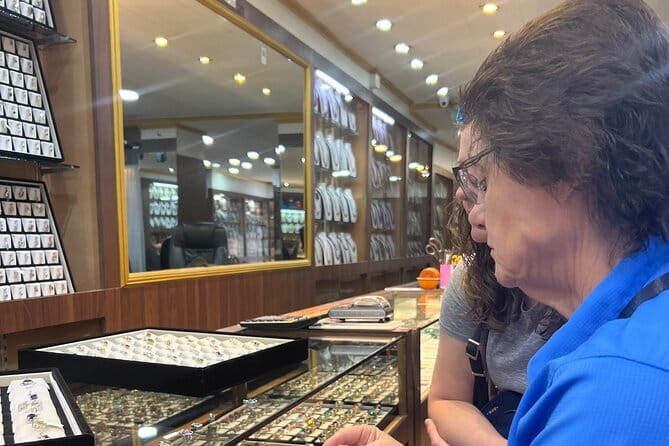
The included items are coffee or tea, dinner, snacks, lunch, bottled water, and the rickshaw ride. The wording lists both lunch and dinner, but the tour lasts about three hours, so you should interpret this as a broad description of included food rather than two separate full restaurant meals.
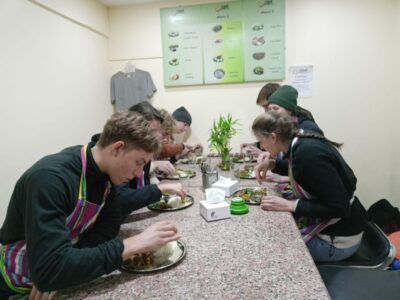
The strongest pattern is a series of tastings that ends with a larger meal. You may try several Nepali foods, including vegetable momos, along with drinks and smaller snacks. The experience is designed to leave you satisfied, not merely give you one sample and send you away.
Come with an empty stomach. That advice is supported by the amount of food described, including five or six stops and a final meal. If you have dietary restrictions, the available information does not spell out the arrangements, so ask before booking rather than relying on the guide to adjust everything at the last minute.
Water is included, which is a small but useful detail during a food walk. Tips, personal expenses, and private transportation are not included. Carry some extra money if you want tea, spices, or other purchases.
Who should book this $25 Kathmandu tour?
I would recommend this tour to you if you want a low-cost introduction to Nepali food without spending your first days searching for restaurants. It suits solo visitors, couples, and anyone who likes a social outing with movement, conversation, and several small stops.
It is also a good match if you are curious about local tea and spices. The shopping opportunity adds something that many food tours skip, and it gives you a chance to take home ingredients rather than only memories.
You may want a different option if you need a fixed meal plan, a private vehicle, or a quiet small-group setting. The route is active, the food is plentiful, and the group limit is high. It is best approached as a lively introduction to Kathmandu rather than a carefully controlled tasting menu.
The cancellation terms are straightforward: cancel at least 24 hours before the start for a full refund. Changes or cancellations inside that 24-hour window are not accepted for a refund, based on local time.
Should you book the rickshaw food tour?
I would book it if you value good food, local explanation, and strong value more than polished luxury. For $25, the combination of rickshaw transport, several tastings, drinks, a substantial meal, and market access gives you a lot in three hours.
Book it early in your Kathmandu stay if you want help finding your way around Thamel, Asan, Jyatha, and Chhetrapati. Arrive hungry, wear comfortable shoes, and keep your evening open enough to enjoy the full route. If you want a private or highly customized food tour, check the group arrangement first. Otherwise, this is an affordable and unusually practical way to meet Kathmandu through its streets and its food.
FAQ
How much does the Kathmandu Food & Drink and Shopping Rickshaw Tour cost?
The price is $25 per person.
How long does the tour last?
The tour lasts approximately three hours.
Where does the tour start?
The meeting point is Kaiser Library, P878+H4G, Kanti Path, Kathmandu 44600, Nepal.
Where does the tour end?
The activity ends back at the Kaiser Library meeting point.
What is included in the tour?
The tour includes a rickshaw ride, coffee or tea, dinner, snacks, lunch, and bottled water.
Is hotel pickup and drop-off included?
Private transportation pickup and drop-off are not included. Pickup is offered, and the meeting point is near public transportation.
Can I cancel for a full refund?
Yes. You can receive a full refund by canceling at least 24 hours before the experience start time. Cancellations or changes made within 24 hours are not refunded or accepted.
How many people can join the tour?
The activity can have a maximum of 100 participants.
More Eating and Drinking in Kathmandu
- Kathmandu Food and Drink Walking Tour
★ 5.0 · 266 reviews - Kathmandu: Food and Drink Walking Tour
★ 4.9 · 119 reviews - Walking Street Food Tour in Kathmandu
★ 5.0 · 111 reviews - Secret Food Tour – Food Bites and Sights Kathmandu 14+ Testings
★ 5.0 · 82 reviews
New in the Kathmandu listings
- Traditional Momo Making Class★ 5.0 · 10 reviews
- Kathmandu: Ancient City Kirtipur & Pharping Monastery Tour★ 5.0 · 2 reviews
- Kathmandu to Pokhara Premium sofa bus ticket★ 4.0 · 17 reviews
- Women Empowerment Project(Nepali cooking class & jewelry workshop★ 5.0 · 15 reviews
- 7-Day Langtang Valley Trek from Kathmandu★ 5.0 · 1 review
- Kathmandu 2 Nights 3 Days Chitwan Jungle Safari Tour★ 5.0 · 9 reviews
- Yoga Experience Day Trip with Private Transfer From Kathmandu★ 4.0 · 2 reviews
- Wildlife Adventure in Chitwan Nepal★ 4.0 · 4 reviews
Shopping Tours, compared.
Best Nepali Cooking Class in Thamel with Local Market Trip
Read our review →
Oldest Local Market Walking Tour With Living Goddess Kumari
Read our review →Oldest Local Market Walking Tour with Living Goddess Kumari
Read our review →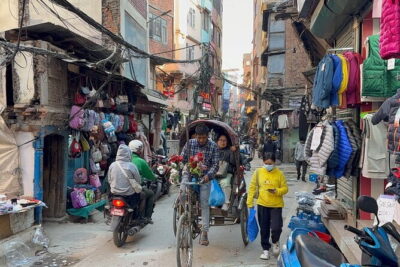
Half Day Cooking Class in Thamel with Local Market Visit
Read our review →Browse the lists this tour appears in