
REVIEW · BUDDHIST MONASTERY TOURS
Live like Monk: Stay in the Nomobuddha Monastry
Quiet hills, ringing bells, and simple meals await. This three-day Namobuddha experience gives you a close look at Buddhist practice near Dhulikhel, with a three-hour hike, monastery ceremonies, vegetarian food, and time for reflection. I especially like the peaceful setting and the chance to eat beside resident monks. Guide Anoj also earns strong praise for his care, clear explanations, and warm attitude.
The catch is important: you may not sleep inside the monastery or join monks in meditation. Accommodation has been in a nearby guesthouse, either about 100 meters away or as far as 400 meters, and the planned rituals may change without much warning. At $294 per person, the experience can be worthwhile, but only if you treat it as a cultural and spiritual visit rather than a guaranteed monk-training retreat.
In This Review
- Key points to know before booking
- What this Namobuddha experience really offers
- From Kathmandu to Dhulikhel, the easy first leg
- The three-hour walk from Dhulikhel to Namobuddha
- Arriving at Namobuddha and settling in
- Prayer, meditation, and the changing daily schedule
- Eating with monks and keeping meals simple
- A guide can make or break the experience
- Day two, a slower look at monastic life
- Day three and the return to Kathmandu
- Is $294 a fair price?
- Who should book this three-day stay?
- My verdict on the Namobuddha monastery experience
- FAQ
- Where is the Namobuddha monastery experience located?
- How long does the experience last?
- Where can pickup take place?
- Where can I be dropped off afterward?
- How long is the hike to Namobuddha?
- Do I sleep inside the monastery?
- What type of room is included?
- Are meals included?
- Are meditation and chanting guaranteed?
- Is the tour conducted in English?
Key points to know before booking
- The three-hour hike begins in Dhulikhel: You walk through hills, villages, and rural scenery before reaching Namobuddha.
- Accommodation may be outside the monastery: The old guesthouse is about 100 meters away, while the newer one can be roughly 400 meters away.
- Monastic participation is not guaranteed: You may watch prayer ceremonies, but meditation, chanting, and puja schedules can change.
- Meals are simple vegetarian fare: Three meals per day are included, and the food has been praised for being fresh and tasty.
- Anoj is a major strength: He has been described as kind, careful, and able to explain Nepalese nature, history, religion, and monastery life.
- The group is limited to 10 people: That keeps the outing more personal than a large coach tour.
What this Namobuddha experience really offers
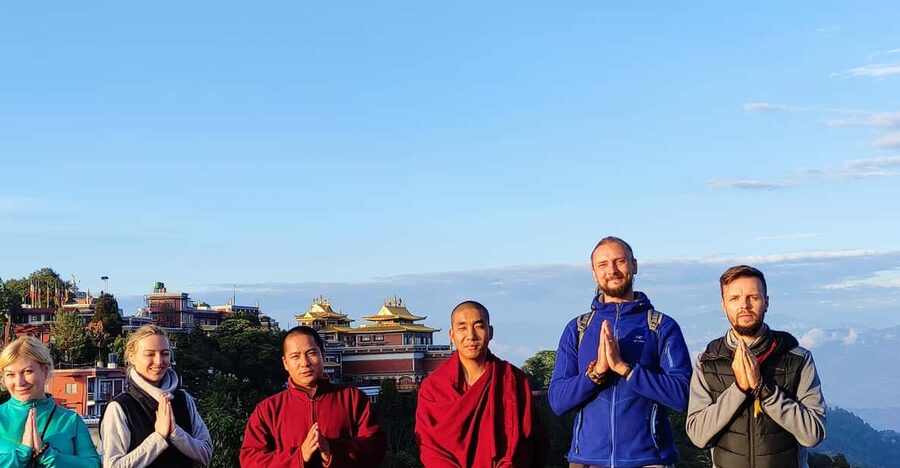
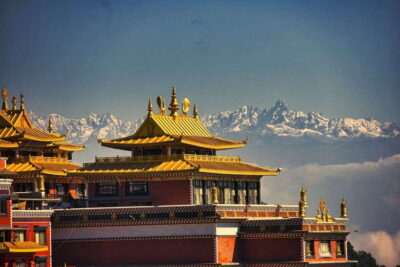
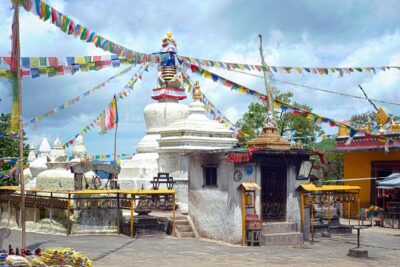
Namobuddha is a Buddhist pilgrimage site in Nepal’s Bagmati Zone, above the hill town of Dhulikhel. The appeal is not a packed sightseeing schedule. It is the change of pace: you leave Kathmandu’s traffic, walk into the hills, eat modest vegetarian meals, and spend time around a working religious center.
The program lasts three days and two nights. Pickup is available in Kathmandu, Lalitpur, or Bhaktapur, followed by private transport to Dhulikhel. From there, you walk for about three hours to Namobuddha.
The title suggests that you will live like a monk. I would soften that promise. You will experience parts of monastic routine, such as shared meals and prayer sessions, but the actual level of contact varies. One stay included no meditation, chanting, puja, or ritual participation at all. Other visits included morning or late-morning prayer and meals with monks.
That difference matters. If you want guaranteed spiritual instruction, ask for the current schedule before you pay. If you are happy to observe respectfully and accept a slower, less predictable program, the experience has real value.
More monastery visits in Kathmandu:
- From Kathmandu: 2 Stupas and Kopan Monastery Spiritual Tour
★ 4.8 · 115 reviews - Lunch with Nuns – Monastery
★ 5.0 · 75 reviews - Kathmandu: Dhulikhel to NamoBuddha Day Hike with Lunch
★ 4.8 · 62 reviews
From Kathmandu to Dhulikhel, the easy first leg
Your day begins with pickup from one of three locations: Kathmandu, Lalitpur, or Bhaktapur. A private vehicle takes you to Dhulikhel, around 30 kilometers from Kathmandu. The drive is much easier than arranging separate transport, especially if you have luggage or are staying in different parts of the Kathmandu Valley.
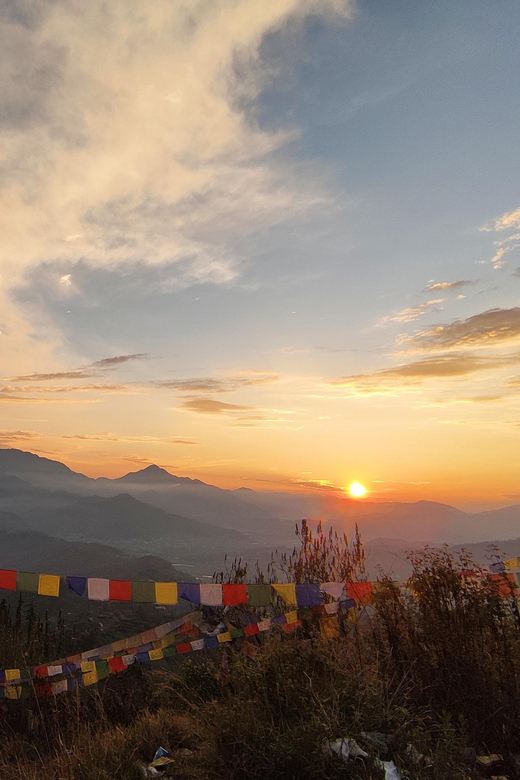
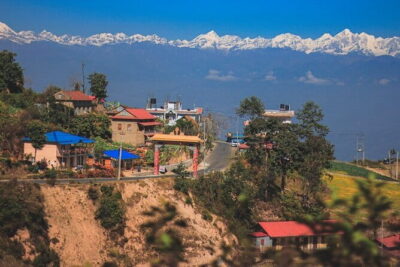
Dhulikhel is the starting point for the walk. It is a hill town known for wide mountain views, though visibility depends on weather and the season. One person reached Namobuddha with views extending toward snow-covered Himalayan peaks. You should not count on that sight every day, but clear weather can make the walk especially rewarding.
The private vehicle is included both at the beginning and end of the trip. That is useful because the monastery is not treated as a simple round-trip taxi stop. Your guide handles the transfer, the walking section, and the return to Kathmandu.
The three-hour walk from Dhulikhel to Namobuddha
The hike is one of the best parts of the experience. It takes about three hours and passes through hills and small local villages. This gives you a better sense of rural Nepal than a direct drive would. You see the change from town roads to quieter paths, with time to notice farms, homes, and the surrounding hills.
You should be comfortable walking for several hours before booking. The experience does not describe a technical mountain trek, but three hours on foot is still a serious part of the day. Wear sturdy shoes, carry water, and keep your day bag light.
The walk also sets the tone for the stay. You do not arrive at the monastery after a rushed transfer and a quick photo stop. You reach it gradually, with the noise of the valley falling away. That makes the first look at the monastery more meaningful.
The main drawback is that the program does not give detailed information about the trail surface, elevation gain, or seasonal conditions. If those details matter to you, ask the operator before departure. The guide is there throughout the tour and can help with the pace, but the walk remains a fixed part of the experience.
Arriving at Namobuddha and settling in
After reaching Namobuddha, you check in and have time to rest and walk around the grounds. The setting is quiet and suited to reflection rather than entertainment. There are no listed evening shows, shopping stops, or optional diversions to fill the schedule.
The accommodation needs a clear explanation. Despite the advertised idea of staying inside Namobuddha Monastery, actual accommodation has been in a guesthouse near the complex. The older guesthouse is about 100 meters away. The newer guesthouse may be about 400 meters away.
Rooms are twin sharing, and facilities are basic. Shared amenities are part of the arrangement, so this is not the place for hotel-style comfort or privacy. You should pack with a simple stay in mind and be ready to share a room with your assigned partner.
This distance from the monastery is not a disaster. You can still reach the grounds easily, and being outside the main religious building may provide a little more quiet. But it is a major difference from the promise of sleeping inside the monastery. The company should tell you which guesthouse is available before you arrive.
A short list of alternatives around Kathmandu
- Everest Base Camp Trek – 14 Days
★ 5.0 · 1,499 reviews - Private Kathmandu Sightseeing Tour | UNESCO World Heritage sites
★ 5.0 · 756 reviews - Everest Base Camp Helicopter Tour landing at Everest View Hotel
★ 5.0 · 668 reviews - Half day cooking class in Thamel kathmandu
★ 5.0 · 607 reviews
Prayer, meditation, and the changing daily schedule
The intended program includes an introductory session on Buddhist meditation and chanting, followed by morning and evening sessions. In practice, the schedule can vary.
Some stays included a puja, a Buddhist prayer service, at around 6 in the morning and another session around 11. These were usually opportunities to observe the monks rather than guided meditation sessions performed with them. Other stays had ceremonies and meals with monks but less direct contact. One visit had no scheduled puja, meditation, chanting, or ritual activity during the stay.
This is the central issue with the experience. Monasteries are working religious communities, not stage-managed attractions. Ceremonies may be affected by examinations, preparations, or the absence of an important teacher. One person missed morning puja because of examination time, while the senior guru was away.
That unpredictability is understandable, but communication still matters. If a major part of the program is canceled, you should be told as early as possible. The guide may try to find out what is happening, but the monastery and tour company need a clearer system for confirming the schedule.
Approach the ceremonies with respect. You may observe prayer, sit quietly, or eat alongside monks, but do not expect a private lesson in Buddhist philosophy at every session. The experience is best for someone willing to watch, listen, and accept that religious life does not always run on a tourist timetable.
Eating with monks and keeping meals simple
Three vegetarian meals per day are included: breakfast, lunch, and dinner. The food has been praised as tasty and fresh, but the meals are designed around the simple rhythm of monastery life rather than a restaurant menu.
Eating beside resident monks can be one of the most memorable parts of the stay. It gives you a shared daily activity without requiring a formal discussion or performance. You get a practical glimpse of how food, quiet, and community fit into the monastic routine.
Do not plan on ordering extra dishes or buying snacks inside the program. Personal expenses, souvenirs, additional snacks, and extra food are not included. If you need something between meals, bring it with you, while respecting the site’s rules and the no-alcohol, no-drugs policy.
Mindful eating is part of the point. Meals may seem plain compared with Kathmandu restaurants, but that simplicity helps you notice the setting and the pace. It also keeps the cost of the stay focused on transport, guiding, lodging, and access to the monastery rather than elaborate dining.
A guide can make or break the experience
The guide is one of the strongest reasons to consider this tour. Anoj has been praised for being kind, enthusiastic, prepared, and attentive. He has helped explain Buddhist practice, Nepalese religion, local nature, and the story of the monastery.
His care also matters when the schedule is unclear. During one stay, he made a real effort to find out when ceremonies might take place. On another, he looked after someone who became ill with a stomach problem. Those small actions can make a simple trip feel much more secure.
A guide cannot guarantee that monks will hold a session or that a ceremony will happen. He can, however, explain what you are seeing and help you behave appropriately. That is especially useful if you have never visited a Buddhist monastery.
The tour is conducted in English and limited to 10 participants. A small group suits the setting. You can ask questions without shouting across a bus, and the walk is easier to manage than it would be with a large crowd.
Day two, a slower look at monastic life
The second morning begins early, with morning chanting or prayer when scheduled, followed by meditation or quiet observation. Breakfast comes afterward in the monastery dining area.
The program then includes a guided walk around the monastery grounds. This is where your guide’s explanations add value. You learn about the buildings, religious importance, architecture, and place of the monastery in Buddhist culture. The visit is not only about taking photographs. It helps you understand why the site matters to people who come for pilgrimage and worship.
After lunch, you have time for personal reflection. You may take part in activities such as gardening or scripture study when available, or simply sit quietly. The plan does not promise that every optional activity will occur, so keep your expectations loose.
The evening session is intended to include chanting and guided meditation. Again, confirm the actual schedule when you arrive. If nothing formal is happening, the quiet grounds and unhurried routine still offer a useful break from ordinary sightseeing, but the experience will not match the full program description.
Day three and the return to Kathmandu
The final morning follows the same pattern: prayer or chanting when available, meditation or quiet time, and breakfast. The schedule also includes another guided tour of the grounds, followed by lunch.
Repeating the grounds tour may feel unnecessary if you covered everything on the first day. Still, a second look can be worthwhile because the monastery feels different at different times, especially after you have seen a ceremony or eaten with monks. Ask your guide to focus on details you missed rather than repeating the same walk.
In the afternoon, private transport takes you back to Kathmandu. Drop-off is available in Kathmandu, Lalitpur, or Bhaktapur. The return transfer is included, so you do not need to arrange a separate ride from the hill country.
The three days are not packed with attractions. That is a benefit if your goal is rest and reflection, but a weakness if you want constant activity. You are paying for time, access, guiding, meals, and a carefully arranged rural visit.
Is $294 a fair price?
At $294 per person, this is not a cheap overnight excursion. The price includes private transport, the three-hour hike, two nights of twin-share accommodation, a guide, three vegetarian meals per day, monastery activities, guided visits, and the return ride.
That package can represent fair value if the ceremonies take place and you want a fully arranged experience from the Kathmandu Valley. Private transport alone is useful, and having a guide explain the site is more valuable than arriving independently without context.
The price feels harder to justify when you receive only a nearby guesthouse, basic meals, a grounds tour, and no contact with scheduled religious practice. The difference between a strong experience and a disappointing one depends heavily on the monastery timetable.
Before booking, ask three direct questions:
- Is the room in the old guesthouse or the new guesthouse?
- How far is it from the monastery?
- Which prayer, chanting, meditation, or puja sessions are confirmed for your dates?
Those answers will help you decide if the price fits what you want. Free cancellation up to 24 hours before the start and the reserve-now, pay-later option give you some flexibility, but they do not solve the problem of an unclear activity schedule.
Who should book this three-day stay?
I would recommend it to you if you want a quiet cultural experience, enjoy walking, and can accept a basic room. It suits people interested in Buddhism who are comfortable observing respectfully without demanding a private spiritual lesson.
It also works well for first-time visitors to Nepal who want a guided outing beyond the main cities. The route combines a hill walk, village scenery, religious architecture, shared vegetarian meals, and time away from traffic.
You should think twice if your main goal is to meditate with monks, sleep inside a monastery, or follow a fixed retreat schedule. The information from past stays shows that those parts are not dependable.
The experience is also a poor match for anyone seeking nightlife, alcohol, luxury lodging, or a full menu of optional activities. Alcohol and drugs are not allowed, and the setting calls for quiet behavior and modest dress.
My verdict on the Namobuddha monastery experience
Book this experience if you value the walk, the setting, the food, and a guide who can help you understand the place. The strongest version includes a prayer service, a meal beside monks, clear mountain views, and Anoj’s thoughtful guidance.
Do not book it on the assumption that you will literally live inside the monastery or join monks for daily meditation. Ask for written confirmation about accommodation and ceremonies first. If the operator gives clear answers and you are happy with a simple, flexible stay, Namobuddha can offer three peaceful days with genuine cultural value.
FAQ
Where is the Namobuddha monastery experience located?
It takes place in Nepal’s Bagmati Zone, with the walk beginning in Dhulikhel and the stay at or near Namobuddha Monastery.
How long does the experience last?
The program lasts three days and two nights.
Where can pickup take place?
Pickup is available from Bhaktapur, Kathmandu, or Lalitpur.
Where can I be dropped off afterward?
Drop-off is available in Bhaktapur, Lalitpur, or Kathmandu.
How long is the hike to Namobuddha?
The hike from Dhulikhel to Namobuddha takes about three hours.
Do I sleep inside the monastery?
Accommodation has been provided in a nearby guesthouse. The old guesthouse is about 100 meters from the monastery, while the new guesthouse may be about 400 meters away.
What type of room is included?
The accommodation is twin sharing with basic amenities and shared facilities.
Are meals included?
Yes. Breakfast, lunch, and dinner are included each day, and the meals are vegetarian.
Are meditation and chanting guaranteed?
No. The planned program includes meditation and chanting, but the actual schedule can change. Some stays included prayer services, while others had few or no scheduled practices.
Is the tour conducted in English?
Yes. The live guide speaks English, and the group is limited to 10 participants.
New in the Kathmandu listings
- Traditional Momo Making Class★ 5.0 · 10 reviews
- Kathmandu: Ancient City Kirtipur & Pharping Monastery Tour★ 5.0 · 2 reviews
- Kathmandu to Pokhara Premium sofa bus ticket★ 4.0 · 17 reviews
- Women Empowerment Project(Nepali cooking class & jewelry workshop★ 5.0 · 15 reviews
- 7-Day Langtang Valley Trek from Kathmandu★ 5.0 · 1 review
- Kathmandu 2 Nights 3 Days Chitwan Jungle Safari Tour★ 5.0 · 9 reviews
- Yoga Experience Day Trip with Private Transfer From Kathmandu★ 4.0 · 2 reviews
- Wildlife Adventure in Chitwan Nepal★ 4.0 · 4 reviews
Buddhist Monastery Tours, compared.
Dhulikhel, Namobuddha & Panauti: A Scenic Day Tour from Kathmandu
Read our review →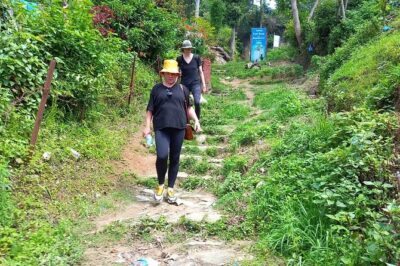
Namo Buddha and Thrangu Tashi Yangtse Monastery Half-Day Tour
Read our review →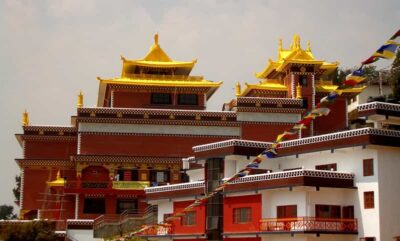
Namobuddha Monastery Hiking Day Tour via Panauti from Kathmandu
Read our review →Browse the lists this tour appears in