
REVIEW · MUSEUMS
Narayanhiti Palace Museum Tour (Former Royal Palace of Nepal)
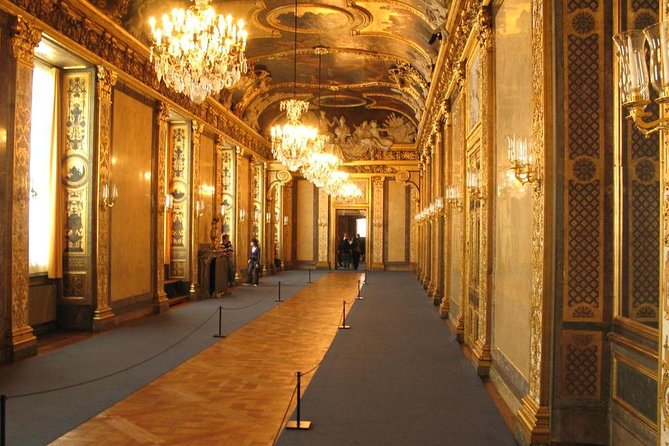
A palace can tell a difficult story. The Narayanhiti Palace Museum brings Nepal’s monarchy into view through grand rooms, royal ceremony, family tragedy, and the final end of the Shah dynasty. I like the small-group format, which gives you a better chance to hear the story clearly, and I like that hotel pickup and drop-off remove Kathmandu transport hassles. The main drawback is emotional: the 2001 royal massacre is part of the visit, and some rooms can feel solemn rather than entertaining.
This three-hour tour costs $80 per person and includes admission, a professional guide, and transfers from your hotel. I would choose it for the context as much as the building itself. Without help, the 52 rooms, formal names, and royal customs could blur together. The museum is open only from 11 a.m., so the 10:15 a.m. start requires careful timing with the opening hour.
In This Review
- Key details to know before you book
- Why Narayanhiti Palace matters in Kathmandu
- Hotel pickup and the 10:15 a.m. start
- Entering the three palace wings
- Kaski Sadan and royal public life
- Gorkha Baithak, the throne room
- The 2001 massacre and the palace’s painful final chapter
- Decorative rooms, signs, and the royal car collection
- Is $80 a fair price?
- Who should choose this palace tour?
- Should you book the Narayanhiti Palace Museum Tour?
- FAQ
- Where does the Narayanhiti Palace Museum Tour take place?
- How long does the tour last?
- What time does the tour start?
- What are the museum’s opening hours?
- Is hotel transportation included?
- What parts of the palace will I see?
- Is admission included in the price?
- Are meals included?
- Can I cancel for a full refund?
Key details to know before you book
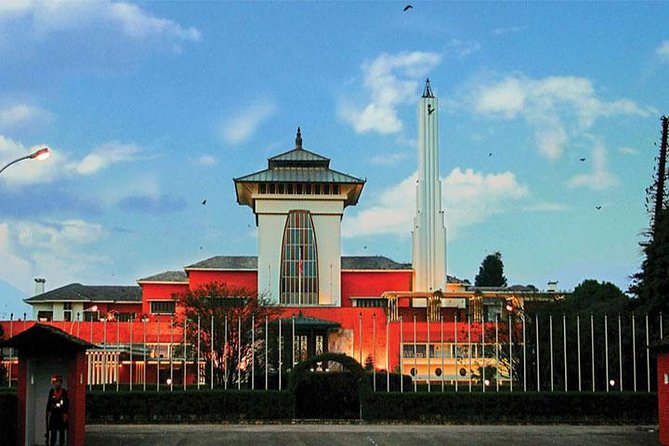
- The palace has 52 named rooms: Each room, or sadan, is named after one of Nepal’s 75 districts.
- Three separate palace sections shape the visit: You move through the guest wing, state wing, and private wing.
- The throne room is called Gorkha Baithak: It is one of the central ceremonial rooms in the former royal residence.
- Kaski Sadan hosted state business: Shah monarchs received politicians there and held oath ceremonies for senior officials.
- The visit includes the 2001 massacre site: Expect a serious account of the royal family’s final years and violent end.
- Group size needs checking: The tour is described as a small group of up to 15, while the additional information also says a maximum of two travelers.
Why Narayanhiti Palace matters in Kathmandu
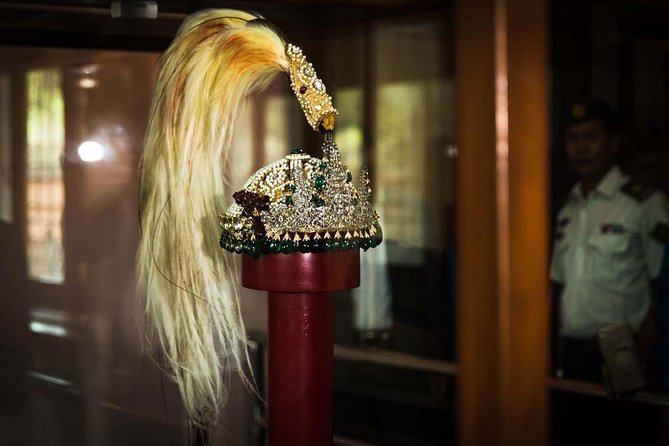
Narayanhiti was once a private royal estate. Today, it is a museum that helps explain the long rise and fall of Nepal’s monarchy, from earlier royal periods through the Shah kings and the dynasty’s removal in 2008.
That political story gives the building more weight than a simple palace tour. You are not just looking at furniture, chandeliers, and formal halls. You are seeing the rooms where Nepal’s kings received officials, conducted ceremonies, and presented royal authority to the country.
I find that a guide is especially useful here because the palace is large and its rooms have formal names that are not easy to remember at first. A good explanation turns Kaski Sadan and Gorkha Baithak from unfamiliar labels into places connected with real events.
The visit also carries a sharp contrast. The palace was designed to project order, ceremony, and control, yet its story ends with the monarchy’s collapse and the brutal 2001 killing of members of the royal family. You should come prepared for a museum that is both decorative and disturbing.
More museum visits in Kathmandu:
- Private Kathmandu UNESCO Heritage Sites with Narayanhiti Museum
★ 5.0 · 6 reviews - Pokhara in 5 Hours: Lake, Museum, Cave, Falls & Pagoda Hill
★ 4.5 · 16 reviews - Pokhara in 5 Hours: Lake, Museum, Cave, Falls & Pagoda Hill
★ 5.0 · 10 reviews
Hotel pickup and the 10:15 a.m. start
Your professional guide meets you at your hotel and transfers you to the museum. That is useful in Kathmandu, where arranging a short city ride can take more time and patience than expected. At the end, the activity returns to the meeting point, with hotel drop-off included.
The stated start time is 10:15 a.m., while the museum opens at 11 a.m. from February through October. From November through January, it is open from 11 a.m. to 3 p.m. The supplied schedule therefore deserves confirmation before you set your day around it. The listed ticket redemption point is the museum’s North Gate on North Gate Road, Kathmandu 44600.
I would ask the provider to confirm the pickup time and the actual entry timing before departure. This is not a reason to reject the tour, but the schedule should be clear. You do not want to spend your morning waiting outside a locked museum.
The tour lasts about three hours. That gives you enough time for a guided look at the main interiors without turning the day into a palace marathon. Lunch and alcoholic drinks are not included, so plan those separately.
Entering the three palace wings
Inside, the palace is divided into three sections: the guest wing, state wing, and private wing. This division gives the visit a useful structure.
The guest wing helps you picture how the royal household received important visitors. The state wing is where public power and ceremony come into sharper focus. The private wing offers a more personal look at the royal residence, although the supplied details do not specify which private rooms are open or how they are arranged.
The building’s interior follows late Victorian styles. That does not mean the palace feels like a European royal residence in every detail. It means you should look for the formal design language, decorative interiors, and deliberate presentation associated with that period.
The 52 rooms are called sadan and take their names from Nepal’s districts. This is one of the more memorable details of the museum. The names connect the palace to the country beyond the royal compound, even as the rooms show a world of court ceremony and privilege.
I recommend paying attention to the signs as you go. Clear room labeling helps you keep track of the palace and gives each space a little more purpose. Still, signage cannot replace a guide when the subject involves several generations of kings, changing political structures, and a final national shift in 2008.
Kaski Sadan and royal public life
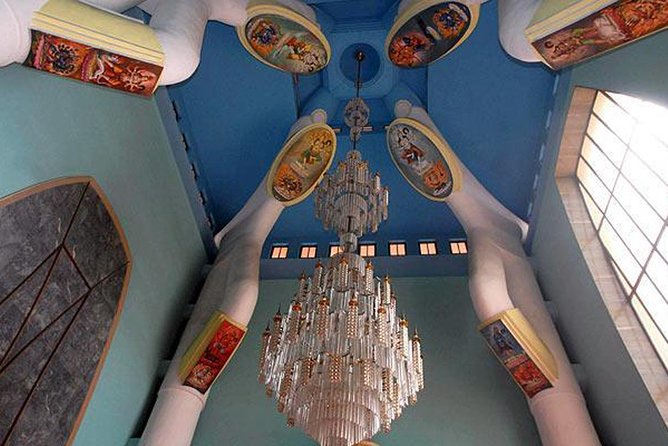
Kaski Sadan is the reception hall where Shah monarchs received politicians. It was also used for oath ceremonies involving the prime minister and heads of constitutional bodies during the kingdom.
That makes the hall more than a pretty room. It was a working stage for government. Here, the monarchy’s public role becomes easier to understand because you can connect the setting with official duties rather than viewing the palace only as a private home.
I like this part of the visit because it shows how royal power operated in practical terms. A monarch’s authority was expressed through rooms, ceremonies, audiences, and ritual. The setting helped turn political acts into public occasions.
Your guide can also place these ceremonies within the wider story of the Shah monarchs. The tour is designed to explain the monarchy’s rise and fall, not just identify the furniture. That historical framing is the main reason I would pay for a guide instead of visiting alone.
A short list of alternatives around Kathmandu
- Everest Base Camp Trek – 14 Days
★ 5.0 · 1,499 reviews - Private Kathmandu Sightseeing Tour | UNESCO World Heritage sites
★ 5.0 · 756 reviews - Everest Base Camp Helicopter Tour landing at Everest View Hotel
★ 5.0 · 668 reviews - Half day cooking class in Thamel kathmandu
★ 5.0 · 607 reviews
Gorkha Baithak, the throne room
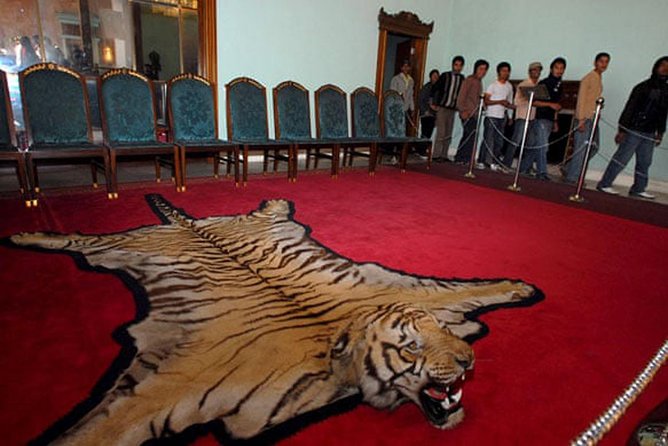
The throne room, Gorkha Baithak, is presented as the center of the palace’s ceremonial world. It is the place to focus on if you want to understand how the royal household displayed authority.
A throne room can be easy to reduce to decoration. Here, the name and function matter. This was the setting for royal presence, and the formal design helped define the distance between the monarch and everyone else in the room.
The tour also brings together the throne room and the reception halls, giving you a clearer sense of how the palace worked. One room supported ceremony, another supported official audiences, and the wider complex included guest and private areas.
I would not expect a fast-paced attraction with constant activity. This is a quiet museum visit built around rooms, labels, and explanation. If you enjoy architecture, political history, and royal ceremony, the pace should suit you. If you need hands-on exhibits or a highly interactive museum, three hours may feel long.
The 2001 massacre and the palace’s painful final chapter
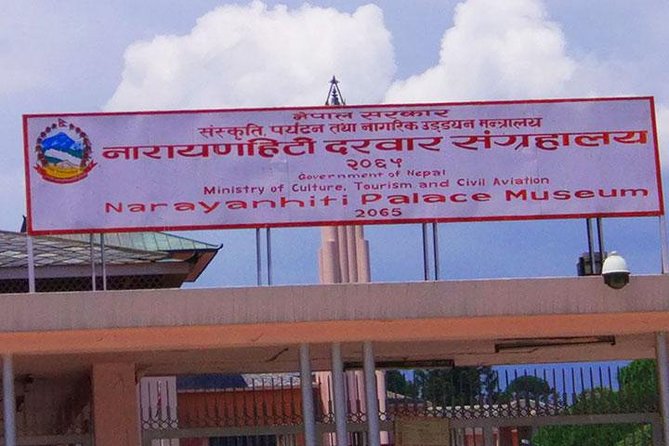
The most difficult part of the visit is the account of the 2001 massacre, when members of Nepal’s royal family were brutally killed. The palace includes the tragedy site, making the history immediate rather than abstract.
You should give this part the respect it deserves. One room or area may look beautiful, while the event connected with it is deeply upsetting. The contrast can be jarring, but it is also central to understanding why Narayanhiti is now a museum rather than a functioning royal residence.
The monarchy was finally removed in 2008. That short date marks a major change in Nepal’s political life, and the guide’s explanation helps connect the family tragedy with the larger end of royal rule.
I appreciate that the visit does not treat the palace as a fairy-tale setting. The royal family’s life included ceremony and privilege, but also a violent break that changed the country. Come with an open mind and expect the final section to be more reflective than glamorous.
Decorative rooms, signs, and the royal car collection
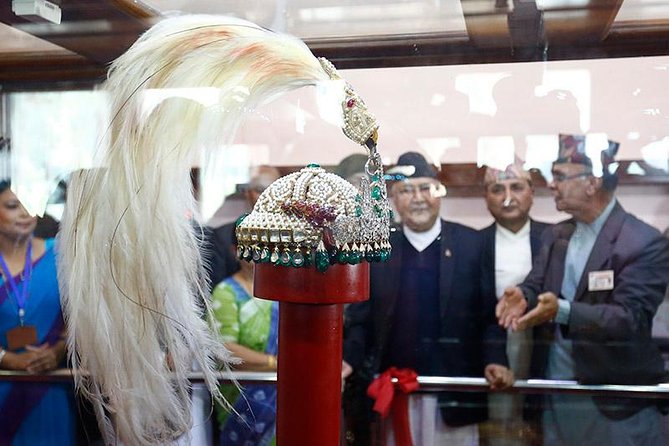
The palace interiors are carefully decorated, and the room-by-room presentation gives you plenty to examine. Historical objects, furnishings, and ceremonial spaces help show how the royal household presented itself.
The museum’s signs are useful. They give you basic orientation and help explain the rooms as you move through the building. I would still rely on the guide for the broader connection between individual rooms and Nepal’s political story.
A separate back lot contains a collection of royal cars. This is a worthwhile extra stop because it adds a practical detail to the royal story. The cars show how the monarchy moved through the modern world, while the formal halls show how it represented itself.
That mix of interiors and vehicles keeps the visit from feeling like one long procession of similar rooms. You get ceremony, family history, state business, and material objects linked to royal life.
Security procedures are part of the experience, so allow time for them. They may slow entry, but they are a normal consideration at a museum associated with a former ruling family and a major national tragedy.
Is $80 a fair price?
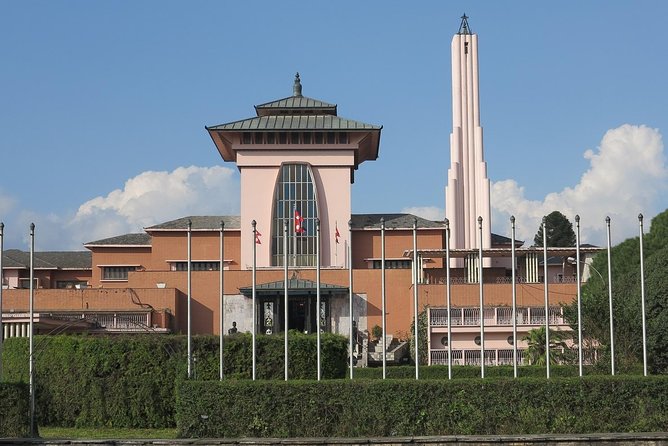
At $80 per person, this is not the cheapest way to see a Kathmandu museum. The value depends on what you want from the visit.
If you only want to walk through the building and glance at decorated rooms, the price may feel high. Admission is included, but the main extra cost is the guide and private transport. A self-guided visit, if available under the museum’s current arrangements, would likely appeal more to budget-focused visitors.
I see better value if you want the palace explained in context. The three-hour route covers the guest, state, and private wings, royal ceremonial rooms, the massacre site, and the royal cars. Hotel pickup and drop-off also save you from arranging transport separately.
The small-group setup adds value. The tour is advertised for no more than 15 people, while the additional information states a maximum of two travelers. Those details conflict, so confirm the actual group size before booking. If it is truly limited to two, the price becomes easier to justify for people who want direct access to the guide.
Free cancellation is available if you cancel at least 24 hours before the start time. Changes or cancellations made less than 24 hours before the start are not accepted for a refund.
Who should choose this palace tour?
I would recommend it to you if you enjoy political history, former royal residences, architecture, and museums that deal honestly with painful events. It also suits first-time visitors to Kathmandu who want transport and interpretation handled in one package.
Families can participate because the minimum age is five. Still, I would decide based on the child, not just the age rule. The massacre material may be difficult for younger children, and the tour’s appeal depends on being able to listen and look carefully for several hours.
This tour is less suitable if you want a relaxed palace stroll with little explanation. The subject is serious, and the visit asks you to pay attention to names, dates, rooms, and political change.
I would also be cautious about booking if your schedule is tight around opening time. Confirm how the 10:15 a.m. pickup works with the museum’s 11 a.m. opening, especially from November through January when the museum closes at 3 p.m.
Should you book the Narayanhiti Palace Museum Tour?
Book it if you want the former royal palace placed in its full political and human setting. The best parts are the guided explanation, Kaski Sadan, Gorkha Baithak, the three palace wings, the royal car collection, and the difficult account of the 2001 massacre.
Skip it if you are looking only for ornate rooms or the lowest possible price. At $80, the tour earns its value through transport and context, not simply through entry to the building.
Before paying, confirm the group-size limit and the morning timing. If those details suit your plans, this is a thoughtful way to understand Nepal’s monarchy, its ceremony, and its abrupt end.
FAQ
Where does the Narayanhiti Palace Museum Tour take place?
The tour takes place at the Narayanhiti Palace Museum in Kathmandu, Nepal. The ticket redemption point is at the museum’s North Gate on North Gate Road.
How long does the tour last?
The tour lasts approximately three hours.
What time does the tour start?
The stated start time is 10:15 a.m. The museum opens at 11 a.m., so confirm the entry and pickup timing before you go.
What are the museum’s opening hours?
From February through October, the museum is open from 11 a.m. to 4 p.m. From November through January, it is open from 11 a.m. to 3 p.m.
Is hotel transportation included?
Yes. Hotel pickup and drop-off are included, along with transfers to and from the museum.
What parts of the palace will I see?
The palace has guest, state, and private wings. The visit includes the reception hall called Kaski Sadan, the throne room called Gorkha Baithak, and other palace interiors.
Is admission included in the price?
Yes. The admission ticket is included.
Are meals included?
No. Lunch is not included. Alcoholic drinks are also not included, though they are available to purchase.
Can I cancel for a full refund?
Yes, if you cancel at least 24 hours before the experience’s start time. Cancellations or changes made less than 24 hours before the start time are not accepted for a refund.
New in the Kathmandu listings
- Traditional Momo Making Class★ 5.0 · 10 reviews
- Kathmandu: Ancient City Kirtipur & Pharping Monastery Tour★ 5.0 · 2 reviews
- Kathmandu to Pokhara Premium sofa bus ticket★ 4.0 · 17 reviews
- Women Empowerment Project(Nepali cooking class & jewelry workshop★ 5.0 · 15 reviews
- Yoga Experience Day Trip with Private Transfer From Kathmandu★ 4.0 · 2 reviews
- 7-Day Langtang Valley Trek from Kathmandu★ 5.0 · 1 review
- Kathmandu 2 Nights 3 Days Chitwan Jungle Safari Tour★ 5.0 · 9 reviews
- Wildlife Adventure in Chitwan Nepal★ 4.0 · 4 reviews
Museums, compared.
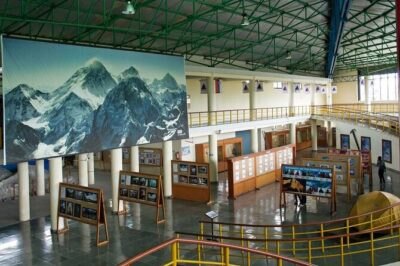
Pokhara in 5 Hours: Lake, Museum, Cave, Falls & Pagoda Hill
Read our review →Pokhara in 5 Hours: Lake, Museum, Cave, Falls & Pagoda Hill
Read our review →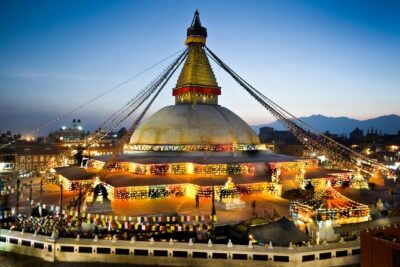
Private Kathmandu UNESCO Heritage Sites with Narayanhiti Museum
Read our review →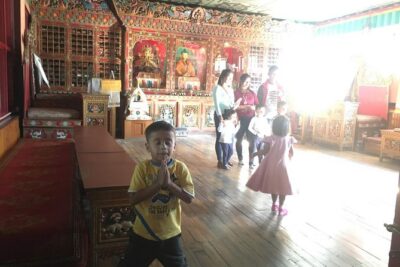
2.5 Hours Visit to Mountain Museum by Private Car
Read our review →Browse the lists this tour appears in