REVIEW · EVENING EXPERIENCES
Night Light Guided Tour
The lake glows after sunset. This three-hour Pokhara tour brings you to the Fewa Lake bank for the nightly Aarati ceremony beside Tal Barahi Temple. I like the mix of Vedic mantras, bells, oil lamps, incense, and classical music, and I also like that a guide explains the temple before the ceremony begins. The main consideration is the crowd, along with limited suitability for anyone with mobility problems.
The $14 price is appealing because it includes hotel pickup and drop-off, transport, a guide, temple touring, ceremony participation, and the entrance ticket. I would choose this for a first evening in Pokhara, but I would not treat it as a quiet temple visit. The Aarati begins around 6 p.m., and the setting can become busy.
In This Review
- Key points to know before you book
- Why this three-hour evening in Pokhara is worth considering
- Pickup in Pokhara and the short drive to Fewa Lake
- At Tal Barahi Temple, context comes before ceremony
- The 6 p.m. Aarati beside the lake
- What the sounds and lamps tell you
- Is the $14 price good value?
- Practical clothing, crowds, and mobility
- Who will enjoy this Pokhara night tour?
- Booking flexibility and timing
- Should you book the Night Light Guided Tour?
- FAQ
- How long does the Night Light Guided Tour last?
- When does the Aarati ceremony begin?
- Where does hotel pickup take place?
- Where can I be dropped off after the tour?
- Which languages does the guide speak?
- Is the tour private or shared?
- What should I bring and what is not allowed?
Key points to know before you book
- Aarati begins around 6 p.m.: Plan your afternoon around the ceremony rather than arriving late.
- Fewa Lake sets the scene: The worship takes place on the lake bank beside Tal Barahi Temple.
- Sound is part of the ritual: Expect Vedic prayers, ringing bells, classical instruments, and hymns.
- Hotel transport is included: Pickup and return are available in Pokhara and Pokhara Lakeside.
- Private group format: You receive a live guide in English, Hindi, or Nepali.
- Modest clothing matters: Comfortable shoes and warm clothing are also sensible after sunset.
Why this three-hour evening in Pokhara is worth considering
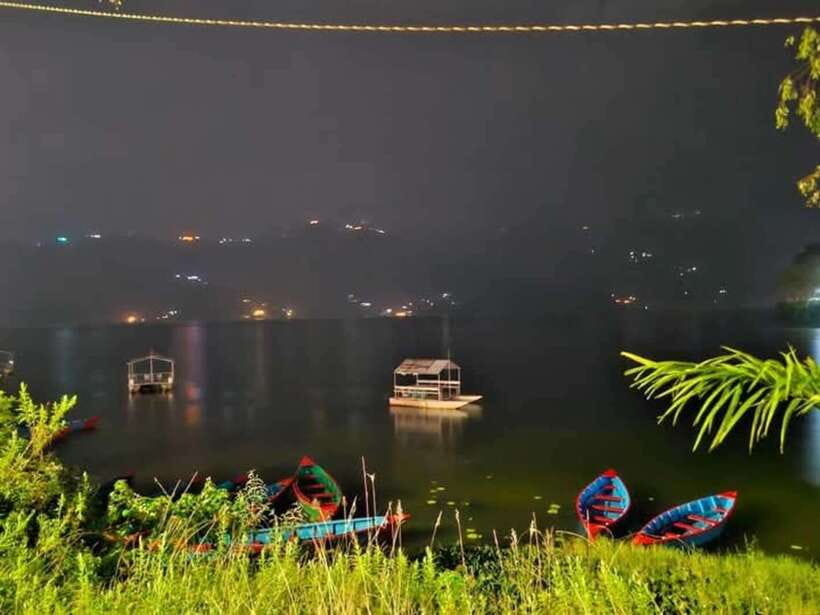
Pokhara is often treated as a base for mountain views, boating, and outdoor trips. This tour gives you a different side of the city. Instead of spending the evening only around restaurants and shops, you spend it at a Hindu worship ceremony with local people gathered near the water.
I like the fact that the tour does not rush straight to the main event. Your guide first takes you around the Tal Barahi Temple complex and explains its religious and historical importance. That short introduction matters. Without it, the lamps and chanting might look beautiful but remain hard to place.
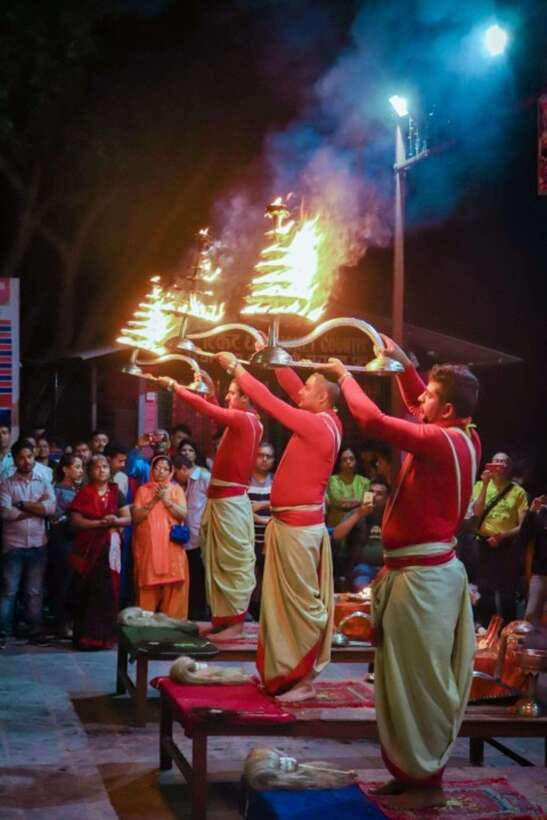
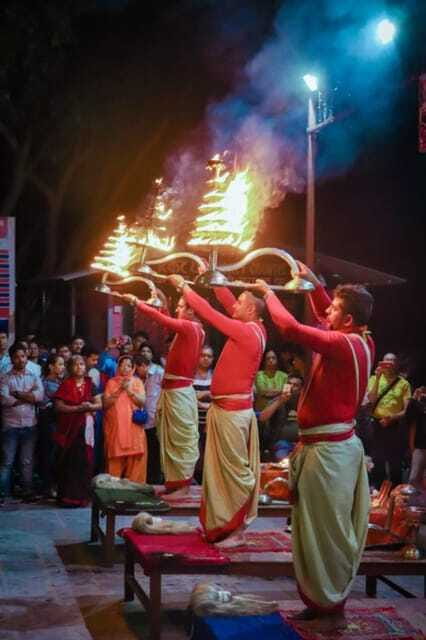
The nightly Aarati is the heart of the evening. Aarati is a light-filled worship ritual in which oil lamps are waved during prayers. Here, the ceremony includes Vedic mantras, bells, incense, hymns, and classical music. The effect is made from sound, movement, flame, and devotion rather than from a staged performance.
That distinction is useful. You are not attending a theatre show designed for visitors. You are watching a religious ceremony that people come to join and observe. You should behave accordingly, stay respectful, and avoid treating the ritual as a photo session.
A short list of alternatives around Pokhara
- ZipFlyer Nepal – The World’s Steepest Zip-line
★ 5.0 · 608 reviews - Bungee Pokhara by HighGround Adventures
★ 5.0 · 366 reviews - From Pokhara: Sarangkot Sunrise Himalayas Tour
★ 4.7 · 218 reviews
Pickup in Pokhara and the short drive to Fewa Lake
The tour starts with hotel pickup in Pokhara or Pokhara Lakeside. A car takes you to Barahi Temple beside Fewa Lake, then returns you to either Pokhara or Lakeside at the end.
For a $14 fee, this transport adds real value. You do not need to arrange a taxi for a short evening outing, work out where to meet, or find your way back after dark. The private group format also gives the outing a more personal feel than joining a large coach tour.
The exact pickup time depends on the ceremony schedule and availability, but the Aarati begins around 6 p.m. I would keep the rest of your afternoon flexible and confirm the starting time when booking. The three-hour duration includes the transfer, temple visit, free time, ceremony, and return drive.
The transport is practical rather than part of the sightseeing. You should not book this expecting a scenic road trip or a long tour of Pokhara. Its purpose is simple: get you to the temple, let you take part in the evening ritual, and bring you back without fuss.
At Tal Barahi Temple, context comes before ceremony
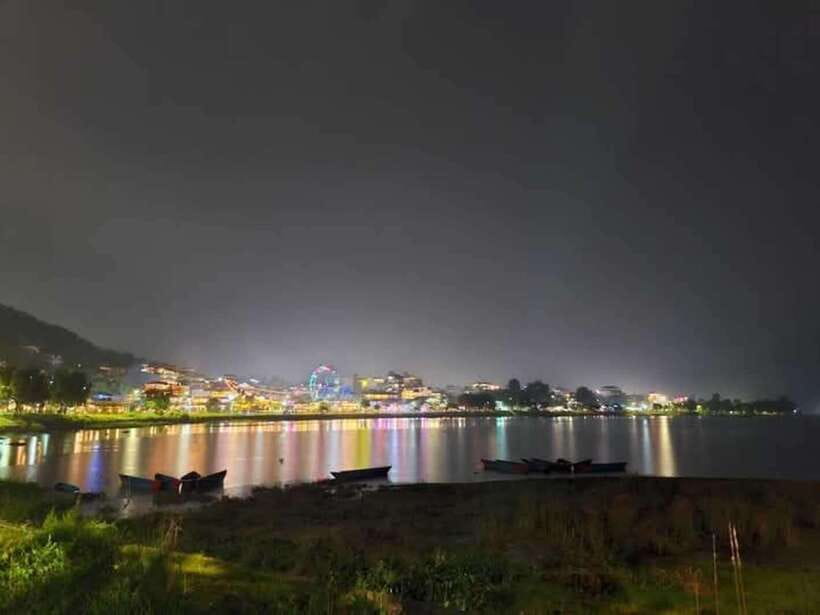
On arrival, your guide leads you through the temple complex. This is where the tour earns its place beyond a simple transfer to the lake.
You receive an explanation of Tal Barahi Temple’s historical and religious importance, helping you understand why the site matters to local worshippers. The information is provided during a guided visit, so you can ask questions in English, Hindi, or Nepali, depending on your guide.
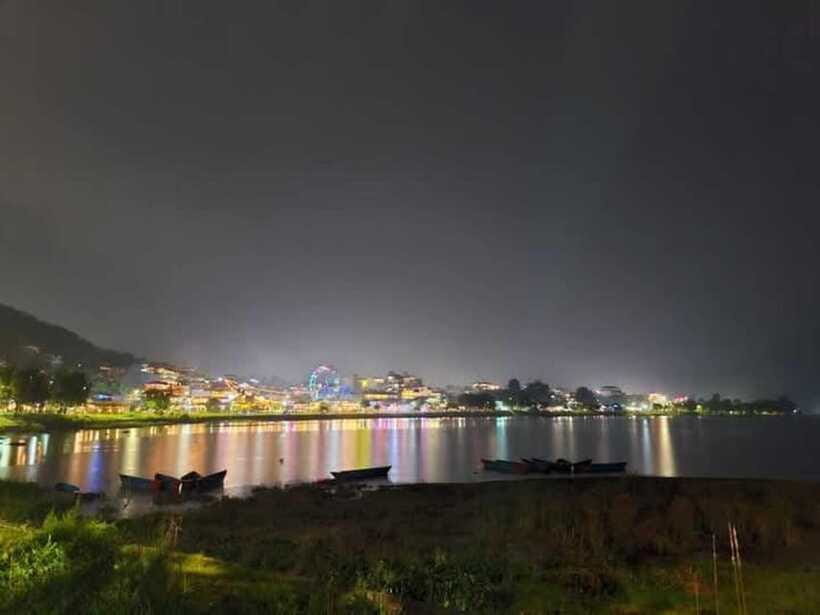
The temple setting beside Fewa Lake gives the evening a strong sense of place. The lake is not just a backdrop for photographs. It forms part of the atmosphere as people gather near the water and prepare for the worship.
After the guided portion, you have time for independent exploration before the Aarati begins. This is a useful pause. You can look around at your own pace, take in the setting, and settle into the rhythm of the evening instead of being directed from one point to the next.
Still, you should keep your expectations measured. The tour provides a guided temple visit, not an extended study of Nepalese religion or temple architecture. If you want a specialist-level religious tour, you may find the explanation brief. For a three-hour evening outing, however, the balance is sensible.
The 6 p.m. Aarati beside the lake
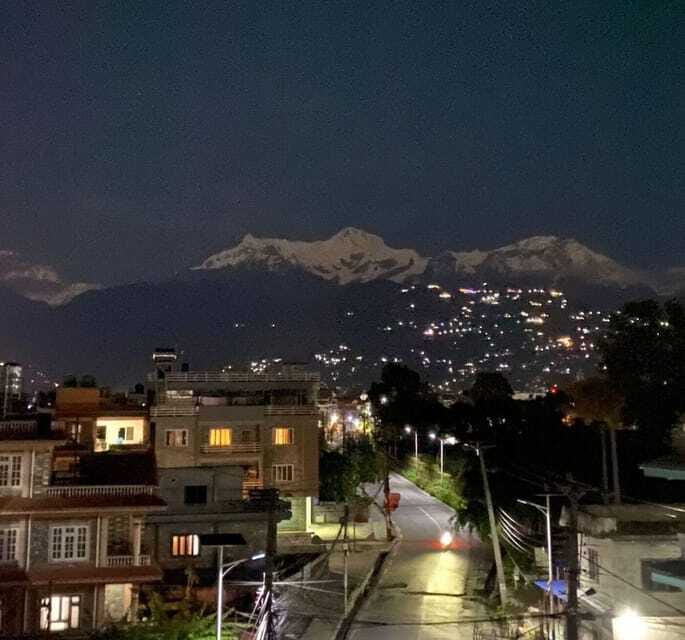
Around 6 p.m., the ceremony begins. Priests chant prayers and wave oil lamps before the idol of Lord Shiva. The ritual is accompanied by Vedic mantras, ringing bells, burning incense, classical instruments, and hymns to the gods.
This is the part I find most appealing in the description. The ceremony engages more than sight. You hear the repeated prayers and bells, see the lamps move through the air, and notice the incense as the worship continues. The music and singing add a formal structure to the gathering.
People gather in large numbers along the Fewa Lake bank on the side of the temple. That crowd is part of the meaning of the event, but it also affects comfort. You may have less personal space, and it may be harder to move freely once the ceremony is underway.
I would arrive with patience. Keep your belongings close, follow your guide’s instructions, and avoid standing in a way that blocks worshippers. This is a public religious event, so simple courtesy matters more than getting the perfect photograph.
Flash photography is not allowed. That rule is important in a ceremony built around lamps and prayer. You can bring a camera, but use it without a flash and give the ritual priority over your pictures.
A completely different way to spend the day:
- ATV Adventure Tour in Pokhara, Nepal
★ 5.0 · 194 reviews - Full-Day Tibetan Cultural Tour to Tibetan Settlements Pokhara
★ 5.0 · 184 reviews - Pokhara: Full-Day Sharing Bus Tour on 7 Iconic Destination
★ 4.1 · 179 reviews - Poon hill Trek 3 days
★ 5.0 · 176 reviews
What the sounds and lamps tell you
Aarati is often described as a ceremony of light, but this outing gives you a fuller picture. The light comes from the oil lamps, while the mantras, bells, incense, instruments, and hymns create the surrounding ritual.
You do not need prior religious knowledge to appreciate the ceremony. The guide’s introduction gives you enough background to understand that this is an act of worship, not simply an evening attraction. The setting by the lake adds calm to the scene, while the gathered crowd shows that the ritual has a place in local life.
The strongest part of the experience may be the contrast between the busy gathering and the focused work of the priests. The ceremony has movement and sound, but it also asks you to watch quietly. I would approach it with curiosity rather than trying to judge it by the standards of a sightseeing show.
The mention of Lord Shiva is worth noting. The evening is promoted around Tal Barahi Temple, yet the ceremony includes prayers and lamps before an idol of Lord Shiva. Your guide can help explain the religious details as you go. That makes the guided element useful, especially if you are unfamiliar with Hindu worship.
Is the $14 price good value?
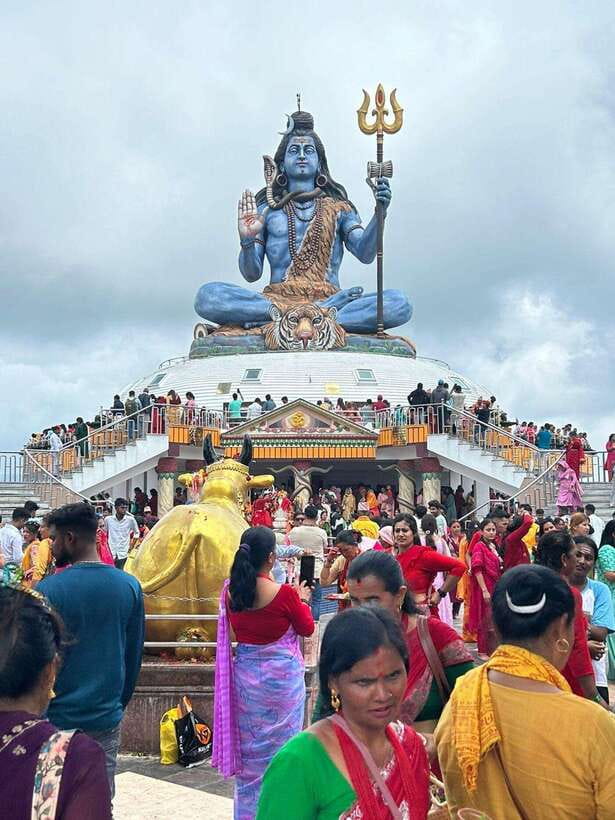
At $14 per person, the tour is priced as an accessible cultural outing. The fee includes hotel pickup and drop-off in Pokhara, the drive to and from Barahi Temple, a guided temple visit, participation in the Aarati ceremony, a live guide, a car, and the ticket.
That is a good bundle for a three-hour evening. The transport alone saves you from arranging a separate return ride. The guide also adds context that you would miss if you simply went to the lake bank on your own.
The value is strongest for you if this is your first visit to Pokhara and you want an organized introduction to the temple and ceremony. It is also useful if you prefer a private group rather than a large shared outing.
The value is weaker if you are already staying beside the temple, know the area well, or only want to watch the Aarati without a guide. In that case, paying for transport and explanations may not be necessary. The price still remains modest, but the tour is designed to combine several services rather than provide ceremony access alone.
Personal expenses are not included, so bring money if you expect to buy anything during the evening. The tour does not list meals or refreshments as part of the package.
Practical clothing, crowds, and mobility
Dress modestly for the temple visit. This is both a matter of respect and a simple way to avoid feeling out of place during the religious portion of the evening.
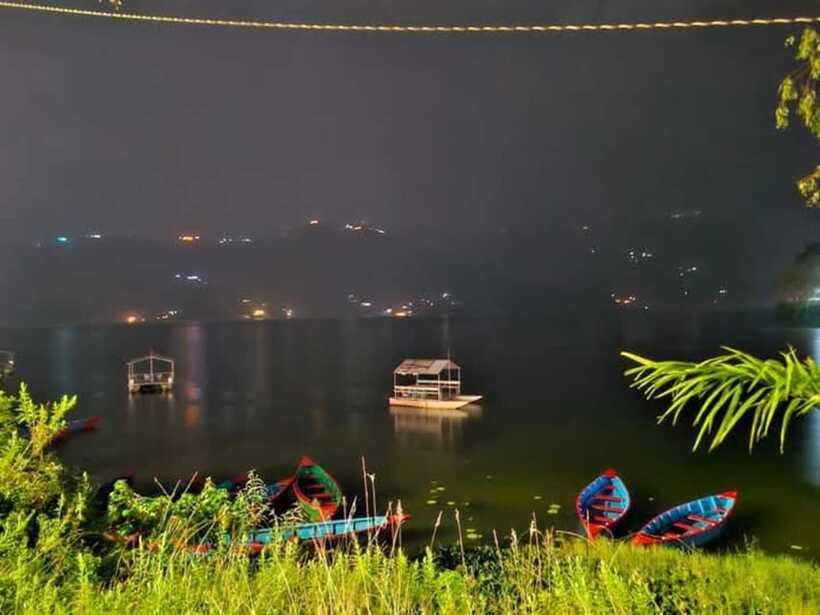
Bring warm clothing. The tour takes place after sunset beside Fewa Lake, and the temperature can feel cooler than it did earlier in the day. Comfortable shoes are also recommended because you will be visiting the temple complex and moving around the ceremony area.
A camera is allowed, but flash photography is not. Smoking is not allowed. These restrictions are easy to follow and help protect the calm and dignity of the ceremony.
Expect crowds during the Aarati. The gathering is part of the experience, but it can make the visit less comfortable for anyone who needs plenty of room or has trouble standing and moving through busy areas.
The tour is not suitable for people with mobility impairments or wheelchair users. That limitation should guide your decision before booking, since the experience includes transport, a temple complex, and a crowded ceremony area.
Who will enjoy this Pokhara night tour?
I would recommend it to you if you want a cultural evening that fits neatly into a Pokhara itinerary. It suits first-time visitors who want a guide, people interested in Hindu rituals, and anyone who values local religious life more than a standard dinner-and-shopping evening.
It also works well for you if you want a short activity. Three hours is enough to reach the temple, receive an introduction, explore independently, attend the ceremony, and return to your hotel without using the whole night.
The private group format is another advantage. You receive a guide rather than being left to work out the setting alone, and language choices include English, Hindi, and Nepali. That can make the historical and religious explanation easier to follow.
I would be more cautious if you dislike crowds, need step-free access, or want a silent and private temple visit. The Aarati is a public nightly ritual, and its appeal comes partly from the number of people who gather for it.
Booking flexibility and timing
You can cancel up to 24 hours in advance for a full refund, and you can reserve now and pay later. Those options are helpful in Pokhara, where weather and outdoor plans can change your schedule.
Still, I would not leave the timing until the last minute. The ceremony starts around 6 p.m., and the pickup requires you to be ready before that. Check the available starting times and allow enough room for the drive from your hotel.
Because the tour includes return transport, you should give accurate pickup details in Pokhara or Pokhara Lakeside. The listed drop-off options are Pokhara Lakeside and Pokhara.
Should you book the Night Light Guided Tour?
Book this tour if you want an easy, low-cost way to experience the Tal Barahi Temple area and attend an evening Aarati with useful cultural context. The strongest reasons are the modest price, private transport, live guide, and chance to hear prayers, bells, music, and hymns during a real worship ceremony.
Skip it if you are seeking a quiet visit, have mobility limitations, or already know the temple and can reach it easily on your own. For most first-time visitors who want more than a quick look at Fewa Lake, this is a worthwhile three-hour addition to a Pokhara stay.
FAQ
How long does the Night Light Guided Tour last?
The tour lasts three hours, including hotel pickup, transport to Barahi Temple, the guided temple visit, the Aarati ceremony, and the return drive.
When does the Aarati ceremony begin?
The Aarati ceremony starts around 6 p.m. Check the available starting times when booking.
Where does hotel pickup take place?
Pickup is available in Pokhara and Pokhara Lakeside.
Where can I be dropped off after the tour?
Drop-off is available in Pokhara Lakeside or Pokhara.
Which languages does the guide speak?
The live guide is available in English, Hindi, and Nepali.
Is the tour private or shared?
The tour is offered as a private group experience.
What should I bring and what is not allowed?
Bring comfortable shoes, warm clothing, and a camera. Smoking and flash photography are not allowed. Dress modestly for the temple visit.
New in the Pokhara listings
- Pokhara: Pokhara Highlights Tour by Bus★ 3.6 · 10 reviews
- Discover Pokhara in Style: Private Vehicle Service with Driver★ 5.0 · 5 reviews
- Multi-Day Tour from Pokhara, Poon Hill and Mulde Trek★ 5.0 · 1 review
- Pokhara in 5 Hours: Lake, Museum, Cave, Falls & Pagoda Hill★ 4.5 · 16 reviews
- Private 4 Day Poon Hill Trek from Pokhara★ 5.0 · 16 reviews
- 4 Day Mardi Himal Base Camp Trek from Pokhara★ 5.0 · 18 reviews
- From Pokhara Full Day Entire Pokhara Tour with Guide★ 5.0 · 1 review
- 7-Day Trek to Annapurna Base Camp from Pokhara★ 5.0 · 12 reviews
Evening Experiences, compared.
Kathmandu Sunset Tour by Rickshaw Including Durbar Square Visit
Read our review →
3 Nights 4 Days Chitwan National Park with Tower Night Stay
Read our review →
3 night 4 Day Yoga & Ayurveda Retreat to Detox the Body & Mind, Nepal
Read our review →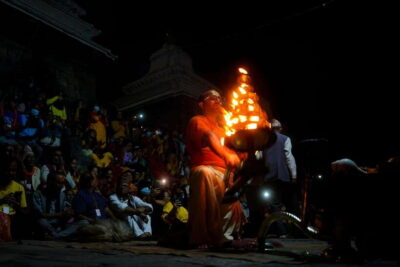
Pashupatinath Evening Aarati: Few Divinely Hours in Kathmandu
Read our review →