
REVIEW · UNESCO WORLD HERITAGE TOURS
Kathmandu Sunset Tour by Rickshaw Including Durbar Square Visit
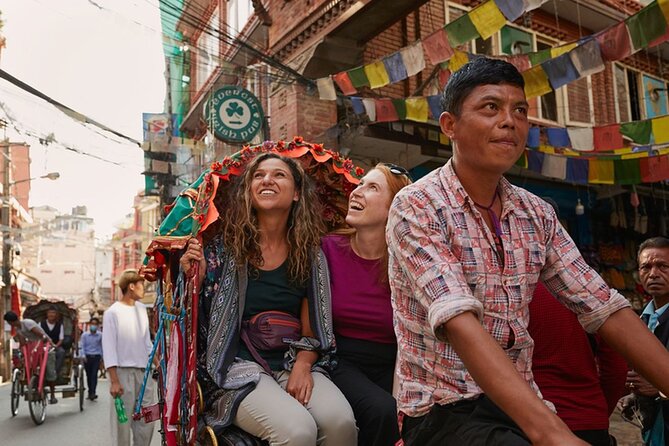
Kathmandu comes alive after dark. This 2.5-hour rickshaw tour carries you from Thamel through narrow lanes and Asan Market to Kathmandu Durbar Square, mixing lively street scenes with time to explore ancient temples on foot. I like the easy pace and the chance to see central Kathmandu from a driver’s seat rather than behind a tour-bus window.
I also like that the Durbar Square entrance fee is included, and that the group is limited to 12 people. The main drawback is timing: some lanes and monuments are poorly lit after sunset, and the evening return may feel less comfortable if you are not used to Kathmandu’s traffic and uneven streets.
In This Review
- Key points at a glance
- Why a rickshaw is a smart way to see Kathmandu
- Thamel to Asan: from tourist streets to local trade
- Asan’s shrines and narrow lanes
- Kathmandu Durbar Square after sunset
- Freak Street and the city after dark
- The return ride and what it feels like
- Guides, drivers, and the small-group advantage
- Is $50.30 a fair price?
- Who should book this evening ride?
- Should you book the Kathmandu Sunset Tour?
- FAQ
- Where does the Kathmandu Sunset Tour begin?
- What time does the tour start?
- How long does the experience last?
- Where does the tour end?
- Is the Durbar Square entrance fee included?
- Is the rickshaw ride included?
- What places does the route visit?
- Are food and drinks included?
- How large is the group?
- Can children join the tour?
- Can I cancel for a full refund?
Key points at a glance
- A rickshaw route through old Kathmandu: Travel from Thamel through crowded lanes, shops, temples, motorbikes, and street vendors.
- Asan Market is the sensory heart of the ride: See spices, vegetables, clothing, electronics, shrines, and shoppers around Annapurna Temple.
- Kathmandu Durbar Square gets the longest stop: Spend about 85 minutes among palaces, courtyards, temples, and the white Gaddhi Baithak.
- A small group keeps the outing personal: No more than 12 people join, with a local guide and rickshaw driver.
- The price covers the useful basics: At $50.30 per person, the rickshaw, guide, Durbar Square entry, and return ride are included.
- It supports local operators: The company describes the tour as carbon neutral and hires rickshaw drivers directly.
Why a rickshaw is a smart way to see Kathmandu
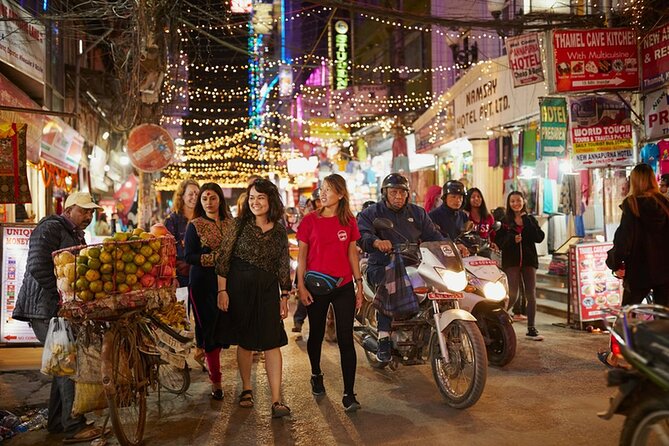
Kathmandu is not a city you understand from a quick ride between major sights. Its character appears in the narrow passages between them: a shopkeeper arranging scarves, a food seller working beside a temple, a shrine tucked into a busy corner, and pedestrians threading their way around motorbikes.
A rickshaw gives you a useful middle ground. You are not walking every inch of the route, but you are still close to the street. The open sides let you watch the action at a slower pace than a car. Your driver handles the awkward turns and crowded lanes while the guide points out places you could easily miss on your own.
The ride begins at 6:00 pm outside Hotel Marshyangdi on Chaksibari Marg, in the Thamel area. Thamel is Kathmandu’s main tourist quarter, packed with hotels, restaurants, shops, spas, and nightlife. It is a practical meeting point, though the streets can be crowded and confusing, so allow time to find the hotel.
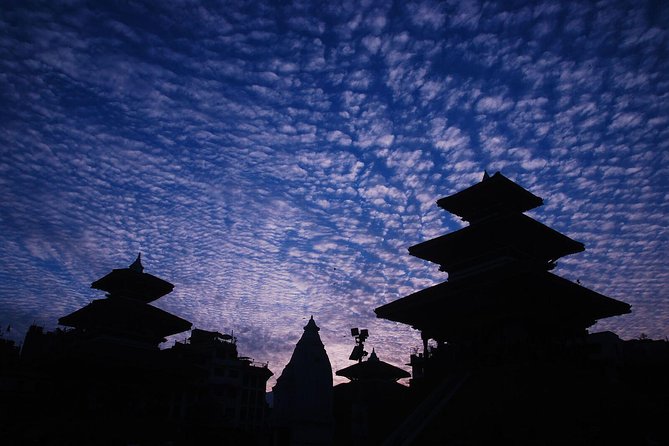
The evening schedule matters. You get some remaining daylight as you leave Thamel, then reach Durbar Square as the light fades. That creates a pleasing change in mood, from market activity to temple silhouettes and the first signs of Kathmandu’s nightlife.
More Sunset Tours in Kathmandu
- Kathmandu Heritage Day Tour with Nagarkot Sunset View
★ 5.0 · 13 reviews - Nagarkot Sunset view tour from Kathmandu
★ 4.5 · 10 reviews - Kathmandu: Bhaktapur and Nagarkot Sunrise to Sunset Tour
★ 5.0 · 5 reviews
Thamel to Asan: from tourist streets to local trade
The first section lasts about 15 minutes. You board your rickshaw in Thamel and begin moving toward Asan, one of the oldest and busiest food markets in Kathmandu.
Thamel is useful for visitors, but it is not the best picture of everyday Kathmandu. The rickshaw helps you move beyond the tourist center quickly. Watch for storefronts selling clothing, scarves, baked goods, and other everyday items as the route narrows.
Your seat gives you a clear view of the street below, but do not expect a quiet ride. Kathmandu traffic includes pedestrians, motorbikes, rickshaw horns, and vendors calling out to shoppers. That noise is part of the experience, though you should keep your belongings secure and pay attention when boarding or leaving the vehicle.
Asan is where the tour begins to feel more rooted in local life. The market deals in spices, herbs, vegetables, clothing, electronics, and many other goods. It is less a single attraction than a working part of the city, with shoppers moving through tight lanes and small temples appearing among the shops.
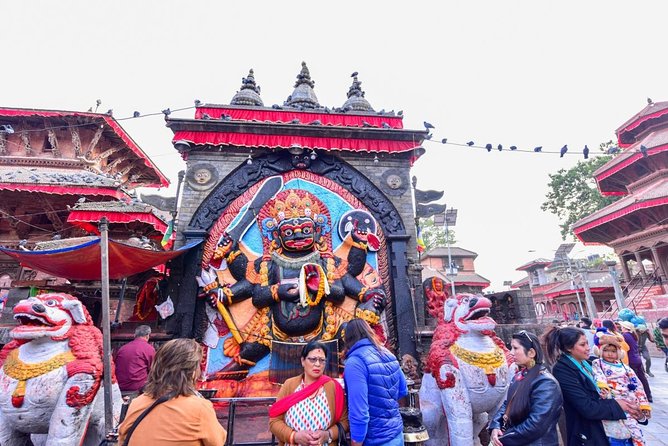
The guide pauses near Annapurna Temple, dedicated to the goddess of abundance. The name Annapurna connects with food and fulfillment, which fits the market setting. This is a useful moment to connect Kathmandu’s religious life with its commerce. Here, sacred places are not separated from daily business. They sit beside stalls, doorways, and passing crowds.
Asan’s shrines and narrow lanes
The Asan section takes about 50 minutes, including stops and the ride through the market streets. The pace is not built for a long, quiet look at each shrine. Instead, you get a guided introduction to several places while the city continues around you.
The route includes Seto Machindranath, also known as Janabaha Dyo. This deity is worshiped by both Hindus and Buddhists in Kathmandu, making the site a good example of the shared religious traditions found in the valley.
You also pass Aakash Bhairab, associated with King Yalambar in Nepal Bhasa tradition. These names can blur together during a short evening tour, so listen closely and ask the guide to repeat details if needed. A short visit is more useful when you leave with two or three clear stories than when you try to memorize every shrine.
The rickshaw continues through Asan’s narrow streets toward Kathmandu Durbar Square. This is one of the best parts of the outing for anyone who wants a first look at central Kathmandu. You are close enough to smell food and spices, hear horns, and see how people use the street, yet you do not have to worry about finding the route yourself.
There is a tradeoff. A rickshaw is not a silent observation platform. Traffic can interrupt conversation, and you may not hear every explanation while moving. If you want detailed architectural study, plan a separate daytime visit to the square. This tour works better as an introduction with strong street-level character.
Kathmandu Durbar Square after sunset
The tour spends about 85 minutes at Kathmandu Durbar Square, the longest stop of the evening. The square contains more than 50 temples and shrines within a compact area, along with palaces and courtyards linked to Kathmandu’s former Malla kings.
The buildings were created between the 12th and 18th centuries. That long period explains the variety of courtyards, wooden temples, palace buildings, and shrines packed into a small space. Your guide helps turn the collection into a story instead of a blur of carved windows and pagoda roofs.
Early-evening light is a major reason to choose this tour. As daylight fades, the temples take on a different character. You can sit on a bench, watch people move through the square, and see the area shift from daytime sightseeing to evening activity.
Food stalls and shops around the square add a practical, ordinary feel. If you want a drink, you can buy chai from a local vendor or pub. Food and drinks are not included, so carry some cash if you want to stop for something during the walk.
One building deserves special attention: Gaddhi Baithak. Its white exterior has a European influence and contrasts sharply with the older wooden temples and palace structures around it. It was built during the Rana period, and ceremonial events still take place from its balcony. The contrast gives you a quick lesson in Kathmandu’s changing political and architectural story.
The visit also includes atmospheric temples and a Buddhist Sigal Shrine. The exact amount of time at each place depends on the guide and the evening conditions, but the point is to see several religious and civic sites in context rather than rush through one monument.
Kathmandu Durbar Square is a UNESCO World Heritage site, and its entrance fee is included. That improves the value of the tour and connects your admission directly with the upkeep of a major cultural site. The square has faced damage and preservation challenges, so paying the official fee is more meaningful than simply treating it as another photo stop.
More UNESCO World Heritage Tours in Kathmandu:
- Private Kathmandu Sightseeing Tour | UNESCO World Heritage sites
★ 5.0 · 756 reviews - Kathmandu: Full Day 7 UNESCO Tour with Lunch – Private/Group
★ 5.0 · 415 reviews - Kathmandu: Full Day Top 4 UNESCO Tour with Lunch – Private/Group
★ 5.0 · 269 reviews - UNESCO Seven World Heritage Tour in Kathmandu
★ 5.0 · 253 reviews
Freak Street and the city after dark
Inside the Durbar Square area, you can also explore Freak Street. The lane is linked with Kathmandu’s 1960s hippie era and now contains shops and places to stop for a drink.
The name can sound more dramatic than the experience itself. Think of it as a short historical and cultural aside, not a separate major attraction. It adds another layer to the square by showing how Kathmandu has long drawn people from outside Nepal, not only through temples and royal buildings but also through counterculture and independent travel.
You should keep your expectations flexible here. The tour is only two and a half hours, and the main purpose is to connect Thamel, Asan, and Durbar Square. You will not have time for an exhaustive visit to every shrine, museum, shop, and lane in the area.
That limitation is not necessarily a flaw. I see this as a useful orientation tour for your first evening in Kathmandu. It gives you enough visual and historical context to return later with a better sense of where you are.
The return ride and what it feels like
After your walk, you board the rickshaw again and return to the original meeting point. The final ride brings back the same mix of vendors, motorbikes, pedestrians, and horns, now under darker skies.
This is where the tour’s practical drawback becomes clearest. Lighting is not always good in Kathmandu, and the streets can feel harder to read at night. One account describes a guide arranging a rickshaw ride back to the hotel afterward, but you should not assume that extra transport is part of the package. The official return is to Hotel Marshyangdi.
If you plan to continue elsewhere after the tour, agree on a price before taking an additional rickshaw. That simple step can prevent an inflated fare. The warning is especially useful because the tour itself hires rickshaw drivers directly, but an independent ride afterward may be arranged separately.
The return ride is included, along with the rickshaw hire for the tour. Food and drinks are not included. Children under six can join free, and most people can participate, but the uneven streets and vehicle movement mean that families should keep a close eye on young children.
Guides, drivers, and the small-group advantage
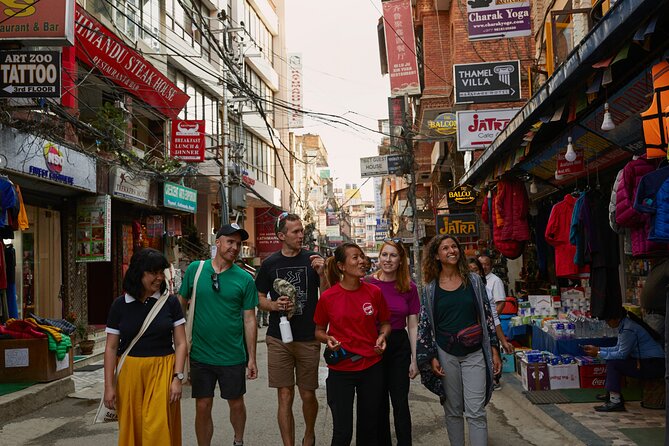
The experience is limited to 12 people. That is a sensible size for Kathmandu’s tight lanes. A larger group would be harder to keep together around shrines, market corners, and crowded crossings.
The driver matters as much as the guide. A skilled driver needs to handle uneven streets and busy traffic while keeping the ride controlled. One account specifically praised a driver’s ability to manage those conditions, which is important because the route is not a smooth sightseeing circuit.
Guides named Nikita and Sanjeeb have received especially warm praise for their teaching style, welcome, and affection for Nepal. If one of them leads your outing, you may benefit from that strong local perspective, though guides can vary by date.
The best guides on this kind of tour do more than list dates and names. They explain why Annapurna Temple belongs beside a food market, how Hindu and Buddhist worship overlap at Seto Machindranath, and why Gaddhi Baithak looks so different from the surrounding temples.
A festival can make the experience even more lively. During one evening outing, drums, chanting, dancing, locals, and visitors filled the route. You cannot count on a festival, but if one happens during your tour, expect crowds and a less predictable pace.
Is $50.30 a fair price?
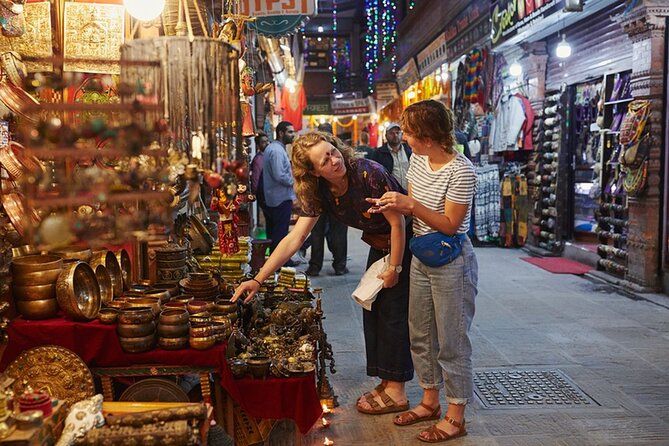
At $50.30 per person, this is not the cheapest way to reach Durbar Square. You are paying for more than transport, though. The price includes the rickshaw, a local guide and driver, entry to Durbar Square, a guided route through Asan, and the return ride to the starting point.
I think the value is strongest if you are new to Kathmandu, arriving before a longer stay, or uncomfortable navigating the old center alone. The guide saves you from having to identify each shrine and negotiate the route while traffic presses around you.
The value is weaker if you already plan a detailed Kathmandu city tour. There is some overlap with a general city sightseeing program, especially around the market and temple areas. One useful way to avoid paying twice for the same introduction is to use this outing for the evening street experience and reserve another visit for museums or a slower architectural walk.
The carbon-neutral operation and direct hiring of rickshaw drivers also add a responsible travel benefit. No tour can remove every effect of transport, but this model gives local drivers income and sends part of your admission fee toward cultural preservation.
Who should book this evening ride?
I would recommend it for first-time visitors who want a quick orientation without spending the whole evening on foot. It also suits solo visitors and couples who want a structured introduction to central Kathmandu, as well as families with children old enough to enjoy the sights from a rickshaw.
It is a good fit if you like street life more than polished sightseeing. The route is noisy, crowded, aromatic, and close to ordinary commerce. You will see plenty of temples, but you will also see shops, food stalls, pedestrians, and working market streets.
I would be more cautious if you need strong lighting, quiet transport, or long periods of close architectural study. The square is better examined in daylight, and the evening traffic can make parts of the commentary difficult to hear.
You should also consider scheduling this near the beginning of your stay. The tour can help you get your bearings in Thamel, Asan, and Durbar Square, then give you ideas for where to return independently.
Should you book the Kathmandu Sunset Tour?
Book it if you want an atmospheric first look at Kathmandu, especially one that combines a moving street view with a guided walk through Durbar Square. The route is compact but varied, and the sunset timing gives the temples a memorable evening setting.
Skip it if you already have a full city tour covering Asan and Kathmandu Durbar Square, or if your priority is detailed history in quiet conditions. For most first-time visitors, though, the included entry fee, small group, local guides, and direct support for rickshaw drivers make $50.30 a reasonable price for a lively introduction to the city.
FAQ
Where does the Kathmandu Sunset Tour begin?
It begins at Hotel Marshyangdi on Chaksibari Marg in Kathmandu’s Thamel area.
What time does the tour start?
The tour starts at 6:00 pm.
How long does the experience last?
The tour lasts approximately 2 hours and 30 minutes.
Where does the tour end?
The activity ends back at the original meeting point at Hotel Marshyangdi.
Is the Durbar Square entrance fee included?
Yes. Admission to Kathmandu Durbar Square is included in the tour price.
Is the rickshaw ride included?
Yes. Rickshaw hire, the local driver, and the return rickshaw ride are included.
What places does the route visit?
The route begins in Thamel, continues through Asan Market, and reaches Kathmandu Durbar Square. It also includes visits or stops near Annapurna Temple, Seto Machindranath, Aakash Bhairab, and a Buddhist Sigal Shrine.
Are food and drinks included?
No. Food and drinks are not included. You can buy chai or other refreshments from local vendors or pubs during the Durbar Square stop.
How large is the group?
The tour has a maximum of 12 people.
Can children join the tour?
Yes. Children under six are permitted to join free of charge, and the tour is described as child-friendly.
Can I cancel for a full refund?
Yes. You can cancel at least 24 hours before the local start time for a full refund. Cancellations or changes made less than 24 hours before the start are not accepted for a refund.
More Rickshaw Tours in Kathmandu
- Kathmandu Food & Drink and Shopping Rickshaw Tour
★ 5.0 · 48 reviews - Kathmandu: Food, Drink and Shopping Rickshaw Tour
★ 4.7 · 7 reviews - Kathmandu at Sunset: Explore the City on Rickshaw
★ 5.0 · 5 reviews - Thamel Rickshaw tour
★ 4.7 · 3 reviews
New in the Kathmandu listings
- Traditional Momo Making Class★ 5.0 · 10 reviews
- Kathmandu: Ancient City Kirtipur & Pharping Monastery Tour★ 5.0 · 2 reviews
- Kathmandu to Pokhara Premium sofa bus ticket★ 4.0 · 17 reviews
- Women Empowerment Project(Nepali cooking class & jewelry workshop★ 5.0 · 15 reviews
- 7-Day Langtang Valley Trek from Kathmandu★ 5.0 · 1 review
- Kathmandu 2 Nights 3 Days Chitwan Jungle Safari Tour★ 5.0 · 9 reviews
- Yoga Experience Day Trip with Private Transfer From Kathmandu★ 4.0 · 2 reviews
- Wildlife Adventure in Chitwan Nepal★ 4.0 · 4 reviews
UNESCO World Heritage Tours, compared.
Private Kathmandu Sightseeing Tour | UNESCO World Heritage sites
Read our review →
Full Day 7 UNESCO Tour with Lunch – Private/Group
Read our review →
Full Day Top 4 UNESCO Tour with Lunch – Private/Group
Read our review →
Full-Day 7 UNESCO Tour with Lunch – Private/Group
Read our review →
Browse the lists this tour appears in