
REVIEW · PASHUPATINATH TEMPLE TOURS
Kathmandu: Pashupatinath Temple Evening Aarati Tour
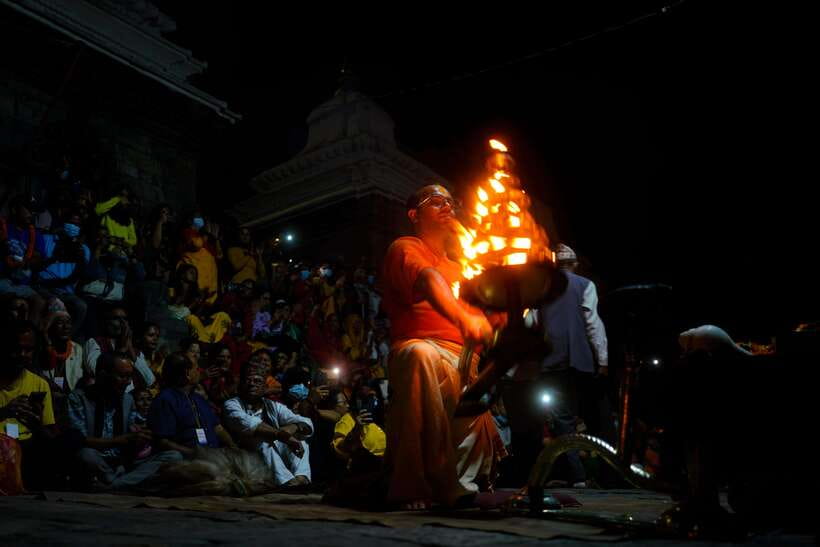
Sacred ritual meets Kathmandu at sunset. This three-hour private tour pairs a guided visit to Pashupatinath Temple with the nightly Aarati ceremony, where priests chant Vedic mantras, wave oil lamps, burn incense, and honor Lord Shiva beside the Bagmati River. I especially like the clear cultural explanation from guides such as Ramesh and Rajat, plus the ease of hotel pickup and drop-off. The main drawback is that the ceremony draws a large crowd, so your view and photography time can depend on where you stand.
I also like the timing. You arrive in the late afternoon, see the temple complex before darkness, and then watch the ceremony begin around 6 p.m. It gives you a useful introduction rather than dropping you beside the river with no idea what is happening. If you want a quiet, private religious experience, though, this is not it. The Aarati is public, lively, and shared with many worshippers.
In This Review
- Key points to know before booking
- Why the evening Aarati is worth your time
- Late afternoon pickup and the ride to Pashupatinath
- Exploring the temple complex before dark
- The Bagmati River Aarati around 6 p.m.
- What the guide adds to the experience
- Is $45 a fair price?
- Who should book this Kathmandu evening tour?
- Practical details for a smoother visit
- Should you book the Pashupatinath Aarati Tour?
- FAQ
- How long does the Pashupatinath Aarati Tour last?
- What time does the Aarati ceremony begin?
- Is hotel transportation included?
- Is an entrance ticket included?
- What language does the guide speak?
- Can I take photographs during the tour?
- What is included in the $45 price?
Key points to know before booking
- The Aarati begins around 6 p.m. Arrive before sunset for the temple tour and a better sense of place.
- Ramesh receives especially strong praise. He is described as warm, patient, and excellent at explaining Hindu customs in plain English.
- The ceremony uses sound, fire, scent, and movement. Expect bells, oil lamps, incense, chanting, hymns, and classical instruments.
- This is a private group tour. Your guide can give more attention to questions, cultural context, and photography requests.
- The $45 price covers the practical pieces. Hotel transport, entry, an English-speaking guide, taxes, and service charges are included.
- Photography is allowed only in permitted areas. If pictures matter to you, tell the guide early. One guest found Ramesh very accommodating with photo requests.
Why the evening Aarati is worth your time
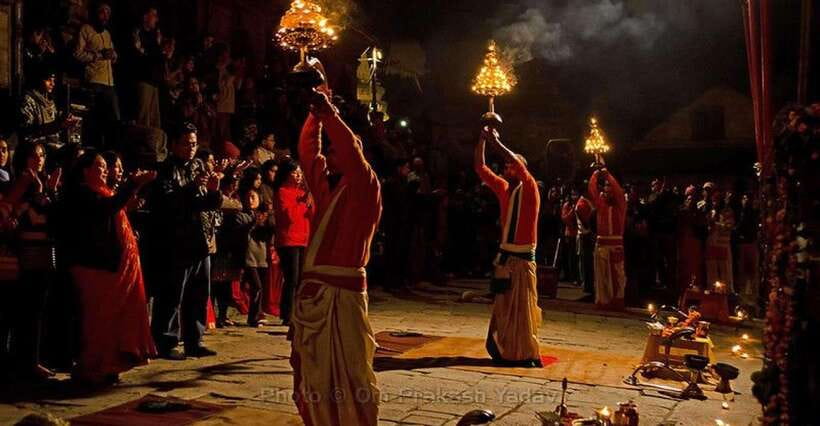
Pashupatinath is one of Nepal’s most important Hindu temples, and the evening Aarati offers a direct look at living religious practice. This is not simply a stop for a quick photograph of an old building. The focus is the ritual on the Bagmati River, where priests lead worship as daylight fades.
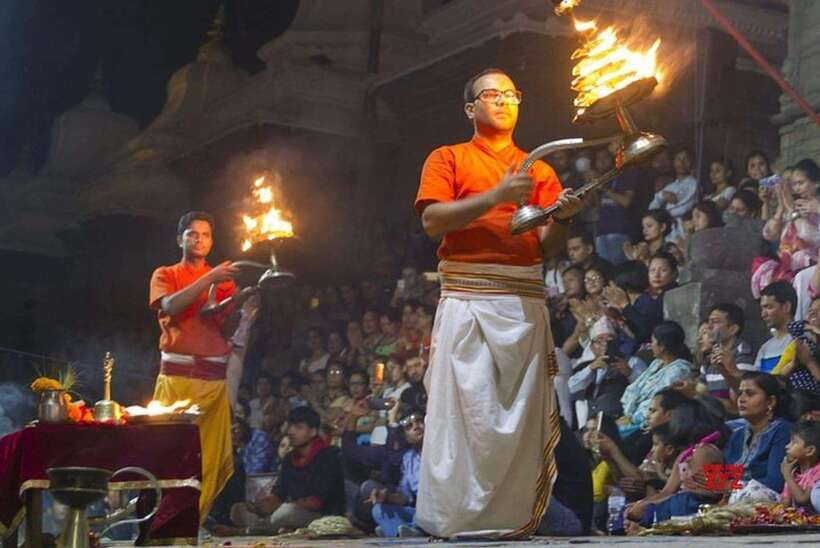
The ceremony is called Aarati, a worship ritual centered on light. Priests chant prayers and move burning oil lamps before the idol of Lord Shiva. Bells ring, incense burns, musicians play, and hymns are sung. The result is highly visual, but the sound and smell matter just as much. You do not need to understand every prayer to sense that this is a serious act of devotion.
I like this kind of tour because the guide helps you watch with respect. Without context, you might notice only the flames and music. With an explanation, you begin to understand why the lamps are moved, why the chanting matters, and why local people gather at the river each evening.
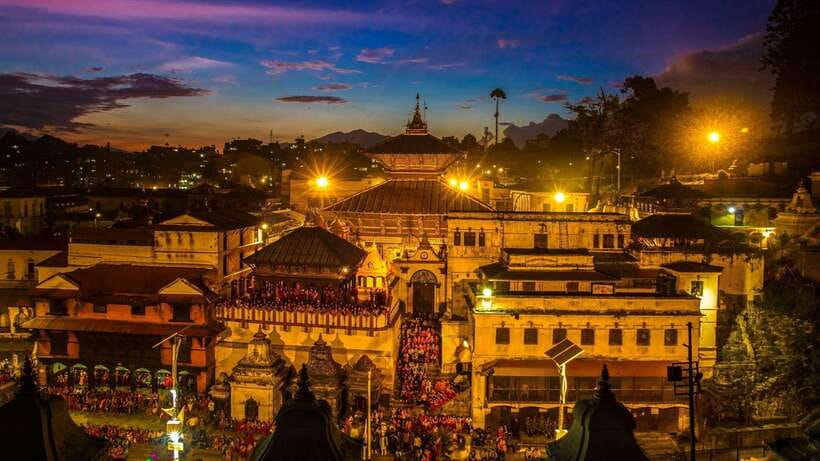
The setting adds weight. The Aarati takes place on the Bagmati River’s bank, on the eastern side of the temple complex. You can look toward the temple while the ceremony unfolds near the water. At night, the lamps and incense create the central visual focus, while the surrounding temple setting gives the moment a strong sense of place.
More visits to Pashupatinath:
- Kathmandu Spiritual Sites: Bodhnath & Pashupatinath Tour
★ 5.0 · 185 reviews - Kathmandu: Pashupatinath Temple Aarti Night Tour
★ 4.8 · 29 reviews - Pashupatinath Temple, Hindu Crematorium and Aarati in-depth Tour
★ 5.0 · 25 reviews
Late afternoon pickup and the ride to Pashupatinath
The tour starts with pickup in Kathmandu. Transportation to and from Pashupatinath is included, which removes one of the evening’s small but real headaches. You do not need to work out a separate taxi ride after the ceremony, and the return to your hotel is part of the three-hour schedule.
The supplied details do not give an exact pickup time, since that depends on the selected start time and your hotel. The sensible plan is to be ready in the late afternoon so you have time for the temple visit before the Aarati begins around 6 p.m.
Transport quality has been a strong part of the experience. Ramesh and driver Santosh were both described as polite and friendly, with the driving handled safely and the transfers kept simple. That matters in Kathmandu, where a short city journey can take patience. Your time is better spent learning about Pashupatinath than worrying about the return ride.
The group is private, so you are not being folded into a large bus tour. That gives the guide room to adjust explanations to your interests. If you have questions about Hindu ritual, local customs, or photography, you can ask them directly rather than waiting for a guide to address a whole crowd.
Exploring the temple complex before dark
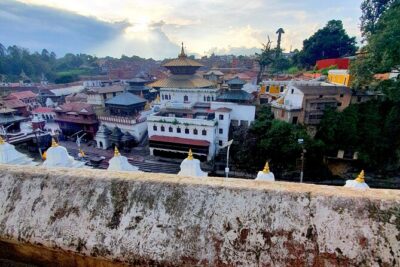
Once you arrive, the guide leads a tour of the Pashupatinath complex. The visit includes sightseeing and time for photos in permitted areas. Your guide explains the religious importance of the site and gives you a framework for the Aarati later in the evening.
This first portion is important. The ceremony is easier to follow when you already know what the temple represents and how the river setting fits into the visit. Several guides, including Ramesh, Anjan, and Rajat, were praised for making Hindu traditions understandable without turning the tour into a dry lecture.
The pace also gives you time to look around independently before the main event. That is a useful touch. You can take in the temple views, ask follow-up questions, and get ready for the shift from daylight sightseeing to nighttime worship.
Do not expect the full three hours to be spent in silent observation. The experience combines transport, a guided temple visit, independent time, and the Aarati itself. That makes it a good first encounter with Pashupatinath, but not a long study of every part of the complex.
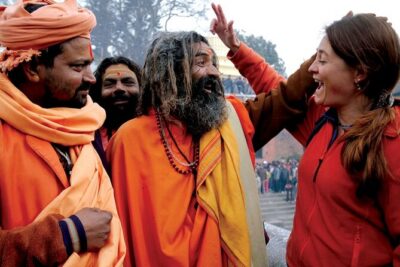
Your guide’s role is central here. A strong guide can explain what you are seeing without drowning out the atmosphere. Ramesh is repeatedly praised for adding cultural detail, answering questions, and speaking in a friendly, accessible way. Anjan was also singled out for helping explain Hindu religion, while Rajat received praise for being both informative and approachable.
The Bagmati River Aarati around 6 p.m.
As evening arrives, people gather along the Bagmati River for the Aarati. This is the heart of the tour. The ceremony brings together prayer, music, light, smoke, and movement in a setting that feels public and communal rather than staged for a tour group.
Priests chant Vedic mantras and lead the worship with oil lamps. Bells ring as incense burns, and a band plays classical instruments while hymns are sung to the gods. The ceremony has a strong visual rhythm, but the meaning comes from the devotion behind it. You are watching a nightly act of worship, not a theater show.
I would pay attention to the guide’s explanation before and after the ritual rather than expecting a running commentary through every moment. The ceremony deserves space to speak for itself. A good guide can tell you what to notice, then allow you to watch without constant interruption.
The public setting is both a strength and a limitation. Being among worshippers gives the Aarati its real character. You see that it matters to local people, not just to visitors. At the same time, the crowd can make it harder to find a perfect view or move freely.
If photography is important to you, raise the subject with your guide early. One guest booked mainly to take photos and said Ramesh patiently accommodated requests and concerns, giving enough time for the pictures they wanted. The tour information also makes clear that photography is limited to permitted areas, so you should follow the guide’s direction and avoid treating the ceremony like a photo shoot.
A good photograph may be possible, but the best reward is being present. Lamps, smoke, bells, and chanting can be difficult to capture in a single frame. Put the camera down for at least part of the ritual and let the full scene register.
A short list of alternatives around Kathmandu
- Everest Base Camp Trek – 14 Days
★ 5.0 · 1,499 reviews - Private Kathmandu Sightseeing Tour | UNESCO World Heritage sites
★ 5.0 · 756 reviews - Everest Base Camp Helicopter Tour landing at Everest View Hotel
★ 5.0 · 668 reviews - Half day cooking class in Thamel kathmandu
★ 5.0 · 607 reviews
What the guide adds to the experience
This tour rises or falls on interpretation. Pashupatinath is not the sort of place where a quick look tells you everything. Ritual gestures, religious symbols, temple customs, and the role of the river all need explanation.
The strongest praise has gone to Ramesh. He is described as friendly, patient, and generous with cultural information. His explanations helped guests understand not only what the priests were doing, but why the ceremony mattered to local people. That distinction is important. Facts tell you what happens. Context helps you watch with respect.
Rajat receives similar praise for answering questions and making the visit informative. Anjan was noted for speaking English well and explaining the Aarati clearly. One guide, Ramesh, also speaks Spanish, which could be useful if you want to chat in both Spanish and English.
The private format helps. You can ask about a point that catches your attention, request more time for a photograph where allowed, or ask your guide to explain a ritual again in simpler terms. The experience is best for curious people who want a cultural introduction, not just an escort to the riverbank.
The guide cannot remove every uncertainty. Hinduism is complex, and a three-hour visit offers only a small introduction. One particularly useful observation from a guest was that the evening gave a small taste of Nepalese culture with a lasting effect. That is the right expectation: meaningful, but not a complete education.
Is $45 a fair price?
The price is $45 per person. For a private three-hour outing, that is a reasonable package if you value convenience and interpretation.
The fee includes hotel pickup and drop-off, transport, a licensed English-speaking guide, the Pashupatinath entry ticket, taxes, and service charges. Food and drinks are not included, though the tour is short enough that this should not create much trouble.
You are paying for more than access to the ceremony. You are also paying for the ride, the guide’s time, help with the temple visit, and a smoother return to Kathmandu. If you already have transport and feel comfortable interpreting the site alone, you may prefer to visit independently. But you would lose the explanations that make the ritual easier to understand.
The private group format is another reason the price can make sense. A solo visitor may find $45 less attractive than a couple or small group splitting the value of a private guide. For two people, the cost buys a focused evening with transport and entry handled. For a family or small group, the arrangement may be even more practical.
The perfect five-star rating across 36 recorded ratings suggests a consistent experience, especially in guiding and transport. I would still keep expectations grounded. The ceremony is public and can be crowded, and the exact experience depends on the evening’s conditions, your view, and how much independent time you want.
Who should book this Kathmandu evening tour?
I would recommend it most strongly to first-time visitors to Kathmandu who want a respectful introduction to Hindu worship. It suits you if you want someone to explain the setting, arrange the ride, and help you understand what you are watching.
It is also a good match for photographers, provided you accept the rules about permitted areas. Tell the guide what you hope to capture, and you may receive useful help with timing and positioning. The experience has enough visual detail to interest a photographer, but the religious setting should remain the priority.
Culture-focused visitors will get the most from it. The ritual is not presented as a detached performance. You are close to a public act of worship, with local people gathering along the river. That makes the experience more sincere than a standard sightseeing stop.
Families and small private groups may appreciate the flexibility. The guide can answer different questions and adjust the amount of explanation. English speakers are covered, and Spanish speakers may find the bilingual ability of one guide useful.
I would be less enthusiastic if your main goal is solitude. The Aarati attracts many people, and the public atmosphere is part of the experience. I would also hesitate if you want an extensive, all-day exploration of the temple complex. This is a focused evening visit built around the ceremony.
Practical details for a smoother visit
Choose a start time that gets you to Pashupatinath before the ceremony begins. The tour is designed to start in the late afternoon, with the Aarati taking place around 6 p.m. Arriving early gives you time for the guided visit and helps prevent the evening from feeling rushed.
Wear something comfortable for walking and bring only what you need for a three-hour outing. Food and drinks are not included, so plan around that if you need refreshments.
Keep your camera ready for permitted areas, but follow the guide’s advice. The guide can help with photo requests, yet the ceremony is a religious event. Ask before taking pictures and be willing to watch without photographing if an area or moment is restricted.
The tour offers free cancellation up to 24 hours before departure and allows you to reserve now and pay later. Starting times should be checked at booking, since the available schedule can vary.
Should you book the Pashupatinath Aarati Tour?
Book it if you want the Aarati explained, not merely witnessed. The combination of hotel transport, temple entry, a private English-speaking guide, and a ceremony timed for the evening gives you a practical way to meet one of Kathmandu’s most important religious experiences.
The strongest reason to choose it is the guiding. Ramesh, Rajat, and Anjan are praised for friendly explanations, patience, and answers that make Hindu customs easier to grasp. The main caution is the crowd. You will share the riverbank with many people, and photography or quiet reflection may require flexibility.
At $45, I think the tour offers good value for a couple, family, or small group that wants a smooth and meaningful evening. If you prefer independent sightseeing and already understand the cultural setting, you can save money elsewhere. For most first-time visitors, though, this is a thoughtful way to spend three hours in Kathmandu.
FAQ
How long does the Pashupatinath Aarati Tour last?
The tour lasts three hours, including hotel pickup and drop-off, transportation, the temple visit, independent exploration time, and the Aarati ceremony.
What time does the Aarati ceremony begin?
The ceremony begins around 6 p.m. The tour starts in the late afternoon so you can visit the temple complex before the ritual.
Is hotel transportation included?
Yes. Hotel pickup and drop-off in Kathmandu, along with transportation to and from Pashupatinath Temple, are included.
Is an entrance ticket included?
Yes. The entry ticket to Pashupatinath Temple is included in the tour price.
What language does the guide speak?
The tour includes a live English-speaking guide. One guide, Ramesh, was also able to speak Spanish.
Can I take photographs during the tour?
Photography is possible in permitted areas. Tell your guide if photography is important to you, and follow instructions about where pictures are allowed.
What is included in the $45 price?
The price includes hotel pickup and drop-off, transport, a licensed English-speaking guide, the Pashupatinath entry ticket, taxes, and service charges. Food and drinks are not included.
New in the Kathmandu listings
- Traditional Momo Making Class★ 5.0 · 10 reviews
- Kathmandu: Ancient City Kirtipur & Pharping Monastery Tour★ 5.0 · 2 reviews
- Kathmandu to Pokhara Premium sofa bus ticket★ 4.0 · 17 reviews
- Women Empowerment Project(Nepali cooking class & jewelry workshop★ 5.0 · 15 reviews
- 7-Day Langtang Valley Trek from Kathmandu★ 5.0 · 1 review
- Kathmandu 2 Nights 3 Days Chitwan Jungle Safari Tour★ 5.0 · 9 reviews
- Yoga Experience Day Trip with Private Transfer From Kathmandu★ 4.0 · 2 reviews
- Wildlife Adventure in Chitwan Nepal★ 4.0 · 4 reviews
Pashupatinath Temple Tours, compared.
Kathmandu Spiritual Sites: Bodhnath & Pashupatinath Tour
Read our review →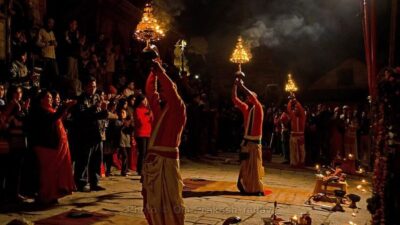
Pashupatinath Temple, Hindu Crematorium and Aarati in-depth Tour
Read our review →
Pashupatinath Evening Aarati: Few Divinely Hours in Kathmandu
Read our review →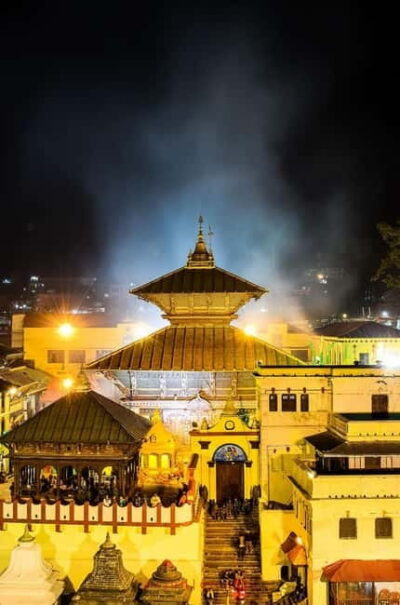
Sacred Pashupatinath: Aarati,Cremation Rites & Boudha Stupa
Read our review →
PashupatiNath and BoudhaNath – Private/Small Group
Read our review →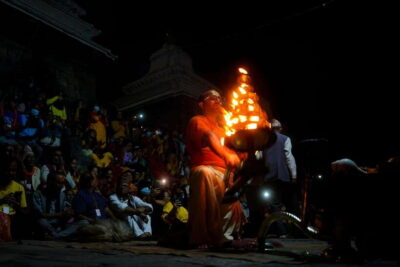
Private Half-Day Tour of Boudhanath and Pashupatinath Temples in Kathmandu
Read our review →Browse the lists this tour appears in