
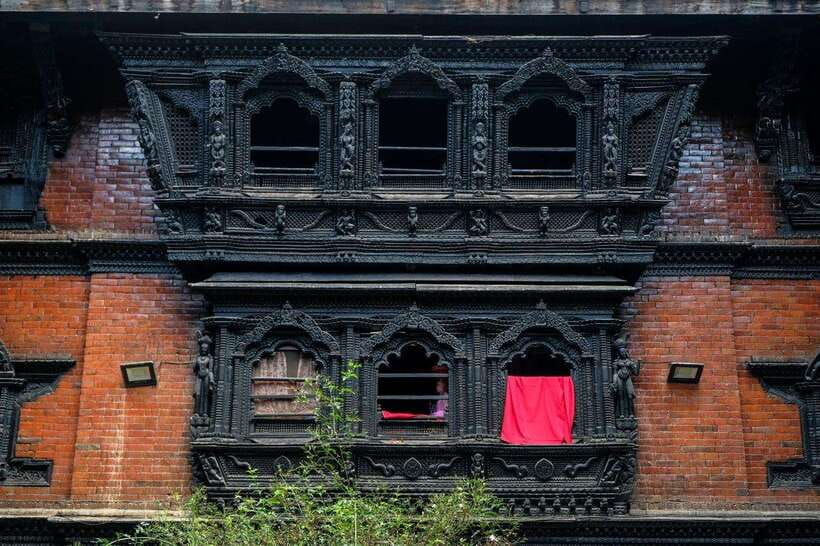
REVIEW · UNESCO WORLD HERITAGE TOURS
2 Days UNESCO Heritage Tour of Nepal
Ancient stones, living faith, and a packed valley journey. This tour brings together Nepal’s best-known sacred sites and royal squares, from the prayer wheels of Boudhanath to the carved courtyards of Bhaktapur and Patan. I like the strong mix of Hindu and Buddhist places, and I like having a private vehicle and driver to connect sites spread across Kathmandu Valley. The main drawback is the pace: seven major stops in two days leave little room for lingering.
I also like that you can book an English-speaking guide, arrange hotel pickup in Kathmandu, and visit all three historic Durbar Squares in one trip. That is a lot of cultural ground for $114 per person. Still, meals, drinks, and accommodation are not included, and the price may change depending on whether you select the guide and entrance fees, so check those options carefully before paying.
In This Review
- Key Points At A Glance
- What This Two-Day Tour Really Covers
- Day One: Pashupatinath And Nepal’s Sacred Side
- Pashupatinath Temple
- Boudhanath Stupa
- Swayambhunath Temple
- Kathmandu Durbar Square
- Day Two: Changu Narayan, Bhaktapur, And Patan
- Changu Narayan Temple
- Bhaktapur Durbar Square
- Patan Durbar Square
- Why The Private Vehicle Matters
- Guide Quality And The Value Of Context
- Food, Water, And Daily Costs
- Who Will Get The Most From This Tour?
- Booking Flexibility And Practical Checks
- Should You Book The UNESCO Heritage Tour Of Nepal?
- FAQ
- How long does the tour last?
- Where does the tour begin and end?
- Which sites are visited on the first day?
- Which sites are visited on the second day?
- Is an English-speaking guide included?
- Is transportation included?
- Are entrance fees included?
- Are meals and accommodation included?
- Can I cancel the tour for a refund?
Key Points At A Glance
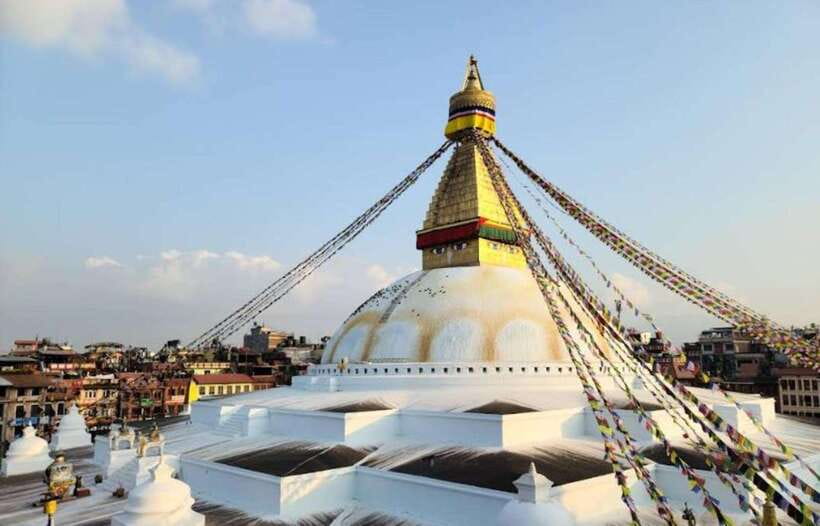
- Boudhanath gives you the clearest look at Tibetan Buddhist worship, with its huge white stupa serving as a major spiritual center.
- Changu Narayan adds an older, quieter temple stop to a route otherwise focused on Kathmandu Valley’s major towns.
- The three Durbar Squares show different sides of Nepalese court life, with Kathmandu, Bhaktapur, and Patan each offering a distinct setting.
- A private vehicle makes the two-day plan practical, especially since the sights are spread across the valley.
- The route order can change, as one guest completed almost the full program in a different sequence without any problem.
- Bring or request extra water, since mineral water is provided, but one bottle may not feel like enough during a full day out.
What This Two-Day Tour Really Covers
This is not a single monument visit. It is a broad introduction to Kathmandu Valley’s religious and royal heritage, combining Hindu temples, Buddhist stupas, old palace squares, and traditional urban centers.
Day one focuses on Kathmandu’s main spiritual and historic sights: Pashupatinath Temple, Boudhanath Stupa, Swayambhunath Temple, and Kathmandu Durbar Square. Day two moves toward the valley’s older towns, with Changu Narayan Temple, Bhaktapur Durbar Square, and Patan Durbar Square.
That structure makes sense. You begin with the major sacred landmarks near Kathmandu, then spend the second day among older settlements and palace compounds. The plan is full, so I would treat it as an efficient orientation to the valley rather than a slow cultural walk.
The tour is offered as a private group experience, with an English-speaking driver and an English-speaking licensed guide if selected. Hotel pickup is available in Kathmandu. A private vehicle matters here because the stops are not all clustered together, and it gives you more control over the order of the day.
More UNESCO World Heritage Tours in Kathmandu:
- Private Kathmandu Sightseeing Tour | UNESCO World Heritage sites
★ 5.0 · 756 reviews - Kathmandu: Full Day 7 UNESCO Tour with Lunch – Private/Group
★ 5.0 · 415 reviews - Kathmandu: Full Day Top 4 UNESCO Tour with Lunch – Private/Group
★ 5.0 · 269 reviews
Day One: Pashupatinath And Nepal’s Sacred Side
Pashupatinath Temple
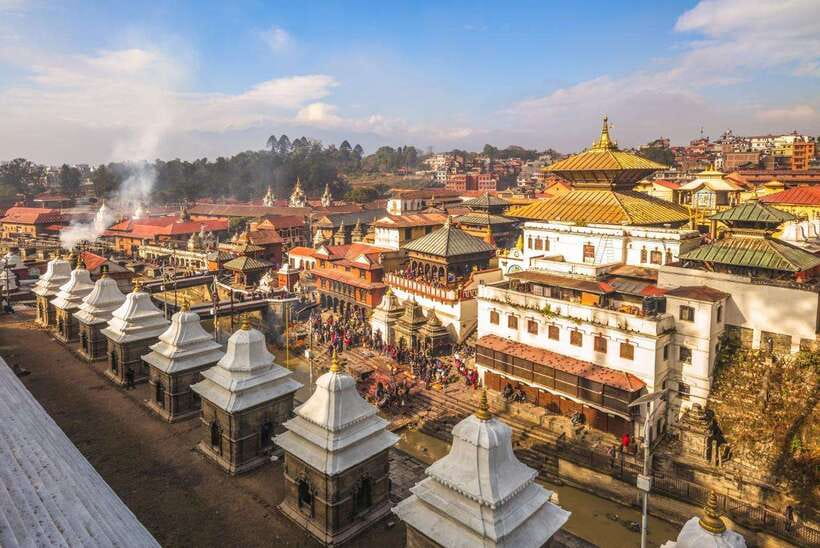
Pashupatinath is one of the most important Hindu temple sites in Nepal, and it sets the tone for the first day. The visit gives you a chance to see a major center of worship rather than only an old building preserved for sightseeing.
The temple complex is included as a sightseeing stop, but the available information does not promise access to every part of the site. Your guide can help explain what you are seeing and how the site functions as a place of faith.
This is one of the places where a guide adds real value. Without context, a large temple compound can blur into a series of gates, shrines, and courtyards. With an English-speaking guide, you have a better chance of understanding the religious importance behind the details.
Plan to pay attention to the atmosphere as much as the architecture. Pashupatinath is not presented as a museum, and that is part of its appeal. You are visiting a working spiritual site.
Boudhanath Stupa
Boudhanath is the Buddhist centerpiece of the tour. It is regarded as a center of Tibetan Buddhism, and the huge stupa gives the stop a strong visual focus.
You can expect a sightseeing visit around one of Kathmandu’s most recognizable religious monuments. The stupa’s scale makes it easy to understand why it has such importance, even if you know little about Tibetan Buddhist practice before arriving.
This is also a good place to slow down briefly. The overall tour is busy, but Boudhanath rewards a few quiet minutes to look at the structure, watch religious activity, and listen to your guide’s explanation.
I would ask in advance how much time is planned here. The published plan includes several major sites in the same day, and the difference between a short photo stop and a proper walk around the stupa will affect your experience.
More history tours in Kathmandu:
- UNESCO Seven World Heritage Tour in Kathmandu
★ 5.0 · 253 reviews - Kathmandu Private Sightseeing Tour | UNESCO World Heritage Sites
★ 5.0 · 109 reviews - Kathmandu: Full Day Private Top 4 UNESCO Heritage Tour W/Lunch.
★ 5.0 · 86 reviews - Kathmandu World Heritage Tour
★ 5.0 · 74 reviews
Swayambhunath Temple
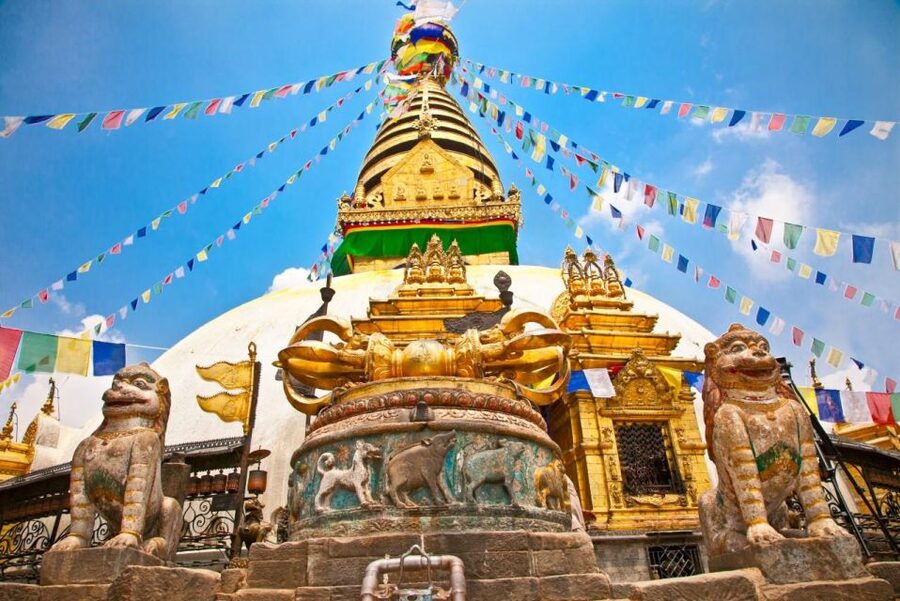
Swayambhunath adds a hilltop perspective to the day. The stop includes sightseeing and an aerial view, giving you a chance to look across Kathmandu from above.
The view is a useful contrast to the close courtyards and dense religious compounds elsewhere on the route. You are not only looking at one temple. You are also seeing how the valley’s historic sites sit within the wider city.
If you enjoy photography, this may be one of the most rewarding stops. The combination of a major Buddhist site and a broad city view gives you something different from Boudhanath.
The exact amount of walking is not specified, so ask your guide about the access route if mobility is a concern. The tour is listed as wheelchair accessible, but historic religious sites can vary in how easy they are to navigate. Confirming the practical details before the day is wise.
Kathmandu Durbar Square
Kathmandu Durbar Square brings the first day back to royal and civic history. The visit includes a guided tour and sightseeing, so this is a stop where the guide can help connect the carved buildings, courtyards, and ceremonial spaces.
The square is also associated with the Kumari Ghar, the residence of the Living Goddess. That makes the visit especially interesting for anyone curious about Nepalese traditions that remain part of public life rather than existing only in history books.
You should keep expectations realistic. A tour of the square does not guarantee that you will see the Kumari herself, and the supplied details only promise a visit to the Kumari Ghar. The building and its role are still important, but they are not the same as a personal appearance.
Kathmandu Durbar Square is a strong closing point for day one because it brings together architecture, royal power, religious tradition, and living custom. It is also likely to be one of the more visually dense stops, so a guide can help you focus on the most meaningful details.
Day Two: Changu Narayan, Bhaktapur, And Patan
Changu Narayan Temple
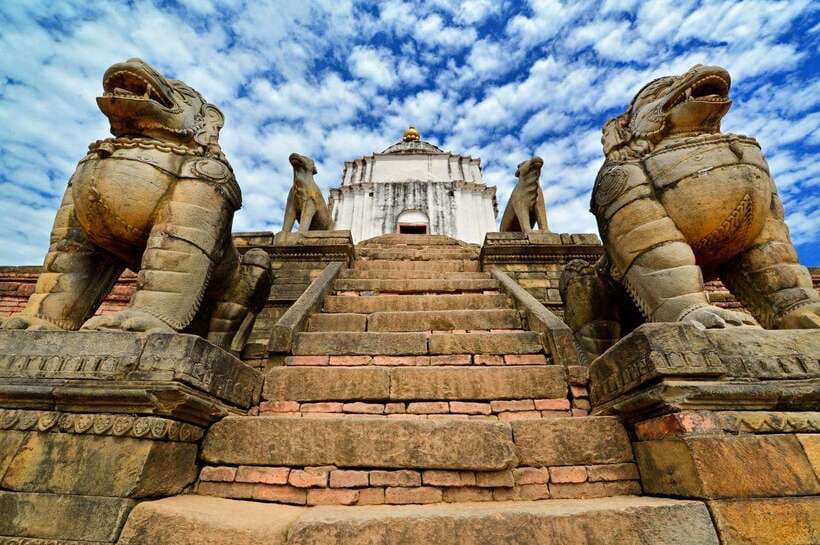
Changu Narayan is described as one of the earliest Hindu temples in Nepal. That gives day two a different feel from the larger and more famous sites in Kathmandu.
The temple is visited with a guide and includes sightseeing. Its appeal is tied to age, religious importance, and its place within the long development of Nepalese temple design.
This stop may appeal most to you if you prefer older, more focused monuments rather than large city squares. It helps show that Kathmandu Valley’s heritage is not limited to the capital’s main attractions.
The tour also mentions a walk past interesting rock structures and land formations. The details of that walk are not fully specified, so I would ask where it takes place and how long it lasts. Still, it suggests that the day is not only a sequence of vehicle stops and palace courtyards.
Bhaktapur Durbar Square
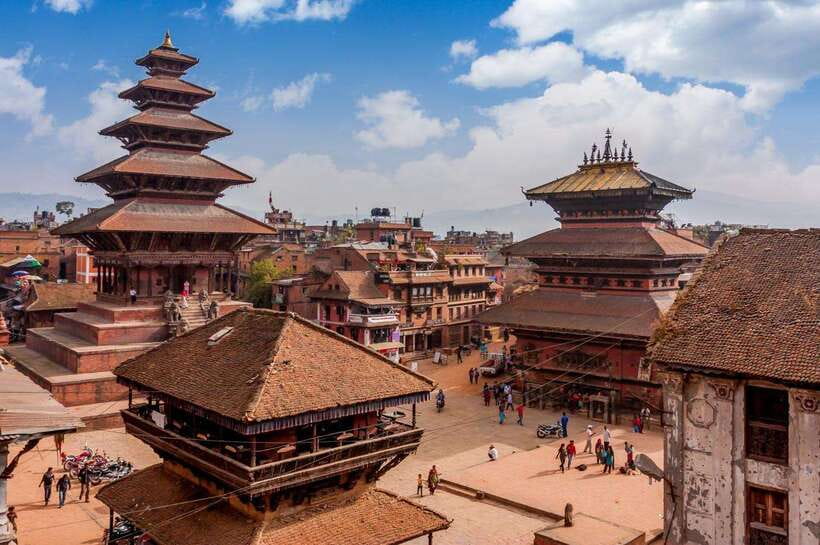
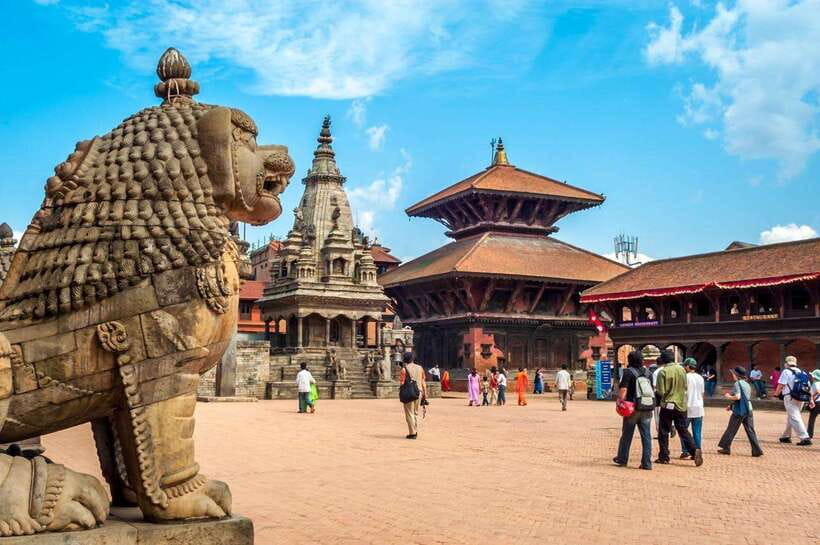
Bhaktapur is one of the major highlights of the second day. Its Durbar Square offers another view of Nepal’s royal past, but the setting is the historic town of Bhaktapur rather than central Kathmandu.
The visit includes a guided tour and sightseeing. That combination matters because Bhaktapur is best understood as more than a collection of attractive façades. The surrounding town adds context, and a guide can point out the relationship between public squares, temples, and traditional urban life.
You may find this is one of the more rewarding places to walk. The tour specifically includes local Nepali cuisine in teahouses along the route, although meals are not included. If you want to eat during the day, budget separately and ask your guide to recommend a suitable stop.
Do not expect a long restaurant break to be built into the price. The experience includes no meals or beverages, so any tea, snack, or lunch is your responsibility. That is not unusual for a private sightseeing tour, but it is easy to overlook when the schedule is full.
Patan Durbar Square
Patan Durbar Square completes the heritage circuit. The stop includes a guided tour, sightseeing, and a walk, giving you a chance to experience another historic town rather than viewing it only from the vehicle.
Seeing Kathmandu, Bhaktapur, and Patan in one tour is the main reason this package has value. Each square represents a different part of the valley’s old political and artistic world, and visiting all three lets you compare them directly.
The drawback is repetition. By the time you reach Patan, you will have already seen several temples, courtyards, and historic structures. If you are fascinated by architecture, that repetition will help you notice differences. If you prefer a slower itinerary, seven major sites may feel like too much.
I would use the walk at Patan to ask questions and look closely rather than rushing from one landmark to the next. A good guide can help you see details that are easy to miss when every stop is treated as a quick photograph.
Why The Private Vehicle Matters
The tour includes transport in a private vehicle with an English-speaking driver. That is one of its most useful features because the route covers a wide section of Kathmandu Valley.
You are not tied to a large group’s pace, and the route order can be adjusted. One guest completed nearly the entire program in a different order and found that it caused no problem. That flexibility can help if traffic, opening arrangements, or your preferred pace make a different sequence more sensible.
The vehicle also gives you a place to rest between the walking portions. This matters on a two-day plan with four major stops on the first day and three on the second.
Mineral water is provided, but I would carry extra if possible or ask for more at the start. A suggestion was made for an additional bottle in the vehicle, which is practical advice for a full day of sightseeing.
Guide Quality And The Value Of Context
An experienced licensed English-speaking guide is available if selected. The strongest praise attached to this experience concerns the guide’s professionalism and personal attention. The guide was described as perfect, professional, and attentive, which is exactly the kind of service that can make a packed cultural tour work.
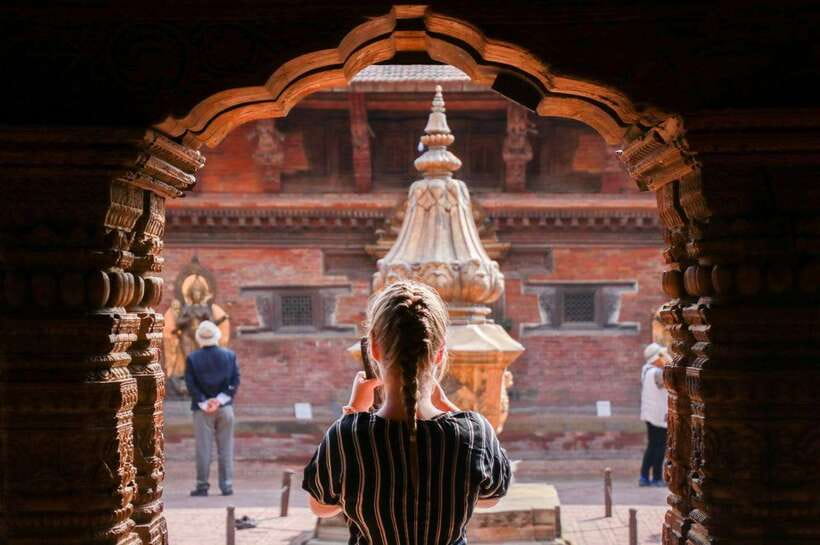
That praise matters more here than it would on a simple transfer. You are visiting religious sites with customs, symbols, and traditions that may not be obvious at first glance. A guide can explain what you are seeing and help you avoid treating active places of worship as mere backdrops.
Check the booking options carefully. The information says entrance fees are included if selected, and the English-speaking guide is also listed as included if selected. The $114 price is attractive for a private vehicle, driver, taxes, service charges, water, and a two-day route, but you should confirm exactly which package level you are buying.
Food, Water, And Daily Costs
Meals and beverages are not included. The tour points to local Nepali cuisine in teahouses along the route, which is a useful chance to eat in a more local setting, but you will pay separately.
That arrangement keeps the base cost clear, though it means you need to plan for food. The price of $114 per person does not cover accommodation either, so this works best if you are already staying in Kathmandu and want organized sightseeing from there.
Government taxes and service charges are included. That reduces the chance of small administrative costs appearing later, but it does not remove the need to check the guide and entrance-fee selections.
Who Will Get The Most From This Tour?
I would recommend this experience to you if you have limited time in Kathmandu Valley and want to see the major UNESCO-related cultural sites in a structured way.
It suits:
- First-time visitors who want a clear introduction to the valley.
- History and architecture fans who enjoy comparing several old squares.
- People interested in both Hindu and Buddhist traditions.
- Private groups that prefer a vehicle and flexible route order.
- Visitors who want an English-speaking guide rather than exploring every site alone.
It may be less suitable if you want long visits at each monument, unplanned wandering, or a relaxed meal-focused schedule. The plan is ambitious, and the value comes from coverage.
Solo visitors should email before booking, as special arrangements may be needed. The tour is also listed as wheelchair accessible, but you should still contact the provider before booking if you need specific access support at the historic sites.
Booking Flexibility And Practical Checks
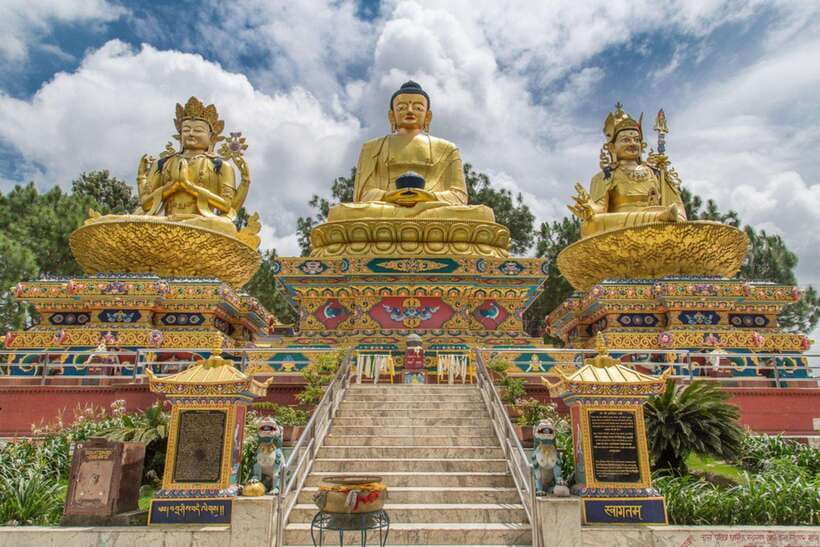
You can cancel up to 24 hours in advance for a full refund, and the reserve-now, pay-later option keeps your plans flexible. Starting times vary, so check availability rather than assuming a fixed departure.
Hotel pickup is optional and applies to hotels in Kathmandu. If you arrange pickup, provide clear hotel details and confirm the meeting time.
Before booking, verify three things:
- Whether the English-speaking guide is included.
- Whether entrance fees are included.
- What is covered by the $114 price for your selected option.
Also ask about the solo booking process, the amount of water provided, and the planned time at each major site. Those questions can make the difference between a smooth two days and a rushed one.
Should You Book The UNESCO Heritage Tour Of Nepal?
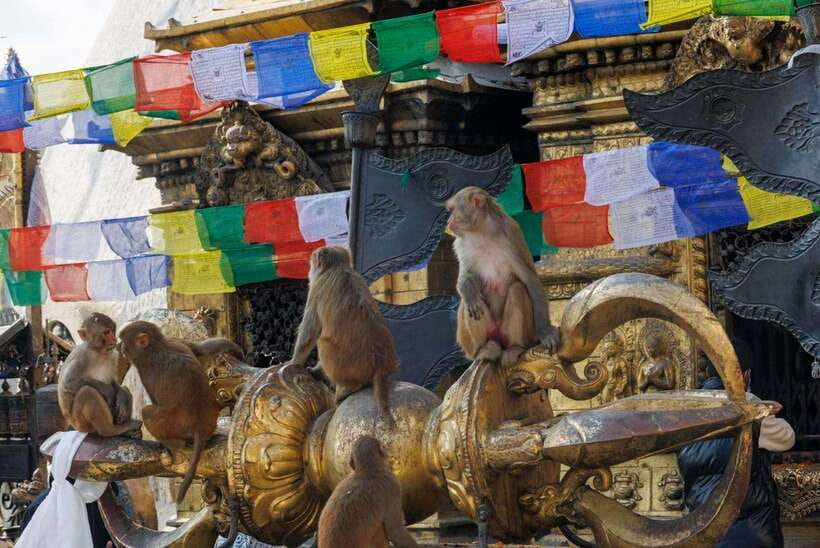
Book it if you want maximum cultural coverage in two days and value a private vehicle, an English-speaking guide option, and flexible routing. The chance to see Pashupatinath, Boudhanath, Swayambhunath, Changu Narayan, and all three Durbar Squares makes the price appealing, especially for a private group.
Skip it if your ideal Nepal visit means spending half a day at one square, lingering over meals, or wandering without a fixed plan. For most first visits, though, this is a useful and well-packed introduction to Kathmandu Valley. Confirm the inclusions, bring extra water, and ask for enough time at the places that matter most to you.
FAQ
How long does the tour last?
The experience is listed as lasting one to two days, with the main plan arranged over two days.
Where does the tour begin and end?
Pickup and return are in Kathmandu. Hotel pickup is optional if you are staying in Kathmandu.
Which sites are visited on the first day?
The first day includes Pashupatinath Temple, Boudhanath Stupa, Swayambhunath Temple, and Kathmandu Durbar Square.
Which sites are visited on the second day?
The second day includes Changu Narayan Temple, Bhaktapur Durbar Square, and Patan Durbar Square.
Is an English-speaking guide included?
An experienced licensed English-speaking guide is available if selected. Check the specific booking option before paying.
Is transportation included?
Yes. Transportation is provided in a private vehicle with an English-speaking driver.
Are entrance fees included?
Entrance fees for all sites are included if selected. Confirm this detail when choosing your package.
Are meals and accommodation included?
No. Accommodation, meals, and beverages are not included.
Can I cancel the tour for a refund?
Yes. You can cancel up to 24 hours in advance for a full refund.
New in the Kathmandu listings
- Traditional Momo Making Class★ 5.0 · 10 reviews
- Kathmandu: Ancient City Kirtipur & Pharping Monastery Tour★ 5.0 · 2 reviews
- Kathmandu to Pokhara Premium sofa bus ticket★ 4.0 · 17 reviews
- Women Empowerment Project(Nepali cooking class & jewelry workshop★ 5.0 · 15 reviews
- 7-Day Langtang Valley Trek from Kathmandu★ 5.0 · 1 review
- Kathmandu 2 Nights 3 Days Chitwan Jungle Safari Tour★ 5.0 · 9 reviews
- Yoga Experience Day Trip with Private Transfer From Kathmandu★ 4.0 · 2 reviews
- Wildlife Adventure in Chitwan Nepal★ 4.0 · 4 reviews
UNESCO World Heritage Tours, compared.
Private Kathmandu Sightseeing Tour | UNESCO World Heritage sites
Read our review →
Full Day 7 UNESCO Tour with Lunch – Private/Group
Read our review →
Full Day Top 4 UNESCO Tour with Lunch – Private/Group
Read our review →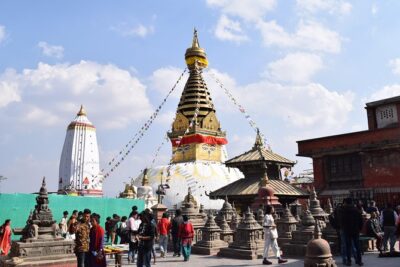
Full-Day 7 UNESCO Tour with Lunch – Private/Group
Read our review →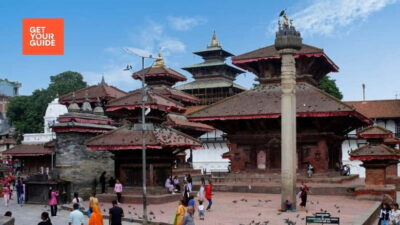
Browse the lists this tour appears in