
REVIEW · MARDI HIMAL TREKS
Experience Mardi Himal Trek
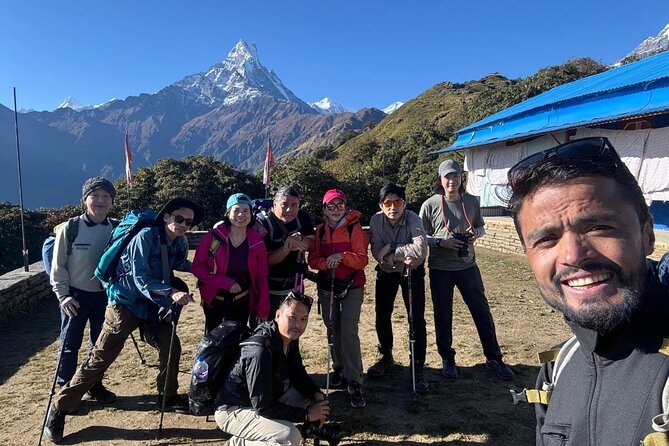
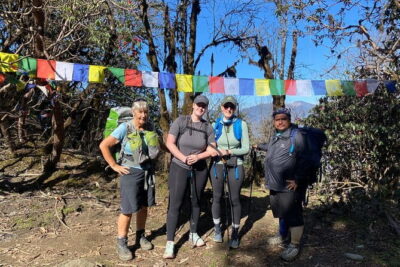
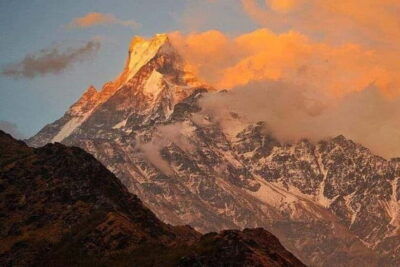
Big views come with surprisingly quiet trails. The Mardi Himal Trek takes you from Pokhara into rhododendron and oak forest, then above the tree line for close views of Mardi Himal, Machhapuchhre, Annapurna, and Dhaulagiri. I like the way the route mixes mountain scenery with Gurung villages instead of making the trek only about reaching a viewpoint.
I especially like the careful trip planning and the useful support included along the way. The package covers trekking accommodation, a licensed guide, permits, transport between trail points, a sleeping bag if needed, a down jacket if needed, and an oximeter. The main consideration is the pace: the fourth day includes a 4,500-meter base camp and six to seven hours of walking, so this is not a casual country stroll.
The experience costs $760 per person, which can be good value because several meals, transport, one night in a Pokhara hotel, a Kathmandu bus, and even a flight ticket to Pokhara are included. I would still ask the operator to clarify exactly how the flight fits your arrival plan, and remember that porter service, insurance, drinks, and some meals are extra.
In This Review
- Key Points Before You Book
- What the Six-Day Route Really Feels Like
- Day One: Kande to Forest Camp Through Rhododendron Woods
- Day Two: Forest Camp to Low Camp and the First Big Peaks
- Day Three: Low Camp to High Camp Above the Tree Line
- Day Four: High Camp to Mardi Himal Base Camp at 4,500 Meters
- Day Five: High Camp to Siding Village and Back to Pokhara
- Day Six: Tourist Bus From Pokhara to Kathmandu
- What the $760 Price Includes
- Guide Support and the Beginner Question
- Food, Lodging, and What to Pack
- Who Should Choose This Trek
- Booking Questions Worth Asking First
- Should You Book the Mardi Himal Trek?
- FAQ
- How long does the Mardi Himal Trek take?
- Where does the trek begin?
- What is the highest point on the route?
- Is a guide included?
- Is porter service included?
- Are meals included?
- Is accommodation included?
- Can I cancel for a full refund?
Key Points Before You Book
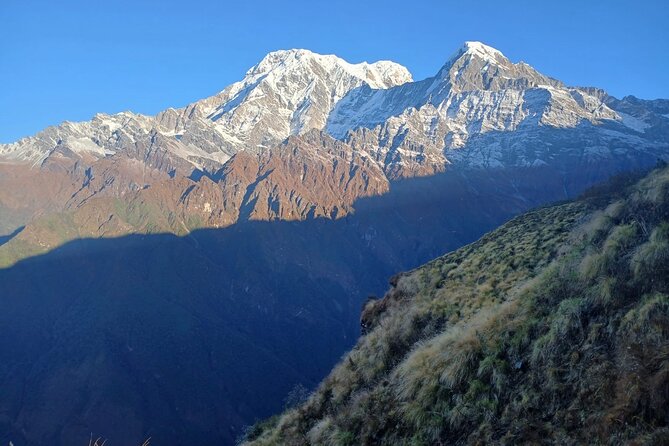
- A high point of 4,500 meters: Day four reaches Mardi Himal Base Camp before returning to High Camp.
- Forest first, open mountain views later: The route begins among rhododendron and oak trees, then rises above the tree line.
- Strong support for first-time trekkers: Detailed planning, a licensed guide, first-aid equipment, and an oximeter are included.
- Gurung village culture on the descent: The route passes terraced fields and traditional villages on the way to Siding.
- Transport is built into the package: You get a car to Kande, a private jeep from Siding to Pokhara, and a tourist bus to Kathmandu.
- Allow money for extras: Porters, travel insurance, Pokhara lunches and dinners, drinks, Wi-Fi, charging, and tips are not included.
What the Six-Day Route Really Feels Like
This is a compact Himalayan trek with a clear rhythm. You start with a drive from Pokhara, walk through forest for two days, reach the higher open ridges, make the demanding base camp outing, and then descend quickly toward Siding.
The route covers roughly 39 to 41 kilometers of walking, depending on how the distances are counted. The biggest challenge is not one enormous single climb. It is the steady gain in height over the first three days, followed by the early and demanding climb to base camp on day four.
The arrangement suits you if you want a proper Himalayan trek but do not have two weeks available. It also gives you a guide and practical gear without forcing you to carry every item from home.
More Mardi Himal treks:
- Pokhara: 4-Day Mardi Himal Trek
★ 4.9 · 59 reviews - Private Mardi Himal Trek
★ 5.0 · 42 reviews - From Pokhara: 4-Day Mardi Himal Base Camp Trek
★ 4.9 · 31 reviews
Day One: Kande to Forest Camp Through Rhododendron Woods
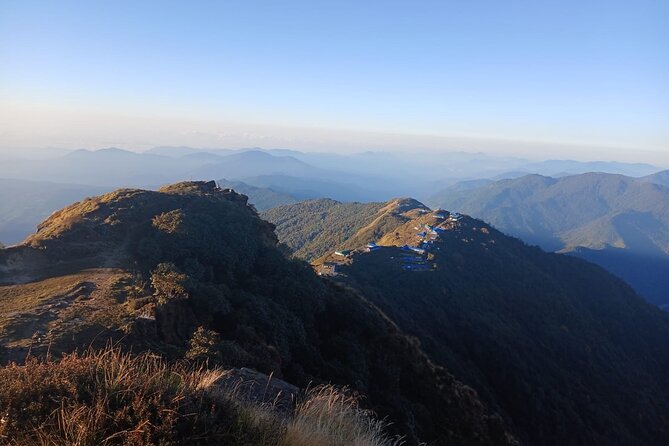
Your first morning begins with a roughly 1.5-hour drive from Pokhara to Kande at 1,770 meters. The route then climbs toward Forest Camp at 2,600 meters, covering about 8 kilometers in around five hours.
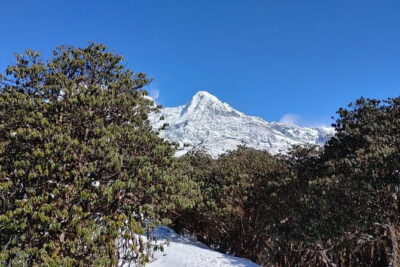
I like this opening because it eases you into the mountains. Rather than starting at a very high roadhead, you walk through forest, with rhododendron and oak trees providing shade and a changing sense of depth. The quiet setting also gives you time to settle into your walking pace.
The elevation gain is still serious. You rise about 830 meters in one day, so comfortable boots and a measured pace matter. You should not treat the first day as a warm-up that can be rushed. Drink regularly, keep your pack light, and let the guide set a sensible speed.
The stop is identified as Mar-dihi in the route details, while the elevation plan places you at Forest Camp. Ask for the exact overnight lodge name before departure if you want family members to know where you will sleep.
Accommodation is in a tea house or lodge. This is practical rather than luxurious, but it gives you a place to rest, eat, and prepare for the next climb. The package includes dinner and breakfast on the trek, along with lunch on five days.
Day Two: Forest Camp to Low Camp and the First Big Peaks
Day two covers about 6 kilometers and takes four to five hours. You climb from Forest Camp at 2,600 meters to Low Camp at 3,150 meters.
The route continues through dense forest, but the reward increases as Machhapuchhre, also called Fishtail, begins to appear through the trees and ridges. This is a useful transition day. You are gaining height, yet the walking distance is shorter than day one.
The 550-meter ascent may feel manageable on paper, but altitude changes the effort. You might find that a slope that looked easy near Pokhara requires frequent pauses here. I would keep the day free of any plan that depends on arriving at a precise hour.
Low Camp is where the mountain views begin to feel more open. The setting gives you a stronger sense of the high country ahead, while still offering the protection of forest nearby. You will want warm layers for the evening, since temperatures can fall quickly at this elevation.
Day Three: Low Camp to High Camp Above the Tree Line
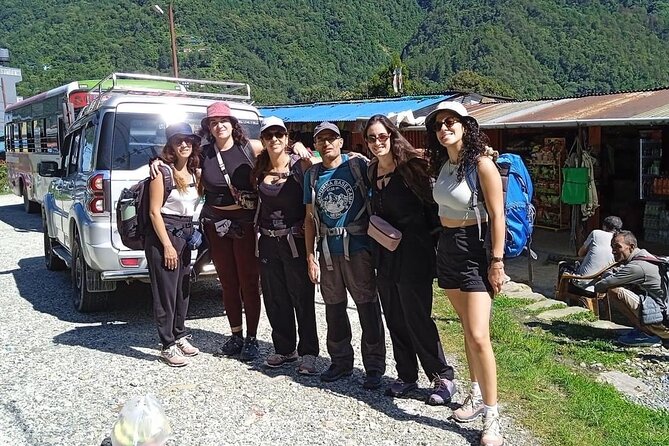
Day three moves from Low Camp at 3,150 meters to High Camp at 3,580 meters. The distance is about 7 kilometers, with four to five hours of walking.
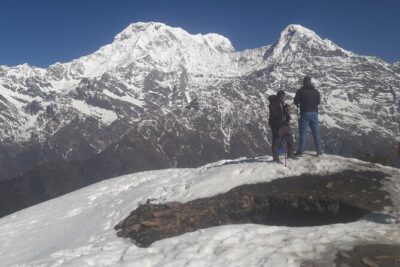
The most important change is that you climb above the tree line. The route becomes more exposed, and the views open toward the Annapurna and Dhaulagiri ranges. This is the day when Mardi Himal feels less like a forest trek and more like a high mountain route.
The climb is around 430 meters, but the altitude makes it more demanding than the number suggests. You may find the walking straightforward in good weather, yet wind, cold, or poor visibility can change the experience. The itinerary describes alpine scenery, so bring layers that you can put on and remove without stopping for long.
High Camp is the key staging point for the base camp outing. The overnight at 3,580 meters also gives you a useful chance to judge how your body is handling the height. Your guide has an oximeter and a first-aid kit, but those tools do not replace honest communication. Tell the guide if you feel unwell.
More walking in the hills of Pokhara:
- Poon hill Trek 3 days
★ 5.0 · 176 reviews - Trekking in Annapurna/Langtang/Everest/Upper Mustang regions
★ 5.0 · 161 reviews - Pokhara: 4-Day Ghorepani, Poonhill & Ghandruk Mountain Trek
★ 5.0 · 132 reviews - Ghorepani – Poon Hill Trek 3N-4D
★ 5.0 · 125 reviews
Day Four: High Camp to Mardi Himal Base Camp at 4,500 Meters
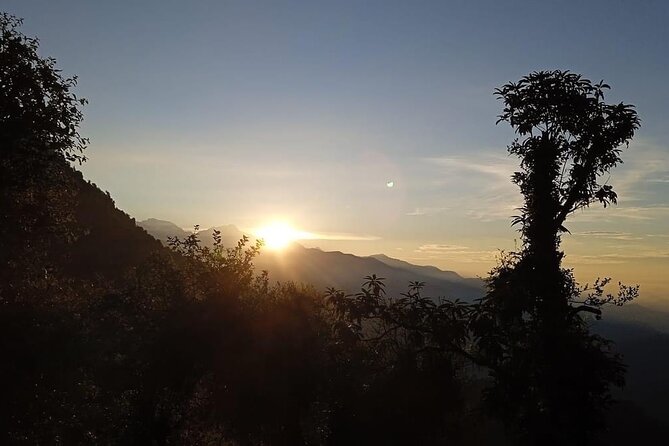
This is the main day of the trek. You walk from High Camp to Mardi Himal Base Camp at 4,500 meters and return, covering roughly 10 to 12 kilometers in six to seven hours.
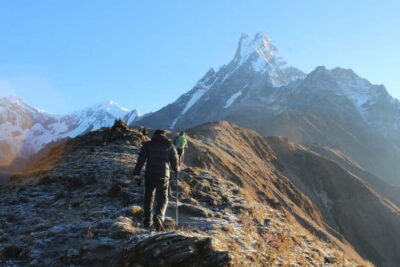
The schedule includes a sunrise view of the Himalayas. That early start is valuable because morning often offers the clearest mountain visibility, though the exact conditions will depend on weather. The reward is a close view of Mardi Himal and the Annapurna range, with a much broader sense of the high ridges around you.
I would treat this as a full mountain day, not simply a viewpoint visit. The return to High Camp means you must conserve energy for the way back. The route may feel steep and exposed, and the air is thin at the highest point. You should walk slowly, eat what you can, and avoid letting the excitement of the sunrise push you into an unsustainable pace.
This is also where fitness and preparation matter most. You do not need to be an expert mountaineer, and the package is presented as suitable for most people, including beginners with proper planning. Still, a beginner should understand that a 4,500-meter outing is a serious physical commitment.
Day Five: High Camp to Siding Village and Back to Pokhara
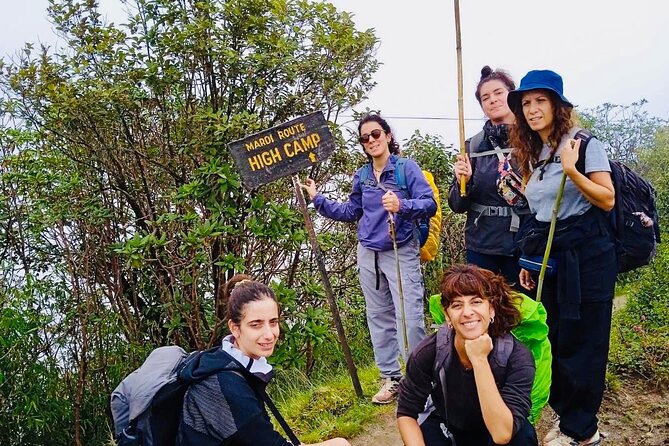
Day five changes the mood completely. You descend about 8 kilometers from High Camp at 3,580 meters to Siding Village at 1,700 meters, then continue by private jeep to Pokhara. The walking and driving together take about six to seven hours, including roughly two hours on the road.
The descent passes terraced fields and traditional villages. This is one of the most valuable parts of the route because you see a different side of the Annapurna region after the high ridges and snow peaks. The Gurung culture is part of the experience, and the village section gives you more human scale after several nights in the mountains.
Downhill walking can be harder on your knees than uphill walking. Trekking poles can help, though the package does not specifically state that they are provided. Your guide can help manage the pace, and you should not be embarrassed to take short breaks.
The private jeep is a practical inclusion. After a long descent, a private vehicle is more comfortable than trying to arrange local transport yourself. The road transfer also saves time and lets you return to Pokhara without adding another night on foot.
Day Six: Tourist Bus From Pokhara to Kathmandu
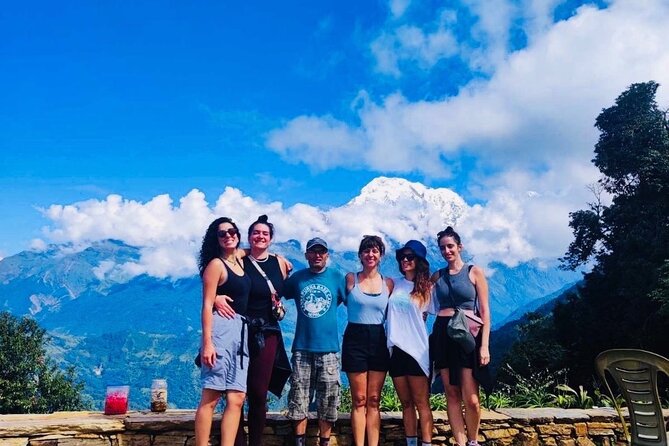
The final day is a transport day, with a tourist bus from Pokhara to Kathmandu taking about seven hours. Tourist buses are commonly used on this route, but seven hours is still a substantial part of the day, especially after the trek.
The package also includes one night in a three-star hotel in Pokhara, though the exact timing of that night should be confirmed. The itinerary places the return to Pokhara after day five and Kathmandu travel on day six, so the Pokhara hotel may be used before the trek or after the return. Ask the operator to spell this out before paying.
The included flight ticket to Pokhara also deserves clarification. The information does not state the departure city, airline, or flight timing. If you are arriving from Kathmandu, the flight could be useful, but you should confirm whether it is a one-way ticket and how it connects with your schedule.
What the $760 Price Includes
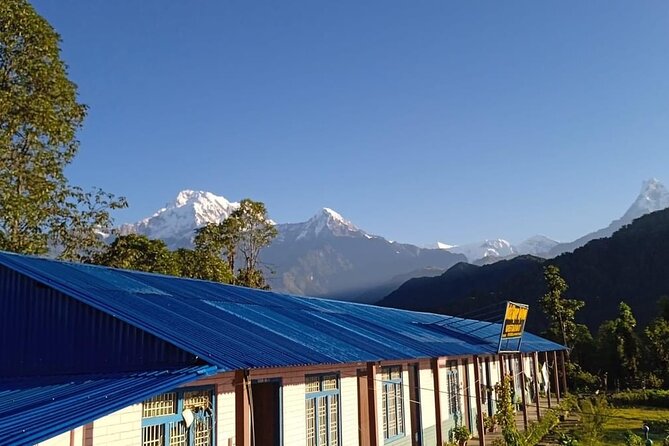
At $760 per person, the price is not just a guiding fee. It bundles a sizeable group of services:
- Car transport from Pokhara to Kande
- Private jeep from Siding to Pokhara
- Tourist bus from Pokhara to Kathmandu
- A flight ticket to Pokhara
- One night in a three-star Pokhara hotel
- Tea house or lodge accommodation during the trek
- A licensed trekking guide
- The guide’s food and insurance
- Annapurna Conservation Area Permit
- Sleeping bag, down jacket, and duffle bag if necessary
- First-aid kit and oximeter
- Government taxes, VAT, and service charges
- Five breakfasts, five lunches, and four dinners
That package can offer solid value if you need the transport and equipment. The permits alone are one less administrative task, while the gear loan is useful if you do not own a sleeping bag or warm jacket.
The main gap is porter service. Porters are not included, so you must either carry your own belongings or arrange and pay for a porter separately. The package also excludes travel insurance, which is compulsory, and you should not confuse the guide’s insurance with your own coverage.
You also pay separately for lunch and dinner in Pokhara, bottled or other drinking water, hot and cold drinks, bar bills, Wi-Fi, battery charging, and personal purchases. Tips for the guide and porters are also extra.
Guide Support and the Beginner Question
The strongest part of the operation appears to be the planning and personal support. Surendra, the manager, is named in the trip feedback, and Yaka is also singled out for helping make the trek smooth and enjoyable. The useful detail here is not simply that the staff are friendly. It is that the planning advice appears to be clear enough to reassure someone on a first Himalayan trek.
One participant joined at a spouse’s invitation and began with anxiety about being a beginner. Careful advice about the trekking plan helped make the trip comfortable, and good weather allowed the mountain views to come through. That is encouraging if you are new to altitude walking.
I would still be realistic. Beginner-friendly does not mean effortless. You need to be able to walk for several hours on consecutive days, manage a 10 to 12-kilometer high-altitude outing, and cope with a fast descent on day five.
The private nature of the trip is another advantage. Only your own group participates, so you are not tied to a large group’s pace. This can make a real difference on steep sections, sunrise starts, and days when someone needs more pauses.
Food, Lodging, and What to Pack
Tea house lodging gives you a basic place to sleep along the route. The package includes meals on the stated schedule, but drinks and personal food purchases are not included. You should budget for water, hot drinks, and charging costs rather than assuming every small expense is covered.
The supplied sleeping bag, down jacket, and duffle bag are available if necessary and must be returned after the trek. Confirm before departure which items you will receive and whether you need to request them in advance.
I would pack warm layers, reliable walking shoes or boots, rain protection, a headlamp, personal medication, sun protection, and a small daypack. The provided information does not specify a full equipment list, so ask the operator for its current packing advice.
Who Should Choose This Trek
I would choose this route if you want a six-day mountain trip with a high viewpoint, forest walking, village scenery, and transport handled for you. It fits someone who has limited time in Nepal but wants more than a short day hike around Pokhara.
It is also a sensible option for a first trek if you value a private guide and clear planning. The three positive accounts emphasize organized arrangements, memorable scenery, and support for beginners. That does not remove the need for preparation, but it does give you a better framework.
I would hesitate if you dislike early mornings, long downhill walks, basic tea house lodging, or high-altitude exertion. You should also pause if carrying your own bag would be difficult, since porter service is not included.
The weather can shape the experience. One account describes excellent conditions and clear mountain views, but no Himalayan schedule can guarantee that result. Build your expectations around the walk itself, not only the sunrise photograph.
Booking Questions Worth Asking First
The cancellation terms are straightforward: you can cancel for a full refund up to 24 hours before the local start time. Changes or cancellations made inside that 24-hour window are not accepted for a refund.
Before you book, I would ask four practical questions. First, which day is the included Pokhara hotel night? Second, what exactly is covered by the flight ticket to Pokhara? Third, how much does a porter cost for your group? Fourth, are the sleeping bag and down jacket reserved in advance or issued on arrival?
You should also confirm the meeting point and pickup time in Pokhara, since pickup is offered but the exact arrangement is not provided here. Confirmation is received at booking, and the activity is private for your group.
Should You Book the Mardi Himal Trek?
I would book this trek if you want a well-supported, compact route with real altitude, strong mountain views, and a cultural finish through Gurung villages. The combination of guide support, permits, meals, transport, and loan equipment makes the $760 price easier to justify.
I would not book it without clarifying the flight, hotel timing, porter cost, and exact daily schedule. The fourth day is the test, with a 4,500-meter base camp and up to seven hours on foot.
For a prepared beginner or an experienced walker with only six days, this is a persuasive choice. Go for the forest silence, the sunrise ridges, and the chance to reach high country without organizing every permit and vehicle yourself. Just bring patience, warm clothing, insurance, and a realistic respect for the altitude.
FAQ
How long does the Mardi Himal Trek take?
The trek takes approximately six days, including transport from Pokhara and the tourist bus journey to Kathmandu.
Where does the trek begin?
The walking portion begins at Kande, reached by car from Pokhara in about 1.5 hours.
What is the highest point on the route?
The highest stated point is Mardi Himal Base Camp at 4,500 meters on day four.
Is a guide included?
Yes. The price includes a professional, licensed trekking guide, including the guide’s food and insurance.
Is porter service included?
No. Porter service is not included and must be arranged and paid for separately if needed.
Are meals included?
Five breakfasts, five lunches, and four dinners are included. Lunch and dinner in Pokhara are not included, and drinks and personal food purchases are extra.
Is accommodation included?
Yes. The package includes tea house or lodge accommodation during the trek and one night in a three-star hotel in Pokhara.
Can I cancel for a full refund?
Yes, provided you cancel at least 24 hours before the experience start time. Cancellations or changes made less than 24 hours in advance are not refunded or accepted.
New in the Pokhara listings
- Pokhara: Pokhara Highlights Tour by Bus★ 3.6 · 10 reviews
- Discover Pokhara in Style: Private Vehicle Service with Driver★ 5.0 · 5 reviews
- Pokhara in 5 Hours: Lake, Museum, Cave, Falls & Pagoda Hill★ 4.5 · 16 reviews
- Private 4 Day Poon Hill Trek from Pokhara★ 5.0 · 16 reviews
- Multi-Day Tour from Pokhara, Poon Hill and Mulde Trek★ 5.0 · 1 review
- 4 Day Mardi Himal Base Camp Trek from Pokhara★ 5.0 · 18 reviews
- From Pokhara Full Day Entire Pokhara Tour with Guide★ 5.0 · 1 review
- Ultralight Flight: Into The Heart Of The Mountains (90 min)★ 5.0 · 1 review
Mardi Himal Treks, compared.

Browse the lists this tour appears in