
REVIEW · UNESCO WORLD HERITAGE TOURS
Full Day Kathmandu City Sightseeing Tour of UNESCO Heritage Sites
Kathmandu reveals itself one shrine at a time. I like the four major heritage stops packed into one day, and I like that hotel pickup, air-conditioned transport, and a guide are included. The main catch is that lunch and entrance fees cost extra, so the advertised $50 price is not the full day’s expense.
This small-group tour, capped at 15 people, is a sensible way to get your bearings fast. Guides such as Rabina, Keshar, and Ranjit Godar have been praised for clear explanations and warm service, though the start time and site details should be confirmed before you go.
In This Review
- Key points at a glance
- Why this Kathmandu day tour works well
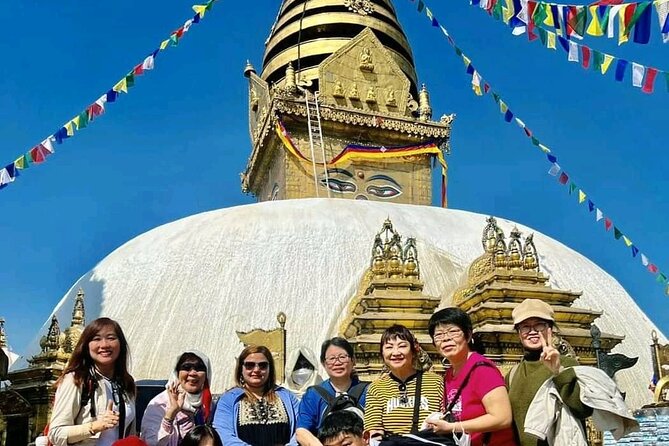
- Swayambhunath and the hilltop view
- Patan, the city of arts
- Pashupatinath, Kathmandu’s major Hindu shrine
- Boudhanath and the final major stop
- What the $50 price really covers
- Timing, transport, and group comfort
- The guides and the human side of the day
- Who should book this experience?
- Should you book the Kathmandu UNESCO sites tour?
- FAQ
- How long does the Kathmandu sightseeing tour take?
- What time does the tour start?
- Is hotel pickup included?
- Are entrance fees included?
- Is lunch included?
- How many people can join the tour?
Key points at a glance
- Four important Kathmandu Valley sites: Swayambhunath, Patan, Pashupatinath, and Boudhanath are the core of the day.
- Hotel pickup is included: You are collected and returned within Kathmandu Valley in an air-conditioned vehicle.
- Plan for about eight hours: The tour is described as seven hours, but the practical estimate is closer to eight.
- Entrance fees are extra: Carry additional money for the heritage sites, since the $50 price does not cover them.
- Lunch is not included: You get time for a meal, but you pay for your own food and drinks.
- Small-group format: A maximum of 15 people gives you more room for questions than a large coach tour.
Why this Kathmandu day tour works well
Kathmandu Valley can feel confusing at first. Four major sites sit in different parts of the city, traffic can slow the drive, and each place has its own customs and story. This tour handles the transport and links the sights in a logical full-day route.
I see the biggest value in the combination of door-to-door transport and local guiding. You do not need to work out which taxi goes where, negotiate several fares, or spend half your day trying to locate the right entrance. Instead, you can focus on the temples, courtyards, statues, prayer wheels, and daily religious life around you.
The maximum group size is 15. That is not a private tour, but it is small enough to hear the guide and ask questions without shouting across a crowded bus. Several guides have received warm praise for being kind, careful, and well informed. Rabina is singled out for her friendly manner, while Keshar and Ranjit Godar are praised for explaining both historical and present-day culture.
The tour is also useful if you have only a short stay in Nepal. In one day, you see Buddhist and Hindu places of worship, old royal architecture, and some of the valley’s best-known symbols. It gives you a strong first look, though it cannot provide the slow pace of visiting each site independently.
More UNESCO World Heritage Tours in Kathmandu:
- Private Kathmandu Sightseeing Tour | UNESCO World Heritage sites
★ 5.0 · 756 reviews - Kathmandu: Full Day 7 UNESCO Tour with Lunch – Private/Group
★ 5.0 · 415 reviews - Kathmandu: Full Day Top 4 UNESCO Tour with Lunch – Private/Group
★ 5.0 · 269 reviews
Swayambhunath and the hilltop view
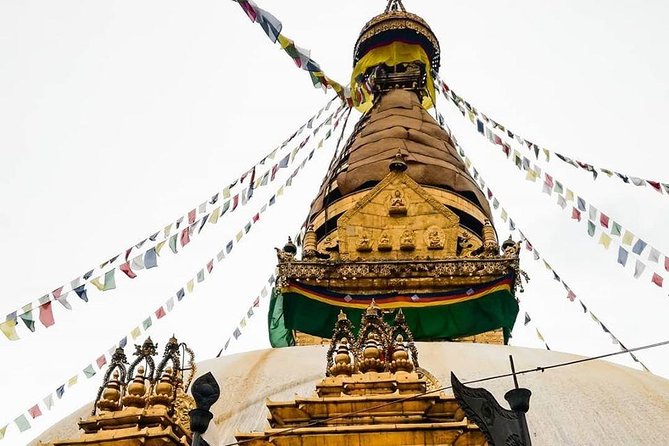
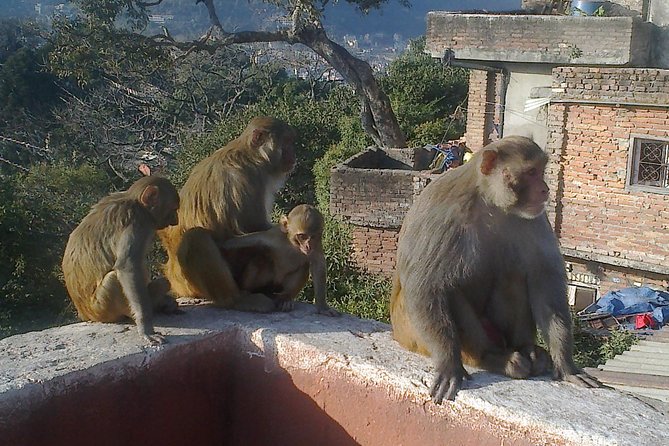
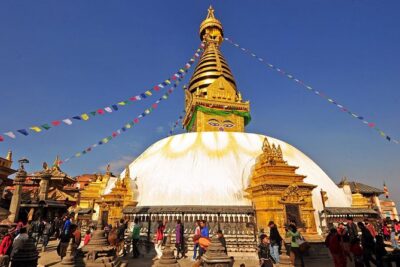
The day begins at Swayambhunath Temple, often called the Monkey Temple. The supplied schedule allows about one hour here, which is enough for a first visit but not enough to inspect every corner at leisure.
The hilltop setting is part of the appeal. You get an elevated view across Kathmandu, along with the chance to see a major Buddhist site in an active religious setting. The stupa, temple buildings, prayer features, and surrounding shrines give you an immediate sense of the valley’s mix of Buddhism and Hinduism.
Wear shoes that are easy to remove if needed, and dress in a way that feels respectful at a religious site. The information provided does not specify the exact walking route or number of steps, so you should ask your guide about the day’s physical demands if that matters to you.
One hour can pass quickly here. You will have time for photographs and a broad introduction, but not necessarily a quiet, detailed visit. If Swayambhunath is your main interest, you may wish to return independently on another day.
The hilltop stop also helps set the tone for the rest of the tour. You begin with a wide city view, then move into the old urban centers and major religious sites below.
Patan, the city of arts
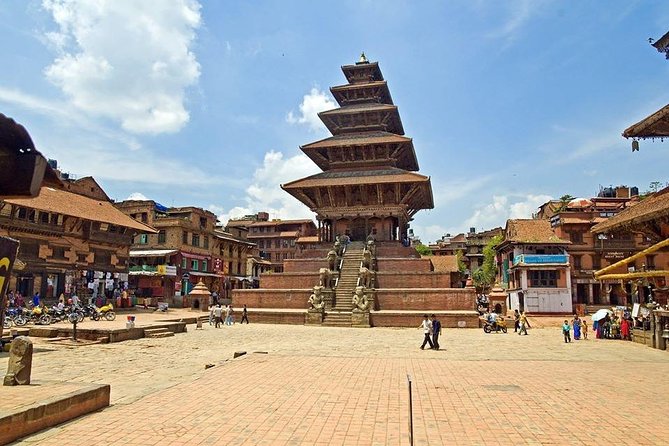
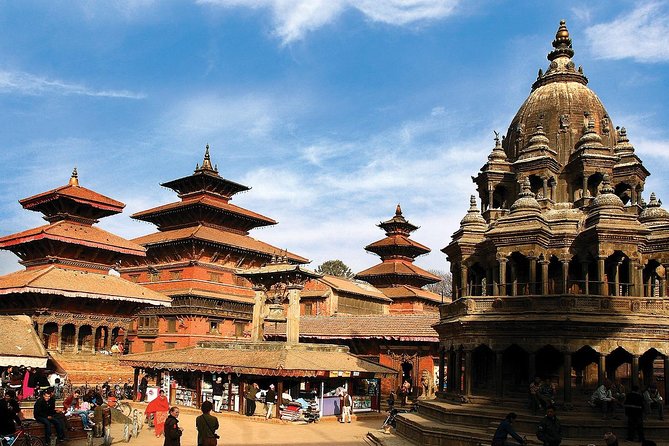
The route then continues to Patan, one of the most rewarding stops for architecture and traditional craftsmanship. The schedule refers to Patan Durbar Square and identifies buildings such as Krishna Mandir, Bhimsen Temple, and Taleju Bhawani Temple.
Patan’s appeal is not just one famous monument. Its square brings together temples, carved details, old buildings, and the surrounding streets of the former royal city. The guide can help you read the scene rather than simply point at it. Look up at the woodwork, notice the proportions of the courtyards, and watch how ordinary homes and shops sit beside centuries-old religious structures.
This is where a good guide makes a clear difference. A quick walk can leave you seeing only handsome brick and timber. A stronger explanation connects the temples to local beliefs, royal power, artistic traditions, and the way the city still functions today.
The schedule says you get time for lunch after the Patan visit. Food is not included, so budget for the meal separately. The exact restaurant and length of the lunch stop are not specified. If you have dietary needs, ask the guide early rather than waiting until everyone is hungry.
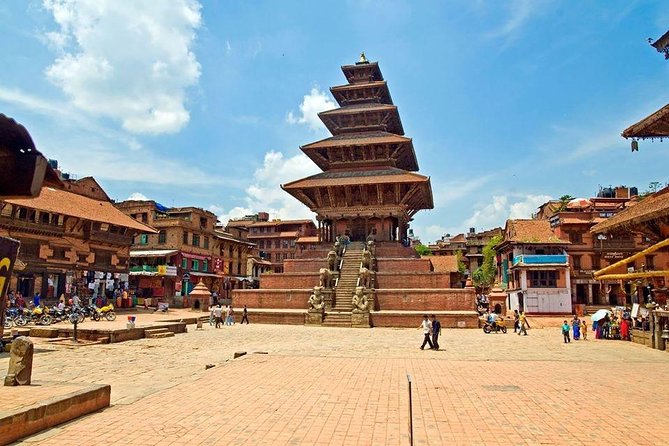
There is one point to clarify before booking. The overall tour description names Swayambhunath, Patan, Pashupatinath, and Boudhanath, while part of the detailed schedule also refers to Kathmandu Durbar Square before the drive to Patan. Ask the operator which four sites are guaranteed on your date. That small check can prevent disappointment, especially if Kathmandu Durbar Square is high on your list.
Pashupatinath, Kathmandu’s major Hindu shrine
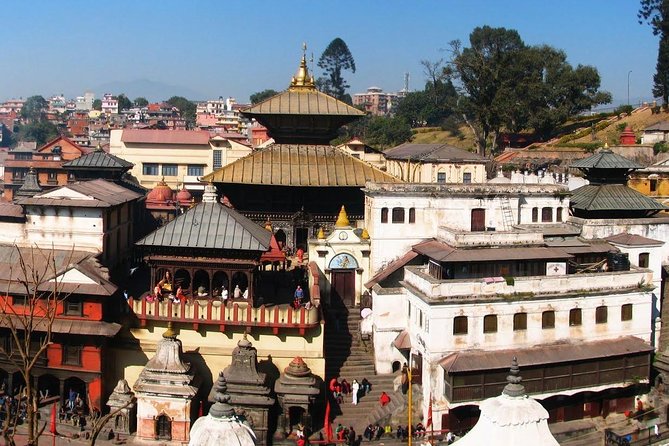
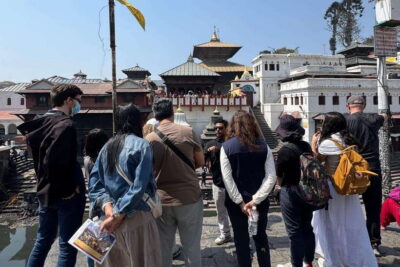
Pashupatinath adds a different mood to the day. It is one of the valley’s most important Hindu religious places and is best approached with respect and attention to local rules.
You should expect the guide to explain what you are seeing and where visitors may go. The information supplied does not spell out access rules for every part of the complex, so do not assume that every building is open to everyone. Follow signs and your guide’s instructions, and ask before photographing people or ceremonies.
The site matters because it is not simply an old monument set aside for sightseeing. It remains a living place of worship. That makes the visit more meaningful, but also calls for a quieter, more careful manner than you might use in a museum.
The pace of the day can affect this stop. Traffic between sites may eat into the schedule, and a seven-hour estimate is paired with advice to allow about eight hours. You should not plan an important evening flight or tightly timed appointment immediately after the tour.
Pashupatinath is also a good place to listen. The guide’s explanation can help you understand the difference between viewing a religious complex as a visitor and entering a place that remains central to local life.
More history tours in Kathmandu:
- UNESCO Seven World Heritage Tour in Kathmandu
★ 5.0 · 253 reviews - Kathmandu Private Sightseeing Tour | UNESCO World Heritage Sites
★ 5.0 · 109 reviews - Kathmandu: Full Day Private Top 4 UNESCO Heritage Tour W/Lunch.
★ 5.0 · 86 reviews - Kathmandu World Heritage Tour
★ 5.0 · 74 reviews
Boudhanath and the final major stop
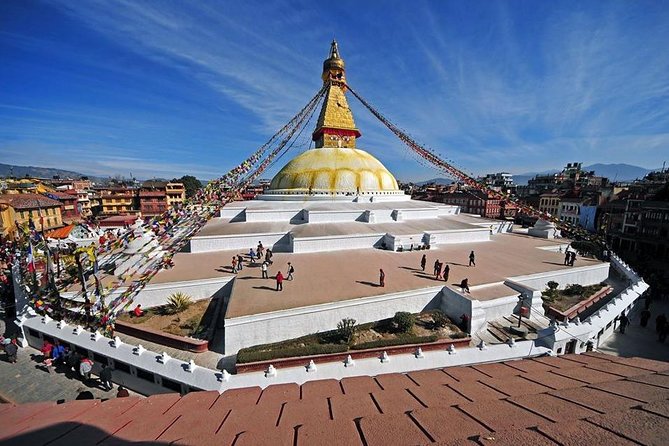
Boudhanath Stupa is the fourth headline stop. Its large Buddhist stupa and surrounding religious setting provide a strong contrast with Pashupatinath.
The route gives you a chance to see another side of Kathmandu’s spiritual life. At Boudhanath, look beyond the central structure to the surrounding activity, prayer practices, and shops. Your guide can explain the symbols and customs, while you take in the scale of the stupa and the steady movement around it.
This is a site where time for questions is valuable. One guide, Rabina, was praised for leaving enough room between locations for photographs and discussion. That is exactly the right approach here. You will get more from the visit if you understand what you are looking at instead of rushing around the perimeter.
The detailed timing for Boudhanath is not provided, so I would ask how long the group normally stays. Four sites in one day is efficient, but efficiency has a cost. You will get a broad introduction rather than a long, unhurried study of every monument.
What the $50 price really covers
At $50 per person, this is a reasonable convenience purchase if you value time and simplicity. The price includes hotel pickup and drop-off within Kathmandu Valley, transportation in an air-conditioned vehicle, and a professional guide.
It does not include food and drinks. Entrance fees are also described as an extra cost in the tour information, even though another section uses wording that could suggest admission is included. Treat the entrance fees as extra and confirm the current amount before departure.
Your real cost is therefore:
- The $50 tour price
- Admission fees at the UNESCO sites
- Lunch
- Any drinks, snacks, or personal purchases
That remains fair for a full day of transport and guiding, especially if you are traveling alone or as a couple. A solo visitor can find the arrangement particularly useful because it removes the need to arrange several separate rides. A larger family may need to compare the cost with hiring a private vehicle, but the small group still offers a simple solution.
The value depends on what you want. If you enjoy figuring out local buses, choosing your own stops, and setting your own pace, an organized day may feel restrictive. If you want to see the main sights without spending your first Kathmandu day on planning, the price makes more sense.
Timing, transport, and group comfort
The tour is described as starting at 8:00 am in one place and 8:45 am in another. That is a practical detail worth settling before the day begins. The guide is expected to collect you at your hotel, but confirm the exact pickup time and waiting point after booking.
Allow around eight hours, even though the stated duration is about seven. Kathmandu traffic can make a short drive take much longer, and four major sites require time for walking, explanations, photographs, and group movement.
The air-conditioned vehicle is welcome during a long city day. The exact vehicle size is not provided, but the group limit is 15. If the group is full, personal space may be limited, especially during drives between sites.
You should bring comfortable shoes, water, sun protection, and some cash for lunch and admission fees. These are practical choices based on the length of the day and the number of religious and historic locations, not special equipment requirements.
Most people can participate, and the tour is near public transportation. It is not suitable for pets. The supplied information does not give detailed accessibility guidance, so ask about steps, walking distances, and vehicle access if you have mobility concerns.
The guides and the human side of the day
The strongest praise centers on the guides. Rabina is repeatedly described as kind, warm, and helpful, with enough knowledge to explain the cultural sites clearly. Keshar is praised for detailed answers and an unhurried style, while Ranjit Godar is noted for explaining each sight with charm and care.
You may not receive one of these specific guides, since assignments can vary. Still, their praised qualities show what to hope for: clear explanations, patience, safe handling of the day, and room for questions.
A guide also helps you notice small cultural details you could miss on your own. At a temple, that might mean understanding why people move in a particular direction. In an old square, it might mean seeing how homes, shrines, and public spaces fit together. At a stupa, it might mean learning how the symbols relate to Buddhist practice.
The best use of your guide is to ask questions. Do not wait for a formal speech at each stop. Ask about the buildings you find confusing, the ceremonies you see, and how the sites fit into modern Kathmandu.
Who should book this experience?
I would choose this tour if I had one free day in Kathmandu and wanted a structured introduction to the valley’s main heritage sites. It suits first-time visitors, solo visitors, couples, and people on a short business trip who do not want to spend hours arranging transport.
It also works well for families and small groups that prefer a guide and vehicle. The group limit of 15 is more comfortable than a large coach, though it cannot match the flexibility of a private tour.
I would hesitate if you want long visits at each site, extensive time for shopping, or a very flexible schedule. The route covers a lot, and traffic can affect the pace. You should also reconsider if the added admission fees and lunch make the final price higher than you expect.
Book at least 24 hours before the start time if you want the option of a full refund. Cancellations made less than 24 hours ahead are not refundable, and late changes are not accepted.
Should you book the Kathmandu UNESCO sites tour?
Book it if you want to see four major Kathmandu Valley sites with hotel transport, a local guide, and a manageable group size. The best parts are the broad cultural range, the useful explanations, and the relief of leaving city transport to someone else.
Before paying, confirm three things: the exact pickup time, the final list of sites, and the current entrance fees. Also set aside money for lunch. With those details clear, this is a practical first-day tour that gives you a solid sense of Kathmandu without asking you to solve the city’s transport puzzle on your own.
FAQ
How long does the Kathmandu sightseeing tour take?
The tour is listed as approximately seven hours, but you should plan for around eight hours in practice.
What time does the tour start?
The information gives both 8:00 am and 8:45 am as start times. Confirm the exact pickup time with the provider before the tour.
Is hotel pickup included?
Yes. Pickup and drop-off are included for hotels in Kathmandu Valley, and the guide comes to the hotel for collection.
Are entrance fees included?
The tour information states that entrance fees to the sites are extra. One section uses conflicting wording, so confirm the admission costs before departure.
Is lunch included?
No. Lunch, food, and drinks are not included. You receive time for lunch during the day and pay for your own meal.
How many people can join the tour?
The activity has a maximum of 15 participants.
New in the Kathmandu listings
- Kathmandu: Ancient City Kirtipur & Pharping Monastery Tour★ 5.0 · 2 reviews
- Traditional Momo Making Class★ 5.0 · 10 reviews
- Kathmandu to Pokhara Premium sofa bus ticket★ 4.0 · 17 reviews
- Women Empowerment Project(Nepali cooking class & jewelry workshop★ 5.0 · 15 reviews
- 7-Day Langtang Valley Trek from Kathmandu★ 5.0 · 1 review
- Kathmandu 2 Nights 3 Days Chitwan Jungle Safari Tour★ 5.0 · 9 reviews
- Yoga Experience Day Trip with Private Transfer From Kathmandu★ 4.0 · 2 reviews
- Wildlife Adventure in Chitwan Nepal★ 4.0 · 4 reviews
UNESCO World Heritage Tours, compared.
Private Kathmandu Sightseeing Tour | UNESCO World Heritage sites
Read our review →
Full Day 7 UNESCO Tour with Lunch – Private/Group
Read our review →
Full Day Top 4 UNESCO Tour with Lunch – Private/Group
Read our review →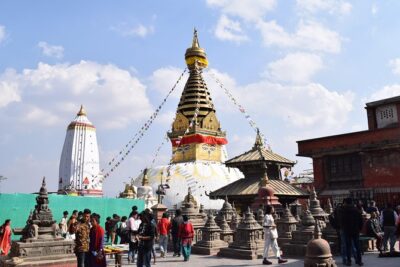
Full-Day 7 UNESCO Tour with Lunch – Private/Group
Read our review →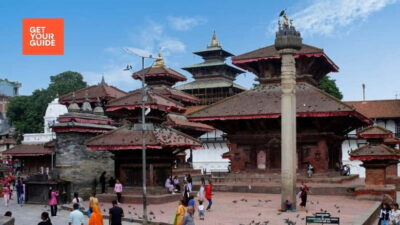
Browse the lists this tour appears in